Fuel discounts, EV push, and road safety dominate PH auto talk
A snapshot of the Philippine automotive conversation on August 5, 2026, covering fuel subsidies, EV incentives, regulatory crackdowns, and road safety incidents.
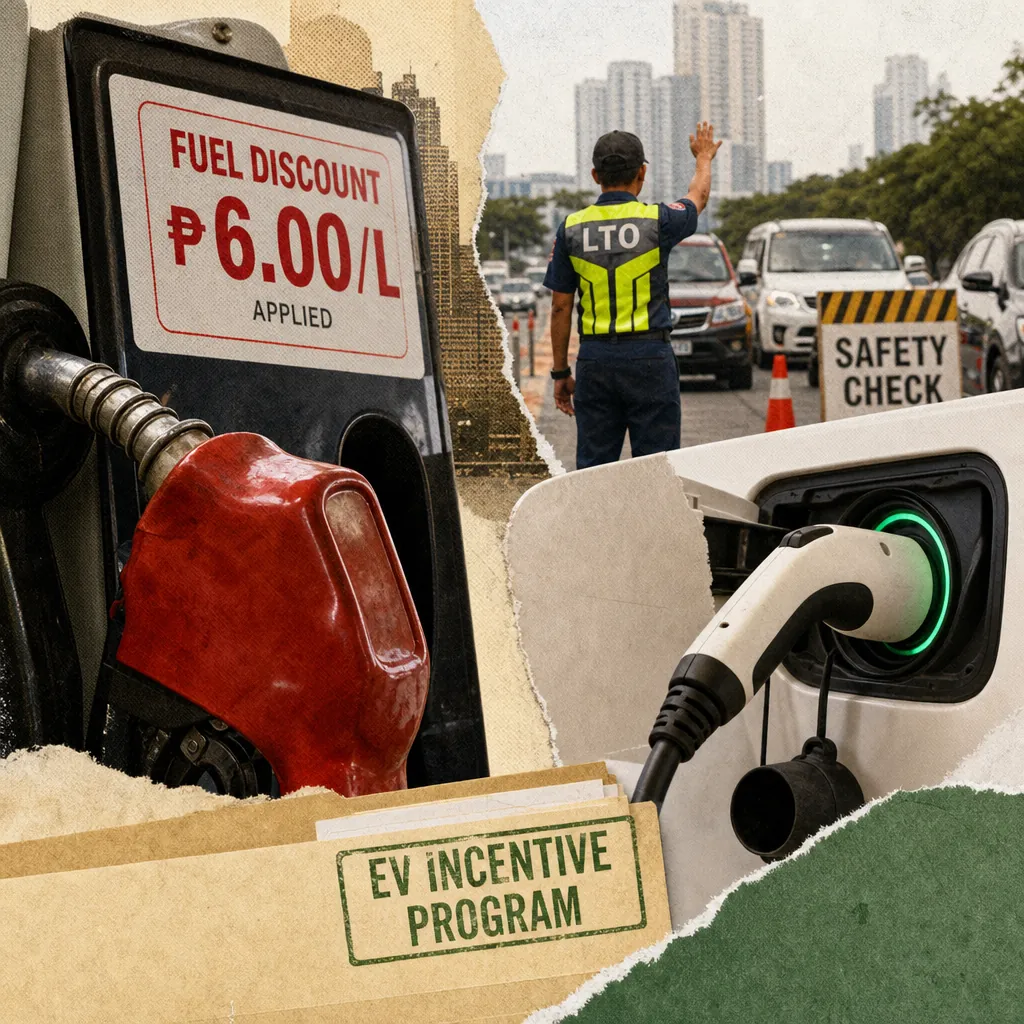
The Philippine automotive conversation on August 5, 2026, was a dense weave of policy, consumer anxiety, and tragedy. The day opened with the Land Transportation Franchising and Regulatory Board (LTFRB) announcing it had issued show-cause orders to operators of 226 dilapidated and untidy taxis and buses, a move that set a strict enforcement tone. By mid-morning, the narrative shifted to a more hopeful register as President Ferdinand Marcos Jr. rolled out a ₱60-billion electric vehicle (EV) incentive package, and Malacañang raised the fuel discount for public utility vehicle (PUV) drivers from ₱10 to ₱12 per liter. But the most emotionally charged conversations were on social media, where a series of fatal motorcycle accidents and a viral video of a pedestrian slapping a rider's helmet dominated feeds. The day's discourse revealed a public caught between hope for cleaner, more affordable mobility and deep frustration with enforcement inconsistencies, data security lapses, and the human cost of road recklessness.
On the news side, the coverage was substantial. The LTFRB crackdown drew heavy newspaper and online coverage, worth an estimated ₱146,664 in advertising-equivalent value for the Inquirer's report alone, while the fuel discount announcement generated multiple articles across outlets like the Manila Times and Head Topics, with combined coverage value exceeding ₱500,000. The EV incentives story, covered by GMA News and Head Topics, added another ₱500,000 in estimated ad value. Meanwhile, the social conversation on Reddit, Facebook, and Twitter was equally rich, with posts about first-time car buying, dealership frustrations, and the viral "kamote rider" incident drawing thousands of reactions. The day's signal was clear: the automotive sector is at a crossroads, with government pushing modernization and electrification, but consumers and riders grappling with trust, safety, and cost.
Key themes
- Fuel discount hike to ₱12 per liter: Malacañang announced on August 5 that the fuel discount for PUV drivers would rise from ₱10 to ₱12 per liter starting August 15, aiming to increase savings for jeepney and UV Express drivers to up to ₱1,800. The decision, finalized by Executive Secretary Ralph Recto during a Cabinet meeting, was part of broader measures to curb inflation and support sectors hit by the Middle East conflict. Social media reaction was strong, with one Facebook post drawing 301 reactions and 51 comments, reflecting public appetite for transport cost relief.
- LTFRB crackdown on 226 dilapidated PUVs: The LTFRB issued show-cause orders to operators of 226 taxis and passenger buses in June and July for operating untidy and dilapidated units. Chair Vigor Mendoza II warned that violators risk franchise cancellation, emphasizing that commuters deserve dignity and respect. The enforcement drew modest engagement on social media but significant news coverage, with multiple outlets reporting the story.
- ₱60-B EV incentives rollout: President Marcos unveiled a ₱60-billion electric vehicle incentive package, signaling a major policy push for EV adoption. The announcement was covered by GMA News and Head Topics, but notably absent from Reddit consumer threads, which focused on conventional choices like the Toyota Raize and second-hand Vios. This gap suggests a disconnect between policy and grassroots consumer awareness.
- Fatal motorcycle accidents and road safety concerns: A series of fatal motorcycle crashes on August 5—including a rider who died after hitting a post, another who collided with a van and was run over, and a Davao City rider whose motorcycle caught fire—triggered an outpouring of grief and calls for stricter enforcement. A graphic Facebook post documenting one accident drew over 2,000 reactions and 580 comments, making it the most-engaged post of the day.
- Viral "kamote rider" incident and public outrage: A dash-cam video from Iloilo showing a pedestrian slapping a motorcycle rider's helmet after the rider refused to yield at a pedestrian crossing went viral, drawing 1,217 reactions on Facebook and nearly 3,000 views on Twitter. The incident fueled the pejorative "kamote rider" label, highlighting public frustration with reckless riders and sparking debate over pedestrian vs. rider rights.
- First-time car buyer anxiety and dealership trust: Reddit threads on August 5 revealed a surge in first-time buyers seeking advice on negotiating with sales agents, verifying online dealers, and comparing down payments. One user asked, "How do you negotiate with car sales agents po? Any tips po?" while another sought a used Toyota Vios within a ₱250k–₱270k budget. These discussions underscored a market where consumers are cautious and seek external validation before committing.
- Dealership service quality and warranty disputes: A detailed Reddit post from an Isuzu MU-X owner documented five defects within 28 days of purchase, including a faulty air vent and a gear selector producing a "distinct metallic sound." The owner planned to escalate to the Department of Trade and Industry (DTI), and commenters advised legal action under the Lemon Law. This thread highlighted growing consumer legal literacy and the reputational risk for brands when dealers fail to document issues.
- EV retail expansion and new market entrants: VinFast Philippines opened its e-motorcycle dealerships as of July 31, 2026, and launched Rentapasada, a drive-to-earn EV rental program for ride-hailing. Chetak also entered the market, and Toyota Philippines celebrated its 38th anniversary, targeting three million cumulative sales. These developments signaled a dynamic retail landscape, with new players investing in physical presence to build consumer confidence.
How the narratives stack
Dominant: The dominant narrative of the day was the convergence of government policy and public safety concerns, with the fuel discount hike and EV incentives representing proactive government action, while the LTFRB crackdown and motorcycle accidents underscored the challenges of enforcement and road safety. Within the captured set, this narrative drew the most coverage and engagement, with the fuel discount posts and accident reports generating the highest reaction counts. The government's messaging was top-down and informational, while the accident coverage was emotional and grassroots, creating a dual-track conversation that dominated feeds.
Counter-narrative: A counter-narrative emerged from policy critics and rider advocates who challenged one-size-fits-all motorcycle regulations. A Facebook post criticizing the Cebu City Transportation Office's (CCTO) flyover ban argued that it "treats all motorcycles the same, even though there is a huge difference between a small scooter and a large touring motorcycle like a Harley-Davidson Street Glide." This perspective, while modest in engagement, offered a reasoned alternative to the dominant safety narrative, suggesting that blanket restrictions may reduce safety for certain riders.
Emerging: An emerging narrative centered on the growth of EV and e-mobility adoption, with VinFast's dealership openings and the ₱60-billion incentive package signaling a shift toward electrification. However, this narrative was still nascent, with consumer conversations on Reddit remaining anchored in conventional vehicles. The gap between policy and consumer awareness suggests that EV adoption will be a gradual process, with early adopters and new entrants like VinFast and Chetak leading the way.
Suppressed: A story that received less attention than it deserved was the MMDA's investigation into NCAP text scams, which had received over 180 complaints. While the MMDA and NBI coordinated to warn the public, the coverage was limited compared to the emotional accident stories. This under-covered story is significant because it highlights the vulnerability of motorists to digital fraud, a concern that could affect trust in government systems and the broader digital infrastructure.
Platform insights
- Facebook: Facebook served as the emotional and shareable hub, with the highest reaction counts on posts about fuel discounts, data leaks, and fatal accidents. The platform's diverse reaction options (love, haha, sad, angry) provided a richer view of public sentiment, with the data leak post drawing 87 haha reactions against 14 sad and 7 angry, indicating public cynicism. Facebook was also the primary channel for official announcements from the LTFRB and MMDA, though these posts generated minimal engagement, suggesting a top-down broadcast model.
- Reddit: Reddit functioned as the community helpdesk for practical automotive advice, with first-time buyers seeking guidance on dealership negotiations, used car inspections, and hybrid options. Posts were detailed and inquisitive, with high comment-to-like ratios, indicating a community that values problem-solving dialogue. Reddit also hosted the viral "kamote rider" incident with additional context, fueling outrage with a written narrative.
- Twitter: Twitter operated as the official announcement channel and real-time news wire, with MMDA and ABS-CBN News breaking the number coding suspension and accident reports. The platform saw higher view counts—reaching 2,959 on the official MMDA advisory—but lower engagement ratios, suggesting it was used for real-time updates rather than sustained debate. Twitter was also where the Jetour G700 promotional post achieved its highest reach, with 86,872 views.
- YouTube: YouTube remained largely passive, with a public service announcement from MMDA warning against fake NCAP text scams receiving 101 views but zero engagement. This suggests that while YouTube is used for formal official communications, it is not yet a venue for two-way automotive conversation, leaving Reddit and Facebook as the key interactive channels.
Key voices and communities
- Commuter and Daily Driver Communities: This group, consisting of private vehicle owners navigating Metro Manila's regulatory landscape, was the most active and operationally focused. Their discussions centered on the practical application of traffic policies, particularly the number coding scheme, with posts questioning implementation consistency drawing consistent engagement. They exhibited high information-seeking behavior, frequently asking clarifying questions about coding exemptions and weather-related suspensions.
- Regulatory and Government Agency Watchers: This group tracked announcements from agencies like MMDA, LTO, and LTFRB, serving as rapid amplifiers of official information. Their engagement spiked during official advisories, with one LTO-related post about a potential data leak of 10 million motorists generating over 180 reactions and 47 shares. They held government agencies accountable for transparency and efficiency, with particular attention to enforcement consistency and data protection.
- Motorcycle Riders and Commuter Safety Advocates: This group dominated conversation through viral dash-cam and CCTV footage shared across platforms. Their influence was driven by high emotional resonance, with posts about rider fatalities drawing hundreds to thousands of reactions. They were not organized but highly reactive, amplifying incidents that felt systemic and preventable. Their primary narrative was road safety failures, with a stark contrast between sympathy for accident victims and contempt for rule-breaking riders.
- First-Time Car Buyers and Budget-Conscious Consumers: This community, primarily on Reddit, was characterized by extensive peer-to-peer consultation for purchasing decisions. They sought advice on dealership practices, financing options, and vehicle reliability, with particular focus on entry-level models like the Toyota Raize and Vios. Their posts were emotive and detail-rich, expressing anxiety about significant financial commitments and a desire for risk mitigation.
- Policy and Regulation Critics: A smaller but highly articulate segment, likely composed of transport policy professionals and informed citizens, focused on specific regulatory decisions rather than raw incidents. Their posts were lower in volume but higher in substantive critique, often cited by others as expert opinion. They argued against one-size-fits-all motorcycle regulations, advocating for differentiated treatment based on vehicle type.
Narrative streams
Government's dual push: fuel subsidies and EV incentives
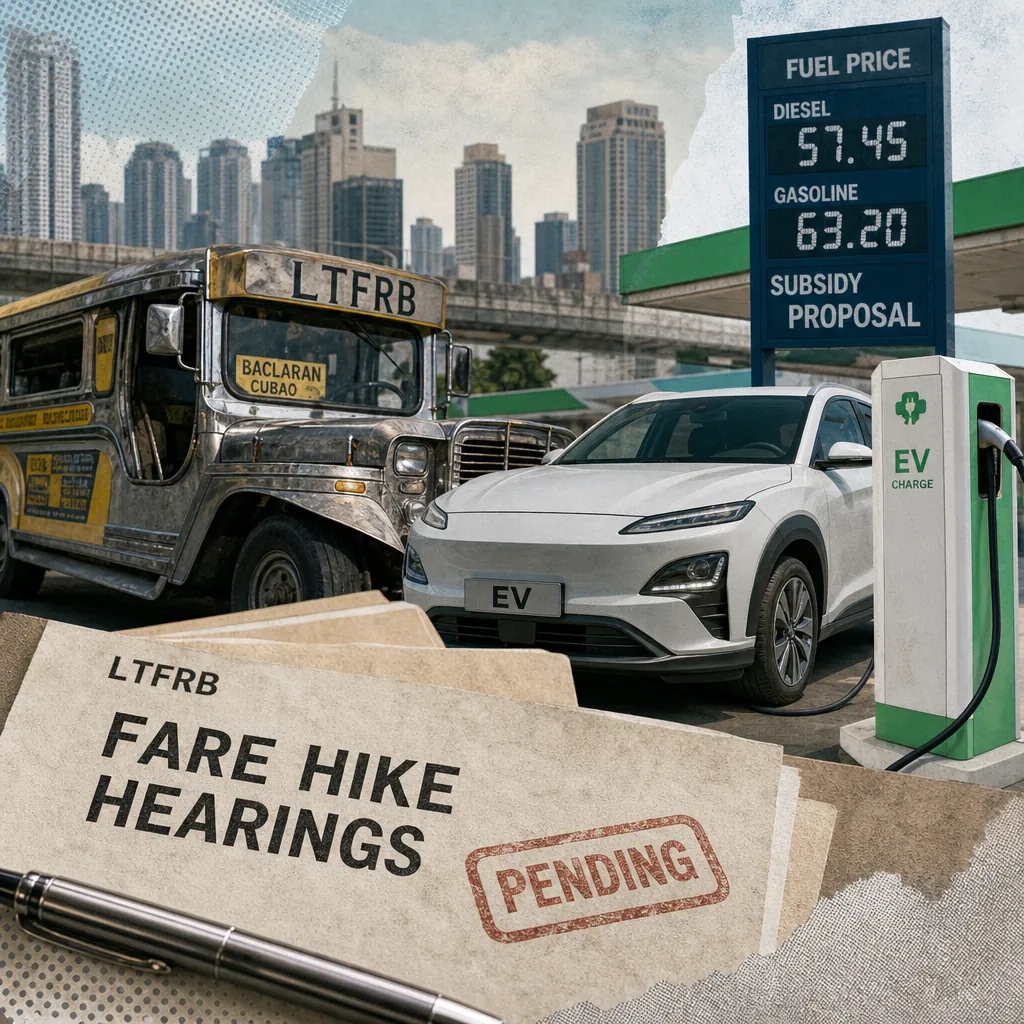
The government's August 5 announcements on fuel discounts and EV incentives represented a coordinated effort to address both immediate cost pressures and long-term sustainability goals. The fuel discount hike, from ₱10 to ₱12 per liter for PUV drivers, was framed as a response to the Middle East conflict's impact on global fuel prices, which had driven inflation to 6.2% in July. Executive Secretary Ralph Recto finalized the decision during a Cabinet meeting, directing the Department of Social Welfare and Development to ensure that the Unified Package for Livelihoods, Industry, Food, and Transport (Uplift) assistance reaches vulnerable sectors. The EV incentives, a ₱60-billion package, were unveiled by President Marcos, signaling a significant policy push for electrification. The Department of Science and Technology (DOST) also pushed for EV manufacturing investments, highlighting innovations like the Converted Electric Tricycle (C-Trike), which can travel up to 70 kilometers on a single charge. This dual push reflects a government trying to balance immediate relief with long-term transformation, but the social media response suggests that consumers are more focused on the former. The fuel discount post drew 301 reactions, while the EV incentives were notably absent from Reddit consumer threads, indicating a gap between policy and public awareness. For the automotive sector, this means that while the government is creating a favorable policy environment for EVs, the immediate consumer concerns remain cost and reliability, not electrification.
LTFRB's enforcement crackdown: safety or overreach?
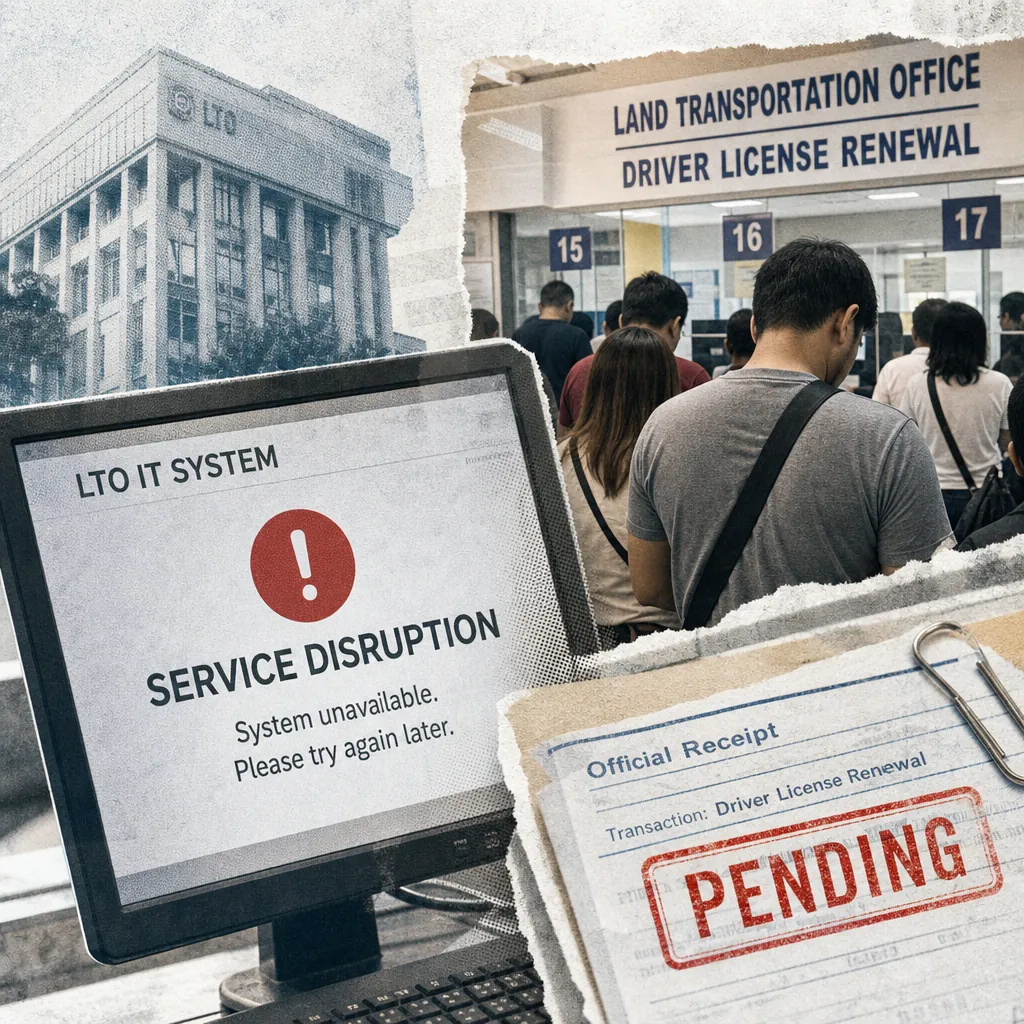
The LTFRB's apprehension of 226 dilapidated and untidy taxis and buses in June and July was a major news story on August 5, with the agency issuing show-cause orders to operators. Chair Vigor Mendoza II warned that violators risk franchise cancellation, stating, "There must be no excuses for dilapidated, untidy and stinking public transportation units." The enforcement was part of a broader campaign aligned with President Marcos's directives, as emphasized by LTFRB Region VII Director Abosamen H. Matuan. While the crackdown was framed as a passenger safety measure, public reaction was mixed. On social media, the posts generated minimal engagement, with one receiving a single "haha" reaction, possibly reflecting public cynicism. The news coverage, however, was substantial, with the Inquirer and Philstar both reporting the story, worth an estimated ₱146,664 and ₱182,354 in advertising-equivalent value respectively. The narrative here is one of government accountability, but it also raises questions about the state of public transport and the burden on operators. For the automotive industry, this enforcement signals a stricter regulatory environment, which could affect the commercial vehicle segment and the perception of PUV operators.
The human toll of road accidents and the "kamote rider" stigma
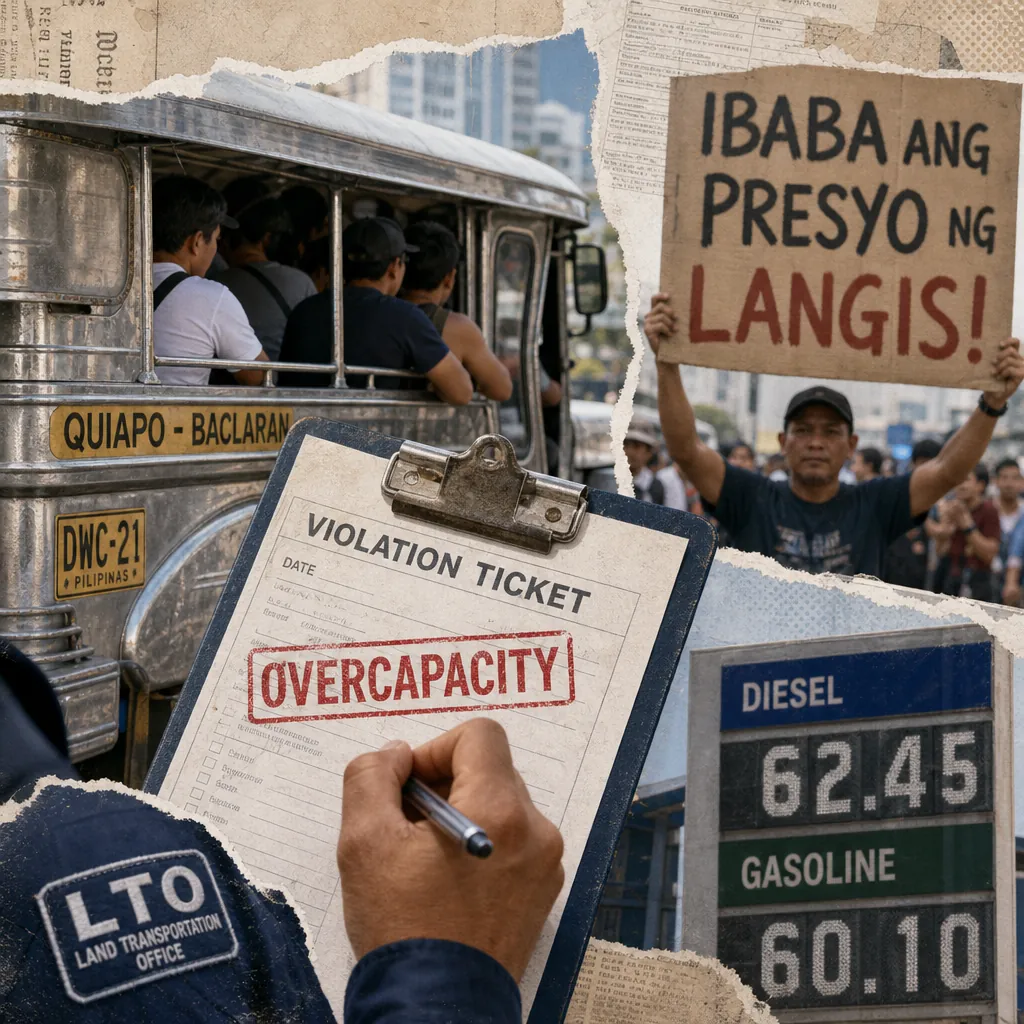
The most emotionally charged narrative of the day was the series of fatal motorcycle accidents and the viral "kamote rider" incident. The accidents, including a rider who died after hitting a post, another who collided with a van and was run over, and a Davao City rider whose motorcycle caught fire, triggered an outpouring of grief and calls for stricter enforcement. A graphic Facebook post documenting one accident drew over 2,000 reactions and 580 comments, making it the most-engaged post of the day. The viral video from Iloilo, showing a pedestrian slapping a rider's helmet, drew 1,217 reactions on Facebook and nearly 3,000 views on Twitter, with Reddit framing it as a deserving consequence for negligent riding. The term "kamote rider" became a recurring and increasingly pejorative label, creating a stark contrast between sympathy for accident victims and contempt for rule-breaking riders. This narrative has significant implications for the motorcycle industry, as it reinforces negative stereotypes that could spill over to legitimate brands and riders. The absence of major industry voices in these conversations presents a gap that could be filled by manufacturers and associations like CAMPI or the Motorcycle Development Program Participants Association (MDPPA) to shape the safety narrative in ways that benefit the entire sector.
First-time buyers and the trust deficit in dealerships
On Reddit, a parallel conversation unfolded among first-time car buyers, revealing a deep-seated trust deficit in dealerships. One user asked, "How do you negotiate with car sales agents po? Any tips po?" expressing concerns about the legitimacy of online agents and comparing down payment structures. Another sought a used Toyota Vios within a tight budget, planning to hire a mechanic for inspection. These discussions highlighted a market where consumers are cautious and seek external validation before committing. The Isuzu MU-X owner's detailed defect timeline, with plans to escalate to the DTI, further underscored the growing legal literacy among buyers. The lack of engagement on official government enforcement posts suggests that while compliance messaging is necessary, it may not be the primary driver of consumer sentiment, which is instead shaped by peer advice and brand marketing efforts. For automotive brands, this represents an opportunity to position themselves as trustworthy resources for consumer education, addressing the anxiety around dealership transactions and building confidence in legitimate channels.
EV retail expansion and the battle for market share
The EV sector saw significant retail expansion on August 5, with VinFast Philippines opening its e-motorcycle dealerships and launching Rentapasada, a drive-to-earn EV rental program. Chetak also entered the market, and Toyota Philippines celebrated its 38th anniversary, targeting three million cumulative sales. These developments signaled a dynamic retail landscape, with new players investing in physical presence to build consumer confidence. The VinFast announcement, shared by IgnitionPH on Facebook, received modest engagement but indicated early enthusiasm. The Rentapasada program, which allows qualified drivers to begin operating with a ₱5,000 registration payment, was covered by Autocar Philippines, worth an estimated ₱235,104 in advertising-equivalent value. This narrative is still emerging, but it suggests that EV adoption is being driven not just by policy but by market players creating accessible entry points. For the automotive industry, this means that competition is intensifying, with Chinese brands like Jetour and MG also pushing aggressive pricing and promotional strategies.
Conversation trajectory
- Regulatory enforcement scrutiny intensifying: The LTFRB's crackdown on dilapidated PUVs is likely to expand over the next 4-6 weeks, with more apprehensions and public discussion about franchise compliance. Expect sentiment to split between support for passenger safety and operator concerns about compliance costs. The government's "Bagong Pilipinas" branding will likely intensify ahead of major transport summits. (Observation window: 4-6 weeks)
- Fuel and fare subsidy debates escalating: The fuel discount hike to ₱12 per liter will be a recurring topic as the August 15 implementation date approaches. Transport groups like MANIBELA are petitioning for provisional fare hikes, which will compete with subsidy messaging. Expect 2-3 more suspension events as the rainy season peaks, each generating amplified discussion about transport system reliability. (Observation window: 2-4 weeks)
- EV incentives to reshape consumer consideration: The ₱60-billion EV incentive package will likely spark model-specific cost analysis and dealer-level promotional responses within 1-2 months. As details are digested, expect comparative content—hybrid vs. BEV vs. traditional ICE—to dominate consideration-stage conversations. The gap between policy and consumer awareness on Reddit suggests a need for educational marketing. (Observation window: 1-2 months)
- Motorcycle safety narrative to persist: The series of fatal accidents and the "kamote rider" stigma will likely persist for 2-3 weeks, potentially fueled by additional dashcam footage and police reports. This creates reputational risk for motorcycle brands and rider organizations, but also opportunities for safety campaigns that resonate with public concern. (Observation window: 2-3 weeks)
- Dealership trust issues to escalate: The Isuzu MU-X defect timeline and OR/CR delay complaints signal a growing trend of consumers weaponizing regulatory knowledge. Expect more detailed complaint threads and potential DTI filings, which could ignite broader "dealer nightmare" discussions across brand communities. (Observation window: 2-3 weeks)
Trigger events to watch: The LTFRB's decision on the provisional fare hike petition (expected within 3-5 weeks), the LTO's resolution of the data breach issue and any blacklisting decisions (anticipated within 2-4 weeks), and the formal implementation details of the ₱60-billion EV incentive program (within 1-2 months). Additionally, the enforcement of the expanded number coding scheme post-suspension will likely bring renewed scrutiny to MMDA coordination with local government units.
Response guidance
For communicators in the automotive sector, the immediate priority is to address the trust deficit in dealerships. Develop a "First-Time Buyer's Guide" that answers the exact questions raised in Reddit threads, including how to compare down payments vs. monthly terms, how to verify agent legitimacy, and what to inspect on the day of signing. This content should be pushed across social media and used as a lead-generation tool, positioning brands as trustworthy resources rather than sales-driven entities.
For government-facing clients, the fuel subsidy and fare hike discussions require proactive policy communication. Reinforce the fuel subsidy program's reach and clarify fare hike timelines to manage the expectation gap visible in engagement metrics. The LTFRB enforcement narrative should be framed as a solution, not a symptom, by publishing post-enforcement reports showing positive outcomes.
For motorcycle and EV brands, leverage the heightened public attention on rider fatalities to promote safety technology features (anti-lock braking systems, improved lighting, rider protection gear) as standard or available options. Position these features as life-saving rather than cost-additive. For EV brands, the launch window of new dealerships presents an opportunity to dominate the "first 30 days of ownership" narrative with curated content on warranty, service intervals, and common issues.
Sensitive topics to navigate include the "kamote rider" labeling, which risks normalizing disdain for motorcyclists; any engagement should gently steer the language toward "reckless driver" or "traffic violator" to focus on behavior, not identity. Also, the LTO data breach situation demands transparent communication about potential risks and remediation steps without causing unnecessary alarm. Finally, avoid overpromising specific benefits of EV incentives; instead, frame them within the broader context of evolving infrastructure and market maturation.
Key messages should emphasize that road safety is a shared responsibility, that passenger safety remains the top priority in all traffic management decisions, and that transparency and accountability are essential in addressing data security concerns. For first-time buyers, the message should be to prioritize total ownership costs—including fuel, maintenance, insurance, and resale value—rather than focusing solely on monthly payments.
In terms of platform approaches, Facebook should be used for official advisories and visual content like infographics to clarify complex regulatory updates. Reddit requires a more nuanced approach, engaging constructively with community discussions and providing practical guidance without heavy-handed brand messaging. Twitter is best for real-time updates and amplifying official announcements, while YouTube can be leveraged for public education content that addresses common vehicle issues and scam warnings.
Finally, monitor the emotional tone of viral rider fatality stories to alert clients to public sentiment shifts that may impact their operational or reputational standing. The absence of major industry voices in these conversations presents a gap that could be filled by manufacturers and associations to shape the safety narrative in ways that benefit the entire sector.
See the full picture behind today's signals.
This report draws from Media Meter's MediaWatch, our real-time monitoring engine tracking 2,470+ Philippine sources across print, broadcast, digital, and social. Explore how the platform turns raw coverage into decision-grade intelligence, then see how it's configured for teams like yours — whether you're in PR agencies, corporate comms, government, or marketing.
Want more? Browse our Report Library for sector and crisis intelligence, or request a demo and we'll have your brand set up before the call.
Want this kind of intelligence on your brand?
This brief is built on the same MediaWatch methodology that runs continuously across every brand we monitor. See your competitive landscape, Impact Score, and narrative trajectory in a 30-minute demo.