LTO crackdown, fuel subsidies, and rider protests dominate PH transport
A day of heightened enforcement and economic tension in Philippine transport: the LTO pursues blacklisting of a tech contractor over a data-leak risk, jeepney overloading draws swift penalties, and transport groups gear up for a strike over fuel prices.
The conversation around Philippine roads and transport on August 4, 2026, was a study in contrasts: a regulator flexing its enforcement muscle, a sector buckling under fuel costs, and riders fighting for their livelihoods. The day's most consequential development came from the Land Transportation Office (LTO), which told lawmakers it is preparing to blacklist German technology firm Dermalog over a botched ₱3.19-billion system that may have exposed the data of around 10 million motorists. At the same time, the agency pressed its aggressive campaign against viral traffic violations—suspending a jeepney driver caught on video carrying passengers on the roof, and issuing show-cause orders for unauthorized blinkers and other infractions. Meanwhile, transport groups announced a three-day strike starting August 10 to protest fuel price hikes, and motorcycle taxi riders staged a motorcade against a proposed ban on switching between ride-hailing apps. The day's social media was dominated by these enforcement stories, with the Davao drag racing tragedy that killed a couple drawing nearly 2,000 sad reactions on Facebook, and a Reddit user questioning whether show-cause orders are applied fairly or can be dismissed through connections. This snapshot captures a sector at a crossroads: regulators promising accountability, drivers and riders feeling squeezed, and a public that is both demanding enforcement and skeptical of its fairness.
Key themes
- LTO's enforcement blitz and the Dermalog blacklisting: The LTO is aggressively pursuing accountability on two fronts: cracking down on viral traffic violations and seeking to blacklist a contractor over a failed IT system. The Dermalog case, involving a ₱3.19-billion system that remains incomplete after 900 days, raises serious concerns about data security for millions of motorists.
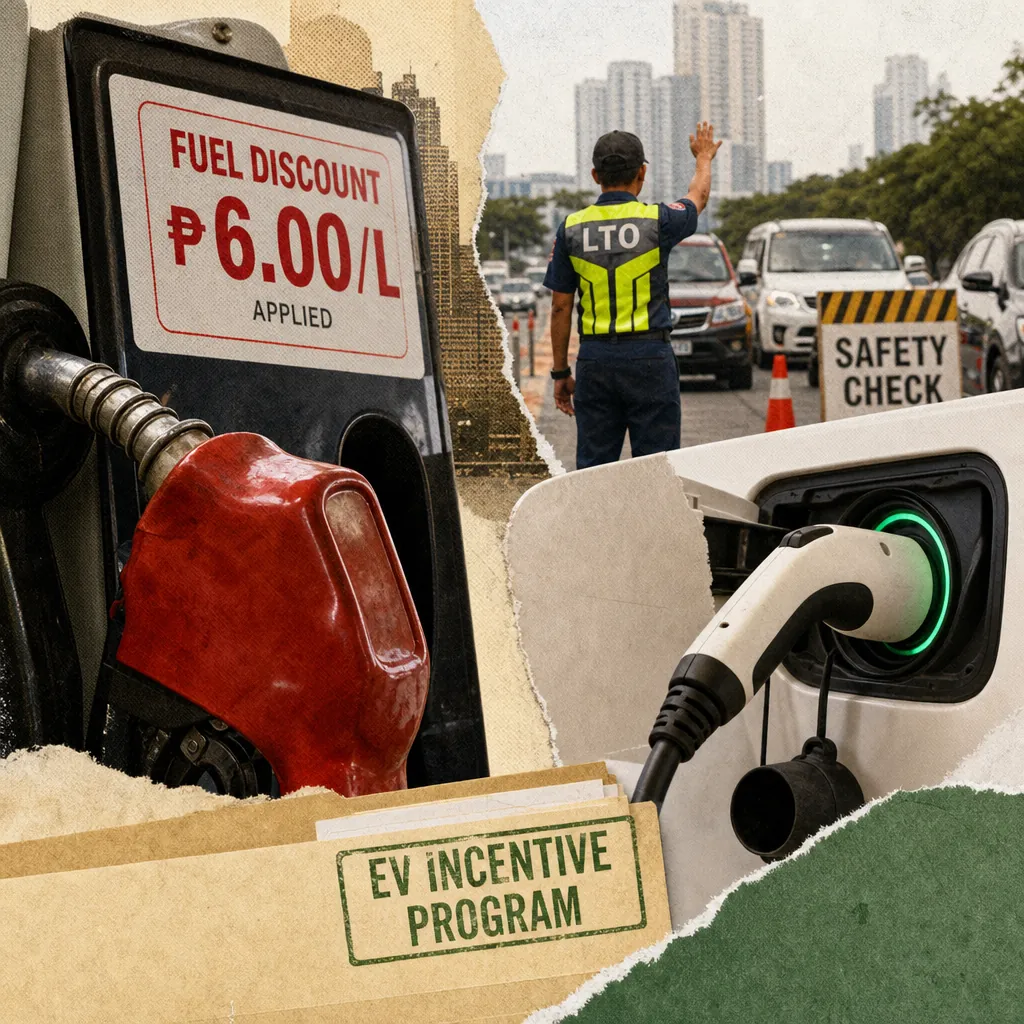
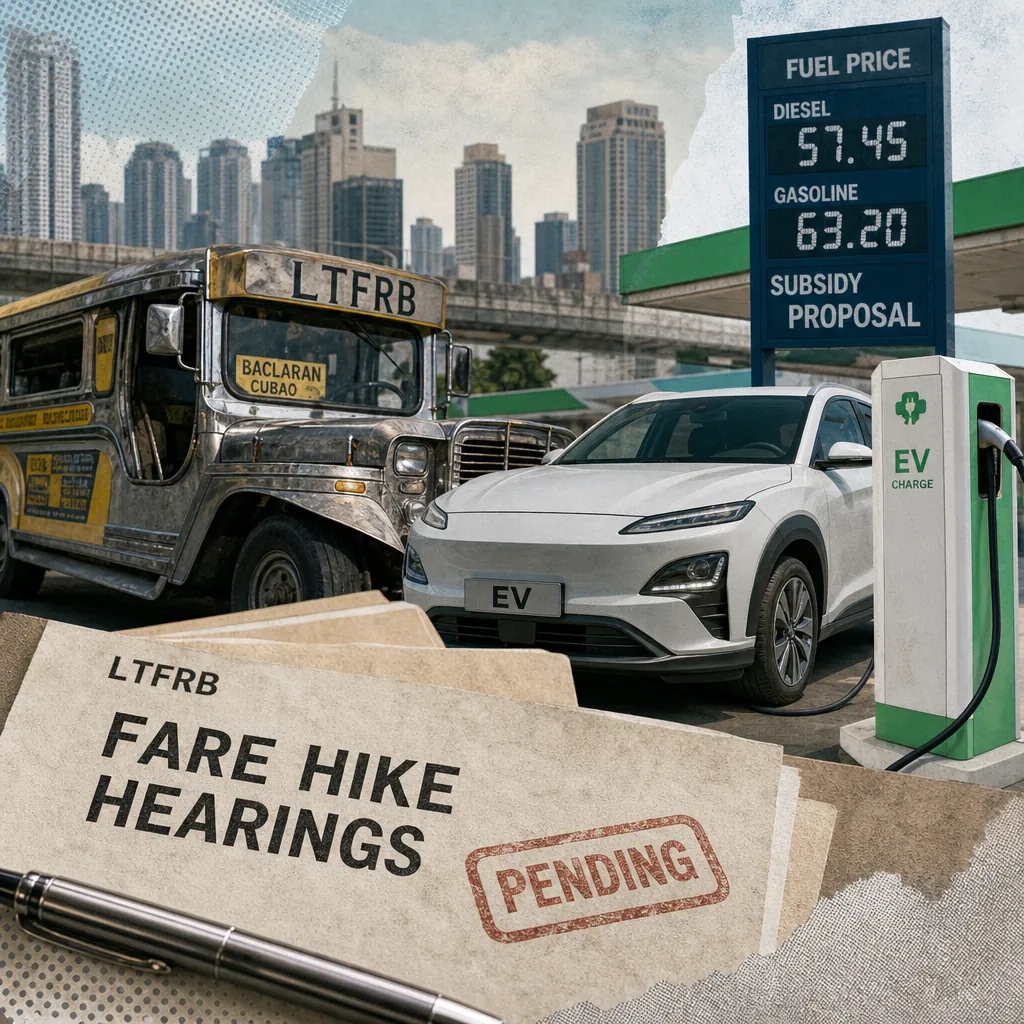
- Fuel price hikes and the looming transport strike: Gasoline and diesel prices jumped by ₱6.80 and ₱7.32 per liter, respectively, prompting transport group MANIBELA to announce a three-day strike from August 10-12. The government is considering a ₱20-per-liter fuel subsidy for public utility vehicles, but details remain under discussion.
- Motorcycle taxi riders protest 'multi-homing' ban: Riders staged a motorcade to the LTFRB office to protest a proposed ban on switching between ride-hailing apps, which they say would cut their income and allegedly favor a new market entrant. The Nexus Riders Alliance warned that thousands could lose their livelihoods.
- Public skepticism over enforcement fairness: A Reddit user's question about whether show-cause orders lead to fair punishment or can be dismissed through connections ('kapit') reflects a broader distrust in the system. The LTO's 'No Settlement Policy' and zero-corruption hashtags are attempts to counter this.
- Tragic accidents fuel calls for road safety: The Davao drag racing incident that killed a couple and orphaned a child drew massive emotional engagement on Facebook, with nearly 2,000 sad reactions. This has intensified public demand for stricter penalties against illegal street racing.
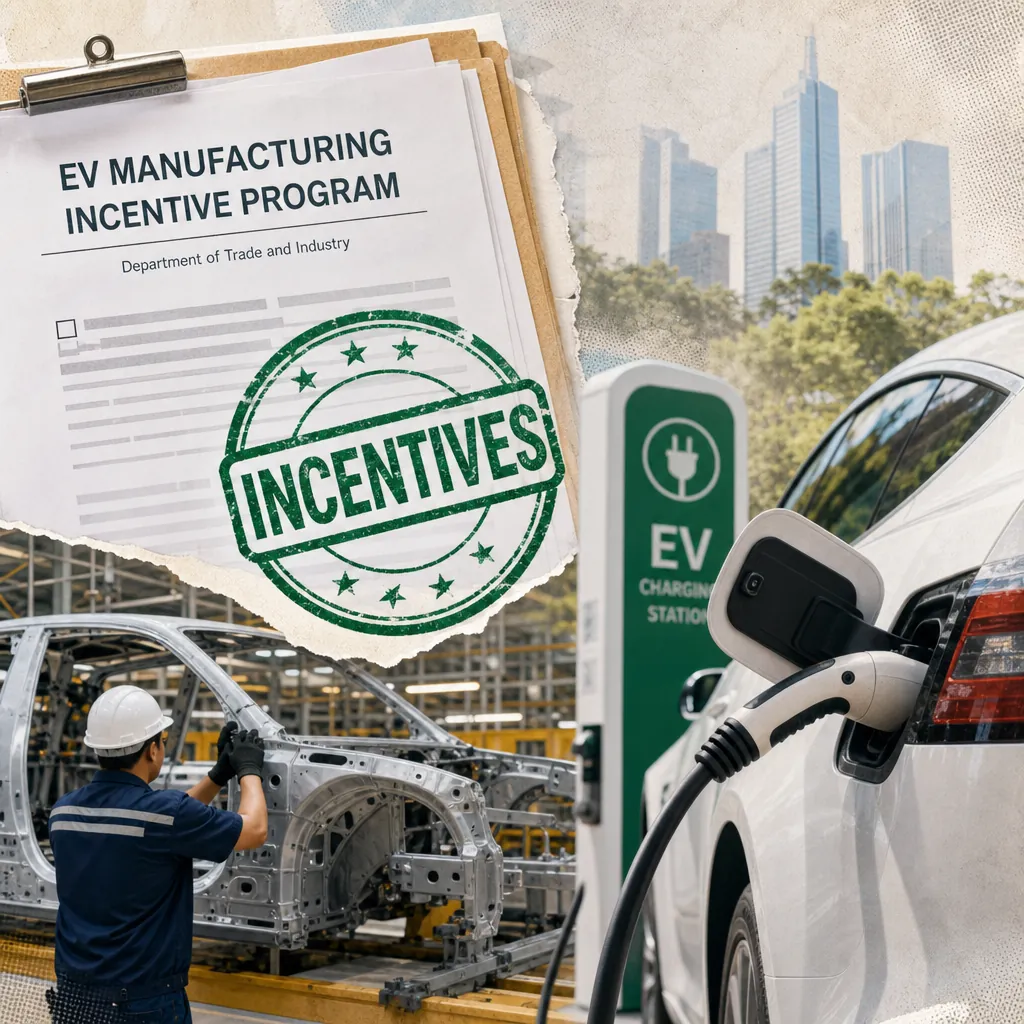
- E-bike and EV regulatory confusion: High-engagement explainer content on e-bike registration rules indicates widespread confusion about the legal framework for electric vehicles. This is relevant as the government rolls out the Electric Vehicle Incentive Strategy (EVIS) program.
- Dealership trust issues: Reddit discussions about after-sales service, including a user questioning the authenticity of a replacement bumper, reveal deep-seated distrust in dealerships. This could tarnish brand reputations if not addressed.
- Foodpanda's rainy-season rider support: In a positive counterpoint, Foodpanda announced ₱20 million in aid for delivery riders during the rainy season, including extra pay per delivery in wet conditions. This highlights the gig economy's role in the transport sector.
How the narratives stack
Dominant: The LTO's enforcement narrative is the clear leader in the captured set, driven by the Dermalog blacklisting story and the viral violation crackdowns. The Dermalog case alone drew coverage from ABS-CBN News Online and United News, with an estimated advertising-equivalent value of ₱462,825 and ₱142,719, respectively. The LTO's actions against a jeepney driver in Iloilo and a government agency's fake red plate also generated significant engagement. This narrative dominates because it combines institutional accountability with public safety concerns, resonating with a public that is both demanding enforcement and skeptical of its fairness.
Counter-narrative: The transport groups' economic grievances provide a counterpoint to the enforcement narrative. MANIBELA's strike announcement and the motorcycle taxi riders' protest highlight the financial pressures on drivers and riders, framing the government as unresponsive to their needs. This narrative is amplified by the LTFRB's fare hike hearings and the proposed fuel subsidy, which are still under discussion. While not as prominent in terms of coverage value, it represents a significant undercurrent of public sympathy for transport workers.
Emerging: The e-bike and EV regulatory confusion is an emerging narrative, driven by high-engagement explainer content on YouTube and Reddit. As fuel prices rise, more Filipinos are turning to e-bikes, but the rules around their registration and use are unclear. This could become a major issue as the government pushes its EV incentive program.
Suppressed: The Foodpanda rider support story, while positive, received relatively little attention compared to the enforcement and strike narratives. This is a missed opportunity to highlight corporate responsibility in the gig economy, which could balance the negative tone of the day's conversation.
Platform insights
- Facebook: The primary platform for official announcements and emotional reactions. The LTO's post on unauthorized blinkers drew 1,204 reactions and 210 comments, while the Davao accident post received 1,975 sad reactions. Facebook is where the public mourns and demands action, making it critical for crisis communication.
- YouTube: Traditional news outlets drive early coverage, but engagement is growing. A video on a 90-day suspension drew 62 comments, and an e-bike registration guide accumulated over 1.6 million views. YouTube is becoming a space for educational content, offering an opportunity for brands to provide clarity on regulations.
- Reddit: A hub for personal stories and practical questions, with users sharing fears about driving, seeking legal advice, and questioning enforcement fairness. The density of discussion is high, even if individual posts have modest engagement. Reddit offers unfiltered insights into consumer pain points.
- X (Twitter): While not explicitly mentioned in the writeup, the LTO's use of hashtags like #LTOZeroCorruption suggests active engagement on X. This platform is likely used for real-time updates and media engagement, though specific engagement figures are not available.
Key voices and communities
- Regulatory agencies (LTO, LTFRB): These agencies dominate the conversation with their enforcement actions and policy announcements. Their messaging emphasizes accountability and public safety, but they face skepticism about consistency. Their official channels generate significant engagement, making them key partners for understanding regulatory trends.
- Mainstream media (ABS-CBN, PTV, UNTV, Inquirer): These outlets amplify enforcement stories and provide context. Their coverage of the Dermalog case and the jeepney overloading incident reached wide audiences, shaping public perception. They serve as a bridge between official actions and public sentiment.
- Online communities (Reddit, Facebook groups): Motorists and riders share practical concerns, from insurance claims to enforcement fairness. A Reddit user's question about show-cause orders captures the community's skepticism. These groups provide authentic insights into grassroots sentiment.
- Transport groups (MANIBELA, Nexus Riders Alliance): These organizations mobilize protests and strikes, framing their actions as necessary responses to economic hardship. Their leadership is vocal, with quotes like "Matagal na tayong pinahihirapan nitong oil price hike na ito" (We've been suffering from this oil price hike for a long time). They are critical stakeholders in any policy discussion.
- Automotive lifestyle media (ZIGWHEELS, racing communities): These outlets cover new vehicle launches and motorsport events, adding a consumer-focused layer. Their content on the Mitsubishi Pajero and BYD Seal 5 DM-i provides context on market trends, while racing posts promote community engagement.
Narrative streams
The Dermalog blacklisting: A data security nightmare
The LTO's decision to blacklist Dermalog Identification Systems GmbH over the failed Land Transportation Management System (LTMS) is a major story with far-reaching implications. The LTMS, a ₱3.19-billion project, was supposed to modernize vehicle registration and license processing, but it remains incomplete more than 900 days after its intended completion, despite 13 contract extensions. LTO Executive Director Martin Ontog told a House committee that the system cannot even process a single public utility vehicle transaction or automatically collect penalties on new registrations. More alarmingly, the Commission on Audit has flagged the system for deficiencies for four consecutive years, and there are fears that the data of around 10 million motorists could be exposed. The LTO is pursuing blacklisting under Republic Act 9184 (the Government Procurement Reform Act) and its implementing rules, while Dermalog has filed arbitration and court cases. This story drew heavy coverage, with ABS-CBN News Online's report worth an estimated ₱462,825 in advertising-equivalent value, and United News' piece worth ₱142,719. For the public, this raises serious questions about the security of their personal information and the government's ability to manage large-scale IT projects. For the automotive industry, it underscores the importance of compliance and data protection, as any breach could erode trust in the entire regulatory system.
Viral enforcement: From blinkers to overloaded jeepneys
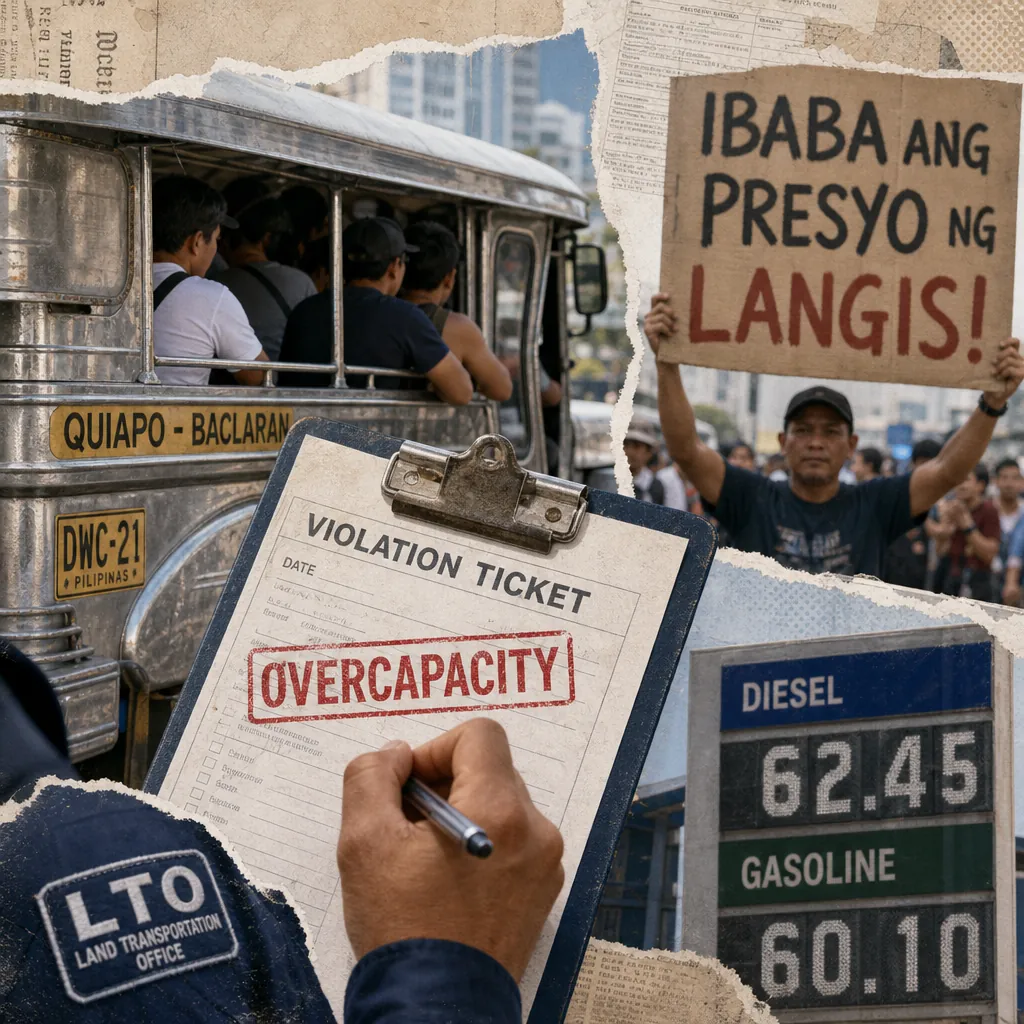
The LTO's aggressive response to viral videos is a defining pattern of the day. On August 4, the agency announced a show-cause order against a private vehicle using unauthorized red and blue blinkers, a post that drew 1,204 reactions and 210 comments on Facebook. In Iloilo, LTO Region 6 preventively suspended a jeepney driver for 90 days after a video showed passengers riding on the roof and clinging to the exterior. The driver was also ordered to surrender his license, and the registered operator was issued a show-cause order. This enforcement wave is part of a broader campaign that has seen license revocations for road rage incidents and investigations into a government agency's fake red plate. The public's engagement with these stories is high, but so is skepticism. A Reddit user asked, "Curious lang ako sa dami ng nabibigyan nung SCO lahat kaya sila nabibigyan ng karapat dapat na parusa o yung iba nag babayad lang o di kaya kapag malakas ang kapit ibabasura na ang SCO" (I'm just curious, with all the show-cause orders issued, do they all get the punishment they deserve, or do some just pay, or if they have strong connections, the SCO gets thrown out?). This skepticism is a reputational risk for the LTO, but also an opportunity for brands to position themselves as transparent and compliant.
Fuel price hikes and the transport strike
The announcement of a three-day transport strike from August 10-12 by MANIBELA (a transport group) in response to fuel price hikes is a major economic narrative. Gasoline rose by ₱6.80 per liter and diesel by ₱7.32, hitting drivers and commuters hard. The LTFRB has scheduled fare hike hearings and proposed a ₱20-per-liter fuel subsidy for all public utility vehicles, but Malacañang said the details are still under discussion. The existing ₱10-per-liter subsidy will continue until the end of August. The strike threatens to disrupt public transportation and could escalate public frustration. For automotive brands, this is a critical moment to demonstrate support for drivers, perhaps through service promotions or messaging on fuel-efficient models. The strike also highlights the vulnerability of the transport sector to global oil price volatility, a factor that could influence consumer sentiment toward vehicle ownership.
Motorcycle taxi riders' fight against 'multi-homing' ban
Motorcycle taxi riders staged a motorcade from the People Power Monument to the LTFRB office to protest a proposed ban on "multi-homing"—the practice of switching between ride-hailing apps like Angkas, JoyRide, and Move It. The riders claim the ban would prevent them from maximizing their income and is allegedly designed to accommodate a new market entrant. The Nexus Riders Alliance warned that thousands could lose their livelihoods. This protest, which drew 33 likes and 11 shares on the Daily Tribune's Facebook post, is part of a broader debate about the regulation of app-based mobility services. The LTFRB's rider allocation or capping system is also under fire. For the industry, this is a regulatory risk that could affect the operations of ride-hailing platforms and the livelihoods of their riders. It also intersects with the fuel price crisis, as riders face both higher costs and potential income restrictions.
The Davao drag racing tragedy: A call for action
The fatal drag racing incident in Davao City, which killed a couple and orphaned a young child, has become a rallying point for road safety advocates. A viral Facebook post about the accident drew 885 sad reactions and 139 angry reactions, with 131 likes and 53 shares. The emotional weight of this tragedy is immense, and it has intensified calls for stricter penalties against illegal street racing. The police have confirmed ongoing manhunts and the filing of criminal charges. This narrative is likely to drive policy discussions on motorcycle safety and racing deterrents in the coming months. For brands, aligning with road safety messaging is not just prudent but necessary, as the public is clearly demanding action.
E-bike and EV regulatory confusion
As fuel prices rise, more Filipinos are turning to e-bikes as an affordable alternative. However, there is widespread confusion about the rules governing their registration and use. A YouTube guide on e-bike registration rules drew 1.6 million views, and another video on suspended e-bike regulations achieved 28,685 views and 182 comments. This confusion is a barrier to the adoption of electric vehicles, which the government is trying to promote through the Electric Vehicle Incentive Strategy (EVIS) program—a ₱60-billion incentive package signed by President Marcos to attract investment in local EV manufacturing. The program offers fiscal support to manufacturers, but consumers need clear information about e-bike legality, licensing, and road use. Brands that provide accessible educational content can position themselves as helpful authorities and capitalize on this growing market.
Dealership trust and after-sales service
Reddit discussions reveal deep-seated distrust in dealership after-sales service. One user asked about the legitimacy of a replacement bumper from a "casa" (dealership) and its magnetic properties, questioning whether it was genuine. Another user shared their fear after scratching their brand-new car, seeking advice on insurance and driving confidence. These concerns, while individual, reflect a broader perception that dealerships may cut corners or overcharge. For automotive brands, this is a direct threat to customer loyalty. Highlighting warranty and parts authenticity guarantees in marketing could help differentiate a brand and build trust.
Conversation trajectory
- Escalation of enforcement theater via social media: The pattern of viral videos triggering swift regulatory action is likely to continue. Within the next 4-6 weeks, expect more incidents involving unauthorized accessories or reckless driving to generate immediate LTO responses. This creates opportunities for brands to demonstrate their commitment to safety and compliance.
- From isolated incidents to systemic scrutiny: Public discourse is moving from individual violations to broader critiques of enforcement consistency. The Reddit question about show-cause orders is a sign of this. Over the next month, the LTO will need to communicate transparently about case outcomes to maintain trust. Brands should monitor this and be prepared to address questions about their own compliance.
- Motorcycle safety becoming a dominant narrative: The Davao tragedy is likely to fuel demands for stricter penalties against illegal racing. Within 2-3 months, we may see new policy discussions on motorcycle safety. Brands in the motorcycle segment should proactively promote safety features and responsible riding.
- Transport strike and fuel subsidy as convergence point: The August 10-12 strike will dominate headlines and create a window for brands to show support for drivers. The outcome of the fare hike hearings and subsidy discussions will shape public sentiment. Brands should prepare messaging that acknowledges the economic pressures on commuters and drivers.
- E-bike adoption and regulatory clarity: As fuel prices remain high, e-bike interest will grow. The government's EVIS program may accelerate this, but regulatory confusion could hinder adoption. Brands that provide clear, accessible information on e-bike rules will be well-positioned.
Trigger events to watch: The start of the transport strike on August 10; the LTFRB's fare hike hearings; the LTO's continued rollout of show-cause orders and any updates on the Dermalog case; and any new viral incidents that prompt enforcement actions.
Response guidance
For communicators in the transport and automotive sector, the immediate priority is to navigate the strike week with sensitivity. Acknowledge the legitimate economic grievances of drivers and riders, and highlight any tangible support your organization is providing, such as service promotions or fuel-efficiency messaging. Avoid dismissive language about the strike; instead, emphasize a commitment to finding balanced solutions.
On enforcement, align your brand with road safety and compliance. The public is demanding accountability, and brands that visibly support safe driving and legal compliance will resonate. Consider co-branding with safety advocacy groups or launching educational campaigns on vehicle modifications and registration.
Address the e-bike regulatory confusion by creating clear, accessible content that explains the rules. This positions your brand as a helpful authority and taps into a growing market. Similarly, tackle dealership trust issues head-on by highlighting warranty and parts authenticity guarantees in your communications.
Finally, monitor the Dermalog case closely. If data breach concerns escalate, it could affect public trust in the entire regulatory system. Be prepared to reassure customers about your own data security practices. In all communications, maintain a tone of transparency and accountability, as the public is increasingly skeptical of both government and corporate messaging.
See the full picture behind today's signals.
This report draws from Media Meter's MediaWatch, our real-time monitoring engine tracking 2,470+ Philippine sources across print, broadcast, digital, and social. Explore how the platform turns raw coverage into decision-grade intelligence, then see how it's configured for teams like yours — whether you're in PR agencies, corporate comms, government, or marketing.
Want more? Browse our Report Library for sector and crisis intelligence, or request a demo and we'll have your brand set up before the call.
Want this kind of intelligence on your brand?
This brief is built on the same MediaWatch methodology that runs continuously across every brand we monitor. See your competitive landscape, Impact Score, and narrative trajectory in a 30-minute demo.