Mindanao quake aftermath: Rice quality, food aid, and price pressures dominate
As the death toll from the June 8 Mindanao earthquake rises to 61, social media and news coverage focus on complaints about inedible relief rice, isolated families surviving on boiled bananas, and the broader impact of fuel price volatility on food costs. The conversation also touches on chicken price hikes, value meal promotions, and brand engagement during Independence Day.
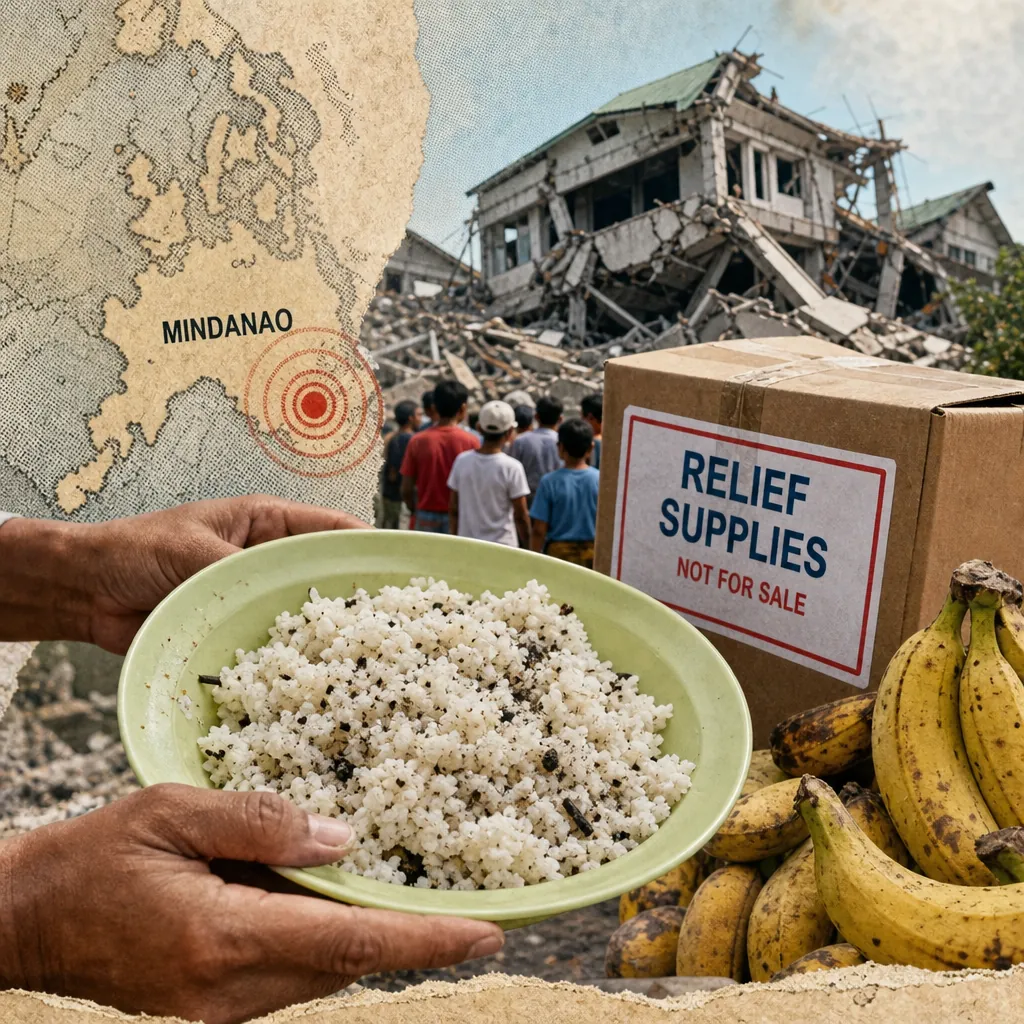
The conversation around the Philippine food and beverage sector on June 12–13, 2026, was dominated by the humanitarian and economic fallout from the magnitude 7.8 earthquake that struck Mindanao on June 8. As the reported death toll climbed to 61 and more than 30,000 homes were damaged, attention turned to the quality and adequacy of relief goods. Videos circulated on social media showing vacuum-sealed rice distributed by the Department of Social Welfare and Development (DSWD) in General Santos City and Sarangani province that was hard and inedible, prompting the agency to defend its relief supplies. Meanwhile, reports from isolated communities like Purok Kasulotan in Glan, Sarangani, described families surviving on boiled bananas, sweet potatoes, and coconuts as damaged roads and lack of transport delayed aid delivery. The Department of Health deployed two emergency medical teams to quake-hit areas.
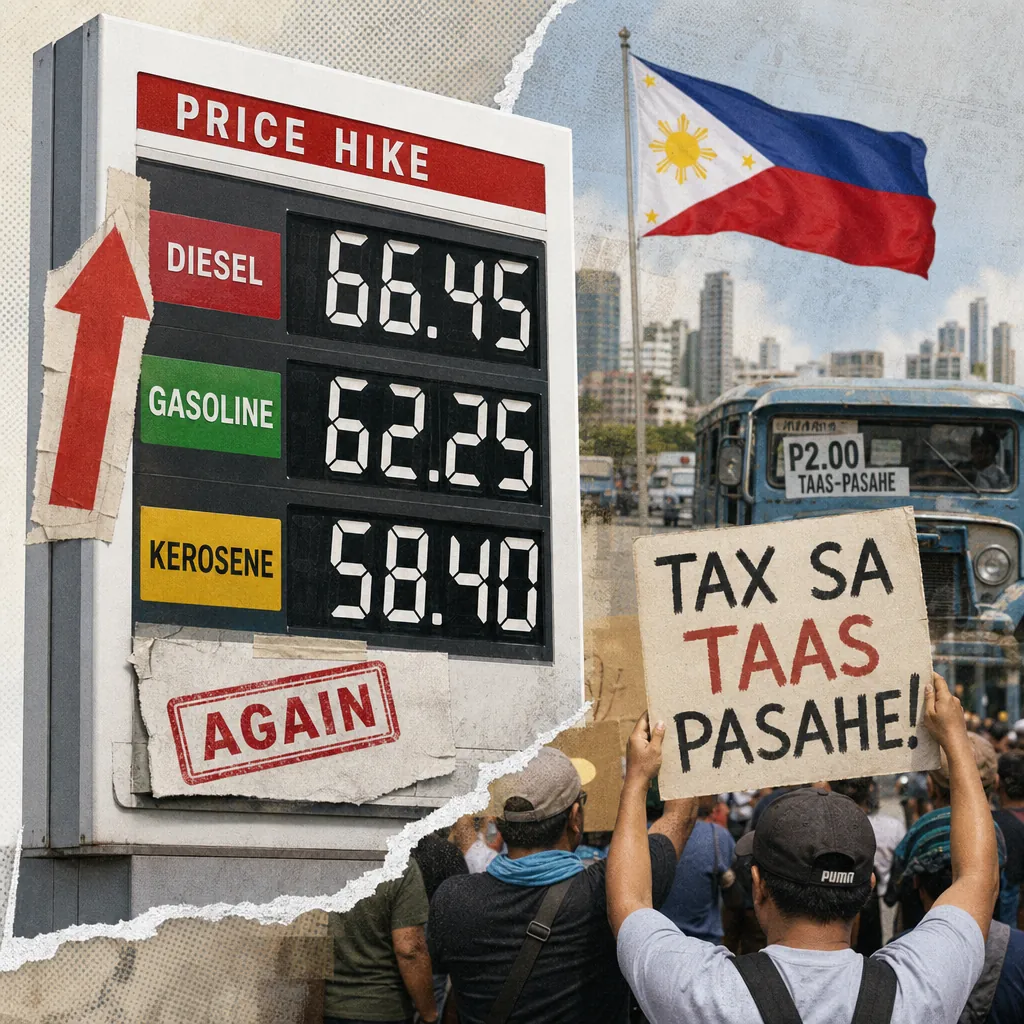
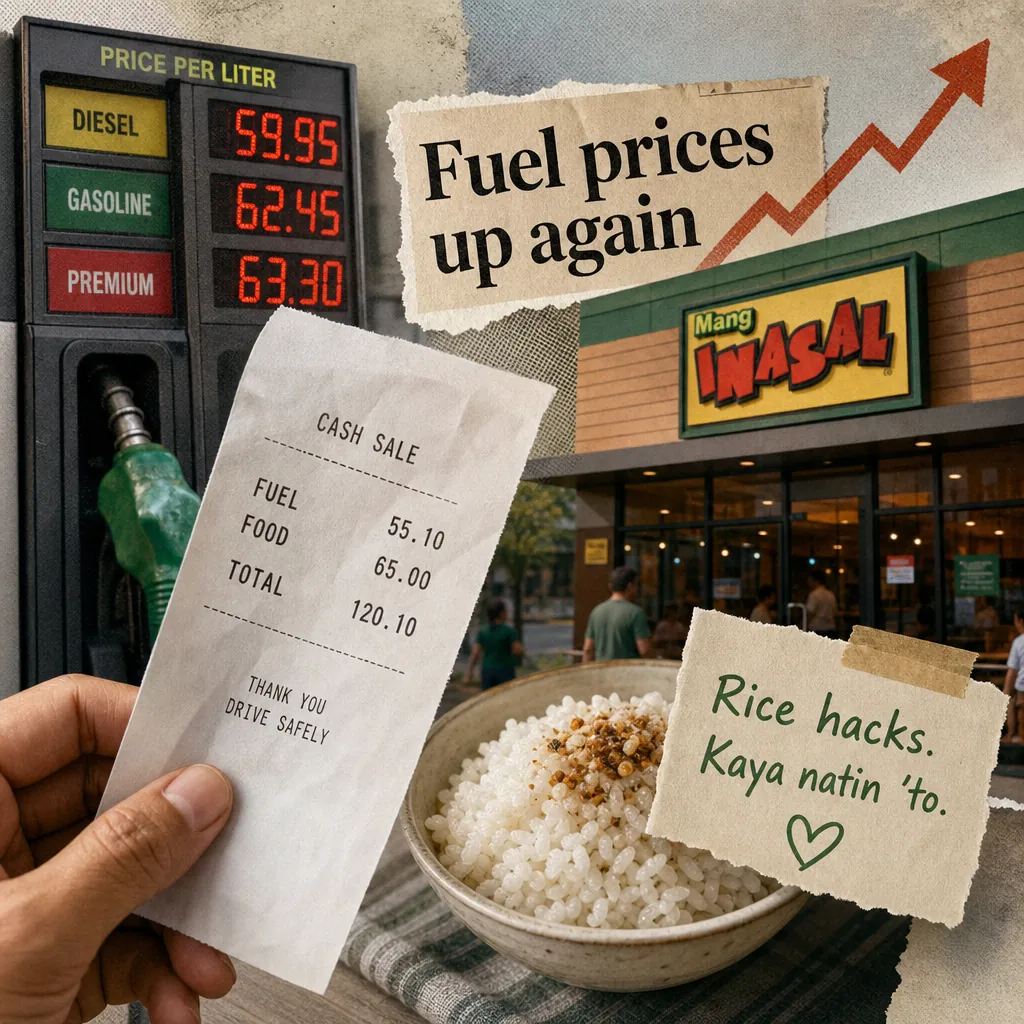
Alongside the disaster response, a separate but interconnected narrative focused on rising food costs. A regional news report confirmed a PHP 20 per kilogram increase in chicken prices in Dagupan City, raising concerns about affordability for staple items like Chickenjoy and chicken inasal. The Department of Energy (DOE) projected a possible diesel price rollback of PHP 3.00–5.00 per liter next week, offering some relief, but agricultural advocacy group SINAG warned that renewed tensions in the Strait of Hormuz could drive oil prices back up, compounding farmers' struggles with high input costs and low farmgate prices. The DOE also noted that rice contributed 1.1 percentage points to May inflation, with rice prices rising 15.6% year-on-year.
Amid these pressures, brands sought to connect with consumers through value promotions and patriotic messaging. Jollibee's Independence Day post garnered over 729 love reactions and 475 likes, while Shakey's Supercard dine-in promo received more muted engagement. A local cafe in Lucena City promoted jumbo rice meals at PHP 135–155, undercutting major QSRs and highlighting the growing demand for affordable options. The PBA Finals between Ginebra and TNT continued to generate massive engagement, with Justin Brownlee's career-high 54 points drawing over 293,000 live stream views and extensive media coverage, indirectly boosting brand visibility for San Miguel Corporation.
Conversation snapshot. The most engaged post was the DOE's diesel rollback announcement on Facebook, which received 301 likes and 36 comments. The Jollibee Independence Day post accumulated 729 love reactions, 475 likes, and 94 shares. A GMA News earthquake aftershock post drew 1,106 likes, 2,337 sad reactions, and 316 shares. The chicken price hike report on YouTube had only 32 views but carried significant downstream implications. A fan highlight video of Brownlee's 54-point game garnered over 16,000 views and 607 likes. The relief rice quality complaint on social media generated widespread sharing, though specific engagement figures were not provided.
Key themes
- Relief rice quality controversy – Videos on social media showed vacuum-sealed rice distributed by DSWD in quake-affected areas that was hard and inedible, forcing the agency to defend its supplies.
- Isolated communities surviving on foraged food – Families in Glan, Sarangani, with no electricity, signal, or transport, are subsisting on boiled bananas, sweet potatoes, and coconuts as aid remains delayed.
- Chicken price hike adds to household burden – A PHP 20/kg increase in chicken prices in Dagupan City threatens to raise costs for QSR staples like Chickenjoy and chicken inasal.
- Fuel price volatility creates uncertainty – The DOE projects a diesel rollback of PHP 3–5/liter, but Strait of Hormuz tensions could reverse gains, impacting food production and transport costs.
- Rice inflation remains a key driver – Rice prices rose 15.6% year-on-year in May, contributing 1.1 points to overall inflation, with the DA recommending an extension of the PHP 50/kg price cap.
- Value meal competition heats up – A local Lucena cafe promotes jumbo rice meals at PHP 135–155, undercutting major QSRs and signaling a shift toward budget-friendly options.
- Brand patriotism resonates – Jollibee's Independence Day post generated overwhelmingly positive engagement, while Shakey's loyalty promo saw muted response.
- PBA Finals drive massive engagement – Justin Brownlee's 54-point game drew 293,000 live stream views and extensive media coverage, boosting brand visibility for San Miguel.
How the narratives stack
Dominant narrative – The earthquake disaster and its aftermath dominate the conversation, with a focus on the inadequacy of relief goods, the suffering of isolated communities, and the rising death toll. This narrative is driven by news outlets and government agencies, with strong emotional engagement from the public.
Counter-narrative – Amid the crisis, there are signs of resilience and community support: the Galaxy Manila Marathon donated PHP 1 million to earthquake relief, and the DOH deployed medical teams. Additionally, the DOE's projected diesel rollback offers a glimmer of hope for lower food costs.
Emerging narrative – The intersection of food prices and fuel costs is gaining traction, with agricultural groups like SINAG warning that Strait of Hormuz tensions could spike oil prices, further squeezing farmers and consumers. This narrative is building momentum as it ties together multiple storylines: chicken price hikes, rice inflation, and value meal promotions.
Suppressed narrative – The US ban on Philippine blue crab imports, which threatens a PHP 6–7 billion industry and the livelihoods of thousands of fisherfolk, has received minimal attention in the mainstream conversation. This issue could escalate if not addressed, but it remains under-covered relative to its economic significance.
Platform insights
Facebook – The dominant platform for both disaster updates and brand engagement. The DOE's diesel rollback post and Jollibee's Independence Day post generated high engagement, while the relief rice quality complaint spread through shares. Emotional reactions (sad, care) were prominent on earthquake-related posts, indicating public concern.
YouTube – Used primarily for news reports and sports highlights. The chicken price hike report had low viewership (32 views), but the PBA Finals live stream attracted 293,000 views, showing strong demand for sports content. The platform serves as a factual anchor for price and disaster news.
Twitter – Limited data, but used for real-time updates from news outlets and official accounts. The PHIVOLCS earthquake tweet had 394 views with no measurable interactions, suggesting lower engagement compared to Facebook.
Reddit – A technical post about mercury testing in food samples appeared but had no direct connection to the main conversation. A removed post could not be analyzed.
Key voices and communities
Agricultural producer groups and farm advocates – Organizations like SINAG are vocal about the impact of fuel prices on production costs, calling for government subsidies. Their posts generate moderate engagement but carry significant weight in shaping the narrative around food price pressures.
Government agencies and regulators – The DOE, DSWD, DA, and PHIVOLCS are primary sources of official information. Their posts on fuel price adjustments, relief operations, and earthquake updates drive the conversation and set the factual baseline.
National brand community activists – Patriotic consumers who engage strongly with brand content tied to national pride, as seen with Jollibee's Independence Day post. This group is a valuable ally for brands seeking to build emotional equity.
Price-sensitive consumer watchdogs – Consumers and local news outlets tracking food price movements, such as the chicken price hike in Dagupan. This group is reactive to affordability shifts and can quickly amplify concerns.
Sports fans and media – The PBA Finals conversation is driven by major sports media (One Sports, GMA News, Inquirer Sports) and fan communities. Their high engagement levels offer brand visibility opportunities for sponsors like San Miguel.
Narrative streams
Earthquake relief and food quality concerns
The June 8 earthquake has left at least 61 dead, 1,221 injured, and 33 missing, with over 30,000 homes damaged. As relief operations continue, complaints have emerged about the quality of rice distributed by DSWD. Videos posted on social media showed vacuum-sealed rice that was hard and inedible, leading the agency to defend its supplies. In isolated communities like Purok Kasulotan in Glan, Sarangani, families are surviving on boiled bananas, sweet potatoes, and coconuts as damaged roads and lack of transport delay aid. The Department of Health has deployed two emergency medical teams to augment health response. The Office of Civil Defense is validating casualty numbers, with the death toll expected to rise.
Fuel price volatility and food cost pressures
The DOE announced a possible diesel price rollback of PHP 3.00–5.00 per liter next week, offering some relief to consumers and businesses. However, agricultural advocacy group SINAG warned that renewed tensions in the Strait of Hormuz could drive oil prices back up, increasing costs for fertilizer, feeds, and irrigation. This would directly impact the prices of staple crops and protein sources like pork and chicken. The DOE also reported that rice contributed 1.1 percentage points to May inflation, with rice prices up 15.6% year-on-year. The Department of Agriculture is recommending an extension of the PHP 50/kg maximum suggested retail price for rice beyond June 30.
Chicken price hike and QSR value meals
A regional news report confirmed a PHP 20 per kilogram increase in chicken prices in Dagupan City, raising concerns about affordability for quick-service restaurant staples like Chickenjoy and chicken inasal. This price hike comes as consumers are already sensitive to rising food costs. In response, brands are promoting value meals: Jollibee's Independence Day post emphasized national pride rather than price, while Shakey's Supercard promo offered tiered freebies. A local cafe in Lucena City is aggressively marketing jumbo rice meals at PHP 135–155, undercutting major QSRs and tapping into the demand for budget-friendly options.
PBA Finals and brand visibility
The PBA Commissioner's Cup Finals between Barangay Ginebra and TNT Tropang 5G continued to generate massive engagement. Justin Brownlee's career-high 54 points in Game 5 drew 293,000 live stream views on YouTube and extensive media coverage. The series is tied 3-2, with Game 6 scheduled for June 14. This high-profile event provides significant brand visibility for San Miguel Corporation, which owns Ginebra. The conversation is dominated by sports media and fan communities, with minimal crossover into food or pricing topics.
Conversation trajectory
Next 1–2 weeks: The earthquake relief narrative will continue to dominate, with a focus on the quality and distribution of aid. The DOE's diesel price adjustment announcement (expected next week) will either validate or undermine the projected rollback, directly impacting food cost discussions. The chicken price hike may trigger broader online discussion about affordability and menu adjustments at QSRs.
Next 4–6 weeks: The convergence of farmer and consumer interests is likely to intensify, with agricultural groups like SINAG amplifying calls for government subsidies. If Strait of Hormuz tensions escalate, expect a surge in posts linking fuel costs to specific product price hikes. The release of the June food price index will provide fresh data for vloggers and news outlets.
Key trigger events: The DOE's actual fuel price adjustment; any escalation in Middle East conflict affecting Strait of Hormuz shipping; the release of the next Philippine food price index; any FDA recall notice that could merge food safety and affordability narratives.
Response guidance
Platform approaches: On Facebook, brands should acknowledge the earthquake crisis with empathy and avoid promotional content that could appear insensitive. Share value-focused messaging that highlights affordability and community support. On YouTube, partner with regional news outlets to provide context on how brands manage cost pressures. On Twitter, participate in real-time conversations using official hashtags, but avoid overt commercialism during the disaster.
Key messages: Emphasize commitment to affordable meal options despite market fluctuations; highlight food safety standards and testing protocols; reinforce brand participation in national celebrations as a unifying force; communicate transparency about cost drivers and value preservation.
Sensitive topics to navigate: Avoid direct price comparisons with local eateries; ensure any "jumbo" or portion-size claims are backed by verifiable data to avoid shrinkflation backlash; do not speculate on infrastructure damage or supply chain disruptions without verified information; avoid appearing to exploit patriotism or the disaster for commercial gain.
See the full picture behind today's signals.
This report draws from Media Meter's MediaWatch, our real-time monitoring engine tracking 2,470+ Philippine sources across print, broadcast, digital, and social. Explore how the platform turns raw coverage into decision-grade intelligence, then see how it's configured for teams like yours — whether you're in PR agencies, corporate comms, government, or marketing.
Want more? Browse our Report Library for sector and crisis intelligence, or request a demo and we'll have your brand set up before the call.
Want this kind of intelligence on your brand?
This brief is built on the same MediaWatch methodology that runs continuously across every brand we monitor. See your competitive landscape, Impact Score, and narrative trajectory in a 30-minute demo.