Philippine Economy, Digital Payments, and Data Center Tensions
A daily snapshot of Philippine economic news, digital payment innovations, and global data center controversies, highlighting key developments and their implications.
The day's conversation across Philippine business and global tech circles was anchored by a mix of economic data, digital finance developments, and a growing backlash against data center expansion. In the Philippines, the release of the World Bank's growth forecast and the manufacturing PMI painted a picture of an economy navigating external shocks and domestic constraints. Meanwhile, the fintech sector buzzed with news of GCash's new card-funded QR payments and the BSP's intensified anti-scam efforts. Globally, the narrative was dominated by the tension between the AI boom's insatiable demand for data centers and the local communities pushing back, from Texas to Tennessee. This snapshot synthesizes the day's most significant stories, offering a clear-eyed view of the opportunities and challenges facing the sector.
Key themes
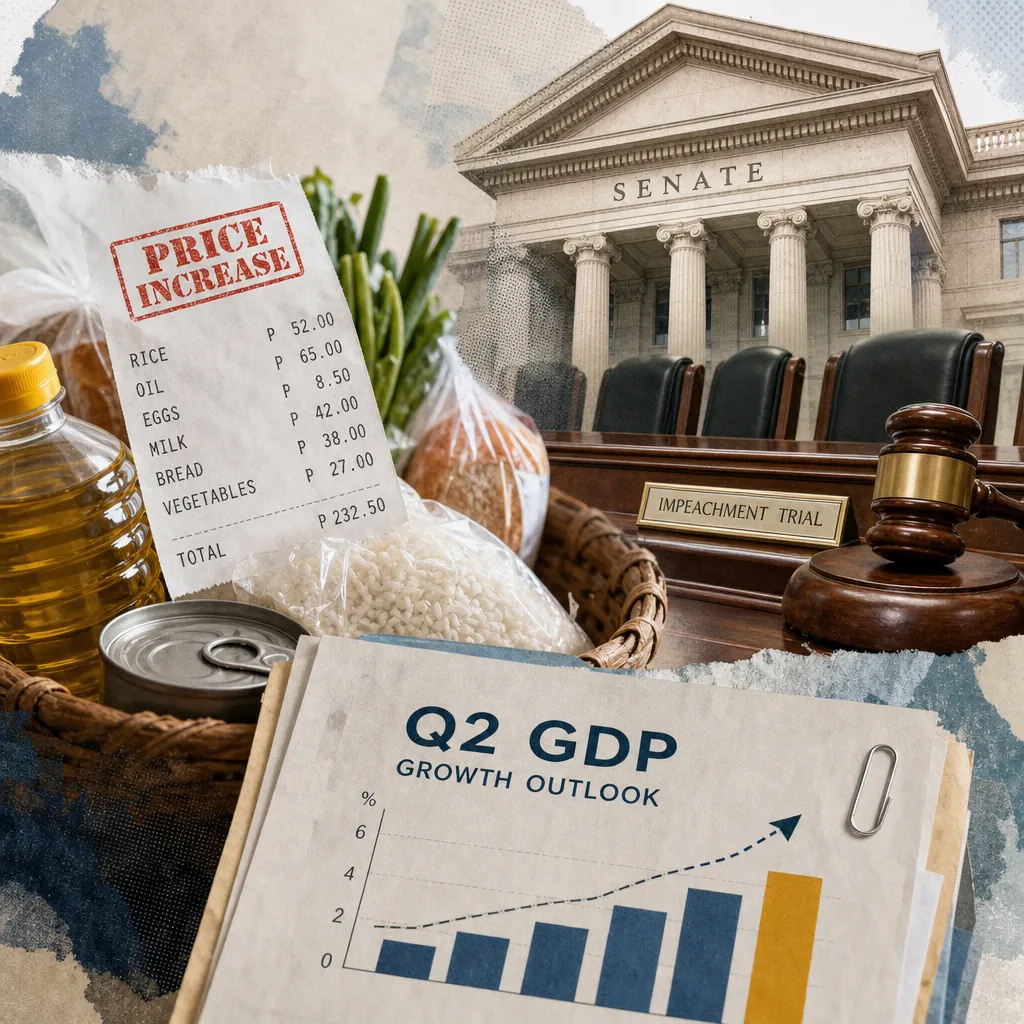
- Philippine Economy: Growth Forecasts and Manufacturing Resilience The World Bank kept its 2026 growth forecast at 3.7% but trimmed 2027 to 5.2%, citing weaker investment and global uncertainty. In contrast, the manufacturing PMI hit a five-month high of 51.8 in July, signaling a rebound in factory activity. These mixed signals suggest an economy that is resilient in parts but constrained by external and domestic headwinds.
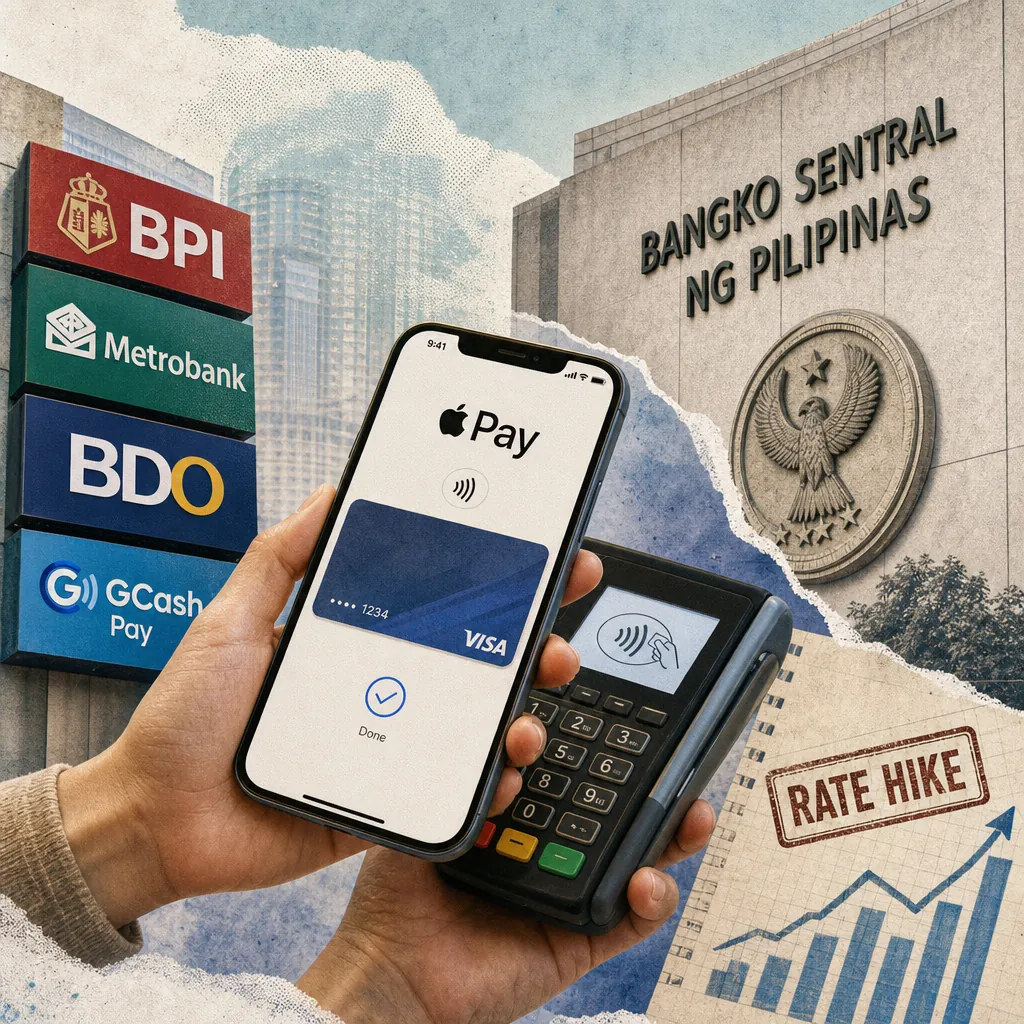
- Digital Payments: GCash-Visa Partnership and Anti-Scam Measures GCash announced a new feature allowing users to fund QR payments with linked Visa cards, eliminating the need to top up. This move, alongside the BSP-DOJ information-sharing agreement to combat financial scams, underscores the rapid evolution and regulatory tightening of the digital payments landscape.
- Data Center Backlash: From Texas to Tennessee A wave of opposition to data center development is sweeping the United States. Texas Governor Greg Abbott ordered a freeze on new grid connections, while country music stars like Willie Nelson and Brad Paisley are rallying against projects near their communities. This backlash highlights the growing tension between tech infrastructure and local concerns.
- Banking Sector: BPI's Optimism and Regulatory Scrutiny BPI expressed confidence in a second-half profit rebound, citing a strong corporate loan pipeline. Meanwhile, the Insurance Commission chief was suspended over administrative complaints, and Capital One faced scrutiny over its closure of Trump Organization accounts, reflecting a broader theme of regulatory oversight in banking and insurance.
- Peso and Treasury: Modest Recovery Amid Global Uncertainty The Philippine peso strengthened to 60.93 per dollar, its best level in over a month, as Middle East tensions eased. Treasury bill yields declined on strong demand, reflecting improved investor sentiment. However, Metrobank warned the peso could stay above 60 until 2027 due to dollar strength and weak growth.
- Global Financial Trends: Debt and Consumer Strain Record numbers of Americans are seeking credit counseling, with household debt at an all-time high of $18.8 trillion. This trend, coupled with rising personal bankruptcies, signals growing financial stress among consumers, a theme that resonates with the Philippine context of high inflation and cautious spending.
- AI and Tech Investment: Strategic Shifts and Market Reactions Amazon's decision to close its AGI lab and cut AI products, while increasing capital spending to $220 billion, reflects a strategic pivot. Reddit's stock plunged 21% despite strong earnings, and Robinhood's crypto revenue fell 38%, indicating volatility in the tech and crypto sectors.
How the narratives stack
- Dominant: The Philippine economic narrative, led by the World Bank's growth forecast and the manufacturing PMI, dominated the day's coverage. These stories carry significant weight for the sector, as they shape expectations for the rest of the year. The World Bank's decision to keep 2026 growth at 3.7% but lower 2027 to 5.2% signals a cautious outlook, while the PMI's rise to 51.8 offers a glimmer of hope. This narrative is dominant because it directly affects business confidence and policy decisions.
- Counter-narrative: The data center backlash in the U.S. presents a counter-narrative to the tech industry's expansionist narrative. While tech companies push for rapid infrastructure growth, local communities and even state governments are pushing back, citing concerns over grid stability, environmental impact, and quality of life. This tension is a significant counterpoint to the prevailing narrative of AI-driven progress.
- Emerging: The GCash-Visa partnership and the BSP's anti-scam measures represent an emerging narrative of digital financial inclusion and security. As digital payments become more integrated with traditional banking, the focus on consumer protection and regulatory oversight is growing. This is an emerging trend that could reshape the fintech landscape in the Philippines.
- Suppressed: The story of the Insurance Commission chief's suspension received less attention than it deserved, given its implications for regulatory integrity. Similarly, the record number of Americans seeking credit counseling is a suppressed narrative that highlights the growing financial strain on households, a trend that could have ripple effects globally.
Platform insights
- Facebook: Facebook was a primary platform for sharing news articles and opinion pieces, particularly from Philippine outlets like Inquirer and Philstar. Posts about the World Bank forecast and the peso's recovery generated significant engagement, with users sharing their own economic experiences. The platform also saw viral posts about the data center backlash, with petitions and celebrity statements gaining traction.
- X (formerly Twitter): X was the go-to platform for real-time updates on the impeachment trial and economic data releases. Financial analysts and economists used X to dissect the PMI and World Bank numbers, often with charts and threads. The platform also saw heated debates on the data center issue, with tech enthusiasts clashing with local residents.
- Reddit: Reddit was a hub for detailed discussions on the data center backlash, with subreddits like r/technology and r/environment hosting threads on the Texas freeze and the Nashville Zoo controversy. The platform also saw discussions on the GCash-Visa partnership, with users sharing tips and concerns about the new feature.
- YouTube: YouTube featured video content from news outlets and independent creators covering the impeachment trial and economic news. The platform also saw videos from food bloggers and lifestyle channels, which, while not directly related to the sector, contributed to the overall media landscape.
Key voices and communities
- Philippine Government and Regulatory Bodies: The Bangko Sentral ng Pilipinas (BSP), Department of Justice (DOJ), and the World Bank are key voices shaping the economic narrative. Their statements on growth forecasts, anti-scam measures, and regulatory actions are closely watched by businesses and investors.
- Financial Institutions and Analysts: Banks like BPI and Metrobank, along with research firms like S&P Global and Deutsche Bank, provide critical analysis of economic trends. Their forecasts and commentaries influence market sentiment and investment decisions.
- Tech Industry and Data Center Developers: Companies like Amazon, Reddit, and data center developers are central to the AI and infrastructure narrative. Their strategic decisions and market performance are scrutinized by investors and the media.
- Local Communities and Activists: Residents near proposed data centers, along with celebrities like Willie Nelson and Brad Paisley, are vocal opponents of unchecked expansion. Their concerns about environmental and social impacts are gaining traction and influencing policy.
- Consumers and Digital Payment Users: The general public, particularly GCash users, are key voices in the digital payments narrative. Their experiences with scams and new features shape the conversation around security and convenience.
Narrative streams
Philippine Economic Outlook: World Bank and PMI Signals
The World Bank's Philippine Economic Update, released on Monday, kept the 2026 growth forecast at 3.7%, within the government's 3.5%-4.5% target, but trimmed the 2027 projection to 5.2% from 5.6%. Senior Country Economist Jaffar Al-Rikabi attributed the slower trajectory to weaker investment amid global uncertainty and slower project execution following last year's corruption scandal. The Middle East conflict also contributed, with surging fuel prices pushing average inflation to 4.8% in the first half. This cautious outlook is reflected in the peso's weakness, which Metrobank predicts will stay above 60 per dollar until 2027.
In contrast, the manufacturing sector showed resilience. The S&P Global Philippines Manufacturing PMI rose to 51.8 in July, a five-month high, indicating faster production and new orders. Maryam Baluch, an economist at S&P Global Market Intelligence, noted "stronger demand conditions" following a subdued second quarter. However, the Philippines' PMI remained below the ASEAN average of 52.8, suggesting room for improvement. These mixed signals underscore the challenges facing the economy: external shocks, inflation, and a cautious investment climate.
Digital Payments: GCash-Visa and the Fight Against Scams
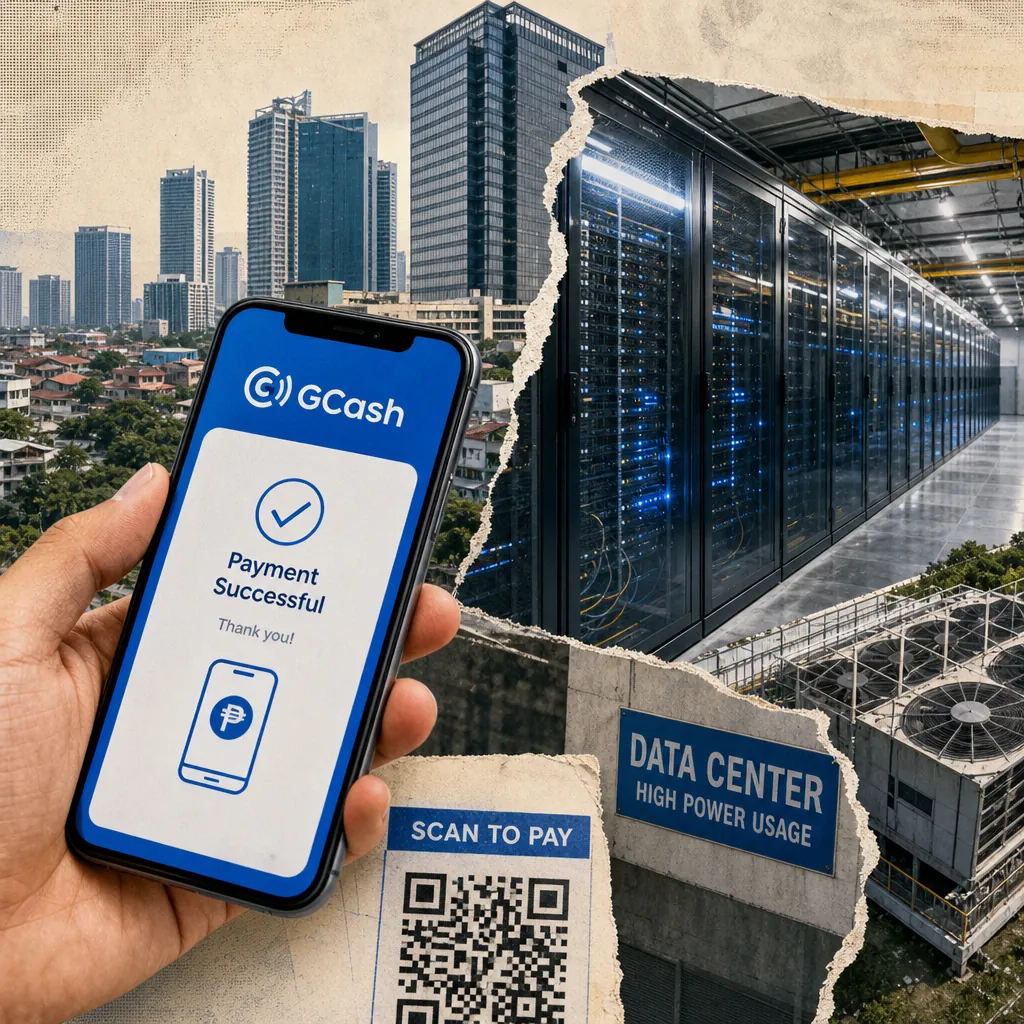
GCash's announcement of a new link-and-pay feature with Visa is a significant step in the evolution of digital payments in the Philippines. Starting this month, users will be able to fund QR payments with linked Visa cards, eliminating the need to top up their e-wallets. Visa Philippines Country Manager Jeffrey Navarro highlighted the expanded flexibility for consumers, allowing them to use Visa credentials across everyday digital payment journeys. This move is part of a broader trend of integrating e-wallets with traditional banking, making digital payments more seamless and accessible.
In parallel, the Department of Justice (DOJ) and the Bangko Sentral ng Pilipinas (BSP) signed an information-sharing agreement to strengthen the fight against financial account scams under the Anti-Financial Account Scamming Act (AFASA). The agreement allows the BSP to refer scam complaints directly to the DOJ for investigation and prosecution. This is a crucial step in protecting consumers, as scams like SIM swap fraud become more sophisticated. The BSP's Consumer Account Protection Office will provide secure access to financial account information, enabling authorities to trace funds used in cyber fraud.
Data Center Backlash: A Global Phenomenon
The day's coverage highlighted a growing backlash against data center development, particularly in the United States. Texas Governor Greg Abbott issued a temporary halt on new data center grid connections, citing the need to protect the state's grid from overload. ERCOT is currently considering around 474 gigawatts of connection requests, more than five times its record peak demand, with data centers accounting for about 90% of new power requests. Abbott's directive mandates a comprehensive audit of each project before it can advance, emphasizing that "Texans must come first."
This regulatory action is mirrored by grassroots opposition. In Abbott, Texas, Willie Nelson, 93, voiced his opposition to a proposed data center near his farm, calling it "a loud, water-thieving, light-polluting" addition. Brad Paisley called a proposed facility near the Nashville Zoo "an enormous monstrosity," helping push a petition past 560,000 signatures. Brown University researchers identified 1,878 U.S. public schools within a mile of an existing or approved data center, linking proximity to lower math scores. These stories reflect a broader tension between the AI boom's infrastructure demands and local communities' concerns about environmental and social impacts.
Banking and Insurance: Regulatory Scrutiny and Optimism
BPI expressed confidence in a second-half profit rebound, with President and CEO Jose Teodoro Limcaoco stating, "We have to be there with our clients through good times and bad times." The bank's first-half net income slipped 0.4% year on year to P32.8 billion, but a resilient corporate loan pipeline is expected to offset pressures in consumer and small business lending. This optimism is tempered by the broader economic environment, with the Middle East conflict disrupting historical patterns.
In the insurance sector, the Office of the Ombudsman suspended Insurance Commissioner Reynaldo Regalado for six months without pay over administrative complaints. Regalado faces allegations of grave misconduct and violations of the Code of Conduct and Ethical Standards for Public Officials and Employees, and the Ease of Doing Business Act. The suspension stems from his alleged approval of an insurance provider's accreditation despite conflicts of interest. This case highlights the importance of regulatory integrity in the financial services industry.
Global Financial Trends: Debt and Consumer Strain
A record number of Americans are seeking credit counseling, with nearly 15,000 new clients entering debt-management plans with Money Management International in the first half of 2026. The average balance is about $40,000, and household debt nationwide totals $18.8 trillion, the highest on record. The personal saving rate stands at just 2.7%, and personal bankruptcies are rising. This trend is a stark reminder of the financial strain facing consumers, a theme that resonates globally, including in the Philippines where inflation has eroded purchasing power.
Conversation trajectory
- Philippine Economy (4-6 weeks): The World Bank's forecast and the PMI data will be followed closely as Q2 GDP figures are released. If growth comes in below 3%, expect increased pressure on the government to stimulate the economy. Watch for policy responses from the BSP, including potential rate cuts if inflation eases.
- Digital Payments (2-4 weeks): The GCash-Visa feature will roll out this month, and user adoption will be a key indicator. The BSP-DOJ agreement may lead to more high-profile scam prosecutions, which could boost consumer confidence. Watch for similar partnerships from other e-wallets.
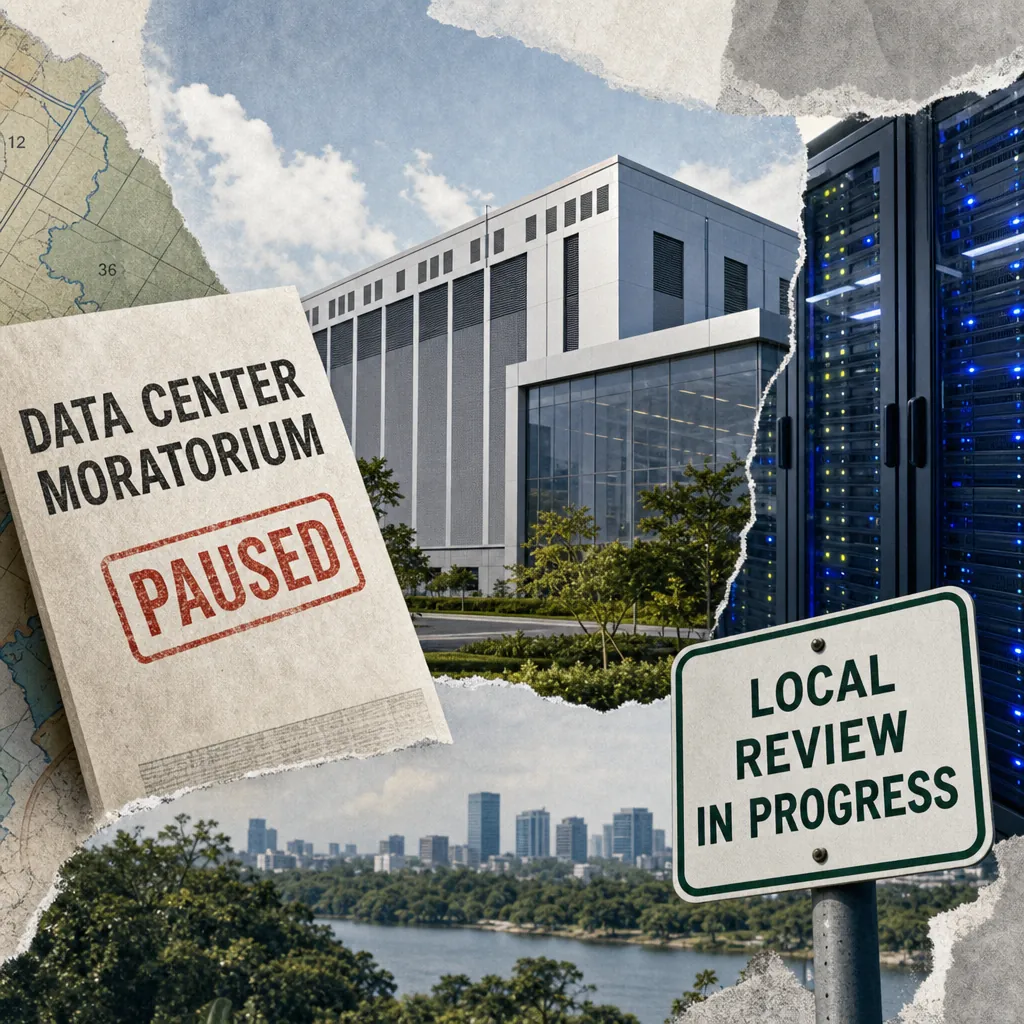
- Data Center Backlash (1-3 months): The Texas freeze and celebrity opposition could lead to more states implementing moratoriums or stricter regulations. Watch for legislative actions and corporate responses, such as increased investment in renewable energy or community engagement.
- Banking and Insurance (1-2 months): BPI's second-half performance will be a bellwether for the banking sector. The Insurance Commission's leadership vacuum may slow regulatory processes. Watch for the outcome of Regalado's suspension and any reforms in the accreditation process.
- Global Debt Crisis (6-12 months): The record debt levels and rising credit counseling demand could lead to a consumer debt crisis, affecting banks and retailers. Watch for policy interventions, such as debt relief programs or changes in lending standards.
Trigger events: Q2 GDP release (likely in August), BSP policy meeting, GCash-Visa feature launch, Texas data center audit results, and any major data center project approvals or rejections.
Response guidance
- For financial institutions: Emphasize transparency and consumer protection in communications. Highlight efforts to combat scams and support customers through economic cycles. Use data-driven narratives to build trust.
- For tech companies and data center developers: Engage with local communities early and often. Address concerns about environmental impact, grid stability, and quality of life. Consider investing in renewable energy and community benefits to mitigate opposition.
- For policymakers: Balance economic growth with regulatory oversight. Communicate the rationale behind decisions clearly, and ensure that measures like the Texas freeze are seen as protective, not obstructive.
- For communicators: Monitor social media sentiment closely, especially on platforms like X and Reddit where debates are intense. Use plain language to explain complex issues, and avoid jargon. Be prepared to respond quickly to emerging narratives, such as the data center backlash.
- Sensitive topics: Avoid downplaying community concerns about data centers. Acknowledge the trade-offs between technological progress and local impacts. In the Philippines, be mindful of the political sensitivities around the impeachment trial and avoid taking sides.
See the full picture behind today's signals.
This report draws from Media Meter's MediaWatch, our real-time monitoring engine tracking 2,470+ Philippine sources across print, broadcast, digital, and social. Explore how the platform turns raw coverage into decision-grade intelligence, then see how it's configured for teams like yours — whether you're in PR agencies, corporate comms, government, or marketing.
Want more? Browse our Report Library for sector and crisis intelligence, or request a demo and we'll have your brand set up before the call.
Want this kind of intelligence on your brand?
This brief is built on the same MediaWatch methodology that runs continuously across every brand we monitor. See your competitive landscape, Impact Score, and narrative trajectory in a 30-minute demo.