Philippine telcos face backlash over outages, data caps, and fraud risks
A wave of social media complaints about rapid data depletion, prolonged outages, and OTP scams is driving Filipino consumers to explore alternative providers, while telcos race to restore services after a major earthquake and fend off cybersecurity threats.
On Saturday, June 13, 2026, a wave of telco-related conversations unfolded across social media, driven by frustration with existing services, curiosity about alternatives, and heightened awareness of security risks. The day’s discussions began with a sharp complaint from Twitter user @yupitsnotluwiee, who posted “Ano to joke 3 hrs ubos na yung magic data???????? @LiveSmart” — a terse observation that quickly drew attention with 2,771 views and a reply, signaling widespread irritation over Smart’s Magic Data consumption rates. This single post crystallized a recurring grievance about data caps and unexpected depletion, setting a skeptical tone that echoed across other platforms.
Meanwhile, on Reddit, a cluster of posts revealed a more deliberate, comparative consumer mindset. User _eamkie started a thread asking “Gomo Fiber, ok po ba?” explaining they were “done with pldt” and wondering if Gomo’s fiber service — advertised through their existing app — would offer reliable connectivity given their positive experience with the regular Gomo SIM. This query attracted 10 likes and 20 comments, suggesting a community actively vetting alternatives to incumbent providers. Around the same time, another Redditor (user killerbull27) shared their ordeal: “PLDT been out for 2 weeks with the customer service on the phone not even knowing when it will be fixed,” and asked whether to apply via Converge’s website or a Facebook agent, pointing to neighbors using SKY or Converge. This post (1 like, 1 comment) reflected a growing sentiment of abandonment by PLDT and a readiness to switch. A third user, nikunico, initiated a detailed cost-benefit analysis: “Thinking of moving from Globe postpaid to prepaid,” calculating that ₱179 weekly for 15GB (₱716/month) beats their current ₱999 postpaid plan with 20GB, while also keeping a Smart SIM with Magic Data as a backup. The comment section (14 comments) debated OTP portability concerns, highlighting the stickiness of postpaid numbers despite better prepaid value.
Sentiment evolved further as two Reddit threads focused on future-ready connectivity. User Over_Chest_2907 — recently migrated from a Smart Enterprise plan — asked for an “Unli 5G SIM Plan” recommendation for modem use, noting that after 5 years of free-riding on a company plan, forced migration had degraded their speed and ping. Another user, _aldzzzz_, sought a “5G Pocket wifi recommendation” that is long-lasting and openline, explaining that mobile data drains their phone battery faster than Wi-Fi. Both posts received minimal engagement (0–2 comments), indicating niche but clear demand for 5G hardware and plans. In parallel, a YouTube video from PTV (Sentro Balita Weekend) reported that the Department of Information and Communications Technology (DICT) continues distributing SIM cards to address the digital divide, though it garnered only 23 views and no comments. This government initiative, while low in traction, framed SIM registration and access as ongoing public policy efforts.
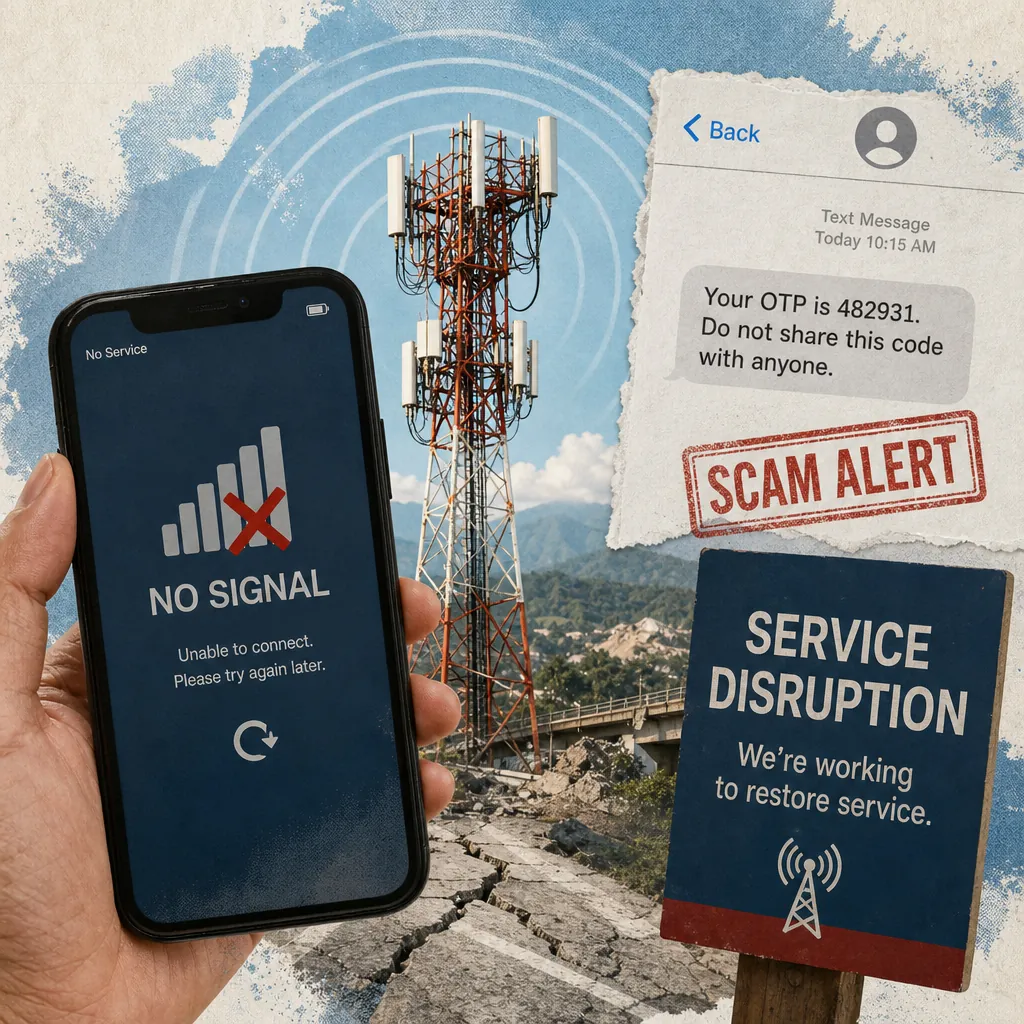
A darker thread emerged from Reddit’s adultingph community, where user Extension-Grass33 described being scammed out of ₱39,000 after giving away a bank OTP during a fake annual fee waiver call. Their post detailed immediate steps (reporting to UnionBank and Lazada) and asked for advice on cybercrime reporting. With 10 likes and 13 comments, it resonated as a cautionary tale, directly linking telco-related SIM swap and smishing risks to financial loss. This incident, combined with the ongoing discussions about porting numbers and switching providers, underscored the triple challenge faced by Filipino consumers: unreliable service, confusing plan structures, and rising fraud threats — all playing out in a single day’s digital conversation.
Conversation snapshot. The day’s telco conversation was driven by a handful of high-engagement posts rather than a high volume of content. The most visible single post was a Twitter complaint about Smart Magic Data depletion, which drew 2,771 views but only 2 likes, indicating broad passive exposure rather than active endorsement. On Reddit, the most active thread was the Gomo Fiber inquiry, which received 10 upvotes and 20 comments, showing strong community interest in alternative fiber providers. The PLDT outage post received 1 like and 1 comment, but its content resonated as a cautionary tale. The Globe-to-prepaid comparison thread garnered 14 comments, reflecting active debate on plan value. The OTP scam post received 10 upvotes and 13 comments, indicating moderate resonance within the community. The 5G-related queries received minimal engagement (0–2 comments), suggesting niche but specific demand. The DICT SIM distribution video on YouTube had only 23 views and no comments, showing low public engagement with government messaging.
Key themes
- Data cap transparency and value. Users expressed frustration over rapid data depletion, particularly with Smart’s Magic Data, which one user reported consuming entirely within three hours. This theme questions the fairness of data caps and the accuracy of usage tracking.
- Prolonged outages driving churn. A Reddit user detailed a two-week PLDT outage with unresponsive customer service, prompting neighbors to switch to SKY or Converge. This highlights how extended service interruptions erode loyalty and push subscribers to competitors.
- Prepaid vs. postpaid cost comparison. Users are actively comparing the cost-effectiveness of prepaid versus postpaid plans, with one calculating that prepaid offers better value (₱716/month for 60GB vs. ₱999 for 20GB postpaid). This trend favors flexible, no-lock-in options.
- Interest in alternative fiber providers. Gomo Fiber is being evaluated by users frustrated with PLDT, with positive experiences from Gomo’s mobile service driving interest in its fiber offering.
- Demand for 5G portable solutions. Queries about 5G pocket Wi-Fi and unli 5G SIM plans for modem use indicate growing consumer interest in mobile-first connectivity, especially for outdoor or backup use.
- OTP fraud and security concerns. A detailed account of a ₱39,000 scam involving OTP disclosure during a fake call highlights the vulnerability of SMS-based authentication and the need for stronger consumer protection.
- Government digital inclusion efforts. The DICT’s SIM card distribution initiative was reported by state media but received very low engagement, suggesting a gap between policy messaging and public awareness.
How the narratives stack
Dominant narrative — The dominant story is one of consumer frustration with incumbent telcos. Complaints about rapid data depletion, prolonged outages, and unresponsive customer service are driving users to actively research and switch to alternative providers like Gomo, Converge, and SKY. This narrative is reinforced by cost-comparison discussions that favor prepaid plans over postpaid, and by a growing interest in 5G portable solutions. The overall tone is one of dissatisfaction and a willingness to explore competitors.
Counter-narrative — A counter-narrative emerges from government and telco efforts to restore services and expand connectivity. PLDT and Globe have both announced network restoration in earthquake-hit Mindanao, with Globe reporting services restored in 31 of 32 affected municipalities. PLDT has also introduced Fiber Always On, a modem with built-in LTE backup that automatically switches during fiber outages. These initiatives present a picture of proactive response and innovation, but they struggle to gain traction against the louder voice of consumer complaints.
Emerging narrative — An emerging narrative centers on cybersecurity and fraud. The OTP scam post, combined with the defacement of the House of Representatives website and the DICT’s investigation, is raising awareness about digital vulnerabilities. This narrative is still building but has the potential to reshape the conversation, especially if more victims come forward or if regulatory action is taken. The link between telco infrastructure (SMS-based OTPs) and financial fraud is a key concern that could drive demand for more secure authentication methods.
Suppressed narrative — The suppressed narrative is the positive impact of telco investments in network resilience and digital inclusion. While Globe and PLDT have announced network upgrades in Western Visayas and earthquake response efforts, these stories receive minimal engagement compared to complaints. The DICT’s SIM distribution program also goes largely unnoticed. This suggests that good news about infrastructure and public policy is not reaching or resonating with the general public, possibly because it is not framed in a way that addresses immediate consumer pain points.
Platform insights
Twitter served as the primary platform for real-time complaints and venting. The Smart Magic Data complaint garnered 2,771 views but only 2 likes, indicating that users are using Twitter to broadcast grievances rather than to seek engagement or resolution. The platform’s public nature allows complaints to reach a wide audience quickly, but the lack of likes suggests that users are not actively endorsing the complaint, merely observing it. This pattern is typical for service complaints on Twitter, where the goal is to get the brand’s attention rather than to build community.
Reddit was the hub for detailed, comparative discussions. The Gomo Fiber thread received 10 upvotes and 20 comments, showing strong community engagement and a willingness to share experiences and recommendations. The PLDT outage post, though low in upvotes, sparked a discussion about alternative providers. The prepaid vs. postpaid comparison thread generated 14 comments, with users debating the trade-offs. Reddit’s format allows for nuanced, multi-perspective conversations that are more informative than the quick venting on Twitter. The platform is where consumers do their research before making switching decisions.
YouTube saw very low engagement for government content. The DICT SIM distribution video had only 23 views and no comments, indicating that official channels are not effectively reaching the public. This may be due to the content’s format (a news segment) and the platform’s algorithm, which favors more engaging content. Government agencies may need to adopt more relatable formats, such as short explainer videos or testimonials, to increase reach.
Facebook was not directly observed in the monitoring data, but supplementary media indicates that local news outlets and radio stations used Facebook to report on the NBA Finals and other non-telco topics. Given Facebook’s dominance in the Philippines, it is likely a significant platform for telco discussions, but the provided data did not capture telco-specific Facebook posts.
Key voices and communities
- Frustrated long-term subscribers. This group consists of existing PLDT, Smart, and Globe users who express dissatisfaction through direct complaints on Twitter and Reddit. Their posts highlight service interruptions, data depletion issues, and unresponsive customer support. They are vocal and influential, as their complaints can go viral and shape public perception. Their primary narrative centers on perceived unfair billing and lack of accountability.
- Pragmatic service switchers. These are consumers actively researching and comparing alternative connectivity options. They exhibit high intentionality, posting specific queries about Gomo Fiber, Globe prepaid vs. postpaid, unli 5G SIM plans, and 5G pocket Wi-Fi. They value data allowances, signal reliability, and flexibility. This group is the most actionable for brands and regulators, as their active search behavior makes them receptive to targeted educational content.
- Security-conscious digital victims. This small but impactful group includes individuals who have experienced or are concerned about SMS-based scams, OTP fraud, and SIM swap incidents. Their content emphasizes personal vulnerability and the need for stronger consumer protection. While numerically smaller, this group is highly influential because scam-related content frequently goes viral and attracts media attention.
- Government and institutional broadcasters. State media and official accounts such as PTV and DICT maintain a consistent presence on YouTube and Twitter, focusing on infrastructure and digital inclusion initiatives. Their content receives very low viewership but carries authoritative weight in policy circles. They shape the official narrative but need to adopt more relatable content to increase engagement.
Narrative streams
Consumer frustration with data caps and service reliability
The most prominent narrative stream is consumer frustration with data allocation and service reliability. A notable complaint about Smart Magic Data depleting within three hours received significant visibility, with the post accumulating over 2,700 views. This complaint taps into a broader issue: the mismatch between marketed “unlimited” or “high-value” data packages and actual user experience. Users feel that data is consumed too quickly, leading to unexpected charges or depletion. This is particularly damaging for brands targeting heavy data users, such as gamers and streamers.
Concurrently, multiple users express intent to switch providers due to prolonged outages. One account detailed a two-week PLDT outage with unresponsive customer service, prompting neighbors to recommend SKY or Converge alternatives. This migration sentiment is echoed in a query about Gomo Fiber, where a user explicitly states, “I’m done with pldt,” and seeks validation based on their positive experience with Gomo’s mobile signal. These conversations collectively indicate a growing threshold for service failures and a willingness to explore competitors.
Prepaid migration and cost optimization
A clear trajectory toward prepaid and alternative fiber models is evident. Reddit discussions reveal users comparing Globe postpaid plans (₱999/month for 20GB) to weekly prepaid loading (₱716/month for 60GB) and concluding prepaid offers better value. This trend is driven by price sensitivity and a desire for flexibility without long-term contracts. Simultaneously, Gomo Fiber is being actively evaluated by users frustrated with PLDT, with initial signal quality at home cited as a key consideration. This trend will likely accelerate as more subscribers seek cost-effective, no-lock-in options.
Demand for 5G portable solutions
A notable surge in queries about 5G pocket Wi-Fi and unli 5G SIM plans indicates growing consumer interest in mobile-first connectivity, especially for outdoor usage. The same user who experienced a forced migration from a corporate Smart plan to a regular postpaid plan is now actively seeking unli 5G options for modem use. This suggests that legacy plan discontinuations require careful handholding to avoid alienating long-term subscribers. The demand for affordable, open-line devices presents a product opportunity if paired with competitive data offers.
Cybersecurity and fraud concerns
A significant risk emerges from the OTP scam narrative, where a user reported losing ₱39,000 after giving away an OTP during a fraudulent call masked as an annual fee waiver request. Though the scam targeted a credit card, the method exploits telecom infrastructure (OTP delivery), and such incidents erode trust in SMS-based security—an issue directly tied to industry-wide smishing concerns. This incident, combined with the defacement of the House of Representatives website and the DICT’s investigation, is raising awareness about digital vulnerabilities. The link between telco infrastructure and financial fraud is a key concern that could drive demand for more secure authentication methods.
Telco response to earthquake and network restoration
In a separate but related narrative, telcos are actively responding to the magnitude 7.8 earthquake that struck Mindanao on June 8. Globe reported restoring services in 31 of 32 affected municipalities, with full restoration in several provinces. PLDT Enterprise rolled out free Wi-Fi in quake-hit areas, serving thousands of residents, and set up Starlink links at key government sites and hospitals. PLDT and Smart have restored 90 percent of services and aim to finish by the weekend. These efforts demonstrate corporate social responsibility and network resilience, but they receive less attention than consumer complaints.
Government cybersecurity and digital inclusion
The DICT is investigating the defacement of the House of Representatives website, which occurred on June 13, days after a similar attack on the Senate website. The DICT stated that no sensitive data was compromised, but the incident has prompted calls for stronger cybersecurity defenses across government institutions. Separately, the DICT continues to distribute SIM cards to address the digital divide, though this initiative receives low public engagement. These government actions are part of a broader effort to secure digital infrastructure and expand access, but they are not yet resonating with the public.
Conversation trajectory
Accelerating dissatisfaction with data cap value and reliability (next 1–2 months). Complaints about rapid data depletion are emerging as a consistent pain point. Expect intensified scrutiny of data cap transparency and network stability, particularly among postpaid and prepaid users who rely on fixed quotas. Brands that proactively address these concerns with transparent usage meters or real-time depletion alerts could rebuild trust.
Growing preference for prepaid and alternative fiber models (next quarter). The trend toward prepaid and alternative fiber providers like Gomo will likely accelerate as more subscribers seek cost-effective, no-lock-in options. Telcos should consider promoting prepaid migration pathways and highlighting the value of flexible plans.
Rising demand for 5G portable solutions (next 3–4 weeks). Queries about 5G pocket Wi-Fi and unli 5G SIM plans indicate growing consumer interest in mobile-first connectivity. Conversations will center around device compatibility, long battery life, and open-line flexibility. Telcos that offer competitive 5G data plans for modems could capture this niche.
Increasing anxiety over SIM fraud and security (next 1–2 months). The OTP scam post is likely to spawn copycat attempts and heightened public awareness. Security discussions will likely intertwine with consumer frustration over carrier accountability, potentially pushing telco-bank coordination into the spotlight. Telcos should develop joint educational content with banks and the National Privacy Commission (NPC) to address fraud prevention.
Key trigger events that will reshape this conversation include: the ongoing DICT SIM card distribution initiative, which may amplify debates about SIM registration friction and fraud prevention; the upcoming implementation of the Konektadong Pinoy bill or any spectrum auction announcements; and any high-profile network outage (e.g., #PLDTDown or #GlobeDown) that will likely reignite comparisons between providers and accelerate prepaid migration.
Response guidance
Platform approaches. On Twitter, rapidly respond to real-time complaints about service interruptions or billing issues with a direct troubleshooting request via DM. Acknowledge the concern publicly, then move to private conversation for resolution. On Reddit, engage in community threads where users compare providers or ask for recommendations. Avoid overt sales pitches; instead provide neutral, data-backed insights about network coverage, promo details, and realistic speeds. Create a dedicated “Ask our team” megathread in relevant subreddits (e.g., r/InternetPH) where users can post issues and receive official responses. On Facebook, address service complaints with empathetic, solution-oriented replies. Create shareable explainer posts about how data usage is calculated, especially for unlimited or “magic data” plans, using clear visuals.
Key messages. “We are committed to transparent data usage tracking – you should always know where your load goes. If your Magic Data or any promo runs out unexpectedly, reach out to us for a detailed breakdown and assistance.” “Network reliability is our top priority. We are continuously upgrading our infrastructure to reduce outages and improve speeds. If you experience a prolonged service interruption, we will provide clear timelines and compensation options.” “Whether you choose prepaid or postpaid, we offer flexible plans that fit your lifestyle – from fiber broadband to 5G pocket Wi-Fi. Our goal is to give you the best value without hidden surprises.” “Government initiatives like the DICT’s SIM card distribution help bridge the digital divide, and we fully support efforts to make connectivity accessible to every Filipino.”
Sensitive topics to navigate. When addressing data consumption complaints, avoid blaming the user for heavy usage. Instead, explain that data consumption depends on apps, video quality, and background processes. Offer a free account review and a one-time goodwill data extension for affected users without admitting fault. When addressing prolonged outages, do not downplay the outage or attack competitors. Acknowledge the inconvenience, provide a specific restoration ETA (even if estimated), and proactively offer a bill credit or service extension. When discussing unlimited or “magic” data fair usage policies, address head-on in FAQs rather than hiding in fine print. Frame it as “we prioritize fair access for everyone, so high-volume users may experience reduced speeds after heavy usage.”
See the full picture behind today's signals.
This report draws from Media Meter's MediaWatch, our real-time monitoring engine tracking 2,470+ Philippine sources across print, broadcast, digital, and social. Explore how the platform turns raw coverage into decision-grade intelligence, then see how it's configured for teams like yours — whether you're in PR agencies, corporate comms, government, or marketing.
Want more? Browse our Report Library for sector and crisis intelligence, or request a demo and we'll have your brand set up before the call.
Want this kind of intelligence on your brand?
This brief is built on the same MediaWatch methodology that runs continuously across every brand we monitor. See your competitive landscape, Impact Score, and narrative trajectory in a 30-minute demo.