All 102 Banking reports from the Media Meter Report Library, newest first.
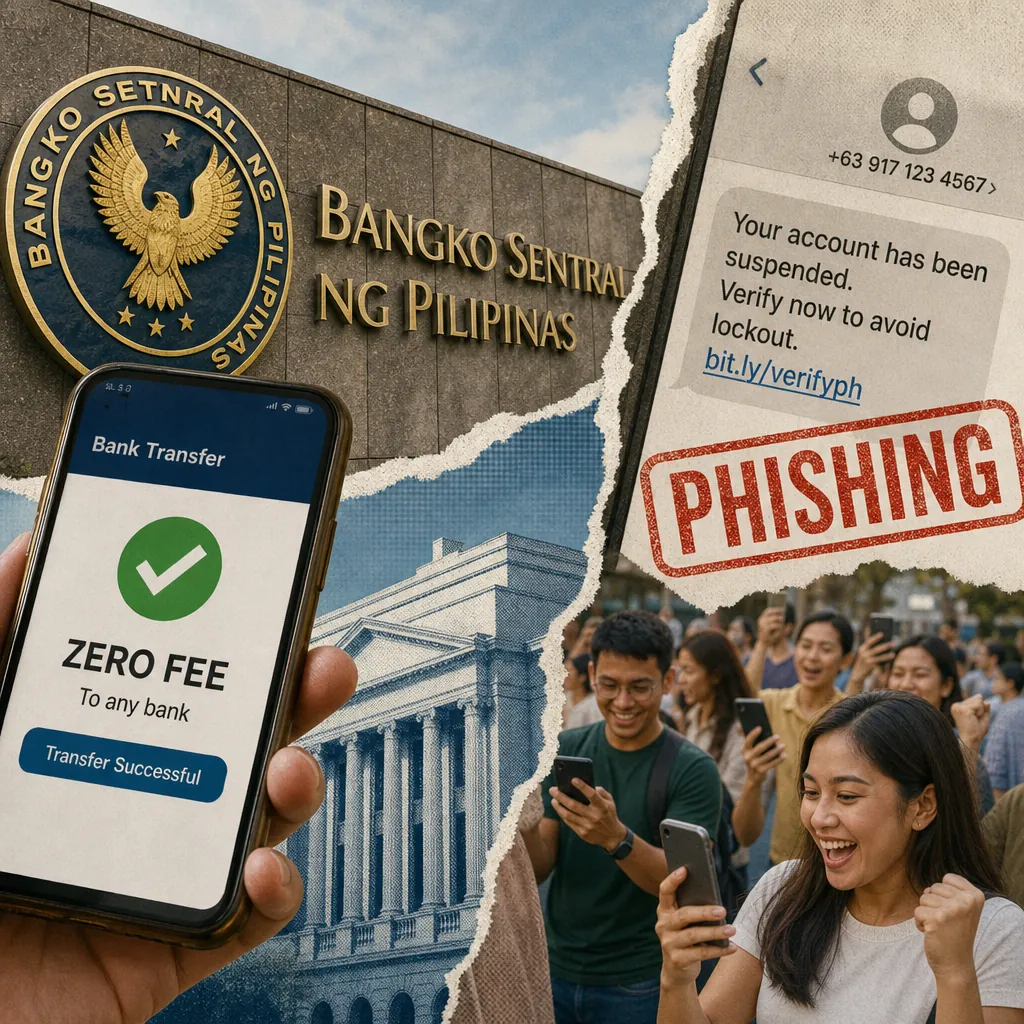
A regulatory push by the Bangko Sentral ng Pilipinas to eliminate interbank transfer fees has triggered a wave of zero-fee announcements from major banks, generating widespread consumer celebration. However, a parallel surge in phishing and SMS spoofing incidents threatens to undermine trust in digital banking channels.
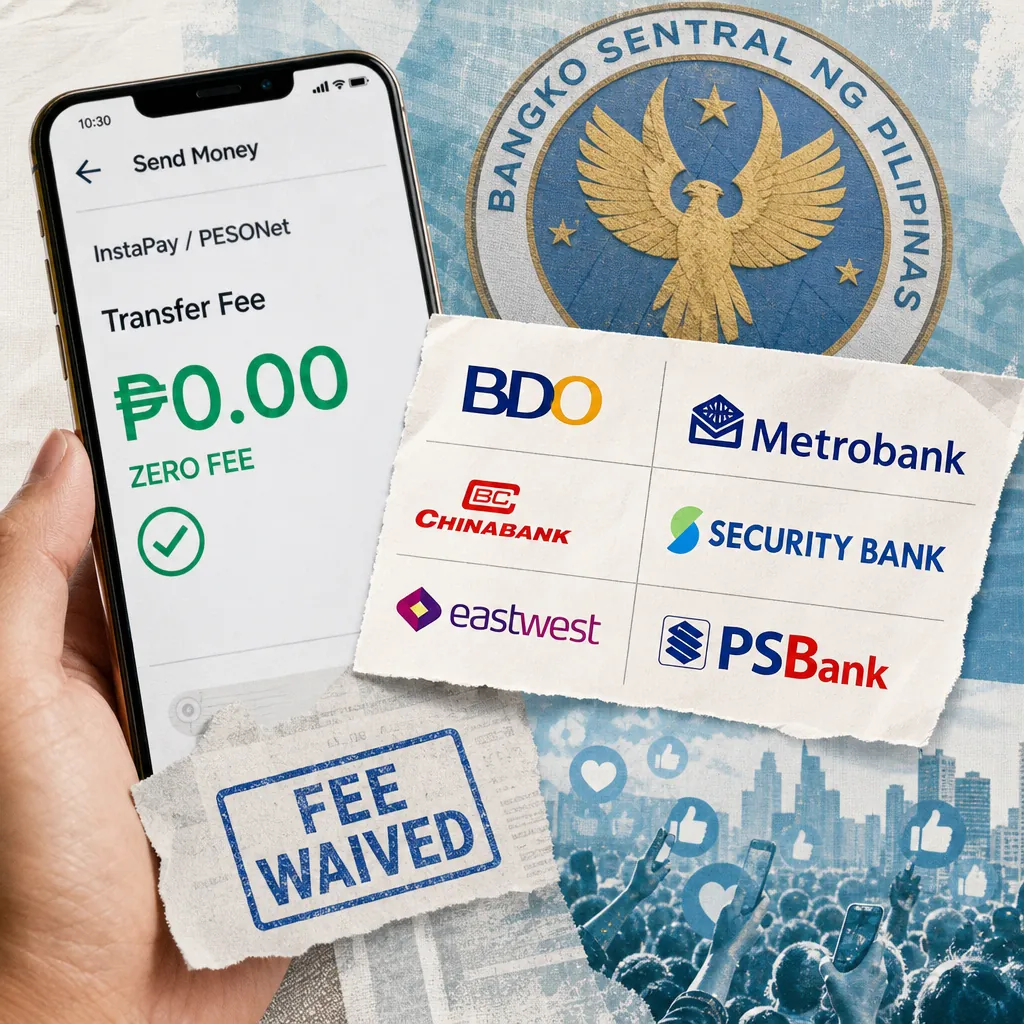
On July 9, 2026, a cascade of major Philippine banks—BDO, Metrobank, Chinabank, Security Bank, EastWest, and PSBank—announced the waiver of InstaPay and PESONet transfer fees, triggering an overwhelmingly positive public response on social media while business outlets warned of a 'margin-compressing race to zero.' The Bangko Sentral ng Pilipinas' regulatory push is credited as the driving force, creating both reputational opportunities and strategic challenges for the sector.
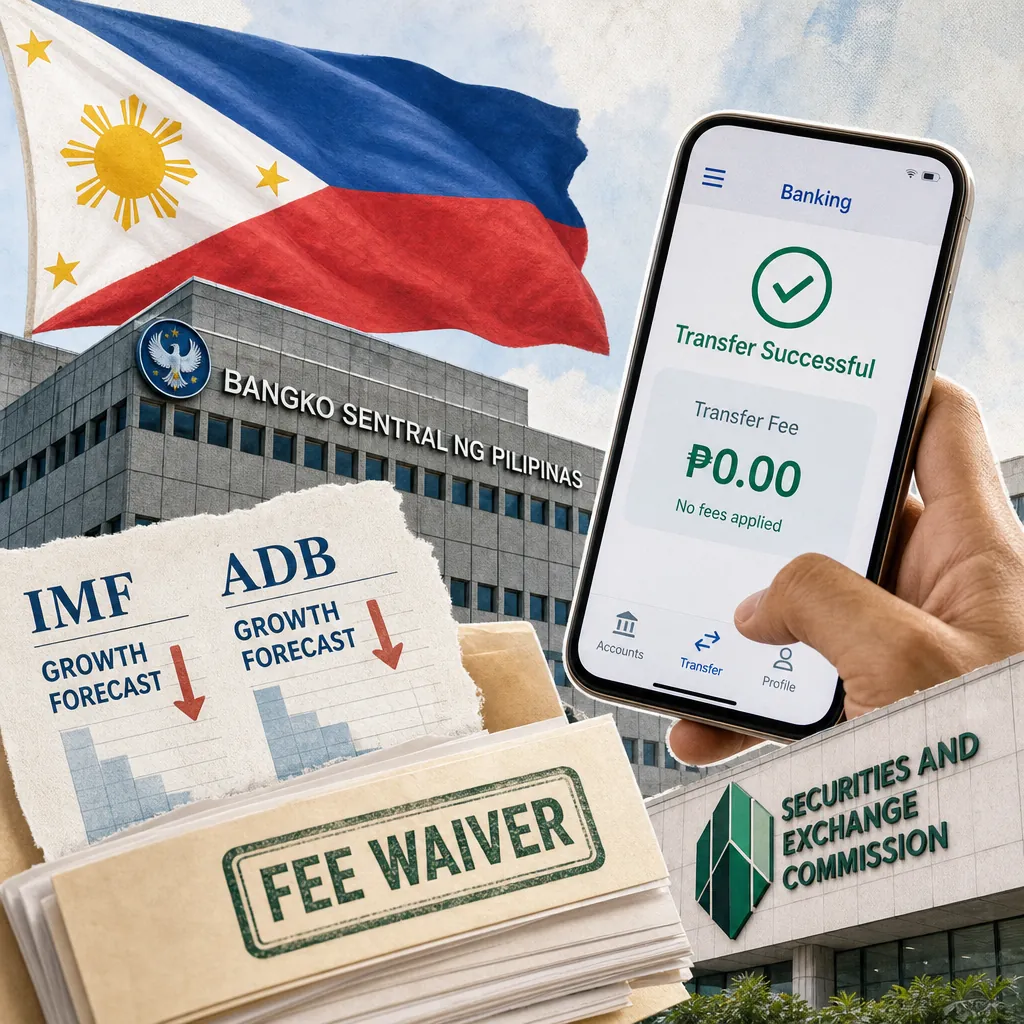
A daily snapshot of July 8, 2026, covering downgraded growth forecasts from the IMF and ADB, a wave of bank fee waivers, the SEC's lifting of a moratorium on online lending apps, and other key developments in the Philippine financial sector.
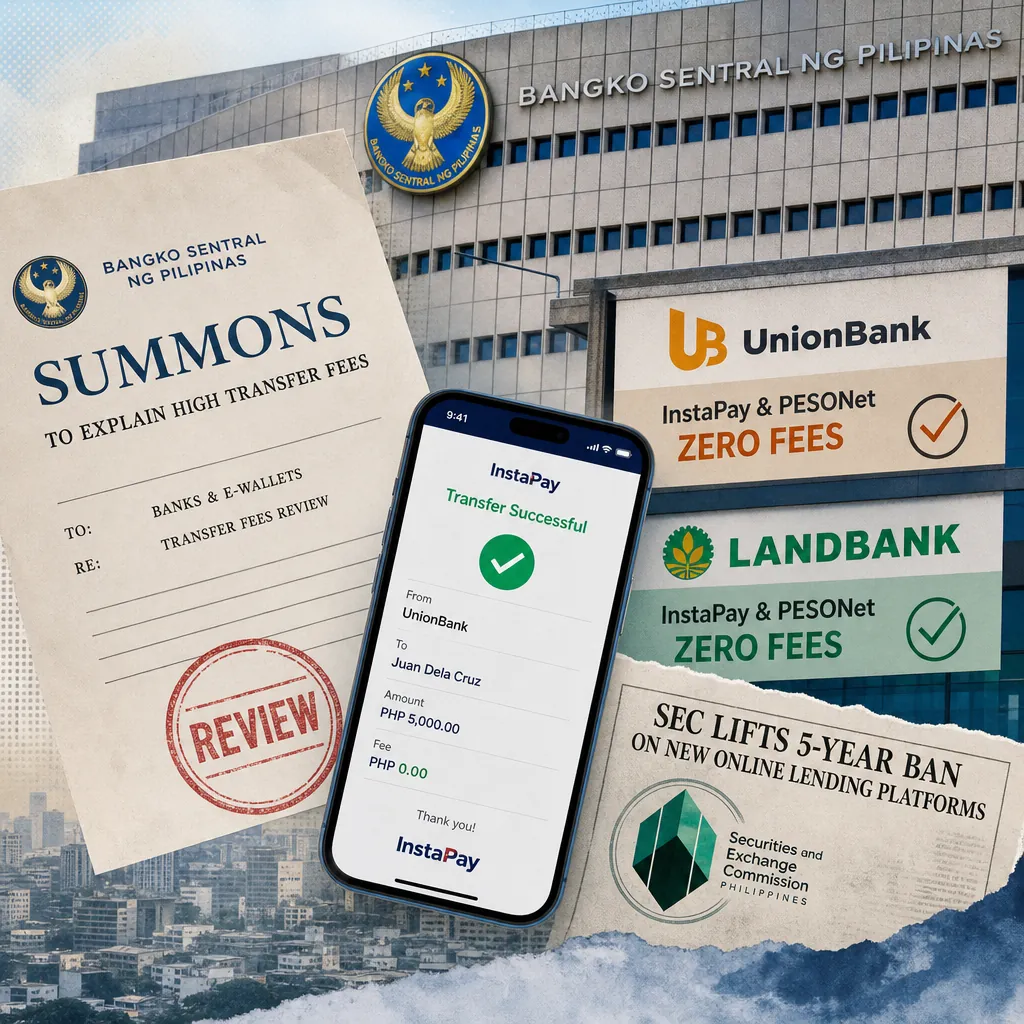
The Bangko Sentral ng Pilipinas calls banks and e-wallets to explain high transfer fees, while UnionBank and LandBank announce zero-fee InstaPay and PESONet transfers. The SEC lifts its five-year ban on new online lending platforms, and consumer complaints about billing errors and app outages persist.

A cascade of fee waivers by major Philippine banks, led by BPI, RCBC, UnionBank, and LandBank, has shifted consumer expectations toward free digital transfers, with Malacañang urging all banks to follow. The conversation is overwhelmingly positive but a counter-narrative on fraud risks is emerging.
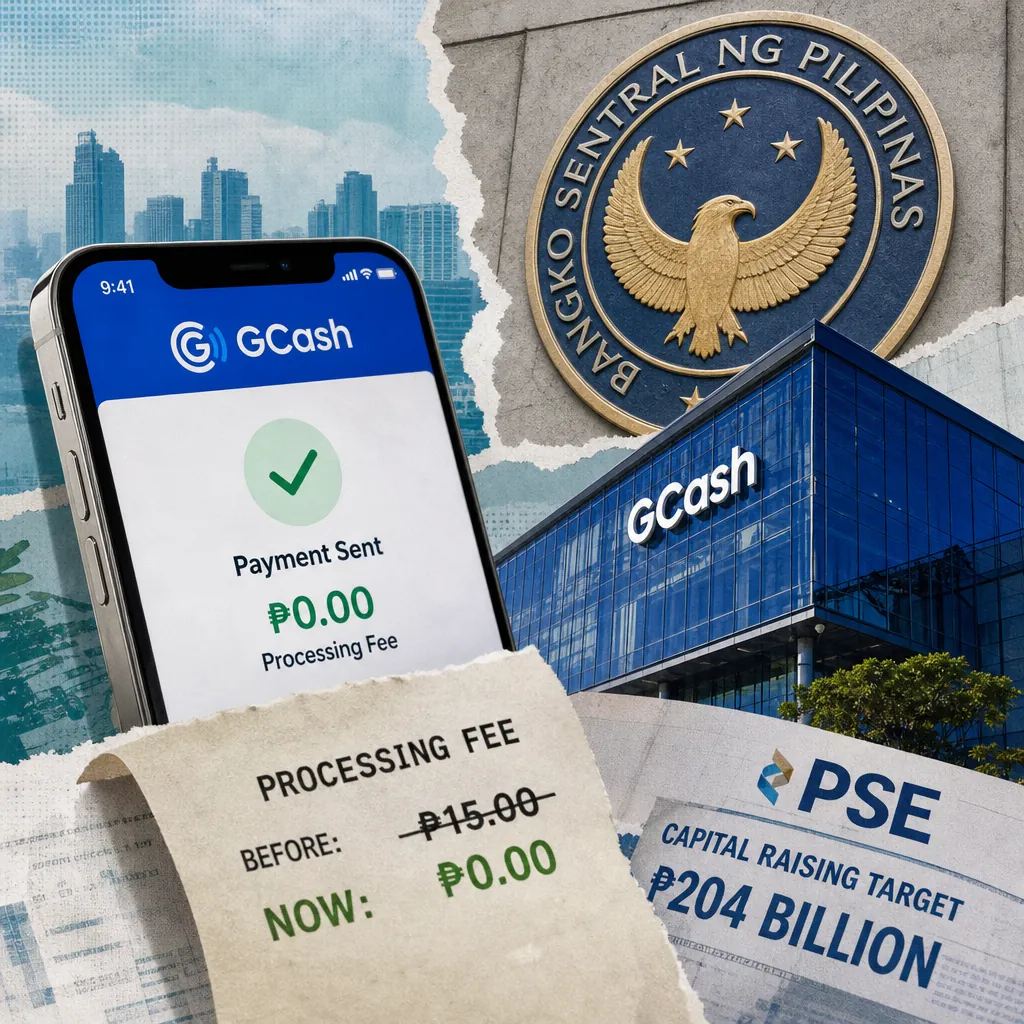
A cascade of bank and e-wallet fee cuts following new BSP pricing rules dominated the conversation, alongside the PSE's P204-billion capital-raising target powered by the GCash IPO. Inflation expectations and the impeachment trial of Vice President Sara Duterte also drew significant coverage.
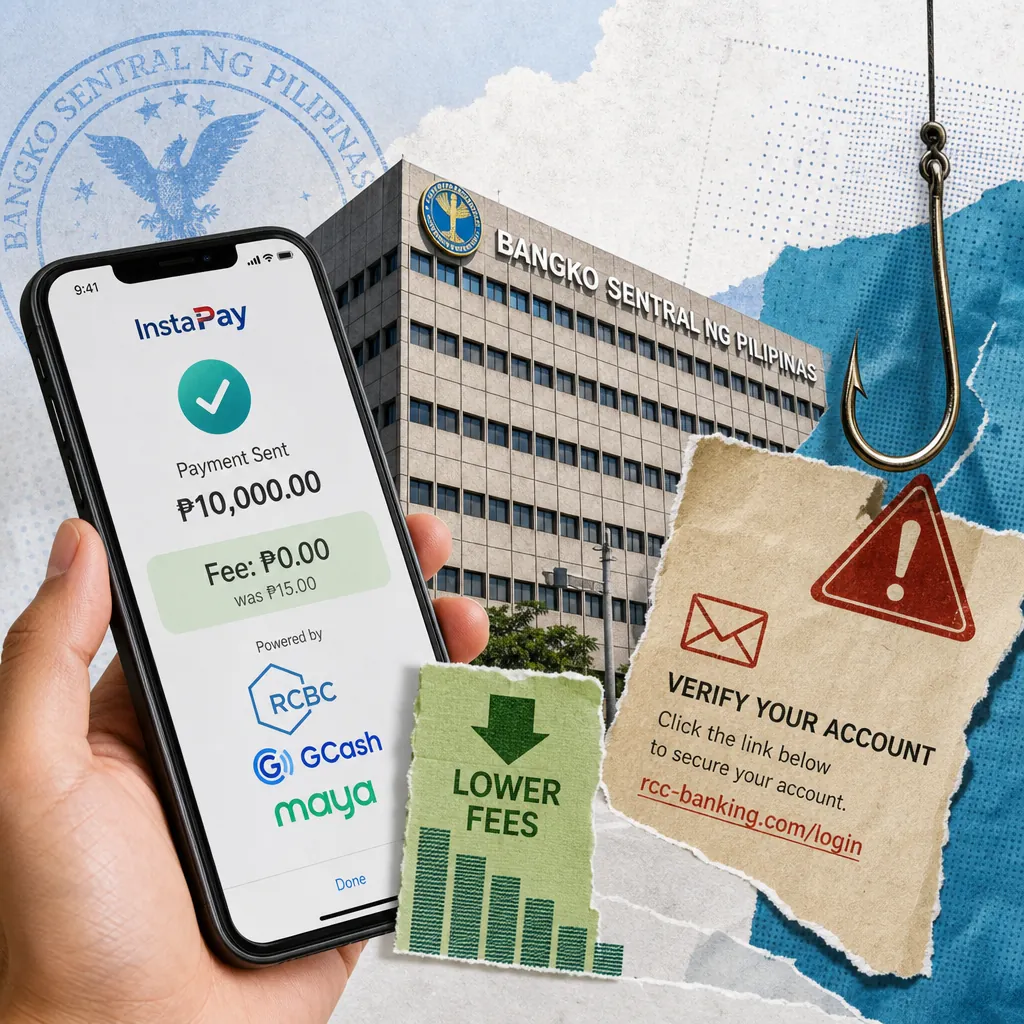
A cascade of InstaPay fee reductions by RCBC, GCash, and Maya, driven by BSP pressure, has sparked consumer celebration and sarcasm—but a detailed social engineering attack on RCBC has refocused attention on digital banking security, creating a dual narrative of cost wins and trust risks.

RCBC waives InstaPay fees following BPI, with BSP Governor Remolona expecting more banks to follow by the July 4 deadline. Social media erupts with consumer enthusiasm, while news coverage also highlights rising bad loans, Monetary Board reappointments, and Goldman Sachs' forecast of three more rate hikes.
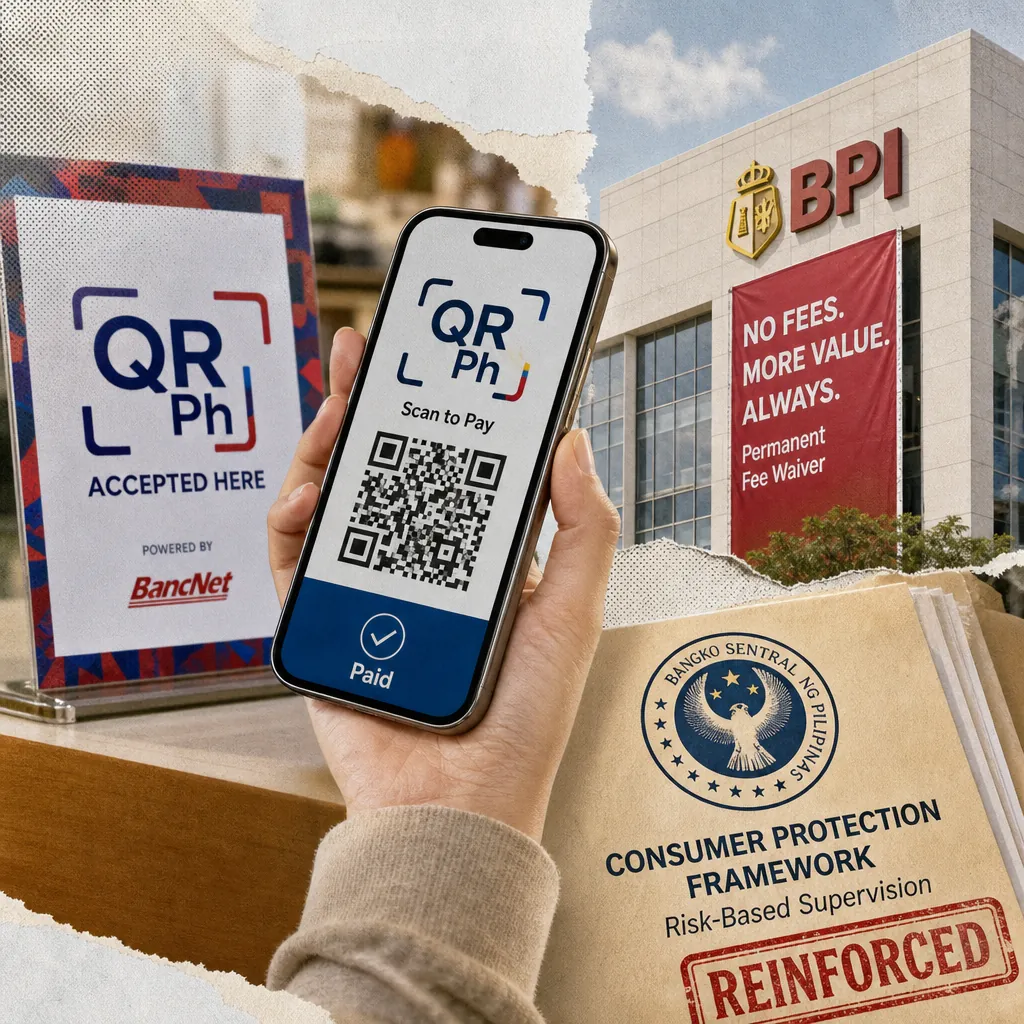
A snapshot of the Philippine banking and fintech conversation on July 2, 2026, covering QR Ph's dominance in payments, BPI's permanent fee waiver and its impact on premium banking value, the BSP's new risk-based consumer protection framework, and emerging security and operational friction points.
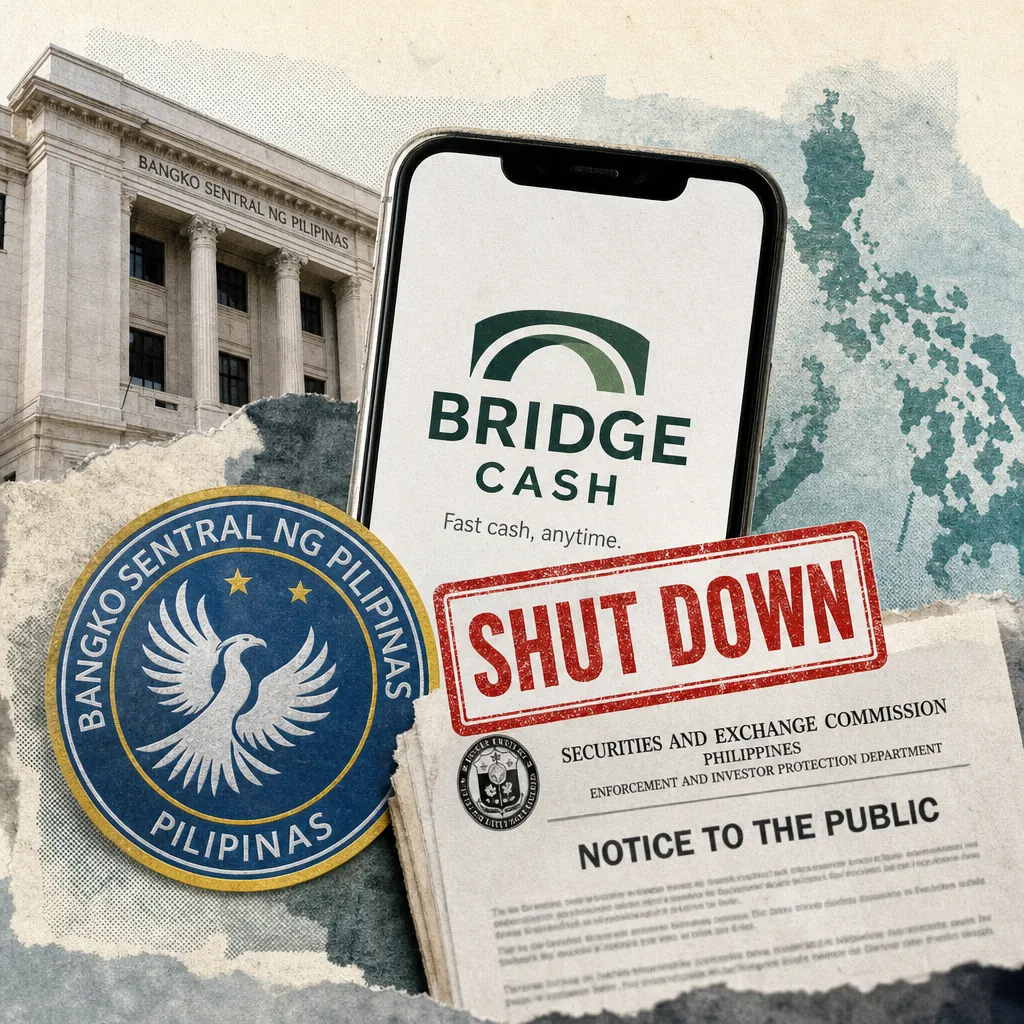
The July 1 conversation across Philippine news and social media centered on digital financial inclusion, inflation trends, and regulatory actions against unauthorized lenders, with significant coverage of BSP's wholesale CBDC pilot, BPI's branchless banking expansion, and SEC's shutdown of Bridge Cash.
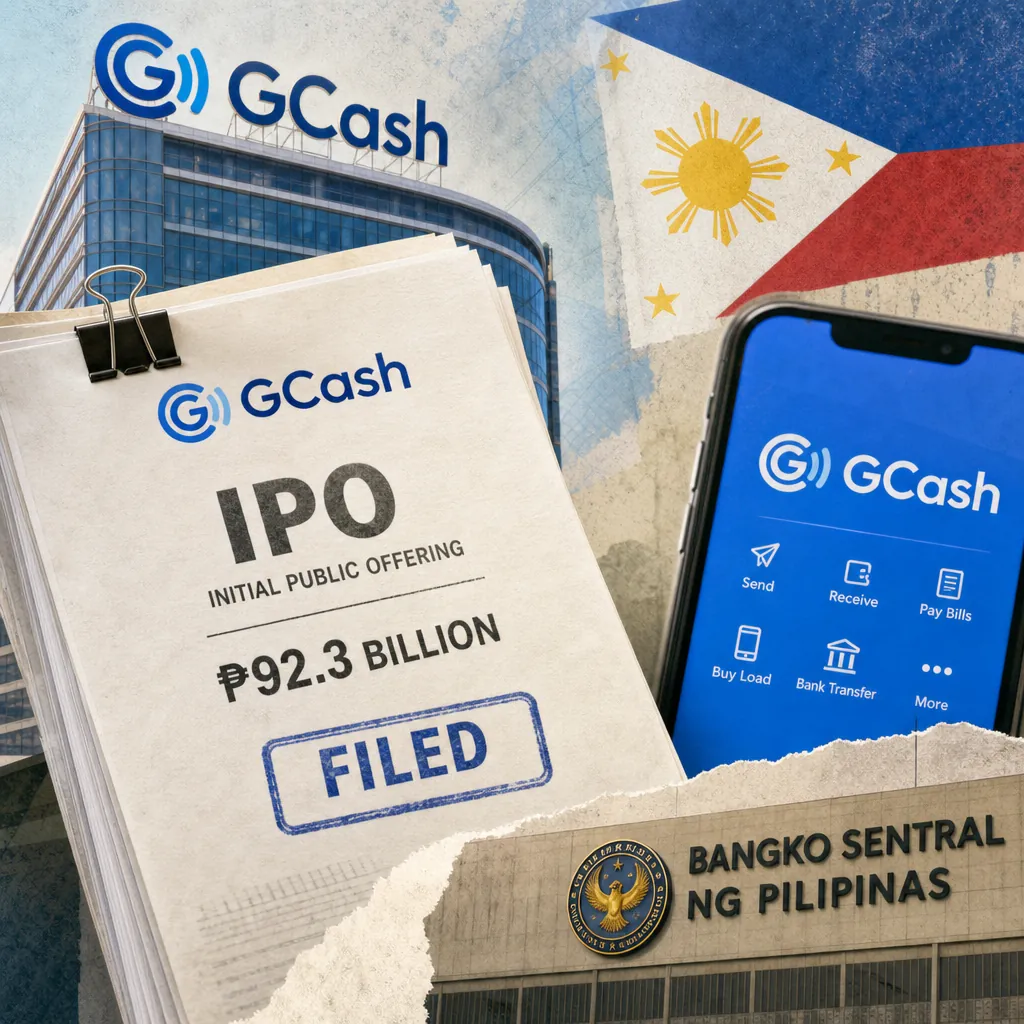
BPI permanently waives InstaPay and PESONet transfer fees starting July 1, sparking consumer celebration and competitive pressure on rival banks. Meanwhile, GCash parent Mynt files for a record P92.3 billion IPO, and the BSP releases voluntary AI governance principles for financial institutions.
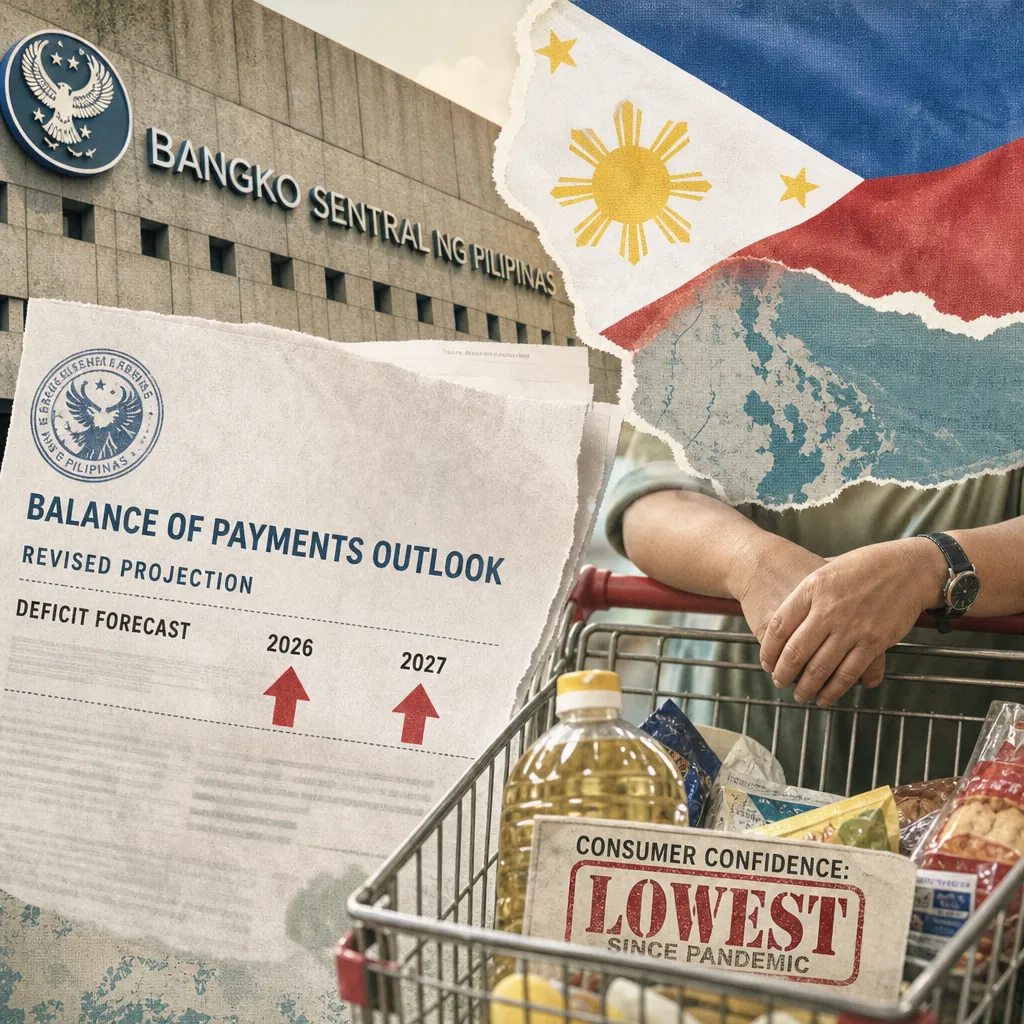
The Bangko Sentral ng Pilipinas revised its balance of payments deficit projections upward for 2026 and 2027, citing elevated oil prices and tighter financial conditions, while a separate survey showed consumer confidence at its lowest since the pandemic. The day's coverage also featured a push to lift the Metro Manila ecozone moratorium, a rebound in property prices, and a sluggish stock market outlook.
