All 142 Banking reports from the Media Meter Report Library, newest first.
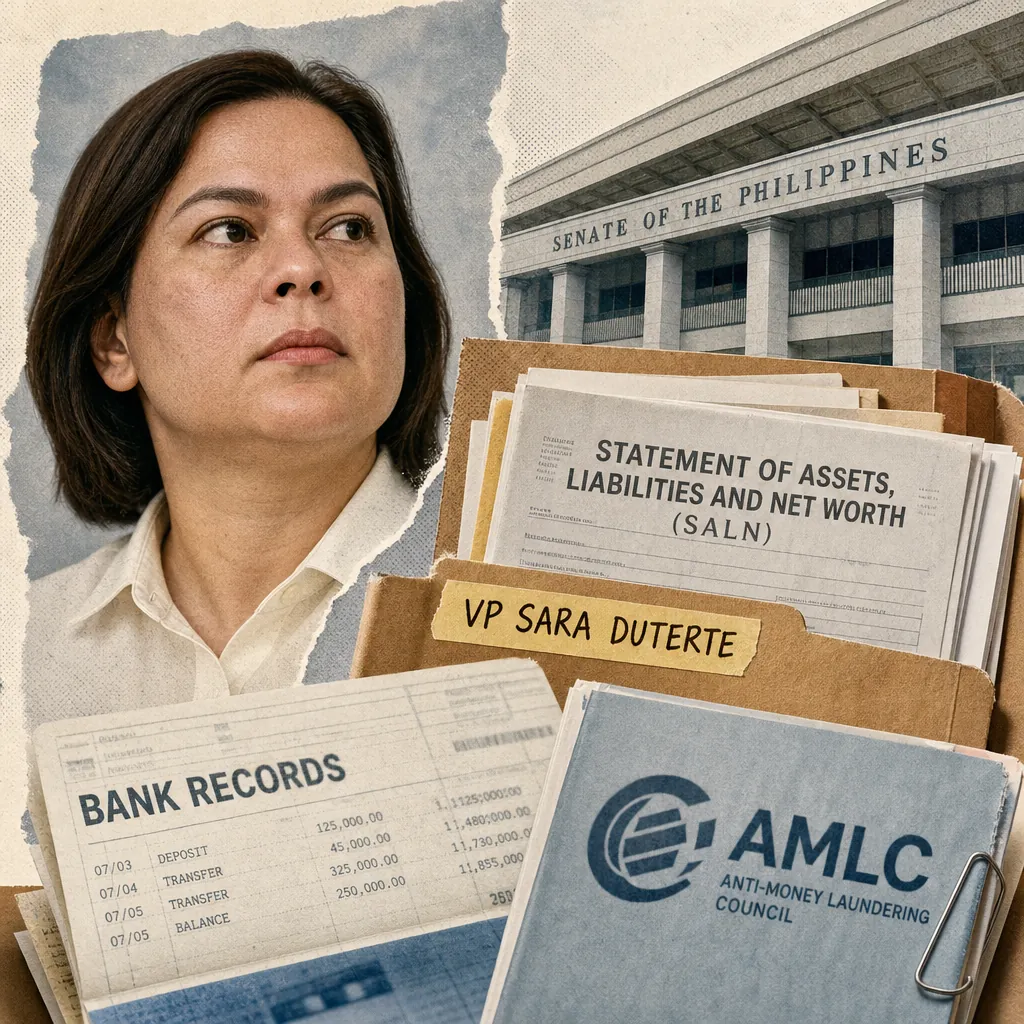
Prosecutors said they will match Vice President Sara Duterte's declared wealth against tax, bank and Anti-Money Laundering Council records, a story that drew the day's heaviest coverage and the most social attention. Separately, the central bank reported July remittances at a seven-month high and flagged geopolitical and cyber risks to financial stability.

The peso closed at a record low of ₱62.86 to the dollar while overseas Filipino remittances rose to $3.24 billion in July, their highest in seven months. GCash's planned ₱92.3-billion listing and a central bank warning on impersonation scams also drew attention.
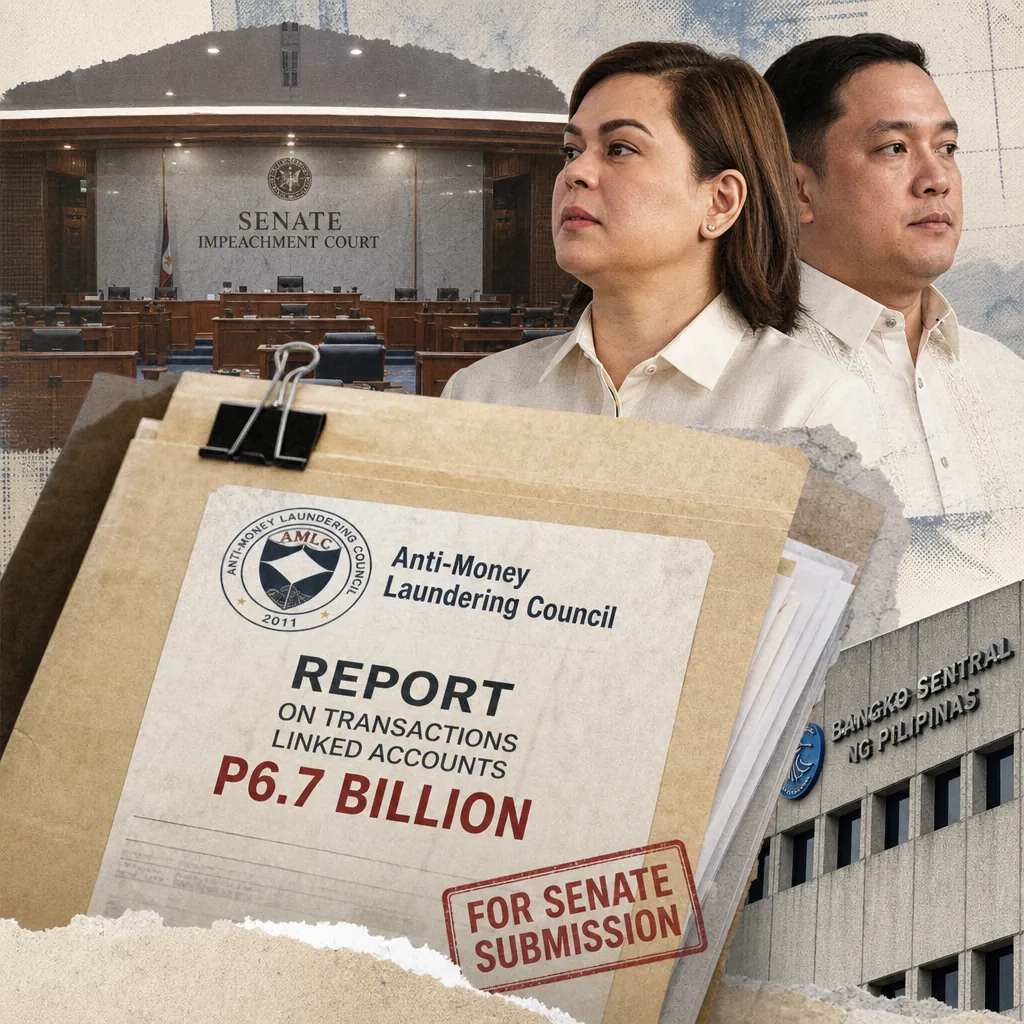
The Anti-Money Laundering Council is expected to present its report on P6.7 billion in transactions linked to Vice President Sara Duterte and her husband to the Senate impeachment court, drawing heavy engagement on Facebook and sustained discussion on Reddit. The same day, the central bank reported a wider current account deficit and record external debt.

Anthropic chief executive Dario Amodei called for a global slowdown in artificial intelligence development in a 3,800-word essay, drawing coverage across at least ten outlets. In the Philippines, transport group Manibela announced a two-day nationwide strike over fuel price increases, and the central bank asked lenders to help prepare for a 2027 anti-money laundering review.

The peso closed at a record low of 62.68 to the dollar as Brent crude passed $100 a barrel, dragging the stock index down and prompting talk of further central bank tightening. Bank of America forecast Philippine growth slowing to 2.5 percent in 2026, the weakest in Southeast Asia.
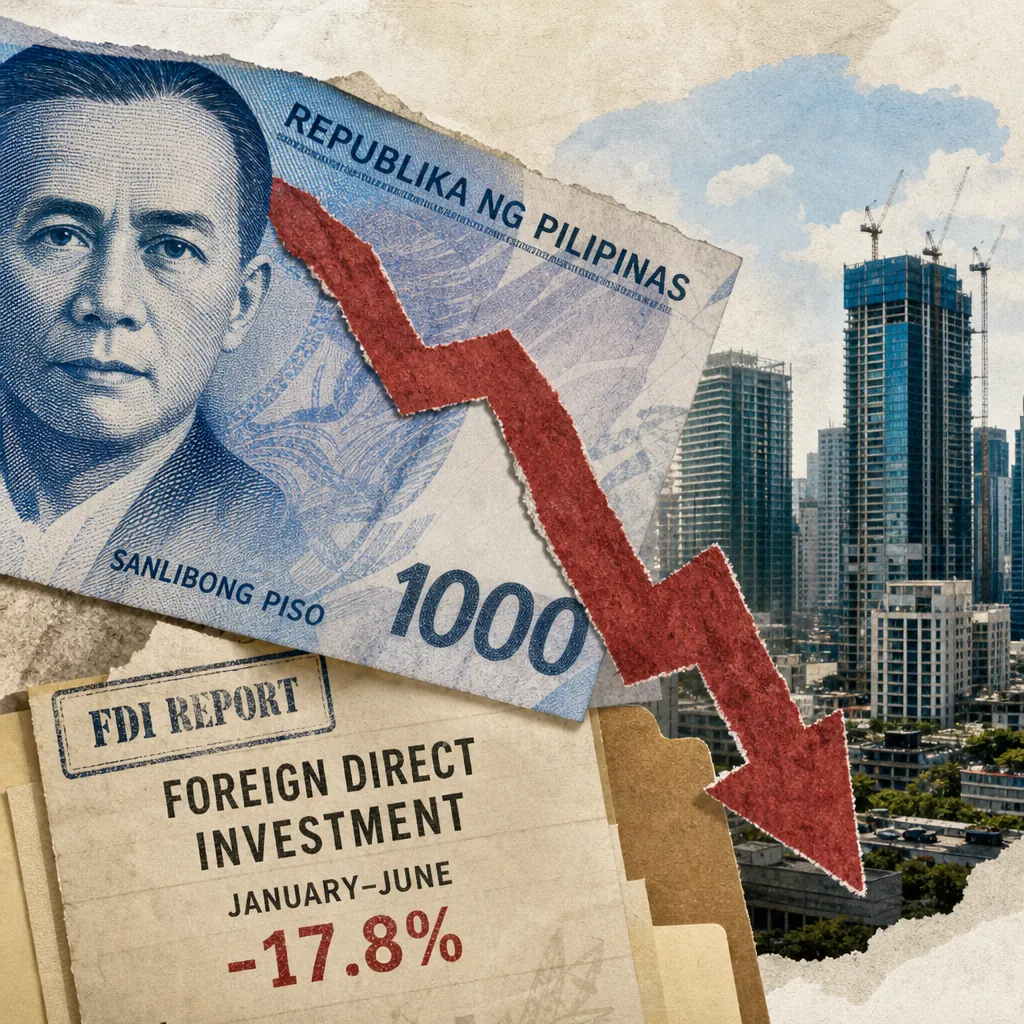
The peso's slide and a 17.8% first-half drop in foreign direct investment led Philippine business coverage, alongside central bank moves to ease sukuk rules and Security Bank's three-year profitability plan.
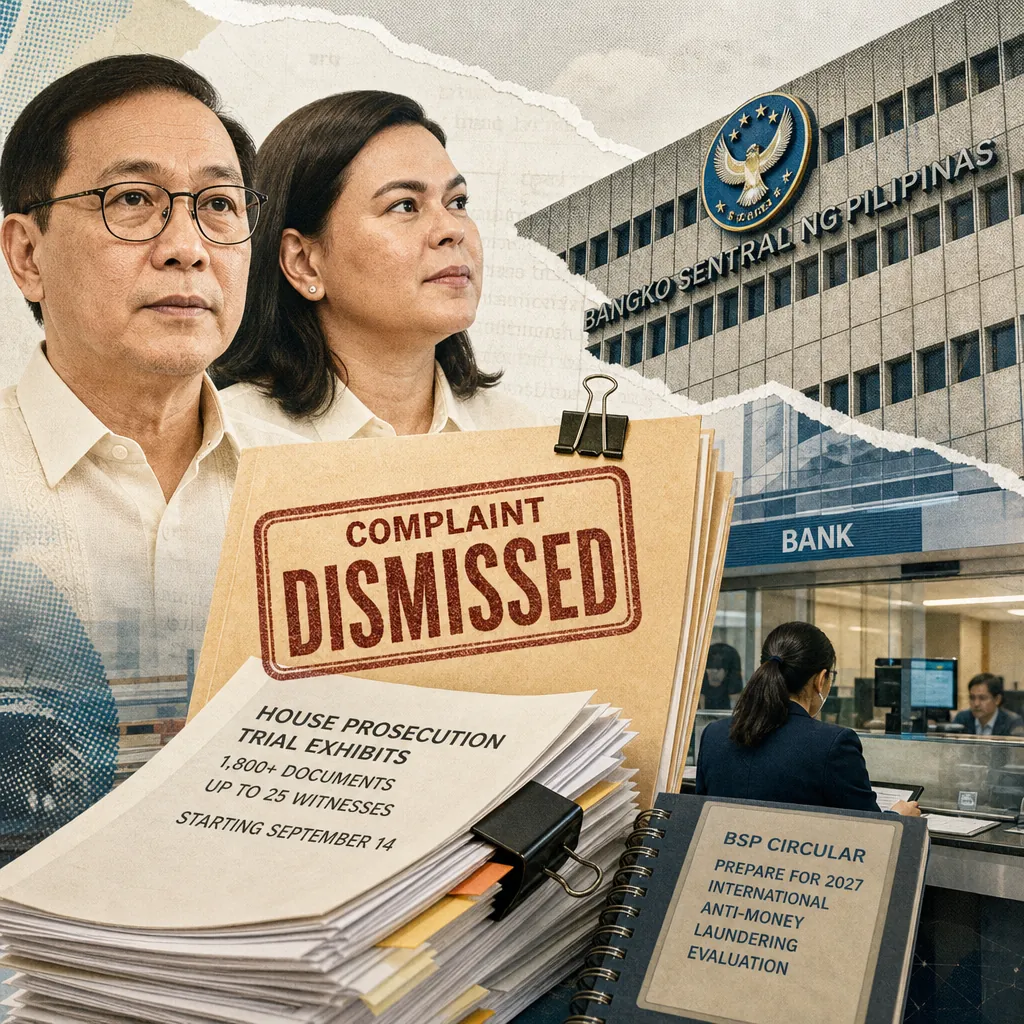
Quezon City prosecutors dismissed Manases Carpio's complaint over the release of his and Vice President Sara Duterte's bank records, clearing the way for the House prosecution to present 1,800-plus financial documents and up to 25 witnesses starting September 14. The BSP separately told banks to prepare for a 2027 international anti-money-laundering evaluation.
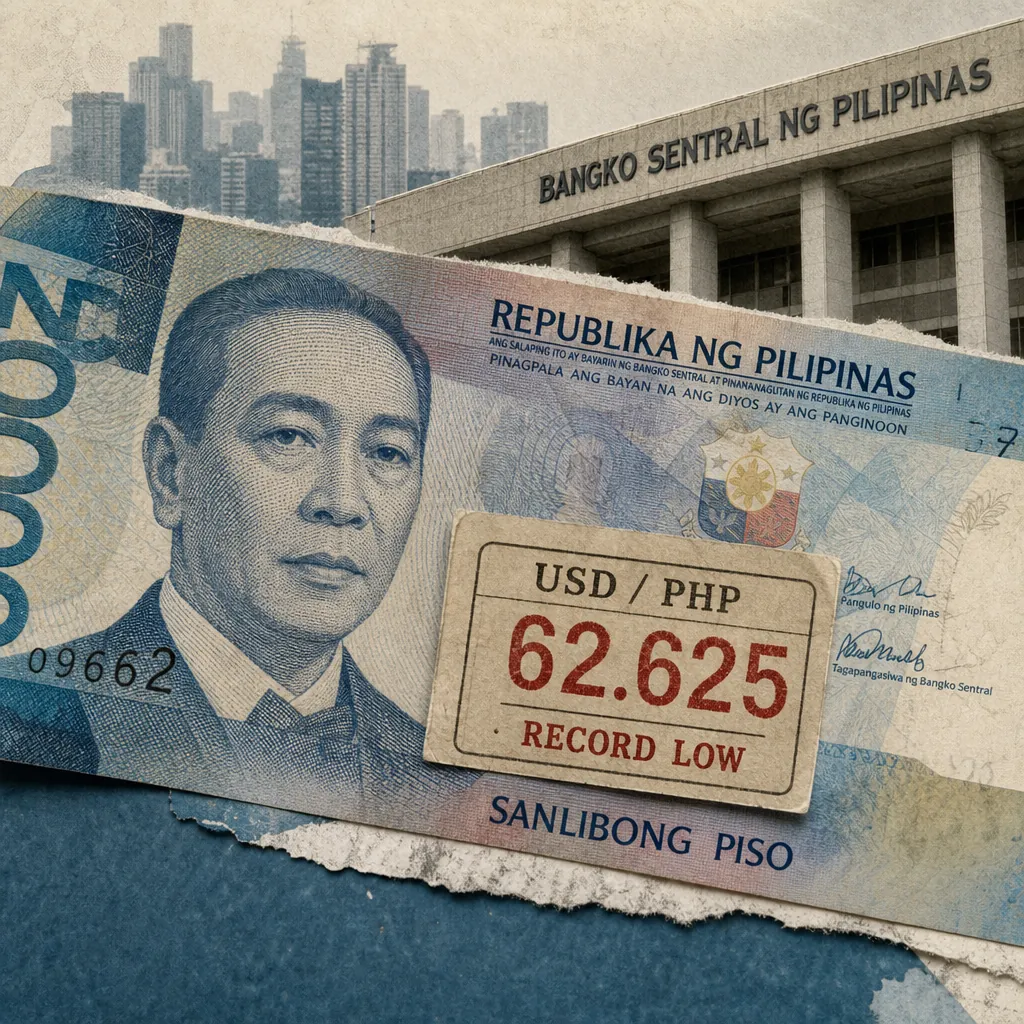
The Philippine peso slid to a fresh record low of P62.625 against the US dollar, its 23rd such low in 2026, driven by oil price spikes and a widening trade deficit. Meanwhile, banks and fintech firms pushed digital lending and scam-fighting initiatives, and the impeachment trial of Vice President Sara Duterte advanced.
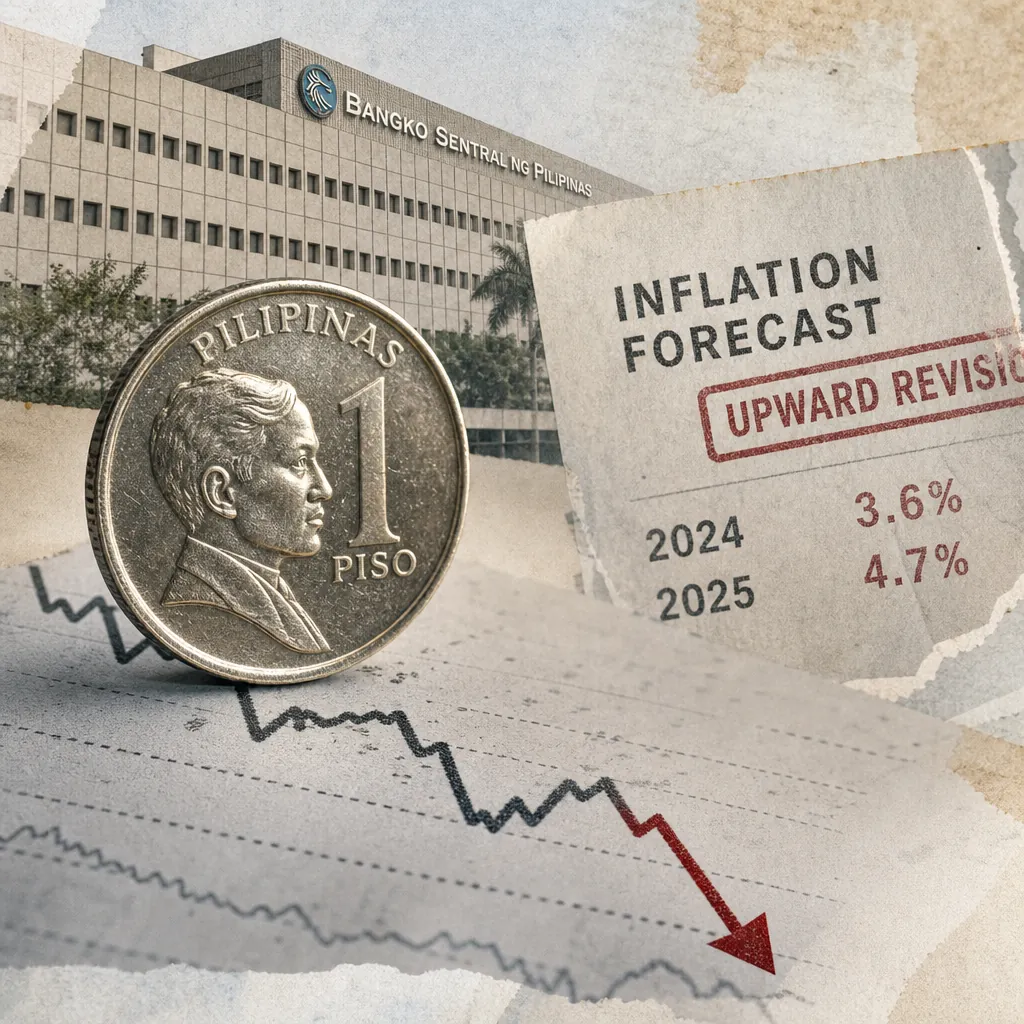
The Philippine peso touched another record low against the dollar while analysts raised inflation forecasts, and the central bank pushed back on criticism of the economy. Banks and insurers reported strong earnings from non-lending sources, and GCash's upcoming IPO drew attention.
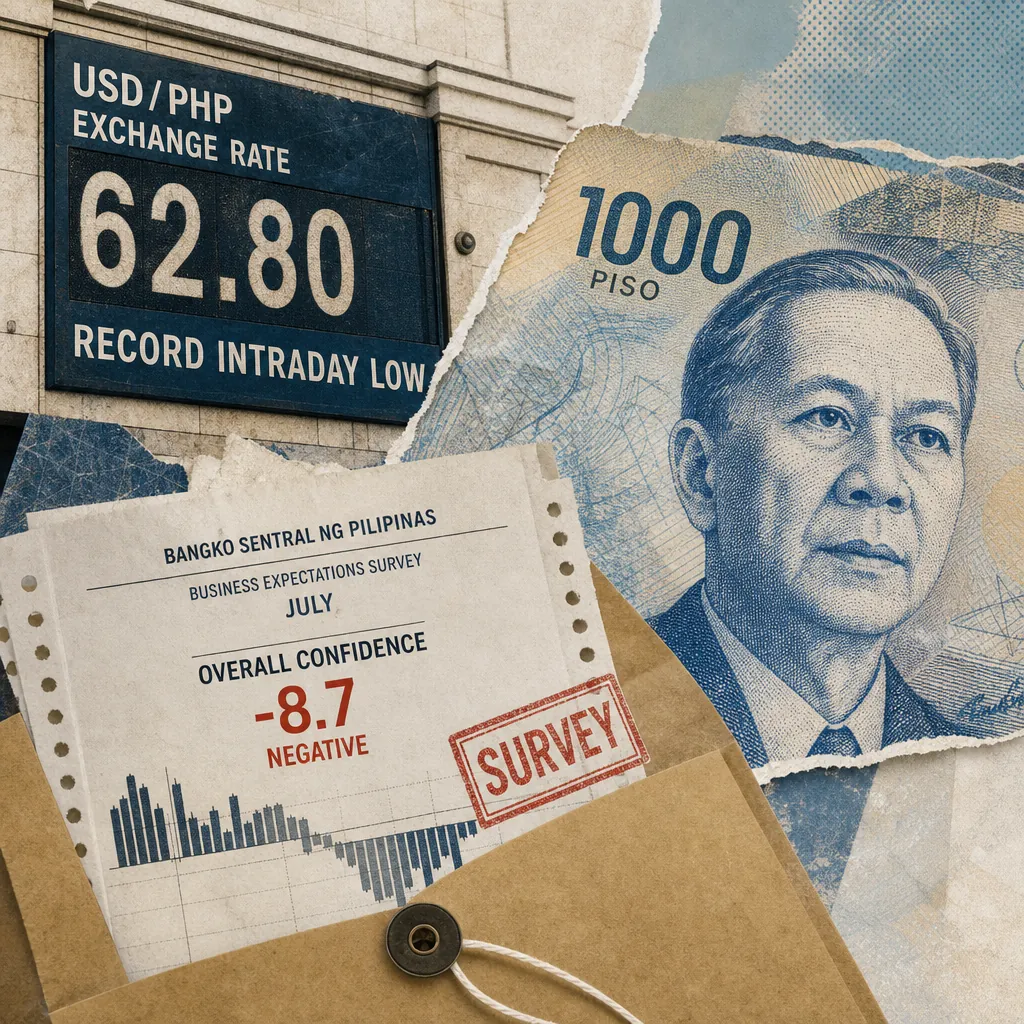
The Philippine peso slid to a record intraday low near 62.80 to the dollar, while a central bank survey showed business confidence turned sharply negative in July. Analysts warn the currency's rapid fall could reignite inflation and weigh on the broader economy.
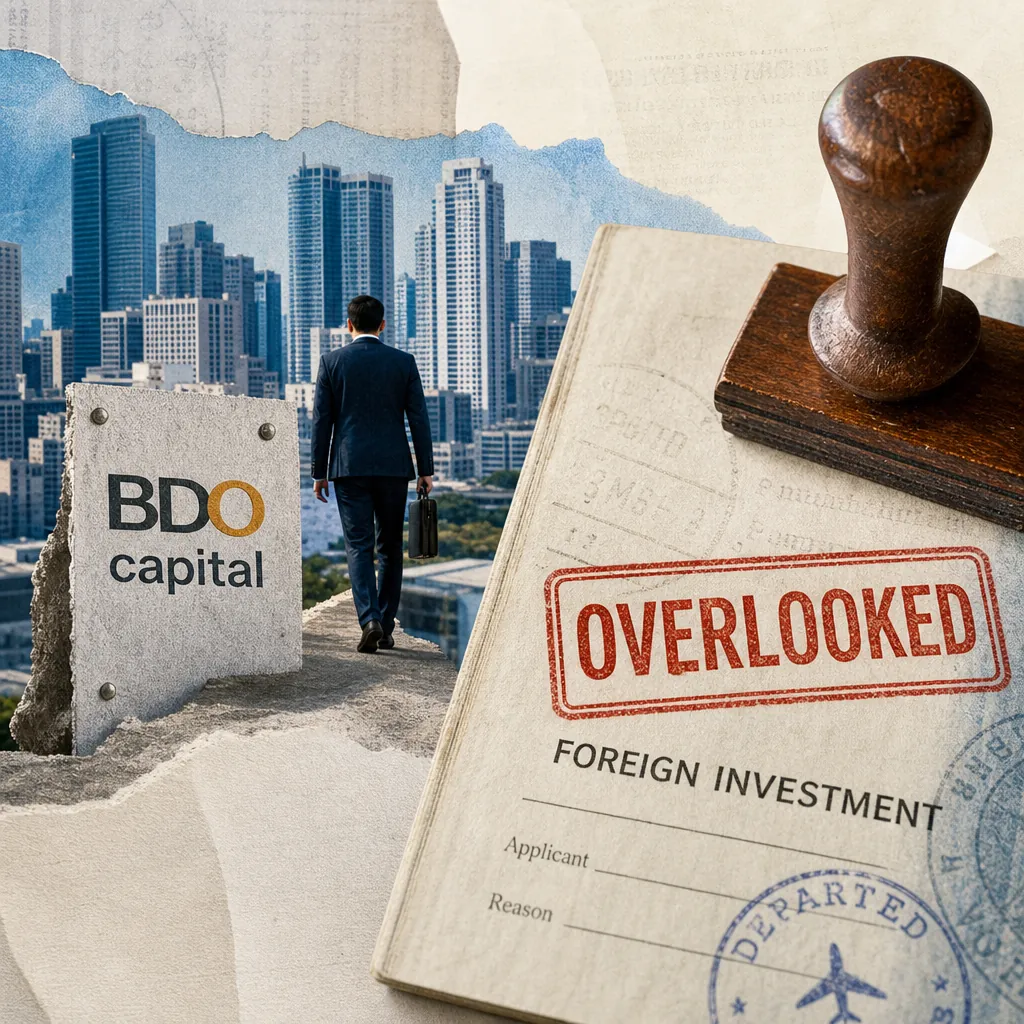
BDO Capital says global investors are overlooking the Philippines due to weak growth and political noise, even as corporate earnings stay resilient. The stock market rose on softer inflation, while GCash expands into tax refunds and National ID registration.
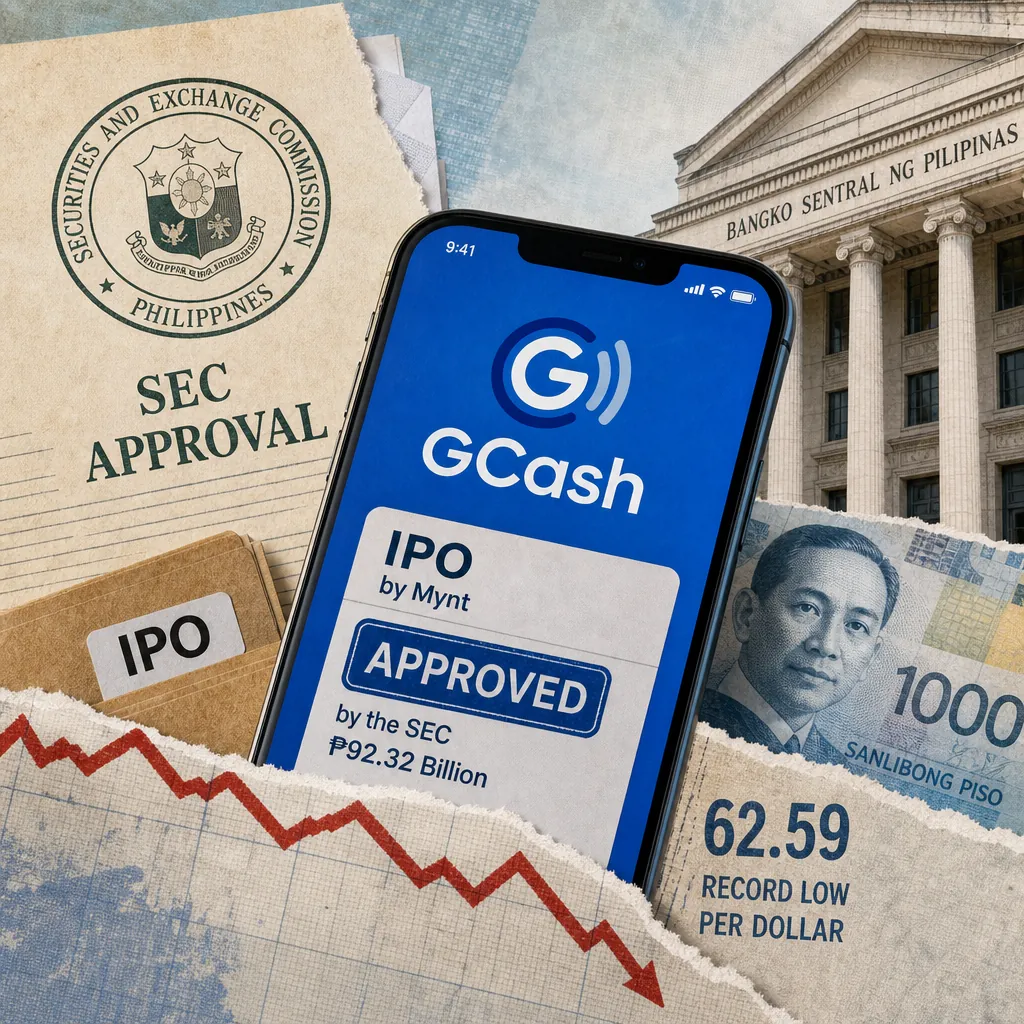
The Philippine SEC approved GCash operator Mynt's P92.32-billion IPO, the first to use relaxed float rules. Meanwhile, the peso fell to a record low of 62.59 per dollar despite easing August inflation to 6.1%, and business confidence turned pessimistic in July.
