ASF vaccine approved, peso hits record low
The Philippines approved its first commercial African swine fever vaccine, a milestone for the hog industry, while the peso fell to a record low against the dollar, raising costs for imported goods. Corporate accountability and flood-related governance issues also dominated public conversation.
The Philippines cleared its first commercially available vaccine against African swine fever on September 2, a step toward rebuilding a hog industry that has never fully recovered from the disease's arrival in 2019. The Bureau of Animal Industry (BAI) approved the sale of AVAC ASF LIVE, developed by Vietnam's AVAC Joint Stock Company, for use in fattening pigs raised for slaughter.365556 Agriculture Secretary Francisco Tiu Laurel Jr. called the vaccine "crucial to our repopulation program," saying it gives hog raisers "another tool to protect healthy animals as we work to rebuild the industry and secure a more stable supply of pork."56 The announcement drew coverage across business dailies, provincial news sites, and television, including a report on PTV4 and a segment on Net 25 about rice supply.18365556576978 The approval comes nearly seven years after ASF first reached the Philippines, cutting the national hog herd to roughly 8 million heads from about 13 million before the outbreak.36 Agriculture Undersecretary Constante Palabrica said the agency is seeking ₱1 billion next year to subsidize vaccination for backyard raisers, who account for a large share of the country's hog production.5678 A second vaccine, PROVAC from South Korea, is undergoing testing and could give farmers another option by next year.3656
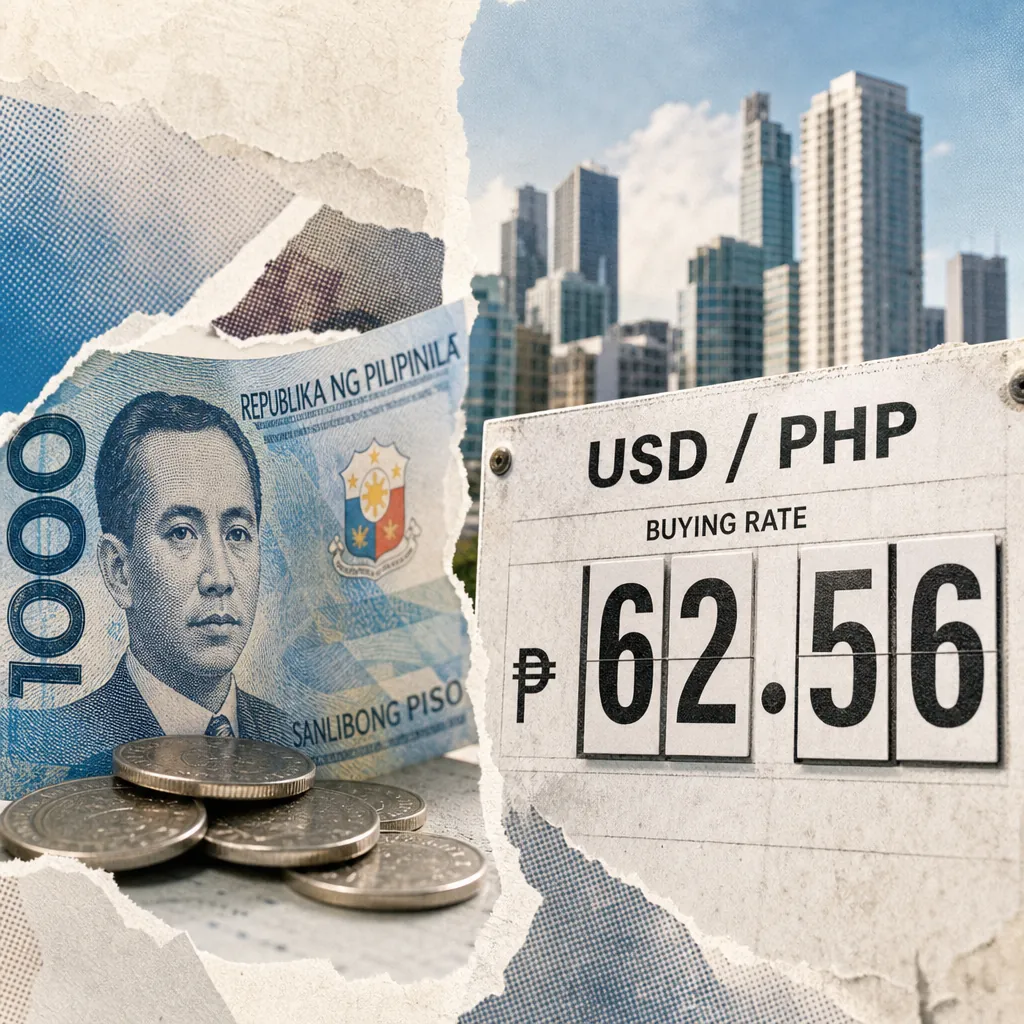
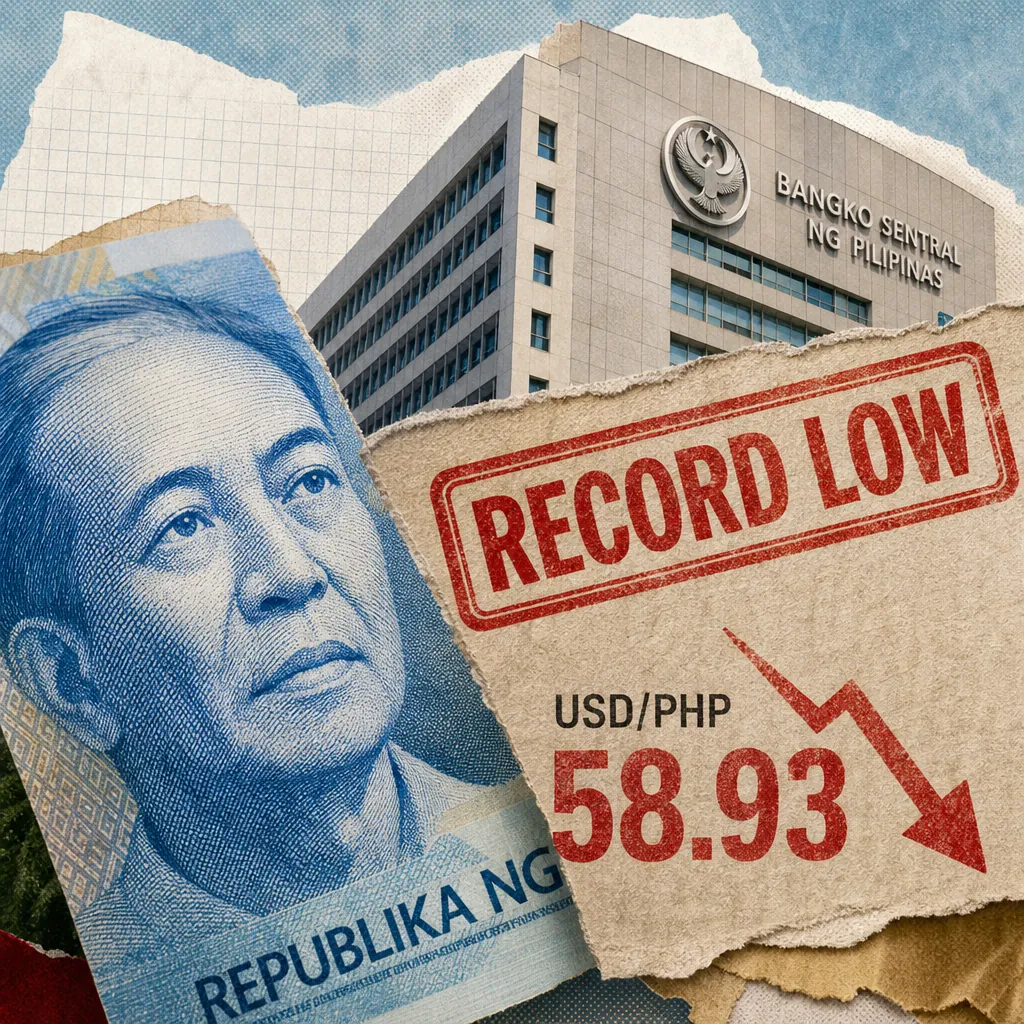
The same day, the Philippine peso closed at ₱62.56 against the U.S. dollar, its fourth consecutive record low, driven by rising oil prices after renewed U.S. strikes on Iran.39 Broadcast reports on GMA 7, A2Z, and DZMM noted the peso's slide and its implications for imported goods and household budgets.39 The peso's decline was attributed to higher global crude prices, with Brent oil reaching $91 a barrel, its highest since July.39 While overseas Filipino workers receiving dollar remittances benefit from a weaker peso, the fall raises the cost of imported products, a concern for consumers already facing price pressures.39
Public conversation on September 2 also turned to corporate accountability and governance. A Reddit thread criticizing San Miguel Corporation president Ramon Ang's ₱1-million bounty for identifying anonymous critics of the Bulacan airport project drew 399 likes and 110 comments, the most engaged item in the monitored set.4 Ang held a nearly two-hour press conference on September 1 denying that the New Manila International Airport caused flooding in Bulacan, saying the airport and flooded towns belong to different river catchments.62 The exchange reflects a broader public mood connecting corporate conduct, government failures, and household financial strain.5
Key themes
- First commercial ASF vaccine approved, offering hope for hog industry recovery — The Bureau of Animal Industry cleared AVAC ASF LIVE for sale, the first African swine fever vaccine available to the public in the Philippines. The vaccine, for fattening pigs, is expected to support government efforts to rebuild a swine herd cut to roughly 8 million heads from 13 million since ASF arrived in 2019.365556
- Government seeks ₱1 billion to subsidize backyard vaccination — Agriculture Undersecretary Constante Palabrica asked for funding next year to make ASF vaccination affordable for small-scale hog raisers, who are central to the industry's recovery. A second vaccine from South Korea is under testing.5678
- Peso hits fourth straight record low at ₱62.56 per dollar — The currency's slide, driven by rising oil prices after U.S. strikes on Iran, raises costs for imported goods. Broadcast reports noted benefits for overseas Filipino workers receiving dollar remittances but warned of higher prices for consumers.39
- Ramon Ang denies Bulacan airport caused flooding, faces public backlash — San Miguel Corporation's president held a press conference rejecting claims that the New Manila International Airport worsened floods, saying the airport and flooded areas are in different river catchments. A Reddit thread criticizing his ₱1-million bounty offer for identifying anonymous critics drew the highest engagement in the monitored set.462
- Senator questions delay of anti-corruption 'Blockchain the Budget' bill amid floods — Senator Bam Aquino pressed the government on why the CADENA Act, which would make budget and procurement records publicly accessible and tamper-resistant, fell from third to 41st on the legislative priority list. The questioning came as floods continued to affect Central Luzon and Metro Manila.61567
- Food safety concerns surface across multiple channels — A customer flagged an alleged spoiled order from Jiang Nan Hotpot, saying her refund remained pending days after she complained.7 Internationally, recalls of tofu, grill brushes, and children's snacks drew attention, alongside a Consumer Reports finding that 14 of 21 popular kids' snacks contained concerning chemical contaminants.94463
- Rainy season raises food and water contamination risks — Health experts and the National Nutrition Council warned that heavy rains and flooding increase the risk of diarrheal diseases and foodborne infections, urging proper food handling and hygiene during the wet season.854
- Business registrations decline 13.3% in August — The Department of Trade and Industry reported 64,331 business name registrations in August, down from a year earlier, with wholesale and retail trade leading the count. The data offers a snapshot of entrepreneurial activity amid economic uncertainty.2558
How the narratives stack
Dominant — The approval of the first commercial ASF vaccine is the day's most significant development for the food and agriculture sector. The story drew coverage across business dailies, provincial news sites, and television, reflecting its importance for pork supply and prices. The government's request for ₱1 billion to subsidize backyard vaccination adds a concrete policy dimension, signaling intent to make the vaccine accessible to small-scale raisers who were hardest hit by the disease.365556576978
Counter-narrative — While the vaccine approval offers hope for recovery, the peso's slide to a record low introduces a countervailing pressure on food costs. A weaker peso raises the price of imported goods, including feed and other agricultural inputs, potentially offsetting some benefits of a stabilized pork supply. Broadcast reports highlighted this tension, noting that consumers face higher prices even as the government works to rebuild the hog industry.39
Emerging — Public frustration with corporate and government accountability is gaining traction, as seen in the Reddit thread on Ramon Ang's bounty offer and Senator Aquino's questioning of the delayed anti-corruption bill. These conversations, while not directly about food, reflect a mood that could affect consumer sentiment toward major conglomerates with food brands, including San Miguel-owned Magnolia, Purefoods, and San Miguel Beer.4615
Under-covered — The food safety concerns raised by a customer about Jiang Nan Hotpot received limited attention compared to the day's bigger stories, yet they point to a persistent issue for food delivery and restaurant brands. The customer's complaint about a pending refund, posted on Threads, highlights the reputational risk of unresolved service issues in an era of viral social media.7
Platform insights
- Reddit — The platform hosted the most emotionally charged and engaged conversation of the day. A thread criticizing Ramon Ang's ₱1-million bounty offer for identifying anonymous critics of the Bulacan airport project drew 399 likes and 110 comments, with users framing the response as "dismissive and fragile ego."4 A related thread on flooding and government budget requests drew 71 likes and 17 comments, with users sharing personal hardship stories to ground their critiques.5 Reddit's audience rewards direct emotional expression and punishes corporate defensiveness, making it a key platform for monitoring reputational risk.
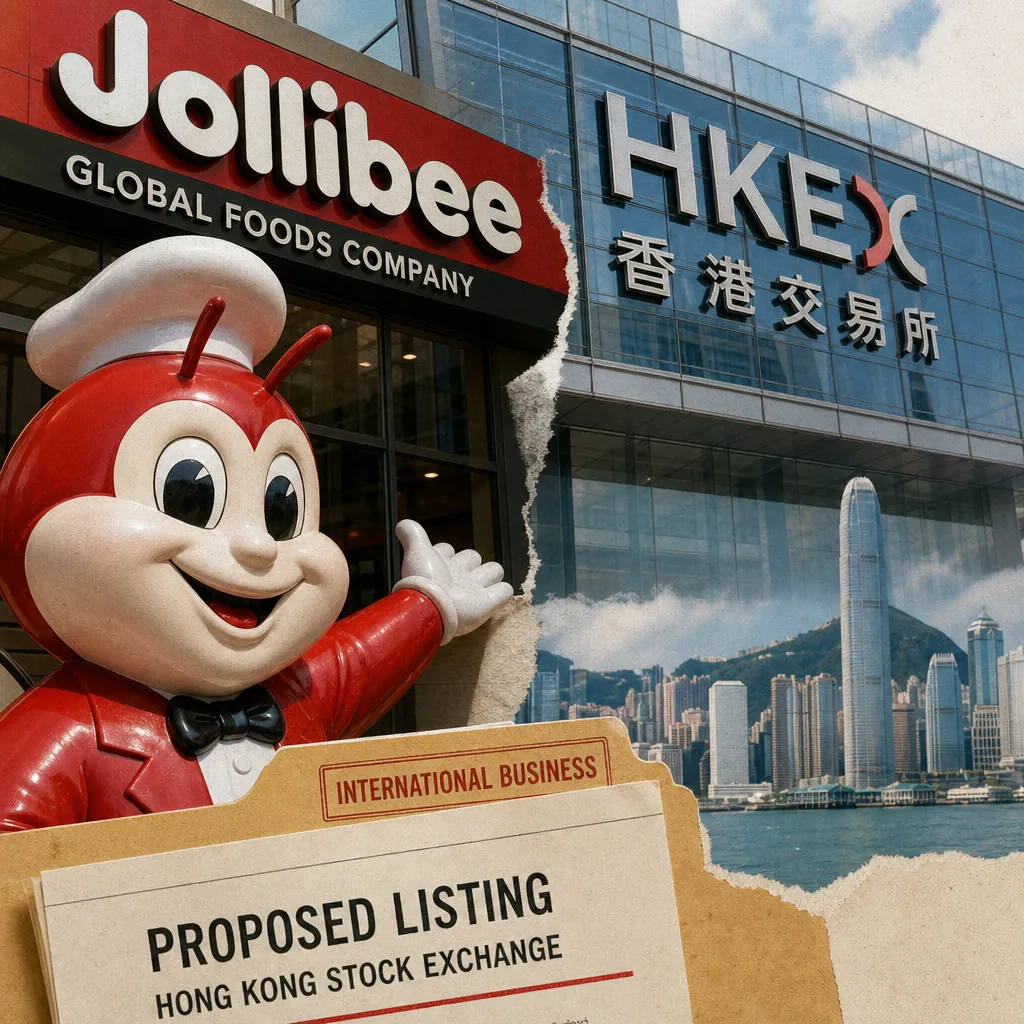
- Facebook — The platform served as a middle ground where policy proposals met household concerns. Senator Bam Aquino's proposal to remove the 12 percent VAT on residential electricity drew 15 likes and 17 comments, including one "haha" reaction indicating skepticism.3 The Jollibee Hong Kong listing story attracted minimal traction with just 4 likes, suggesting Facebook audiences prioritize cost-of-living issues over corporate financial maneuvers.1
- Twitter — The platform functioned primarily as a headline relay on September 1-2, with the Jollibee and ASF vaccine stories appearing as linked headlines rather than debate catalysts. The Jollibee story drew 1,081 views and one comment, while the ASF vaccine story attracted 825 views, indicating these stories circulated in professional rather than consumer networks.12
Key voices and communities
- Financial media and business news watchers — Financial journalists and market analysts tracking corporate moves by major Philippine conglomerates. They operate mainly on Twitter and Facebook, generating modest viewership but carrying outsized influence in shaping investor sentiment. Their framing of the Jollibee Hong Kong listing and the ASF vaccine approval emphasizes growth and competitiveness.136
- Government and regulatory policy voices — Politicians, government agencies, and institutional communicators discussing consumer costs, taxation, and agricultural policy. Senator Bam Aquino's call to remove VAT on residential electricity and his questioning of the delayed CADENA Act represent this group's focus on affordability and governance.3615
- Agricultural and food supply chain stakeholders — Agricultural agencies, livestock industry players, and food safety regulators monitoring disease outbreaks and vaccine approvals. The Bureau of Animal Industry's approval of the ASF vaccine and the Department of Agriculture's repopulation efforts are central to this group's conversation.365556
- Consumer activist and citizen watchdog communities — Everyday consumers and community-focused accounts monitoring corporate behavior and government accountability, primarily on Reddit and Facebook. Their content features personal grievances and skepticism toward powerful institutions, with engagement driven by shared experiences. The Ramon Ang bounty thread and the flooding complaint post exemplify this group's framing.45
Narrative streams
ASF vaccine approval marks turning point for hog industry recovery
The Bureau of Animal Industry's approval of AVAC ASF LIVE, the first commercially available African swine fever vaccine in the Philippines, represents a milestone in the country's fight against a disease that has devastated the hog sector since 2019.3655 The vaccine, developed by Vietnam's AVAC Joint Stock Company, is described as live, attenuated, gene-deleted, and freeze-dried, designed to protect pigs from the ASF virus.56 Agriculture Secretary Francisco Tiu Laurel Jr. emphasized its importance for the government's hog repopulation program, saying it "gives hog raisers another tool to protect healthy animals as we work to rebuild the industry and secure a more stable supply of pork."56
The approval shifts from a government-controlled vaccination approach launched in 2024 to a commercial model, allowing farmers to purchase the vaccine once shipments arrive.69 Agriculture Undersecretary Constante Palabrica said he asked for ₱1 billion in funding next year to subsidize vaccination for backyard pig farms, which are particularly vulnerable to ASF outbreaks.5678 A second vaccine, PROVAC from South Korea, is undergoing testing and could provide another option by next year.3656
The context is stark: ASF first hit the Philippines in 2019, cutting the national hog population to around 8 million heads from about 13 million before the outbreak.36 The disease has repeatedly disrupted pork production, contributing to price spikes that affect consumers and food businesses alike. The vaccine's approval offers a path toward stabilizing supply, though its impact will depend on uptake, efficacy in the field, and the government's ability to fund subsidized vaccination for small-scale raisers.
Read for the sector: Hog raisers, pork processors, and food businesses that depend on stable pork supply have a new tool to protect herds, but the vaccine's success hinges on widespread adoption, particularly among backyard farmers. Food companies should monitor vaccination rates and pork price movements, as a stabilized supply could ease cost pressures on menu pricing and value meals. The government's ₱1 billion subsidy request signals intent to make the vaccine accessible, but distribution timelines and farmer confidence will determine how quickly the industry recovers.
Peso's slide to record low raises costs for imported goods
The Philippine peso closed at ₱62.56 against the U.S. dollar on September 2, its fourth consecutive record low, according to broadcast reports on GMA 7, A2Z, and DZMM.39 The currency's decline was driven by rising oil prices following renewed U.S. strikes on Iran, with Brent crude reaching $91 a barrel, its highest since July.39 The Philippine Stock Exchange index fell 0.67% as investors reacted to the peso's weakness and higher oil prices.39
The peso's fall has dual effects. Overseas Filipino workers receiving dollar remittances benefit from a weaker peso, as their dollars buy more pesos. A construction worker interviewed on DZMM said the higher exchange rate helped him pay for his father's medication.39 However, economists warned that a weaker peso raises the cost of imported goods, potentially pushing up prices of basic commodities and adding to inflationary pressures.39
For the food sector, the peso's decline is a concern because the Philippines imports a significant portion of its food and agricultural inputs, including feed grains for livestock. A weaker peso makes these imports more expensive, potentially offsetting some of the benefits of a stabilized pork supply from the ASF vaccine. The broadcast reports noted that consumers could face higher prices for imported products, a worry for households already sensitive to food and utility costs.39
Read for the sector: Food manufacturers, quick-service restaurants, and retailers that rely on imported ingredients or inputs face higher costs as the peso weakens. Companies may need to adjust pricing strategies or absorb margin pressure, while consumers could see higher prices for imported food items. The peso's trajectory will depend on global oil prices and geopolitical developments, making it a key variable for food cost planning in the coming months.
Ramon Ang's airport defense draws public backlash on Reddit
San Miguel Corporation president Ramon Ang held a nearly two-hour press conference on September 1 to deny allegations that the New Manila International Airport in Bulacan caused flooding in the province.62 Ang said the airport, being built in Barangay Taliptip, Bulakan, is not a reclamation project and is located along the existing shoreline on land previously used as a fishing area.62 He dismissed claims that the airport blocked waterways, saying the airport and flooded towns belong to different river catchments.62
Ang's defense, however, drew sharp criticism on Reddit, where a thread titled "Ramon Ang's dismissive and fragile ego offers 1 million peso bounty to identify anonymous airport critics" garnered 399 likes and 110 comments, the most engaged item in the monitored set.4 The thread framed Ang's response as defensive and ego-driven, reflecting a broader public distrust of corporate leaders. A related thread on flooding and government budget requests drew 71 likes and 17 comments, with users sharing personal hardship stories to ground their critiques.5
The backlash highlights a reputational vulnerability for conglomerates whose leaders engage in combative public relations tactics. For San Miguel, which owns food brands including Magnolia, Purefoods, and San Miguel Beer, the controversy creates a halo risk where negative sentiment toward leadership could spill into brand-level conversations.4
Read for the sector: Companies with visible leadership figures face heightened scrutiny of their public responses to criticism. Combative or defensive reactions can amplify negative narratives rather than contain them, as seen in the Reddit response to Ang's bounty offer. For food and beverage brands under conglomerate umbrellas, monitoring sentiment around key executives is essential, as public anger toward leadership can affect brand trust and consumer behavior.
Senator questions delay of anti-corruption bill amid floods
Senator Bam Aquino questioned why the Citizen Access and Disclosure of Expenditures for National Accountability (CADENA) Act, also known as the "Blockchain the Budget Bill," had fallen from third to 41st on the Legislative-Executive Development Advisory Council's priority list.61567 During a Senate budget briefing, Aquino pressed Department of Economy, Planning, and Development Secretary Arsenio Balisacan on the measure's status, noting it had been passed by the Senate but was not advancing.6
The CADENA Act aims to make detailed government budget and procurement records publicly accessible, traceable, and resistant to tampering, using blockchain technology to strengthen public oversight of spending and prevent corruption in infrastructure projects.615 Aquino's questioning came as floods continued to affect Central Luzon and Metro Manila, with the senator linking the delay to the need for greater accountability in flood control spending.15
The story drew coverage from Manila Republic, Bandera Inquirer, and Daily Pedia, reflecting interest in governance and anti-corruption issues amid the flooding crisis.61567 The proposal to remove the 12 percent VAT on residential electricity, also raised by Aquino, connects to broader cost-of-living concerns that resonate with consumers.3
Read for the sector: The delay of the CADENA Act and the broader governance conversation signal a public mood that demands transparency and accountability from both government and corporations. For food and beverage companies, this translates into a need for transparent pricing communications and visible community support, particularly during crises like flooding. Brands that appear tone-deaf to public hardship risk backlash, regardless of the merits of their underlying policies.
Food safety concerns surface across multiple channels
A customer raised a food safety concern over a GrabFood order from Jiang Nan Hotpot's Holy Spirit branch, claiming the food tasted spoiled and that her refund remained pending days after she complained.7 The customer said she reported the August 27 order to GrabFood and submitted the requested details and evidence, but as of September 1 had yet to receive a refund or clear update. "I'm not posting this to cause unnecessary conflict," she said, adding that she wanted the concern properly acknowledged, investigated, and resolved.7 No public response from Jiang Nan or Grab was immediately found.7
The complaint, posted on Threads and picked up by Milyonaryo, highlights the reputational risk of unresolved service issues in the food delivery space. Internationally, food safety concerns also drew attention: over 10,000 cases of Hodo's Chili Crisp Lightly Fried Tofu were recalled due to potential ink contamination, and 3.6 million Cuisinart grill brushes were recalled over an ingestion hazard.963 Consumer Reports found that 14 of 21 popular children's snacks contained concerning levels of at least one chemical contaminant, though the organization advised families not to panic but to vary their children's diets.44
Locally, health experts and the National Nutrition Council warned that the rainy season increases the risk of food and water contamination, with heavy rains and flooding linked to higher cases of diarrheal diseases and foodborne infections.854 "Studies have linked periods of heavy rainfall and flooding with increased cases of diarrheal diseases and foodborne infections, making gut health an often-overlooked part of staying well during the season," said Rica Mateo, Erceflora ASEA Zone Brand Lead.8
Read for the sector: Food delivery platforms and restaurant brands must respond promptly and transparently to food safety complaints to avoid viral backlash. The Jiang Nan Hotpot case shows that unresolved issues can quickly become public, damaging trust. For food companies, the rainy season presents heightened risks of contamination, making robust food safety practices and clear communication essential. Brands that demonstrate responsiveness and empathy in addressing consumer concerns can mitigate negative sentiment.
Business registrations decline signals cautious entrepreneurial climate
Business name registrations in the Philippines declined 13.3% year on year in August to 64,331, according to the Department of Trade and Industry.2558 New registrations totaled 57,783, while renewals reached 6,548. Month on month, registrations fell 20.68% from July.25 Women-led businesses accounted for 37,337 of total registrations, while 26,994 were listed as male-led enterprises.25
The wholesale and retail industry led with 32,560 registrations, followed by accommodation and food service activities with 9,353, manufacturing with 4,115, and real estate with 2,897.58 The Calabarzon region posted the most transactions at 11,610, followed by the National Capital Region.58
The decline in registrations suggests a cautious entrepreneurial climate, possibly reflecting economic uncertainty and rising costs. The data offers a snapshot of business formation activity, which is a leading indicator of economic confidence. For the food sector, the accommodation and food service category's 9,353 registrations indicate continued interest in food businesses despite headwinds.
Read for the sector: The decline in business registrations, particularly in food service, signals that entrepreneurs are cautious about starting new ventures amid economic uncertainty. For existing food businesses, this may mean less competition from new entrants, but it also reflects broader consumer spending concerns. The data underscores the importance of supporting MSMEs, which account for 99.6% of registered enterprises in the Philippines, through initiatives like the DTI's digitalization programs and trade fairs.3031
Conversation trajectory
- ASF vaccine rollout and pork prices (1-3 months) — The commercial availability of the ASF vaccine could begin to stabilize pork supply within the next few months, but the impact will depend on distribution timelines and farmer uptake. The government's ₱1 billion subsidy request for backyard vaccination, if approved, could accelerate adoption. Monitor announcements on vaccine shipments and vaccination rates, as well as pork price movements in public markets. A second vaccine from South Korea could provide another option by next year.365678
- Peso movement and food costs (2-6 weeks) — The peso's slide to record lows, driven by oil price spikes after U.S. strikes on Iran, raises costs for imported goods and agricultural inputs. Further escalation in the Middle East could push oil prices higher, weakening the peso further and increasing food import costs. Monitor the exchange rate and its impact on food prices, particularly for imported items. The Bangko Sentral and economists have called for stronger exports to support the currency.39
- Corporate accountability and reputational risk (2-4 weeks) — The Reddit backlash against Ramon Ang's bounty offer signals that audiences are closely watching how large corporations handle public accountability. Any similar executive misstep could trigger comparable scrutiny, particularly for brands under the same conglomerate umbrella. Monitor sentiment around key executives and prepare holding statements that decouple brand-level reputation from parent-company leadership disputes.4
- Cost-of-living political narrative (3-6 weeks) — Senator Bam Aquino's proposal to remove VAT on residential electricity and his questioning of the delayed CADENA Act reflect a broader cost-of-living narrative that intersects with food price discussions. Legislative hearings on these issues could amplify the conversation and connect utility costs to household spending capacity. Monitor legislative developments and public sentiment around affordability.36
- Food safety and rainy season risks (ongoing) — The rainy season increases the risk of food and water contamination, with health experts warning of higher cases of diarrheal diseases and foodborne infections. Food businesses must maintain robust safety practices and communicate clearly with consumers. The Jiang Nan Hotpot complaint highlights the reputational risk of unresolved service issues, which can go viral quickly.78
Trigger events to watch: Formal announcement of ASF vaccine distribution schedules; legislative hearings on the electricity VAT removal proposal; further escalation of U.S.-Iran tensions affecting oil prices; official filing or prospectus release for Jollibee's Hong Kong listing; and any major food safety recall or outbreak that could shift consumer sentiment.
Response guidance
ASF vaccine communication — Frame the vaccine approval as a science-based solution that supports food security and stable pork supply. Emphasize the rigorous regulatory review process and avoid overpromising immediate supply recovery. For food companies, connect supply-side developments to eventual price stabilization narratives, but time communications carefully to avoid appearing premature.3656
Peso and pricing messaging — Acknowledge the broader economic pressures facing Filipino families, including higher costs from a weaker peso. For food brands, demonstrate concrete action being taken to manage costs and maintain accessible pricing. Avoid tone-deaf messaging that ignores household budget strain.39
Corporate accountability — When public figures or institutions face criticism, prioritize transparency and openness to dialogue over defensive or combative responses. The Reddit backlash against Ramon Ang's bounty offer shows that combative reactions amplify negative narratives. For brands under conglomerate umbrellas, prepare holding statements that express commitment to consumer concerns without wading into political dimensions.4
Food safety responsiveness — Respond promptly and transparently to food safety complaints. The Jiang Nan Hotpot case shows that unresolved issues can quickly become public, damaging trust. Train customer service teams to handle complaints with empathy and practical solutions, not corporate jargon.7
Rainy season awareness — Use the rainy season as an opportunity to reinforce food safety messages and demonstrate brand commitment to consumer health. Content that educates consumers on proper food handling and hygiene during the wet season can build trust and position brands as responsible actors.8
Cost-of-living sensitivity — When discussing affordability, acknowledge the interconnected pressures of utilities, food, and other essentials. Messages should demonstrate understanding of the broader economic context while highlighting concrete actions being taken to help consumers.3
International expansion narratives — For brands pursuing overseas growth, emphasize continued commitment to the domestic market. The Jollibee Hong Kong listing story shows that international expansion can be framed positively, but companies should address potential consumer anxiety about overseas focus diluting local quality and pricing.1
See the full picture behind today's signals.
This report draws from Media Meter's MediaWatch, our real-time monitoring engine tracking 2,470+ Philippine sources across print, broadcast, digital, and social. Explore how the platform turns raw coverage into decision-grade intelligence, then see how it's configured for teams like yours — whether you're in PR agencies, corporate comms, government, or marketing.
Want more? Browse our Report Library for sector and crisis intelligence, or request a demo and we'll have your brand set up before the call.
Want this kind of intelligence on your brand?
This brief is built on the same MediaWatch methodology that runs continuously across every brand we monitor. See your competitive landscape, Impact Score, and narrative trajectory in a 30-minute demo.