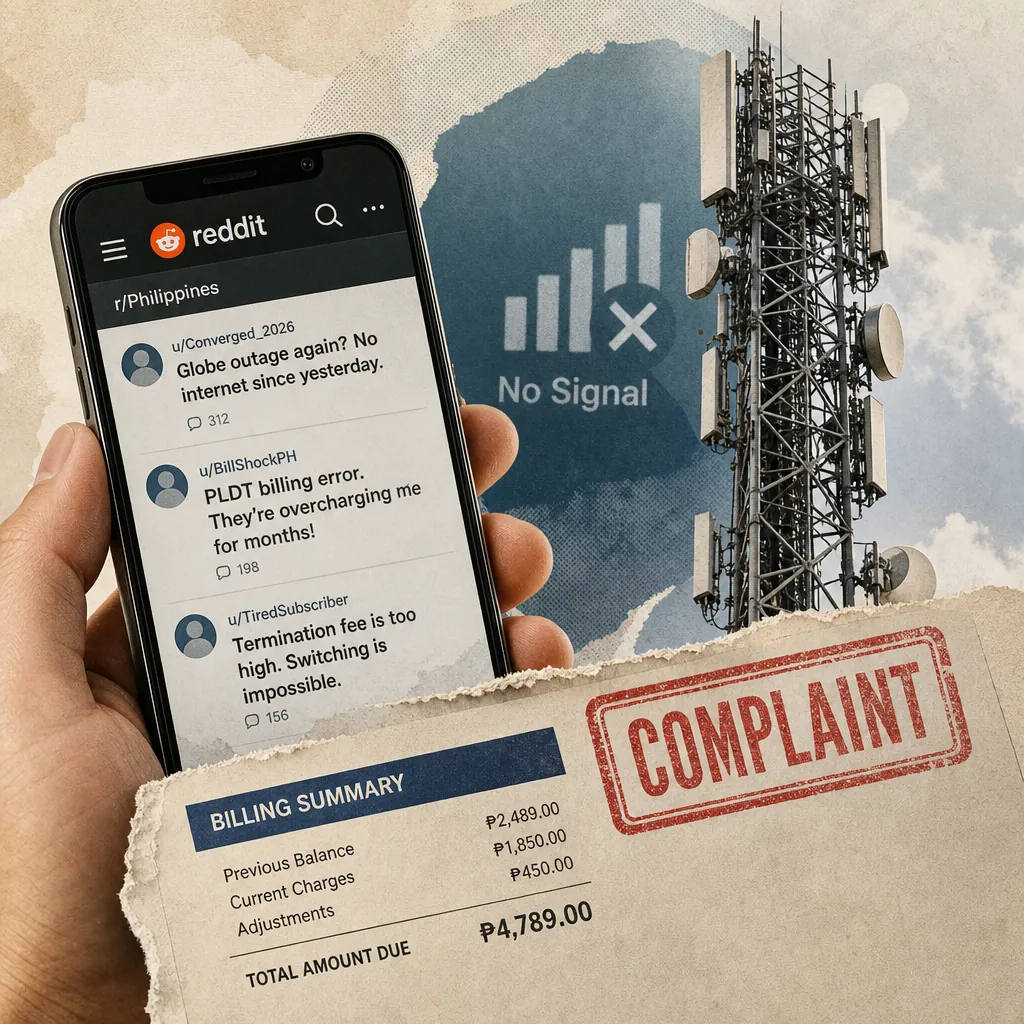
DICT digital IDs and Globe loan dominate telco conversation
The DICT launches digital IDs for delivery riders, Globe secures a P5-B loan for capex, and a bill proposes 'forever' prepaid load, shaping the Philippine telecom landscape.
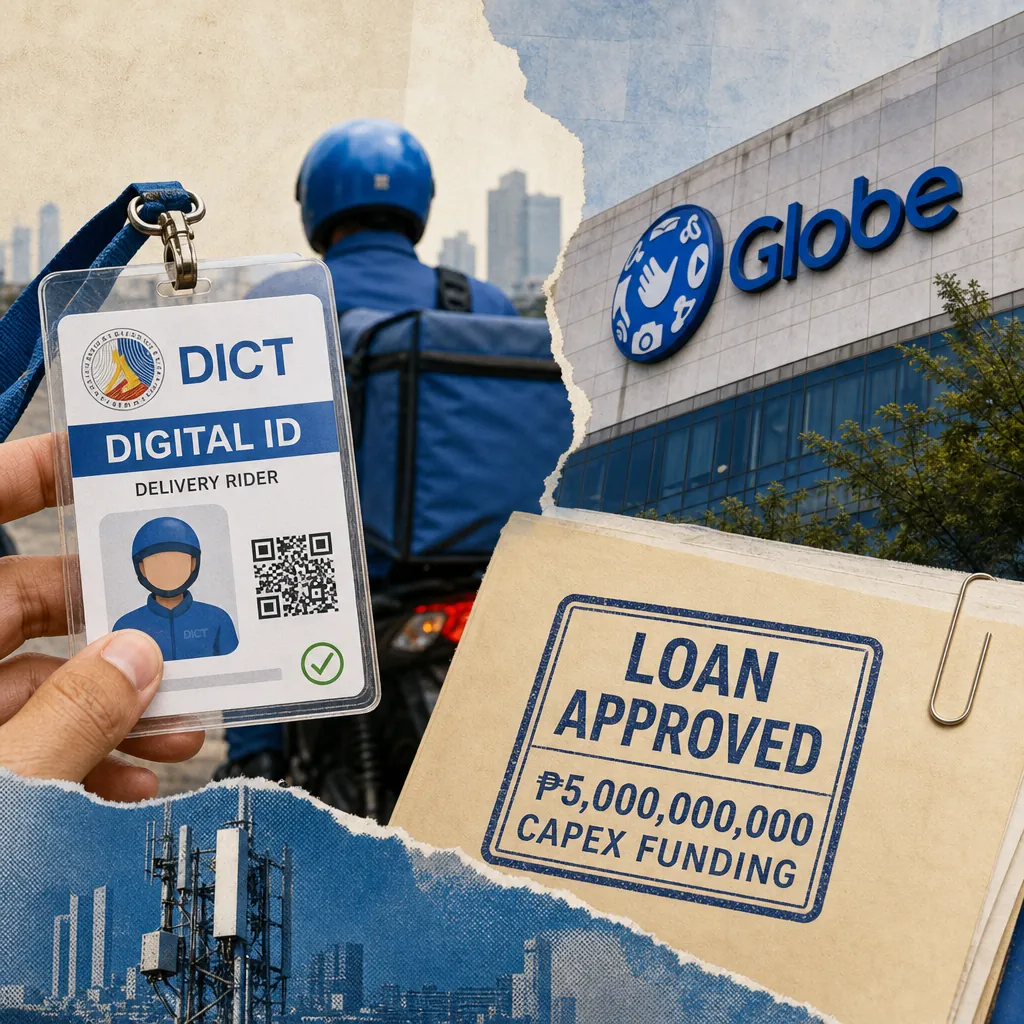
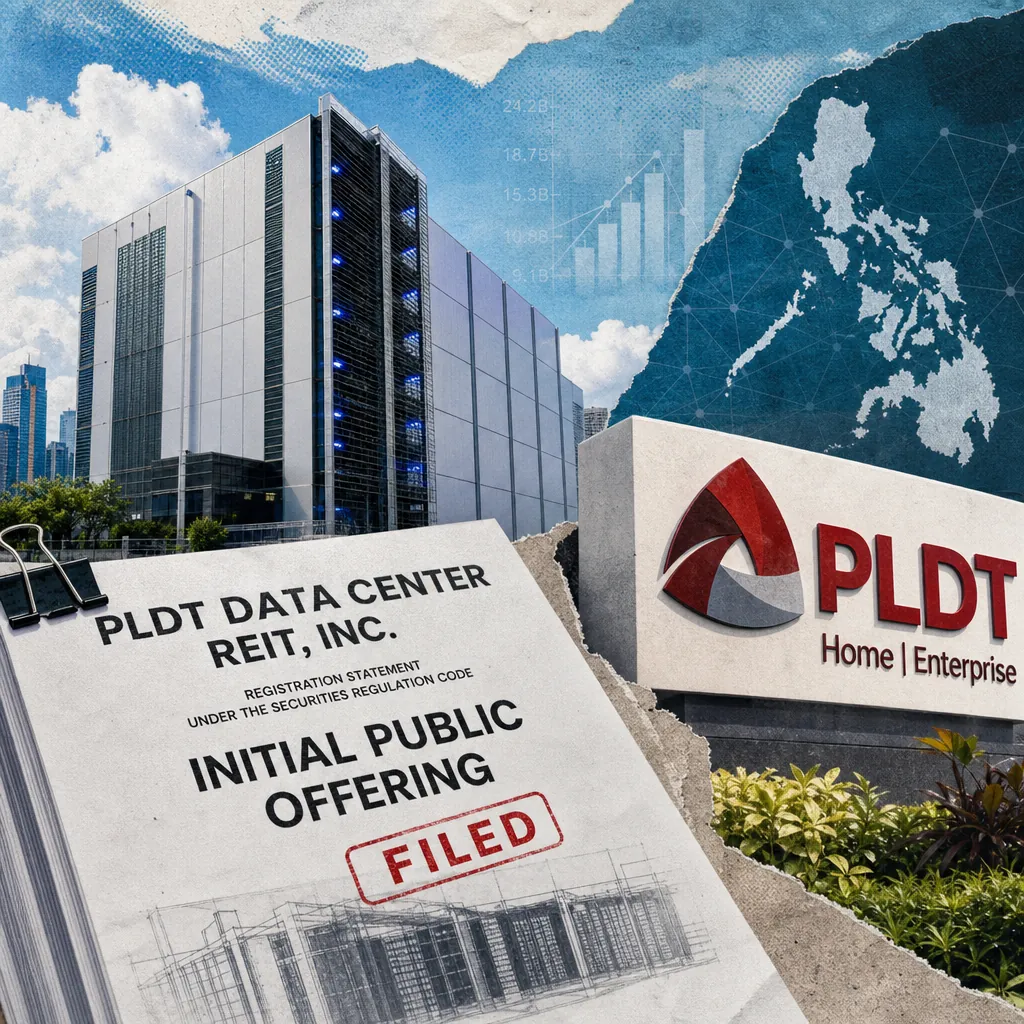
The conversation about the Philippine telecommunications and digital infrastructure landscape began quietly on June 23, 2026, when PLDT announced its application for an IPO and REIT listing for its data center subsidiary VITRO through ePLDT. This corporate development was immediately contextualized by inquirerbusiness on the same day, framing the data center REIT as a potential boost to PLDT's balance sheet. By June 24, CreditSights had weighed in with an analysis published via bworldph, characterizing the planned P24.2-billion REIT listing as a net credit positive for PLDT, though maintaining an "underperform" rating. This created a bifurcated narrative: the market saw structural value in unlocking PLDT's digital infrastructure assets, but independent credit research remained cautious about the telco's overall financial health. Meanwhile, Globe Telecom moved in parallel, signing a P5-billion term loan facility with BDO Unibank on June 24, intended to finance capital expenditures, debt refinancing, and general corporate requirements. The simultaneous capital-raising moves by the two dominant telcos signaled a sector-wide pivot toward infrastructure investment and balance sheet optimization.
A second narrative thread emerged around the same dates, focusing on government-led digital transformation initiatives that directly intersect with telecom and digital commerce infrastructure. On June 23, the Department of Information and Communications Technology (DICT) launched Phase 2 of the PEMEDES Licensing Portal and introduced the Messenger Work License Virtual ID for delivery riders. The official DICT Facebook page posted a detailed step-by-step registration guide in Filipino, which garnered 108 "care" reactions—the highest care count across all observed posts—indicating strong public empathy and approval for rider professionalization. This initiative builds on the government's broader digital identification ecosystem, leveraging National ID integration and facial recognition to verify riders. By June 24, the National Single Window platform entered pilot go-live operation, with the Bureau of Internal Revenue (BIR) and National Tobacco Administration as the first two agencies onboarded. ptvph reported that the BIR's eATRIG service had cleared User Acceptance Testing, marking a tangible step toward reducing red tape in trade facilitation. These developments collectively underscore a government push to digitize regulatory processes, which indirectly supports the telco sector's capacity to handle increased data traffic from e-commerce and logistics.
Sentiment across these discussions remained largely neutral-to-positive, with news outlets framing the corporate and government moves as structurally beneficial. However, a contrasting undercurrent emerged from the Reddit thread on Lazada's 5% workforce reduction in Southeast Asia, posted on June 23 by annual_view3611. While not directly about telecom, this post—which received 208 likes and 53 comments—introduced a note of caution about the digital economy's fragility. The layoffs at a major e-commerce platform, combined with the DICT's rider ID initiative, create a layered picture: the government is formalizing gig economy roles even as the platforms themselves are shedding jobs. The sunstarcebu post about a vandalism suspect identified through a motorcycle plate number and viral social media post (June 24) also carried indirect relevance, as it demonstrates how digital identification and public reporting mechanisms are becoming embedded in daily life—a premise that telco connectivity directly enables. Overall, the conversation timeline shows that capital moves by PLDT and Globe are being read as positive signals for infrastructure investment, while DICT's digital ID rollout addresses accountability gaps in a sector that relies on telco networks, and the e-commerce layoff news injects a sobering note about the sustainability of digital employment models.
Key themes
- Government digitalization driving connectivity demand – The DICT's phased rollout of the National Single Window platform, now with BIR and NTA onboarded, combined with the PEMEDES digital ID system for delivery riders, creates a regulatory ecosystem that relies on stable, high-speed internet. Early indicators from official announcements show high engagement on "care" reactions (108 on one PEMEDES post), signaling public demand for reliable digital services. This will intensify pressure on telcos to maintain uptime and expand coverage over the next 6-12 months, as government systems increasingly depend on their networks.
- Telco capital moves signal infrastructure investment – PLDT's application for a data center REIT IPO and Globe's P5-billion loan from BDO highlight corporate positioning strategies. CreditSights characterized the PLDT move as a "net credit positive" but maintained an "underperform" rating, indicating mixed analyst sentiment. The simultaneous capital-raising moves by the two dominant telcos signal a sector-wide pivot toward infrastructure investment and balance sheet optimization.
- Consumer protection momentum around prepaid load – A proposed House bill seeking to make prepaid load "forever" (no expiry) is gaining media traction, with a news segment generating 290 views and discussion on consumer rights. This signals an emerging narrative arc where legislative action on data fairness could amplify calls for telcos to eliminate data caps and reduce per-MB costs. The conversation will likely gain momentum as the bill progresses through committee hearings over the next 8-12 weeks.
- E-commerce restructuring as a downstream signal for telco capacity – Lazada's 5% workforce reduction across Southeast Asia, including Philippine roles, introduces a variable for data traffic patterns. While not directly telco-related, reduced e-commerce activity could temporarily ease peak-hour congestion, but also raises questions about the sustainability of data demand growth.
- Digital ID and accountability standards – The PEMEDES digital ID initiative uses National ID, facial recognition, and QR-based identification, leveraging telecom infrastructure for verification. This will likely spark discussion about data privacy and network reliability for real-time authentication. Expect hashtags like #DataPrivacyAct and #SIMRegistration to re-emerge in connection with rider verification, especially if outages occur during peak delivery hours.
- Free Wi-Fi as a tangible bridge for digital inclusion – Testimonials from vendors in Pasig Mega Market highlight how DICT's Free Wi-Fi for All program directly solved signal-related QR payment failures, with content showing relief from "hina ng signal" issues. This grounded, human-interest trend is growing across Twitter and Facebook as more localities deploy connectivity. Within the next quarter, expect these stories to be leveraged as counter-narratives against telco service complaints.
- Financial health narratives resurfacing – Globe's P5 billion term loan from BDO for capex and debt refinancing is a low-engagement signal (46 views) but points to an emerging undercurrent about telco financial health and its link to service quality. As spectrum auction or tower-sharing deadlines approach, this topic could re-emerge with greater intensity as stakeholders question whether loans translate to measurable network improvements.
How the narratives stack
- Dominant narrative – The DICT is aggressively expanding its regulatory and service delivery footprint, most notably through the PEMEDES portal and free Wi-Fi initiatives. This positions the government as both regulator and direct connectivity provider, creating a competitive dynamic that telcos must navigate carefully. A viral anecdote from a market vendor in Pasig explicitly contrasted poor Globe signal before DICT free Wi-Fi arrived, framing the government program as a solution to telco failure. The DICT's achievement of an 88% reduction in courier service complaints through the PEMEDES portal demonstrates the government's capacity to address industry-wide consumer issues using digital tools. This sets a precedent that could be applied to telecommunications service complaints, raising the bar for responsiveness and potentially inviting regulatory comparison.
- Counter-narrative – While the DICT's initiatives are celebrated, the financial moves by PLDT and Globe suggest that telcos are under capital expenditure pressure to maintain network quality. The P5 billion term loan extended by BDO to Globe, while a positive financial indicator, also signals that telcos are burning cash to keep up. The "underperform" rating on PLDT despite a positive REIT credit assessment indicates cautious optimism. This counter-narrative complicates the government's narrative of seamless digital transformation, as it highlights the underlying financial strain on the private sector that must deliver the connectivity.
- Emerging narrative – Consumer advocacy momentum is building around a proposed bill that would require prepaid load to never expire, directly threatening telco revenue models that depend on load decay. This narrative is still in its early stages but has the potential to become a major public debate. The bill's emotional hook—"forever load"—is highly shareable, and content combining humor with consumer rights messaging is already appearing on Facebook and Twitter. This trend will likely accelerate, with hashtags like #PrepaidLoadForeverAct or #WalangExpiration gaining traction across platforms.
- Suppressed narrative – The e-commerce layoff news (Lazada's 5% workforce reduction) is receiving relatively little attention compared to the positive government and telco announcements. Yet this story matters because it signals potential softening in data demand growth, which could affect telco revenue projections and investment justifications. The conversation around "red day" and "slow internet" may shift toward questioning whether telcos are overbuilding for a softening market. This under-covered story deserves more scrutiny than it is currently getting.
Platform insights
- Facebook was the primary battleground for sentiment on the DICT's digital ID initiative. The official DICT pages (dictr4a, dictcagayanvalley, dictregion10) and affiliated accounts (dxrg882am, radyopilipinasbontoc) drove the primary narrative with uniform, positive messaging. Posts averaged 3–11 likes and 0–6 shares; the highest engagement came from a non-DICT page (portcalls.asia) with 2 likes on a PEMEDES summary. The absence of negative comments suggests either low public reach or careful moderation. The DICT's own post featuring a registration guide received 23 likes and 108 care reactions, highlighting emotional connection to delivery workers. This is a notable departure from the typical complaint-driven engagement on telco pages.
- Twitter/X served as a more neutral news distribution channel for corporate announcements. Government accounts like @ptvph and news-oriented @ibcdigital13 created more dynamic storytelling through threads and video clips. @ptvph's tweet on the complaint drop received 687 views and one reply, indicating broader visibility than Facebook. @ibcdigital13's use of first-person quotes from vendors (Gloriendi Nuestro, Joey Molina) personalized the connectivity narrative, generating initial dialogue where Facebook remained monologic. The BusinessWorld tweet on PLDT's REIT listing generated 290 views—the highest view count among telco-related posts—yet received zero likes or retweets, indicating niche consumption by a targeted audience.
- Reddit hosted the most analytical discussions. The Lazada layoff post on r/Philippines received 208 upvotes and 53 comments, with users debating the implications for the digital economy. This contrasts with the more emotional, high-volume engagement on Facebook. Reddit users focused on implementation details and broader economic impacts rather than emotional appeals, reflecting a more policy-oriented audience. Only one post in the dataset (r/PHCreditCards) tangentially touched telecommunications through utility bill payments via Lazada/Grab for credit card points, illustrating an undercurrent of user behavior around "gaming" e-commerce categories to earn rewards on internet bill payments.
Key voices and communities
- Government Digital Transformation Champions – The DICT and its partner local government units form the most active stakeholder group, driving multiple narratives around connectivity, digital skills, and regulatory innovation. Their content spans National ICT Month celebrations, free Wi-Fi deployments, licensing portal launches, and WSIS Prize recognitions, with engagement metrics ranging from modest likes (single digits) to occasional higher-reaction posts. This group's influence is institutional, relying on official channels rather than viral reach, yet their announcements set the policy agenda for the entire connectivity ecosystem. Primary narrative: The DICT consistently frames its initiatives as part of President Marcos Jr.'s "Digital Bayanihan" and "Bagong Pilipinas" vision, emphasizing inclusivity, security, and professionalization of digital services.
- Telecommunications Corporate Stakeholders – PLDT and Globe Telecom are central to the conversation, with financial announcements generating moderate but focused engagement across news outlets and investor channels. PLDT's application for a data center REIT IPO and Globe's P5 billion term loan with BDO highlight corporate positioning strategies. Content from business publications and credit analysts drives most of the discussion, with limited direct consumer interaction. Primary narrative: Both telcos emphasize financial restructuring—PLDT leveraging data center assets for REIT listing, Globe securing capital expenditure financing.
- Media and Information Disseminators – Traditional news outlets and government-affiliated broadcasters (PTV, DZRH News, PortCalls, IBC Digital) serve as amplifiers of the DICT's announcements, translating technical developments into accessible stories for wider audiences. Their posts on Twitter and Facebook generate varying views (e.g., 687 views for a PTV tweet, 28 views for an IBC Digital tweet) and typically receive few comments, yet they are the primary source of news for the general public on connectivity matters. Primary narrative: These outlets prioritize "good news" developments—such as the 88% drop in courier complaints after the PEMEDES portal launch—and often frame stories with a pro-government tone, highlighting efficiency improvements and consumer protection.
- Delivery and E-commerce Ecosystem Participants – This group encompasses delivery riders, courier operators, and major platforms (Foodpanda, LBC, Angkas Padala, JoyRide, etc.) mentioned in the PEMEDES launch. While not directly visible in the dataset as posting accounts, their participation in the DICT's portal launch signals a coordinated industry response to regulatory change. The dramatic 88% reduction in courier complaints—from 1,210 in January 2026 to 151 by June 23—demonstrates the ecosystem's responsiveness to digital registration and identity verification tools. Primary narrative: Industry representatives at the launch publicly supported the portal as a means to professionalize the workforce and build consumer trust.
- Financial Analysts and Investment Community – Credit research firms and market observers provide specialized commentary on telco financial moves, with a Twitter post from BusinessWorld on PLDT's REIT listing generating 290 views—the highest view count among telco-related posts in this data set. While engagement metrics are low in absolute terms, this group's influence on investor sentiment is high. The lack of likes or retweets suggests passive consumption rather than active endorsement. Primary narrative: CreditSights' "underperform" rating on PLDT despite a positive REIT credit assessment indicates cautious optimism.
Narrative streams
DICT's digital ID and free Wi-Fi initiatives
On June 23, the DICT launched Phase 2 of the PEMEDES Licensing Portal and introduced the Messenger Work License (MWL) Virtual ID, marking a significant step in professionalizing the delivery workforce. DICT Secretary Henry R. Aguda framed the initiative as a pro-rider, pro-consumer move, stating, "Through the PEMEDES Licensing portal, we are making delivery services more professional, more accountable, and more secure for everyone." The same day, @ptvph reported on X that the number of courier-related complaints had dropped by nearly 88% since the launch of Oplan Bantay Padala and the portal in January 2026, from 1,210 complaints down to just 151. By June 24, @ibcdigital13 amplified this narrative, sharing how DICT's free Wi-Fi at Mutya ng Pasig Mega Market was already transforming vendors' digital payment experiences, with market vendor Glorienda Nuestro noting that previously, QR PH transactions were impossible due to weak signal. This cause-and-effect sequence—from regulatory upgrade to tangible consumer benefit—shaped the early positive sentiment. The DICT simultaneously celebrated four of its projects becoming Champions in the 2026 WSIS Prizes, including a Low Earth Orbit satellite initiative in CALABARZON and a telemedicine project in ZAMBASULTA, reinforcing the theme of inclusive digital inclusion.
Globe's P5-billion loan and PLDT's REIT listing
Globe Telecom Inc. secured a P5-billion term loan facility from BDO Unibank Inc. to help fund its 2026 capital expenditure (capex) program, which is expected to remain below $1 billion and focus primarily on network expansion. In a disclosure on Wednesday, the Ayala-backed telco said the proceeds would also be used to refinance debt and support general corporate requirements. As of the first quarter, Globe had already invested P12.7 billion, up 51 percent from a year earlier. The company attributed this to targeted investments in network expansion and capacity enhancements. First-quarter spending represented 30 percent of service revenues during the period, which Globe said supported its improving free cash flow profile while maintaining a prudent balance sheet. Meanwhile, PLDT announced its application for an IPO and REIT listing for its data center subsidiary VITRO through ePLDT. CreditSights characterized the planned P24.2-billion REIT listing as a net credit positive for PLDT, though maintaining an "underperform" rating. This created a bifurcated narrative: the market saw structural value in unlocking PLDT's digital infrastructure assets, but independent credit research remained cautious about the telco's overall financial health.
Prepaid load forever bill
A secondary thread emerged on June 24 when @dzrhnews reported a bill in Congress proposing that prepaid load balances should never expire, "Bill para forever na ang prepaid load, isinusulong sa Kamara." This sparked user curiosity about potential impacts on load pricing and telco revenue models, though no direct reactions appeared in the limited comments. The bill, filed by Rep. Leila de Lima, aims to eliminate expiration dates on prepaid load credits. Initial posts on Facebook from sources like technobaboy and politics.com.ph framed the bill as a consumer protection measure, with de Lima arguing that prepaid load is a consumer asset that "should not be taken away arbitrarily." The narrative accelerated sharply on Wednesday, June 24, when major media accounts such as abscbnnews, gmanews, and dzbb594 amplified the proposal, accompanied by a direct quote from de Lima: "Lugi at unfair sa mga consumers kung napipilitan silang ubusin ang biniling load para lang hindi masayang dahil mag-e-expire na." This single post on ABS-CBN News's Facebook page became the centerpiece of public reaction, accumulating over 14,258 likes, 9,273 love reactions, and 1,304 comments within a single day.
E-commerce layoffs and digital economy fragility
Lazada's confirmation of a 5% workforce reduction across Southeast Asia generated notable discussion, particularly on Reddit where a post received 208 upvotes and 53 comments. While not directly about telecom, this post introduced a note of caution about the digital economy's fragility. The layoffs at a major e-commerce platform, combined with the DICT's rider ID initiative, create a layered picture: the government is formalizing gig economy roles even as the platforms themselves are shedding jobs. The sunstarcebu post about a vandalism suspect identified through a motorcycle plate number and viral social media post (June 24) also carried indirect relevance, as it demonstrates how digital identification and public reporting mechanisms are becoming embedded in daily life—a premise that telco connectivity directly enables.
Conversation trajectory
- Regulatory modernization driving consumer confidence – The DICT's PEMEDES Phase 2 rollout and associated complaint reduction (88% drop from 1,210 to 151 complaints) are reshaping public perception of government oversight in the digital economy. This trend will likely intensify as the portal's National ID integration and AI-assisted processing become reference points for broader telco accountability demands. Expect discussions to shift from generic service complaints toward specific comparisons of DICT's delivery-sector success versus telco service reliability within 30-45 days.
- Prepaid load permanence bill raising affordability expectations – A proposed House bill seeking to make prepaid load "forever" (no expiry) is gaining media traction, with a news segment generating 290 views and discussion on consumer rights. This signals an emerging narrative arc where legislative action on data fairness could amplify calls for telcos to eliminate data caps and reduce per-MB costs. The conversation will likely gain momentum as the bill progresses through committee hearings over the next 8-12 weeks, intersecting with broader #DataAffordabilityPH discussions.
- Free Wi-Fi as a tangible bridge for digital inclusion – Testimonials from vendors in Pasig Mega Market highlight how DICT's Free Wi-Fi for All program directly solved signal-related QR payment failures, with content showing relief from "hina ng signal" issues. This grounded, human-interest trend is growing across Twitter and Facebook as more localities deploy connectivity. Within the next quarter, expect these stories to be leveraged as counter-narratives against telco service complaints, potentially accelerating municipal-level partnerships for public Wi-Fi expansion.
- Capital expenditure financing narratives resurfacing – Globe's P5 billion term loan from BDO for capex and debt refinancing is a low-engagement signal (46 views) but points to an emerging undercurrent about telco financial health and its link to service quality. As spectrum auction or tower-sharing deadlines approach, this topic could re-emerge with greater intensity as stakeholders question whether loans translate to measurable network improvements.
Key trigger events that will reshape this conversation include: the WSIS Prizes Award Ceremony on July 9, 2026 (four DICT projects are finalists, which will amplify government digital success stories globally and domestically), the potential committee hearing schedule for the prepaid load bill (likely within the next legislative session), and the next NTC-mandated telco service quality report (expected in Q3 2026, which typically reignites #GlobeDown and #PLDTDown trending).
Response guidance
Platform-Specific Approaches:
Facebook:
- Share community success stories highlighting how improved digital infrastructure (DICT Free Wi-Fi, telco network upgrades) directly benefits small vendors and marketgoers, using verified testimonials from users like those in Pasig Mega Market.
- Partner with local government pages and DICT regional offices to co-post content about joint initiatives (e.g., digital skills training, PEMEDES licensing) that emphasize collaboration between public and private sectors.
- Use the WSIS Champions recognition to create shareable infographics that connect your client's network investments to the same digital inclusion goals celebrated by DICT.
- Engage commenters on posts about signal issues by offering practical troubleshooting steps and directing them to official support channels rather than engaging in defensive arguments.
Twitter:
- Leverage trending hashtags like #DigitalPH and #BagongPilipinas to amplify concise updates on network expansions and partnerships that align with DICT's "Free Wi-Fi for All" program.
- Respond to consumer complaints (e.g., "walang signal") with a snippet of the 88% reduction in courier complaints to demonstrate how digital governance improvements are raising service standards across the ecosystem.
- Retweet or quote-tweet DICT's PEMEDES Phase 2 launch announcements, adding a sentence about how your client's mobile identity verification (eSIM, SIM registration) complements the same technology stack.
Reddit (if relevant):
- Participate in threads about credit card rewards (like the Metrobank World Mastercard post) only where mobile or internet bill payments via e-wallets are discussed, offering transparent billing FAQs that reinforce your client's digital payment reliability.
- Avoid entering direct debates about prepaid load expiration bills (e.g., "forever load" proposal) unless you can share a neutral, factual explainer on how expiring plans help sustain network infrastructure.
Key Messages:
- "Digital transformation thrives when government and telecom companies work hand-in-hand – DICT's free Wi-Fi complements our own network rollout, expanding connectivity for more Filipinos."
- "Every peso in capital expenditure (like the P5B loan to Globe) goes toward improving signal, speed, and service – the same outcomes DICT's programs aim for."
- "From SIM registration to PEMEDES digital IDs, we support common standards that protect consumers and professionalize the digital economy."
- "The 88% drop in delivery complaints proves that digital governance works – and the same accountability tools can enhance trust in all connectivity services."
Sensitive Topics to Navigate:
- Free Wi-Fi vs. telco subscription: Avoid framing DICT's free Wi-Fi as a competitor. Instead, emphasize it as a complementary safety net for underserved areas, while your client's paid services offer higher speeds for heavy users.
- Prepaid load expiration and "forever load" bills: Acknowledge consumer desire for flexibility but explain that time-limited data helps manage network congestion and investment costs. Do not attack the proposed bill directly.
- Regulation vs. industry burden: When discussing PEMEDES or SIM registration, counter any narrative that government compliance costs harm business by highlighting reduced fraud and consumer confidence gains.
Response Priorities:
- Amplify shared digital inclusion wins (e.g., WSIS Champions, free Wi-Fi impact data) within 48 hours of DICT posts to reinforce a collaborative public-private narrative.
- Publish a concise "Digital Governance by the Numbers" graphic featuring the 88% complaint reduction, number of PEMEDES licenses issued, and your client's own uptime improvement metrics to build trust.
- Prepare a rapid response script for any viral posts blaming telcos for areas where DICT free Wi-Fi is being used (e.g., "bakit free Wi-Fi pero hina ng signal sa lugar namin?") that redirects to your network expansion timeline and partnership details.
Example Language for Common Scenarios:
- When a user praises DICT free Wi-Fi but criticizes your signal: "We're glad DICT's Free Wi-Fi is helping vendors in Pasig. Our team is also constantly upgrading towers in the area – you can check our coverage map for the latest 5G rollout near you."
- When asked about prepaid load expiration: "We understand the desire for flexible options. Our current plans are designed to balance cost and network quality. We're always listening to feedback and exploring new offerings, just as our industry evolves with digital governance best practices."
- When commenting on PEMEDES or SIM registration: "A verified digital identity benefits everyone – from delivery riders to consumers. Our SIM registration system uses the same principles of National ID integration to make onboarding secure and hassle-free."
See the full picture behind today's signals.
This report draws from Media Meter's MediaWatch, our real-time monitoring engine tracking 2,470+ Philippine sources across print, broadcast, digital, and social. Explore how the platform turns raw coverage into decision-grade intelligence, then see how it's configured for teams like yours — whether you're in PR agencies, corporate comms, government, or marketing.
Want more? Browse our Report Library for sector and crisis intelligence, or request a demo and we'll have your brand set up before the call.
Want this kind of intelligence on your brand?
This brief is built on the same MediaWatch methodology that runs continuously across every brand we monitor. See your competitive landscape, Impact Score, and narrative trajectory in a 30-minute demo.