Fare hike, wage subsidy, sugar tax push mark PH business day
A nationwide jeepney and taxi fare increase took effect September 28, 2026, drawing a two-day transport strike and new government wage support for small businesses. Sugar groups pressed for tax changes, the trade department reported stable basic-goods prices, and Quezon province regained bird flu-free status.
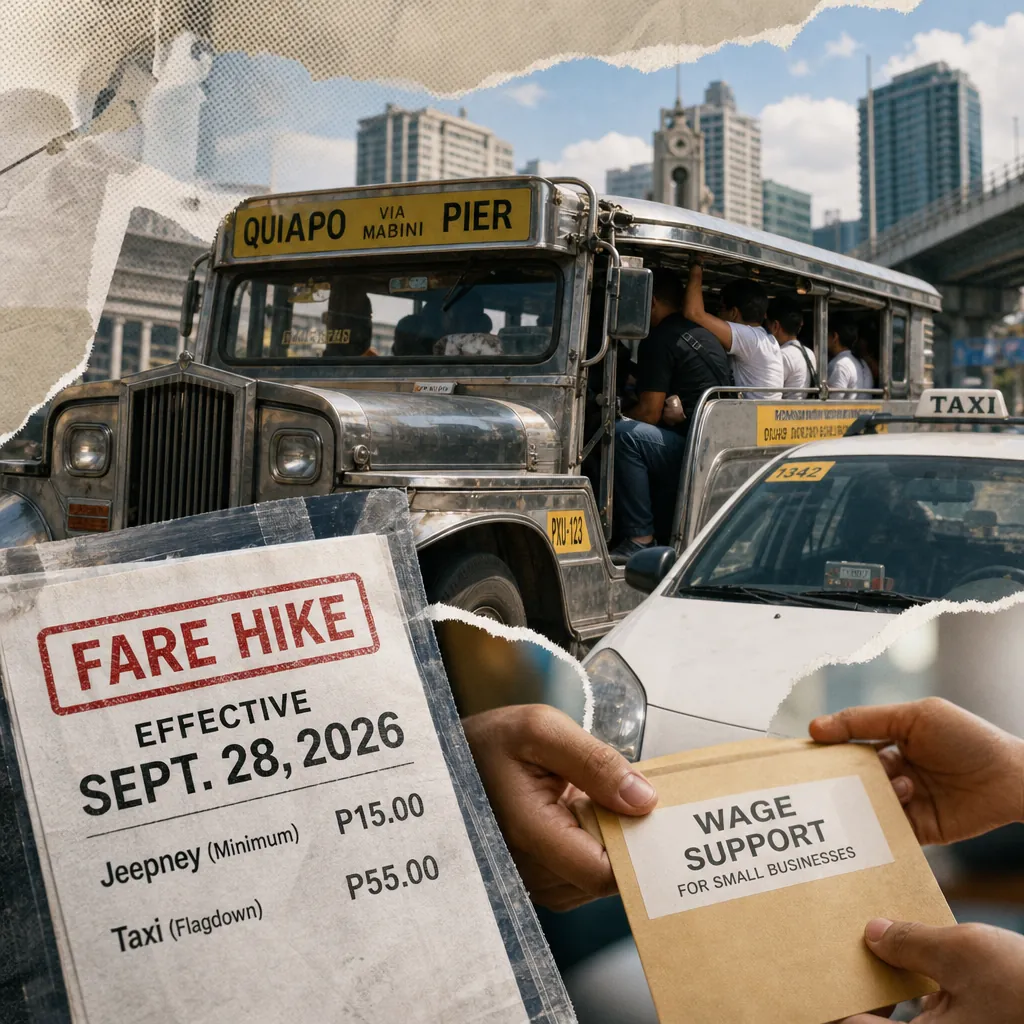
A nationwide increase in public transport fares took effect on Monday, September 28, 2026, raising the minimum traditional jeepney fare from ₱13 to ₱14 for the first four kilometers and the modern jeepney fare from ₱15 to ₱17, with taxi flag-down rates rising from ₱50 to ₱65.16 The Land Transportation Franchising and Regulatory Board (LTFRB), the agency that sets and approves fares for public utility vehicles, had originally scheduled the increase for March but suspended it when the conflict in the Middle East pushed global oil prices higher. Transportation Secretary Giovanni Lopez lifted that suspension after fuel prices continued to climb.16
The increase landed on the same day the government announced it would temporarily pay the ₱60 daily wage increase for qualified small and medium businesses, and as sugar producers asked the government to tax artificially sweetened drinks more heavily while going easier on beverages made with local sugar. Across the items reviewed here, the fare hike and its knock-on effects drew the most sustained coverage, with commuter-level reporting from Iloilo and Panay, an editorial in a national broadsheet, and a local government response in Malabon all addressing the same event from different angles.27295153
The day's business and policy news also included the Department of Trade and Industry (DTI) reporting that prices of basic necessities and prime commodities had held steady despite resurgent oil prices, a partnership between the DTI and Philippine Veterans Bank to finance electric vehicle purchases by small enterprises, and the Department of Agriculture declaring Quezon province free of bird flu.121135 The items captured here are a monitored selection rather than a complete record of everything published, so the mix of stories and their coverage value describe this set, not the whole of the day's output.
Key themes
- Jeepney and taxi fares rise nationwide for the first time since March. The minimum traditional jeepney fare moved from ₱13 to ₱14 for the first four kilometers, with ₱2 for each succeeding kilometer, up from ₱1.80; modern jeepneys went from ₱15 to ₱17, and taxis from a ₱50 to a ₱65 flag-down rate.16 The LTFRB had suspended the increase in March because of oil price volatility tied to the Middle East conflict, then lifted the suspension as fuel costs stayed high.16
- A two-day transport strike tests the fare increase's political durability. The No to Oil Price Hike Coalition Panay, made up of PISTON, MANIBELA, local Iloilo transport associations and Negros Panay United, staged an "untat-biyahe" from 6 a.m. to 6 p.m. on September 29 and 30, with organizers expecting 400 to 500 participants across Panay Island.29 The coalition is demanding the suspension of the Oil Deregulation Law, the removal of excise and value-added taxes on petroleum products, and substantial wage increases.29
- Government will cover the ₱60 daily wage increase for qualified small businesses for 90 days. Under the Department of Labor and Employment's (DOLE) Sagip Trabaho Program, the government will subsidize the ₱60 daily increase for eligible establishments from October to December, with DOLE estimating a participating small enterprise could receive up to ₱140,000 over three months.4143 Businesses must submit DTI certificates, employee counts and financial records showing they cannot yet absorb the higher wage.43
- Sugar producers want higher taxes on artificial sweeteners and lower taxes on local sugar. Industry groups urged the Sugar Regulatory Administration (SRA) to support changes to the sweetened beverage tax under the ProGRESS Bill, arguing that manufacturers are switching to cheaper imported sweeteners rather than paying more for Philippine sugar.10 "The Philippine sugar industry is losing its own market. It is not losing it to a better product; it is losing it to a cheaper one," stakeholders wrote to SRA Administrator Pablo Luis Azcona.10
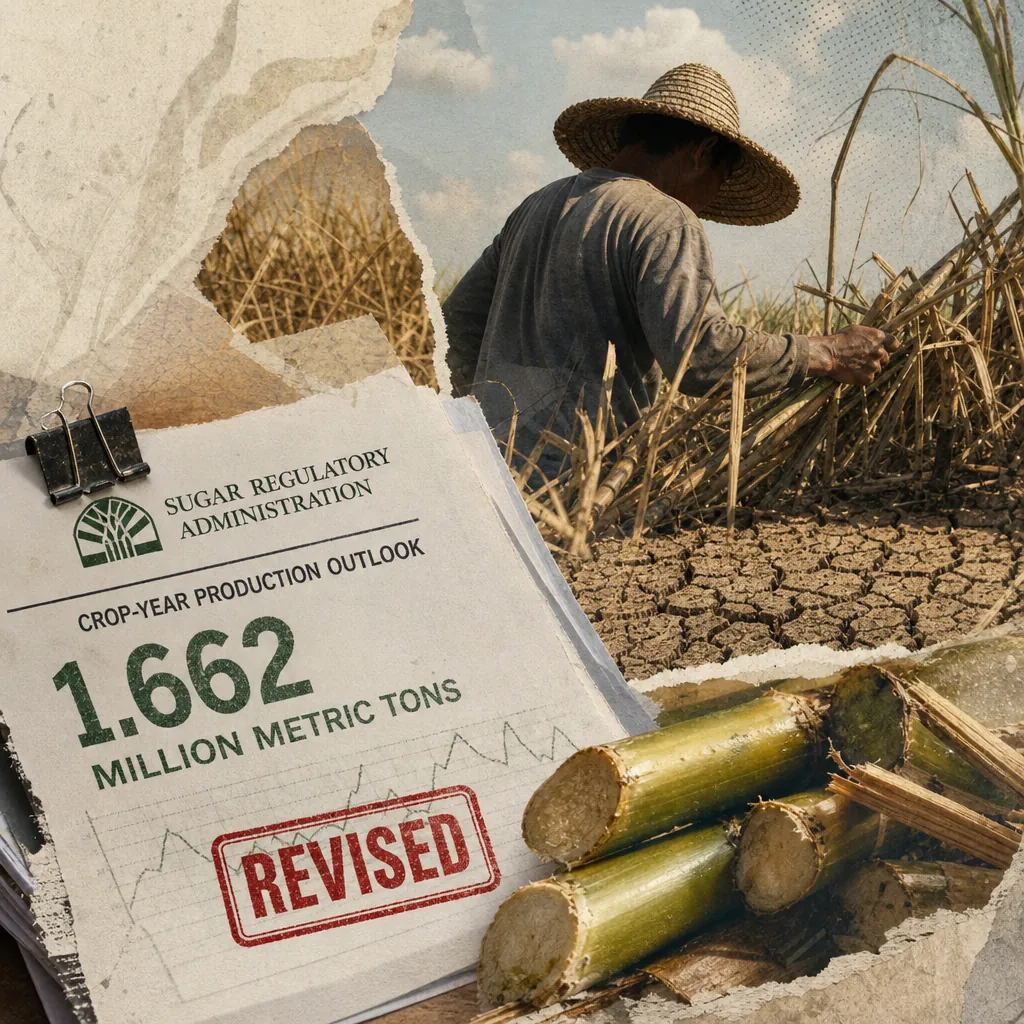
- The SRA wants a national task force against pests and weather threats. Administrator Pablo Azcona proposed a National Task Force for Sugar Pests and Disasters to address the red-striped soft scale insect (RSSI) infestation and an anticipated severe El Niño, after RSSI cut domestic sugar production by more than 10 percent in crop year 2025–2026.13 The task force would be chaired by the Department of Agriculture, with the SRA as vice chair, following a meeting in Negros Occidental attended by First Lady Liza Araneta-Marcos and representatives of Congress and the sugar sector.13
- Basic goods prices held steady despite higher fuel costs. Trade Secretary Cristina Roque said the DTI had received no requests from manufacturers of basic necessities and prime commodities to raise prices, and that the agency had secured commitments from some manufacturers to hold off on increases even as their own costs climbed.1218 No price freeze is in effect, meaning manufacturers may adjust prices without prior government approval, but DTI offices nationwide were ordered to intensify monitoring against price manipulation.1218
- DTI and Philippine Veterans Bank will finance electric vehicle purchases by small enterprises. The agreement expands access to financing for micro, small and medium enterprises (MSMEs) and supports the DTI's E-Transport Loan Program, which helps transport operators and cooperatives shift from internal combustion engine vehicles to electric vehicles.11 Trade Secretary Cristina Roque said operators need more financing options to protect their livelihoods from rising global oil prices.11
- Quezon province regained its bird flu-free status. The Department of Agriculture declared Quezon free from avian influenza through Memorandum Circular 45, signed September 24 and published Monday, after the province met all animal health requirements.35 Quezon had recorded three H5N1 cases earlier in the year — in a commercial broiler breeder farm in Lucban in February and in backyard duck farms in Lucban in March and Sampaloc — and had previously regained disease-free status in 2023.35
How the narratives stack
Dominant. The fare increase and the transport strike that followed dominated the items reviewed here. The hike itself was covered as a straightforward consumer-cost story by the Daily Guardian, which reported the new rates and the LTFRB's reasoning, and by Panay News, which documented the household-level effects through the experience of a 52-year-old balut vendor whose daily transport budget rose from ₱40 to ₱50.1627 The Philippine Star's editorial page framed the increase as a squeeze on both commuters and drivers, noting that some bus groups spend 45 to 60 percent of their operating costs on fuel and that drivers say they take home nothing after diesel.53 The strike coverage added a second layer: Panay News reported that up to 500 transport workers would join the two-day protest, defying LTFRB warnings of sanctions against operators who suspend trips.29 The Malabon city government prepared five vehicles for free rides and coordinated with the police, fire bureau, Metro Manila Development Authority and barangays to manage stranded passengers.51 Within this captured set, the fare story carried the most items and the most distinct angles, from national policy to street-level impact.
Counter-narrative. The government's response to the wage side of the cost-of-living squeeze ran alongside the fare story. The Sagip Trabaho Program, announced by Malacañang on Monday, will have DOLE pay the ₱60 daily wage increase for qualified small and medium businesses for 90 days, from October through December.4143 Palace Press Officer Claire Castro said the temporary assistance aims to prevent layoffs and business closures as enterprises adjust to the new minimum wage rates.41 DOLE Secretary Francis Tolentino said the department will shoulder the difference so small businesses can adjust through Christmas.4143 The program's guidelines, including requirements and procedures, were set for release within the week.43 This is a counterweight to the fare story in the sense that it addresses the same underlying pressure — rising costs for workers and small businesses — from the government's side, but it does not offset the fare increase for commuters, who still pay more per trip.
Emerging. Two agricultural stories pointed to structural pressures that could affect food prices and supply in the coming months. The sugar industry's push for tax changes under the ProGRESS Bill, a priority tax reform package of the Marcos administration, sets up a fight over how the sweetened beverage tax is structured: higher levies on drinks using artificial or alternative sweeteners, lower levies on drinks using local sugar.10 The SRA's proposed task force on pests and disasters responds to an RSSI infestation that already cut production by more than 10 percent in crop year 2025–2026 and is expected to reduce output further in crop year 2027–2028.13 Both stories are about the cost and availability of sugar, which feeds into the same consumer-price concerns as the fare hike and the wage subsidy, but their effects would be felt over a longer horizon.
Under-covered. Several items in this set received less attention than their subject matter might warrant. The DTI's partnership with Philippine Veterans Bank to finance electric vehicle purchases for MSMEs was covered in a single item, despite connecting two live policy concerns: small-business financing and the shift away from oil-dependent transport.11 The Department of Agriculture's declaration that Quezon is free from bird flu was also a single item, even though it follows three H5N1 cases earlier in the year and matters to poultry supply and prices.35 The DTI's statement that basic goods prices remain stable was covered by two outlets but largely as a reassurance rather than an investigation of how long manufacturers can hold the line.1218 These stories were not suppressed; they simply placed lower in the day's coverage than the fare and wage stories.
Platform insights
The monitoring writeup for this window did not include social media engagement data, so this section is limited to what the news items themselves show about how the stories circulated.
- Online news. The fare hike and transport strike generated the most items across online outlets, with regional publications like Panay News and the Daily Guardian providing ground-level reporting from Iloilo and Panay that national outlets did not match.272916 The wage subsidy story ran in both the Daily Tribune and Business Mirror, suggesting it was picked up as a national policy item rather than a regional one.4143
- Broadsheet opinion and editorial pages. The Philippine Star's editorial page carried both an editorial on the fare hike and a column criticizing the ₱42 wage increase as insufficient, indicating that the cost-of-living debate is being framed on opinion pages as a question of whether government responses are adequate.5355
- Blogs and lifestyle sites. The Chatime × Jujutsu Kaisen promo and the Synology ActiveProtect Manager 2.0 release ran on blog and gadget sites, representing the consumer-product and technology layer of the day's content that sits apart from the policy stories.34
Key voices and communities
Transport workers and commuters. The fare hike put transport workers and commuters on opposite sides of the same cost equation. Drivers and operators say the increase is insufficient because fuel eats most of their revenue; commuters say the additional ₱1 to ₱2 per trip comes out of budgets already stretched by food and school costs.2753 The No to Oil Price Hike Coalition Panay organized the strike around demands that go beyond fares — suspension of the Oil Deregulation Law, removal of petroleum taxes, and wage increases — framing the issue as one of government policy rather than fare-setting alone.29
Small business owners and labor groups. The Sagip Trabaho Program speaks directly to small and medium enterprises that say they cannot absorb the ₱60 wage increase without cutting staff or closing.4143 Labor groups, meanwhile, have called the ₱42 wage increase in Cebu "insulting," arguing that it amounts to less than a dollar a day and cannot cover a decent meal.55 These two communities are pushing in opposite directions: businesses want relief from wage costs, workers want wages that keep pace with prices.
Sugar producers and agricultural stakeholders. Sugar groups are lobbying the SRA and the government for tax changes that would protect their market from cheaper imported sweeteners, while the SRA is asking for a national task force to fight pests and weather threats.1013 The First Lady's attendance at the Negros Occidental meeting signals that the sugar industry's concerns have reached the highest levels of government.13
Government economic managers. Trade Secretary Cristina Roque, DOLE Secretary Francis Tolentino, SRA Administrator Pablo Azcona and Agriculture Secretary Francisco Tiu Laurel Jr. are the main government voices in this set, each managing a different piece of the cost-of-living puzzle: basic goods prices, wage subsidies, sugar supply, and pork tariffs.12431344
Narrative streams
Fare increase takes effect as transport strike tests enforcement
The LTFRB's new fare matrix took effect Monday, raising the minimum traditional jeepney fare to ₱14 for the first four kilometers and modern jeepney fares to ₱17, with taxi flag-down rates at ₱65.16 The increase had been approved earlier but suspended in March when the Middle East conflict drove oil prices up; Transportation Secretary Giovanni Lopez lifted the suspension after fuel prices continued to rise.16 For commuters in Iloilo, the effect was immediate: balut vendor Risa Jagonate saw her daily transport budget rise from ₱40 to ₱50, an increase she said would come out of food and school spending.27 The Philippine Star's editorial noted that bus groups spend 45 to 60 percent of their costs on fuel and that drivers say they take home nothing after diesel, but also that the fare hike is painful for commuters — a tension the editorial did not resolve.53 The transport strike that began September 29, organized by the No to Oil Price Hike Coalition Panay, is the first test of whether the fare increase will hold politically. The coalition expects 400 to 500 participants across Panay and is demanding the suspension of the Oil Deregulation Law, which allows oil companies to set prices based on market forces rather than government regulation, and the removal of excise and value-added taxes on petroleum products.29 The LTFRB has warned of sanctions against operators who suspend trips, but organizers say they are proceeding.29 For transport operators, the fare increase is a partial offset to fuel costs that they say is still insufficient; for commuters, it is an added expense with no corresponding wage increase for most workers. The read for the sector is that the fare increase has not settled the underlying dispute over who bears the cost of higher fuel prices, and the strike will show whether the government can enforce the new rates without further concessions.
Government subsidizes wage increase for small businesses
The Sagip Trabaho Program, announced by Malacañang on Monday, will have DOLE pay the ₱60 daily wage increase for qualified small and medium businesses for 90 days, covering October, November and December.4143 DOLE Secretary Francis Tolentino said the department will shoulder the difference so small businesses can adjust through Christmas, and estimated that a participating small enterprise could receive up to ₱140,000 over three months.41 Businesses must submit DTI certificates, employee counts and financial records showing they cannot yet afford the higher wage; guidelines were set for release within the week.43 The program is a recognition that the minimum wage increase — which varies by region, with Cebu's ₱42 increase drawing particular criticism — is more than some small businesses can absorb without cutting staff.55 Labor groups have called the Cebu increase insulting, arguing that it amounts to less than a dollar a day.55 The read for the sector is that the government is trying to keep both workers employed and businesses open by absorbing the wage increase temporarily, but the 90-day window means the question of whether small businesses can afford the higher wage on their own is deferred to early 2027, when the subsidy ends.
Sugar industry seeks tax changes and pest task force
Sugar producers are asking the SRA to support changes to the sweetened beverage tax under the ProGRESS Bill, a priority tax reform package of the Marcos administration that would restructure taxes on sweetened drinks.10 The groups want higher taxes on beverages using artificial or alternative sweeteners and lower taxes on beverages made with local sugar, arguing that manufacturers are switching to cheaper imported sweeteners rather than paying more for Philippine sugar.10 "The Philippine sugar industry is losing its own market. It is not losing it to a better product; it is losing it to a cheaper one," stakeholders wrote to SRA Administrator Pablo Luis Azcona.10 Separately, Azcona proposed a National Task Force for Sugar Pests and Disasters to address the red-striped soft scale insect infestation, which cut domestic sugar production by more than 10 percent in crop year 2025–2026 and is expected to reduce output further in crop year 2027–2028, as well as an anticipated severe El Niño.13 The task force would be chaired by the Department of Agriculture with the SRA as vice chair, following a meeting in Negros Occidental attended by First Lady Liza Araneta-Marcos and representatives of Congress and the sugar sector.13 The read for the sector is that sugar producers are trying to protect their market on two fronts — tax policy and pest control — but the outcome depends on decisions by the Tariff Commission, Congress and the Department of Agriculture that are not yet made.
Basic goods prices hold steady as oil prices rise
Trade Secretary Cristina Roque said Monday that prices of basic necessities and prime commodities remain stable and that the DTI has received no requests from manufacturers to raise prices, despite renewed uncertainties from the Middle East war.1218 The DTI has been meeting with manufacturers since the start of the conflict to check supply situations and has secured commitments from some to hold off on increases even as their own costs climb.18 No price freeze is in effect, meaning manufacturers may adjust prices without prior government approval, but DTI offices nationwide were ordered to intensify monitoring against price manipulation, and Roque warned that those found engaging in unfair trade practices would face sanctions under consumer protection laws.1218 The read for the sector is that the stability of basic goods prices depends on manufacturers continuing to absorb higher fuel and transport costs, and the DTI's monitoring is a warning rather than a guarantee; if oil prices stay high, the question of how long manufacturers can hold the line becomes more pressing.
DTI and Veterans Bank finance electric vehicles for small enterprises
The DTI and Philippine Veterans Bank signed an agreement Monday to expand financing for MSMEs and support the DTI's E-Transport Loan Program, which helps transport operators, cooperatives and other enterprises secure funding to shift from internal combustion engine vehicles to electric vehicles.11 Trade Secretary Cristina Roque encouraged businesses seeking to replace ICE vehicles with EVs to explore the DTI's financing programs, saying transport and business operators need more financing options to protect their livelihoods from rising global oil prices.11 The agreement connects two policy goals: supporting small businesses and reducing dependence on oil. The read for the sector is that the program gives MSMEs a financing path to electric vehicles, but the scale of the shift depends on how many businesses qualify and whether the economics of EVs work for small operators who are already struggling with fuel costs.
Quezon declared free from bird flu
The Department of Agriculture declared Quezon province free from avian influenza through Memorandum Circular 45, signed September 24 and published Monday, after the province met all animal health requirements.35 Quezon had recorded three H5N1 cases earlier in the year — in a commercial broiler breeder chicken farm in Lucban in February, in a backyard duck farm in Lucban in March, and in a backyard duck farm in Sampaloc — and had previously regained disease-free status in 2023 under Memorandum Circular 38.35 The circular credited joint efforts by the local government, the DA Regional Field Office IV-A and the Bureau of Animal Industry for addressing the risk of further spread without delay.35 The read for the sector is that the declaration restores Quezon's poultry producers' ability to move and sell birds under normal rules, but the recurrence of H5N1 cases earlier in the year shows the virus remains a periodic threat to supply and prices.
Conversation trajectory
Over the next two weeks, watch whether the transport strike expands or fades. The No to Oil Price Hike Coalition Panay's two-day strike on September 29 and 30 will show whether other transport groups join or whether the action remains concentrated in Panay.29 If the strike spreads to Metro Manila, the political pressure on the LTFRB and the Department of Transportation to revisit the fare increase or offer fuel subsidies will increase. If it remains regional, the fare increase is likely to hold.
By mid-October, DOLE's Sagip Trabaho guidelines will determine how many small businesses actually receive the wage subsidy. The program's requirements — DTI certificates, employee counts and financial records — will filter which businesses qualify.43 If the application process is cumbersome or the eligibility criteria are narrow, the program may reach fewer businesses than intended, and the wage increase could still lead to layoffs or closures among those that do not qualify.
Over the next four to six weeks, the ProGRESS Bill's sweetened beverage tax provisions will move through Congress. Sugar groups have asked the SRA to support higher taxes on artificially sweetened drinks and lower taxes on drinks made with local sugar.10 The outcome will affect both sugar producers and beverage manufacturers, and it will show whether the government is willing to restructure the tax in response to industry lobbying.
By the end of 2026, the SRA's proposed task force on pests and disasters will either be created or stall. The proposal follows a meeting in Negros Occidental attended by the First Lady and representatives of Congress and the sugar sector, which suggests high-level interest.13 If the task force is created, it would coordinate the government's response to the RSSI infestation and El Niño; if it stalls, the sugar industry faces another crop year with production already down more than 10 percent.13
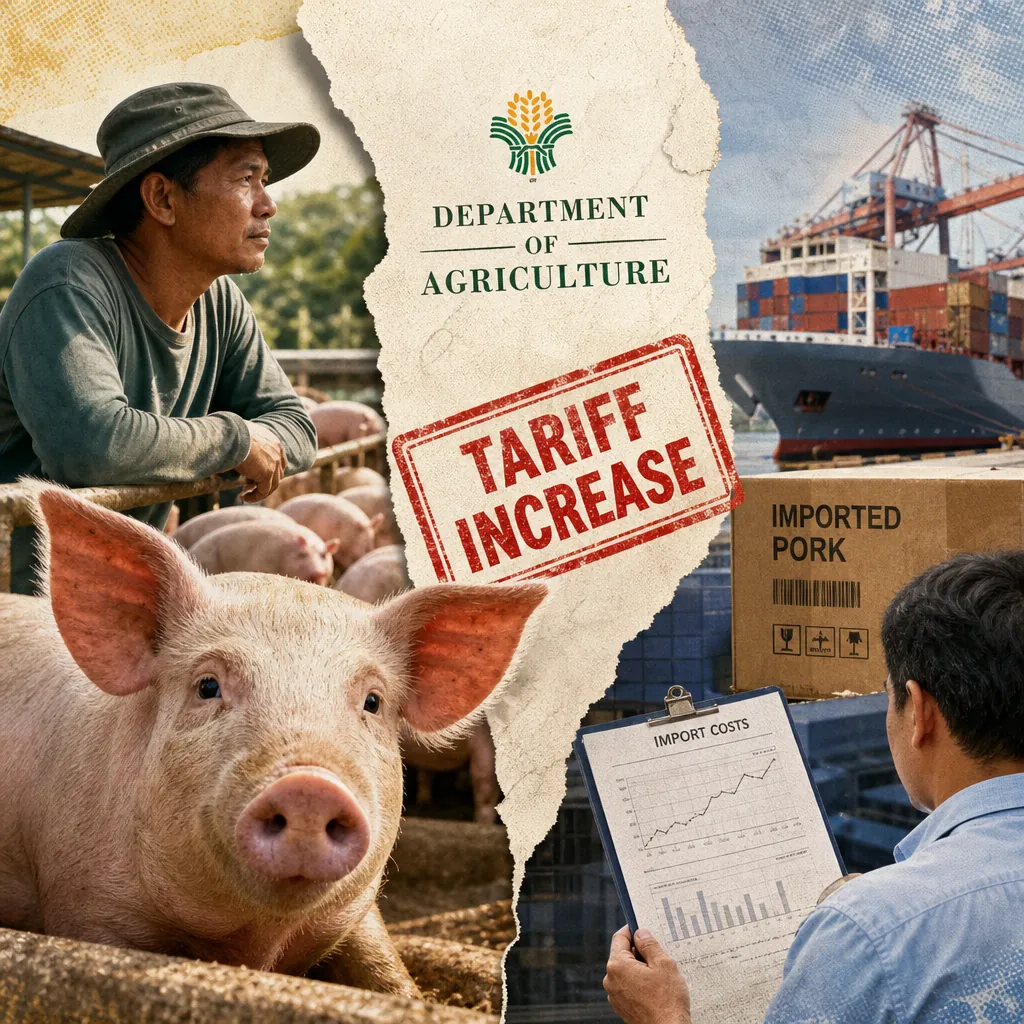
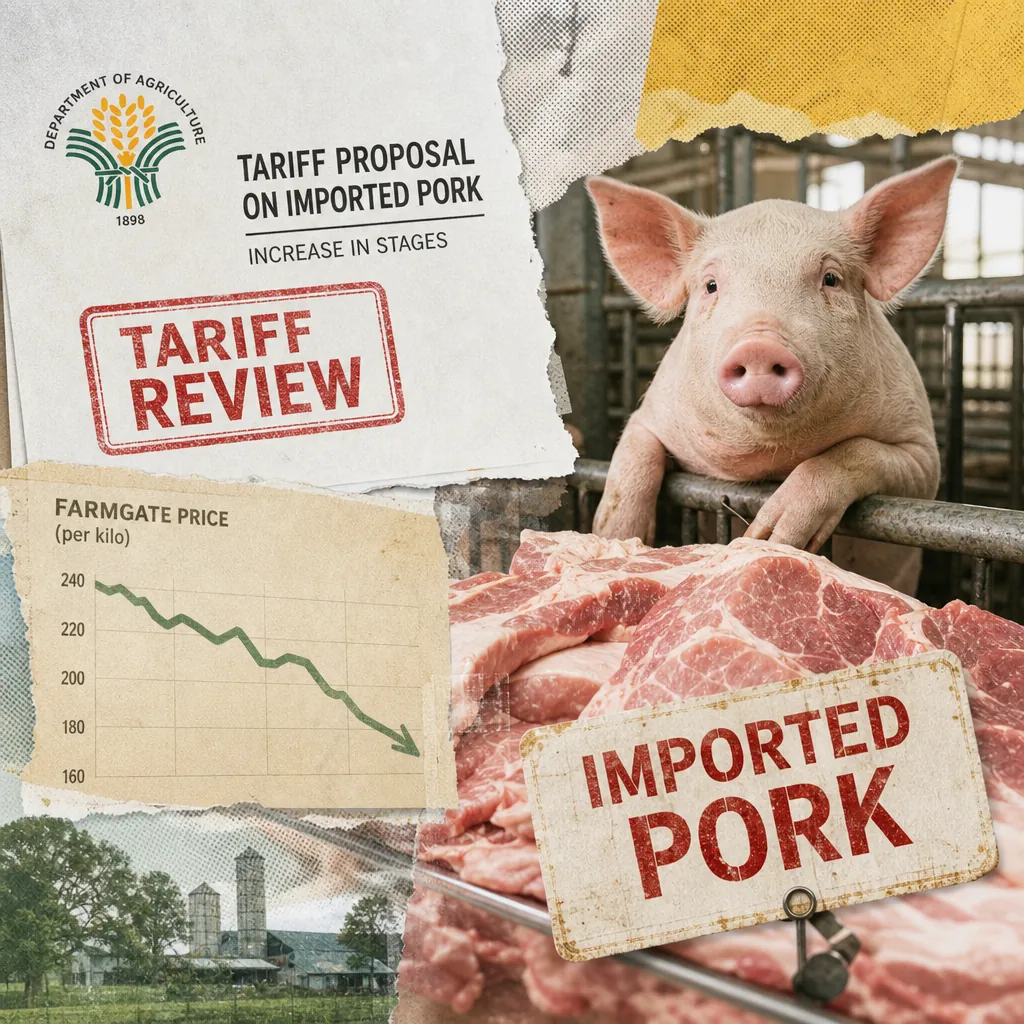
Trigger events to watch: the LTFRB's response to the transport strike; DOLE's release of Sagip Trabaho guidelines; the Tariff Commission's ruling on pork jowl tariffs, which the DA has petitioned to reclassify as swine meat, potentially raising duties on imported pork jowl used in processed meats like sisig.44 The DA has said any price increase from the reclassification would be minimal, but processed meat manufacturers have warned of price hikes.44
Response guidance
For transport and logistics communicators: Prepare for continued scrutiny of fare and fuel costs. The fare increase is in effect, but the strike shows that the underlying dispute over oil prices and wages is unresolved. Messages should acknowledge both the commuter's added expense and the driver's fuel burden, and should avoid claiming the fare increase solves either problem.
For small business and retail communicators: The Sagip Trabaho Program is a concrete form of relief, but its 90-day window means businesses should plan for the period after December. Communicate the application requirements clearly and early, and be prepared for questions about what happens when the subsidy ends.
For food and beverage manufacturers: The sugar tax debate and the pork jowl tariff petition both affect input costs. The DTI's monitoring of basic goods prices means manufacturers that raise prices without justification face sanctions, but the absence of a price freeze means they are not prohibited from adjusting. Communicate any price changes with clear explanations of cost drivers.
For agricultural communicators: The bird flu-free declaration for Quezon and the SRA's pest task force proposal are both about supply stability. Poultry and sugar producers should reinforce biosecurity and pest monitoring messages, and should be prepared to explain how disease and pest outbreaks affect prices.
For government communicators: The fare hike, wage subsidy and price monitoring are all part of the same cost-of-living story. Coordinate messages so that the wage subsidy is not presented as offsetting the fare increase for commuters, and so that the DTI's price stability statement is not contradicted by manufacturers announcing increases.
For all sectors: The transport strike is the most visible expression of public frustration over fuel prices and wages. Avoid dismissive language about strike participants, and avoid overpromising on relief that has not been delivered. The 90-day wage subsidy and the fare increase are both temporary or partial measures; communicate them as such.
See the full picture behind today's signals.
This report draws from Media Meter's MediaWatch, our real-time monitoring engine tracking 2,470+ Philippine sources across print, broadcast, digital, and social. Explore how the platform turns raw coverage into decision-grade intelligence, then see how it's configured for teams like yours — whether you're in PR agencies, corporate comms, government, or marketing.
Want more? Browse our Report Library for sector and crisis intelligence, or request a demo and we'll have your brand set up before the call.
Want this kind of intelligence on your brand?
This brief is built on the same MediaWatch methodology that runs continuously across every brand we monitor. See your competitive landscape, Impact Score, and narrative trajectory in a 30-minute demo.