Flooding, reclamation probes, and Pax Silica shape PH property
A daily snapshot of Philippine real estate conversation: monsoon flooding and dam releases, Senate scrutiny of Taguig reclamation, and the Pax Silica AI hub's economic promise.
The day's conversation in Philippine real estate was a study in contrasts. On one side, the relentless southwest monsoon and former Tropical Depression Maymay dominated headlines and social feeds, with dam releases in Benguet, rising death tolls, and class suspensions painting a picture of a nation bracing against water. On the other, a high-stakes political drama unfolded over reclamation projects along Laguna Lake, with senators trading accusations of corruption and harassment. And threading through both was the promise of Pax Silica, a US-led initiative that could transform New Clark City into a global AI hub—if the public can get past its image problem.
Social media on August 7 was largely passive. A post about water releases from the Ambuklao and Binga Dams in Benguet drew 317 views but zero engagement—no likes, shares, or comments. Similarly, a video of the flooded La Trinidad Strawberry Farm attracted only 97 views. The audience was consuming flood news as alerts, not as fodder for debate. In contrast, a Reddit post about the Department of Public Works and Highways (DPWH) turning over waterway equipment in Naga City, featuring officials Dizon and Robredo, drew 47 likes and a comment, suggesting that infrastructure governance stories generate more active discussion than raw environmental updates.
Meanwhile, the news media was buzzing with corporate earnings, infrastructure deals, and political investigations. Manila Water reported a 6% rise in first-half net income to P8.5 billion, DMCI Holdings saw a 26% jump in first-half profit, and the Philippine Stock Exchange index edged up 0.2% on bargain hunting. The Department of Transportation (DOTr) announced that the Villar Group had agreed to donate land for the long-delayed LRT-1 Las Piñas station. And in the Senate, the reclamation probe intensified, with Senator Panfilo Lacson calling for accountability over allegedly illegal projects in Taguig, while Senate Minority Leader Alan Peter Cayetano defended the lakeshore developments as flood control measures.
Key themes
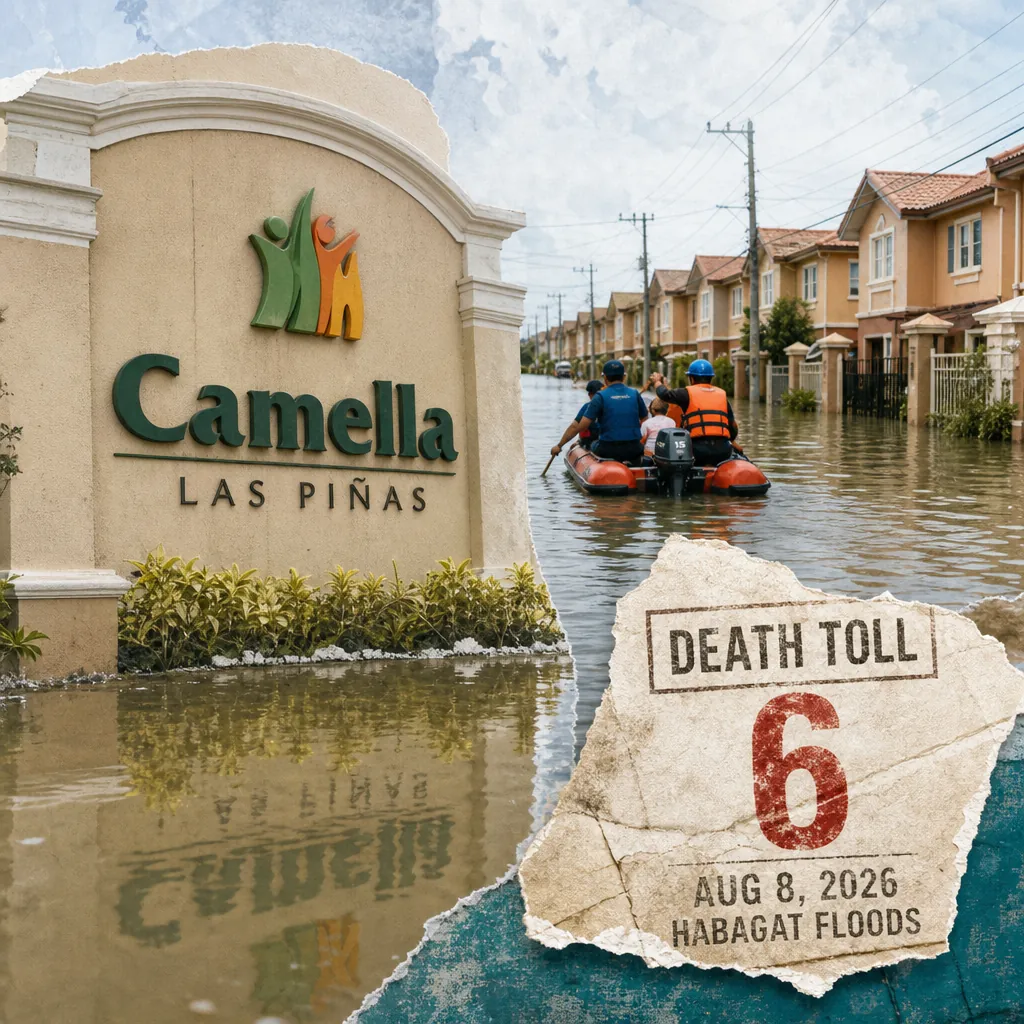
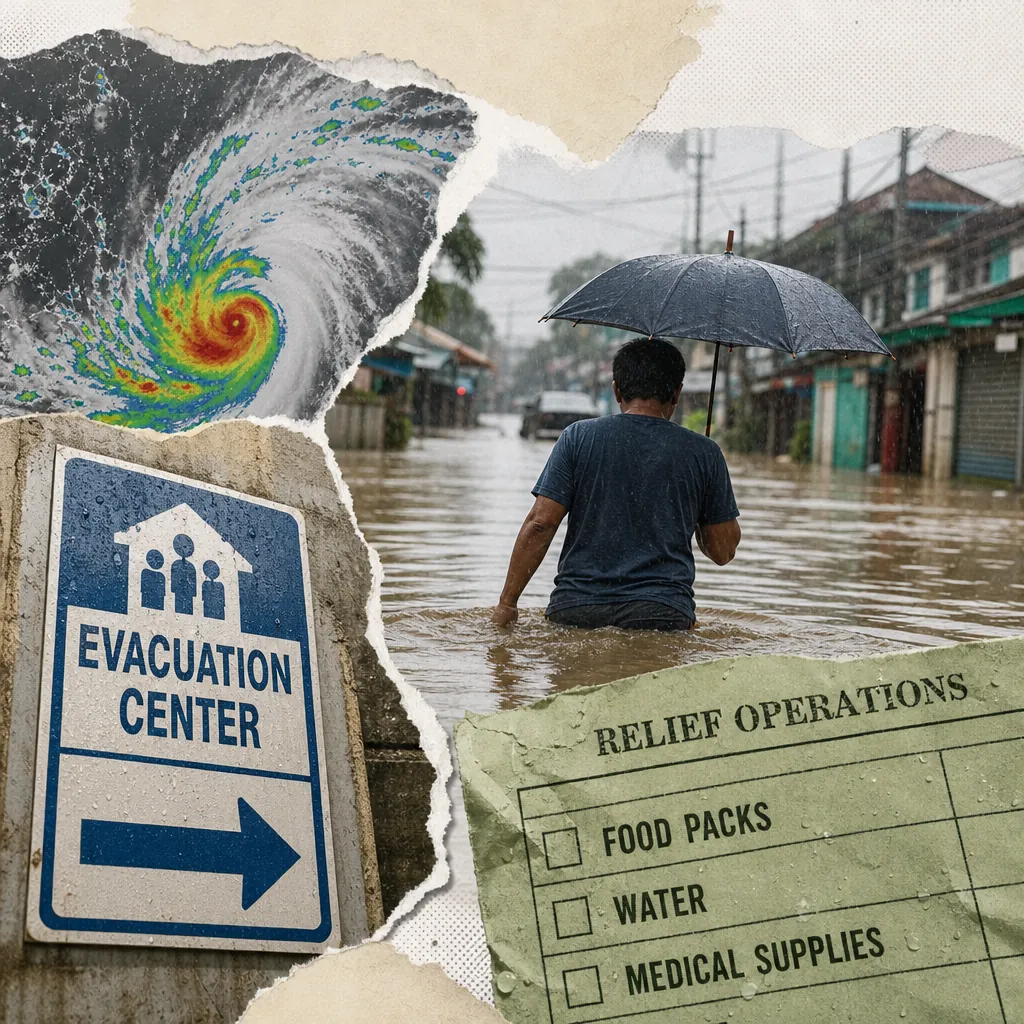
- Monsoon flooding and dam releases heighten disaster awareness: The southwest monsoon, enhanced by former Tropical Depression Maymay, brought heavy rains across Luzon. The Ambuklao and Binga Dams in Benguet released water due to rising levels, and the death toll from the weather system climbed to six. Social media posts documenting these events drew views but little engagement, indicating passive consumption of flood news.
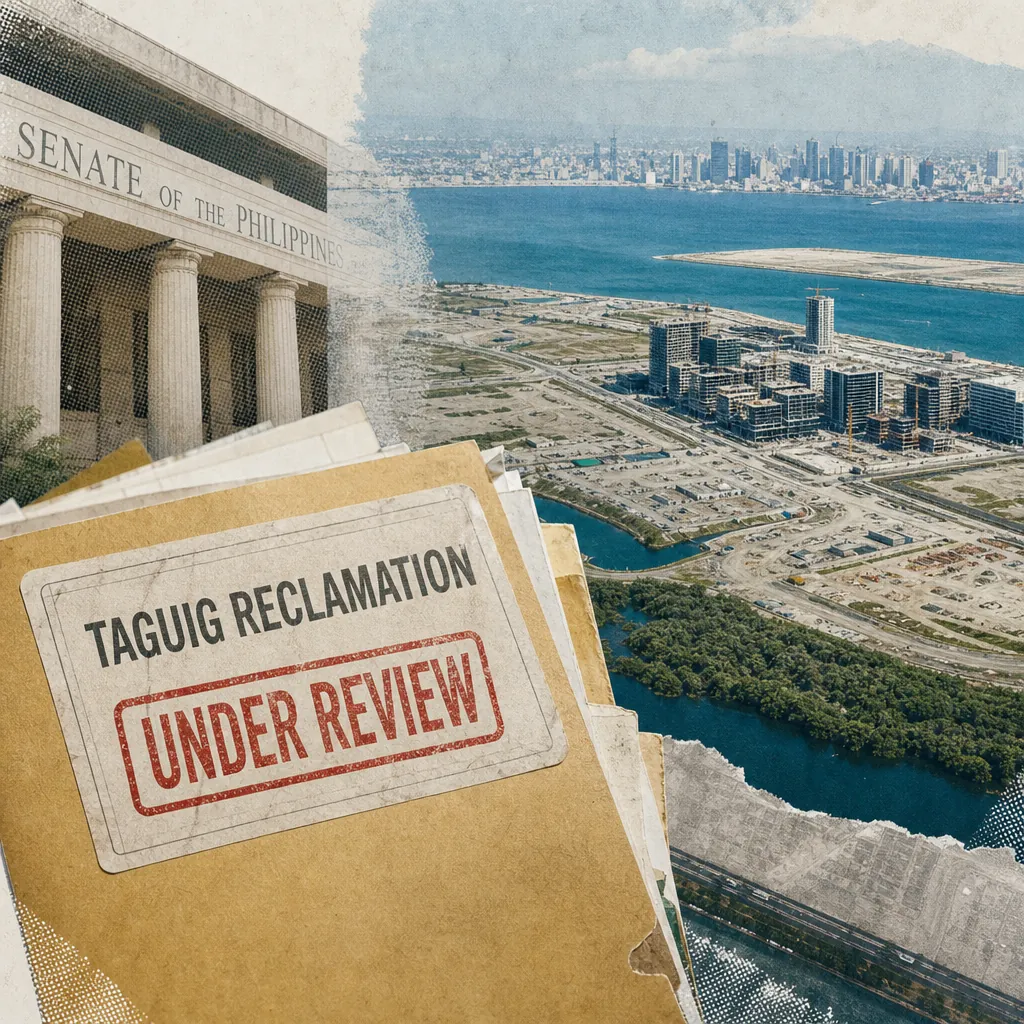
- Senate reclamation probe escalates with Taguig focus: Senator Panfilo Lacson accused the Cayetano family of harassing regulators to protect illegal reclamation projects in Taguig's Laguna Lake area, while Senator Alan Peter Cayetano defended the projects as flood control and public enjoyment initiatives. The investigation has identified at least 32 "grossly anomalous" infrastructure projects.
- Pax Silica AI hub promises $200B exports but faces public skepticism: The Bases Conversion and Development Authority (BCDA) announced that the Pax Silica project at New Clark City could generate $200 billion in export earnings over 30 years. However, critics question the environmental impact and sovereignty implications, prompting officials to urge the public to weigh the positives.
- Infrastructure wins: LRT-1 Las Piñas station and waterway equipment: The DOTr and Villar Group agreed on terms for land donation for the LRT-1 Cavite Extension's Las Piñas station, unblocking a long-delayed project. Meanwhile, DPWH turned over waterway equipment in Naga City, signaling continued flood mitigation efforts.
- Corporate earnings show resilience amid economic uncertainty: Manila Water, DMCI Holdings, and SMX Convention Centers all reported strong first-half results, reflecting stable demand and cost discipline. The stock market rebounded on bargain hunting despite weak Q2 GDP growth.
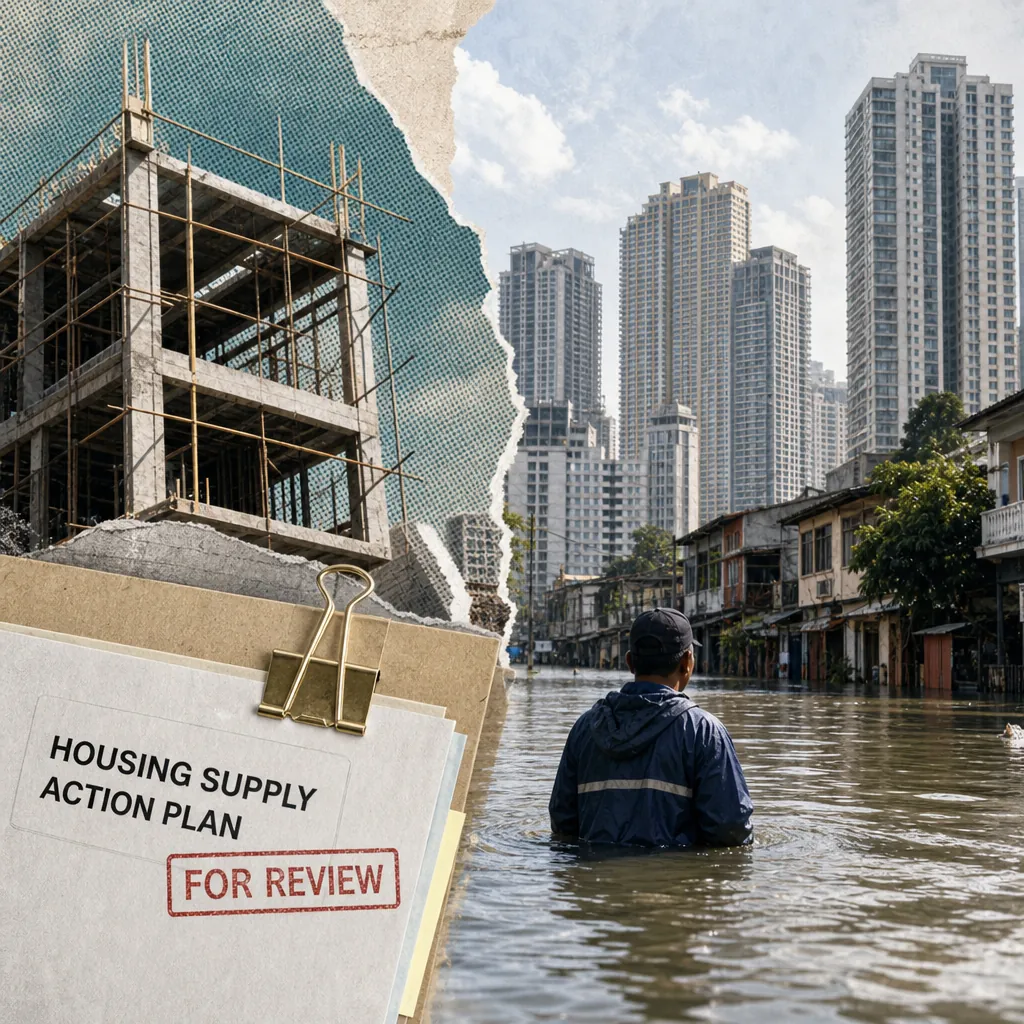
- Affordable housing initiatives expand through public-private partnerships: Pag-IBIG Fund partnered with P.A. Alvarez Properties to build over 7,300 affordable homes under the Expanded Pambansang Pabahay program, while DHSUD approved Cagayan de Oro's land use plan, supporting orderly urban growth.
- Climate resilience and storytelling take center stage: The Stormwater Summit highlighted proactive flood mitigation technologies, and actor Dingdong Dantes urged a shift from "reactionary" to "proactive" climate responses. Iloilo City announced a comprehensive drainage master plan beyond routine declogging.
- Public trust and misinformation concerns emerge: The arrest of a 19-year-old for a prank 911 call in Laguna underscored anxieties about information verification during crises, a theme that could extend to property marketing claims.
How the narratives stack
Dominant: The monsoon flooding and its human toll dominated both social media and news coverage. The dam releases, rising death toll, and class suspensions were the most widely reported stories, with multiple outlets covering the rainfall data and affected areas. Within the captured set, this narrative drew the most consistent attention across platforms, even if engagement was low.
Counter-narrative: The Senate reclamation probe offered a political counterpoint, framing the flooding as a consequence of failed flood control projects. Senator Lacson's accusations against the Cayetanos provided a dramatic narrative of corruption and harassment, challenging the government's infrastructure narrative.
Emerging: Pax Silica emerged as a forward-looking story with significant economic implications. The BCDA's $200 billion export projection and Ambassador Romualdez's appeal for public support signaled a concerted effort to shape the narrative, but public skepticism and environmental concerns remain unresolved.
Suppressed: The story of the prank 911 call, while tangential, highlighted a growing concern about misinformation during crises. This narrative received minimal coverage but could have implications for public trust in official information channels, including property marketing claims.
Platform insights
- Facebook: The UNTV "Serbisyong Bayanihan" post dominated content volume but recorded zero engagement, confirming that faith-based and charitable content does not resonate with audiences seeking property or development information. Facebook's role in the day's topical conversation was minimal.
- X (Twitter): Twitter served as the primary breaking-news channel, with the dam release update and the Laguna arrest originating there. Engagement was minimal—317 and 137 views respectively—indicating users were scanning alerts rather than participating in discussion.
- Reddit: The DPWH waterway equipment turnover post drew 47 likes and 1 comment, representing modest but active engagement. Reddit users appeared receptive to infrastructure-focused content involving named public figures, suggesting the platform remains a venue for substantive discussion of governance and public works.
- YouTube: No significant YouTube activity was captured in the monitoring writeup, but the platform likely hosted video content of flooding events, given the prevalence of video documentation in the posts.
Key voices and communities
- Senators and political figures: Senators Panfilo Lacson and Alan Peter Cayetano are central to the reclamation probe, with Lacson pushing for accountability and Cayetano defending the projects. Their statements carry legislative weight and shape public discourse.
- Local communities and residents: Residents of flood-prone areas like La Trinidad and Benguet are directly affected by the monsoon. Their concerns about flooding and infrastructure quality influence property values and livability perceptions.
- Government agencies and regulators: The BCDA, DOTr, DPWH, and DHSUD are key players in infrastructure and housing initiatives. Their actions and announcements drive the development narrative.
- Media and news networks: Outlets like Inquirer, Manila Times, Philstar, and GMA News amplify the day's stories, framing the reclamation probe and Pax Silica for public consumption.
- Developers and business groups: Companies like Megaworld, SM Prime, and DMCI Holdings are active in the conversation through corporate announcements and project launches, positioning themselves within the broader economic narrative.
Narrative streams
Monsoon flooding and dam releases: A nation underwater
The day's most pressing story was the relentless rain. The Philippine Atmospheric, Geophysical, and Astronomical Services Administration (PAGASA) reported that Iba, Zambales, logged the highest 24-hour rainfall at 158.6 millimeters, followed by Baguio City (158 mm), La Trinidad (154.4 mm), Olongapo City (112.4 mm), and Dagupan City (111.4 mm). These figures, reported by Inquirer Online, underscored the intensity of the southwest monsoon, enhanced by former Tropical Depression Maymay.
The release of water from the Ambuklao and Binga Dams in Benguet, triggered by rising water levels, added a layer of infrastructure management to the story. The post on X drew 317 views but no engagement, suggesting that the public treated it as a news alert rather than a topic for debate. The death toll from the weather system climbed to six, with two deaths attributed to a landslide in Benguet and two to a rockfall in Rodriguez, Rizal, as reported by the Manila Times.
For the real estate sector, this flooding narrative reinforces the importance of climate resilience. Developers with projects in flood-prone areas like Cavite, Laguna, and Bulacan face heightened scrutiny of their drainage infrastructure and elevation designs. The lack of direct engagement on social media does not diminish the risk; rather, it suggests that the public is passively absorbing information that could influence future purchasing decisions.
The reclamation probe: Politics, corruption, and the fight for Laguna Lake
The Senate investigation into reclamation projects along Laguna Lake took a sharp turn on August 7. Senator Panfilo Lacson accused Senate Minority Leader Alan Peter Cayetano of harassing regulators to protect "grossly anomalous" infrastructure projects in Taguig. Lacson's team counted at least 32 such projects, allegedly disguised as flood control measures, that failed to address flooding. He called for immediate accountability, framing the issue as a matter of impunity.
Cayetano defended the lakeshore developments, arguing they were meant for flood control, public enjoyment, and protecting the lake from land-grabbing syndicates. He invited Lacson and the public to inspect the projects, emphasizing that they had been planned across several administrations since the late 1990s.
The probe has significant implications for real estate developers with projects in reclamation areas. The Philippine Reclamation Authority (PRA) and the Laguna Lake Development Authority (LLDA) are key regulators, and any perception of impropriety could lead to stricter enforcement or delayed approvals. The investigation's expansion to Taguig, a major mixed-use development hub, raises reputational risks for developers operating there.
Pax Silica: A $200 billion bet on the future
The Bases Conversion and Development Authority (BCDA) announced that the Pax Silica project at New Clark City could generate $200 billion in export earnings over the next 30 years. Pax Silica, launched in December 2025, is a US-led initiative to strengthen supply chains for advanced technologies critical to artificial intelligence. The Philippines is one of 24 signatory countries, contributing a 1,620-hectare government property at New Clark City in Tarlac.
Ambassador to the US Jose Manuel Romualdez appealed to the public to focus on the positives, noting that several Asian countries, including Vietnam, Malaysia, and Indonesia, were prepared to take on the project. However, critics have raised concerns about environmental impact and sovereignty, leading to a polarized debate.
For the real estate sector, Pax Silica represents a transformative opportunity. The development of an AI-focused industrial hub could drive demand for residential, commercial, and industrial properties in the New Clark City area. However, the project's long timeline—construction to begin after two years of planning—means that immediate market impacts are limited.
Infrastructure wins: LRT-1 and waterway equipment
On a more positive note, the Department of Transportation (DOTr) announced that the Villar Group had agreed to donate six parcels of land for the construction of the LRT-1 Las Piñas station, unblocking a long-delayed project. Transportation Secretary Giovanni Lopez said the agreement would benefit commuters, and the Villar Group agreed to cancel mortgages on the properties.
Meanwhile, the DPWH turned over waterway equipment in Naga City, a move that drew modest engagement on Reddit. These infrastructure developments signal continued government investment in flood mitigation and public transport, which could positively influence property values in the affected areas.
Corporate earnings: Resilience amid uncertainty
Manila Water reported a 6% rise in first-half net income to P8.5 billion, driven by higher tariffs and sustained demand. DMCI Holdings saw a 26% jump in first-half profit to P11.4 billion, boosted by record nickel mining earnings. SMX Convention Centers welcomed 4.3 million visitors in the first half, up 18% year-on-year.
These results reflect the resilience of Philippine corporates despite economic headwinds. For the real estate sector, strong earnings from conglomerates like DMCI and SM Prime signal stability, which could support investor confidence in property stocks.
Affordable housing: Public-private partnerships expand
Pag-IBIG Fund partnered with P.A. Alvarez Properties to build over 7,300 affordable homes across Batangas, Laguna, and Pampanga under the Expanded Pambansang Pabahay program. The program, part of President Marcos Jr.'s housing agenda, aims to address the housing backlog by combining government financing with private-sector capability.
Additionally, the Department of Human Settlements and Urban Development (DHSUD) approved Cagayan de Oro's Comprehensive Land Use Plan for 2024-2032, providing a legal framework for sustainable development. These initiatives are crucial for addressing the country's housing needs and supporting orderly urban growth.
Conversation trajectory
Over the next 4-6 weeks, the monsoon season is likely to persist, with Typhoon Dolphin expected to enhance the southwest monsoon. This will keep flooding and dam releases in the news, reinforcing public sensitivity to flood resilience. Developers with projects in flood-prone areas should prepare to communicate their mitigation measures proactively.
The Senate reclamation probe is expected to continue, with potential for further revelations. The investigation's expansion to Taguig could trigger broader scrutiny of similar projects, posing reputational risks for developers. Monitoring the probe's progress is essential for stakeholders with exposure to reclamation areas.
Pax Silica will remain a topic of debate as the government pushes for public support. The BCDA's $200 billion projection is a bold claim that will attract both interest and skepticism. The project's long timeline means that immediate market impacts are limited, but its potential to transform New Clark City is significant.
Trigger events to watch: continued heavy rainfall and potential typhoons, which will drive more dam releases and flood reporting; the Senate probe's next hearings, which could produce new allegations; and any formal agreements or groundbreaking ceremonies for Pax Silica, which would signal progress.
Response guidance
For real estate developers, the key is to demonstrate proactive flood resilience. This means investing in drainage infrastructure, elevating designs, and communicating these measures transparently. The flooding narrative is an opportunity to differentiate projects that prioritize climate resilience.
For developers with projects in reclamation areas, particularly Taguig, it is crucial to compile and communicate permitting compliance documentation. The Senate probe's focus on corruption means that any perception of impropriety could be damaging. Prepare holding statements that emphasize regulatory adherence without engaging in political disputes.
For banks and REITs with exposure to reclamation-linked properties, assess the potential impact of the probe on loan portfolios and valuations. Develop internal talking points on due diligence processes to address investor concerns.
Finally, incorporate bayanihan and collective resilience themes into marketing communications. The public's sustained attention to flooding and community solidarity suggests that messaging around communal protection will resonate more than purely functional safety claims.
See the full picture behind today's signals.
This report draws from Media Meter's MediaWatch, our real-time monitoring engine tracking 2,470+ Philippine sources across print, broadcast, digital, and social. Explore how the platform turns raw coverage into decision-grade intelligence, then see how it's configured for teams like yours — whether you're in PR agencies, corporate comms, government, or marketing.
Want more? Browse our Report Library for sector and crisis intelligence, or request a demo and we'll have your brand set up before the call.
Want this kind of intelligence on your brand?
This brief is built on the same MediaWatch methodology that runs continuously across every brand we monitor. See your competitive landscape, Impact Score, and narrative trajectory in a 30-minute demo.