Habagat Floods Submerge Camella, Death Toll Hits 6
Severe southwest monsoon flooding across Luzon on August 8, 2026, killed six, displaced thousands, and submerged a branded Camella community in Las Piñas, sparking public anger and reputational risks for developers.
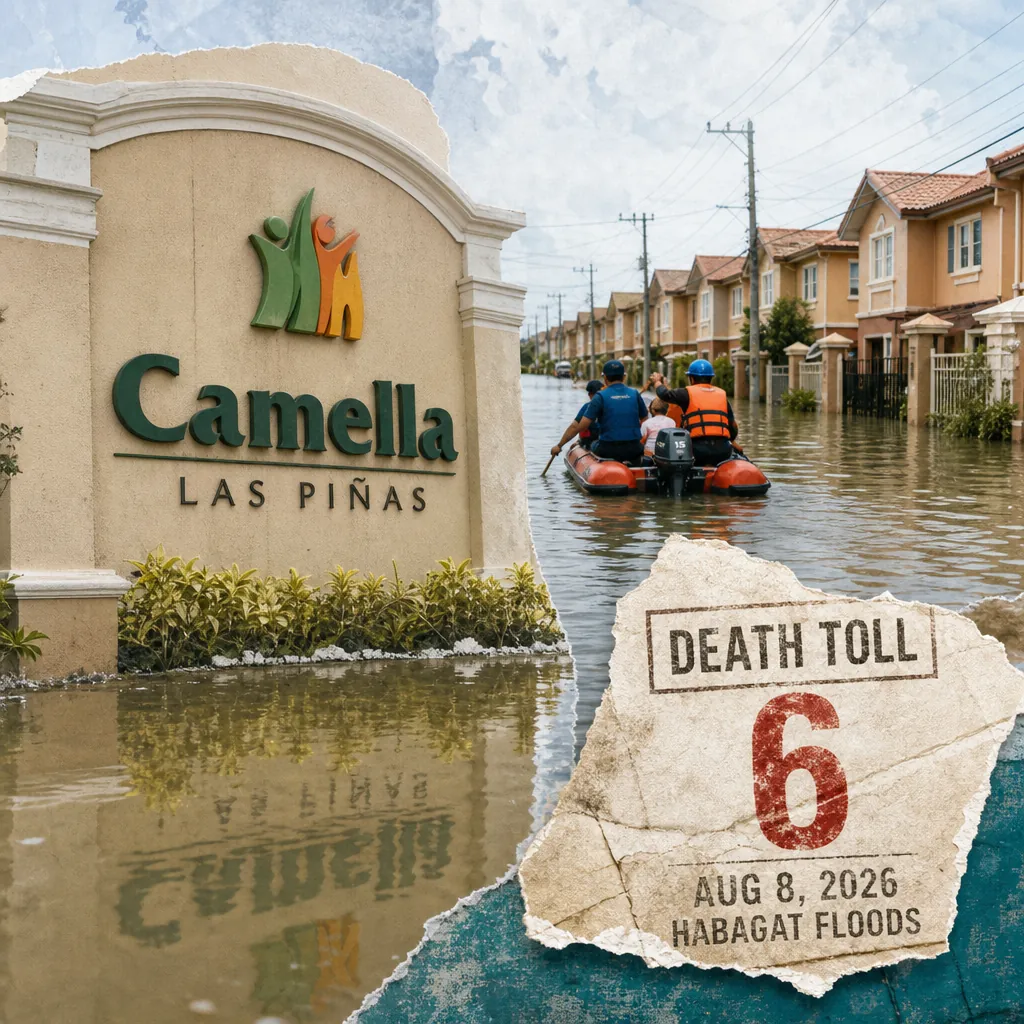
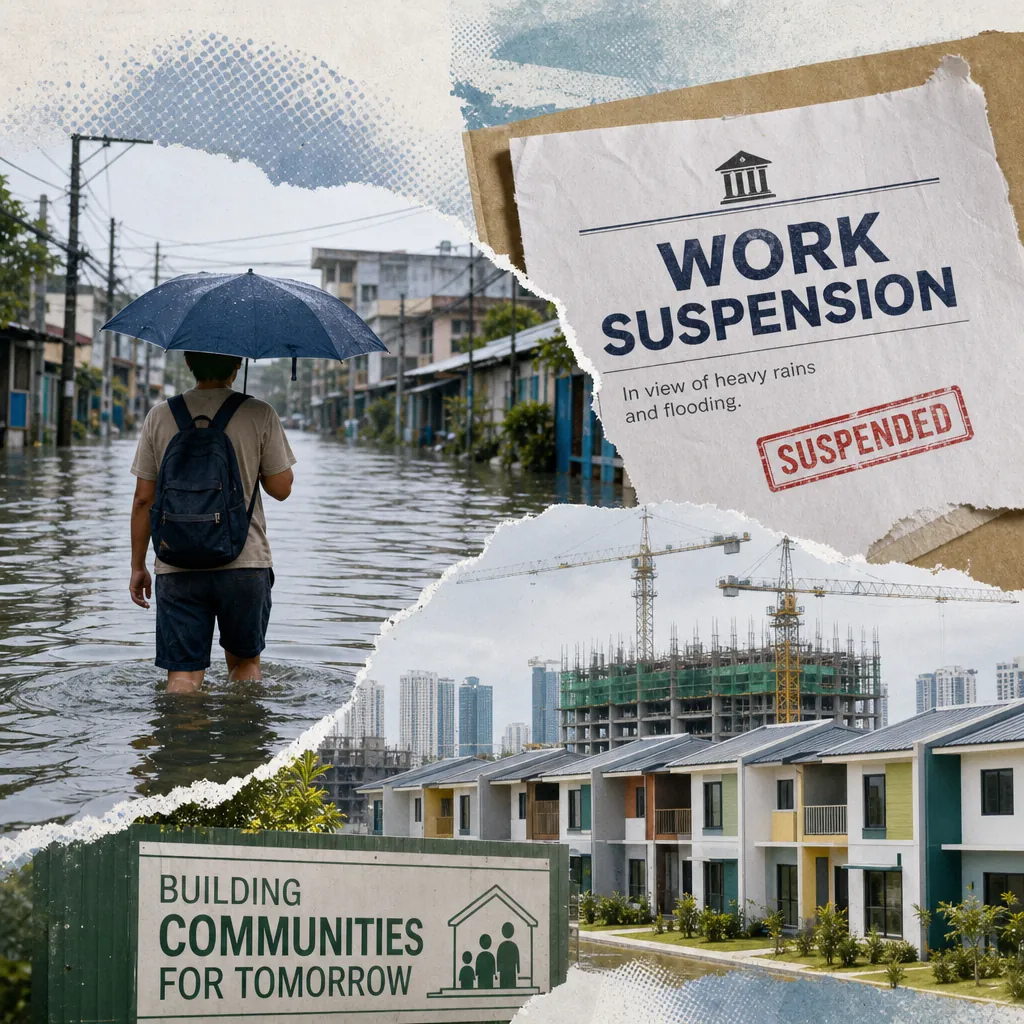
The southwest monsoon, known locally as Habagat, unleashed another day of punishing rain across Luzon on August 8, 2026, and the conversation online moved from weather reports to raw, personal accounts of flooding, displacement, and loss. The most striking moment came from a Facebook post by Las Piñas City Update showing waist-deep water inside Camella 3D, a residential community in Barangay Pulang Lupa Dos, Las Piñas. The post drew 309 likes, 103 shares, and 221 comments, with a reaction breakdown that captured the public mood: 189 "sad" reactions against 175 "haha" reactions. That near-even split between sympathy and bitter mockery signaled a public that was both grieving for affected families and cynical about a branded housing development being caught unprepared. The naming of Camella—a flagship brand of Vista Land—turned a general flood story into a specific reputational liability, as the image of a well-known developer's community underwater circulated widely.
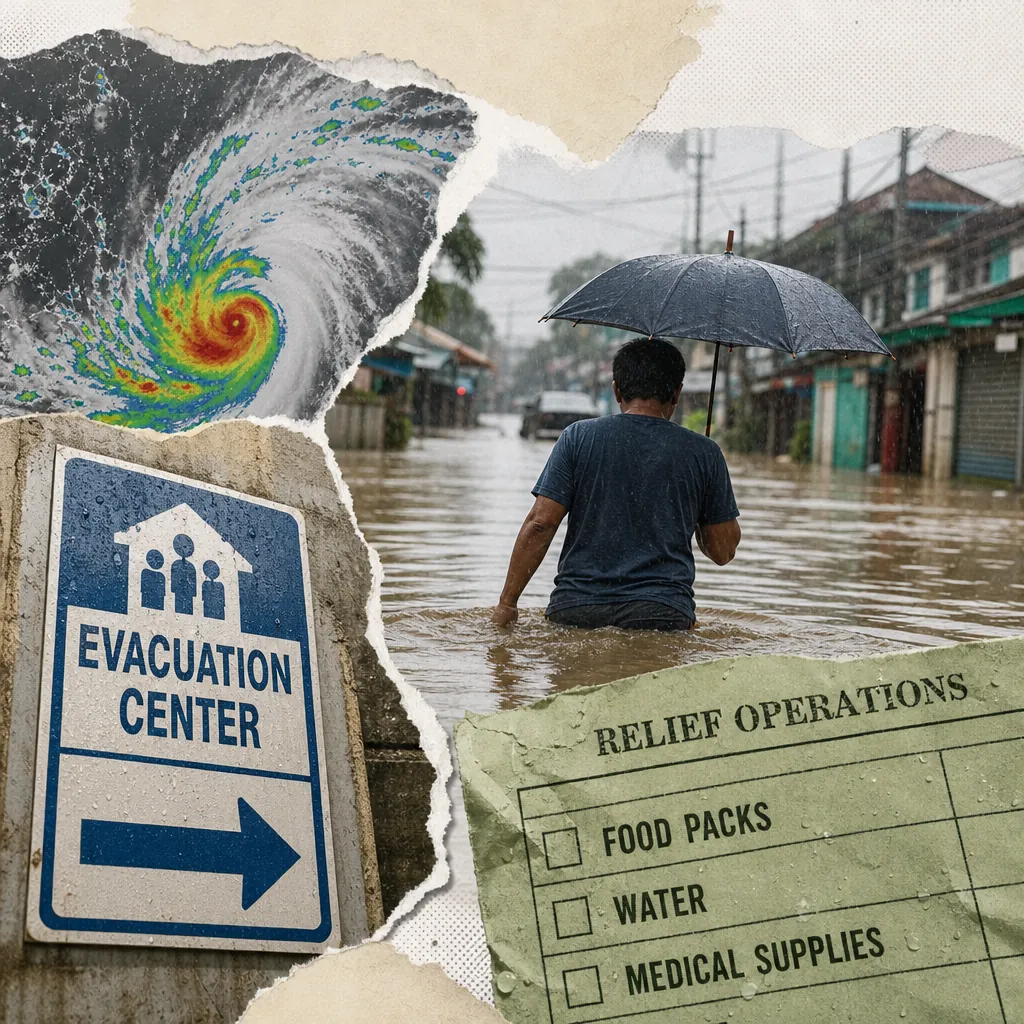
The human toll was stark. The National Disaster Risk Reduction and Management Council (NDRRMC), the government agency that coordinates disaster response, reported six deaths: two in La Trinidad, Benguet from a landslide; two in Rodriguez, Rizal from a rockslide; and two in La Union from drowning and electrocution. Seven others were injured. More than 261,000 people across eight regions—including Ilocos, Cagayan Valley, Central Luzon, Bicol, Zamboanga Peninsula, the Cordillera Administrative Region, Mimaropa, and Calabarzon—were affected, with 7,580 individuals taking shelter in 83 evacuation centers. These figures, reported by multiple news outlets including ABS-CBN News, One News PH, and Philstar, gave the day's social media posts a grim statistical backdrop.
The flooding also exposed a gap between official assurances and on-the-ground reality. Public Works Secretary Vince Dizon and MMDA General Manager Nicolas Torre III inspected a collapsed wall along EDSA Ayala and cited improvements in drainage on Araneta Avenue and parts of Taft Avenue, but Dizon acknowledged, "Marami pa ring areas na binabaha. Hindi naman mawawala nang overnight ito" (There are still many areas that flood. This won't disappear overnight). Meanwhile, in Parañaque, residents criticized rescue teams for delayed response and inadequate equipment. One resident, Margaux Brioso, told ABS-CBN News she called at 8:47 PM and rescuers arrived much later, a complaint that resonated with others who felt abandoned. The contrast between government claims of progress and residents' lived experience of rising water became a central tension of the day.
Key themes
- Branded housing communities face flood exposure: The Camella 3D flooding post in Las Piñas became the day's most engaging item, directly linking a major real estate brand to flood vulnerability. The 103 shares and 221 comments showed active discussion, while the reaction mix of 189 sad and 175 haha reactions suggested a public caught between empathy and disbelief. This shifted the narrative from general flooding to specific brand liability, a reputational risk for Vista Land and similar developers.
- Government response under scrutiny: Official updates from the MMDA and DPWH highlighted drainage improvements, but residents in Parañaque and Hagonoy, Bulacan reported slow rescue response and unaddressed flooding. A homeowners association president in Hagonoy emotionally appealed to the government, noting residents were already leaving their homes. The gap between official messaging and on-the-ground reality fueled public frustration.
- Mounting public cynicism toward flood management: A sarcastic Reddit post directed at Angat Dam—"Go ANGAT!!! Cheering for you !!!"—and the flood of "haha" reactions on the Camella post both signaled growing bitterness about recurring floods. Public discourse shifted from sympathy to dark humor within a single day, a dangerous dynamic for any institution perceived as responsible for flood mitigation.
- Humanitarian crisis deepens: The NDRRMC reported six deaths and over 261,000 affected people, with 7,580 in evacuation centers. News coverage from ABS-CBN, Philstar, and One News PH detailed landslides, drownings, and electrocutions, while the Philippine Red Cross ramped up rescue and relief operations. The scale of displacement underscored the severity of the monsoon's impact.
- Infrastructure resilience becomes a public demand: Flooding of national roads, a technical institute, and even a funeral service being postponed due to floodwaters demonstrated that the conversation moved beyond inconvenience to disruption of essential services. Buyers and residents increasingly expect proof of drainage capacity and flood mitigation, not just promises.
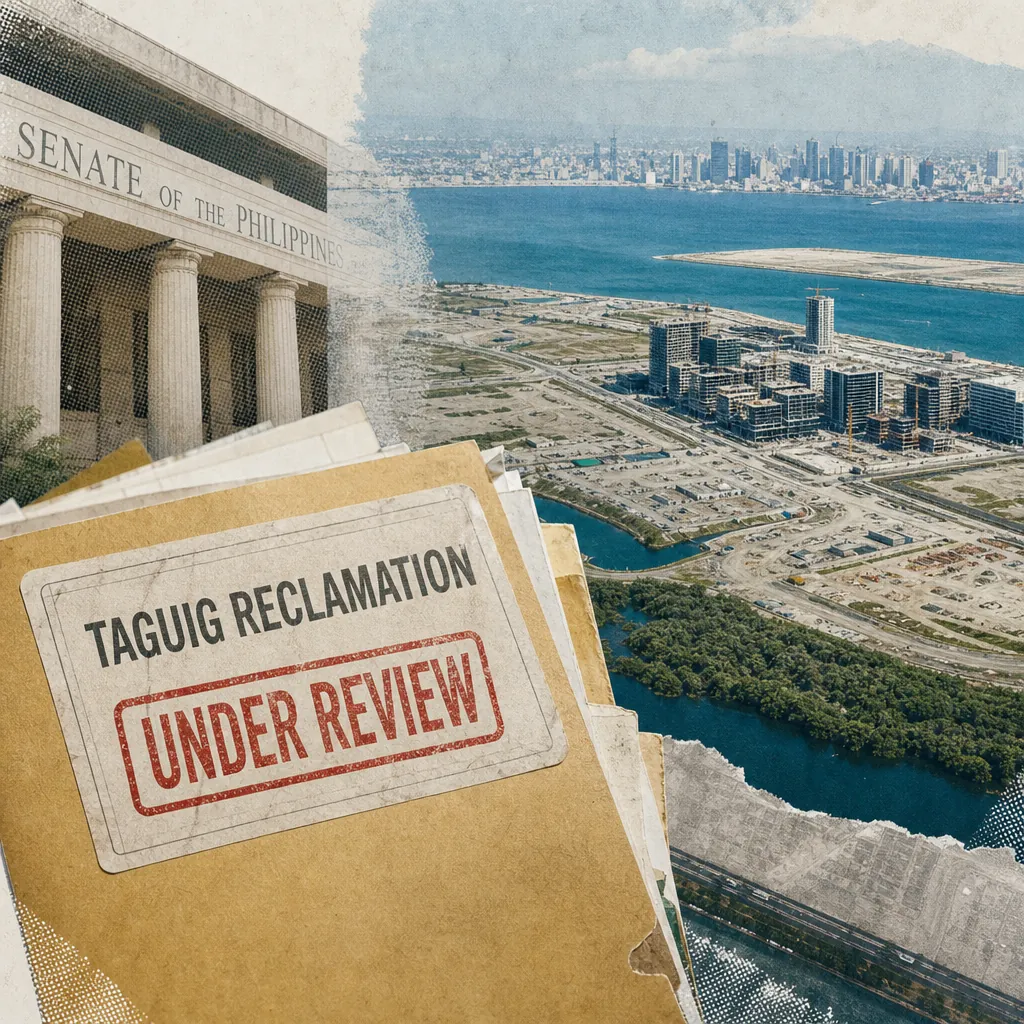
- Political controversy over lakeshore development: A Senate Minority Leader's defense of a lakeshore development in Taguig City drew 1,327 views on Twitter and 33 likes with 49 comments on Facebook, with 63 "haha" reactions indicating public skepticism. The debate over whether such projects protect or harm Laguna Lake could reshape discourse around developments near water bodies.
- Government housing programs offer a counter-narrative: Amid the flood crisis, positive stories emerged about the government's housing initiatives. PH1 World Developers topped off Tower 1 of Avesta Residences in Imus, Cavite, under the 4PH program, and the Daily Tribune featured families moving into Peoples Ville in Davao City. These stories provided a contrast to the flood narrative, though they also raised questions about building in flood-prone areas.
- Consumer and infrastructure deals continue: The DOTr secured a deal with the Villar Group for the Las Piñas LRT station, and Pag-IBIG Fund partnered with Landers Superstore for loyalty perks. These developments, while not directly flood-related, showed that business continued amid the crisis, though the flood context colored public perception of infrastructure projects.
How the narratives stack
Dominant: The flood crisis, driven by the southwest monsoon, dominated both social media and news coverage. The Camella flooding post was the single most engaging item, while news outlets reported on deaths, displacement, and rescue operations. The narrative centered on the human toll and the failure of infrastructure to cope with heavy rain, with the branded community angle adding a sharp reputational edge.
Counter-narrative: Government and official sources pushed back with messages of progress and proactive response. The DPWH and MMDA highlighted drainage improvements, and local disaster offices in Calatrava, Romblon conducted inspections. The Philippine Red Cross reported active rescue operations. These messages aimed to reassure the public, but they often clashed with residents' experiences of delayed help and persistent flooding.
Emerging: The sarcasm and cynicism directed at dams, weather agencies, and developers represented an emerging narrative of institutional distrust. The Reddit post mocking Angat Dam and the "haha" reactions on the Camella post suggested that the public was increasingly blaming management decisions, not just weather, for flooding. This could evolve into broader demands for accountability and transparency.
Suppressed: Within the captured set, there was little coverage of the long-term causes of flooding, such as deforestation, unplanned urbanization, and inadequate drainage master plans. While the political debate over the lakeshore development touched on these issues, the day's coverage focused on immediate response rather than systemic solutions. This under-covered angle is crucial for understanding why floods recur.
Platform insights
- Facebook: Facebook was the primary platform for documenting flooding, with the Camella 3D post achieving the highest engagement of the day. The Las Piñas City Update page served as a key source, while local government pages like the Calatrava MDRRMO posted official updates with lower engagement. The platform's reaction buttons allowed users to express a range of emotions, from sadness to laughter, revealing the public's complex mood.
- Reddit: Reddit shifted from technical monitoring to emotional and sarcastic commentary. The Hagonoy homeowners appeal drew 22 likes and 8 comments, while the Angat Dam sarcasm drew 12 likes. Reddit users focused on systemic criticism, blending humor with frustration about infrastructure readiness. The platform's format allowed for more detailed discussions, though engagement was modest.
- X (Twitter): The political debate over the lakeshore development generated 1,327 views on Twitter, with 33 likes. While engagement was lower than Facebook, Twitter served as a space for political figures and commentators to frame the issue, with the senator's defense of the project circulating widely.
- YouTube: While not explicitly mentioned in the monitoring writeup, video content from ABS-CBN News and other outlets likely played a role in documenting the floods. The Parañaque rescue video, uploaded by Mikelista Vlogs, was referenced in news articles, suggesting that user-generated video content amplified the crisis.
Key voices and communities
- Flood-affected residents and community advocates: Residents in flood-prone areas like Cavite, Las Piñas, and Bulacan were the most active and emotionally engaged group. Their posts documented flooded barangays, impassable roads, and displacement, drawing hundreds of engagements. The Hagonoy homeowners association president's appeal to the government highlighted the human cost, while the Camella post showed how residents' experiences could become viral content.
- Government oversight and policy actors: Senators and local officials monitoring development activities, particularly the lakeshore development in Taguig, formed a smaller but influential group. Their statements on protecting natural resources or promoting development shaped public discourse, though skepticism was evident in the "haha" reactions.
- Local government and emergency response entities: Municipal disaster risk reduction offices (MDRRMOs) and the MMDA provided authoritative updates on road conditions and flood levels. Their posts, while lower in engagement, guided public behavior and offered a counterpoint to the crisis narrative. The Calatrava MDRRMO's proactive monitoring was a notable example.
- Weather-awareness and infrastructure monitors: A niche community on Reddit engaged in technical discussions about rainfall patterns and dam levels. Their data-driven approach contrasted with the emotional responses of affected residents, but their sarcastic engagement with Pagasa's flood monitoring page revealed frustration with perceived insufficient warnings.
Narrative streams
The Camella Flood: A Brand Under Water
The flooding of Camella 3D in Las Piñas was the day's most significant social media event, not just for its engagement numbers but for what it represented. Camella is a well-known mass housing brand under Vista Land, and the image of its community submerged in waist-deep water directly challenged the brand's promise of quality, secure living. The post's 103 shares meant the image spread far beyond the original audience, potentially reaching prospective buyers who might now associate Camella with flood risk. The reaction breakdown—189 sad, 175 haha, 15 care—was telling. The near-equal split between sadness and laughter suggested a public that was both sympathetic to the residents and cynical about the developer's preparedness. This cynicism was amplified by the absence of any visible developer response in the collected posts, leaving the narrative to unfold without a counter from Vista Land.
For the real estate sector, this was a wake-up call. Flooding inside a branded community resonates more strongly than generic flood reports, as evidenced by the higher engagement on this post compared to others. Within the next 30 days, any flood-related post mentioning a named developer could generate outsized engagement, making it imperative for developers to have crisis communication plans ready. The emotional mix also indicated that a defensive response would backfire; any communication must lead with empathy and concrete actions, not justifications.
Government Response: Progress vs. Reality
The government's messaging on August 8 was a study in contrasts. On one hand, DPWH Secretary Vince Dizon and MMDA General Manager Nicolas Torre III inspected a collapsed wall along EDSA Ayala and cited improvements in drainage on Araneta Avenue and parts of Taft Avenue. Dizon's statement, "Marami pa ring areas na binabaha. Hindi naman mawawala nang overnight ito," acknowledged the ongoing problem while highlighting progress. On the other hand, residents in Parañaque criticized rescue teams for delayed arrival and inadequate equipment. Margaux Brioso's complaint that she called at 8:47 PM and rescuers arrived much later was echoed by others, suggesting a systemic issue.
The Hagonoy, Bulacan situation added another layer. A homeowners association president, Luisito Juliano, emotionally appealed to the government, noting that residents were already leaving their homes due to persistent flooding. This narrative of residential abandonment directly contradicted real estate marketing that emphasizes community and permanence. For developers with projects in such areas, the sustained negative visibility could impact preselling performance and buyer confidence.
The government's response also included the Philippine Red Cross, which reported active rescue and relief operations across affected provinces. Chairman Richard Gordon highlighted efforts to rescue stranded residents and even pets, while Secretary General Dr. Gwendolyn Pang noted monitoring of water levels and landslide risks in Oriental Mindoro, Zambales, Romblon, and Cavite. These efforts provided a counterpoint to the criticism, but the overall impression was of a system struggling to keep up.
The Human Toll: Deaths and Displacement
The NDRRMC's report of six deaths and over 261,000 affected people was a sobering backdrop to the day's social media activity. The deaths included two in La Trinidad, Benguet from a landslide, two in Rodriguez, Rizal from a rockslide, and two in La Union from drowning and electrocution. Seven injuries were also reported. These figures, widely covered by ABS-CBN News, One News PH, and Philstar, underscored the severity of the monsoon's impact.
The displacement of 7,580 individuals to 83 evacuation centers highlighted the scale of the crisis. For many, the flooding meant not just inconvenience but the loss of homes and livelihoods. The emotional weight of these stories was captured in the Hagonoy appeal and the Camella post, but the sheer numbers also pointed to a systemic vulnerability. The Philippines' geography and infrastructure make it prone to flooding, but the recurring nature of these events raises questions about whether enough is being done to mitigate the risks.
Political Controversy: Lakeshore Development and Pax Silica
Amid the flood crisis, political debates continued over development projects. A Senate Minority Leader defended a lakeshore development in Taguig City against criticism from a fellow senator, framing it as intended to "protect Laguna Lake and benefit the public." The post drew 1,327 views on Twitter and 33 likes with 49 comments on Facebook, with 63 "haha" reactions indicating public skepticism. This debate could reshape discourse around township projects and mixed-use developments near water bodies, especially given the flood context.
Separately, the proposed Pax Silica hub—a US-led AI and industrial enclave in New Clark City—continued to generate controversy. Deputy Minority Leader Antonio Tinio opposed the project, calling it a "dumping ground" for American AI hubs, while the DICT argued it was possible and beneficial. Cebu City Mayor Nestor Archival clarified that his city's AI workforce preparation did not mean endorsement of Pax Silica. These debates, while not directly flood-related, intersected with concerns about development and environmental impact.
Business and Infrastructure Deals Amid the Crisis
Despite the floods, business continued. The DOTr secured a deal with the Villar Group for the Las Piñas LRT station, with the group accepting conditions including an unconditional entry permit and lifting the mortgage on donated land. Transport Secretary Giovanni Lopez emphasized that commuters were the real winners. Pag-IBIG Fund partnered with Landers Superstore to offer loyalty card holders discounts, aiming to stretch household budgets. These stories provided a sense of normalcy, but the flood context meant that infrastructure projects, especially those in flood-prone areas, were viewed with added scrutiny.
Conversation trajectory
Observation window: 2–4 weeks. The immediate aftermath of the flooding will likely see continued coverage of recovery efforts and any additional rainfall. The Camella post may generate follow-up stories and resident testimonials, sustaining the narrative that branded developments are not immune to flooding. Prospective buyers may begin cross-referencing flood-prone zones with specific township and subdivision names, impacting sentiment for projects in Imus, Bacoor, and similar low-lying corridors.
Observation window: 30–60 days. The next major typhoon or enhanced monsoon event will reactivate flooding conversations and attach them to specific project locations. Expect discussions to evolve from "is the area flood-prone?" to "what specific engineering solutions have been deployed?" Developers with projects in affected regions should prepare to answer technical questions about drainage, elevation, and flood mitigation.
Observation window: 6–12 months. The sarcastic and adversarial framing toward flood response may bleed into broader institutional accountability. During the next typhoon season, any developer or government entity perceived as building in flood-prone areas without adequate mitigation could face viral backlash. The political debate over lakeshore development and Pax Silica may also intensify, shaping the regulatory environment for future projects.
Trigger events: The next major typhoon or enhanced monsoon event; continued heavy rainfall warnings from the weather bureau; follow-up coverage of the Camella flooding; any legislative or regulatory actions stemming from the lakeshore development debate; and the release of the NDRRMC's final report on the August 2026 floods.
Response guidance
For real estate developers and communicators, the August 8 conversation crystallized a direct reputational threat. The Camella flooding post demonstrated that a single viral image can associate a brand with flood vulnerability, regardless of direct responsibility. To mitigate this risk, developers should:
- Activate crisis communication protocols for any branded communities in flood-affected areas. A proactive post acknowledging the situation, outlining concrete flood mitigation measures, and offering direct assistance to affected homeowners could mitigate reputational damage. Avoid defensiveness; lead with empathy and resident safety.
- Develop geo-targeted flood resilience messaging for all projects in monsoon-prone regions. Highlight elevation data, drainage infrastructure, and community-level flood preparedness programs in marketing materials. This counters the association between these areas and uninhabitable conditions.
- Monitor social channels for brand mentions and respond quickly to prevent the cynical "haha" narrative from becoming dominant. Set up alerts for area names combined with developer keywords, and prepare response frameworks for when the brand is directly tagged.
- Engage with local government disaster risk reduction offices as partners in community safety communications. Amplifying official updates positions developers as community-minded partners without commercial messaging.
- Prepare technical content about engineering resilience, design standards, and drainage infrastructure. Reddit and other forums may host detailed discussions; respond only when directly relevant, with factual information.
- Avoid commenting on emotionally charged posts unless a specific client property is named. The Hagonoy appeal and the Angat Dam sarcasm demand purely empathetic engagement, if any.
- Proactively release "rain preparedness" content through developer channels—safety tips, information on how drainage systems work, and clear instructions on reporting concerns. This positions the developer as a responsible partner without drawing attention to any specific incident.
- Be transparent about environmental compliance for projects near water bodies. The public skepticism toward the lakeshore development defense suggests that evidence-based communication about environmental impact is essential.
- Monitor the Hagonoy, Bulacan situation closely as it escalates. The homeowners association president's appeal could attract broader media and political attention, amplifying scrutiny on all developments in the area. Consider proactive engagement with community leaders to understand concerns and develop collaborative solutions.
- Prepare for the next weather event by having preemptive Q&A content ready. The conversation will reactivate with the next typhoon, and being prepared positions developers as transparent and proactive rather than reactive.
See the full picture behind today's signals.
This report draws from Media Meter's MediaWatch, our real-time monitoring engine tracking 2,470+ Philippine sources across print, broadcast, digital, and social. Explore how the platform turns raw coverage into decision-grade intelligence, then see how it's configured for teams like yours — whether you're in PR agencies, corporate comms, government, or marketing.
Want more? Browse our Report Library for sector and crisis intelligence, or request a demo and we'll have your brand set up before the call.
Want this kind of intelligence on your brand?
This brief is built on the same MediaWatch methodology that runs continuously across every brand we monitor. See your competitive landscape, Impact Score, and narrative trajectory in a 30-minute demo.