Habagat floods, wall collapse, and political turmoil
A day of severe monsoon flooding across Luzon, a collapsed EDSA wall, and political upheaval over confidential funds and the VP impeachment trial.
The conversation on August 8, 2026, was dominated by two simultaneous crises: the relentless southwest monsoon (habagat) that flooded large parts of Luzon, and a political firestorm over confidential funds, the impeachment trial of Vice President Sara Duterte, and revelations about the 2022 election alliance. On social media, the day began with official weather advisories from PAGASA and escalated into a real-time flood watch, with citizens sharing evacuation notices, road conditions, and pleas for help. Meanwhile, political news outlets and commentators dissected the latest twists in the impeachment trial and the alleged "destabilization plot" against President Marcos, drawing intense public engagement and skepticism.
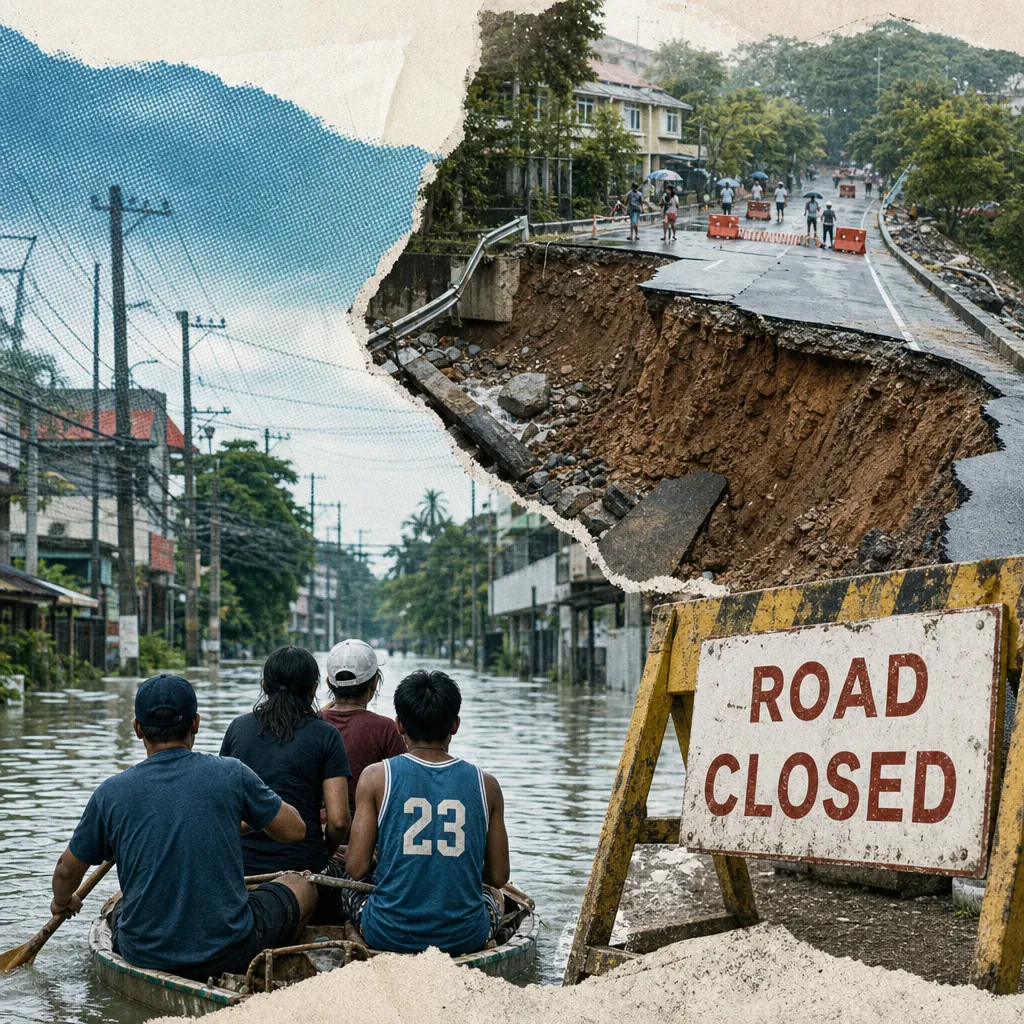
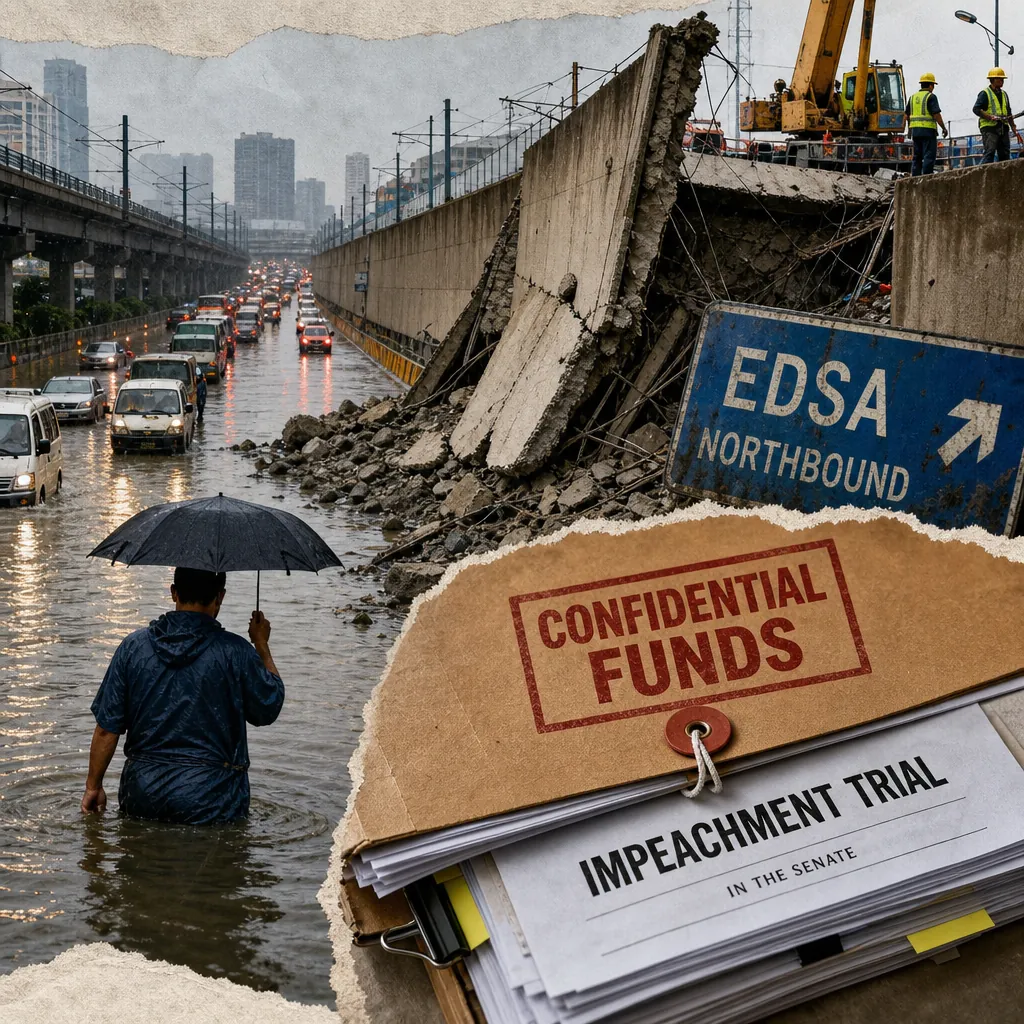
The flooding narrative was anchored by the collapse of a wall along EDSA-Ayala in Makati, which the Department of Public Works and Highways (DPWH) Secretary Vince Dizon said was made of substandard materials—"Hardiflex lang ito, drywall lang ito"—sparking outrage and mockery online. The wall collapse, which affected two lanes of the major thoroughfare, became a symbol of infrastructure fragility under monsoon rains. At the same time, the Marikina River reached first alarm level, and the La Mesa Dam approached spilling point, threatening low-lying areas. The National Disaster Risk Reduction and Management Council (NDRRMC) reported six deaths from the combined effects of typhoons Luis and Maymay and the southwest monsoon, with two in Benguet, two in Rizal, and two in La Union. By evening, the death toll had climbed to seven with the recovery of a minor who drowned in Ilocos Sur.
On the political front, the day's biggest social media moment came from House Majority Leader Sandro Marcos, who revealed on a radio interview that in 2022, an official of the Duterte administration demanded control over key government positions in exchange for supporting his father's presidential bid. The revelation, which drew over 500 upvotes on Reddit, fueled speculation about the transactional nature of the UniTeam coalition and its eventual breakup. Concurrently, former Senate President Franklin Drilon's criticism of confidential and intelligence funds (CIF) as "one of the most abused parts of the national budget" resonated widely, with a Facebook post drawing 82 likes and 65 "haha" reactions, reflecting public cynicism. The impeachment trial of Vice President Sara Duterte continued to generate headlines, with the prosecution panel expressing confidence in its witnesses and challenging the defense to explain an audit query meeting under oath.
The day's coverage, as captured in the monitored articles, was heavily weighted toward online news outlets, with the Inquirer, ABS-CBN News, and Manila Bulletin leading in volume. The total advertising-equivalent value of the captured items was substantial, with the most prominent stories—such as the death toll report and the wall collapse—drawing significant coverage. However, this sample reflects the monitoring configuration, which prioritized major online news sources, and may not fully represent broadcast or print coverage.
Key themes
- Monsoon flooding and infrastructure failures: The enhanced southwest monsoon brought widespread flooding across Luzon, from Metro Manila to Mindoro and Romblon. The collapse of the EDSA-Ayala wall, attributed to substandard materials, highlighted the vulnerability of urban infrastructure. The DPWH and MMDA cited progress in flood mitigation but acknowledged that the problem persists.
- Government response and public trust: Local government units and national agencies like the MMDA and PAGASA were active in disseminating warnings and coordinating evacuations. However, public sentiment was mixed, with some posts drawing "haha" reactions to serious incidents, indicating fatigue and skepticism about government competence.
- Confidential funds and corruption allegations: The debate over confidential and intelligence funds (CIF) intensified, with former Senate President Drilon calling them the most abused part of the budget. The impeachment trial of Vice President Sara Duterte, which involves allegations of CIF misuse, remained a central topic, with the prosecution and defense trading barbs.
- Political alliances and the UniTeam breakup: Sandro Marcos's revelation about the 2022 endorsement conditions sparked widespread discussion about political horse-trading. The narrative of a fractured ruling coalition gained traction, with implications for governance and upcoming elections.
- Weather system anxiety and preparedness: Beyond the immediate flooding, the public was concerned about the low-pressure area outside the Philippine Area of Responsibility (PAR) that could develop into a typhoon. PAGASA's advisories drew significant engagement, with users seeking information on future threats.
- Provincial impact and solidarity: Flooding in provinces like Romblon, Zambales, and Ilocos Sur drew attention, with local officials and residents sharing updates. The public showed empathy for affected communities, with "care" reactions on posts about rescue and clearing operations.
- Infrastructure development skepticism: The LRT-1 Las Piñas station agreement between the Villar Group and DOTr drew 90 likes but 70 "haha" reactions, reflecting public doubt about project delivery. The "ghost projects" narrative, amplified by celebrity Bianca Gonzalez, linked infrastructure spending to corruption.
- Election security in BARMM: A village councilman was shot dead amid the election gun ban in Maguindanao del Sur, raising concerns about the upcoming Bangsamoro parliamentary elections. Soldiers underwent cultural sensitivity training ahead of deployment, highlighting the security challenges in the region.
How the narratives stack
Dominant: The monsoon flooding and its immediate impacts—deaths, evacuations, infrastructure failures—dominated the day's conversation. The wall collapse along EDSA-Ayala was a visual symbol of the crisis, drawing both concern and mockery. The NDRRMC's death toll report and the widespread flooding in provinces like Zambales and Mindoro were covered extensively across online news outlets, with high engagement on social media. This narrative was the most consequential, affecting daily life and safety.
Counter-narrative: Amid the crisis, there was a notable pushback against the "systemic fragility" narrative. The DPWH and MMDA highlighted improvements in flood mitigation, citing specific areas like Araneta Avenue and Taft Avenue where drainage works have reduced flooding. This counter-narrative aimed to reassure the public that interventions are working, though it was met with skepticism given the visible flooding.
Emerging: The political turmoil around confidential funds and the impeachment trial is an emerging narrative that could overshadow the flooding in the coming weeks. The Sandro Marcos revelation and the CIF debate are gaining momentum, with potential to reshape public perception of the administration. The upcoming Senate trial and possible Ombudsman cases will likely sustain this narrative.
Suppressed: The story of the BARMM election security, including the shooting of a village councilman, received relatively low engagement compared to the flooding and political news. This under-covered story is significant for regional stability and the integrity of the upcoming elections, but it was overshadowed by the day's more dramatic events.
Platform insights
- Facebook: Official news outlets and government pages dominated, with posts from PAGASA, MMDA, and local governments receiving moderate engagement. Posts about local government response, such as the Odiongan meeting, outperformed generic advisories, indicating a preference for localized, actionable information. The "haha" reactions on serious posts, like the wall collapse, revealed public cynicism.
- Twitter/X: Served as a real-time alert system, with brief updates on the landslide in Taguig, the Marikina River alarm, and the wall collapse. View counts on these posts reached over 1,000, showing the platform's role in immediate notification. Retweets of authoritative sources like @balitaphl amplified official information.
- Reddit: Carried the smallest volume but the most candid sentiment. Users sought practical advice on flood-safe routes and expressed sarcastic commentary on the recurring flooding. The Sandro Marcos revelation and the space program defense drew the most substantial debates, with hundreds of upvotes and comments, indicating a space for deeper analysis and frustration.
Key voices and communities
- Local Government Units and Disaster Response Officials: Municipal and city governments were primary sources of actionable information, with posts on evacuations, road conditions, and clearing operations. Their engagement was moderate to strong, reflecting community trust. The Marikina LGU's early warning and the MMDA's response to the wall collapse were notable.
- National Weather and Hazard Monitoring Agencies: PAGASA anchored the conversation with authoritative warnings, which were widely reposted. Despite lower direct engagement, their data-driven updates shaped downstream narratives. The public relied on them for accuracy, though some expressed frustration with the recurring cycle of flooding.
- Media Outlets and Journalistic Accounts: Traditional and digital media packaged raw data into accessible formats, reaching over a thousand views on some posts. They played a critical role in real-time crowd-sourcing and assistance coordination, with a focus on practical impact rather than political angles.
- Political Opposition and Accountability Advocates: This group, active on Reddit and Facebook, drove the corruption and CIF narratives. Their posts on ghost projects and the UniTeam breakup drew hundreds of upvotes and comments, framing governance as institutionally compromised. They are critical to monitor for reputational risk.
- Science and Technology Advocacy Community: A niche but passionate group defended the space program against criticism, with one post receiving 367 upvotes. They emphasized the practical benefits of space technology and countered anti-government sentiment with fact-based arguments, offering a constructive counter-narrative.
Narrative streams
The EDSA-Ayala Wall Collapse: A Symbol of Infrastructure Fragility
The collapse of a wall along EDSA-Ayala northbound in Makati on Saturday night was a turning point in the day's conversation. The wall, which gave way under heavy rains, occupied two lanes and prompted an immediate response from the MMDA and DPWH. Secretary Vince Dizon, inspecting the site, revealed that the structure was not made of concrete but of "Hardiflex" and drywall, materials designed to look like concrete but not structurally sound. "Hindi ito semento. Hardiflex lang ito, drywall lang ito. Parang, ang nangyari dito, kung sino man ang gumawa nito, pinapalabas nila na semento, pero hindi naman pala semento," he said. This revelation sparked outrage and mockery on social media, with posts drawing 12 "haha" reactions and comments questioning the quality of construction. The incident became a symbol of the fragility of urban infrastructure under sustained rainfall, and it raised questions about maintenance and oversight. The MMDA's General Manager Nicolas Torre III assured the public that updates would be provided, but the damage to public trust was evident. This narrative is likely to expand as damage assessments are completed, potentially reigniting debates on urban planning and public works quality.
The Death Toll and the Human Cost of the Monsoon
The human toll of the enhanced southwest monsoon became clearer on August 8, with the NDRRMC reporting six deaths from the combined effects of typhoons Luis and Maymay and the monsoon. Two deaths were recorded in La Trinidad, Benguet due to a landslide, two in Rodriguez, Rizal due to a rockslide, and two in La Union due to drowning and electrocution. By evening, the death toll climbed to seven with the recovery of a minor who drowned in Candon City, Ilocos Sur. The aerial view of the Benguet landslide, released by the La Trinidad MDRRMO, showed the extent of the devastation, with a wide stretch of mud and debris sweeping down the hillside. Over 260,000 people were affected by flooding, landslides, and other weather-related incidents. The deaths and displacement underscored the urgency of the crisis and the need for effective disaster response. The public's reaction was a mix of sadness and frustration, with "sad" reactions on posts about the deaths and "haha" reactions on posts about infrastructure failures, reflecting a weary coping mechanism.
The Confidential Funds Debate and the Impeachment Trial
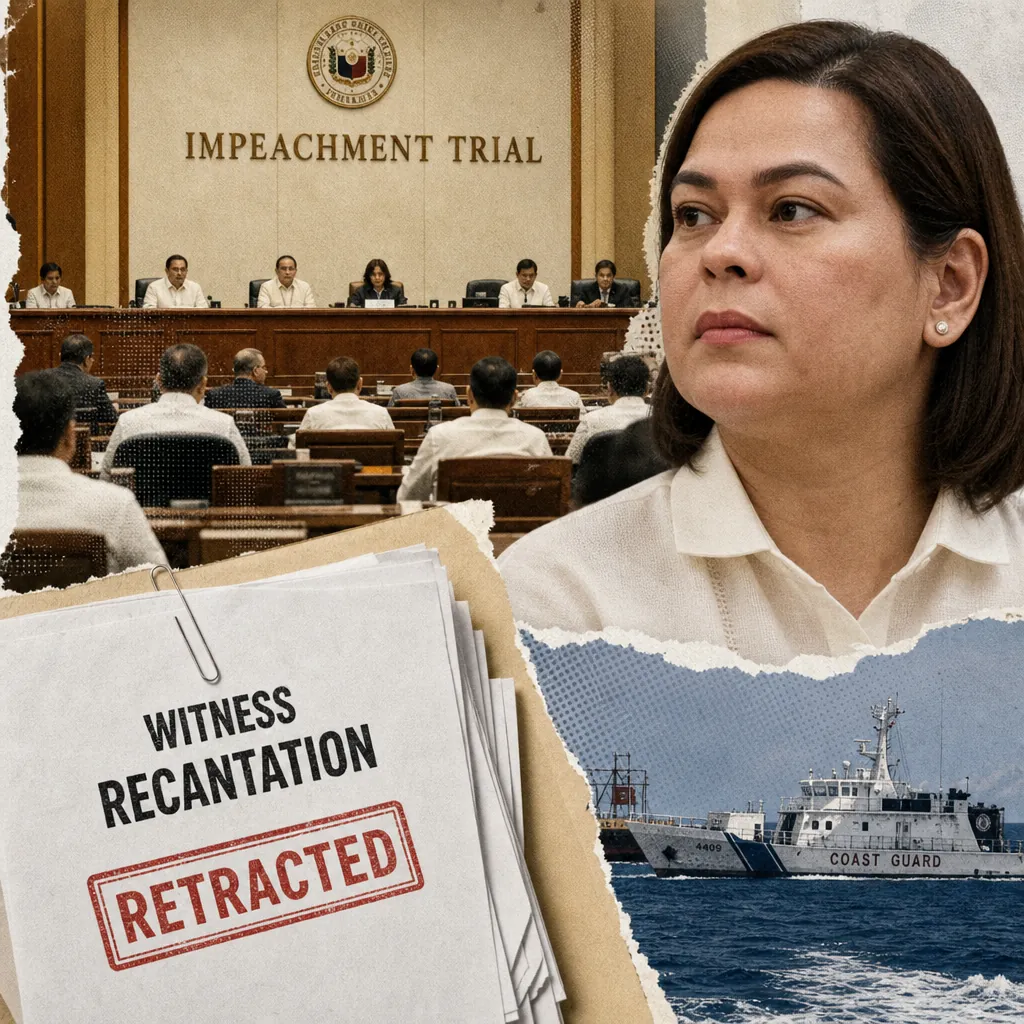
The political narrative on August 8 was dominated by the ongoing impeachment trial of Vice President Sara Duterte and the broader debate over confidential and intelligence funds (CIF). Former Senate President Franklin Drilon's statement that CIF is "one of the most abused parts of the national budget" resonated widely, drawing 82 likes and 65 "haha" reactions on Facebook. The trial itself saw the prosecution panel express confidence in its witnesses, with spokesperson Atty. Benjamin Tolosa Jr. challenging the defense to explain an audit query meeting under oath. The defense, meanwhile, faced scrutiny over the use of fictitious names on acknowledgment receipts for confidential funds, as revealed by former COA auditor Roderick Wamil. The narrative was further complicated by the "Maleta Boys" recantation, where four former bodyguards withdrew their affidavits, claiming they were pressured to testify. House Human Rights Committee Chairman Bienvenido Abante challenged them to name those behind the alleged fabrication. This multi-layered story of corruption and political maneuvering is likely to dominate media cycles in the coming weeks, especially as the Senate trial progresses.
The UniTeam Breakup and the 2022 Endorsement Conditions
A major social media moment came from House Majority Leader Sandro Marcos, who revealed on DZMM's Kwatro Alas that in 2022, an official of the Duterte administration agreed to support his father's presidential bid in exchange for the right to handpick the next Executive Secretary, House Speaker, and other key officials. "We were supposed to meet the President at the time, but instead, hinarap kami sa tatlong tao. Hindi ko na lang babanggitin kung sino," he said. The revelation, which drew over 500 upvotes on Reddit, fueled speculation about the transactional nature of the UniTeam coalition and its eventual breakup. Sandro Marcos also admitted he anticipated the coalition's dissolution, a statement that drew 404 views on Twitter. This narrative of political horse-trading and fractured alliances is significant for understanding the current political landscape, as it suggests that the Marcos-Duterte alliance was built on conditions that were not met, leading to the current tensions. The implications for governance and the 2028 elections are profound, as the public becomes more aware of the behind-the-scenes deals that shape leadership.
The Space Program Defense: A Rare Constructive Discourse
Amid the political noise and flooding crisis, a Reddit user's passionate defense of the Philippine space program offered a rare moment of constructive discourse. The user, u/AeroPhilStudent, noted the 2026 SONA announcement of the first liquid-fueled sounding rocket by 2027 and confronted critics who called it "useless." The post, which drew 367 upvotes and 55 comments, argued that space technology has practical benefits for weather forecasting, navigation, and disaster preparedness. "We Filipinos are destined for greatness. We deserve it!" the user declared. This narrative is significant because it shows that there is a constituency willing to support long-term government projects if framed credibly. It also provides a counterpoint to the blanket anti-government sentiment, suggesting that science and technology advocacy can help introduce balanced perspectives into polarized conversations. For communicators, this community offers a potential partnership avenue for highlighting tangible policy achievements.
The BARMM Election Security Concerns
The upcoming Bangsamoro parliamentary elections, scheduled for September 14, were overshadowed by the day's other events but remained a concern. A village councilman, Misuary Bago Mayuan, was shot dead in Maguindanao del Sur despite the election gun ban, drawing over 2,700 views on Twitter. The incident highlighted the security challenges in the region, where political violence is not uncommon. In response, soldiers from the Army's 28th Infantry Battalion underwent a cultural sensitivity seminar in Lanao del Sur, emphasizing the importance of understanding local customs in election security operations. Rasmila Cosain, a Department of Education specialist, said that "cultural sensitivity in election security operations is vital for operating troops." This narrative, while less dominant, carries significant implications for peace and order messaging, as the government seeks to ensure secure and orderly elections in conflict-affected areas.
Conversation trajectory
- Escalation of the corruption and confidential funds narrative: The discourse around CIF is intensifying, with prominent figures labeling it as one of the most abused parts of the budget. This narrative is converging with the impeachment trial and flood-control fund investigations, creating a multi-front accountability conversation that will likely peak during the Senate trial deliberations over the next 4-6 weeks. Expect the CIF discourse to frame budget advocacy and potentially complicate messaging around infrastructure and social services funding.
- Deepening fragmentation within the former ruling coalition: The revelations about the 2022 UniTeam formation conditions are generating significant traction, with one post receiving over 500 upvotes. This narrative, amplified by acknowledgment from a senior administration official that the coalition's dissolution was anticipated, indicates a sustained story arc that will likely intensify as the 2028 election positioning begins. For clients in banking and telecommunications, this political fragmentation may carry reputational risk if their brands become associated with either faction.
- Public infrastructure failures becoming corruption flashpoints: The physical manifestation of infrastructure decay—evidenced by the EDSA-Ayala wall collapse and recurring flood-control project controversies—is transforming into a powerful visual symbol of alleged government mismanagement. The fusion of celebrity advocacy (prominent personalities reminding the public about "ghost projects" during typhoon season) with traditional media coverage suggests this narrative will gain momentum with each successive weather event, particularly as La Mesa Dam approaches spilling levels and flood risks materialize.
- The BARMM election security narrative emerging as a distinct track: The convergence of election-related violence (including a village councilman shot dead amid the gun ban) with cultural sensitivity preparation for military deployments indicates a rising concern about electoral security that will intensify through the 2026 election cycle. This conversation track, while less dominant than national corruption narratives, carries significant implications for peace and order messaging.
Trigger events to watch: The next PAGASA heavy rainfall warning issuance schedule (expected within hours) will either provide relief or extend the current crisis narrative. The potential formation and entry of a new typhoon into PAR within the coming week will dramatically shift attention from local flooding to preparedness and potential landfall scenarios. Completion of infrastructure damage assessments, particularly regarding the EDSA-Ayala wall collapse, will reignite discourse on urban planning and maintenance standards. The Senate impeachment trial proceedings and any Ombudsman case filings will define the political narrative landscape for the remainder of the quarter.
Response guidance
For communicators in the public and private sectors, the following guidance is essential:
- Amplify real-time response narratives: Immediately coordinate with agency PIOs to push out verified, on-the-ground updates regarding clearing operations, road passability, and rescue efforts. The Romblon clearing operation and the MMDA's response to the wall collapse are model examples. Use short-form video content of responders in action; this is more compelling than press releases and directly counters narratives of government inaction.
- Proactively counter "systemic fragility" sentiment: The flood and wall collapse posts are generating cynical reactions. Launch a targeted information campaign explaining the specific infrastructure projects designed to mitigate such events (e.g., flood control upgrades, drainage improvements). Connect these recent incidents to the "Build Better More" agenda, framing them as validation for the need for accelerated infrastructure spending rather than evidence of its failure.
- Leverage LGU success stories for national messaging: Stories like Marikina's early warning system activation and Manila's detailed flood reporting are powerful examples of good governance. For national agencies, creating a "best practices" compilation and circulating it to LGUs via DILG channels can standardize communication quality, presenting a unified, competent government response across all levels.
- Manage the budget accountability conversation with transparency-focused messaging: The CIF discussion will continue to generate engagement, so proactive, consistent messaging about oversight mechanisms can preempt misinformation. This is critical because the conversation has cross-platform reach and high emotional resonance.
- Coordinate consistent messaging on judicial and political processes: Given the convergence of posts about the impeachment trial, the 2022 endorsement, and potential cases, it is essential that all communications demonstrate respect for judicial independence while avoiding alignment with any particular political faction.
- Issue timely public safety announcements related to the La Mesa Dam situation and severe weather impacts, ensuring that information is clear, actionable, and reaches affected communities through multiple channels.
- Monitor and address infrastructure-related narratives by acknowledging the EDSA-Ayala wall collapse and the LRT-1 development progress. These stories are factual, operational issues where response can demonstrate competence and responsiveness. Immediate, factual updates will help maintain public trust in infrastructure management.
- Engage with the science and technology advocacy community to counter blanket anti-government narratives with fact-based achievement stories. Amplifying their content or engaging with their frameworks could help introduce balanced perspectives into otherwise polarized conversations.
- Prepare scenario-based messaging for potential brand association with political factions, particularly given the intensifying UniTeam fragmentation narrative and its implications for reputational management.
- For the anticipated typhoon development, establish a coordinated monitoring and rapid-response protocol within the next 3-5 days that can be activated as soon as PAR entry is confirmed, focusing on preparedness messaging that counters the fatalistic tone emerging in some community discussions.
See the full picture behind today's signals.
This report draws from Media Meter's MediaWatch, our real-time monitoring engine tracking 2,470+ Philippine sources across print, broadcast, digital, and social. Explore how the platform turns raw coverage into decision-grade intelligence, then see how it's configured for teams like yours — whether you're in PR agencies, corporate comms, government, or marketing.
Want more? Browse our Report Library for sector and crisis intelligence, or request a demo and we'll have your brand set up before the call.
Want this kind of intelligence on your brand?
This brief is built on the same MediaWatch methodology that runs continuously across every brand we monitor. See your competitive landscape, Impact Score, and narrative trajectory in a 30-minute demo.