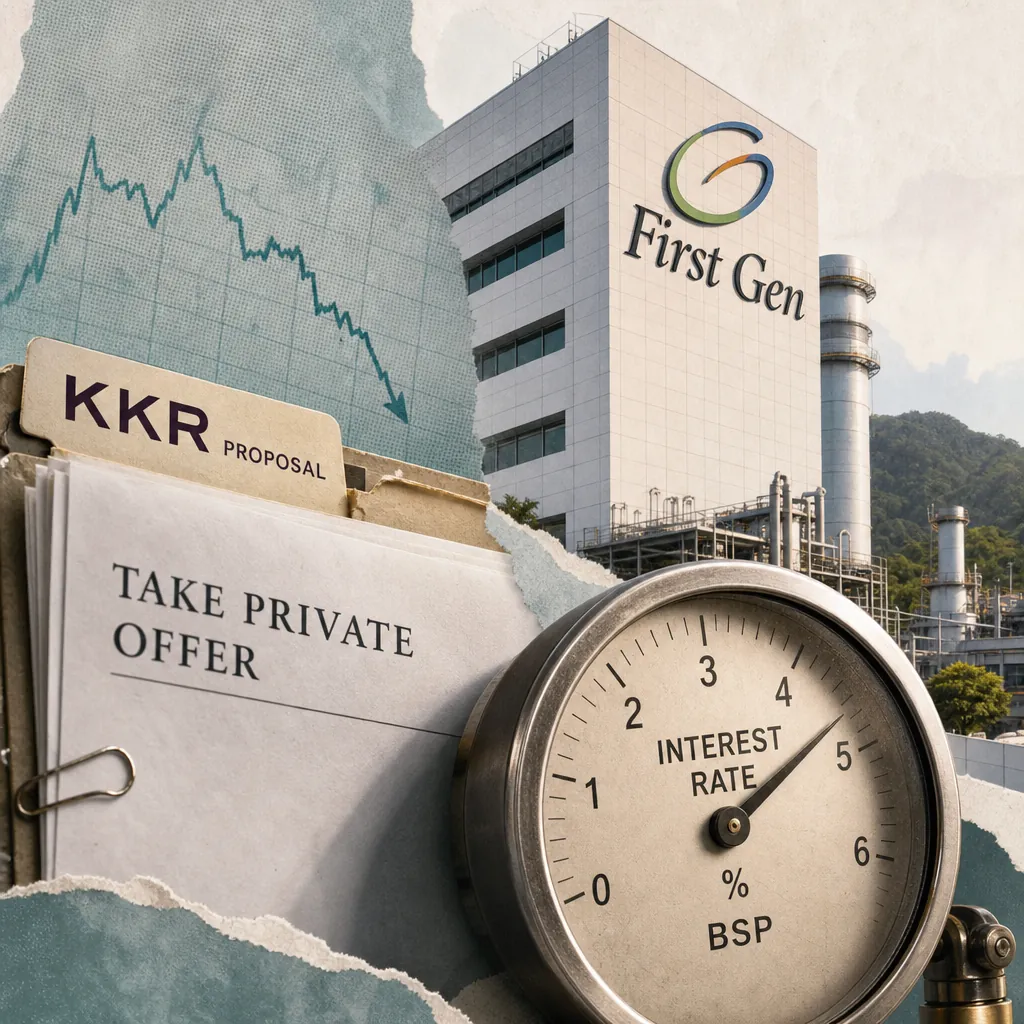
PH Economy Faces Growth Miss, Structural Reform Urged
A day of sobering economic news: GDP growth misses targets, FDI hits decade low, and experts call for structural reforms. Meanwhile, corporate earnings and capital raises show resilience.
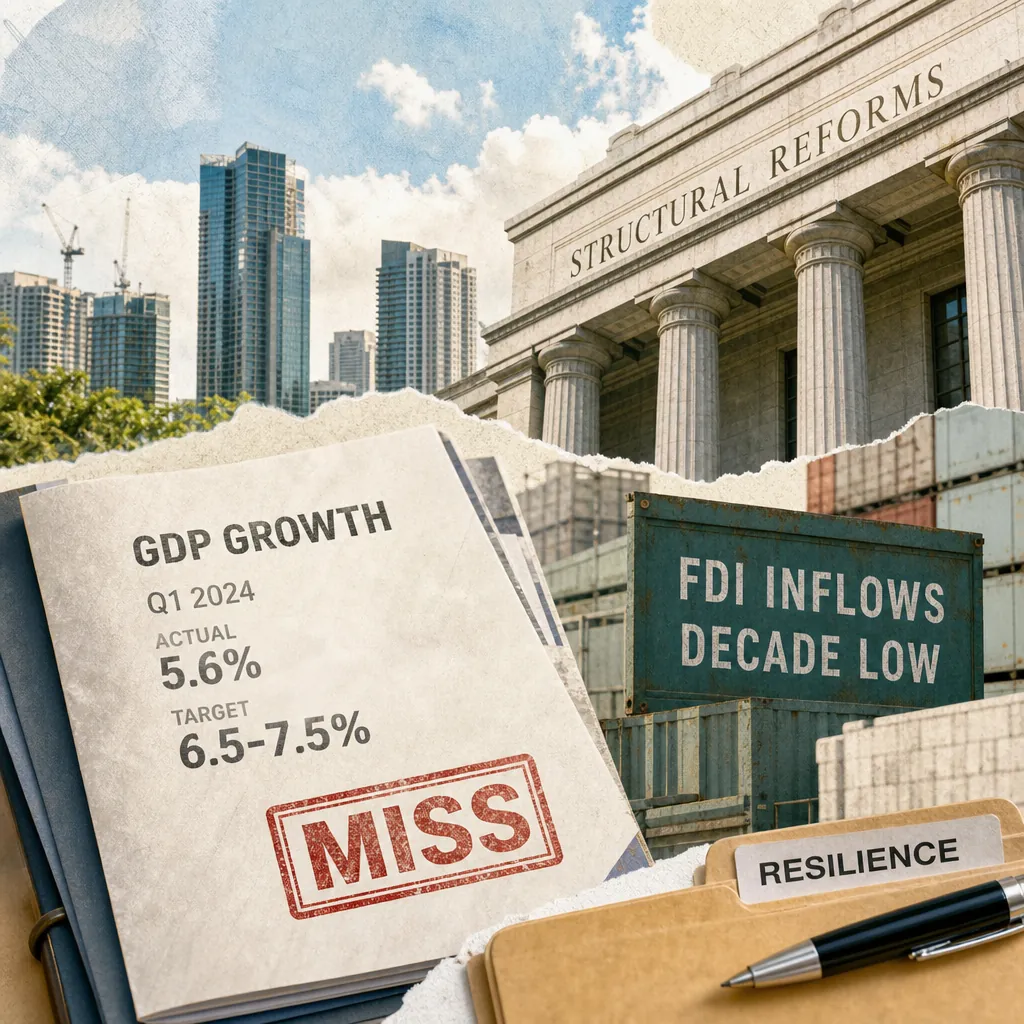
The conversation on August 12, 2026, was dominated by a sobering reassessment of the Philippine economy. The day's news cycle was led by a chorus of economists, former central bank officials, and business leaders grappling with a stark reality: the country's growth engine is sputtering, and the usual remedies—more government spending, catch-up programs—may no longer be enough. The trigger was the release of second-quarter gross domestic product (GDP) data showing the economy grew by only 2.3 percent, its weakest pace since 2009 outside the pandemic years. This figure, far below expectations, set off a wave of analysis and commentary across business pages and online news sites, with experts warning that the government's revised full-year target of 3.5 to 4.5 percent is now in serious jeopardy. The narrative was not just about a missed number; it was about the structural weaknesses—poor investment climate, governance issues, and a lack of productivity—that the slowdown has exposed. At the same time, the day brought a flurry of corporate news that painted a more nuanced picture: conglomerates reporting profit declines due to fuel and currency pressures, but also companies raising capital and investing in renewable energy, suggesting that while the macro environment is challenging, individual players are still positioning for the long term. The social media conversation, while not captured in the provided writeups, would likely have amplified these themes, with users sharing and commenting on the implications for jobs, prices, and their own financial security. This snapshot synthesizes the day's key narratives, from the GDP alarm to the corporate responses, and offers a forward-looking analysis of what it all means for the Philippine economy and its stakeholders.
See the full picture behind today's signals.
This report draws from Media Meter's MediaWatch, our real-time monitoring engine tracking 2,470+ Philippine sources across print, broadcast, digital, and social. Explore how the platform turns raw coverage into decision-grade intelligence, then see how it's configured for teams like yours — whether you're in PR agencies, corporate comms, government, or marketing.
Want more? Browse our Report Library for sector and crisis intelligence, or request a demo and we'll have your brand set up before the call.
Want this kind of intelligence on your brand?
This brief is built on the same MediaWatch methodology that runs continuously across every brand we monitor. See your competitive landscape, Impact Score, and narrative trajectory in a 30-minute demo.