Shrinkflation Signal Drowned Out by Quake and PBA Finals
On June 12, 2026, a single post about shrinkflation in Indonesia failed to gain traction in the Philippines, where social media was dominated by earthquake relief, PBA finals, and Independence Day events. The snapshot analyzes the conversation, key themes, and implications for consumer goods communicators.

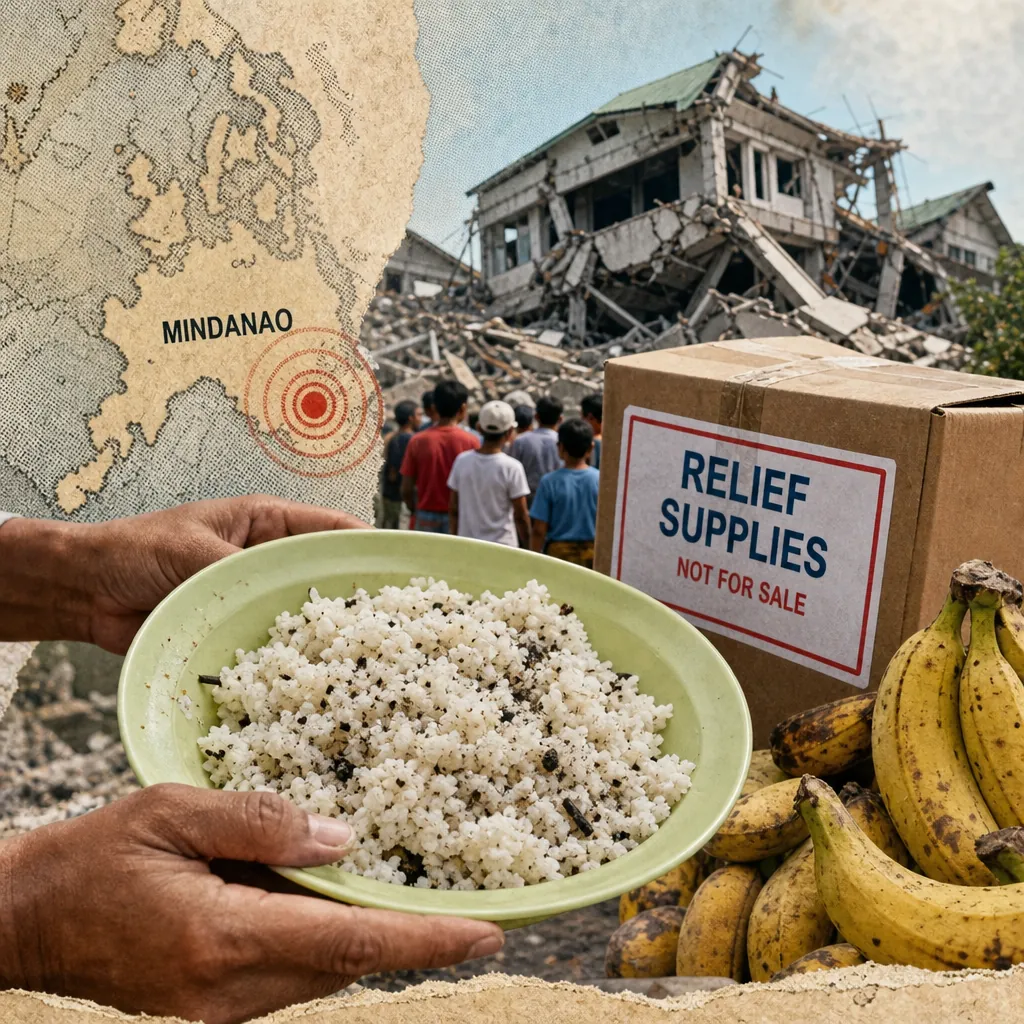
The social media conversation around shrinkflation began quietly on June 12, 2026, when nikkeiasia published a post noting that "shrinkflation -- when you get less product for your money -- is becoming more prevalent in Indonesia," linking to a Nikkei Asia article. This single post received only 4 likes and 4 shares, with no comments, suggesting minimal organic engagement from the Philippine audience at this stage. The timing is notable as it coincided with major earthquake relief operations in Davao Occidental and Balut Island, which dominated the Philippine social media landscape that same day — posts from ptvph and sunstardavaonews about rescue and relief efforts generated significantly higher engagement, with the Coast Guard rescue post alone receiving 79 likes and 9 love reactions. The shrinkflation narrative did not spark further discussion or reaction, as the Philippine conversation remained overwhelmingly focused on disaster response and humanitarian assistance.
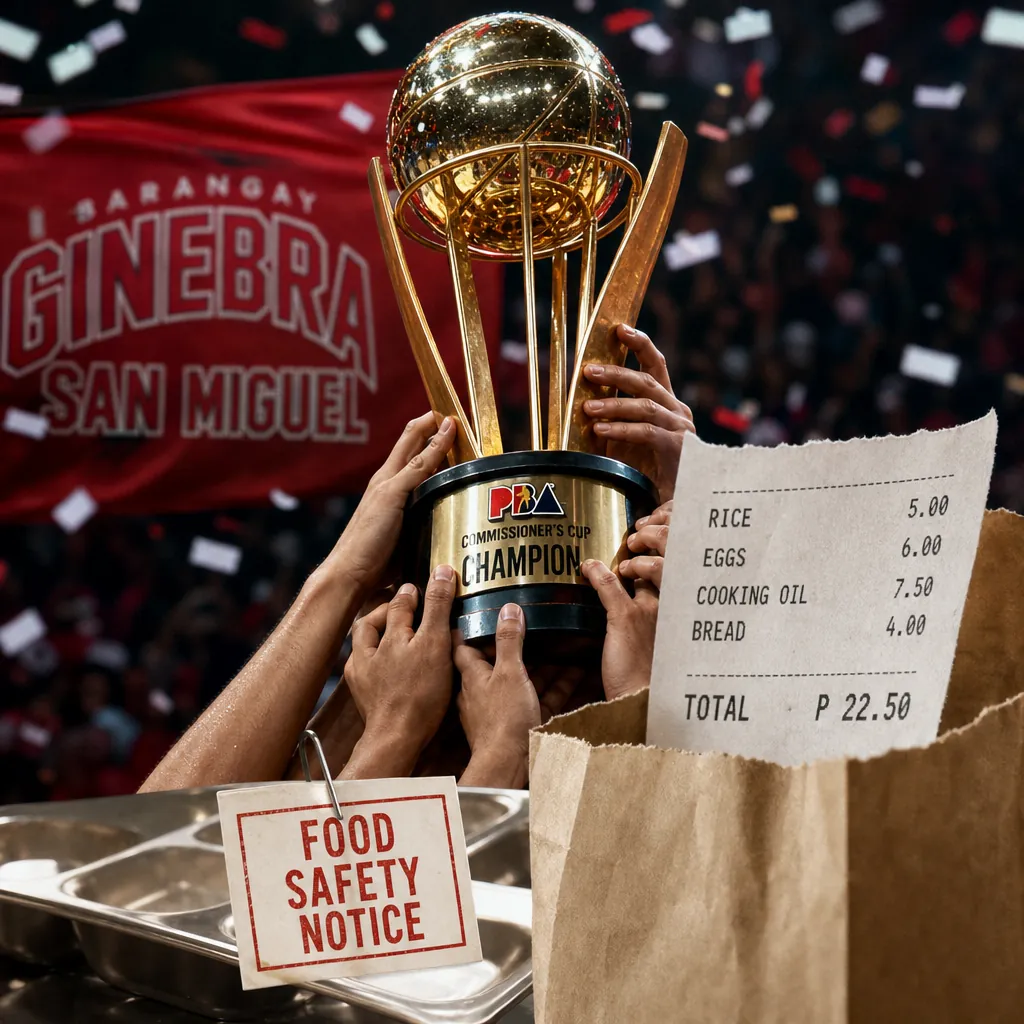
Meanwhile, the country was also celebrating its 128th Independence Day, with numerous brands launching campaigns tied to Filipino resilience and freedom. Tanduay launched its "Tagay ng Kalayaan" campaign, Jollibee celebrated with "Bida ang Pinoy," and the Daily Tribune held a pickleball tournament dubbed "Dink-dependence Day." The PBA Commissioners Cup finals between Barangay Ginebra and TNT Tropang 5G also drew massive attention, with Justin Brownlee scoring a career-high 54 points in Game 5, generating extensive media coverage across multiple outlets. These competing narratives effectively crowded out consumer-price discussions, as public attention shifted entirely to sports, national pride, and disaster assistance.
Conversation snapshot. On June 12, 2026, the only post directly related to shrinkflation was from nikkeiasia on Facebook, which received 4 likes, 4 shares, and 2 wow reactions, with zero comments. In contrast, earthquake relief posts from government agencies like ptvph and dswdfo11 garnered combined totals exceeding 100 reactions and 20 shares across multiple posts. The PBA finals coverage dominated news outlets, with at least 10 separate articles from major Philippine news organizations covering Brownlee's 54-point performance. Independence Day-related content from brands like Tanduay and Jollibee also saw significant engagement, though specific figures were not available in the monitoring data. The shrinkflation signal was effectively drowned out by these higher-urgency stories.
Key themes
- Shrinkflation Awareness (Emerging but Dormant) — The topic entered the Philippine social media feed on June 12, 2026, through nikkeiasia's post about Indonesia, but failed to gain traction amid competing crisis news. With zero comments and only 2 wow reactions, the conversation did not evolve into a broader discussion on Philippine consumer goods or local brands. The lack of local contextualization likely limited its relevance to Filipino audiences who were preoccupied with the Mindanao earthquake aftermath.
- Crisis Response Dominance — Throughout June 12, the Philippine social media conversation was anchored by government agencies and news outlets coordinating earthquake relief. Posts from civildefenseph, dswdfo11, and ptvph consistently received higher engagement, with dswdfo11's update on relief distribution gathering 14 love reactions and 11 shares. This context effectively crowded out consumer-price discussions, as public attention shifted entirely to disaster assistance and family food pack deliveries to Balut Island.
- PBA Finals Fever — The PBA Commissioners Cup finals between Barangay Ginebra and TNT Tropang 5G dominated sports news and likely social media feeds. Justin Brownlee's career-high 54 points in Game 5 was covered by every major Philippine news outlet, including ABS-CBN, GMA News, Philstar, Manila Bulletin, Manila Times, and Manila Standard. The game drew 18,039 fans at the Araneta Coliseum, and the series was tied 2-2 before Game 5, making it a high-stakes event that captured national attention.
- Independence Day Brand Campaigns — Multiple brands launched Independence Day campaigns on June 12, leveraging themes of Filipino resilience and freedom. Tanduay's "Tagay ng Kalayaan" campaign included special cocktail menus and an online film. Jollibee's "Bida ang Pinoy" campaign celebrated everyday Filipinos. These campaigns likely generated significant brand engagement, further diverting attention from consumer price issues.
- Earthquake Aftermath and Infrastructure Concerns — The magnitude 7.8 earthquake that struck off Sarangani on June 8 continued to dominate news, with the death toll at 47 and 38 missing as of June 12. The Philippine Iron and Steel Institute (PISI) called for immediate implementation of new steel bar standards (PNS 49:2026) to prevent building collapses in future quakes, citing the recent earthquake and a building collapse in Angeles City. This infrastructure safety narrative competed with consumer price discussions.
- Fuel Price Volatility — Global oil prices rose $2 per barrel after Iran closed the Strait of Hormuz, leading to expected gasoline price hikes of P0.50 to P1 per liter in the Philippines, while diesel prices were projected to drop by P3.5 to P4 per liter. The Department of Energy noted uncertainty in price movements, and the Service Contracting Program for public utility jeepney drivers was highlighted as a mitigating measure. This directly impacts consumer costs and could amplify shrinkflation concerns in the coming weeks.
- Rice Price Cap Extension — The Department of Agriculture recommended extending the P50-per-kilo maximum suggested retail price (MSRP) for rice beyond its June 30 expiration. The price cap was implemented to curb profiteering and keep rice affordable, but it is seen as a temporary measure that does not address supply and production issues. This policy directly affects household budgets and could become a flashpoint for consumer frustration.
- Consumer Savings Hacks Trending — Viral grocery "hacks" on social media, particularly around pandamart deals offering up to 50% off essentials, gained traction on platforms like Threads and Reddit. Users shared tips on stretching household budgets, indicating growing price sensitivity among Filipino consumers. This trend suggests that shrinkflation conversations could gain momentum if local brands announce packaging changes or price increases.
How the narratives stack
Dominant narrative — The dominant narrative on June 12, 2026, was the earthquake response in Mindanao, with government agencies and news outlets coordinating relief efforts. The magnitude 7.8 earthquake that struck on June 8 caused widespread damage, with 47 confirmed deaths and 38 missing as of June 12. The Department of Social Welfare and Development (DSWD) delivered 20,000 family food packs to Glan, Sarangani, and the Department of Transportation ordered immediate rehabilitation of Mabila Port on Balut Island. This humanitarian crisis dominated social media feeds and news coverage, pushing consumer economic issues to the margins.
Counter-narrative — The counter-narrative was the celebration of Independence Day, which provided a positive, patriotic counterpoint to the disaster coverage. Brands like Tanduay and Jollibee launched campaigns celebrating Filipino resilience, while the PBA finals offered sports entertainment. The Daily Tribune's pickleball tournament, dubbed "Dink-dependence Day," also contributed to a festive atmosphere. This narrative emphasized national pride and perseverance in the face of adversity, subtly reframing the earthquake response as a demonstration of Filipino strength rather than a crisis.
Emerging narrative — The emerging narrative is growing consumer price sensitivity, signaled by the viral grocery hacks on pandamart and the ongoing discussion about fuel and rice prices. While shrinkflation itself did not gain traction on June 12, the underlying conditions — rising fuel costs, potential rice price cap expiration, and consumer search for savings — suggest that value-for-money conversations are building. The Indonesian shrinkflation report may be a leading indicator for the Philippines, as regional trends often precede local developments.
Suppressed narrative — The suppressed narrative is the potential for widespread shrinkflation in Philippine consumer goods. Despite the Nikkei Asia report on Indonesia, no local brands or consumer advocates picked up the topic on June 12. This may be because the earthquake and Independence Day events dominated attention, but it could also indicate that Filipino consumers have not yet connected packaging changes to shrinkflation. The lack of discussion does not mean the issue is absent; rather, it suggests that a trigger event — such as a major brand announcing a package size reduction — could catalyze a rapid conversation shift.
Platform insights
Facebook — The only platform with relevant data showed a fragmented landscape on June 12, 2026, where the shrinkflation post from nikkeiasia stood isolated against a backdrop of high-engagement disaster content. Government pages like ptvph and dswdfo11 dominated feeds with relief operation updates, receiving combined totals exceeding 100 reactions and 20 shares across multiple posts, indicating that users prioritized humanitarian news over consumer economics. The shrinkflation post's low engagement (4 likes, 4 shares, 2 wow) suggests that Facebook users were not primed for this topic, or that the post's framing (focusing on Indonesia) did not resonate locally.
News Websites — Major Philippine news outlets (ABS-CBN, GMA News, Philstar, Manila Bulletin, Manila Times, Manila Standard, Inquirer, Daily Tribune) extensively covered the PBA finals, earthquake aftermath, and Independence Day events. At least 10 articles focused on Justin Brownlee's 54-point game, indicating that sports content generated significant reader interest. News coverage of fuel prices, rice price caps, and steel standards also appeared, but these were not as prominent as the disaster and sports stories. The volume of news articles on consumer economics was relatively low compared to the dominant narratives.
Threads and Reddit — According to a blog post, budget-conscious Filipinos were sharing grocery hacks on Threads and Reddit, with pandamart deals gaining buzz. Users posted about "sulit" (worth it) grocery finds and tips for stretching household budgets. This indicates that price sensitivity is a live topic on these platforms, even if it did not break into mainstream news. The post noted that one user wrote, "Nag-trend na bigla tong pandamart dito sa Threads ngayong week & honestly in this economy? Sulit to!" suggesting that the conversation was organic and growing.
Key voices and communities
- Government Agencies and Officials — The Department of Social Welfare and Development (DSWD), Office of Civil Defense (OCD), Philippine Coast Guard, and Department of Transportation were key voices in the earthquake response narrative. Their posts on Facebook received high engagement, and they were quoted extensively in news articles. DSWD Secretary Rex Gatchalian provided updates on relief goods delivery, while Transportation Secretary Giovanni Lopez ordered port rehabilitation. These voices commanded authority and trust during the crisis.
- Sports Media and PBA Entities — ABS-CBN Sports, GMA Sports, Philstar Sports, Manila Bulletin Sports, and other outlets drove the PBA finals conversation. Justin Brownlee, as the star player, was the central figure, with his career-high 54 points generating widespread coverage. Coaches Tim Cone (Ginebra) and Chot Reyes (TNT) also provided quotes, adding strategic depth to the narrative. The PBA's official statistician, Fidel Mangonon III, provided historical context, noting that 77% of teams taking a 3-2 lead in a best-of-seven PBA Finals went on to win the title.
- Consumer Brands and Marketers — Tanduay and Jollibee were active with Independence Day campaigns. Tanduay's "Tagay ng Kalayaan" campaign included cocktail menus and an online film, while Jollibee's "Bida ang Pinoy" campaign celebrated everyday Filipinos. These brands leveraged national pride to connect with consumers, but did not address price or value directly. Their campaigns likely reinforced positive brand sentiment without engaging in the shrinkflation conversation.
- Industry Groups and Advocates — The Philippine Iron and Steel Institute (PISI) called for immediate implementation of steel bar standards (PNS 49:2026) to prevent building collapses in future earthquakes. The Federation of Free Farmers (FFF) raised concerns about fertilizer supply and prices, adding to the cost-of-living narrative. These groups represent sector-specific interests that could amplify consumer price concerns if they align with broader economic issues.
- Independent Media and Bloggers — Digital Filipina, a blog, covered the viral grocery hacks trend on Threads and Reddit, highlighting pandamart deals. This voice represents the grassroots consumer conversation that is often missed by mainstream media. The blog's focus on budget-friendly shopping tips indicates a growing community of price-conscious consumers who share information on social media.
Narrative streams
Shrinkflation in Indonesia: A Leading Indicator?
On June 12, 2026, Nikkei Asia published an article noting that shrinkflation — reducing product quantity while maintaining price — is becoming more prevalent in Indonesia. The article was shared on Facebook by nikkeiasia but received minimal engagement: 4 likes, 4 shares, and 2 wow reactions, with no comments. The lack of traction suggests that Philippine audiences were not primed for this topic, possibly because the post focused on a neighboring country rather than local brands.
However, the Indonesian trend is significant for the Philippines because the two countries share similar economic pressures: rising fuel costs, supply chain disruptions, and a cost-of-living crisis. If Indonesian manufacturers are resorting to shrinkflation, Philippine manufacturers may follow suit, especially given the global inflation environment. The post's low engagement does not diminish its potential as a leading indicator; rather, it suggests that the conversation has not yet reached a tipping point in the Philippines.
The timing of the post — coinciding with a major earthquake and Independence Day — likely suppressed its visibility. But as the crisis recedes and consumers return to normal routines, the shrinkflation topic could resurface, especially if local brands announce packaging changes or price increases. The Nikkei Asia article may serve as a reference point for future discussions, providing a regional context for what could become a domestic issue.
Earthquake Response and Infrastructure Safety
The magnitude 7.8 earthquake that struck off Sarangani on June 8, 2026, remained the dominant news story on June 12. The death toll stood at 47, with 38 missing, and relief operations were ongoing in hard-to-reach areas like Balut Island. The Department of Social Welfare and Development (DSWD) delivered 20,000 family food packs to Glan, Sarangani, and prepositioned 2,000 more. The Department of Transportation ordered immediate rehabilitation of Mabila Port, which was severely damaged.
The earthquake also sparked a conversation about building safety. The Philippine Iron and Steel Institute (PISI) called on the Department of Trade and Industry (DTI) to immediately implement PNS 49:2026, a new national standard for steel bars that would ban non-seismic grades in construction. PISI argued that the standard was urgently needed following the earthquake and a building collapse in Angeles City that killed at least 30 people. This narrative ties directly to consumer safety and could influence public perception of construction quality and government regulation.
PBA Finals: Ginebra vs. TNT
The PBA Commissioners Cup finals between Barangay Ginebra and TNT Tropang 5G was a major sports story on June 12. In Game 5, Justin Brownlee scored a career-high 54 points to lead Ginebra to a 100-95 overtime victory, giving them a 3-2 series lead. The game drew 18,039 fans at the Araneta Coliseum, and coverage was extensive across all major Philippine news outlets.
Brownlee's performance was described as "magical" and "historic," with his previous career-high being 51 points. He also had 14 rebounds and 5 assists. The win put Ginebra one victory away from the championship, with Game 6 scheduled for June 14. The series had been tied 2-2 after TNT won Game 4, making Game 5 pivotal. According to PBA chief statistician Fidel Mangonon III, 77% of teams that take a 3-2 lead in a best-of-seven PBA Finals go on to win the title.
This sports narrative dominated news cycles and likely social media feeds, drawing attention away from consumer economic issues. The high engagement with sports content suggests that Filipinos were seeking entertainment and distraction amid the earthquake crisis.
Independence Day Brand Campaigns
June 12, 2026, marked the Philippines' 128th Independence Day, and several brands launched campaigns tied to the occasion. Tanduay's "Tagay ng Kalayaan" campaign included special cocktail menus at two bars in Poblacion, Makati, and an online film celebrating Filipino perseverance. Jollibee's "Bida ang Pinoy" campaign honored everyday Filipinos who demonstrate courage and resilience. The Daily Tribune held a pickleball tournament called "Dink-dependence Day" at The Dink Lab Elite in Kawit, Cavite.
These campaigns leveraged national pride and positive sentiment, reinforcing brand loyalty without addressing price or value. They likely generated significant engagement on social media, further crowding out the shrinkflation conversation. The campaigns also reflect a broader trend of brands aligning with cultural moments to build emotional connections with consumers.
Fuel and Rice Price Pressures
On the economic front, fuel prices remained volatile. Global oil prices rose $2 per barrel after Iran closed the Strait of Hormuz, leading to expected gasoline price hikes of P0.50 to P1 per liter in the Philippines, while diesel prices were projected to drop by P3.5 to P4 per liter. The Department of Energy noted uncertainty in price movements, and the Service Contracting Program for public utility jeepney drivers was highlighted as a mitigating measure.
Meanwhile, the Department of Agriculture recommended extending the P50-per-kilo maximum suggested retail price (MSRP) for rice beyond its June 30 expiration. The price cap was implemented to curb profiteering and keep rice affordable, but it is seen as a temporary measure that does not address supply and production issues. An editorial in Sunstar noted that the price cap could lead to supply shortages if not accompanied by stronger agricultural support.
These economic pressures directly affect household budgets and could amplify consumer sensitivity to shrinkflation. If fuel and rice prices remain high, consumers may become more vigilant about value for money in other categories, including packaged foods and beverages.
Conversation trajectory
Next 2-4 weeks: The shrinkflation conversation is likely to remain dormant as long as the earthquake response dominates news cycles. However, as relief operations wind down and the PBA finals conclude, attention may shift back to economic issues. The Indonesian shrinkflation report could resurface as a reference point if local brands announce packaging changes or price increases. The viral grocery hacks trend on Threads and Reddit suggests that price sensitivity is already present among a segment of consumers, and this could amplify if mainstream media picks up the shrinkflation angle.
Next 4-6 weeks: The expiration of the rice price cap on June 30 could be a trigger event. If the cap is not extended and rice prices rise, consumer frustration may spill over into other categories, including packaged foods. The Department of Agriculture's recommendation to extend the cap indicates awareness of this risk, but no final decision has been made. Additionally, the next food price index release from the Philippine Statistics Authority (PSA) could provide data that fuels shrinkflation discussions.
Trigger events that would reshape the conversation:
- Any public announcement from major Philippine food manufacturers (e.g., San Miguel Corporation, Monde Nissin, Jollibee Foods Corporation) regarding packaging changes or price increases.
- A viral social media post comparing product sizes over time, similar to the "shrinkflation" threads seen in other countries.
- A government price advisory or consumer warning about shrinkflation, which would legitimize the topic and drive media coverage.
- A significant rise in fuel or rice prices that increases overall cost-of-living concerns.
Response guidance
Platform approaches:
- Facebook: Proactively share educational content explaining shrinkflation — what it is, why it happens, and how consumers can identify it. Use infographics comparing product sizes over time to build trust and preempt frustration. Respond to complaints by redirecting to value-focused messaging, such as highlighting budget-friendly options or loyalty programs.
- Twitter/X: Create a pinned tweet with a simple infographic comparing product volume over time to show transparency. Use hashtags like #Presyo or #Shrinkflation to join ongoing conversations. Engage with food bloggers and consumer advocates by thanking them for raising valid concerns and sharing factual responses.
- YouTube: Publish a short video (under 60 seconds) from a company representative explaining how input cost pressures affect production, while reaffirming commitment to affordable quality. Annotate existing product videos with pinned comments that clarify net weight changes and link to nutritional or value comparison pages.
Key messages:
- "We understand that every peso counts. Any changes in packaging are driven by rising raw material costs; we continue to focus on maximizing value for our customers."
- "Our products undergo strict quality checks, and we are transparent about net weight and ingredients so you can make informed choices."
- "We offer a range of budget-friendly meal options and promos to help stretch your food budget without compromising taste."
- "We are committed to listening to consumer feedback and will continue to balance affordability with the quality you expect from us."
Sensitive topics to navigate:
- Avoid directly denying shrinkflation; instead, acknowledge consumer perception and explain the economic context without sounding dismissive.
- Be careful not to compare prices or sizes with competitors in a way that could appear misleading or confrontational.
- Do not blame external factors (e.g., government policies, supply chain) excessively; focus on what the brand is doing to mitigate impact.
Response priorities:
- Monitor and address shrinkflation claims early — When a post goes viral about smaller sizes, respond quickly with a factual, empathetic statement to control the narrative.
- Amplify value alternatives — Promote specific value meal bundles, cashback promos, or sari-sari store packs to shift conversation from "less product" to "better value."
- Educate via owned channels — Use the brand's official Facebook and YouTube to publish a straightforward explainer on why packaging changes happen, linking to DTI or FDA guidelines for credibility.
See the full picture behind today's signals.
This report draws from Media Meter's MediaWatch, our real-time monitoring engine tracking 2,470+ Philippine sources across print, broadcast, digital, and social. Explore how the platform turns raw coverage into decision-grade intelligence, then see how it's configured for teams like yours — whether you're in PR agencies, corporate comms, government, or marketing.
Want more? Browse our Report Library for sector and crisis intelligence, or request a demo and we'll have your brand set up before the call.
Want this kind of intelligence on your brand?
This brief is built on the same MediaWatch methodology that runs continuously across every brand we monitor. See your competitive landscape, Impact Score, and narrative trajectory in a 30-minute demo.