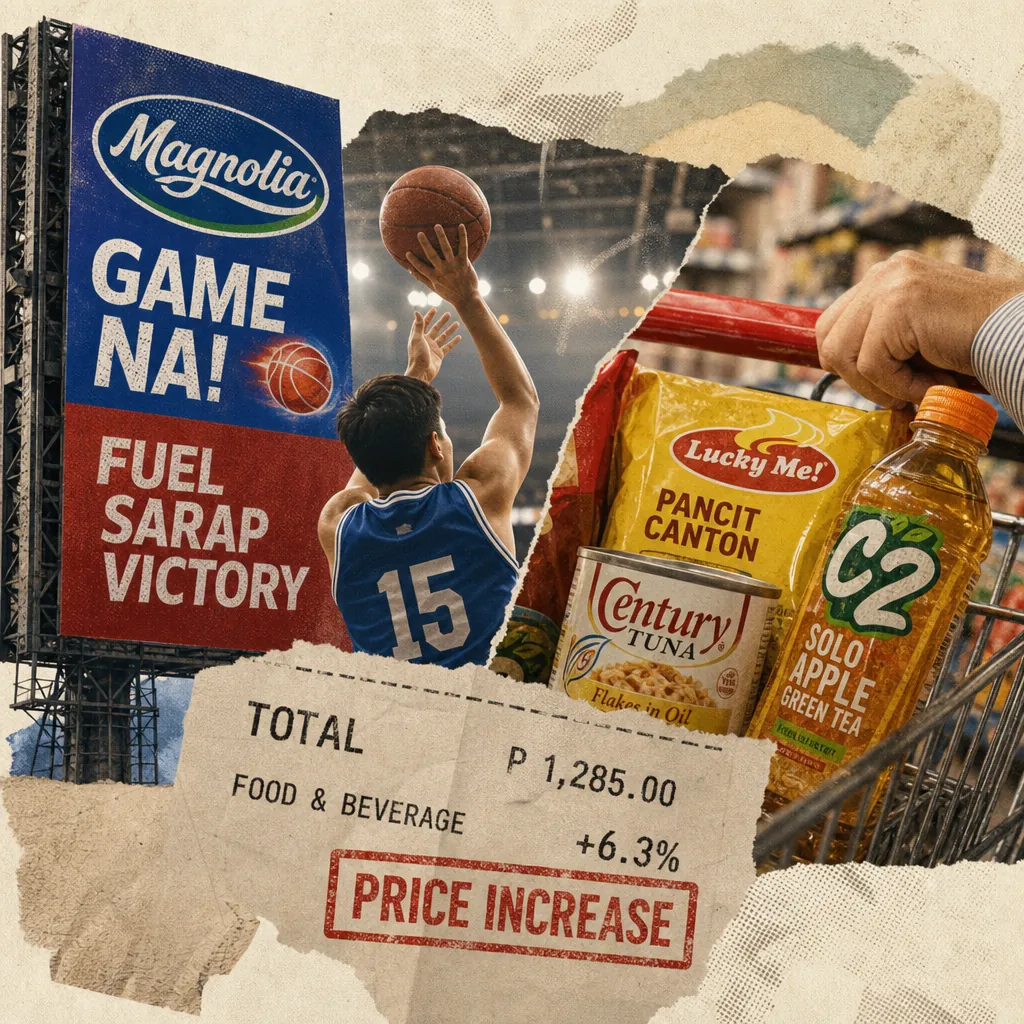
ASF Outbreak and Pork Price Fears Dominate Philippine Food Conversation
A resurgence of African Swine Fever in Capiz triggers border closures and public anxiety over pork supply and prices, while fuel rollbacks and QSR value meals offer counter-narratives of relief and consumer resilience.
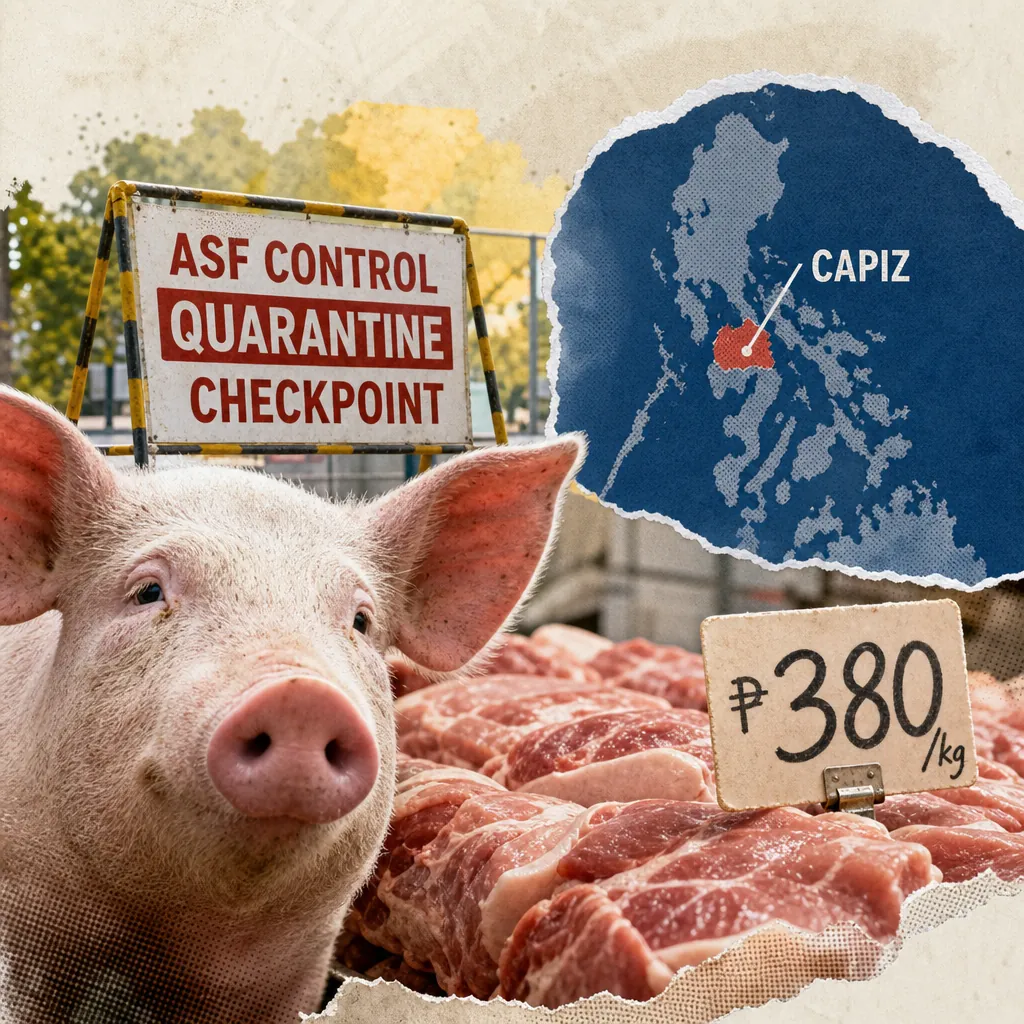
The conversation around Philippine food supply and pricing intensified on June 22, 2026, driven by a series of coordinated announcements from provincial authorities regarding African Swine Fever (ASF). The Antique Provincial Veterinary Office (PROVET) raised a "red alert" at border checkpoints, prohibiting the entry of live hogs from Capiz after confirmed ASF cases were reported in Panitan, Pontevedra, and Roxas City. Dr. Marco Rafael Ardamil, PROVET Public Health Division Chief, warned of a "re-incursion" – the virus returning to previously cleared areas – and stressed that the best defense remains strict biosecurity since there is "no vaccine or cure for ASF". This triggered a wave of concerned reactions: the initial post from the provincial veterinary office garnered 63 likes, 64 shares, and 13 sad reactions, reflecting public anxiety over potential pork supply disruptions and price spikes.
By the same afternoon, the narrative expanded as the Philippine News Agency (PNA) and local news outlets reinforced the message with more granular data. A post from a regional news account detailed that from January to April 2026, some 14,612 hogs from Antique had been traded to Capiz, highlighting the economic interdependence at risk. Meanwhile, the municipality of Isabela (via a local government page) issued a reassurance on June 21 that it remains ASF-free, with rigorous health screening at its slaughterhouse to guarantee safe pork. This duality – fear of an outbreak juxtaposed with official reassurances – created two parallel threads: consumers worried about rising pork prices, and local governments racing to protect the supply chain.
Parallel to the ASF scare, a contrasting narrative of affordable dining emerged. On June 22, the Reddit community r/BudolistaPH posted about Mang Inasal's ongoing Father's Day deal offering budget-friendly meals until June 30, receiving 49 upvotes and 5 comments. This coincided with a GrabFood promotion from Yoshinoya offering 15% off with a minimum spend of P699, signaling that quick-service restaurants are actively using value meals to attract cash-strapped consumers amidst fears of inflation. The juxtaposition highlights how the conversation split between supply-side threats (ASF, fuel costs) and demand-side coping strategies (promos, street food alternatives like kwek kwek featured by a food blog).
Energy costs formed a third narrative thread that directly affects food prices. On June 21, the Department of Energy (DOE) confirmed fuel price rollbacks despite Strait of Hormuz tensions, while simultaneously warning that the energy emergency must remain due to volatility. By June 22, GMA Regional TV reported that liquefied petroleum gas (LPG) prices could see a large rollback in July, a welcome relief for karinderyas (small eateries) and households that rely on gas for cooking. This thread evolved from concern to cautious optimism, but the underlying anxiety over unstable fuel prices remained a key driver of overall food cost discussions.
Conversation snapshot. The day's conversation was anchored by the ASF red alert post from the Antique Provincial Veterinary Office, which drew 63 likes, 64 shares, and 13 sad reactions – a high emotional engagement for a local government announcement. A follow-up post from the same office reiterating the ban on live hog trucks received 16 likes, 11 shares, and 7 care reactions. The Philippine News Agency's report on the hog trade volume between Antique and Capiz garnered 12 likes and 4 shares. On the energy front, a GMA News bulletin about the potential LPG rollback received 350 likes and 11 shares, indicating strong consumer interest in cost-of-living relief. The Mang Inasal promo on Reddit earned 49 upvotes and 5 comments, showing active deal-seeking behavior. A food blog post about kwek kwek (deep-fried quail eggs) received 9 likes and 1 comment.
Key themes
- ASF re-emergence and border controls. The confirmed ASF cases in Capiz prompted Antique to declare a red alert, banning live hog imports from affected areas. This theme dominated the conversation with high emotional reactions, as the public fears pork shortages and price hikes.
- Pork supply chain vulnerability. The disclosure that 14,612 hogs were traded from Antique to Capiz in just four months quantified the economic exposure. Any disruption in this flow could lead to supply gaps and higher prices for consumers.
- Consumer turn to value meals and promos. With pork prices uncertain, consumers are actively seeking affordable dining options. Mang Inasal's Father's Day promo and Yoshinoya's GrabFood discount illustrate how quick-service restaurants are positioning value meals to maintain traffic.
- Fuel and LPG price relief. The DOE confirmed fuel rollbacks, and the LPG Marketers Association signaled a potential P12 per kilo rollback in July. This offers temporary relief for food production and transport costs, but the underlying volatility remains.
- Government food assistance programs. President Marcos inaugurated the "Walang Gutom Kitchen" in Cebu, a facility providing free meals to the hungry. This underscores the government's anti-hunger efforts amid rising food prices.
- Agricultural pest threats. A separate infestation of red-striped soft scale insect (RSSI) in sugarcane farms in Bukidnon threatens sugar production, adding another layer of agricultural supply risk.
- Meat import regulation. The municipality of Moises Padilla in Negros Occidental banned illegal imported meat sales, tightening controls to protect local livestock and consumers from smuggled products.
- Food export success. The IFEX Philippines food expo generated P5.05 billion in sales, showcasing the country's food export potential despite global challenges.
How the narratives stack
Dominant narrative. The dominant narrative is the ASF re-emergence and its threat to pork supply and prices. The red alert declaration and border closures are the most shared and emotionally resonant stories of the day, with sad and care reactions indicating genuine public concern. This narrative is amplified by local news and government pages, creating a sense of urgency and vulnerability in the food supply chain.
Counter-narrative. The counter-narrative is one of relief and resilience: fuel and LPG price rollbacks offer hope for lower operating costs for food businesses and households, while value meal promotions from major QSRs demonstrate that affordable dining options remain available. This narrative provides a positive counterpoint to the ASF fears, suggesting that consumers can still find ways to stretch their budgets.
Emerging narrative. An emerging narrative is the government's proactive anti-hunger initiatives, such as the Walang Gutom Kitchen in Cebu. This story positions the government as responsive to food insecurity, potentially shaping public perception of its handling of the food price crisis. However, it is still early and has limited engagement so far.
Suppressed narrative. The suppressed narrative is the structural inefficiency in the pork supply chain, as highlighted by the "Missing pork price" opinion piece. It points out that hog raisers receive only P170 per kilo while consumers pay P360, with the P190 gap going to middlemen. This issue of price manipulation and lack of transparency is under-covered compared to the immediate ASF scare, yet it is fundamental to understanding why pork prices remain high even without outbreaks.
Platform insights
Facebook. Facebook dominated the conversation with official announcements from provincial veterinary offices, local government units, and news outlets. The ASF red alert post saw the highest emotional engagement (sad and care reactions), while the LPG rollback story generated broad shareability. Facebook served as the primary channel for official information and public reaction, with users sharing posts to alert their networks.
Reddit. Reddit functioned as a deal-discovery hub, with the Mang Inasal promo post receiving focused community discussion on maximizing value. The platform showed no misinformation or panic; instead, users shared tips for stretching meal budgets. This contrasts with Facebook's more emotional and alarm-driven engagement.
YouTube. Two news clips about fuel prices accumulated around 385 and 372 views respectively, with few comments. This indicates passive consumption of price-related information rather than interactive debate. YouTube served as a secondary channel for in-depth news consumption.
Key voices and communities
Government agricultural and veterinary authorities. Provincial veterinary offices and agencies like the Bureau of Animal Industry are the primary information gatekeepers on ASF outbreaks. Their posts generate moderate but meaningful engagement, with border control announcements receiving dozens of shares and reactions. They consistently emphasize biosecurity protocols and zoning classifications to manage public anxiety.
Mainstream news media and official government information services. Legacy media outlets (GMA News, ABS-CBN News, DZMM Teleradyo, PNA) and government information pages command the highest absolute reach. Their coverage spans food-related topics from fuel price rollbacks to disaster food pack distributions. They frame food-economy news within broader economic anxiety and government response narratives.
Food brands and restaurant promoters. Posts from or about major food brands (Mang Inasal, Yoshinoya) and food content creators generate niche but high-intent engagement, particularly around promotions. The Reddit deal-sharing community acts as a secondary amplifier for limited-time offers, while food blog accounts celebrate home-cooked Filipino meals.
Consumer deal-seeking and street food enthusiast communities. Smaller but highly engaged communities on Reddit and Facebook focused on bargain hunting and street food appreciation represent a significant pulse on consumer sentiment around food affordability. Their engagement is organic and not driven by formal brand partnerships.
Narrative streams
ASF re-emergence and pork supply fears
The confirmed African Swine Fever outbreak in Capiz and the subsequent red alert in Antique have reignited fears of pork shortages and price spikes. The Antique Provincial Veterinary Office's post on June 22 warned of a "re-incursion" and emphasized that there is no vaccine or cure, shifting sentiment from concern to alarm. The disclosure that 14,612 hogs were traded from Antique to Capiz in early 2026 quantified the economic interdependence and the potential scale of disruption. Meanwhile, the municipality of Isabela reassured the public that it remains ASF-free, with rigorous health screening at its slaughterhouse. This narrative is critical for the food industry because pork is a staple protein in the Filipino diet, and any supply disruption can lead to price increases that affect consumers and businesses alike. The emotional reactions (sad, care) indicate that the public intuitively grasps the link between disease outbreaks and higher prices at the market.
Fuel and LPG price relief
On June 21, the Department of Energy confirmed fuel price rollbacks despite ongoing tensions in the Strait of Hormuz, a key global oil shipping route. By June 22, the LPG Marketers Association signaled a potential P12 per kilo rollback in July, which was picked up by GMA News and drew 350 likes and 11 shares. This narrative provides a counterpoint to the ASF fears, offering tangible relief for cooking oil and street food vendors. However, the DOE also warned that the State of National Energy Emergency must remain due to global volatility, meaning this relief window is fragile and likely short-lived. For the food industry, lower fuel and LPG costs can reduce production and transport expenses, potentially stabilizing or lowering food prices in the short term.
Value meals and consumer resilience
In response to price uncertainties, consumers and brands alike turned to promotions. The Mang Inasal Father's Day deal on Reddit received 49 upvotes and 5 comments, with users likely discussing how to maximize the discount. The Yoshinoya promo further reinforced this pattern, showing that quick-service restaurants are betting on discounts to maintain foot traffic. This theme evolved as a coping mechanism: when pork might become expensive, affordable chicken inasal or discounted Japanese bowls become attractive substitutes. The street food post about kwek kwek (deep-fried quail eggs) also underscores that consumers are turning to cheap, widely available alternatives as inflation pressures mount.
Government anti-hunger initiatives
President Ferdinand Marcos Jr. inaugurated the "Walang Gutom Kitchen" in Cebu City on June 22, a facility designed to serve free meals to individuals experiencing involuntary hunger. The program includes a registration and identification system to monitor beneficiaries and provide additional social support. This initiative is part of the government's broader anti-hunger campaign and signals a recognition of food insecurity as a pressing issue. While the post received limited engagement, it represents an official response to the food price crisis that could shape public perception of government effectiveness.
Agricultural pest threats
A separate infestation of red-striped soft scale insect (RSSI) in sugarcane farms in Bukidnon threatens sugar production. The Sugar Regulatory Administration reported that infested areas increased from 30 hectares to 53.29 hectares in just two days. The Mindanao Sustainable Sugarcane Agricultural Development Federation Inc. warned that the pest poses a serious threat to the local economy if left unchecked. This adds another layer of agricultural supply risk, potentially affecting sugar prices and related food products.
Meat import regulation
The municipality of Moises Padilla in Negros Occidental issued an executive order banning illegal imported meat sales, citing cases of technical smuggling and unauthorized selling. This move aims to protect local livestock and consumers from potentially unsafe imported meat. It reflects a broader trend of local governments tightening controls on meat imports to safeguard public health and support local hog raisers, especially in the context of ASF fears.
Food export success
The 19th International Food Exhibition (IFEX) Philippines generated P5.05 billion in combined sales, with nearly 20,000 visitors and over 520 exhibitors. The United States topped the list of visiting countries, followed by Japan, the UAE, China, and Australia. This success story highlights the resilience and global demand for Philippine food products, even as domestic consumers face price pressures. It also underscores the importance of the food export sector to the national economy.
Conversation trajectory
The conversation is likely to evolve in the following ways over the next 4–6 weeks:
- ASF narrative shifting toward price impact discourse. The confirmed outbreak in Capiz and the red alert in Antique will likely expand into broader discussions on pork price vulnerability. If ASF spreads further, expect increased consumer scrutiny on pork prices at wet markets and major QSR chains. The emotional engagement on ASF posts suggests that any unverified claims about contaminated pork entering markets could trigger panic-buying or boycotts.
- Fuel and LPG price relief creating a temporary counter-narrative. The DOE's fuel rollback and the potential LPG rollback in July offer a window of relief for food production and transport costs. However, the State of National Energy Emergency remains in place due to global volatility, meaning this relief is fragile and likely short-lived. If the Strait of Hormuz situation worsens, food price conversations will re-escalate rapidly within 48 hours.
- Value-seeking behavior accelerating through digital food delivery platforms. The success of the Mang Inasal promo on Reddit suggests that consumers are actively using food delivery deals as a budgeting tool. Expect a 1.5–2x increase in conversation around value meals, budget combos, and cashback promotions over the next three weeks, coinciding with end-of-month pay cycles and the expiration of June promo windows.
- Institutional food relief efforts normalizing emergency food security talk. The DSWD's distribution of family food packs and the inauguration of the Walang Gutom Kitchen reinforce public awareness of basic food kit composition and supply chain resilience. These themes will likely spill over into everyday food price discussions as consumers compare the value of relief packs versus market or QSR meals.
Key trigger events that will reshape this conversation include: the potential confirmation of ASF in Antique (monitoring zones already elevated), the July 1 LPG rollback announcement, and the expiration of several QSR Father's Day and rainy-season promos on June 30. Each event will refocus public attention on either supply-side price threats or consumer-side savings opportunities.
Response guidance
For communicators in the food industry, the following approaches are recommended:
- Reinforce supply chain safety immediately. Publish a consolidated FAQ or official statement on all owned channels within 48 hours citing strict biosecurity protocols confirmed by the Provincial Veterinary Office and Department of Agriculture. This preempts misinformation before it gains traction. Emphasize that African Swine Fever poses no threat to human health and that only healthy, inspected pork reaches the market.
- Promote value meal options. Leverage the current Mang Inasal promo to steer conversation toward affordability and quality. If pork dishes are affected, offer temporary substitutions (e.g., chicken inasal) at the same price point to demonstrate responsiveness without eroding margins.
- Coordinate with industry partners. Align messaging with suppliers and trade associations to present a unified front. Consumers respond better when multiple credible voices (e.g., DA, BAI, and food brands) deliver the same consistent safety assurances.
- Monitor and correct misinformation. Watch local Facebook pages and community groups for unverified claims about contaminated pork in retail or food service. Establish a rapid-response team to correct misinformation with traceable supply chain data.
- Highlight alternative protein sources. Proactively communicate about chicken, fish, and plant-based options as safe and affordable alternatives to pork. This can help manage demand and reduce pressure on pork supply chains.
- Engage with consumer deal-seeking communities. Targeted posts on Reddit highlighting budget meal bundles can generate organic sharing and counteract negative sentiment around shrinkflation.
See the full picture behind today's signals.
This report draws from Media Meter's MediaWatch, our real-time monitoring engine tracking 2,470+ Philippine sources across print, broadcast, digital, and social. Explore how the platform turns raw coverage into decision-grade intelligence, then see how it's configured for teams like yours — whether you're in PR agencies, corporate comms, government, or marketing.
Want more? Browse our Report Library for sector and crisis intelligence, or request a demo and we'll have your brand set up before the call.
Want this kind of intelligence on your brand?
This brief is built on the same MediaWatch methodology that runs continuously across every brand we monitor. See your competitive landscape, Impact Score, and narrative trajectory in a 30-minute demo.