Floods, impeachment, and budget battles dominate PH news
A daily snapshot of Philippine news on August 12, 2026, covering the southwest monsoon floods, the Sara Duterte impeachment trial, and political controversies.
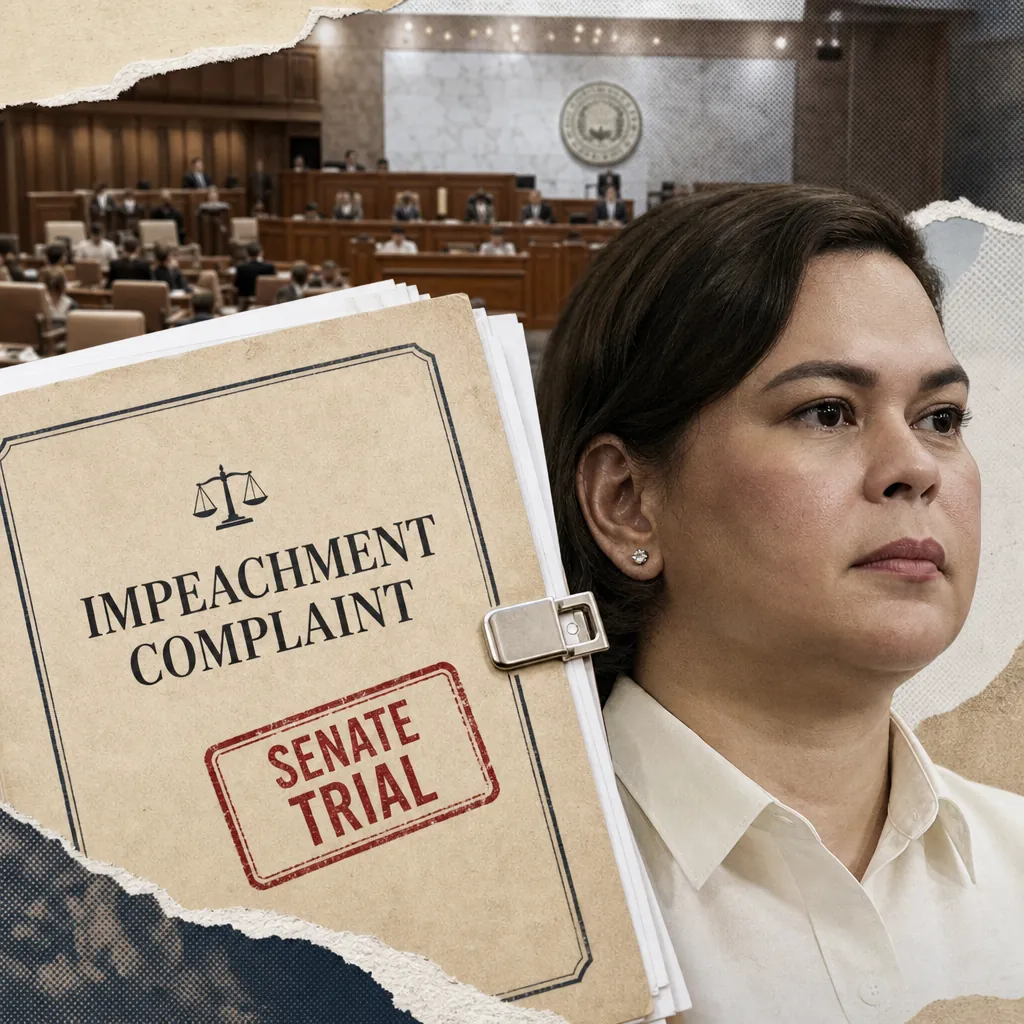
The day's conversation in the Philippines was dominated by two major stories: the widespread flooding caused by the southwest monsoon and the ongoing impeachment trial of Vice President Sara Duterte. On social media, the floods drew the most emotional engagement, with faith-based relief efforts outpacing government announcements. Meanwhile, the impeachment trial saw intense procedural clashes and new audit findings that could have long-term political consequences. This snapshot examines these narratives, the key voices driving them, and what they mean for the public and institutions.
Key themes
- Monsoon floods trigger calamity declarations and class suspensions: Heavy rains from the southwest monsoon (habagat) caused severe flooding across Luzon, including Metro Manila. Several provinces and cities declared a state of calamity, and local governments suspended classes for August 13. The flooding exposed infrastructure vulnerabilities and prompted a massive cleanup operation in Manila Bay waterways.
- Faith-based relief operations lead emotional engagement: The Iglesia Ni Cristo's humanitarian arm, Lingap sa Mamamayan, mobilized relief operations across multiple affected areas. Their Facebook posts drew thousands of reactions and shares, far exceeding engagement on government posts. This highlighted the public's preference for tangible, visible assistance over official statements.
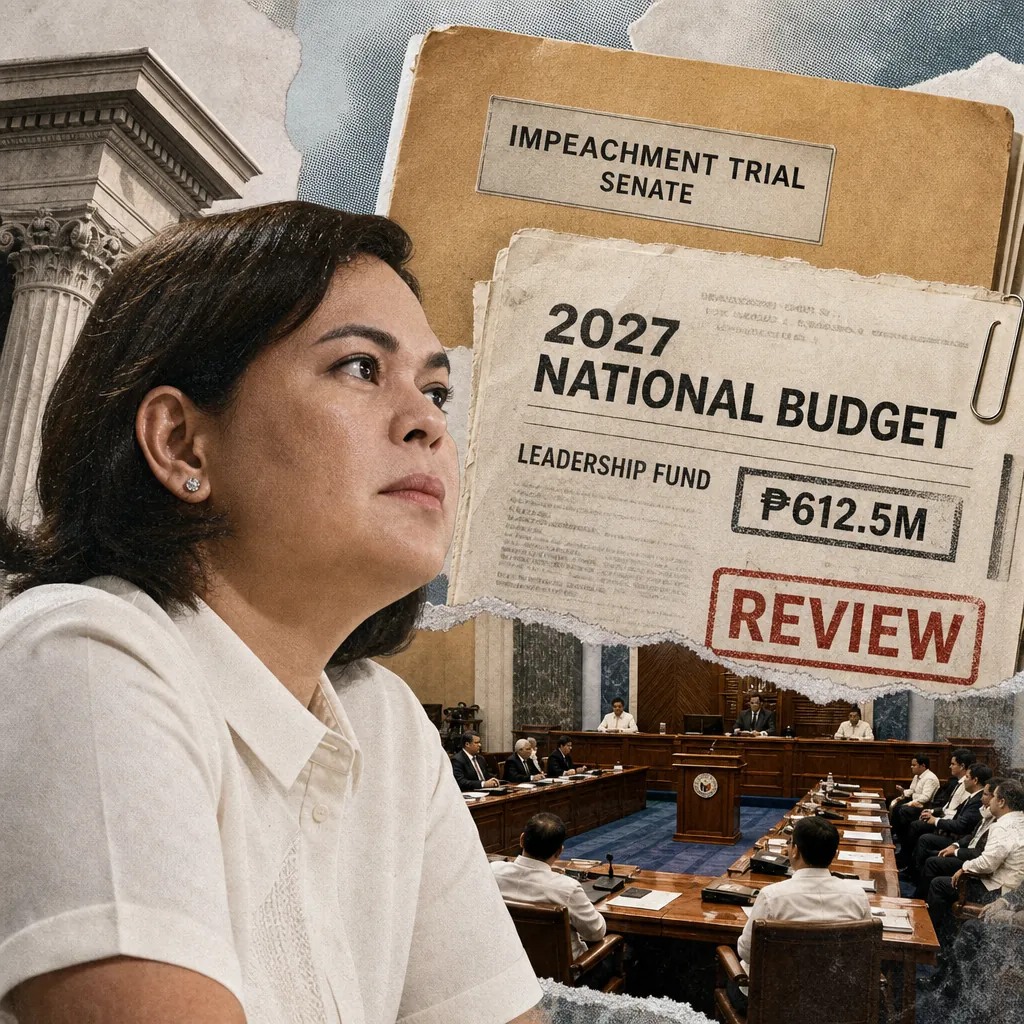
- Impeachment trial enters critical phase with COA testimony: On Day 15 of Vice President Sara Duterte's impeachment trial, Commission on Audit (COA) auditor Xylene Del Campo testified about irregularities in the use of confidential funds. She revealed that P125 million was spent over 11 days without sufficient documentation, and that a fraud investigation remains possible. This testimony shifted the narrative toward institutional accountability.
- Procedural clashes and social media conduct become a flashpoint: The trial was marked by repeated clashes between prosecution and defense counsels, including accusations of "anger issues" and violations of court rules on social media. Senate President Francis Escudero admonished counsels for "crossing lines," and lead prosecutor Gerville Luistro's call for uniform rule enforcement became the most-engaged post of the day.
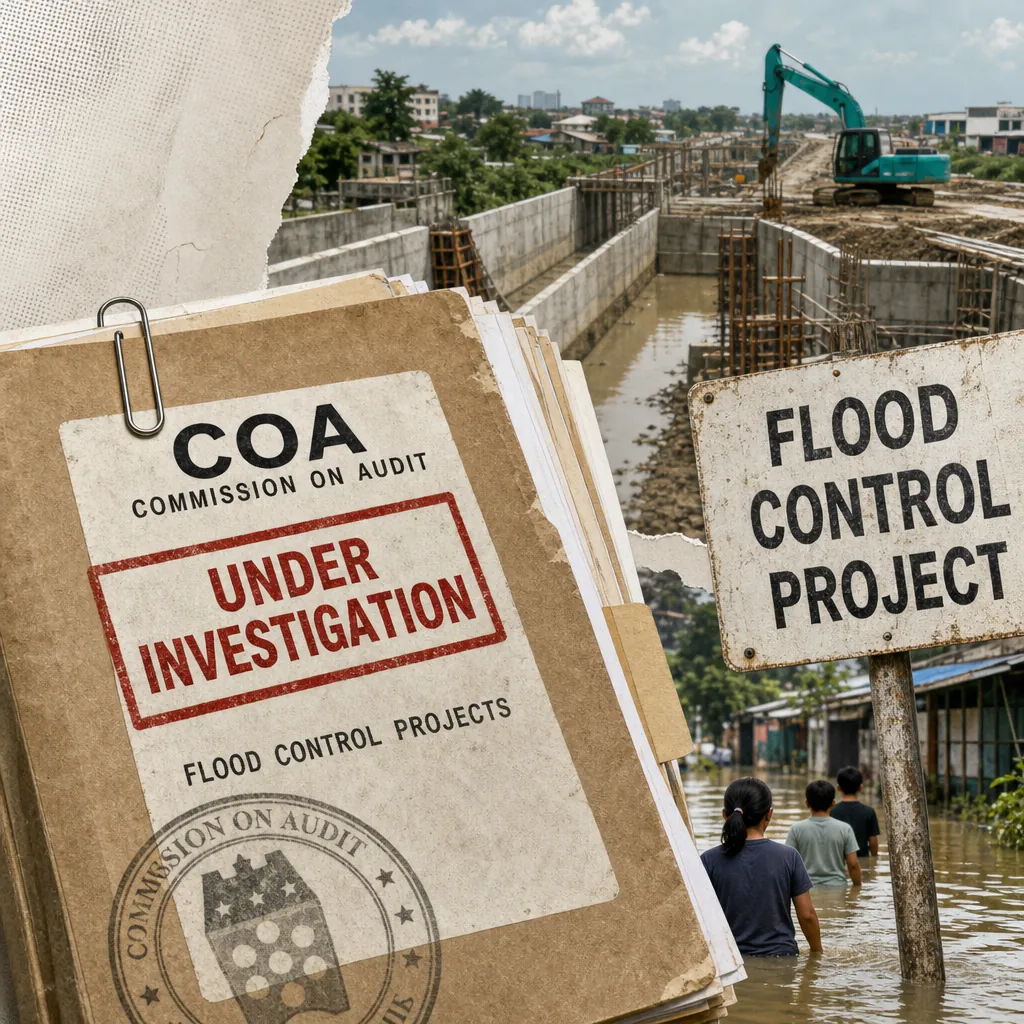
- Flood control investigation and political fallout: Senators Bong Go and Robin Padilla denied involvement in alleged "leadership fund" project lists, following testimony from former Public Works Secretary Manuel Bonoan. The Supreme Court ruled that a leaked Senate report on flood control anomalies is covered by legislative privilege, effectively sealing the investigation from public view.
- Garbage crisis and infrastructure failures: The flooding exposed a massive garbage problem, with over 400 metric tons of trash hauled from the Redemptorist Water Channel in Parañaque. President Marcos acknowledged the "critical" garbage situation, and the MMDA warned against AI-generated fake flood photos. A newly built river wall in Marilao collapsed, raising questions about construction quality.
- Economic concerns amid slowing growth: The economy grew only 2.3% in the second quarter, the weakest post-pandemic pace. The government slashed its 2027 infrastructure spending program by 20.8%, and the Financial Executives Institute of the Philippines (FINEX) called for greater accountability in public spending. Meanwhile, the BIR exceeded its July collection target, and SM Investments reported record first-half earnings.
- Budget battles and policy debates: Lawmakers clashed over the proposed 2027 national budget, with ACT Teachers Rep. Antonio Tinio calling it "anti-poor" due to cuts in education and social services. Senator Mark Villar filed a bill to remove VAT on system loss charges in electricity bills, and Senator Lacson proposed raising the retirement age for uniformed personnel.
How the narratives stack
Dominant: The impeachment trial of Vice President Sara Duterte dominated the news cycle, with the COA auditor's testimony on confidential fund irregularities drawing the most coverage. The trial's procedural clashes and the potential for a fraud investigation made it the top story across all media platforms. Within the captured set, this story generated the highest advertising-equivalent value, with multiple Inquirer articles on the trial each worth hundreds of thousands of pesos in estimated ad space.
Counter-narrative: The flooding and government response provided a counter-narrative focused on immediate humanitarian needs. While the trial was about political accountability, the floods were about public safety and disaster response. Faith-based organizations like the Iglesia Ni Cristo led the emotional engagement, with their relief posts drawing thousands of reactions, far exceeding government posts. This narrative highlighted the public's desire for tangible assistance over political drama.
Emerging: The garbage crisis and infrastructure failures emerged as a significant sub-narrative. The MMDA's cleanup of the Redemptorist Water Channel and President Marcos's admission of a "critical" garbage situation signaled a growing concern about urban infrastructure. The collapse of a newly built river wall in Marilao added to this narrative, raising questions about construction quality and oversight. This story has the potential to grow as the monsoon season continues.
Suppressed: The economic slowdown and budget concerns received less attention than the political and disaster stories. The 2.3% GDP growth in the second quarter, the lowest post-pandemic, and the government's cut to infrastructure spending were covered but did not generate the same level of public engagement. The FINEX call for accountability and the debate over the 2027 budget were largely overshadowed by the impeachment trial and floods, despite their long-term implications for the country's fiscal health.
Platform insights
- Facebook: Facebook was the primary platform for emotional engagement, particularly around the flooding and relief efforts. The Iglesia Ni Cristo's relief posts drew over 1,000 likes, 1,400 love reactions, and 424 shares, far surpassing any government post. The platform also hosted detailed debates on the impeachment trial, with posts from lawyers and politicians generating hundreds of comments. Facebook users showed a preference for human-interest stories and tangible assistance over official announcements.
- Twitter: Twitter served as the real-time news distribution channel, with official accounts and news outlets dominating the feed. The platform was the epicenter for the impeachment trial's procedural clashes, with posts from senators and lawyers drawing thousands of views. The MMDA's warning about AI-generated flood photos was the highest-viewed post on the platform, indicating public concern about misinformation. Twitter users were more passive, consuming information rather than engaging in deep discussion.
- YouTube: YouTube was used primarily for long-form news coverage, with the Inquirer's channel posting videos on the impeachment trial and other developments. The most-viewed video was on the COA auditor's testimony, drawing over 14,000 views. YouTube served as an informational baseline, setting the factual tone for the day's discussions on other platforms.
Key voices and communities
- Government agencies and officials: PAGASA, MMDA, DSWD, and local government units were the primary sources of official information on the floods. Their posts on weather advisories, class suspensions, and relief operations drew moderate engagement but high trust. President Marcos's admission of the garbage crisis and Senator Lacson's statements on the trial were notable. These voices set the tone for how the public perceived the government's response.
- Faith-based organizations: The Iglesia Ni Cristo and its Felix Y. Manalo Foundation were the most active non-government relief actors. Their posts on relief operations in Laguna, Las Piñas, and other areas drew the highest engagement on Facebook, with thousands of reactions and shares. Their effectiveness highlighted the public's preference for visible, tangible assistance over official statements.
- Legal and political figures: Lawyers, senators, and party-list representatives were the key voices in the impeachment trial narrative. Lead prosecutor Gerville Luistro's call for uniform rule enforcement drew over 18,000 views and 850 likes. Defense counsel Kristine Ferrer's appeal for respect and Rep. Terry Ridon's accusations of "anger issues" fueled the procedural drama. These voices shaped the public's perception of the trial's fairness.
- Affected residents and communities: Flood-affected families in Bulacan, Laguna, and Las Piñas were the ground-level voices of the crisis, though their participation was mediated through official accounts. Their gratitude for relief aid and their emotional reactions (care, sad) on posts captured the human dimension of the disaster. Their responses provided early signals of public satisfaction or frustration with relief efforts.
- News media and wire services: Major outlets like the Inquirer, Manila Bulletin, and GMA News amplified both the flood and trial stories. Their coverage set the agenda and provided the connective tissue between official sources and public consumption. The Inquirer's live coverage of the trial and its articles on the COA testimony drew significant advertising-equivalent value, indicating the story's commercial importance.
Narrative streams
The Impeachment Trial: COA Testimony and Procedural Clashes
The impeachment trial of Vice President Sara Duterte entered its 15th day on August 12, with the testimony of Commission on Audit (COA) auditor Xylene Del Campo dominating the narrative. Del Campo, from the COA's Intelligence and Confidential Funds Audit Office, testified that the Office of the Vice President (OVP) spent P125 million in confidential funds over 11 days in 2023, which was deemed "irregular" due to insufficient supporting documents. She also revealed that transferring confidential funds from a special disbursing officer to another person breaks the chain of accountability and could expose public funds to misuse. This testimony was covered extensively by the Inquirer, with articles on the potential disallowance of P612.5 million in confidential funds and the possibility of a fraud investigation drawing significant advertising-equivalent value.
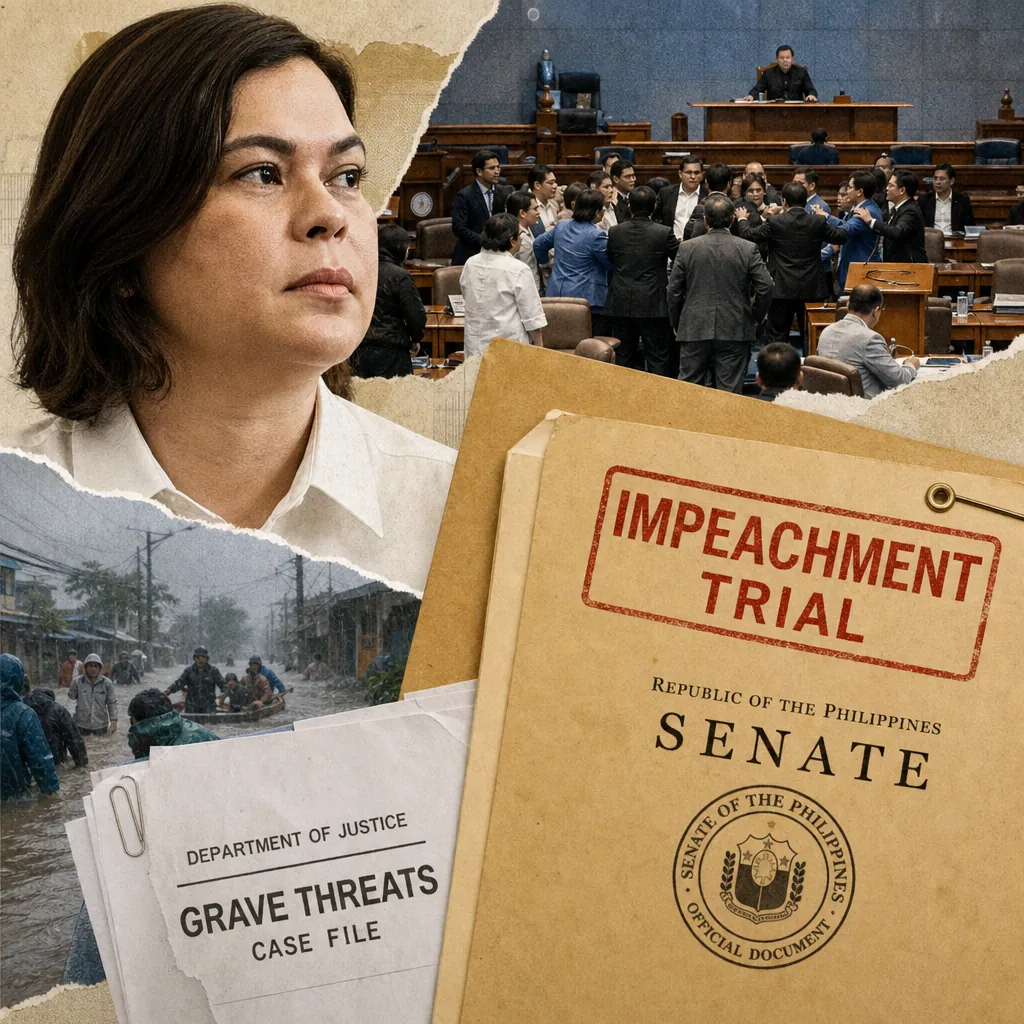
The trial was also marked by intense procedural clashes between prosecution and defense counsels. Senate President Francis Escudero, who presides over the impeachment court, admonished counsels for "crossing lines" by posting about the trial on social media. This led to a debate about the uniform application of rules, with lead prosecutor Gerville Luistro posting a widely shared statement arguing that any ban on commenting must apply to all parties. The post drew over 18,000 views and 850 likes, making it the most-engaged post of the day. Defense counsel Kristine Ferrer appealed for respect, saying "Igalang naman ho natin 'yung kapwa natin na lawyer" (Let's respect our fellow lawyers), while Rep. Terry Ridon accused the defense of having "anger issues."
For the public, the trial's significance lies in its potential to reshape the political landscape. The COA's findings on confidential fund usage could lead to a separate fraud investigation, extending the consequences beyond the impeachment proceedings. The procedural clashes also raised questions about the trial's fairness, with audiences judging the lawyers' behavior as much as the evidence. For communicators, the lesson is that social media conduct is now a battleground in high-stakes legal proceedings, and any perceived violation of rules can become amplified content.
Monsoon Floods: Government Response and Faith-Based Relief
The southwest monsoon brought heavy rains to Luzon, causing widespread flooding in Metro Manila and nearby provinces. PAGASA announced that the rains would continue through Thursday, and the MMDA confirmed that several areas in Metro Manila remained flooded. Cavite, Pangasinan, and Pampanga declared states of calamity, allowing local governments to use emergency funds for relief. Valenzuela City Mayor Wes Gatchalian preemptively suspended classes for August 13, joking "NAUNA NA AKO" (I got ahead first), which drew positive engagement.
The most significant social media response came from the Iglesia Ni Cristo's humanitarian arm, Lingap sa Mamamayan, which mobilized relief operations across multiple areas, including Laguna, Las Piñas, and Bulacan. Their Facebook posts drew thousands of reactions, with the Las Piñas relief post accumulating 1,069 likes, 1,446 love reactions, and 424 shares. This far surpassed any government post, demonstrating that tangible, on-the-ground assistance resonated more powerfully than policy announcements. Recipients expressed gratitude to Executive Minister Brother Eduardo V. Manalo, adding a personal dimension to the crisis narrative.
The floods also exposed the country's garbage problem. The MMDA reported hauling over 400 metric tons of trash from the Redemptorist Water Channel in Parañaque, with 96 truckloads removed. President Marcos admitted the garbage situation was "critical," and the MMDA warned against AI-generated fake flood photos, which it called "downright criminal and very malicious." The agency is coordinating with the PNP and the Department of Information and Communications Technology to investigate the spread of misinformation.
For the public, the floods highlighted the need for better infrastructure and waste management. The collapse of a newly built river wall in Marilao, Bulacan, just two months after completion, raised questions about construction quality. Senator Loren Legarda called for nature-based solutions, such as restoring watersheds and mangroves, to complement engineered infrastructure. The government's response, while swift in some areas, was overshadowed by the emotional resonance of faith-based relief efforts, suggesting a gap between official messaging and public sentiment.
Flood Control Investigation and Political Fallout
A separate but related narrative involved the investigation into alleged anomalies in flood control projects. Former Public Works Secretary Manuel Bonoan testified before the Sandiganbayan that former Undersecretary Roberto Bernardo submitted priority project lists from Senators Bong Go and Robin Padilla for the agency's "leadership fund." Both senators denied the claim, with Padilla calling it "ironic" that "the two less privileged senators were the ones named." His post, "KAMI PA YUNG NADAMAY" (We were the ones dragged into this), became a rallying point for supporters.
The Supreme Court added a procedural dimension by ruling that a leaked Senate Blue Ribbon Committee report on the flood control anomalies is covered by legislative privilege. This effectively sealed the report from public access, drawing 1,441 views on Twitter. The ruling was seen as a victory for the Senate's institutional prerogatives but also fueled suspicions of a cover-up among critics.
The investigation is connected to the broader issue of infrastructure spending. The government slashed its 2027 infrastructure program by 20.8% to P1.34 trillion, citing tighter oversight following the flood control scandal. The Financial Executives Institute of the Philippines (FINEX) called for greater accountability in public spending, noting that the economy's slow growth and rising debt leave little room for inefficiency.
For the public, this narrative underscores the importance of transparency in government spending. The allegations against senators and the Supreme Court's ruling have created a perception of political maneuvering, which could erode trust in both the legislative and judicial branches. For communicators, the key is to emphasize due process and the distinction between legislative privilege and factual accountability.
Economic Slowdown and Budget Debates
Amid the political and disaster stories, the economy's weak performance and the proposed 2027 national budget generated significant coverage. The economy grew only 2.3% in the second quarter, the weakest post-pandemic pace, according to GlobalSource. The oil price shock from the Middle East crisis exposed structural weaknesses, including sluggish consumer spending and infrastructure delays. The government's revised infrastructure program for 2027 is now 4% of GDP, down from 5.1%.
ACT Teachers Rep. Antonio Tinio slammed the proposed budget as "anti-poor and anti-people," citing cuts to education and social services while defense spending increases. He noted that the education budget would drop from P1.345 trillion to P1.314 trillion, reducing its share of GDP from 4.4% to 3.95%. Senator JV Ejercito pledged to keep the budget free of last-minute insertions, a promise that will be tested during bicameral deliberations.
On a positive note, the Bureau of Internal Revenue (BIR) exceeded its July collection target by P22 billion, and SM Investments reported record first-half net income of P45.9 billion, up 8%. The Social Security System (SSS) said it remains sustainable as long as annual income stays above P100 billion, despite a 27.8% drop in first-half earnings due to higher benefit payouts.
For the public, the budget debates affect everyday life, from education funding to electricity prices. Senator Mark Villar's bill to remove VAT on system loss charges could lower electricity bills, while the infrastructure cuts could delay flood control projects. The economic slowdown and rising debt also raise concerns about the country's fiscal health, making accountability in public spending more critical than ever.
Conversation trajectory
- Impeachment trial to intensify with more witnesses and procedural rulings: The trial will resume on August 17, with the court maintaining its morning schedule. Expect more testimony from COA auditors and possibly a ruling on the social media restrictions for counsels. The potential launch of a formal COA fraud investigation into the confidential funds would be a major escalation, likely within the next 1-2 weeks. This will keep the trial in the headlines and may shift public focus from procedural clashes to substantive accountability.
- Flood narrative to persist as monsoon continues: PAGASA forecasts continued rains through Thursday, and more provinces may declare states of calamity. The cleanup of waterways will continue, but the garbage crisis and infrastructure failures will likely remain in the news. The MMDA's investigation into AI-generated fake flood photos could lead to arrests, adding a new dimension to the disaster response narrative. Expect sustained public anxiety and scrutiny of government response.
- Budget deliberations to become a flashpoint: The bicameral conference on the 2027 national budget will be a key trigger event. Senator Ejercito's pledge against last-minute insertions will be tested, and opposition lawmakers like Tinio will continue to criticize the budget's priorities. The infrastructure spending cuts and the flood control investigation will intersect, with opposition voices connecting them to broader governance concerns.
- Economic concerns to grow if growth remains weak: The 2.3% GDP growth in Q2 is a warning sign. If the third quarter shows continued weakness, expect more calls for structural reforms and accountability. The government's fiscal position, with rising debt and slower growth, will limit its ability to respond to crises, making efficient spending crucial. The BIR's strong collections and SMIC's earnings provide some optimism, but the overall outlook is cautious.
Response guidance
For communicators in the public sector, the key is to bridge the gap between official announcements and public sentiment. The floods showed that tangible, visible assistance resonates more than policy statements. Government agencies should amplify relief distribution efforts with visual, human-centered content, similar to the faith-based organizations' approach. Highlighting coordination with private and faith-based partners can also help claim associative credit while reinforcing a whole-of-society response.
For those involved in the impeachment trial, the focus should be on procedural integrity and due process. Avoid engaging in personality conflicts or social media spats, as these can damage credibility. Emphasize the distinction between "irregular" disbursements and criminal fraud, and clarify that audit findings are not conclusions of guilt. Monitor the fairness narrative closely, as any perception of uneven rule application could trigger backlash.
For infrastructure and disaster response communicators, the garbage crisis and infrastructure failures require proactive messaging. Showcase cleanup operations and inter-agency cooperation, but also acknowledge the systemic challenges. The MMDA's stance against AI-generated fake photos is a positive step; support it by encouraging citizens to verify information from official channels. Prepare for sustained weather-related anxiety by pre-positioning messages on flood response and relief logistics.
Finally, for economic and budget communicators, the message should be one of accountability and transparency. The FINEX call for thorough investigation of alleged misuse of public funds aligns with public sentiment. Emphasize the government's commitment to fiscal discipline, as demonstrated by the BIR's collections and the pledge against last-minute insertions. However, be prepared to address criticisms of the budget's priorities, particularly cuts to education and social services, by explaining the trade-offs and long-term benefits.
See the full picture behind today's signals.
This report draws from Media Meter's MediaWatch, our real-time monitoring engine tracking 2,470+ Philippine sources across print, broadcast, digital, and social. Explore how the platform turns raw coverage into decision-grade intelligence, then see how it's configured for teams like yours — whether you're in PR agencies, corporate comms, government, or marketing.
Want more? Browse our Report Library for sector and crisis intelligence, or request a demo and we'll have your brand set up before the call.
Want this kind of intelligence on your brand?
This brief is built on the same MediaWatch methodology that runs continuously across every brand we monitor. See your competitive landscape, Impact Score, and narrative trajectory in a 30-minute demo.