Monsoon floods, DOH shakeup, and graft probe dominate PH news
A daily snapshot of Philippine news on August 10, 2026, covering the DOH leadership transition, severe monsoon flooding, and a corruption probe into flood control projects.
The news cycle on Monday, August 10, 2026, was dominated by a convergence of crises and political maneuvering. The day opened with the abrupt resignation of Health Secretary Dr. Jose "Brix" Pujalte Jr., swiftly followed by President Ferdinand Marcos Jr.'s appointment of PhilHealth chief Edwin Mercado as his replacement. This leadership shuffle, which also saw Dr. Beverly Ho take over PhilHealth, was framed by senators as a stabilizing move for the Universal Health Care program. However, the more pressing story was the relentless southwest monsoon, or "habagat," which triggered deadly landslides and widespread flooding across Luzon, killing at least 15 people and displacing over a million. The flooding quickly became a flashpoint for public anger over infrastructure failures, with the Ombudsman launching a probe into ₱60 billion worth of flood control projects in Cebu. Social media reactions, particularly on Facebook and Reddit, reflected a deep cynicism toward government accountability, with users expressing more mockery than outrage. The day's conversation was a stark illustration of how natural disasters, political transitions, and corruption allegations can intertwine to shape public perception of governance.
Key themes
- DOH leadership transition: President Marcos appointed Dr. Edwin Mercado as the new Health Secretary, replacing the resigned Dr. Jose Pujalte Jr. Dr. Beverly Ho was named the new PhilHealth chief. Senators JV Ejercito and Chiz Escudero publicly endorsed the moves, citing the need for stability in the Universal Health Care rollout.
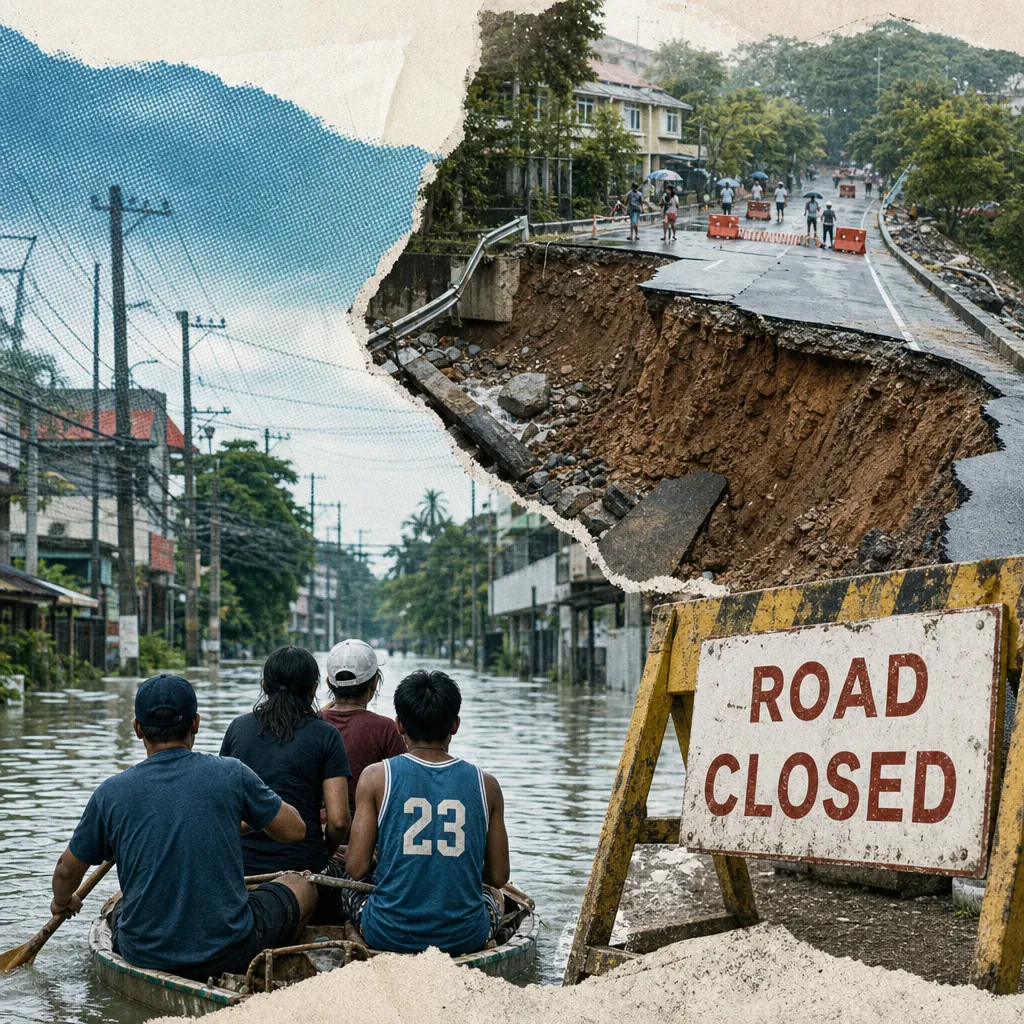
- Deadly monsoon floods: The enhanced southwest monsoon, combined with Tropical Depression Luis and Tropical Storm Maymay, caused severe flooding and landslides across Luzon. The Office of Civil Defense reported 12 deaths and 1.3 million affected individuals, while the PNP reported 15 deaths. Baguio City experienced a devastating landslide that killed eight people, with two still missing.
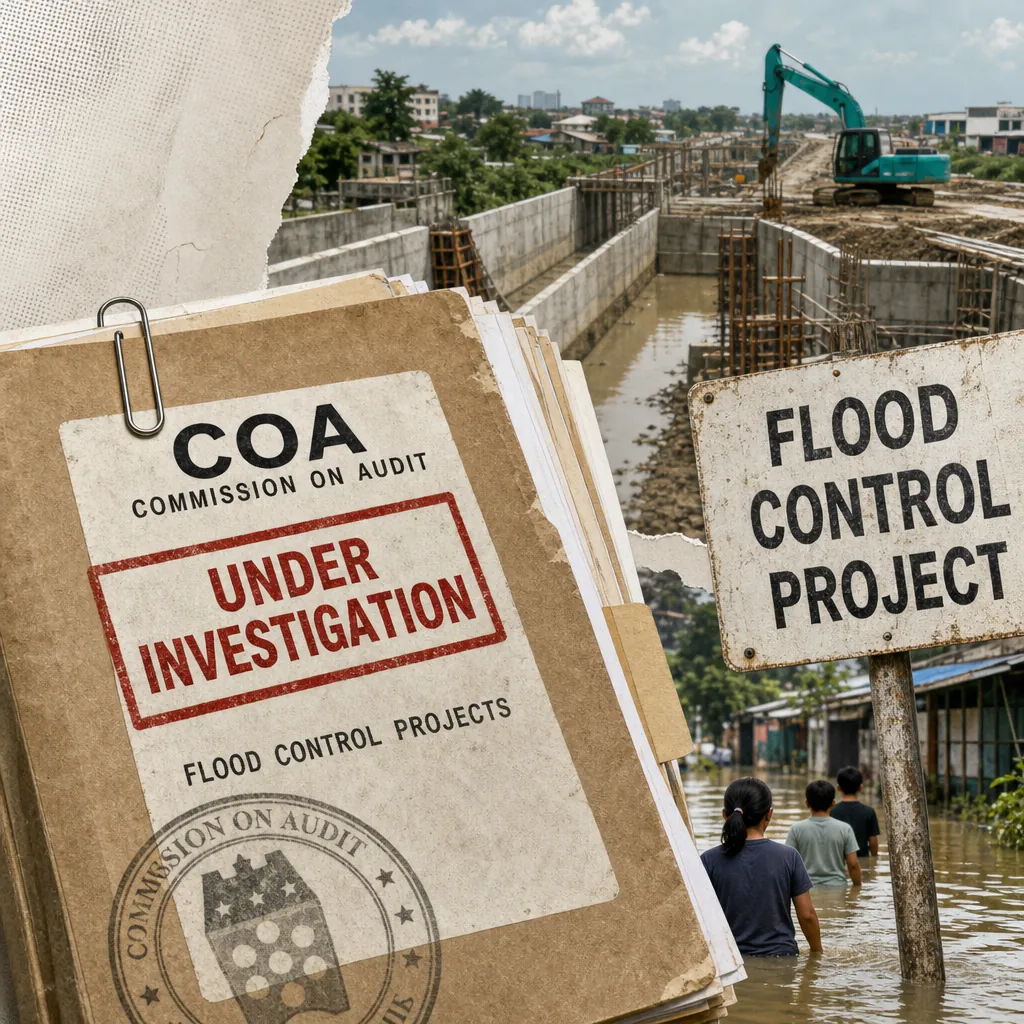
- Corruption probe into flood control: Ombudsman Jesus Crispin Remulla announced an investigation into ₱60 billion worth of flood control projects in Cebu over the past six years, questioning why flooding still occurred. He also reviewed court records for possible bias in the bail granted to former Senator Bong Revilla in a separate graft case.
- Public cynicism and mockery: Social media reactions to government announcements and corruption cases were dominated by "haha" reactions, indicating public fatigue and skepticism. A Reddit post about wealth being useless against floods received 287 likes, capturing the sentiment that infrastructure failures negate personal success.
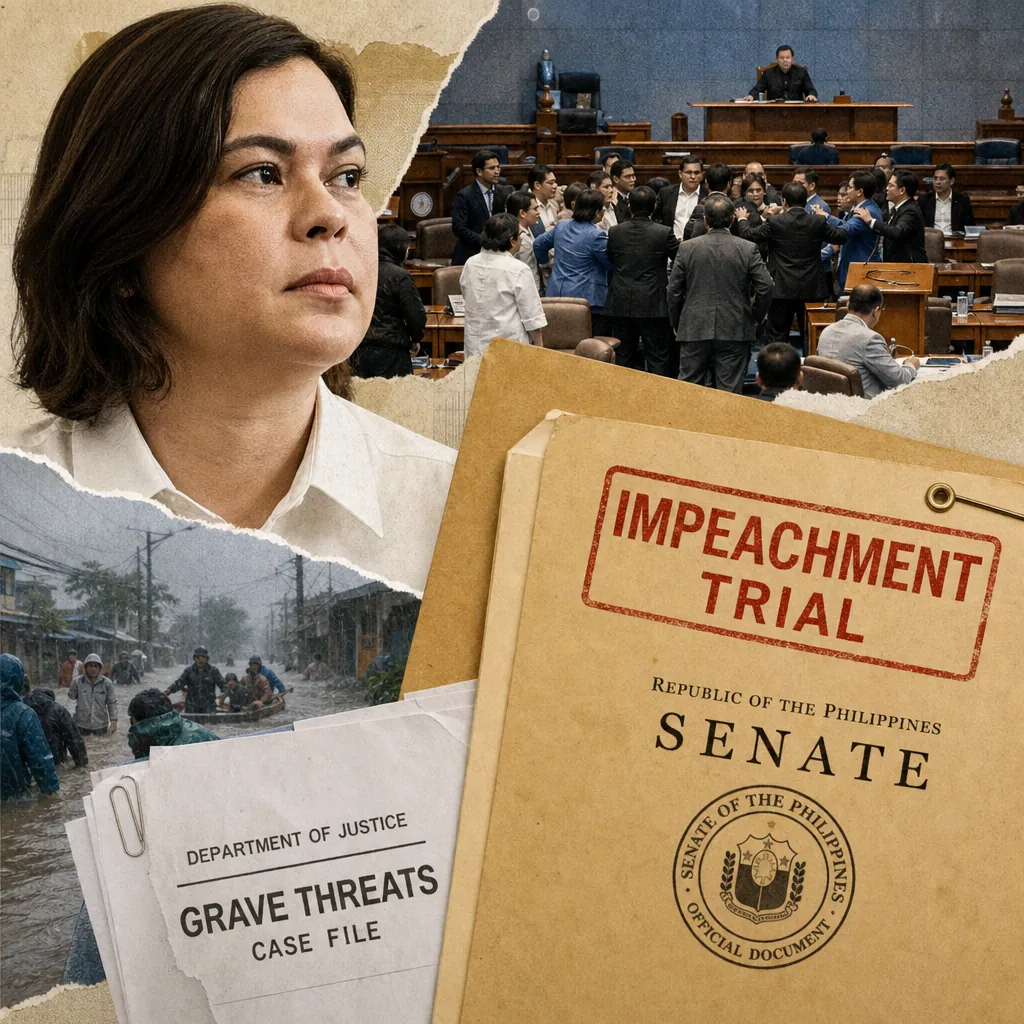
- Impeachment trial of VP Sara Duterte: The House prosecution called out Vice President Sara Duterte for attacking the impeachment court's integrity, threatening sub judice and contempt rules. The Palace dismissed her claims that President Marcos could be seen as "pro-China," with PCO Undersecretary Claire Castro laughing off the remark.
- Economic relief measures: Amid the crises, the government announced a Meralco rate reduction of ₱0.0428 per kWh and an oil price rollback, providing a counter-narrative of tangible consumer benefits. The House also approved a bill raising the tax exemption ceiling to ₱350,000.
- Class and work suspensions: Nearly 7 million students were affected by school suspensions across eight regions. Several local governments, including Quezon City, Manila, and Bacoor, suspended classes on August 11. Malacañang ordered work-from-home arrangements for government offices in Zambales, Bataan, and Occidental Mindoro.
- Scam awareness: A Reddit user detailed a phishing scam impersonating the MMDA, attempting to charge HKD 37,752 to a credit card. This highlighted how crises create new opportunities for cybercriminals, raising concerns about government digital security.
How the narratives stack
Dominant: The monsoon flooding and its aftermath dominated the day's conversation, both in terms of news coverage and public engagement. The human toll—deaths, displacements, and the Baguio landslide—anchored the narrative, but the focus quickly shifted to government accountability. The Ombudsman's probe into ₱60 billion of flood control projects became a rallying point for critics, with social media reactions reflecting deep-seated frustration. This narrative was the most significant because it combined immediate human suffering with long-term governance failures, making it a potent mix of emotion and policy.
Counter-narrative: The MMDA's assertion that Metro Manila flooding was "less severe" despite heavy rains served as a counter-narrative, attempting to frame infrastructure improvements as successful. However, this message was met with low engagement and skepticism, as local governments declared states of calamity, contradicting the central government's reassurance. The economic relief measures—Meralco rate cut and oil price rollback—also provided a positive counterpoint, but they were overshadowed by the crises.
Emerging: The impeachment trial of Vice President Sara Duterte is an emerging narrative that could intensify in the coming weeks. The House prosecution's threats of sub judice and the Palace's mockery of Duterte's claims suggest a politically charged atmosphere. This narrative intersects with the corruption discourse, as the public links political battles with governance failures. The trial's progress will likely generate sustained engagement, especially as it merges with disaster response criticism.
Suppressed: The story of the rescued dog from the Baguio landslide, which drew overwhelming positive engagement (618 love reactions and 655 care responses), was a human-interest angle that provided hope amid tragedy. However, this narrative was largely overshadowed by the broader corruption and accountability discourse. The dog's rescue was a rare moment of unity and compassion, but it did not shift the dominant narrative of government failure. This under-covered story highlights the public's desire for positive stories, even in times of crisis.
Platform insights
- Facebook: Facebook was the emotional epicenter of the conversation. Posts about the Baguio landslide and the dog rescue drew thousands of reactions, with care and love reactions dominating. The Montalban state of calamity post received 146 sad reactions, reflecting public grief. In contrast, posts about corruption and political clashes, such as the Ombudsman's probe and the impeachment trial, drew high "haha" reactions, indicating cynicism. Facebook served as the primary platform for both emotional engagement and political commentary.
- Twitter/X: Twitter functioned as the official announcement channel, with Malacañang and government agencies posting updates. Engagement was modest, with view counts ranging from 64 to 3,422. The platform was also where viral moments, such as Claire Castro's laughter and James Deakin's suggestion to name typhoons after corrupt officials, gained traction. Twitter's brevity allowed for rapid dissemination of news, but it lacked the emotional depth of Facebook.
- Reddit: Reddit provided the most analytical and critical engagement. The "rich in the philippines" post, which questioned the value of wealth when infrastructure fails, received 287 likes and 107 comments, sparking a philosophical debate. Reddit users also discussed the DOH/PhilHealth leadership swap with scrutiny, examining the implications of the personnel moves. The platform's upvote system highlighted the most resonant content, which often skewed toward skepticism and dark humor.
- YouTube: While not explicitly mentioned in the monitoring writeups, YouTube likely served as a platform for broadcast news and video content, particularly for the BNC Agenda program and other news outlets. The platform's role in disseminating video updates on the flooding and the dog rescue would have contributed to the emotional narrative, though specific engagement data was not captured.
Key voices and communities
- Mainstream news outlets: Organizations like Inquirer.net, Manila Bulletin, and GMA News Online were primary distributors of news, with their posts generating significant engagement. They framed the day's events through a lens of administrative continuity and crisis response, but their content often attracted cynical reactions from the public.
- Government and political elites: Senators JV Ejercito and Chiz Escudero were key voices endorsing the DOH leadership changes, signaling bipartisan support. Their statements were widely covered and helped legitimize the appointments. The Palace, through PCO Undersecretary Claire Castro, also played a role in shaping the narrative, particularly in dismissing VP Duterte's claims.
- Engaged civic commenters on Reddit: This community provided the most critical analysis of the day's events. They scrutinized the DOH/PhilHealth appointments, questioned the value of wealth in the face of infrastructure failures, and discussed the implications of the corruption probe. Their engagement was characterized by a desire for transparency and accountability.
- Anticorruption watchdogs and legal followers: This group, active on Facebook, engaged with the Sandiganbayan subpoena and the Ombudsman's probe. The high "haha" reaction count on these posts indicated public skepticism toward anti-graft proceedings. They were key in amplifying the corruption narrative and connecting it to the flooding.
- Affected communities and disaster resilience advocates: Residents and local observers documented the flooding and landslides, providing firsthand accounts that often outperformed official statements in engagement. Their posts highlighted the human toll and the failure of infrastructure, fueling the demand for accountability.
Narrative streams
The DOH-PhilHealth leadership swap: A strategic move or musical chairs?
The day's first major story was the resignation of Health Secretary Dr. Jose Pujalte Jr. and the swift appointment of PhilHealth chief Dr. Edwin Mercado as his replacement. In a parallel move, Dr. Beverly Ho, a former DOH official and current chief health officer at Ayala Healthcare Holdings, was named the new PhilHealth president and CEO. This reciprocal swap—a PhilHealth executive moving to DOH and a DOH executive moving to PhilHealth—was framed by senators as a stabilizing move for the Universal Health Care (UHC) program. Senator Chiz Escudero said the appointments provided "much-needed clarity and stability" for the DOH, which had been hounded by leadership issues. Senator JV Ejercito, principal author of the UHC law, expressed optimism that Mercado's expertise as a physician and healthcare executive would drive health reforms.
On Reddit, however, users were more skeptical, viewing the swap as "musical chairs" within the health bureaucracy. The discussion focused on the irony of moving a PhilHealth executive to DOH while bringing a former DOH official to PhilHealth, questioning whether this was strategic cross-pollination or simply a reshuffling of the same faces. The engagement on these posts was moderate, with 24-26 upvotes and 7 comments each, indicating a watchful but not outraged audience.
The coverage of this story was substantial, with multiple articles from Inquirer.net and Manila Times, including a profile of Beverly Ho and statements from senators. The advertising-equivalent value of this coverage was notable, with the Inquirer's article on Ho's appointment worth an estimated ₱179,172, and the senator endorsements worth over ₱200,000 each. This indicates that the media placed significant weight on the leadership transition, even if public engagement was muted.
For the health sector, this transition represents both an opportunity and a risk. The bipartisan support from senators suggests a smooth confirmation process, but the public's low engagement means there is a window for narrative shaping. Communicators should emphasize continuity of UHC programs and the appointees' qualifications to preempt skepticism.
The monsoon floods: A natural disaster or a governance failure?
The enhanced southwest monsoon, intensified by Tropical Depression Luis and Tropical Storm Maymay, brought torrential rains to Luzon, causing widespread flooding and landslides. The Office of Civil Defense reported 12 deaths and 1.3 million affected individuals, while the PNP reported 15 deaths, 13 injured, and 9 missing. The Baguio City landslide in Barangay Guisad Surong was the deadliest single incident, with eight confirmed deaths and two still missing. The rescue of a dog from the debris after nearly 24 hours became a viral story, drawing 618 love reactions and 655 care responses on Facebook, providing a rare moment of hope.
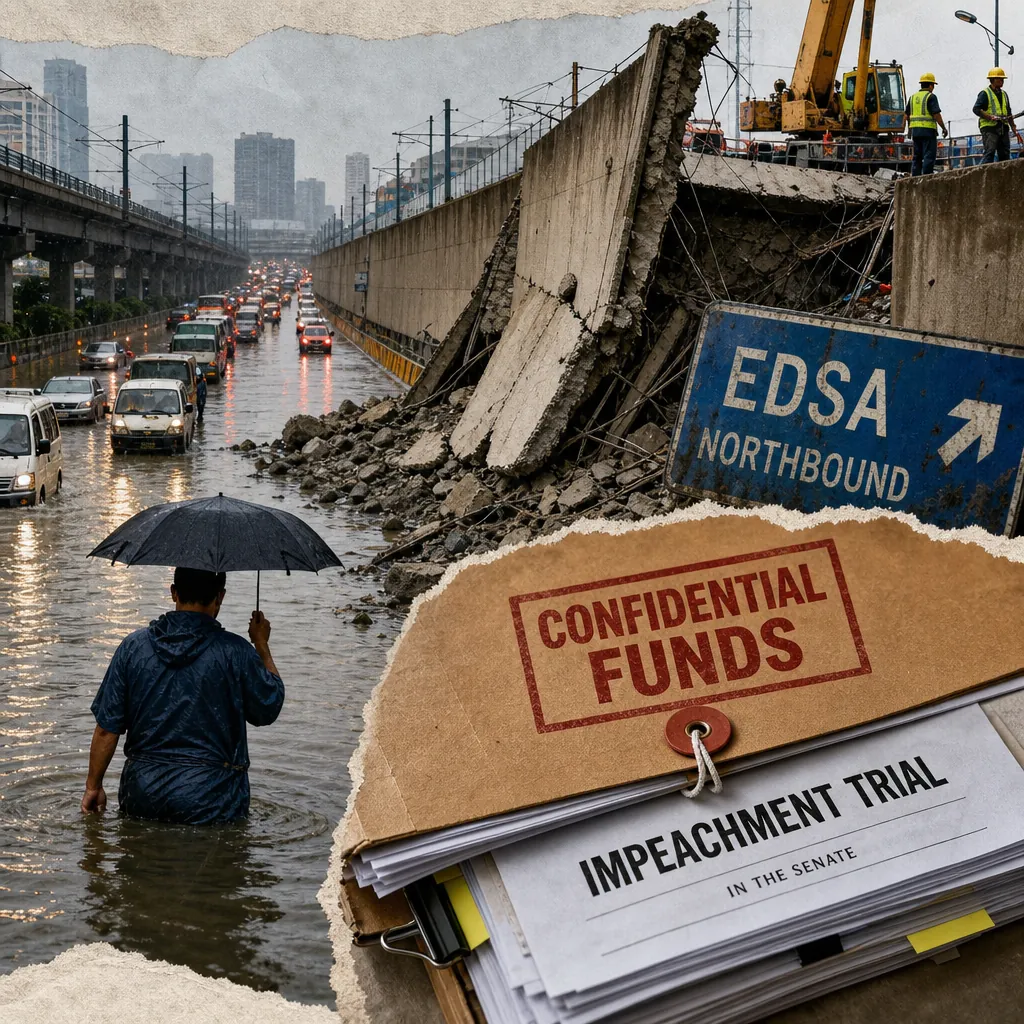
However, the public's response quickly turned to anger and cynicism. The MMDA's assertion that Metro Manila flooding was "less severe" despite heavy rains was met with skepticism, as local governments like Montalban and Dagupan City declared states of calamity. The Ombudsman's announcement that his office was investigating ₱60 billion worth of flood control projects in Cebu over six years became a rallying point. Ombudsman Jesus Crispin Remulla said, "That should be a lot of money to control the flooding. But apparently, the past month, flooding happened again here in Cebu." This statement, along with the revelation of potholes on newly fixed EDSA sections, fueled the narrative that infrastructure failures were due to corruption, not just weather.
A Reddit post captured the public sentiment perfectly: "you can be rich in the philippines. you can buy a tesla, build a beautiful house... but when the rain comes, your tesla still has to drive through the flood." The post received 287 likes and 107 comments, sparking a debate about the futility of personal wealth in the face of systemic failures. This sentiment was echoed across platforms, with "haha" reactions dominating posts about flood control and potholes, indicating that the public had moved from anger to dismissive mockery.
The coverage of the floods was extensive, with articles from Inquirer.net, Manila Times, and other outlets. The MMDA's statement on flooding was worth an estimated ₱539,028 in advertising-equivalent value, while the Ombudsman's probe into Cebu projects was worth ₱209,412. This indicates that the media devoted significant resources to covering the disaster and its aftermath.
For government communicators, the key takeaway is that the public is no longer willing to accept reassurances without evidence. The "floods ease" narrative was contradicted by local declarations of calamity, creating a credibility gap. To rebuild trust, agencies must proactively publish infrastructure audits, acknowledge the human toll, and highlight concrete steps toward flood mitigation.
The corruption probe: A glimmer of accountability or a political tool?
The Ombudsman's investigation into ₱60 billion worth of flood control projects in Cebu was the most significant development in the corruption narrative. Ombudsman Jesus Crispin Remulla visited the Mananga River flood control project in Talisay City and questioned why flooding still occurred despite the massive investment. He also announced a review of court records for possible bias in the bail granted to former Senator Bong Revilla, who faces a malversation case over a ghost flood control project. Remulla's statement, "It's not the death penalty that will give a deterrence to corruption. It is the certainty of punishment," was widely quoted and drew attention to the need for accountability.
The public's reaction to the probe was mixed. On Facebook, the post about the probe received 65 "haha" reactions and 29 likes, indicating cynicism. However, the Ombudsman's broader message about punishing corruption resonated with some, as evidenced by the engagement on his statement about certainty of punishment. The probe also intersected with the impeachment trial of VP Sara Duterte, as some lawmakers accused the prosecution team of being involved in anomalous flood control projects.
The coverage of the corruption probe was substantial, with articles from Inquirer.net and other outlets. The Ombudsman's statement on certainty of punishment was worth an estimated ₱263,844 in advertising-equivalent value, while the article on the Cebu probe was worth ₱209,412. This indicates that the media was closely following the investigation.
For the government, the probe presents an opportunity to demonstrate a commitment to accountability. However, the public's cynicism suggests that mere announcements are not enough. Communicators should focus on concrete actions, such as contractor blacklisting and the publication of audit results, to rebuild trust.
The impeachment trial: Political theater or a distraction?
The impeachment trial of Vice President Sara Duterte continued to generate significant engagement, with the House prosecution calling out Duterte for attacking the impeachment court's integrity. The prosecution threatened sub judice and contempt rules, escalating the political tension. The Palace dismissed Duterte's claims that President Marcos could be seen as "pro-China," with PCO Undersecretary Claire Castro laughing off the remark. This moment became a viral sensation, with Castro's laughter being widely shared on Twitter.
On Facebook, posts about the impeachment trial drew high "haha" reactions, indicating that the public viewed the political clash with amusement rather than concern. A post about the prosecution's warning received 110 "haha" reactions and 43 comments, while a post about the President backing his son's account of the UniTeam breakup drew 246 laughter reactions. This suggests that the public is fatigued by the political infighting and is treating it as entertainment rather than a serious governance issue.
The coverage of the impeachment trial was extensive, with articles from Inquirer.net and other outlets. The article on the prosecution's call-out was worth an estimated ₱153,468 in advertising-equivalent value, while the article on Castro's dismissal of Duterte's claims was worth ₱106,113. This indicates that the media was closely following the trial, but the public's engagement was more about mockery than substantive debate.
For communicators, the impeachment trial is a sensitive topic that requires careful navigation. The public's cynicism suggests that any messaging that appears to take sides will be met with ridicule. Instead, communicators should emphasize due process and the rule of law, while avoiding partisan language.
Conversation trajectory
- Leadership transition narrative will dominate near-term coverage: The DOH/PhilHealth leadership swap will likely sustain discussion for 2-3 weeks as stakeholders assess the implications. The Senate confirmation hearings for Mercado, anticipated within 2-3 weeks, will generate substantial engagement. Expect the narrative to focus on continuity of UHC programs and the appointees' qualifications.
- Flood control corruption narrative will intensify: The Ombudsman's investigation into ₱60 billion in Cebu flood control projects will likely accelerate within 2-3 weeks as findings progress. Expect amplified scrutiny of contractor blacklisting and the proposed flood control funding safeguards for the 2027 budget. The public's cynicism may shift to anger if concrete actions are not taken.
- Impeachment trial coverage will merge with disaster response criticism: The trial's progress will continue to generate engagement, but it will increasingly intersect with disaster response failures. The public may link the political battles with governance failures, creating a compounded accountability narrative. This could persist through the trial's conclusion.
- Economic relief messaging will provide a counter-narrative: The Meralco rate cut and oil price rollback offer a short window (1-2 weeks) to assess whether these tangibles offset negative coverage. If economic relief stories maintain visibility, they could soften criticism of the administration's handling of the crises.
- Digital scam awareness will grow: The MMDA phishing scam story will likely gain traction as a public safety warning. Expect this to become a supplementary narrative about government digital security readiness, with potential implications for how agencies communicate with the public.
Trigger events to watch: The Senate confirmation hearings for the new DOH Secretary (within 2-3 weeks), the release of the Ombudsman's findings on Cebu flood control projects (within 1-2 weeks), the rescheduling of the Senate impeachment trial, and the continuation of monsoon rains. Any new typhoon or landslide will reignite the disaster response narrative and intensify scrutiny of government preparedness.
Response guidance
For communicators in the government and public sector, the following guidance is essential:
- Proactively publish infrastructure audits and accountability measures: To counter the perception of impunity, agencies like the DPWH and the Ombudsman's office should publicly communicate the steps being taken to investigate and blacklist contractors involved in substandard projects. This shifts the story from failure to enforcement.
- Develop a "Reform and Resilience" narrative framework: Highlight concrete, measurable objectives, such as the DSWD's stockpile increases or the DepEd's response to affected schools, while acknowledging challenges. This differentiates day-to-day disaster response from long-term infrastructure investment debates.
- Engage with sentiment through visual and community-focused content: Use high-impact, community-focused content, such as videos of engineers assessing damage or drone footage of flood control structures, to humanize the response and educate the public on the complexity of flood mitigation.
- Handle the impeachment trial with extreme caution: Emphasize due process and the rule of law, avoiding any language that could be construed as undermining judicial independence. Do not engage in partisan debates.
- Address the digital scam threat: Publish official advisories about phishing scams impersonating government agencies, and establish clear verification channels for official communications. This reinforces that citizen safety extends beyond physical disaster response to digital security.
- Coordinate a unified messaging calendar: Synchronize updates from PAGASA, OCD, MMDA, and local government units to ensure all communications reinforce the same narrative of a coordinated, effective response. This is critical as the situation transitions from emergency response to recovery.
- Monitor Reddit and Facebook for emerging concerns: Engage with communities that are actively discussing the DOH/PhilHealth appointments and the corruption probe. Provide transparent information about appointees' qualifications and the investigation's progress to preempt skepticism.
- Avoid tone-deaf messaging: During a crisis, avoid communications that could be perceived as trivializing the disaster or diverting attention from the response. Focus on empathy and tangible support for affected communities.
See the full picture behind today's signals.
This report draws from Media Meter's MediaWatch, our real-time monitoring engine tracking 2,470+ Philippine sources across print, broadcast, digital, and social. Explore how the platform turns raw coverage into decision-grade intelligence, then see how it's configured for teams like yours — whether you're in PR agencies, corporate comms, government, or marketing.
Want more? Browse our Report Library for sector and crisis intelligence, or request a demo and we'll have your brand set up before the call.
Want this kind of intelligence on your brand?
This brief is built on the same MediaWatch methodology that runs continuously across every brand we monitor. See your competitive landscape, Impact Score, and narrative trajectory in a 30-minute demo.