Impeachment, plunder, and disaster: A nation on multiple fronts
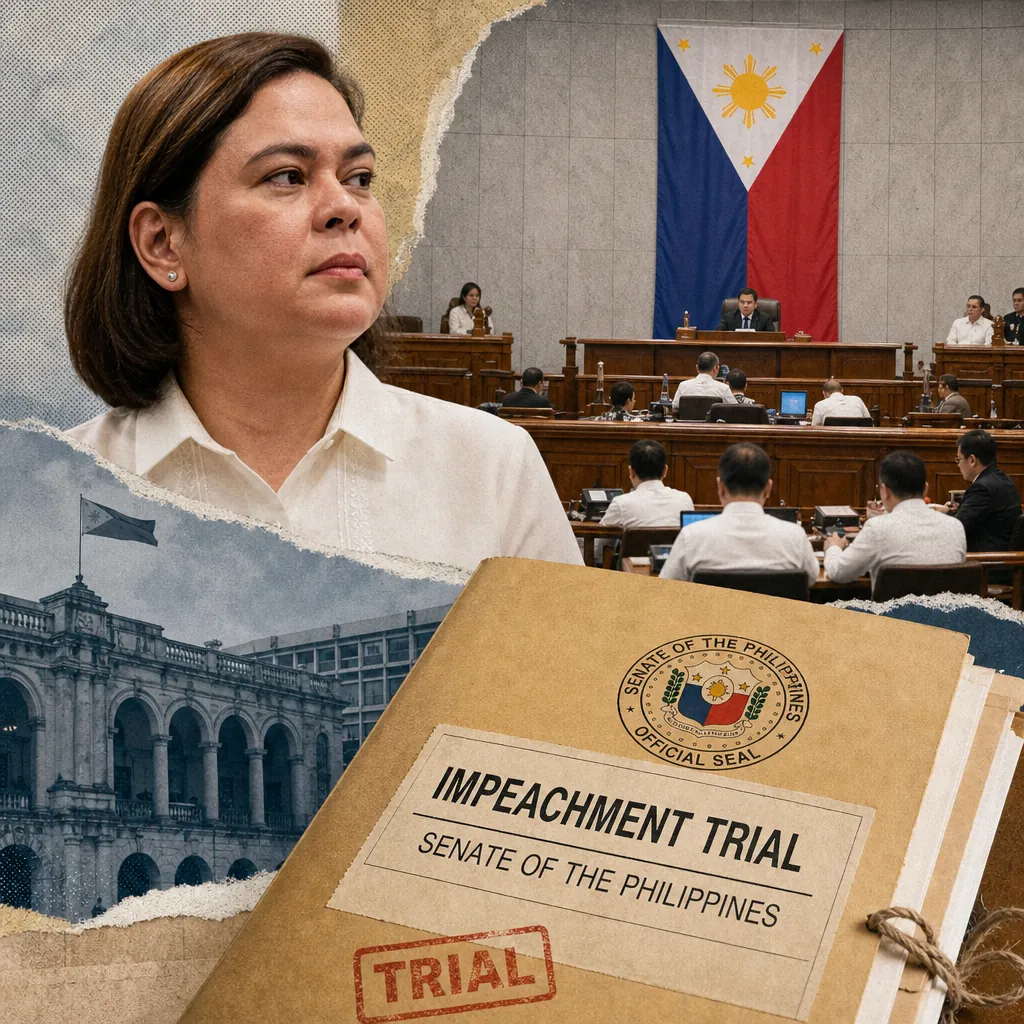
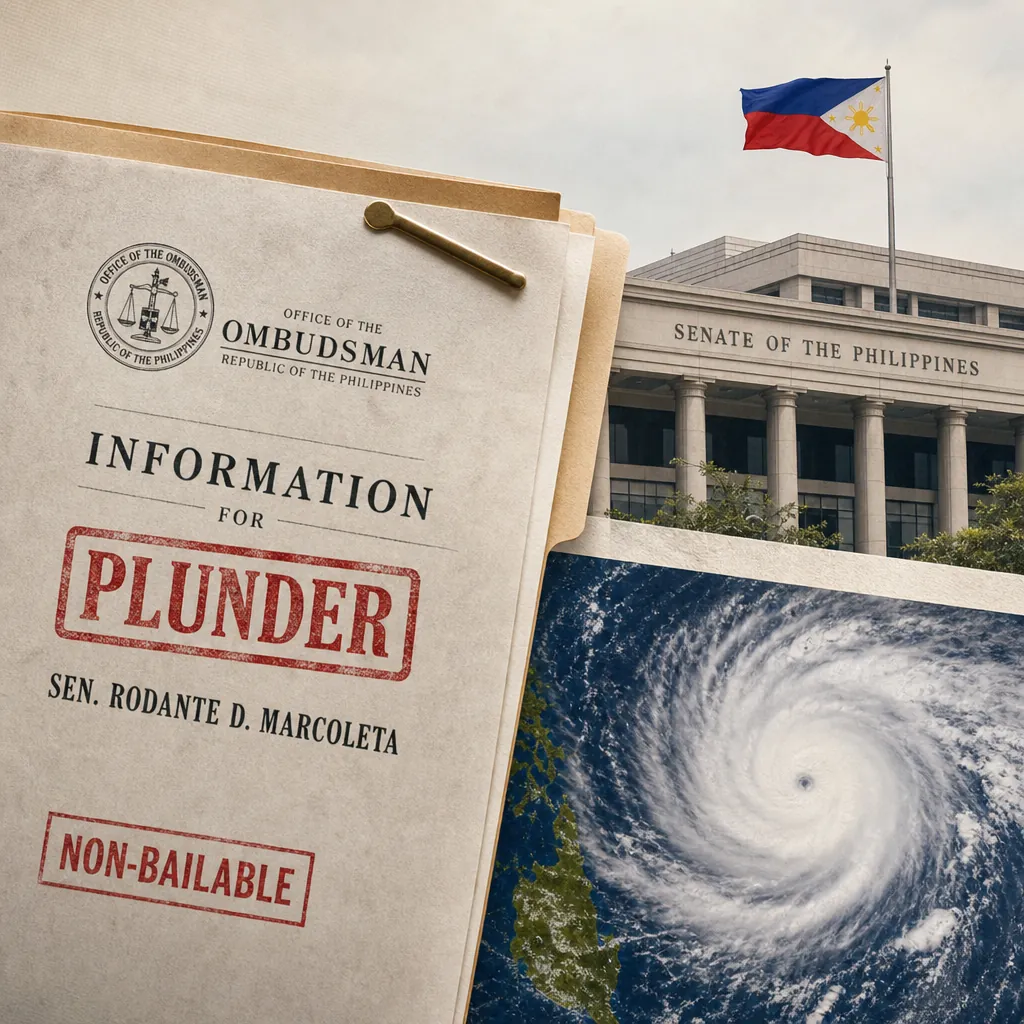
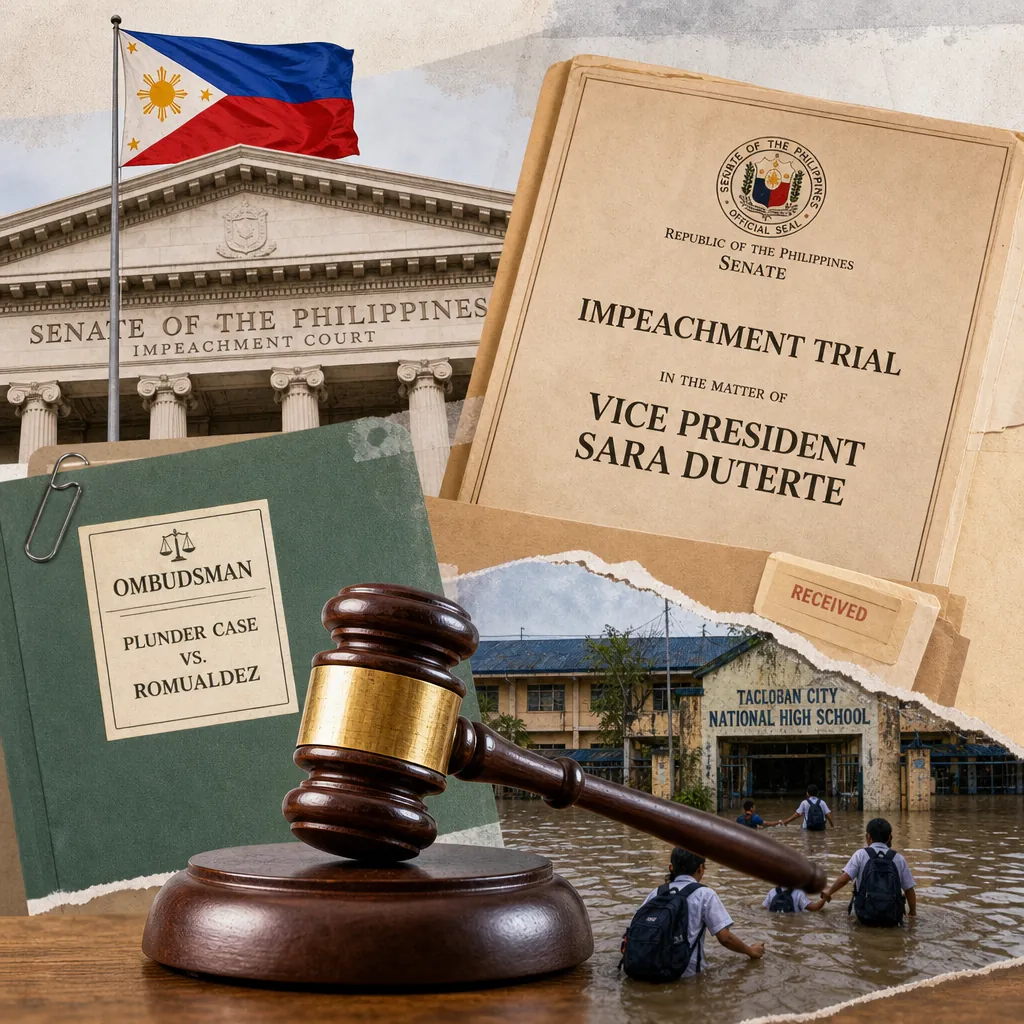
The July 3-4 conversation was dominated by the impending impeachment trial of Vice President Sara Duterte, the Ombudsman's plunder case against Senator Marcoleta, and the dismissal of former Senate sergeant-at-arms Mao Aplasca, alongside dual natural disaster threats from Super Typhoon Bavi and Kanlaon Volcano. Infrastructure projects and the flood control corruption scandal also drew significant public engagement.
The weekend of July 3-4, 2026, saw the Philippines grappling with a convergence of political and natural crises that dominated public conversation across social media and news outlets. The impending impeachment trial of Vice President Sara Duterte, set to open on July 6, was the single most covered story, drawing massive engagement and deep partisan polarization. Simultaneously, the Office of the Ombudsman filed a non-bailable plunder case against Senator Rodante Marcoleta and dismissed former Senate Sergeant-at-Arms Mao Aplasca, creating a dense web of accountability narratives that critics framed as selective justice. These political dramas unfolded against the backdrop of Super Typhoon Bavi (local name Inday) intensifying to Category 5 strength outside the Philippine Area of Responsibility, and Kanlaon Volcano emitting repeated ash plumes under Alert Level 2. The flood control corruption scandal involving former House Speaker Martin Romualdez also continued to generate high engagement, with eight witnesses signing sworn affidavits and alternative media outlets driving the narrative. Infrastructure updates on EDSA rehabilitation and Mindanao bridge projects provided a contrasting thread of government delivery, though the EDSA works drew public mockery. The conversation was fragmented across platforms: Facebook hosted the most polarized emotional reactions, Twitter served as a rapid news feed, and YouTube attracted large audiences for long-form news programs and independent weather analysis.
Key themes
- Impeachment trial preparations and procedural battles: The Senate Impeachment Court summoned Vice President Sara Duterte to appear on July 6, with both prosecution and defense declaring readiness. A central flashpoint was the "BIR Green Box" containing the Vice President's tax records, with Senator Panfilo Lacson arguing the court had no duty to safekeep it, while the House prosecution insisted it could be opened without an executive session. The Senate approved 92 trial days, and the House named NBI regional director Jeremy Lotoc among its first witnesses.
- Plunder case against Senator Marcoleta and selective justice narrative: The Ombudsman filed a non-bailable plunder case against Senator Rodante Marcoleta over alleged undeclared P75 million in campaign donations, with former Congressman Mike Defensor and businessmen Joseph Espiritu and Aristotle Viray named as co-accused. The timing—days before the impeachment trial—fueled accusations of selective justice, with critics arguing the administration was targeting opposition figures while sparing allies. The Iglesia ni Cristo (INC) staged a massive protest rally on June 30, and clergy groups organized a "Jericho Walk for Truth and Justice" outside the Senate on July 4.
- Aplasca dismissal and Senate security fallout: Ombudsman Jesus Crispin Remulla ordered the dismissal of former acting Senate Sergeant-at-Arms Mao Aplasca for his role in the May 13 Senate shooting incident, where he reportedly fired a warning shot toward NBI operatives during a standoff involving Senator Bato dela Rosa. The decision was widely covered and drew mixed reactions, with some seeing it as justice and others as a political purge.
- Super Typhoon Bavi/Inday threat and public anxiety: PAGASA reported that Tropical Cyclone Bavi had intensified into a super typhoon with maximum sustained winds of 205 km/h, remaining outside PAR but expected to enter by mid-week. Official posts drew high emotional engagement—one PAGASA update received 1,178 likes, 407 shares, and 441 sad reactions. Independent weather channels on YouTube accumulated tens of thousands of views with alarmist titles, and a Reddit post comparing Bavi to Typhoon Haiyan/Yolanda amplified public fear.
- Kanlaon Volcano ash emissions: PHIVOLCS recorded two ash emissions on July 4, with plumes rising 300 meters above the crater. Alert Level 2 remained in effect, and no ashfall was reported in nearby communities. The volcano activity was overshadowed by the typhoon threat but added to the compound disaster risk.
- Flood control corruption scandal intensifies: Attorney Levito Baligod confirmed that eight former marines had signed sworn affidavits with "explosive testimonies" against former House Speaker Martin Romualdez, with 14 more witnesses expected. Alternative media network Peanut Gallery Media (PGMN) drove the narrative with high-engagement posts detailing alleged budget anomalies and foreign properties, with one post receiving over 10,000 likes. Navotas Representative Toby Tiangco challenged the administration to prove its anti-corruption campaign is impartial.
- Infrastructure: EDSA rehab draws mockery, Mindanao projects praised: The DPWH began Phase 2 of the EDSA Rehabilitation Project, but public reaction was overwhelmingly negative—a GMA News post received 2,400 reactions, with 1,290 "haha" responses indicating widespread skepticism. In contrast, progress on the Samal Island-Davao City Connector Bridge (61% complete) and the Callawa Bailey Bridge (75% complete) generated positive engagement with no negative reactions. Flood control declogging operations by the MMDA also drew strong approval.
- International and sports stories provide brief distraction: The US celebrated its 250th Independence Day with President Trump's rally and fireworks, while Filipino tennis star Alex Eala made history by reaching the Wimbledon fourth round after defeating defending champion Iga Swiatek. These stories offered temporary respite from the domestic political turmoil.
How the narratives stack
Dominant: The impeachment trial of Vice President Sara Duterte and the related legal actions against Senator Marcoleta and Mao Aplasca formed the dominant narrative across all platforms. This cluster of stories generated the highest engagement, deepest polarization, and most sustained media coverage. The conversation was driven by both mainstream news outlets (ABS-CBN, GMA, Inquirer, Manila Bulletin) and alternative media (PGMN), with Facebook serving as the primary battleground for emotional reactions. The "haha" reaction dominated many posts, indicating that audiences often treated serious allegations with mockery rather than outrage. The Manila Bulletin's daily rundown covering these developments garnered over 84,000 YouTube views, while TV Patrol Weekend's livestream reached 239,270 views.
Counter-narrative: The government's disaster response and infrastructure messaging provided a counterpoint to the corruption and impeachment narratives. Flood control operations, bridge project updates, and the administration's "Build Better More" program were framed as evidence of competent governance. The MMDA's declogging post received 403 likes and 350 care reactions, while the Samal Bridge update generated positive engagement. However, these stories struggled to compete for attention against the political drama.
Emerging: The politicization of natural disaster reporting emerged as a notable undercurrent. A Twitter user pointed out that the approaching typhoon's local name "Inday" coincides with Vice President Sara Duterte's nickname, and that her impeachment trial starts the same week. This framing, while low in volume, signals that even weather updates may be viewed through a partisan lens, posing a reputational risk for government agencies.
Suppressed: The ongoing flood control corruption scandal, while generating high engagement on alternative media, received relatively less coverage from mainstream outlets compared to the impeachment trial. The narrative of systemic corruption in infrastructure spending—potentially implicating multiple high-ranking officials—was overshadowed by the more immediate political drama of the impeachment. The story of 4,000 families affected by flooding in Maguindanao del Sur also received minimal attention.
Platform insights
- Facebook: The dominant platform for emotional engagement and partisan debate. Official government pages (PAGASA, PHIVOLCS, MMDA) received moderate engagement, while news outlets (GMA News, ABS-CBN, Manila Bulletin) and alternative media (PGMN) drove the highest interaction. The "haha" reaction was the most common response to political posts, indicating widespread mockery. The INC rally post from news5everywhere received 3,983 haha reactions and 1,480 comments, showing deep polarization. Facebook was also the primary hub for localized disaster updates and community-level infrastructure news.
- Twitter/X: Served as a real-time news feed for breaking updates, with lower engagement but higher view counts. News organizations used Twitter for rapid dissemination of Ombudsman actions, PAGASA advisories, and PHIVOLCS footage. Political analyst @jesusfalcis drove analytical threads that attracted thousands of views. The platform also hosted the most critical political commentary, including the tweet linking the typhoon name to the VP's impeachment.
- YouTube: Long-form news programs and independent weather analysis attracted the highest view counts. TV Patrol Weekend (239,270 views), Manila Bulletin's daily rundown (84,536 views), and ANC's coverage (68,676 views) demonstrated strong demand for curated, comprehensive reporting. Independent weather channels like @weatherupdatetoday. (25,605 views) filled the gap left by official sources with alarmist but popular content. YouTube comments were relatively few per view, suggesting passive consumption.
- Reddit: A single post comparing Super Typhoon Bavi to Typhoon Haiyan/Yolanda gained 101 upvotes and 30 comments, indicating that historical trauma is being activated. The platform played a minor role overall but served as a space for more analytical discussion.
Key voices and communities
- Government agencies (PAGASA, PHIVOLCS, DSWD, MMDA, DPWH): These official accounts provided authoritative updates on weather, volcanic activity, relief operations, and infrastructure projects. Their content was factual and measured, generating moderate engagement but high trust. PAGASA's typhoon update received 1,178 likes and 441 sad reactions, indicating public anxiety. DSWD's reporting of 779,277 family food packs distributed reinforced government competence.
- Mainstream news media (ABS-CBN, GMA, Inquirer, Manila Bulletin, Daily Tribune): These outlets amplified official announcements and framed the political and disaster narratives. They generated the highest engagement volumes, with GMA News' EDSA rehab post receiving 2,400 reactions and Manila Bulletin's daily rundown reaching 84,000 YouTube views. Their coverage was generally neutral but shaped public perception through story selection.
- Alternative and investigative media (Peanut Gallery Media, Rappler): PGMN emerged as the most influential source on the flood control corruption scandal, with posts receiving over 10,000 likes. Their investigative reporting on Romualdez's alleged budget anomalies and foreign properties set the agenda for the weekend. Rappler provided balanced coverage of the impeachment and Marcoleta case.
- Political figures and legal commentators (Sen. Lacson, Rep. Tiangco, Atty. Roque, Fr. Reyes): These individuals drove the strategic narrative through statements and interviews. Sen. Lacson's comments on the BIR green box and Marcoleta case were widely covered. Rep. Tiangco's challenge to the administration to prove impartiality resonated strongly. Atty. Harry Roque's legal analysis of the plunder case became a shorthand for the defense. Fr. Robert Reyes called for Marcoleta to face the court.
- Faith-based and civil society groups (Iglesia ni Cristo, Kingdom Keepers, Clergy for Good Governance): The INC mobilized thousands for a protest rally against selective justice, while the Jericho Walk for Truth and Justice drew hundreds of participants from various denominations. These groups framed the impeachment and plunder cases as moral issues, appealing to rule of law and accountability.
Narrative streams
The impeachment trial: A nation divided
The impeachment trial of Vice President Sara Duterte, set to begin on July 6, dominated the conversation with procedural disputes and partisan positioning. The Senate Impeachment Court summoned Duterte to appear, and both sides declared readiness. The defense signaled it might use public opinion as a strategy, while the House prosecution named NBI regional director Jeremy Lotoc among its first witnesses.
A central flashpoint was the "BIR Green Box" containing Duterte's tax records. Senator Panfilo Lacson stated that the impeachment court had "no legal duty to safeguard" the box and should return it to the House prosecution panel. The House prosecution insisted the box could be opened without an executive session. This procedural debate became a proxy battle over transparency versus executive privilege, with each side accusing the other of obstruction.
Political analyst @jesusfalcis ignited further debate by suggesting that DDS senators might boycott the trial, potentially lowering the conviction threshold. His post received 48,833 views and 506 likes. The possibility of a reduced Senate quorum raised constitutional questions about what constitutes a "majority of all members" for conviction.
President Marcos Jr., speaking from Canada, said it would be "much easier to get to the bottom of everything" if Duterte attended the trial in person. The Palace also stated it would not interfere in the proceedings, respecting the separation of powers.
The Marcoleta plunder case: Selective justice or accountability?
The Ombudsman's filing of a non-bailable plunder case against Senator Rodante Marcoleta on July 3 rapidly became a major subplot. The charges stemmed from Marcoleta's alleged failure to disclose P75 million in campaign donations, which he had openly admitted to receiving in a live broadcast in 2025. Senator Lacson noted that the case could become a "reverse trial" because Marcoleta's own admissions provided damning evidence.
The timing—days before the impeachment trial—fueled accusations of selective justice. Navotas Representative Toby Tiangco challenged the administration to prove its anti-corruption campaign is impartial, stating that the Ombudsman's case against former Speaker Romualdez must be pursued with equal vigor. The Iglesia ni Cristo, of which Marcoleta is a member, staged a massive protest rally on June 30, blocking EDSA and drawing widespread public anger.
Clergy groups, including Fr. Robert Reyes of the Clergy for Good Governance, organized a "Jericho Walk for Truth and Justice" outside the Senate on July 4, calling for Marcoleta to face the court. Reyes stated, "If accountability is what the Iglesia Ni Cristo is demanding, make Marcoleta face the Court, explain himself, and let his lawyers argue for him."
Palace Press Officer Claire Castro said the executive branch would not interfere, emphasizing the separation of powers. The Philippine National Police confirmed it was ready to enforce any arrest warrant from the Sandiganbayan.
Aplasca dismissal: Justice for the May 13 shooting?
Ombudsman Jesus Crispin Remulla announced on July 4 that he had ordered the dismissal of former acting Senate Sergeant-at-Arms Mao Aplasca from government service. Aplasca was suspended earlier for his role in the May 13 Senate shooting incident, where he reportedly fired a warning shot toward NBI operatives during a standoff involving Senator Bato dela Rosa.
Remulla stated, "You are inside the building, and you're firing at law enforcement? It's so ironic that you're firing at law enforcement." The decision was widely covered, with GMA News' Twitter post reaching 5,797 views and 218 likes. Facebook reactions were polarized, with 200 "haha" and 182 "angry" responses on one post, reflecting deep partisan division.
Super Typhoon Bavi/Inday: Fear and preparation
PAGASA reported that Tropical Cyclone Bavi had intensified into a super typhoon with maximum sustained winds of 205 km/h as of 8:00 PM on July 4, remaining outside the Philippine Area of Responsibility but expected to enter by mid-week. The storm was forecast to be given the local name "Inday" upon entry.
Official posts from PAGASA and civildefenseph maintained a factual, advisory tone, but independent weather channels on YouTube drove a fear-based narrative. @weatherupdatetoday.'s video warning of a "malakas na habagat" next week accumulated over 25,000 views. A Reddit post by u/donbarang escalated the alarm by comparing Bavi to Typhoon Haiyan/Yolanda, which killed over 6,000 people in 2013.
The emotional response on official posts was notable: PAGASA's update received 1,178 likes, 407 shares, but 441 sad reactions and 63 care reactions, indicating growing public anxiety. The high sad reaction count suggests that the cumulative psychological toll of the aftershock sequence from the June 8 M7.8 earthquake was compounding with the typhoon threat.
A political undercurrent emerged when Twitter user @22three7eleven posted, "Everything in the Philippines, even weather reporting, is political. Which other country do we know names an approaching typhoon after their Vice President, whose impeachment trial also starts on the same week?" This tweet, referencing the local name "Inday" (VP Sara Duterte's nickname), garnered 14 likes and 663 views, signaling that disaster messaging could be politicized.
Kanlaon Volcano: A secondary crisis
Kanlaon Volcano generated two ash emissions on July 4, with plumes rising 300 meters above the crater. PHIVOLCS maintained Alert Level 2, and no ashfall was reported in nearby communities. The volcano activity was overshadowed by the typhoon threat but added to the compound disaster risk. PHIVOLCS shared time-lapse footage that drew 6,248 views on Twitter.
Flood control corruption: Witnesses and allegations
The flood control corruption scandal continued to intensify, with Attorney Levito Baligod confirming that eight former marines had signed sworn affidavits detailing explosive testimonies against former House Speaker Martin Romualdez, with 14 more witnesses expected. Alternative media network Peanut Gallery Media (PGMN) drove the narrative with high-engagement posts, including one claiming Romualdez had bloated the House training budget from P42 million to P94 million, leaving an apparent P88 million discrepancy flagged by COA. That post received 9,486 likes and 459 shares.
Another PGMN post cited Navotas Representative Toby Tiangco, who challenged the administration: "The administration cannot claim an anti-corruption drive while stopping at the small fish and sparing the alleged mastermind." This post accumulated 873 likes and 136 love reactions.
Assistant Ombudsman Mico Clavano stated that the case against Romualdez continues to gain strength, with former Public Works Secretary Manuel Bonoan expected to testify. The Ombudsman has publicly identified Romualdez as the alleged "mastermind" behind the flood control anomaly.
Infrastructure: EDSA rehab mocked, Mindanao projects praised
The DPWH began Phase 2 of the EDSA Rehabilitation Project, covering sections from Makati to Caloocan, with night-time asphalt overlaying scheduled until July 23. The official DPWH-NCR post received only 22 likes, but when GMA News redistributed the schedule, engagement surged to 2,400 reactions, with 1,290 "haha" responses—indicating widespread public skepticism or dark humor about yet another round of roadworks.
In contrast, progress on the Samal Island-Davao City Connector Bridge (61% complete, ahead of schedule) and the Callawa Bailey Bridge (75% complete, targeting July opening) generated positive engagement with no negative reactions. A comprehensive post detailing future infrastructure in Toril, Davao City, earned 149 likes and 60 shares, indicating strong local interest.
Flood control operations by the MMDA, in partnership with DOLE TUPAD beneficiaries, received overwhelmingly positive responses. A post about declogging operations on Roxas Blvd. Service Road drainage garnered 403 likes and 350 care reactions, signaling strong public approval for visible, tangible action on urban flooding.
Conversation trajectory
- Impeachment trial opening (July 6): The trial will dominate headlines for the foreseeable future, with the first week's witness testimony on Article IV (alleged assassination threat) likely generating the highest emotional engagement. Expect sustained polarization and procedural debates, with the BIR green box issue and potential senator boycotts as key flashpoints.
- Marcoleta plunder case: The Sandiganbayan's processing of the case will keep the selective justice narrative alive. Any arrest warrant for Marcoleta would trigger a new wave of discussion about campaign finance and political persecution. The INC's continued mobilization could escalate if Marcoleta is detained.
- Super Typhoon Bavi/Inday entry into PAR (projected July 8): The storm's entry will trigger local name "Inday" and likely prompt Signal Number warnings. The coincidence with the impeachment trial opening creates a risk that disaster response messaging will be politicized. The one-month anniversary of the June 8 earthquake on July 8 may also generate a spike in mournful and accountability-focused posts.
- Kanlaon Volcano: Any escalation to Alert Level 3 or higher during the typhoon period would create a "compound disaster" narrative that tests government coordination and messaging.
- Flood control corruption: The expected signing of additional witness affidavits within 1-2 weeks will provide fresh content for alternative media and maintain pressure on Romualdez. The Ombudsman's "grandest case" framing suggests a sustained legal escalation.
- Infrastructure milestones: The opening of the Callawa Bailey Bridge within July offers a concrete achievement that can be leveraged for positive messaging, but the EDSA rehab's negative sentiment may deepen as commuter frustration builds.
Response guidance
- For government communicators (Malacañang, DSWD, PAGASA, PHIVOLCS): The convergence of political and natural crises requires a unified, apolitical messaging strategy. Separate weather and volcano updates from partisan commentary by emphasizing the scientific, non-political nature of PAGASA's naming conventions and PHIVOLCS's monitoring. Proactively address the "Inday" naming controversy by releasing the standard list of pre-assigned typhoon names. For the impeachment trial, maintain a stance of non-interference and respect for due process, while reinforcing the administration's commitment to accountability. Amplify disaster response successes (e.g., 779,277 food packs distributed) to counterbalance negative narratives.
- For telecom clients (PLDT, Smart): The approaching super typhoon and ongoing volcanic unrest create a predictable spike in demand for network reliability. Launch pre-emptive network status updates and preparedness tips in partnership with NDRRMC and PAGASA. Monitor social sentiment for early signs of customer anxiety about service disruptions, and prepare rapid-response templates for outage scenarios. The EDSA rehab may also affect fiber lines; coordinate with DPWH on real-time traffic alerts.
- For banking clients (BPI): The high emotional engagement on disaster posts (441 sad reactions on PAGASA's update) signals that customers are distracted and anxious. Prepare proactive communications about branch closures, digital banking reliability, and loan relief options ahead of the typhoon's expected impact. The political turmoil may also affect consumer confidence; monitor for any spillover into discussions of financial stability.
- For all clients: The flood control corruption scandal and impeachment trial are creating a highly polarized environment. Avoid engaging in partisan debates on social media. If your brand is drawn into governance discussions, emphasize transparency, due process, and commitment to ethical practices. The high "haha" reaction count on many political posts indicates that audiences are treating serious allegations with mockery—a sign that trust in institutions is low. Proactive, fact-based communication is essential.
See the full picture behind today's signals.
This report draws from Media Meter's MediaWatch, our real-time monitoring engine tracking 2,470+ Philippine sources across print, broadcast, digital, and social. Explore how the platform turns raw coverage into decision-grade intelligence, then see how it's configured for teams like yours — whether you're in PR agencies, corporate comms, government, or marketing.
Want more? Browse our Report Library for sector and crisis intelligence, or request a demo and we'll have your brand set up before the call.
Want this kind of intelligence on your brand?
This brief is built on the same MediaWatch methodology that runs continuously across every brand we monitor. See your competitive landscape, Impact Score, and narrative trajectory in a 30-minute demo.