Impeachment trial, flood control blame, and economic milestone: A day of stark contrasts
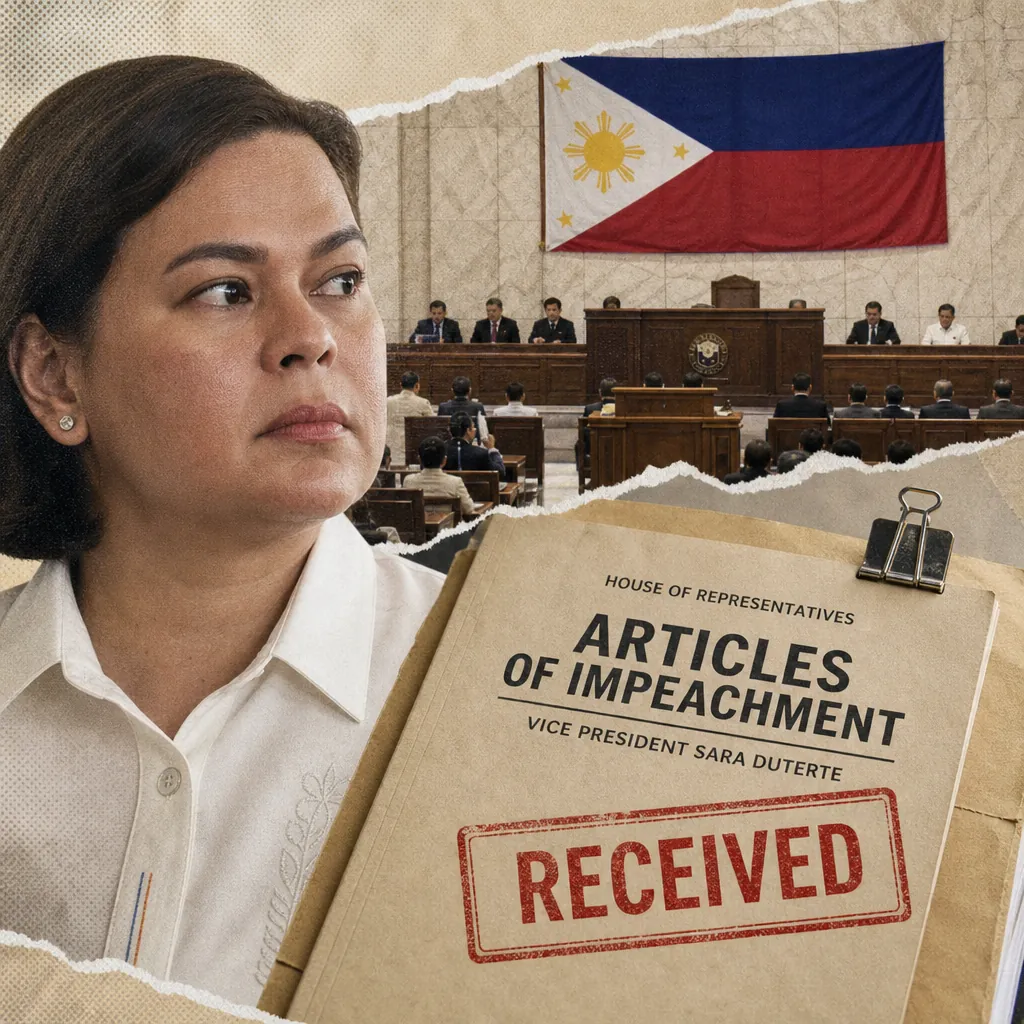
The July 4-5 conversation landscape was defined by the opening of VP Sara Duterte's impeachment trial, President Marcos's blame-shifting on flood control corruption, and public skepticism toward the World Bank upgrade to upper-middle-income status.
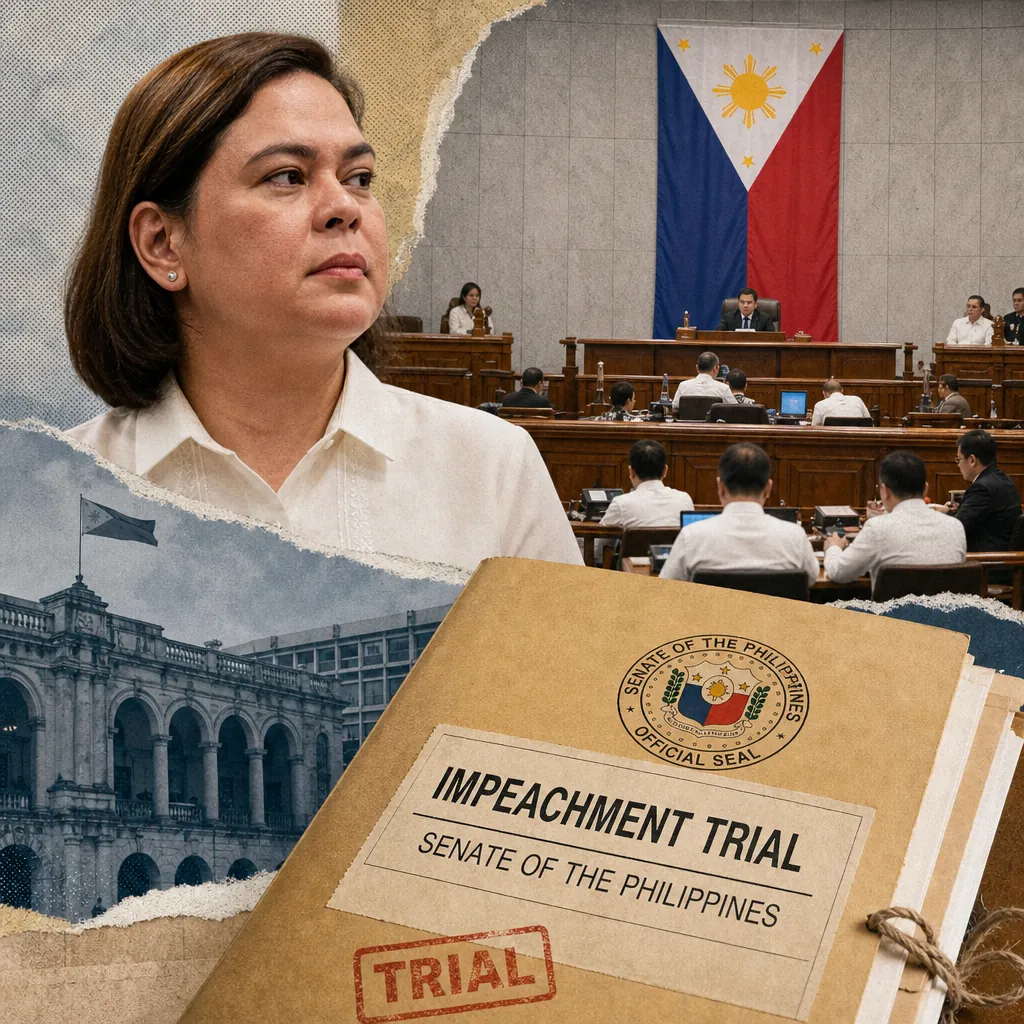
The conversation on July 4-5, 2026, unfolded across three major, interlocking narratives: the historic impeachment trial of Vice President Sara Duterte, President Ferdinand Marcos Jr.'s defensive counter-offensive on the flood control corruption scandal, and the World Bank's upgrade of the Philippines to upper-middle-income status. Each story generated intense engagement, but the dominant public mood was one of skepticism, with the "haha" reaction becoming a recurring signal of disbelief across platforms. The day's conversation was less a debate than a series of parallel monologues, with official optimism colliding with lived economic pain and political theater.
The impeachment trial dominated the news cycle as the Senate prepared to convene as an impeachment court on July 6. President Marcos, returning from a state visit to Canada, publicly advised Vice President Duterte to attend the trial personally, stating, "If it was me being accused, I would insist on appearing". This comment was immediately weaponized by former Comelec Commissioner Rowena Guanzon, who recalled Marcos's own non-appearance during his 2022 disqualification case, calling him a "LIAR" in a post that garnered over 3,000 likes and 7,412 "haha" reactions. The prosecution and defense held separate religious services on the eve of the trial, with the prosecution's mass generating over 3,900 reactions and 13,000 comments on Facebook. The trial's procedural legitimacy was further complicated by the Ombudsman's filing of plunder charges against Senator Rodante Marcoleta, a potential Duterte ally, which could affect the number of senator-judges and the conviction threshold.
Simultaneously, President Marcos used his Canada press conference to directly blame former President Rodrigo Duterte for failing to act on flood control anomalies, stating, "Kung talagang raket ko 'yun, bakit ko sisirain ang raket ko?" (If it were really my racket, why would I destroy my racket?). This defense was met with overwhelming public mockery: a single News5 Facebook post accumulated 45,804 "haha" reactions and 15,702 comments. The "raket ko" phrase became a memetic symbol of disbelief, with the public viewing the blame-shifting as political theater rather than genuine accountability. The flood control scandal also intersected with the impeachment narrative, as critics accused the administration of selective justice, particularly after Marcos expressed confidence in the Ombudsman's plan to use former DPWH Secretary Bonoan as a state witness against House Speaker Romualdez.
The third major narrative was the World Bank's upgrade of the Philippines to upper-middle-income status, announced on July 4. While official accounts celebrated the milestone, the public reaction was deeply skeptical. A post from @phdefcom announcing the upgrade received 4,073 likes but 2,235 "haha" reactions, signaling that many viewed the news with irony or disbelief. This sentiment was crystallized on Reddit, where user u/symphonicw posted "Inflation is affecting my mental health," describing how rising prices made even basic necessities unaffordable. The disconnect between macroeconomic indicators and household-level distress became the central fault line of the conversation, with the Department of Trade and Industry (DTI) crediting the Marcos administration's free trade agreements for the upgrade, while citizens complained of wages that "don't sustain life" [2, 4].
Key themes
- Impeachment trial as a test of institutional legitimacy: The trial of Vice President Sara Duterte is framed by both sides as a constitutional reckoning. The prosecution emphasizes accountability and transparency, while the defense and Duterte allies portray it as political persecution. The Senate leadership dispute between Senators Cayetano and Gatchalian adds a layer of procedural uncertainty, with Cayetano warning that the trial's legitimacy could be questioned if the Supreme Court does not rule on his petition. The public's demand for transparency is high, as evidenced by Senator Bam Aquino's motion to make all evidence public, which drew widespread support.
- Flood control blame game backfires: President Marcos's attempt to shift blame for the flood control scandal to former President Duterte has been met with widespread mockery. The "raket ko" defense, intended to exonerate him, has instead become a symbol of public distrust. The overwhelming "haha" reactions across multiple posts suggest that the public views the administration's anti-corruption efforts as selective and politically motivated [4, 5].
- Economic milestone meets lived reality: The World Bank upgrade to upper-middle-income status is a genuine policy achievement, but the public does not feel its benefits. The high number of "haha" reactions on the announcement post indicates that many Filipinos see the upgrade as disconnected from their daily struggles with inflation, low wages, and unaffordable necessities [1, 2]. This tension between macro-level success and micro-level hardship is a significant reputational risk for the administration.
- Disaster response as a reputation anchor: The government's response to the M7.8 Sarangani earthquake has been a rare bright spot. The DSWD's consistent, data-rich updates on relief operations—828,516 family food packs distributed by July 5—generated modest but uniformly positive engagement, with no angry reactions. This contrasts sharply with the skepticism directed at economic claims, suggesting that operational competence in crisis situations can partially offset negative sentiment.
- Agricultural export optimism: The ube export story, with DTI reporting $3.06 million in 2025 exports, generated genuine pride, earning 1,781 likes and 1,050 love reactions. The Department of Agriculture's industry-led roadmap, emphasizing stakeholder-driven development, also received positive attention, though some "haha" reactions suggest lingering skepticism about government agricultural planning.
- PNP's "Focused Agenda" saturation campaign: The Philippine National Police's coordinated release of arrest and drug-bust reports over the weekend generated high engagement, with multiple posts receiving over 10,000 likes and thousands of comments [1, 2, 3]. This deluge of law-enforcement narratives effectively crowded out other topics on Facebook, creating a perception of an administration-focused public safety campaign.
- PhilHealth fund diversion controversy escalates: Dr. Tony Leachon's series of Facebook posts accusing Executive Secretary Ralph Recto of orchestrating an unconstitutional P60-billion transfer of PhilHealth reserves to the national treasury has gained traction, with posts citing the Supreme Court's ruling that the diversion was unconstitutional [4, 5]. This narrative threatens the administration's credibility on fiscal responsibility and health governance.
- Alex Eala's Wimbledon run as a unifying moment: Filipino tennis sensation Alex Eala's historic victory over defending champion Iga Swiatek at Wimbledon provided a rare moment of national pride, with President Marcos and Wimbledon itself offering congratulations. The public viewing at PhilSports Arena organized by the MMDA underscores the unifying power of sports amid political turmoil.
How the narratives stack
Dominant: The impeachment trial of Vice President Sara Duterte is the single most dominant narrative, saturating social media and news coverage. The trial's opening on July 6 has been framed as a historic constitutional moment, with both sides mobilizing supporters through religious services, protests, and media campaigns. The conversation is highly polarized, with engagement metrics showing deep partisan divides. The trial's outcome will have significant implications for the Marcos administration's political stability and the 2028 presidential election.
Counter-narrative: The flood control corruption scandal, as framed by President Marcos's blame-shifting, has generated a powerful counter-narrative of public skepticism. The overwhelming "haha" reactions to Marcos's defense suggest that the public is not buying the administration's narrative. Instead, many view the investigation as selective justice, targeting Duterte-era officials while protecting Marcos allies. This counter-narrative is amplified by opposition figures and independent commentators who question the sincerity of the anti-corruption drive.
Emerging: The PhilHealth fund diversion controversy is an emerging narrative with the potential to escalate into a major accountability campaign. Dr. Tony Leachon's framing of the P60-billion transfer as a "betrayal of trust" is gaining traction among healthcare advocates and could attract broader public attention if linked to the impeachment trial or flood control scandal. The Supreme Court's ruling that the diversion was unconstitutional provides a legal foundation for this narrative.
Suppressed: The World Bank upgrade to upper-middle-income status, while celebrated by official accounts, is being actively suppressed by public skepticism. The high number of "haha" reactions and the parallel Reddit threads about inflation and mental health indicate that the public is not receptive to this positive economic narrative. The administration's challenge is to bridge the gap between macroeconomic achievements and household-level realities, but the current conversation suggests that this message is not resonating.
Platform insights
- Facebook: The dominant platform for emotional amplification and viral reactions. The PNP's "Focused Agenda" posts generated the highest engagement, with multiple posts receiving over 10,000 likes and thousands of comments. The News5 post on Marcos's flood control defense accumulated 45,804 "haha" reactions, making it the single most engaged piece of content. Official agency pages (DSWD, DA, DTI) dominated with structured, positive messaging but low comment volumes, indicating they remain broadcast channels rather than conversation starters. The exception was @phdefcom's post on the World Bank upgrade, which drew 1,344 comments and became a battlefield for the economic debate.
- Twitter/X: Used primarily for rapid news dissemination and direct quotes. The flood control story broke here first via major news accounts, with @newswatchplusph's tweet garnering 156,603 views. However, engagement was more reserved compared to Facebook, with comments remaining low. Twitter served as the first-mover for factual updates but lacked the sustained emotional engagement of Facebook. Hashtags like #ImpeachmentTrial and #SaraDuterte trended, but organic user engagement was relatively low.
- Reddit: Emerged as the analytical hub for critical and emotionally resonant content. The post by u/khazraxd on the flood control scandal earned 521 upvotes and 117 comments, generating thoughtful debate. The inflation and mental health thread by u/symphonicw captured grassroots sentiment that official metrics cannot measure. The post by u/bored_ai_enthusiast about BBM "growing in ur heart" among former Leni voters signaled a potential shift in political allegiance, though top comments remained critical of both administrations.
- YouTube: Became the hub for in-depth opinion and speculation on the impeachment trial. Long-form videos from @tapwanlive (20,368 views) and @phupdateofficial (60,287 views) blended news with partisan commentary. The platform evolved from informational updates to emotional storytelling as the trial approached. PhilHealth-related videos from government channels averaged under 400 views, suggesting the YouTube audience was not a major battleground for that issue.
Key voices and communities
- Pro-Marcos administration supporters: This group includes political vloggers, partisan news aggregators, and super-engaged Facebook pages that amplify the President's narrative. Their content typically draws moderate-to-high engagement, with one post amassing over 45,000 "haha" reactions and 15,700 comments. They consistently frame the flood control scandal as a "Duterte-era problem" that Marcos alone has the courage to clean up. Their primary narrative is that Marcos is the first president to act on corruption, and that former President Duterte knowingly allowed anomalies to continue without accountability.
- Pro-Duterte/former administration loyalists: A loose coalition of pages and activist accounts that reject Marcos's framing and defend the Duterte record. Their influence is concentrated on Facebook, where high anger and "haha" reactions dominate. They argue that Marcos is deflecting blame and practicing "selective justice" to shield his own allies. Their emotional volatility is a signal of deep partisan divides that could fuel disinformation campaigns.
- Healthcare accountability advocates: A vocal cluster of medical professionals and former government health advisors, anchored by Dr. Tony Leachon, drives critical conversation around PhilHealth fund management. Their content combines policy analysis, moral condemnation, and calls for accountability. They frame the P60-billion transfer as a "betrayal of trust" and link it to broader governance failures. This group directly challenges a key administration official (Recto) and a major government program (PhilHealth).
- Mainstream news media and fact-checking accounts: Legacy outlets like GMA News, News5, Philippine Daily Inquirer, and Rappler form a neutral-to-institutional stakeholder group that drives reach through official YouTube and Twitter channels. Their content typically receives thousands of views but moderate engagement. This group's credibility makes them the primary source for the undecided public and for international observers. Their editorial choices directly shape public discourse beyond partisan bubbles.
- Financially stressed citizens and mental health advocates: Individual Reddit users express deep economic anxiety and mental health deterioration linked to inflation and inadequate wages. These voices reject the "upper-middle-income" framing, emphasizing lived experiences of rising prices, low wages, and unaffordable healthcare. Their narratives of inaccessibility can spill over into criticism of institutions perceived as complicit in high costs, posing a reputation risk for clients in banking and telecom.
Narrative streams
The impeachment trial: A constitutional reckoning or political theater?
The impeachment trial of Vice President Sara Duterte is the defining political event of the year, and the conversation on July 4-5 was dominated by pre-trial maneuvering and symbolic actions. The prosecution, led by House panel members, has framed the trial as a long-overdue accountability mechanism, urging the public to follow the proceedings directly rather than rely on viral clips. Senator Bam Aquino's motion to make all evidence public has become a rallying point for transparency advocates, with posts about his vow receiving over 719 likes and 5,000 "haha" reactions, indicating a mix of support and sarcastic dismissal.
The defense, meanwhile, has emphasized procedural irregularities and political persecution. The pre-trial brief was characterized as "tunog lata" (empty can) by critics, while supporters frame the impeachment as a distraction from the administration's own scandals. President Marcos's public advice for VP Sara to attend the trial has been a double-edged sword: while it positions the administration as pro-accountability, it also invites accusations of hypocrisy, as former Comelec Commissioner Guanzon's viral rebuttal demonstrated.
The Senate leadership dispute between Senators Cayetano and Gatchalian adds a layer of procedural uncertainty. Cayetano's warning that the trial's legitimacy could be questioned if the Supreme Court does not rule on his petition has been amplified by opposition accounts, framing the trial as procedurally vulnerable. The potential arrest of Senator Marcoleta on plunder charges further complicates the landscape, as it could reduce the number of senator-judges and shift the conviction threshold.
For the administration, the trial represents both an opportunity and a threat. A conviction would demonstrate institutional integrity and weaken a potential political rival, but a perceived unfair trial could erode public trust in the Senate and the Marcos administration. The high engagement on posts about the trial—with one GMA News post on a pro-accountability march generating over 3,900 reactions and 13,000 comments—underscores the public's intense focus on this issue.
Flood control blame game: The "raket ko" defense backfires
President Marcos's attempt to shift blame for the flood control corruption scandal to former President Duterte has been the most consequential communication move of the weekend, but it has backfired spectacularly. The President's rhetorical question, "Kung talagang raket ko 'yun, bakit ko sisirain ang raket ko?" (If it were really my racket, why would I destroy my racket?), was intended to exonerate him by arguing that no one would expose their own scheme. Instead, it has become a memetic symbol of public disbelief.
The reaction on Facebook was overwhelming: a single News5 post featuring this quote accumulated 45,804 "haha" reactions and 15,702 comments, far exceeding likes or angry reactions. This pattern was repeated across multiple posts, with the "haha" reaction becoming the dominant response to any content related to the flood control scandal. The public's interpretation is clear: they view the President's defense as political theater rather than genuine accountability.
The flood control scandal is also deeply intertwined with the impeachment narrative. Critics accuse the administration of selective justice, pointing to the Ombudsman's plan to use former DPWH Secretary Bonoan as a state witness against House Speaker Romualdez, a Marcos ally. This has fueled speculation that the investigation is targeting political enemies rather than systemic corruption. The Reddit thread by u/khazraxd, which earned 521 upvotes, explicitly questioned the timeline of investigations and the motives behind the probe.
For the administration, the challenge is to transform the "haha" narrative into a credible anti-corruption story. The President's admission that "we are not done yet" invites scrutiny, and if no major arrests or account freezes are announced soon, the "nag-expose lang ako" defense will lose further credibility. The narrow window for credibility recovery requires tangible outcomes, not just defensive statements.
Economic milestone meets lived reality: The upper-middle-income disconnect
The World Bank's upgrade of the Philippines to upper-middle-income status on July 4 was a genuine policy achievement, but the public reaction was deeply skeptical. The announcement post from @phdefcom received 4,073 likes but 2,235 "haha" reactions, an unusually high share of laughter emojis that signals disbelief rather than celebration. This pattern was echoed across platforms, with the Department of Trade and Industry's (DTI) attribution of the upgrade to the Marcos administration's free trade agreements generating minimal engagement on Twitter [4, 5].
The disconnect between macroeconomic indicators and household-level distress was crystallized on Reddit, where user u/symphonicw posted "Inflation is affecting my mental health," describing how rising prices made even water and basic necessities unaffordable. The post captured a widespread feeling: "Yung may sahod ka nga pero hindi naman nakakabuhay" (You have a salary but it doesn't sustain life). This sentiment directly contradicts the official narrative of economic progress.
The conversation around the upgrade also intersected with the agricultural export narrative. The ube export story, with DTI reporting $3.06 million in 2025 exports, generated genuine pride, earning 1,781 likes and 1,050 love reactions. However, the Department of Agriculture's industry-led roadmap received 20 "haha" reactions alongside 61 likes, suggesting some viewers found the government's pivot to agriculture-driven success ironic amid persistent food inflation.
For the administration, the challenge is to bridge the gap between macro-level success and micro-level hardship. The upgrade is a statistical milestone, but the public needs to feel its benefits in their daily lives. The rice distribution programs highlighted by Valenzuela City and the DBM-DILG joint circular on financial assistance offer tangible examples of government intervention, but they have not yet penetrated the broader conversation.
Disaster response as a reputation anchor
Amid the political turmoil, the government's response to the M7.8 Sarangani earthquake has been a rare bright spot. The DSWD's consistent, data-rich updates on relief operations—828,516 family food packs, 16,095 ready-to-eat food boxes, and 18,173 non-food items distributed by July 5—generated modest but uniformly positive engagement, with no angry reactions. This contrasts sharply with the skepticism directed at economic claims, suggesting that operational competence in crisis situations can partially offset negative sentiment.
The disaster response narrative is functioning as a reliable reputation anchor for government agencies. The DSWD's posts, while generating only 48-118 likes, framed government agencies as proactive and competent. Local government posts from Valenzuela City and Alabel reinforced the "Bawat Bayan" rice distribution program, with Valenzuela highlighting 2,645 beneficiaries receiving 10 kilos each. These posts received love and care reactions, signaling public appreciation for tangible assistance.
However, the low amplification on Twitter indicates that these messages are not penetrating beyond agency pages. For communications teams, the takeaway is to seed these relief updates into independent community pages and influencer channels to expand reach. The disaster response narrative offers a template for how to humanize government action, but it needs to be amplified beyond official channels to compete with the impeachment and flood control stories.
PhilHealth fund diversion: An emerging accountability campaign
The PhilHealth fund diversion controversy escalated significantly over the weekend, driven by Dr. Tony Leachon's pointed Facebook posts. Leachon's July 4 post, featuring the statement "Recto will not listen. But silence is complicity," became a rallying point for healthcare advocates, garnering 261 likes and 32 shares. His July 5 follow-up cited the Supreme Court's December 5 ruling that the P60-billion diversion was unconstitutional, moving the discussion from allegation to legal fact.
The narrative is framed as a "betrayal of trust," with Leachon accusing Executive Secretary Ralph Recto of orchestrating the transfer and linking it to a broader pattern of fiscal betrayal. The conversation is drawing in broader governance critiques, with a post from former Ombudsman Conchita Carpio-Morales warning about legal systems bent to serve political factions.
This narrative directly threatens the administration's credibility on fiscal responsibility and health governance. For banking and telecom clients, increased public skepticism toward government fund management could spill over into broader trust issues affecting the business environment. The administration's response has been to push a counter-narrative of benefit increases, with Recto's own statements about a 30% benefit hike being framed as divisive and inconsistent with universal healthcare principles [6, 7].
The PhilHealth controversy is still primarily driven by individual advocates rather than organized coalitions, but it has the potential to escalate into a major accountability campaign if linked to the impeachment trial or flood control scandal. The Supreme Court ruling provides a legal foundation that could attract broader public attention.
Conversation trajectory
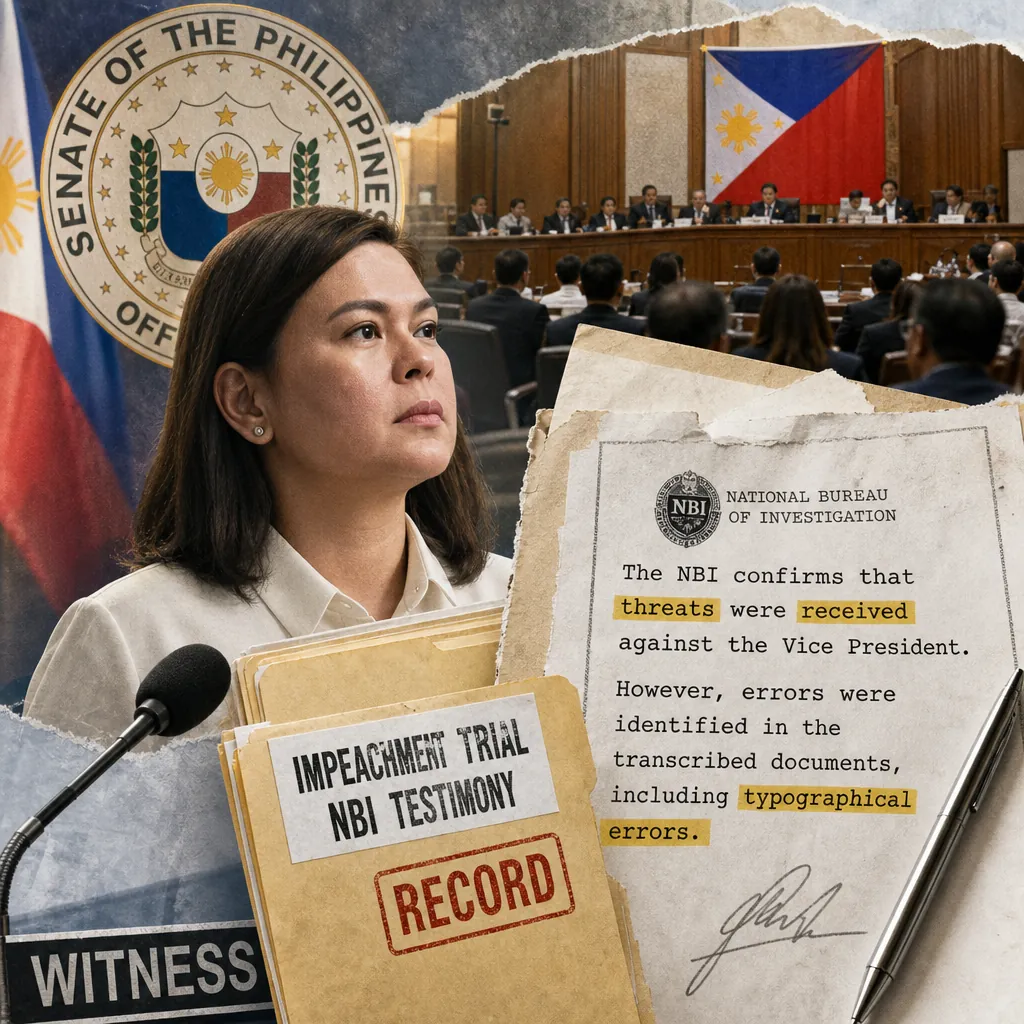
- Impeachment trial (next 1-2 weeks): The first 48 hours of the trial will be framed around VP Sara's attendance and procedural legitimacy. If she appears, the conversation will shift to her demeanor and testimony; if she stays away, expect intensified scrutiny on her defense team's strategies and a sustained "hiding from accountability" frame. The prosecution's first witnesses (NBI and House personnel) will set the tone for the evidence phase. The Senate leadership dispute and the Marcoleta plunder case will continue to complicate the narrative, potentially forcing the Supreme Court to intervene.
- Flood control scandal (next 2-4 weeks): The "raket ko" defense has created a credibility gap that the administration must address through tangible outcomes. If no major arrests or account freezes are announced within the next month, the public's skepticism will harden into cynicism. The Senate Blue Ribbon subcommittee hearings, expected within the next 10 days, will introduce new names and potentially implicate allies of both Marcos and Duterte, further polarizing the conversation.
- Economic narrative (next 1-2 months): The June inflation data, due on July 7, will be a critical test. If inflation slows further, it could provide some relief to the administration's economic narrative. However, the disconnect between macroeconomic indicators and household-level distress is unlikely to be resolved quickly. The State of the Nation Address in late July will be a key moment for the administration to reframe its economic message.
- PhilHealth controversy (next 2-4 weeks): The PhilHealth fund diversion narrative is likely to intensify as civil society groups and opposition figures amplify the issue. The administration's response—whether through proactive transparency or defensive silence—will determine whether this remains a niche advocacy issue or escalates into a broader accountability campaign.
Key trigger events: The first day of the impeachment trial (July 6); the June inflation data release (July 7); the Senate Blue Ribbon subcommittee hearings on flood control (within 10 days); the State of the Nation Address (late July); and any Supreme Court ruling on the Senate composition dispute or the Marcoleta plunder case.
Response guidance
- For Malacañang and government communicators: The immediate priority is to address the credibility gap on the flood control scandal. The "raket ko" defense has backfired, and the administration needs to pivot from defensive statements to tangible actions. Accelerate visible prosecutions and account freezes to transform the narrative from blame-shifting to accountability. Deploy neutral third-party validators (e.g., COA, Ombudsman) to release periodic progress reports on the flood control probe, independent of Palace press releases. On the impeachment trial, maintain a stance of institutional respect, avoiding direct commentary on the proceedings while reinforcing that "due process is being followed." Prepare Q&A materials addressing the President's earlier remarks, as they will continue to be cited by critics.
- For corporate clients (BPI, PLDT, Smart): The heightened political polarization poses a risk of brand association. Issue internal advisories to social media teams to avoid any engagement with trial-related hashtags or trending topics. Monitor comment sections on corporate pages during the first week of the trial, as trial-related "copy-paste" comments may appear. Consider deferring major product or campaign launches until after the initial two weeks of the trial, when the news cycle may stabilize. The PhilHealth controversy also presents a risk: any brand perceived as complicit in high costs or governance failures could face backlash. Proactive messaging on transparency and customer welfare can help mitigate this risk.
- For the Department of Agriculture and DTI: The ube export story and the World Bank upgrade offer positive narratives that can be amplified, but they must be paired with tangible citizen-level benefits. Use localized success stories (e.g., rice distribution, job creation) to humanize economic data. The disaster response narrative offers a template for how to build credibility through operational competence. Seed relief updates into independent community pages and influencer channels to expand reach beyond official agency pages.
- Sensitive topics to navigate: The gap between macroeconomic achievements and household inflation pain must be handled with balance. Avoid celebrating the upper-middle-income milestone without acknowledging that many Filipinos still struggle with rising prices. Frame the milestone as a foundation for further improvements, not as a claim that hardships are over. On the impeachment trial, avoid any suggestion of executive interference or double standards. The President's earlier remarks on attendance will continue to be cited by critics; prepare a consistent response that focuses on the current trial's legal framework rather than comparing personal conduct.
See the full picture behind today's signals.
This report draws from Media Meter's MediaWatch, our real-time monitoring engine tracking 2,470+ Philippine sources across print, broadcast, digital, and social. Explore how the platform turns raw coverage into decision-grade intelligence, then see how it's configured for teams like yours — whether you're in PR agencies, corporate comms, government, or marketing.
Want more? Browse our Report Library for sector and crisis intelligence, or request a demo and we'll have your brand set up before the call.
Want this kind of intelligence on your brand?
This brief is built on the same MediaWatch methodology that runs continuously across every brand we monitor. See your competitive landscape, Impact Score, and narrative trajectory in a 30-minute demo.