Naga land ownership secured for 1,400 via ECMP
The day's conversation centered on the DHSUD's Enhanced Community Mortgage Program securing land ownership for over 1,400 Naga City residents, alongside related housing finance and flood control developments. Social engagement was minimal, while news coverage spanned housing, infrastructure, and environmental resilience.

More than 1,400 residents of Naga City are set to secure ownership of the land they occupy under the Enhanced Community Mortgage Program (ECMP), a government initiative that helps informal settlers buy the land they live on through affordable loans. The announcement, made by the Department of Human Settlements and Urban Development (DHSUD) on August 22, drew roughly 1,060 views on Twitter but no likes, shares, or comments, underscoring a disconnect between official housing news and public engagement. The program, part of President Ferdinand Marcos Jr.'s Expanded Pambansang Pabahay para sa Pilipino (4PH) housing drive, was celebrated at a ceremony in Barangay Pacol, Naga City, where the Social Housing Finance Corp. (SHFC) awarded loan assistance to three homeowners associations. The event also marked Jesse Robredo Day, honoring the late interior secretary known for good governance.
While the housing announcement dominated the day's official communications, the broader conversation on social media and in the news touched on related themes: flood control, labor protections, and the affordability of housing for Filipino workers. A Reddit thread on delivery rider protections drew 62 upvotes and 7 comments, reflecting public interest in worker welfare during severe weather. Meanwhile, news outlets covered the government's flood control plans for Bulacan, a province repeatedly hit by monsoon floods, and a Senate hearing on the proposed P100 billion flood control budget. These stories, while not directly about real estate, shape the context in which Filipinos make housing decisions, particularly in flood-prone areas.
The day's coverage also included a memorandum of understanding between Pag-IBIG Fund and Ayala Land subsidiaries Avida and Amaia to expand housing options for workers under the 4PH program. This development signals continued collaboration between government financing and private developers to address the country's housing backlog. However, the low social engagement on the ECMP announcement suggests that such positive news is not breaking through to the public, leaving room for more critical narratives about housing delays and affordability to dominate.
Key themes
- ECMP secures land ownership for 1,400 Naga residents — The DHSUD announced that over 1,400 Nagueños will gain land ownership through the Enhanced Community Mortgage Program, with loan assistance awarded to three homeowners associations. This is a concrete step in formalizing informal settlements, but the announcement drew zero engagement on Twitter, indicating low public resonance.
- Government housing programs expand through private partnerships — Pag-IBIG Fund signed a memorandum of understanding with Avida Land and Amaia Land to offer special rates on housing for workers under the 4PH program. This partnership aims to make housing more accessible to the workforce, leveraging private sector capacity.
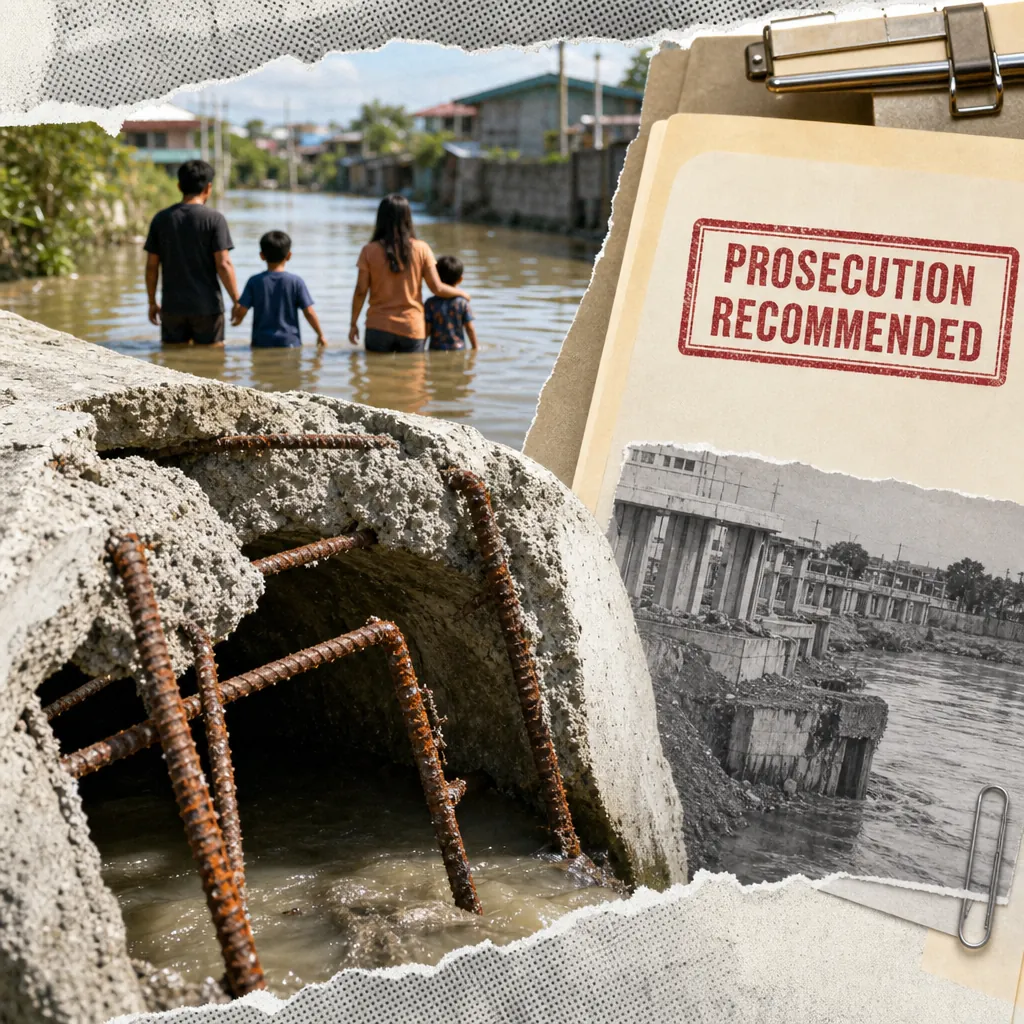
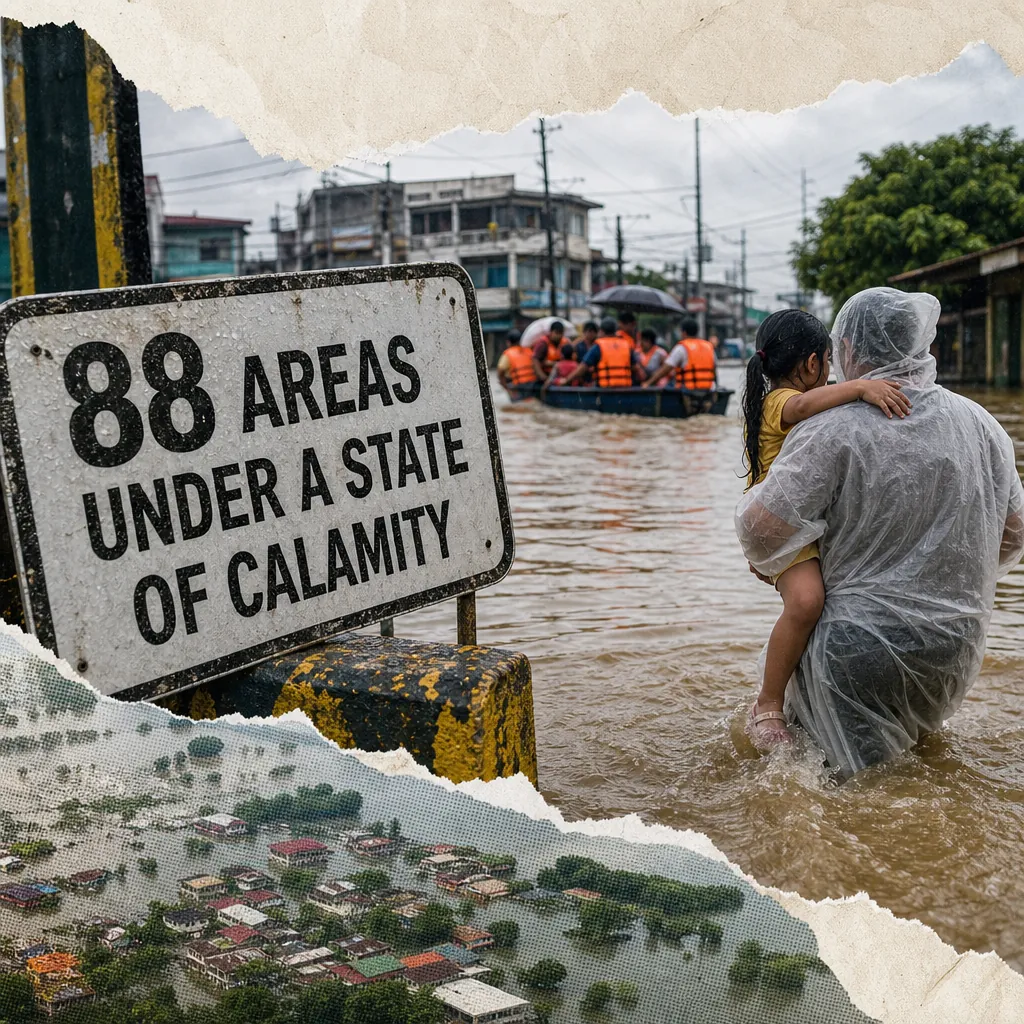
- Flood control and infrastructure dominate news coverage — The DPWH outlined plans to ease flooding in Bulacan through the Pampanga River Basin Master Plan and a Manila Bay project. Senator Bam Aquino called for funding real flood control projects like those in Marikina and Navotas, scrutinizing the proposed P100 billion budget. These stories highlight the vulnerability of many residential areas to flooding, a key concern for homebuyers.
- Labor protections for gig workers reflect broader economic precarity — A Reddit thread on DOLE's review of delivery rider protections, including hazard pay and night differentials, drew modest engagement. While not directly about housing, the discussion mirrors concerns about affordability and safety that affect housing choices, especially for low-income workers.
- Waste management and flooding are linked in public discourse — An opinion piece in the Philippine Star connected Metro Manila's flooding to the 2.7 million tons of plastic waste generated annually, arguing that waste-to-energy solutions could help. This narrative ties environmental degradation to urban resilience, affecting perceptions of livability in the capital.
- Compensation for affected homeowners in infrastructure projects — Nineteen homeowners in Mandaue City received disturbance fees from the National Grid Corp. of the Philippines for properties affected by a transmission line project. This highlights the ongoing tension between infrastructure development and property rights.
- Legal questions on property ownership and co-ownership — A column in the Manila Times addressed whether an ejectment case can be filed against a co-owner, reflecting common disputes over inherited property. This is a practical concern for many Filipino families navigating property rights without a will.
- Critical minerals and energy policy shape industrial land use — President Marcos approved an executive order to develop the country's critical minerals industry, which could affect mining and industrial land use. This is a longer-term factor for real estate in resource-rich areas.
How the narratives stack
Dominant — The ECMP announcement is the dominant narrative in the captured set, as it is the only housing-specific story with direct government action. It positions the administration as proactive in addressing land tenure security, but its low engagement suggests it is not resonating with the public. The story's prominence in the news (with coverage in the Daily Tribune and other outlets) contrasts with its absence from social conversation, indicating a gap between official messaging and public interest.
Counter-narrative — The flood control and waste management stories serve as a counter-narrative, highlighting the vulnerabilities that undermine housing security. The DPWH's plans for Bulacan and Senator Aquino's call for real flood control projects point to the persistent threat of flooding, which can devalue properties and displace communities. This narrative challenges the positive framing of government housing programs by emphasizing the need for resilient infrastructure.
Emerging — The Pag-IBIG-Avida-Amaia partnership is an emerging narrative that could reshape the affordable housing market. By offering special rates on select homes, this collaboration aims to make housing more accessible to workers, potentially expanding the market for mid-range and affordable segments. If successful, it could set a precedent for more public-private partnerships in housing.
Under-covered — The compensation of homeowners affected by the NGCP transmission project received limited attention, despite its direct relevance to property rights and infrastructure development. This story, which involves disturbance fees and valuation of affected properties, is important for understanding the trade-offs of infrastructure projects but was not widely discussed.
Platform insights
- Twitter — Government announcements, such as the DHSUD's ECMP post, drew views but no engagement, suggesting that official feeds function as broadcast channels rather than conversation starters. The lack of likes, shares, or comments indicates that audiences are passive consumers or that the algorithm did not surface these posts to engaged communities. This is a challenge for government communicators seeking to generate public dialogue.
- Reddit — The DOLE thread on delivery riders demonstrated the only active discussion, with 62 upvotes and 7 comments. Reddit users engaged with policy topics that have direct personal implications, such as hazard pay and safety during floods. This platform offers a space for more nuanced discussion, but it is not yet a venue for housing-specific conversations.
- YouTube — An entertainment post from GMA Network drew minimal engagement (315 views, 1 comment), confirming that lifestyle content without a housing angle does not attract the property-focused audience. No housing-related discussions occurred on this platform for the analyzed date.
Key voices and communities
- Government agencies and officials — DHSUD, SHFC, and DPWH are the primary voices in housing and infrastructure news. Their announcements set the policy agenda, but their social media presence is weak, with low engagement on key posts. Senator Bam Aquino represents the legislative scrutiny of flood control spending.
- Private developers and financiers — Pag-IBIG Fund, Avida Land, and Amaia Land are key players in expanding housing access through partnerships. Their collaboration signals a commitment to addressing the housing backlog, but their communication strategies are not yet visible in the captured data.
- Labor advocates and gig workers — The Reddit thread on delivery riders reflects a community concerned with worker protections and economic precarity. While not directly about housing, their concerns about income stability and safety influence housing affordability and location choices.
- Local communities and homeowners — The 1,400 Naga residents awaiting land ownership are the beneficiaries of the ECMP, but they are largely silent in the conversation. Their experiences, if shared, could humanize the program and generate more engagement.
- Media and opinion writers — Outlets like the Philippine Star and Business Mirror provide analysis on waste management and flooding, shaping public understanding of urban resilience. Their coverage connects environmental issues to housing and livability.
Narrative streams
ECMP: A step toward land tenure security, but a quiet one
The Enhanced Community Mortgage Program (ECMP) is a government initiative that provides loans to homeowners associations so they can purchase the land they occupy, converting informal settlements into titled properties. On August 22, the DHSUD announced that over 1,400 Naga City residents would benefit, with the Social Housing Finance Corp. awarding loan assistance to the Mabolo Village Homeowners Association Phases 1 and 2 and the Saint Joseph Homeowners Association. The ceremony, held in Barangay Pacol, was attended by Naga City Mayor Leni Robredo and SHFC president Federico Laxa, and coincided with Jesse Robredo Day, a tribute to the late interior secretary known for good governance.
Despite the significance of the announcement, the DHSUD's Twitter post drew only 1,060 views and zero engagement. This lack of interaction suggests that the public is either unaware of the program's mechanics or desensitized to government announcements. For the sector, this means that positive housing news is not breaking through the noise, leaving room for more critical narratives about delays and affordability to dominate. Developers and government agencies should consider more interactive formats, such as Q&A sessions or infographics, to stimulate engagement and build public trust in housing programs.
Flood control: The infrastructure gap that threatens housing
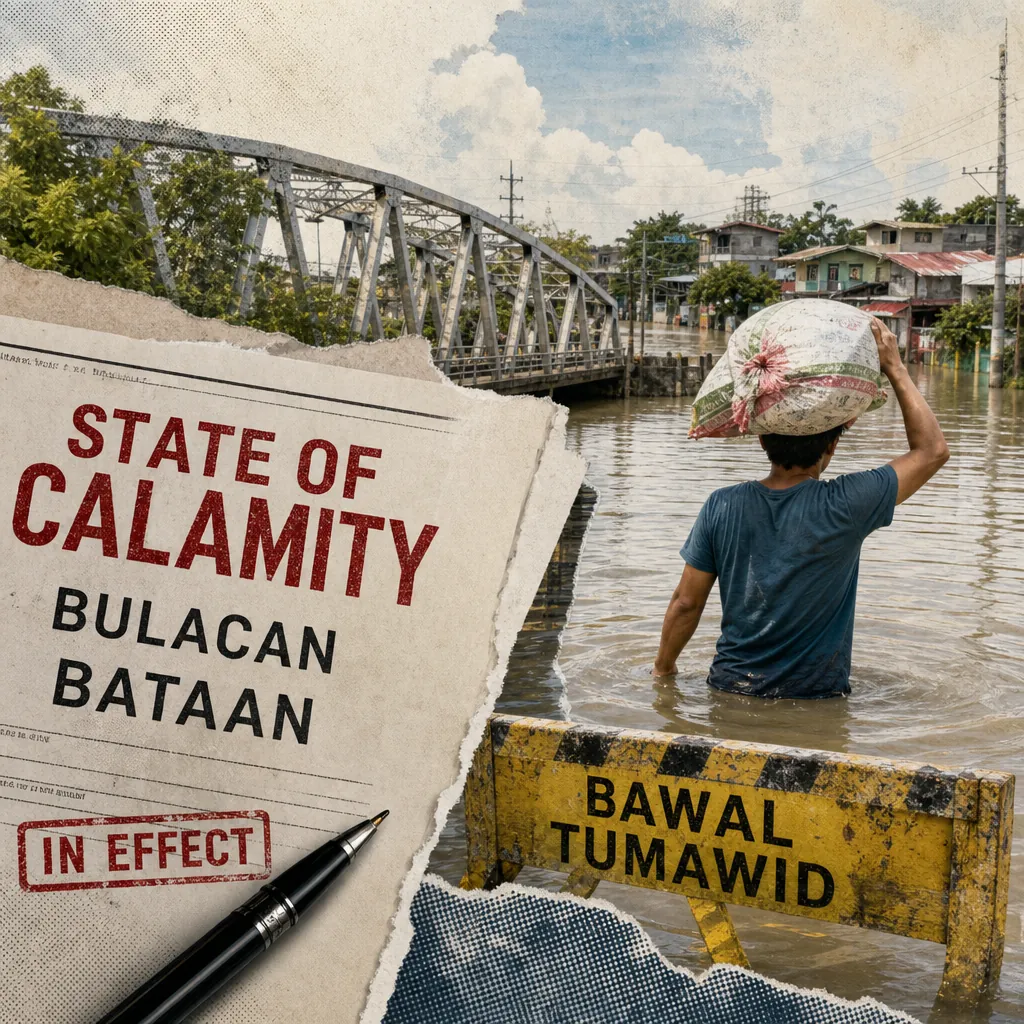
Flooding is a perennial problem in the Philippines, and the recent monsoon rains have again highlighted the vulnerability of many residential areas. The Department of Public Works and Highways (DPWH) announced plans to address flooding in Bulacan through the Pampanga River Basin Master Plan, which includes building mega dikes to prevent waters from reaching the province. DPWH Secretary Vince Dizon noted that Bulacan is "sandwiched" between river and sea waters, making it particularly prone to flooding. A proposed Manila Bay project is also being considered.
Senator Bam Aquino, in a radio interview, called for funding real flood control projects like those in Marikina and Navotas, which have proven effective. He said the Senate would scrutinize the proposed P100 billion unprogrammed funds in the 2027 national budget to ensure they are used for quality infrastructure. This scrutiny reflects public concern about the effectiveness of government spending on flood control.
For the real estate sector, flooding is a critical factor in property values and buyer decisions. Developments in flood-prone areas like Bulacan and Cavite may face increased scrutiny, and buyers are likely to prioritize projects with proven drainage and structural resilience. Developers should proactively communicate their flood mitigation measures to reassure potential buyers, especially as the rainy season intensifies.
Public-private partnerships in housing: Pag-IBIG, Avida, and Amaia
Pag-IBIG Fund, the government's housing finance agency, signed a memorandum of understanding with Avida Land and Amaia Land, both subsidiaries of Ayala Land, to expand housing options for Filipino workers under the 4PH program. The agreement provides special rates on select homes that can be financed through Pag-IBIG, making housing more affordable for the workforce. The signing was witnessed by DHSUD Secretary Jose Ramon Aliling and Ayala Land President Meean B. Dy.
This partnership is a significant step in addressing the country's housing backlog, which is estimated at over 6 million units. By leveraging private sector capacity and government financing, the program aims to deliver quality housing at accessible prices. For the sector, this collaboration sets a precedent for more public-private partnerships, potentially expanding the market for affordable housing. Developers should explore similar partnerships to align with government objectives and tap into the growing demand for worker housing.
Labor protections and housing affordability: An indirect link
A Reddit thread on the Department of Labor and Employment's (DOLE) review of delivery rider protections drew 62 upvotes and 7 comments. DOLE Secretary Francis Tolentino discussed hazard pay and night shift differentials, noting that the 1974 Labor Code predates delivery services and that clear standards are still lacking. The thread reflects public concern about worker safety and income stability during severe weather, which indirectly affects housing affordability.
Many delivery riders are low-income workers who struggle to afford housing, especially in urban areas. The conversation about labor protections highlights the economic precarity of this demographic, which may influence their housing choices and ability to secure loans. For developers, this suggests an opportunity to offer flexible payment schemes or rent-to-own arrangements tailored to gig economy workers. By addressing the needs of this growing workforce, developers can tap into an underserved market segment.
Waste management and urban resilience: A growing concern
An opinion piece in the Philippine Star connected Metro Manila's flooding to the 2.7 million tons of plastic waste generated annually, arguing that waste-to-energy solutions could help. The article noted that Filipinos consume approximately 163 million sachets every day, many of which end up in drainage systems and waterways. When it rains, the garbage moves with it, clogging drains and exacerbating floods.
This narrative links environmental degradation to urban resilience, affecting perceptions of livability in the capital. For the real estate sector, this means that developments in flood-prone areas may face reputational risks if waste management is not addressed. Developers should consider incorporating sustainable waste management practices into their projects and communicate these efforts to buyers concerned about flooding and environmental impact.
Property rights and compensation: The human cost of infrastructure
Nineteen homeowners in Mandaue City received disturbance fees from the National Grid Corp. of the Philippines (NGCP) for properties affected by the Cebu–Lapu-Lapu 230-kilovolt transmission project. The P31,000-each payment came on top of compensation for portions of the houses and construction materials affected. The city's Housing, Urban and Development Office sought the additional fee under the Urban Development and Housing Act, and the valuation was based on current market prices.
This story highlights the tension between infrastructure development and property rights. While compensation is provided, the process can be contentious, and affected homeowners may face displacement. For the sector, this underscores the importance of transparent and fair compensation processes in infrastructure projects, as well as the need for developers to consider the social impact of their projects on local communities.
Legal questions on property ownership: A common concern
A column in the Manila Times addressed whether an ejectment case can be filed against a co-owner of a property, a question from a reader whose father died without a will. The column explained the rights of illegitimate children under the New Civil Code and the process of settling an estate. This is a practical concern for many Filipino families, as property disputes are common when there is no will.
For the real estate sector, this highlights the importance of clear property titles and the need for legal guidance in property transactions. Developers and agents should be prepared to address such concerns from buyers, and government agencies should continue to streamline the titling process to reduce disputes.
Conversation trajectory
- ECMP rollout in other localities (3-6 months) — The success of the Naga City ECMP could lead to similar announcements in other regions, as the program is part of the national 4PH initiative. If the government continues to roll out ECMP, it could generate more public interest and engagement, especially if paired with interactive communication strategies. Watch for announcements from DHSUD in the next quarter.
- Flood control budget hearings (1-3 months) — The Senate's scrutiny of the P100 billion flood control budget will likely generate news coverage and public debate. The outcome of these hearings could affect infrastructure spending and, consequently, the perceived safety of flood-prone areas. Watch for updates from the Senate budget deliberations in the coming weeks.
- Pag-IBIG-Avida-Amaia partnership implementation (6-12 months) — The memorandum of understanding is a first step; the actual rollout of special rates and housing projects will take time. If successful, this partnership could expand the affordable housing market and set a precedent for other developers. Watch for announcements of specific projects and pricing in the next year.
- Labor policy formalization (2-3 months) — DOLE's review of gig worker protections could lead to formal policies that affect labor costs and worker welfare. This could indirectly impact construction labor availability and housing costs. Watch for DOLE announcements in the coming months.
- Waste-to-energy initiatives (6-12 months) — The government's push for waste-to-energy solutions could gain momentum, affecting urban resilience and environmental policy. This could influence perceptions of livability in Metro Manila and surrounding areas. Watch for legislative and executive actions on waste management.
Trigger events — The next ECMP announcement for another locality, the Senate's approval of the flood control budget, the first Pag-IBIG-Avida-Amaia project launch, and any major flooding event that reignites public concern about infrastructure resilience.
Response guidance
- Government agencies — Pair housing announcements with interactive formats like Q&A sessions, infographics, and beneficiary testimonials to stimulate engagement. Use platforms like Reddit where policy discussions gain traction, and respond to public concerns about program implementation.
- Developers — Emphasize flood mitigation and construction quality in marketing materials, especially for projects in flood-prone areas. Highlight alignment with government programs like ECMP and 4PH to build credibility with regulators and buyers. Consider flexible payment schemes for gig economy workers.
- Financial institutions — Promote financing options that align with government housing programs, such as Pag-IBIG loans, to position as enablers of homeownership. Develop content that explains how these programs work and how they benefit buyers.
- Communicators — Monitor flood control and labor policy developments, as they can affect housing demand and construction costs. Prepare rapid-response protocols for negative narratives about housing delays or developer accountability. Avoid engaging with unrelated viral content to maintain message discipline.
- Sensitive topics — Avoid claiming credit for government programs or criticizing implementation timelines. When discussing socialized housing, emphasize transparency and alignment with regulatory frameworks. Be cautious when intersecting housing and labor topics, as they can amplify affordability concerns.
See the full picture behind today's signals.
This report draws from Media Meter's MediaWatch, our real-time monitoring engine tracking 2,470+ Philippine sources across print, broadcast, digital, and social. Explore how the platform turns raw coverage into decision-grade intelligence, then see how it's configured for teams like yours — whether you're in PR agencies, corporate comms, government, or marketing.
Want more? Browse our Report Library for sector and crisis intelligence, or request a demo and we'll have your brand set up before the call.
Want this kind of intelligence on your brand?
This brief is built on the same MediaWatch methodology that runs continuously across every brand we monitor. See your competitive landscape, Impact Score, and narrative trajectory in a 30-minute demo.