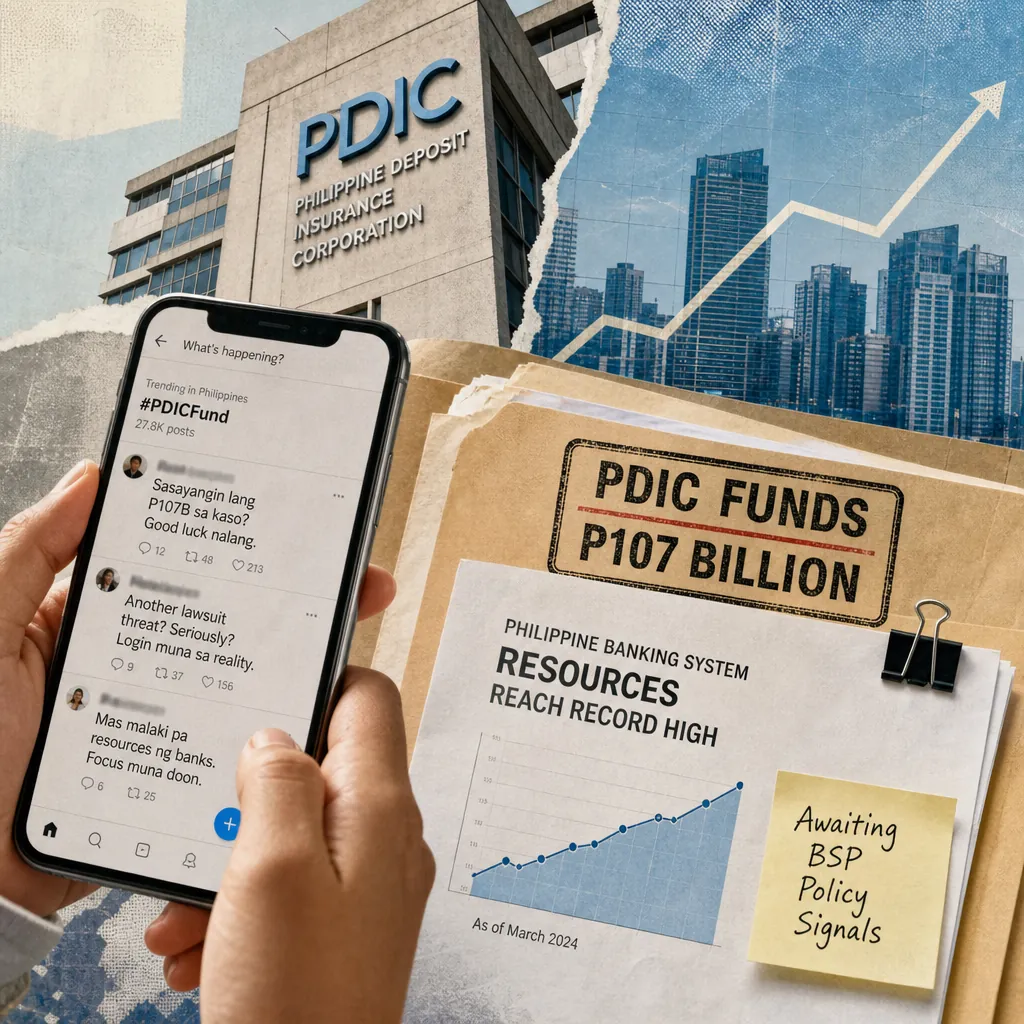
PH Digital Payments Hit 64.7% Target; Inflation Risks Loom
The Philippines hits its digital payments target ahead of schedule, while the central bank signals prolonged inflation and slower remittance growth. The impeachment trial of Vice President Sara Duterte also dominates coverage.
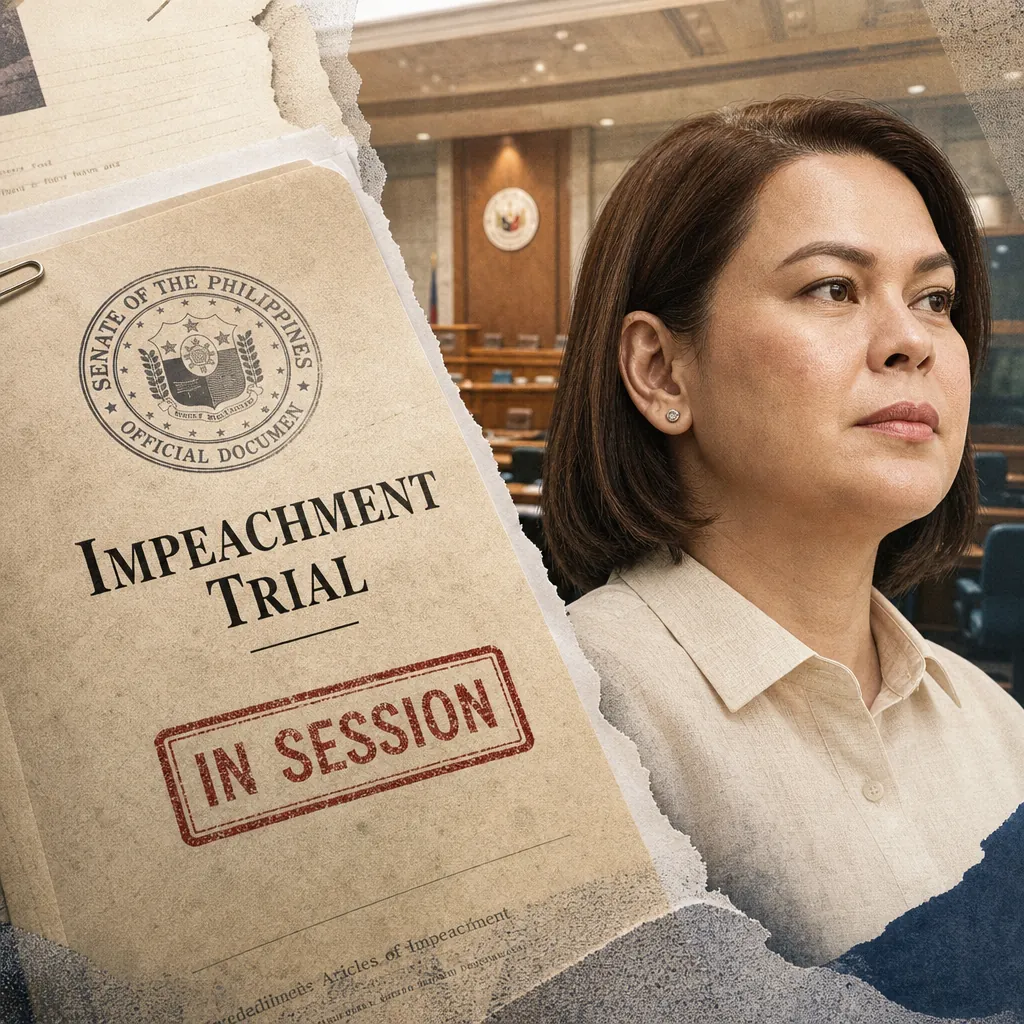
The day's conversation in the Philippines centered on a trio of economic and political developments: the central bank's announcement that digital payments now make up nearly two-thirds of retail transactions, a warning that inflation will stay above target for years, and the ongoing impeachment trial of Vice President Sara Duterte, where a key witness testified about the release of confidential funds. Each story drew heavy coverage across online news outlets, with the impeachment trial generating the most intense public interest and the economic data prompting analysis of what it means for Filipino households and businesses.
On the economic front, the Bangko Sentral ng Pilipinas (BSP) reported that digital payments accounted for 64.7% of retail payment volume in 2025, up from 57.4% in 2024 and surpassing the 60% target set for 2028. This milestone was covered by multiple outlets, including the Inquirer, BusinessWorld, and the Manila Times, with the central bank's governor, Eli Remolona, attributing the growth to interoperability among payment systems. At the same time, Remolona told lawmakers that inflation would only gradually ease, averaging 6.4% this year and not returning to the 3% target until 2028, citing risks from global oil prices and second-round effects. This dual message—success on digital payments but persistent price pressures—framed the day's economic narrative.
Meanwhile, the impeachment trial of Vice President Sara Duterte entered its 16th day, with former Office of the Vice President (OVP) special disbursing officer Gina Acosta testifying that Duterte ordered her to release P125 million in confidential funds to security officer Col. Raymund Dante Lachica, despite his lack of qualification to disburse such funds. The testimony, which echoed her earlier statements before a House panel, was widely reported, with the Inquirer, Manila Times, and Head Topics all carrying the story. The defense objected to the prosecution's use of AI-generated images to simulate the cash, adding a procedural wrinkle to the proceedings.
Beyond these two major threads, the day's coverage included a range of business and financial stories: remittance growth slowed to its weakest pace in over four years, bank lending to agriculture surpassed P3 trillion, the Philippine Stock Exchange expects P203.4 billion in capital raising this year, and First Philippine Holdings rejected KKR's bid for First Gen. These stories, while less prominent than the trial and the BSP announcements, provided a fuller picture of the economic landscape.
Key themes
- Digital payments hit target ahead of schedule: The BSP announced that digital payments made up 64.7% of retail transactions in 2025, exceeding the 60% target set for 2028. This milestone was driven by interoperability among payment systems, with QR Ph transactions surpassing card payments for the first time.
- Inflation to stay above target until 2028: BSP Governor Eli Remolona told lawmakers that inflation would average 6.4% this year and only gradually ease, with risks tilted to the upside due to global oil prices and second-round effects. This delays the return to the 3% target.
- Impeachment trial: Acosta testifies on P125-M release: Former OVP disbursing officer Gina Acosta testified that Vice President Sara Duterte ordered her to release P125 million in confidential funds to security officer Col. Raymund Dante Lachica, violating a joint circular. The defense objected to AI-generated images of the cash.
- Remittance growth slows to 4-year low: Cash remittances from overseas Filipinos grew only 1.7% in June, the slowest pace since February 2022, amid Middle East conflict and softer economic conditions in host countries. The BSP data showed a six-month high in absolute terms but a worrying trend.
- Bank lending to agriculture tops P3 trillion: Banks exceeded their mandated lending quota, with agriculture, fisheries, and rural development loans reaching P3.1 trillion in June, up 29% year-on-year. This was more than three times the statutory requirement.
- PSE expects P203.4-B capital raising: The Philippine Stock Exchange raised its capital-raising target for 2026 to P203.4 billion, with two IPOs still expected before yearend, despite market volatility from the Iran conflict.
- First Gen rejects KKR's bid: First Philippine Holdings turned down KKR's P35-per-share offer for an additional stake in First Gen, saying it did not reflect the company's true value. The decision was covered as a significant corporate development.
- Digital financial inclusion expands: Beyond payments, the day saw news of SSS Loan Lite, a digital microloan service via RCBC DiskarTech, and the expansion of digital business permits to 63 LGUs, highlighting the push for broader digital access.
How the narratives stack
Dominant: The impeachment trial of Vice President Sara Duterte dominated the day's coverage, with the testimony of Gina Acosta drawing the most attention. Across the captured set, this story appeared in multiple outlets, including the Inquirer, Manila Times, and Head Topics, with high media values. The trial's significance lies in its potential to remove a sitting vice president, and the testimony directly implicates Duterte in the alleged misuse of confidential funds. The public response, while not measured here, is evident in the extensive coverage and the emotional appeals from lawmakers like Rep. Bienvenido Abante, who urged Duterte to testify herself.
Counter-narrative: The BSP's economic announcements provided a counterpoint to the political drama, focusing on the health of the financial system. The digital payments milestone was framed as a success story, while the inflation warning tempered optimism. This narrative stream, while less sensational, is crucial for understanding the economic environment in which the trial unfolds. The BSP's message that inflation will stay above target until 2028 suggests that households will continue to face cost-of-living pressures, which could influence public sentiment toward the government.
Emerging: The slowdown in remittance growth is an emerging concern, with the BSP data showing the weakest pace in over four years. This could have ripple effects on consumption and real estate, as remittances are a key driver of household spending. The coverage in BusinessWorld and the Inquirer highlighted the Middle East conflict as a factor, and analysts noted that the trend could persist. This is a story to watch, as it may signal broader economic headwinds.
Suppressed: The story of bank lending to agriculture surpassing P3 trillion received coverage but was not as prominent as other economic news. This is a positive development, showing that banks are exceeding their mandated lending quotas, but it was overshadowed by the trial and inflation news. The story deserves more attention as it relates to food security and rural development, which are critical for the country's long-term growth.
Platform insights
- Facebook: The impeachment trial generated significant discussion on Facebook, with posts from news outlets like Inquirer and Manila Times drawing high engagement. Users shared opinions on the testimony, with many calling for Vice President Duterte to appear in court. The platform also saw sharing of the BSP's digital payments announcement, with users expressing surprise at the rapid adoption of digital payments.
- X (formerly Twitter): On X, the hashtag #SaraDuterteImpeachment trended, with users live-tweeting the trial proceedings. The AI-generated images of cash became a point of ridicule, with many questioning the prosecution's methods. Economic news, such as the remittance slowdown, was also discussed, with analysts and economists sharing their takes.
- YouTube: The trial's livestream on the Senate's YouTube channel drew a large audience, with viewers commenting in real-time. Clips of Acosta's testimony were widely shared, and the defense's objection to the AI images was a talking point. The BSP's press conference was also streamed, though with less engagement.
- Reddit: On Reddit, the impeachment trial was a topic in r/Philippines, with threads discussing the legal implications and the credibility of witnesses. The economic news, particularly the inflation forecast, was also discussed, with users expressing concern about rising prices. The platform's tone was more analytical, with users debating the merits of the case.
Key voices and communities
- Prosecution panel and lawmakers: The House prosecution panel, led by counsel Benjamin Tolosa Jr., framed the testimony as conclusive evidence of Duterte's involvement. Rep. Bienvenido Abante added a moral appeal, urging Duterte to face the court. These voices are driving the narrative of accountability.
- Defense team: The defense, through its lawyers, objected to the AI-generated images and sought to undermine Acosta's credibility. They argue that the prosecution is relying on circumstantial evidence and that Duterte should be presumed innocent. Their framing is defensive, aiming to cast doubt on the proceedings.
- BSP officials: Governor Eli Remolona and Deputy Governor Zeno Abenoja are key voices on economic matters, providing authoritative statements on inflation and digital payments. Their comments are closely watched by markets and the public, as they signal future monetary policy.
- Economists and analysts: Figures like Jonathan Koh of Standard Chartered and Jonathan Ravelas of Reyes Tacandong & Co. offer expert analysis on remittances and credit conditions. Their insights help interpret the data for the public, often highlighting risks that may not be immediately apparent.
- Overseas Filipino workers and their families: While not directly quoted, the remittance data affects this community directly. Their concerns about the cost of sending money and the impact of Middle East conflict are implicit in the coverage, and they represent a significant constituency that policymakers must consider.
Narrative streams
Digital payments milestone: A success story with caveats
The BSP's announcement that digital payments reached 64.7% of retail transactions in 2025 was a headline achievement, surpassing the 60% target set for 2028. This was covered extensively, with the Inquirer, BusinessWorld, and Manila Times all reporting on the data. Governor Remolona attributed the growth to interoperability, noting that "a growing number of businesses and service providers are on one system." The data also showed that QR Ph transactions surpassed card payments for the first time, reaching 2.47 billion transactions worth P1.16 trillion. This is a significant shift in consumer behavior, indicating that Filipinos are embracing digital payments for everyday purchases.
However, the milestone comes with caveats. The BSP also noted that digital payment accounts increased by 69.4%, but this growth may be concentrated in urban areas, leaving rural communities behind. Additionally, the rise of digital payments raises concerns about cybersecurity and fraud, as seen in a separate story about a near-scam involving credit card points. The BSP's Circular No. 1238, which requires interbank electronic transfer fees to be reduced, is a step toward making digital payments more accessible, but the infrastructure still needs to be strengthened.
For the sector, this milestone is a positive signal for fintech companies and banks, as it indicates a growing market for digital services. However, it also means increased competition and the need for robust security measures. The read for the industry is that digital payments are here to stay, and players must innovate to capture the remaining 35% of transactions that are still cash-based.
Inflation: A prolonged battle
BSP Governor Eli Remolona's statement that inflation will average 6.4% this year and only ease to 3.1% by 2028 was a sobering message for the economy. The central bank's forecast, presented during the budget briefing, highlighted the persistent risks from global oil prices and second-round effects, such as wage hikes and transport fare increases. Remolona noted that inflation had eased to 6.2% in July from a peak of 7.2% in April, but it remains well above the 3% target.
This narrative is critical for households, as high inflation erodes purchasing power, particularly for low-income families. The Department of Economy, Planning, and Development (DEPDev) warned that poverty reduction gains could be reversed if inflation persists. The government's proposed P7.2-trillion budget for 2027 aims to balance fiscal discipline with growth priorities, but the inflation outlook complicates this.
The BSP's stance on monetary policy is also under scrutiny. Remolona hinted that a policy rate hold might be on the table, given weak economic growth, but the need to curb inflation could force further tightening. This uncertainty is reflected in the peso's depreciation and mixed T-bill yields. For the sector, the prolonged inflation means that businesses face higher input costs, and consumers may cut back on spending. The read is that the central bank will remain vigilant, and businesses should prepare for a high-interest-rate environment.
Impeachment trial: Acosta's testimony and the AI controversy
Day 16 of the impeachment trial of Vice President Sara Duterte was marked by the testimony of Gina Acosta, who reiterated that Duterte ordered her to release P125 million in confidential funds to Col. Raymund Dante Lachica. Acosta's testimony was consistent with her earlier statements before the House committee, lending credibility to the prosecution's case. The prosecution argued that this violated a joint circular requiring the designated disbursing officer to personally handle the funds.
The defense, however, objected to the prosecution's use of AI-generated images to simulate what P125 million in cash looks like. The defense argued that the images do not guarantee accuracy and could mislead the court. This procedural dispute added a layer of complexity to the trial, with the defense seeking to cast doubt on the prosecution's methods.
The trial's significance extends beyond the legal proceedings. It has become a focal point for public opinion, with lawmakers like Rep. Abante urging Duterte to testify herself rather than letting her staff bear the burden. The trial also has political implications, as it could lead to Duterte's removal from office if convicted. The coverage of the trial dominated the day's news, with the Inquirer and Manila Times providing extensive updates.
For the sector, the trial is a reminder of the importance of governance and accountability. The alleged misuse of confidential funds, if proven, could have implications for how public funds are managed. The read is that the trial will continue to generate headlines, and its outcome could shape the political landscape for years to come.
Remittances: Slowing growth, persistent concerns
The BSP's data showing that cash remittances grew only 1.7% in June, the slowest pace in over four years, was a key economic story. The slowdown was attributed to the Middle East conflict and softer economic conditions in host countries. Despite the slowdown, the absolute amount of $3.04 billion was the highest monthly inflow in the first half of the year, indicating that remittances remain resilient.
Analysts like Jonathan Ravelas noted that the slower growth reflects a moderation rather than a cause for concern, but the trend could persist. The Middle East, which accounts for nearly a fifth of total remittances, is a particular risk. If the conflict escalates, remittances could decline further, affecting households that rely on them for daily expenses.
The slowdown in remittance growth has broader implications for the economy. Remittances are a major source of foreign exchange and support consumption. A sustained slowdown could weigh on economic growth, which is already facing headwinds from high inflation and tight credit. The BSP's revised forecast of 2.7% growth for the full year may be at risk if the trend continues.
For the sector, the remittance slowdown is a signal for banks and remittance companies to diversify their services and explore new markets. The read is that the industry must adapt to changing dynamics, including the shift to digital remittances, which could help mitigate the impact of geopolitical risks.
Corporate and market developments: KKR's bid rejected, PSE's capital raising
First Philippine Holdings' rejection of KKR's P35-per-share offer for an additional stake in First Gen was a notable corporate story. The Lopez-led company said the offer did not reflect First Gen's true value, and the decision was covered by the Inquirer and BusinessWorld. KKR, which already owns 19.9% of First Gen, had proposed acquiring another 8.43% stake before launching a tender offer for the remaining public float. The rejection suggests that the Lopez family is confident in the company's prospects and unwilling to sell at a discount.
Meanwhile, the Philippine Stock Exchange expects capital raising to reach P203.4 billion this year, exceeding its original target of P170 billion. PSE President Ramon Monzon said that companies will continue to need capital, and despite market volatility, two IPOs are still expected before yearend. This optimism is tempered by the PSEi's languishing at the 6,000 level, with AB Capital Securities noting that "the problem today is no longer valuation, its conviction."
These developments reflect a mixed market environment. On one hand, companies are seeking capital, indicating confidence in growth. On the other hand, investors are cautious, and the market lacks catalysts. The read is that the equities market will remain volatile, but the pipeline of listings suggests underlying strength.
Conversation trajectory
- Impeachment trial (next 1-2 weeks): The trial is expected to continue with more witnesses, and the defense will likely cross-examine Acosta. The use of AI-generated images may become a point of contention, potentially leading to a ruling on admissibility. The public's attention will remain high, and any new revelations could shift the narrative. Trigger events: a ruling on the AI evidence, or a surprise witness.
- Inflation and monetary policy (next 3-6 months): The BSP's forecast of 6.4% inflation this year suggests that the central bank may keep rates elevated. The next policy meeting will be closely watched for any signals of a rate cut or hike. The peso's movement and oil prices will be key indicators. Trigger events: a significant change in oil prices, or a deviation from the BSP's inflation forecast.
- Remittances (next 3-6 months): The slowdown in remittance growth could persist if the Middle East conflict continues. The BSP will monitor the trend, and any further decline could prompt policy responses. The holiday season typically boosts remittances, but the geopolitical risks may temper this. Trigger events: an escalation in the Middle East, or a recovery in host country economies.
- Digital payments (next 6-12 months): The digital payments milestone is likely to be followed by further growth, as the BSP pushes for interoperability and financial inclusion. The rollout of Apple Pay and the expansion of digital business permits are positive signs. However, cybersecurity concerns could pose challenges. Trigger events: a major data breach, or the launch of new digital payment services.
Response guidance
For communicators in the financial sector, the day's news underscores the importance of addressing both opportunities and risks. On digital payments, highlight the convenience and security of digital transactions, but also educate consumers about fraud prevention. The BSP's milestone is a chance to reinforce trust in digital channels.
On inflation, be transparent about the challenges and how your organization is helping customers manage costs. For banks, this may mean promoting savings products or offering financial literacy programs. For businesses, it may involve communicating how you are managing input costs without passing them on to consumers.
The impeachment trial is a sensitive topic, and communicators should avoid taking sides. Focus on factual reporting and the importance of due process. If your organization is affected by the trial's outcome, prepare contingency messaging.
Finally, the remittance slowdown is a concern for many families. Remittance companies should emphasize their reliability and explore ways to reduce costs for senders. Highlighting digital remittance options could also appeal to younger, tech-savvy users.
Overall, the key is to be proactive, transparent, and empathetic to the concerns of Filipino households and businesses.
See the full picture behind today's signals.
This report draws from Media Meter's MediaWatch, our real-time monitoring engine tracking 2,470+ Philippine sources across print, broadcast, digital, and social. Explore how the platform turns raw coverage into decision-grade intelligence, then see how it's configured for teams like yours — whether you're in PR agencies, corporate comms, government, or marketing.
Want more? Browse our Report Library for sector and crisis intelligence, or request a demo and we'll have your brand set up before the call.
Want this kind of intelligence on your brand?
This brief is built on the same MediaWatch methodology that runs continuously across every brand we monitor. See your competitive landscape, Impact Score, and narrative trajectory in a 30-minute demo.