PH Food Costs, Delivery Woes, and ASF Safety Top Friday Talk
A snapshot of August 7, 2026, Philippine food and beverage conversation: economic anxiety over GDP growth and prices, a FoodPanda refund complaint, counterfeit seasoning arrests, ASF pork safety advisories, and Jollibee's new collectibles.
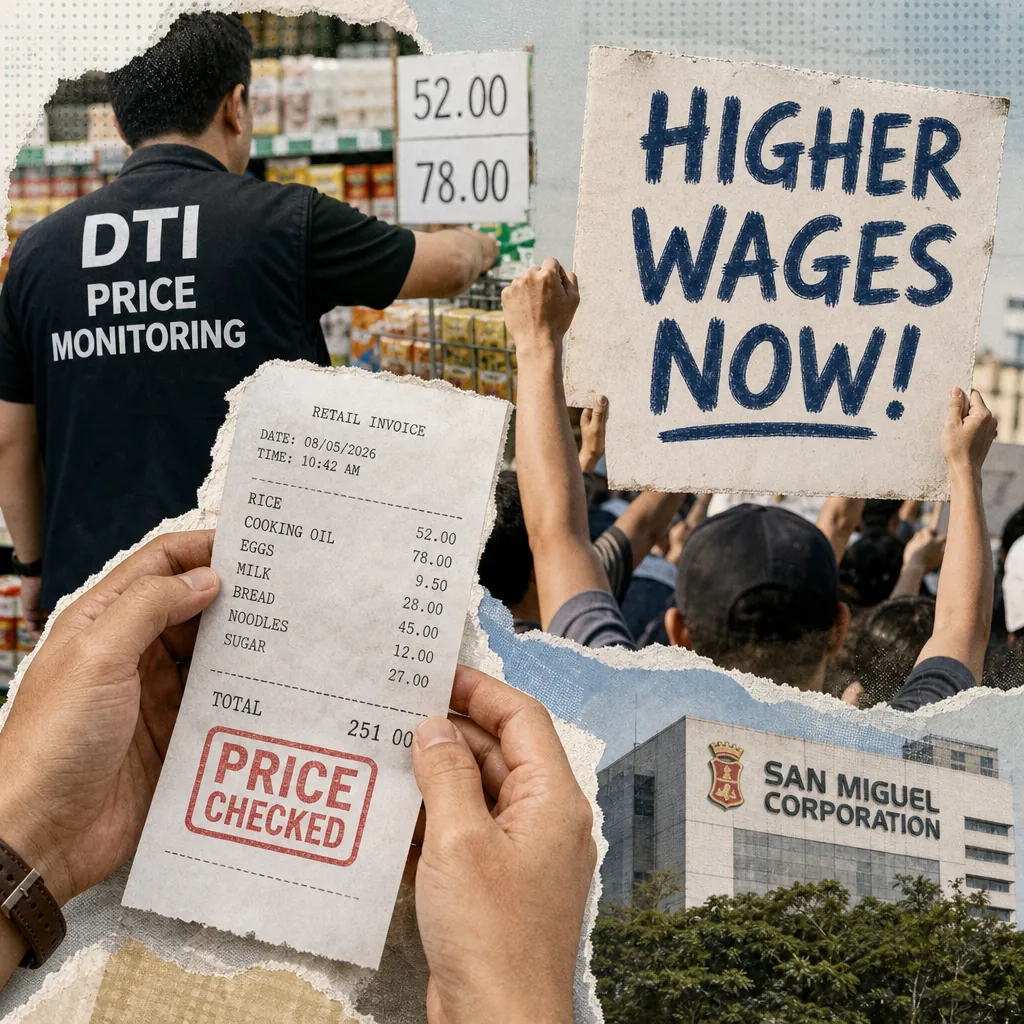
The public conversation on Friday, August 7, opened with a stark economic critique that inadvertently set the stage for consumer frustrations over food and delivery costs. A Reddit post by u/Ok-Landscape-123, sharing an Economics Professor's analysis, framed the Philippines' 2.3% Q2 GDP growth as a direct consequence of "weak investment, mataas ng presyo ng mga bilihin, at mababang household consumption," linking political instability between President Marcos Jr. and VP Sara Duterte to investor hesitation. This macro-level narrative quickly gained traction with 33 likes and 44 comments, establishing a context of economic anxiety that would later color more personal consumer grievances. The post explicitly warned that a future Duterte presidency could further depress the economy, given her "sobrang dumi" track record, which invited speculation about capital flight and a worsening cost-of-living crisis. Though this thread did not directly mention food brands, its emphasis on high prices and weak consumption created the emotional backdrop against which the day's food-related complaints would be interpreted.
The most concrete food-adjacent narrative emerged later in the day when u/Reasonable-Spirit-519 posted a scathing account of a FoodPanda transaction gone wrong, titled "Bakit feeling ko na-hold up ako ng FoodPanda". The user described ordering a cake with a BDO discount voucher, only to have the store cancel the order and the refund issued as Panda Pay credits rather than back to their credit card. When attempting to reorder, the voucher was no longer valid, forcing the user to either use the unwanted credits or lose the value entirely. The post, which received 12 likes and 6 comments, captured a specific and increasingly common pain point: the erosion of consumer trust in digital food delivery platforms during a period of already tight household budgets. The user's frustration—"Ayoko gamitin yung currency nila but I had no choice"—reflects a growing sentiment that convenience platforms are leveraging their market position to dictate terms, a concern that aligns with the broader economic narrative of shrinking consumer power and rising costs.
A third, quieter thread on Twitter provided a momentary diversion, as @inquirersports reported a live PBA Governors' Cup score: "Meralco leads Magnolia, 48-47, at the half." This post, with 527 views and a single retweet, highlights the cultural resonance of Magnolia as a brand beyond its food products—tied to the San Miguel Corporation ecosystem. While not a direct conversation about food prices, the mention of Magnolia in a sports context underscores how FMCG brands remain embedded in daily Filipino consciousness, even as economic discussions dominate. The lack of engagement on this post compared to the Reddit threads suggests that, on this particular Friday, economic and service-quality grievances outweighed entertainment and sports chatter in shaping the public mood.
Key themes
- Macroeconomic anxiety frames consumer sentiment: A Reddit post linking the Philippines' 2.3% Q2 GDP growth to high commodity prices and weak household spending set the tone for the day. The post, which drew 33 likes and 44 comments, connected political instability to investor hesitation, creating a backdrop of economic unease that colored subsequent food-related complaints.
- FoodPanda refund complaint highlights platform trust issues: A Reddit user detailed a botched cake order where a BDO discount voucher became unusable after a store cancellation, with the refund forced into Panda Pay credits. The post, with 12 likes and 6 comments, captured growing frustration with delivery platforms' policies, threatening customer churn.
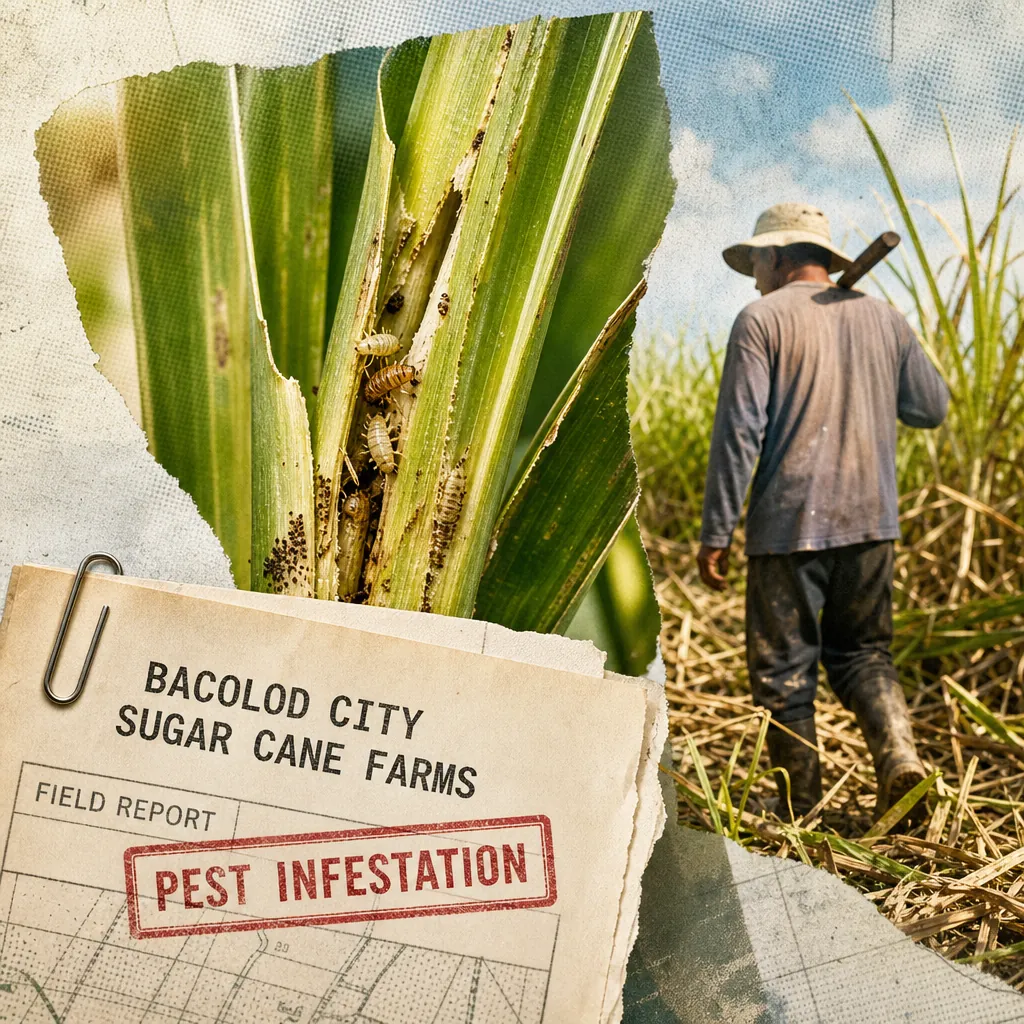
- Counterfeit seasoning bust in Bacolod: Authorities arrested two individuals for selling fake Maggi Magic Sarap products worth P470,400. The operation, aided by Nestlé Philippines, underscores ongoing efforts to combat counterfeit goods that pose health risks and brand damage.
- ASF pork safety advisories intensify: The National Meat Inspection Service urged consumers to check Meat Inspection Certificates before buying pork, as African Swine Fever threats persist. Meanwhile, the Philippines and Brazil are close to a regionalization agreement to allow pork imports from ASF-free zones.
- Jollibee launches new collectibles: The fast-food chain introduced two limited-edition items this August: the Jolly Snack Cup for drive-thru convenience and a playtime-themed collectible. This move aims to drive foot traffic and enhance brand engagement amid economic headwinds.
- PBA coverage provides brand visibility: Magnolia's rain-delayed win over Meralco generated multiple news articles and social posts, offering passive brand exposure. The game's roof leak added a human-interest angle, with players and coaches quoted extensively.
- Retail and e-commerce promotions respond to price sensitivity: Shopee Philippines joined the ASEAN Online Sale Day, and the Philippine Retailers Association honored top retailers at the OFR Awards. These events signal industry efforts to attract cost-conscious consumers.
- Global food trends and safety concerns echo locally: Articles on Kellogg's removing artificial dyes, KFC-Oreo's fried chicken-flavored cookies, and US grocery price hikes reflect broader consumer concerns about food quality and affordability that resonate with Philippine audiences.
How the narratives stack
Dominant: The dominant narrative within the captured set is the macroeconomic anxiety and its link to food prices and consumer spending. The Reddit post on GDP growth, with its 44 comments, provided a quantitative anchor (2.3% growth) for the perception that Filipino households are struggling. This narrative dominated because it framed individual complaints—like the FoodPanda issue—as symptoms of a broader economic malaise. On the news side, the ASF pork safety stories and the counterfeit seasoning bust also drew significant coverage, but the economic thread had the most direct emotional resonance.
Counter-narrative: A counter-narrative emerged from the sports and lifestyle coverage, where food brands like Magnolia and Jollibee were presented in positive, engaging contexts. The PBA game coverage, including the rain delay and Magnolia's win, offered a diversion from economic gloom, while Jollibee's new collectibles promoted family fun. This narrative suggests that brands can still find moments of joy and connection despite economic pressures.
Emerging: An emerging narrative is the growing scrutiny of digital delivery platforms' refund and voucher policies. The FoodPanda complaint, while isolated, signals a potential shift toward consumer rights awareness. If similar stories accumulate, they could draw regulatory attention and force platforms to revise their policies, affecting partner food brands.
Suppressed: A suppressed story is the lack of direct conversation about specific price hikes for major brands like Jollibee or Lucky Me. Despite the macroeconomic focus on "presyo ng mga bilihin," consumers are channeling frustrations into systemic complaints rather than brand-specific boycotts. This silence may indicate that brands have not yet faced public backlash, but it also suggests a latent risk if prices rise further.
Platform insights
- Reddit: Reddit served as the primary venue for substantive, long-form grievances. Both the GDP critique and the FoodPanda complaint originated here, suggesting that Reddit users on August 7 were more inclined toward critical analysis and personal storytelling that connects individual experience to systemic issues. The depth of the posts indicates a community comfortable with detailed policy and consumer discussions.
- Twitter: Twitter was used for real-time, low-engagement updates. The Magnolia score update was a pure information relay, lacking the narrative depth of the Reddit threads. This indicates that on this day, Twitter was not a space for food-price debates, but rather for passive consumption of sports news, which may reflect a broader weekend shift toward entertainment content.
- Cross-Platform Flow: The conversation did not appear to migrate between platforms. The Reddit economic post did not surface as a tweet, nor did the FoodPanda complaint gain traction beyond its original thread. This fragmentation suggests that, on August 7, food and economic narratives were siloed, with Reddit owning the analytical space and Twitter capturing only fleeting brand mentions.
Key voices and communities
- Consumers and Digital Food Delivery Users: Cost-sensitive Filipino consumers actively discussing food delivery experiences and perceived corporate overreach are a highly engaged stakeholder group, particularly on Reddit. Their influence lies in their collective purchasing power and ability to publicly frame brand loyalty or defection narratives. The FoodPanda complaint, with its threat to uninstall the app, signals potential churn.
- Macro-Economic and Political Commentators: Economically-focused observers and political analysts shape the conversation around food prices and household consumption through a macroeconomic lens. Their content draws direct causal links between national governance performance and consumer welfare, including food affordability. The post citing an Economics Professor adds academic credibility.
- Sports and Lifestyle Content Consumers: A smaller but distinct stakeholder group engages with food-brand content through sports and lifestyle contexts, particularly on Twitter. The PBA Governors' Cup coverage, where food brands like Magnolia serve as team sponsors, offers passive brand exposure. While engagement is modest, the demographic alignment with value-conscious, mass-market consumers is valuable for FMCG brands.
- Policy and Regulatory Watchdogs: Though not directly visible in the provided posts, regulatory stakeholders—particularly the FDA, DTI, and NMIS—remain an underlying presence in food-related conversations, especially regarding food safety, labeling, and pricing. Their decisions on tariffs, excise taxes, and safety regulations directly affect the topics being discussed by consumers and economists.
Narrative streams
Economic Anxiety and Food Affordability
The day's conversation was anchored by a Reddit post that framed the Philippines' 2.3% Q2 GDP growth as a direct consequence of "weak investment, mataas ng presyo ng mga bilihin, at mababang household consumption." The post, which drew 33 likes and 44 comments, linked political instability between President Marcos Jr. and VP Sara Duterte to investor hesitation. This macro-level narrative created a context of economic anxiety that colored subsequent consumer grievances. For food brands, this means consumers are increasingly price-sensitive and more likely to scrutinize value propositions. The post's warning about a future Duterte presidency depressing the economy further invited speculation about capital flight and a worsening cost-of-living crisis. This narrative is significant because it directly ties food costs to governance, making food pricing a proxy for broader political critiques. Brands should monitor this discourse closely, as any perceived price insensitivity could attract negative attention.
Food Delivery Platform Trust Erosion
The FoodPanda complaint by u/Reasonable-Spirit-519 emerged as the day's most concrete food-service narrative. The user described ordering a cake with a BDO discount voucher, only to have the store cancel the order and the refund issued as Panda Pay credits rather than back to their credit card. When attempting to reorder, the voucher was no longer valid, forcing the user to either use the unwanted credits or lose the value entirely. The post, which received 12 likes and 6 comments, captured a specific and increasingly common pain point: the erosion of consumer trust in digital food delivery platforms during a period of already tight household budgets. The user's frustration—"Ayoko gamitin yung currency nila but I had no choice"—reflects a growing sentiment that convenience platforms are leveraging their market position to dictate terms. This theme builds on the macroeconomic thread by showing how "mataas na presyo" is compounded by poor service recovery, making consumers feel doubly shortchanged. For QSR and FMCG brands that partner with delivery platforms, this is a cautionary tale: if the platform experience degrades, consumers may associate the frustration with the food brand itself, even if the restaurant is blameless. The user's decision to "uninstall" the app and the threat to never return should alert brands to the reputational spillover risk of poor third-party logistics.
Counterfeit Goods and Food Safety
A significant news story on August 7 was the arrest of two individuals in Bacolod for selling counterfeit Maggi Magic Sarap seasoning products. The entrapment operation, conducted by the Criminal Investigation and Detection Group (CIDG) with representatives from Nestlé Philippines, yielded P470,400 worth of fake products. The bust stemmed from a formal complaint filed by the company regarding the widespread distribution and sale of fake Maggi Magic Sarap in the city. This story highlights the ongoing battle against counterfeit goods, which pose health risks to consumers and damage brand reputation. For FMCG companies, this underscores the importance of robust anti-counterfeiting measures and collaboration with law enforcement. The coverage, which appeared on Inquirer Online, drew significant attention, with an estimated advertising-equivalent value of P292,572, indicating the story's newsworthiness. Consumers are urged to be vigilant and purchase from authorized retailers to avoid fake products.
ASF Threat and Pork Safety Advisories
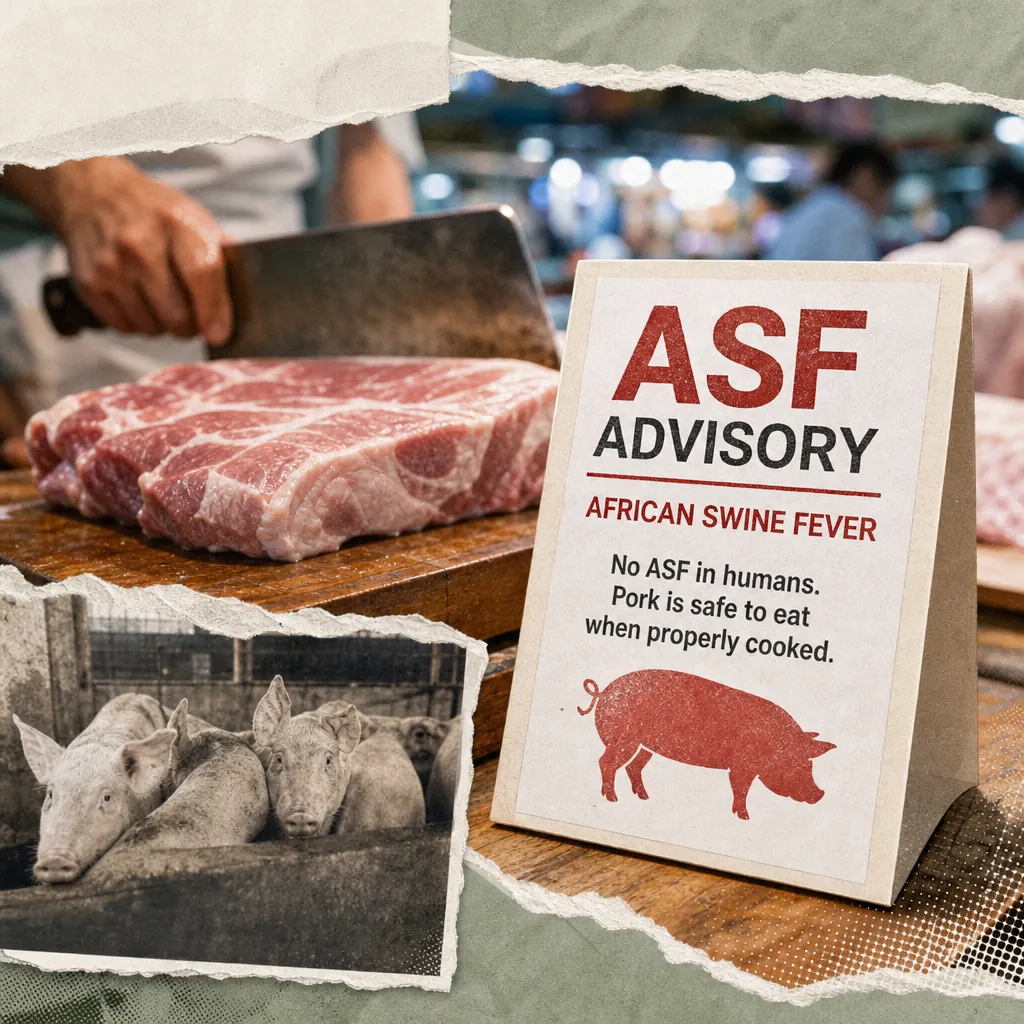
The National Meat Inspection Service (NMIS) in Western Visayas urged consumers to become "smart buyers" by checking whether meat shops, public market stalls, and supermarkets prominently display a valid Meat Inspection Certificate (MIC). The advisory comes as the agency intensifies enforcement of meat safety regulations and reminds the public that a valid MIC certifies that meat has undergone government inspection, is free from signs of disease, and is fit for human consumption. Officer-in-Charge Regional Technical Director Dr. April Chavez of NMIS Regional Technical Operations Center 6 said consumers should not only look at the appearance or price of meat but also verify that it came from legitimate and inspected sources. This advisory is particularly timely given the persistent threat of African Swine Fever (ASF), which has devastated pork supplies and driven up prices. In a related development, the Philippines and Brazil are one signature away from implementing a regionalization agreement on ASF to ensure uninterrupted pork shipments. Typically, the Philippine government enforces a country-wide temporary import restriction to prevent the spread of dangerous communicable animal diseases. However, with a regionalization arrangement, the government will impose an import ban only on specific areas or zones affected by animal disease. Gabriel Morelli Ribeiro, markets manager of the Brazilian Association of Animal Protein (ABPA), said the Philippine government "has approved" the regionalization for ASF, although it has yet to issue a circular on the agreement. This development could help stabilize pork prices and ensure supply, which is critical for consumers and food businesses alike.
Brand Engagement Through Sports and Collectibles
Amid the economic gloom, food brands found positive engagement through sports and promotional activities. Magnolia's rain-delayed win over Meralco in the PBA Governors' Cup generated multiple news articles and social posts, offering passive brand exposure. The game, which was halted for over 30 minutes due to a roof leak at Ninoy Aquino Stadium, became a human-interest story, with players and coaches quoted extensively. Paul Lee, a veteran guard, noted it was the first rain delay of his PBA career, while coach LA Tenorio dedicated the win to a late Ginebra utility staff member. This coverage, which appeared across Inquirer Online, Philstar, and other outlets, drew significant advertising-equivalent value, with individual articles ranging from P127,200 to P311,122. For Magnolia, a brand under the San Miguel Corporation ecosystem, this sports sponsorship provides steady visibility and positive associations. Similarly, Jollibee launched two new limited-edition collectibles this August: the Jolly Snack Cup, an exclusive drive-thru collectible that lets customers enjoy their favorite snacks and drinks conveniently while on the road, and a playtime-themed collectible. These initiatives aim to drive foot traffic and enhance brand engagement, offering a counterpoint to the economic anxiety dominating other food-related discussions.
Retail and E-commerce Promotions
The retail sector responded to consumer price sensitivity with promotional events. Shopee Philippines joined the 2026 ASEAN Online Sale Day (AOSD) from Aug. 8 to 10, in partnership with the Department of Trade and Industry (DTI). The special shopping event brings together top e-commerce platforms from all over Southeast Asia to boost cross-border commerce through online promotions, capacity-building activities, and stronger business collaborations. This initiative supports the ASEAN chairmanship of the Philippines this year and aims to make shopping across Southeast Asia easier for Pinoy bargain hunters. Meanwhile, the Philippine Retailers Association (PRA) honored the country's top-performing retailers, brands, and shopping centers during the 2026 Outstanding Filipino Retailers (OFR) Awards, recognizing organizations whose commitment to innovation, customer experience, sustainability, and business excellence continues to elevate Philippine retail. These events signal industry efforts to attract cost-conscious consumers and celebrate innovation, providing a positive narrative amid economic challenges.
Conversation trajectory
Based on engagement patterns and content evolution, the Philippine food and beverage conversation shows clear signals of developing in ways that impact your objectives:
- Economic anxiety migrating into food spending discourse: The macroeconomic narrative around weak GDP growth and rising prices is increasingly being framed through the lens of household consumption and food affordability. Discussions referencing economic mismanagement are beginning to connect to tangible consumer pain points like food costs, with early comment threads drawing direct lines between political instability and the price of everyday goods. This convergence will likely intensify over the next 2-3 months as quarterly economic data continues to surface, making food pricing a proxy for broader governance critiques that your FMCG and QSR clients should monitor closely.
- Food delivery platform dissatisfaction evolving from isolated complaints to retention risk: A notable pattern is emerging around refund and voucher handling on delivery platforms, with affected users expressing strong intent to churn after negative experiences. The specific complaint about credit card refunds being converted into platform credits rather than original payment methods signals a shift toward consumer rights awareness that could expand into broader discussions about platform fairness and market competition. Expect this sentiment to spread across social platforms within 3-6 weeks as similar experiences are shared, potentially drawing regulatory attention from agencies monitoring consumer protection in digital commerce.
- Sports-related food brand mentions creating low-engagement but steady visibility: The PBA Governors' Cup coverage featuring a major food brand maintains consistent, albeit modest, traction across sports-focused channels. While engagement remains limited, the persistence of these mentions during live game updates indicates reliable brand placement opportunities during sports seasons. This pattern will likely continue through the current tournament cycle, offering predictable visibility windows for brands already invested in sports sponsorships or looking to enter that space.
Key trigger events that will reshape this conversation include: the release of the next quarterly GDP report (projected within 8-10 weeks), which will likely amplify food price discussions if growth remains weak. The ongoing PBA season's finals series, expected within 4-6 weeks, will provide another visibility spike for associated food brands. And potential regulatory announcements from consumer protection agencies regarding digital platform practices, which could accelerate following accumulating user complaints similar to the delivery issue cited.
Response guidance
For clients in the food and beverage sector, the immediate 2-3 week window presents an opportunity to proactively address affordability concerns before they become fully conflated with political narratives. Value meal promotions and budget-friendly product messaging should be emphasized now, as consumer sentiment is shifting toward cost-consciousness and any perceived price insensitivity could attract negative attention. For food delivery partners, reviewing refund and voucher policies in light of the emerging complaint pattern is advisable within the next month, since unresolved issues may escalate into coordinated consumer campaigns.
For brands with sports affiliations, the upcoming finals series window offers a strategic moment to reinforce positive associations through targeted activations that leverage the steady visibility already present. Preparing content that connects brand value to athletic performance and community engagement will be more effective during this period than generic promotional messaging, potentially offsetting some of the negative economic sentiment dominating other food-related discussions.
Platform-Specific Approaches:
- Reddit: For the economics-focused discussion, engage with data-driven counterpoints that acknowledge the GDP growth figure while contextualizing it within broader regional and global trends. Provide clear, non-partisan explanations of the factors influencing household consumption and investment, steering the conversation toward economic fundamentals rather than political speculation. This approach resonates with the platform's preference for substantive analysis over rhetorical posturing. For the FoodPanda grievance, prioritize a service recovery response that validates the user's frustration with the payment and voucher experience. Given the platform's community norms, a direct, transparent explanation of the refund process, coupled with a concrete offer to resolve the issue (e.g., restoring voucher validity or crediting the original payment method), is more effective than generic apologies. Acknowledge the inconvenience without defensiveness, as this community responds well to accountability.
- Twitter: For the PBA-related content, which includes a brand mention (Magnolia) indirectly tied to the food and beverage sector, refrain from direct engagement on the game's score. Instead, use this as an opportunity to observe real-time sentiment around brand sponsorships and product visibility within sports content, noting any shifts in audience perception that could inform future PR strategies for relevant client accounts. The tweet's low engagement metrics (one share, no likes or comments) suggest it is a low-priority touchpoint. However, monitor for any subsequent replies or quote-tweets that might tie the game or the brand to broader consumer issues, such as price sensitivity or product availability, which are more aligned with the strategic keywords.
Key Messages:
- The Philippine economy's growth trajectory is influenced by a complex mix of global headwinds and domestic structural factors, and current indicators do not necessarily reflect long-term potential, which requires careful, data-driven analysis.
- Household consumption remains a key driver of economic resilience, and addressing price pressures on essential goods is a shared priority across both the public and private sectors.
- For consumer-facing brands, transparent and efficient resolution of service issues is the cornerstone of maintaining trust, and we are committed to ensuring that every customer interaction reflects this principle.
- When customers encounter payment or voucher complications, the focus should be on swift restitution and a seamless experience, ensuring that any inconvenience is fully addressed to the customer's satisfaction.
Sensitive Topics to Navigate:
- The intersection of economic performance with political narratives, particularly any implication that GDP figures are a direct indictment of specific leadership. Any response should remain strictly focused on economic data and avoid validating or amplifying partisan interpretations.
- The emotional nature of consumer grievances involving payment systems and perceived unfair treatment. Responses must never appear dismissive of the customer's experience, even if the platform's policies were technically followed, as this can escalate negative sentiment.
- The potential for a boycott or viral criticism campaign against a specific food delivery platform. Engaging in defensive arguments is risky; instead, a service-oriented response that offers practical solutions and demonstrates a willingness to make things right is the safer path forward.
See the full picture behind today's signals.
This report draws from Media Meter's MediaWatch, our real-time monitoring engine tracking 2,470+ Philippine sources across print, broadcast, digital, and social. Explore how the platform turns raw coverage into decision-grade intelligence, then see how it's configured for teams like yours — whether you're in PR agencies, corporate comms, government, or marketing.
Want more? Browse our Report Library for sector and crisis intelligence, or request a demo and we'll have your brand set up before the call.
Want this kind of intelligence on your brand?
This brief is built on the same MediaWatch methodology that runs continuously across every brand we monitor. See your competitive landscape, Impact Score, and narrative trajectory in a 30-minute demo.