Digital Finance Faces Growth, Complaints, and Trust Tests
A daily snapshot of the Philippine financial sector, covering record consumer complaints, economic slowdown, GCash's IPO, and grassroots digital donations.
The Philippine financial sector is navigating a complex landscape marked by robust digital adoption, a slowing economy, and rising consumer complaints. On August 9, 2026, the conversation centered on the Bangko Sentral ng Pilipinas' (BSP) report of a 72.6% surge in consumer complaints, the implications of weaker-than-expected GDP growth on monetary policy, and the continued expansion of digital financial services like GCash and GoTyme Bank. Meanwhile, a grassroots Facebook appeal for a landslide victim in Romblon highlighted the growing reliance on e-wallets for disaster relief, underscoring both the opportunities and vulnerabilities of digital finance.
Key themes
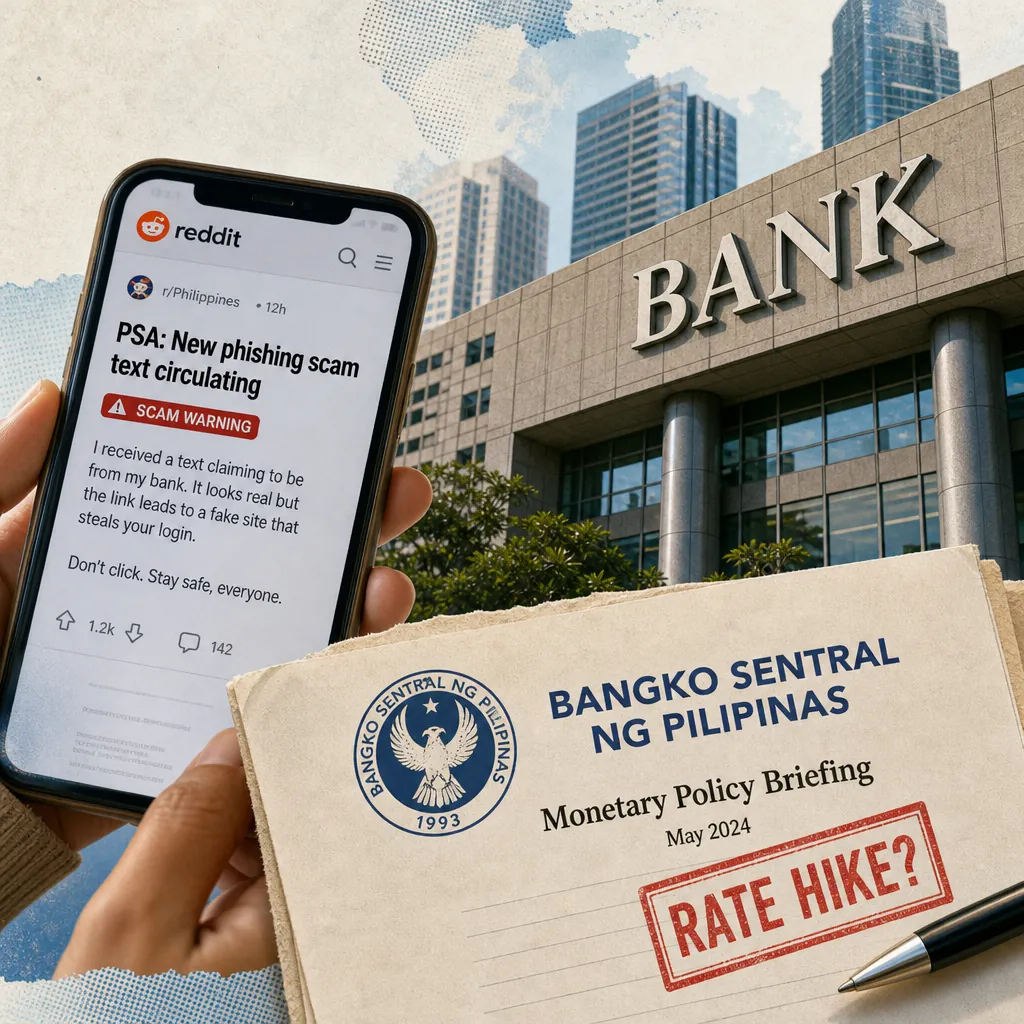
- Record Consumer Complaints Signal Digital Growing Pains: The BSP reported a 72.6% increase in consumer complaints in 2025, reaching over 120,000, driven by greater awareness and digital adoption. This trend reflects both the success of financial inclusion and the challenges of protecting consumers in a rapidly digitizing landscape.
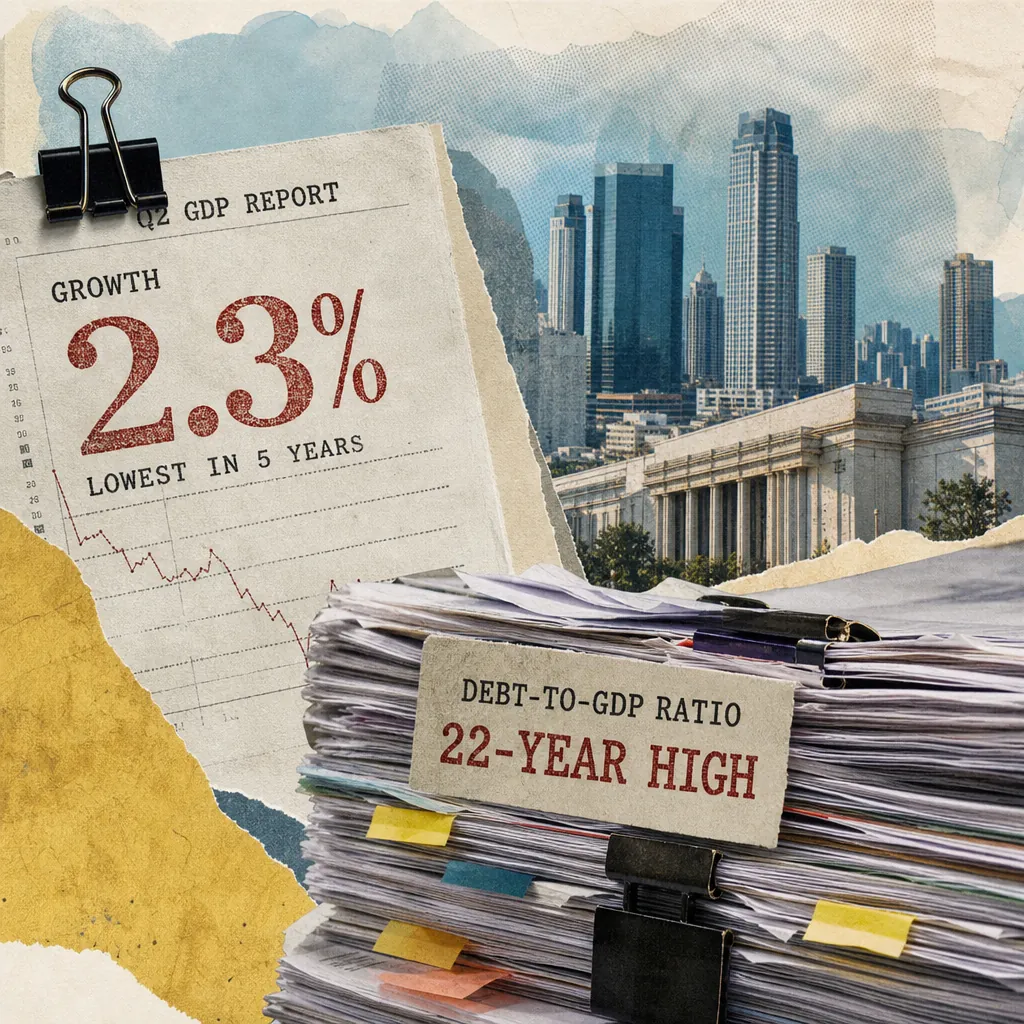
- Economic Slowdown Complicates Monetary Policy: With Q2 GDP growth at just 2.3%, the lowest since the pandemic, analysts are divided on whether the BSP will continue raising interest rates to combat inflation or pause to support growth. This tension dominated economic commentary.
- GCash's IPO and Record Revenue Highlight Fintech Momentum: Mynt, the parent of GCash, posted record revenues and filed for an IPO, signaling strong investor confidence in digital finance despite broader economic headwinds.
- Grassroots Digital Donations Show E-Wallet Entrenchment: A Facebook appeal for a landslide victim in Romblon used GCash as the sole donation channel, demonstrating how e-wallets have become critical infrastructure for disaster relief and community support.
- Fraud and Security Concerns Loom Large: From a US bank fraud case to the BSP's anti-scam efforts, the conversation underscored the persistent threat of financial crime and the need for robust consumer protection.
- Banks Adapt to New Realities: BPI's 175th anniversary and GoTyme's Apple Pay launch illustrate how traditional and digital banks are evolving to meet changing customer expectations and market conditions.
- Government Debt and Fiscal Pressures: Rising debt service payments and proposed excise tax hikes added to concerns about fiscal sustainability and their impact on consumer spending and economic recovery.
How the narratives stack
Dominant: The dominant narrative is the BSP's record consumer complaints and the broader implications for digital finance. This story, covered across multiple outlets including the Inquirer, Manila Times, and Philstar, highlights the tension between financial inclusion and consumer protection. The 72.6% surge in complaints is a clear signal that as more Filipinos use digital financial services, they are also encountering issues that require regulatory intervention. This narrative is significant because it directly affects public trust in the financial system and the credibility of digital platforms.
Counter-narrative: Amidst the focus on complaints and economic slowdown, a counter-narrative of resilience and innovation emerges. GCash's record revenue and IPO filing, GoTyme's Apple Pay launch, and BPI's 175th anniversary all point to a sector that is growing and adapting. This narrative emphasizes the positive aspects of digital transformation, such as increased access and convenience, even as challenges persist.
Emerging: An emerging narrative is the use of e-wallets for grassroots disaster relief, as seen in the Romblon landslide appeal. This story, while small in scale, signals a shift toward decentralized, peer-to-peer financial assistance facilitated by digital platforms. It also raises questions about verification and fraud prevention in such appeals, which could become a larger conversation as more similar cases arise.
Suppressed: A potentially under-covered story is the impact of rising government debt service payments on the economy. While several articles mentioned the increase in debt payments, the deeper implications for fiscal sustainability and public spending were not fully explored. This is a critical issue that could affect the country's economic stability and its ability to invest in infrastructure and social programs.
Platform insights
- Facebook: The primary platform for grassroots disaster appeals, as evidenced by the Romblon landslide post. Engagement was characterized by high emotional reactions (sad and care) and sharing, rather than comments or discussion. This suggests that Facebook serves as a distribution network for urgent calls to action, with users amplifying content to their networks. For financial brands, this means monitoring such posts for mentions of their services and being prepared to respond to any service-related issues that may arise.
- X (formerly Twitter): While not explicitly mentioned in the provided data, X is likely a platform for real-time news and commentary on financial topics, especially among analysts and journalists. The rapid dissemination of economic data and policy news often occurs on X, making it a key platform for monitoring sentiment and breaking developments.
- YouTube: No significant YouTube activity was noted in the provided data. However, financial institutions and media outlets often use YouTube for explainer videos, press conferences, and educational content. It may be a secondary platform for longer-form content related to financial literacy or corporate announcements.
- Reddit: No significant Reddit activity was noted. Reddit communities like r/Philippines and r/phinvest could be spaces for more detailed discussions on personal finance, investments, and consumer experiences, but they were not part of the captured conversation.
Key voices and communities
- Bangko Sentral ng Pilipinas (BSP): The central bank is a central voice, releasing the annual report on consumer complaints and shaping the regulatory environment. Its communications on the Financial Consumer Protection Act and the Anti-Financial Account Scamming Act are critical for setting expectations and guiding the industry.
- Economic Analysts and Economists: Figures like Michael Ricafort of RCBC, Angelo Taningco of Security Bank, and Nomura's Euben Paracuelles provide expert commentary on GDP growth, inflation, and monetary policy. Their analyses influence market sentiment and public understanding of economic conditions.
- Financial Journalists and Media Outlets: Publications like BusinessWorld, Inquirer, Manila Times, and Philstar are key voices in reporting on the sector. Their coverage shapes the narrative and provides detailed analysis for readers.
- Fintech Companies and Digital Banks: GCash (Mynt), GoTyme Bank, and others are active participants, announcing new features, financial results, and partnerships. Their communications highlight innovation and growth, countering negative narratives about complaints and fraud.
- Grassroots Community Networks: Local Facebook pages and community groups play a crucial role in disaster relief and fundraising. Their posts, like the Romblon appeal, demonstrate the practical use of digital financial services and can influence public perception of these platforms.
Narrative streams
BSP Consumer Complaints Surge: A Sign of Digital Adoption or Systemic Issues?
The Bangko Sentral ng Pilipinas (BSP) reported a 72.6% increase in consumer complaints in 2025, with over 120,000 complaints processed through its Consumer Assistance Mechanism (CAM). This mechanism is the central bank's system for receiving and resolving complaints from users of financial products and services. The surge, up from 70,112 in 2024 and 19,181 in 2021, was attributed to greater public awareness of the CAM channels, wider adoption of digital platforms, and increased media attention on the Financial Products and Services Consumer Protection Act (FCPA) and the Anti-Financial Account Scamming Act (AFASA). The FCPA strengthens safeguards for consumers, while AFASA gives authorities tools to combat scams involving bank and e-wallet accounts.
This narrative stream is significant because it highlights the double-edged nature of digital financial inclusion. On one hand, more Filipinos are accessing financial services, which is a positive development. On the other hand, the rise in complaints suggests that issues such as unauthorized transactions, fraud, and poor customer service are becoming more prevalent. The BSP's response, including fast-tracking AFASA implementation and enhancing its BSP Online Buddy chatbot, indicates a proactive approach to consumer protection. However, the sheer volume of complaints raises questions about whether financial institutions are adequately investing in customer support and fraud prevention.
For the sector, this trend means that consumer trust is at risk. Financial institutions must prioritize robust complaint resolution mechanisms and transparent communication to maintain confidence. The BSP's data also provides a benchmark for measuring progress in consumer protection, making it a key metric for stakeholders.
Economic Slowdown and the BSP's Policy Dilemma
The Philippine economy grew by just 2.3% in the second quarter of 2026, the weakest since the pandemic, and well below the government's revised target of 3.5-4.5% for the year. This slowdown has complicated the BSP's monetary policy path. Analysts are divided on whether the central bank will continue raising interest rates to combat inflation or pause to support growth. Security Bank's chief economist expects a final 25-basis-point hike at the August 27 policy review, while Nomura predicts two more hikes. Others, like Capital Economics, argue that the weak economy makes further hikes less clear-cut.
The BSP's primary tool for managing inflation is the policy rate, which influences borrowing costs throughout the economy. Raising rates typically cools inflation but can also slow growth. The current dilemma is a classic central bank challenge: balancing price stability with economic growth. The weak GDP print, coupled with subdued public spending and elevated energy costs, has led some to call for increased infrastructure spending as a catalyst for recovery.
This narrative is crucial for the financial sector because interest rates affect lending, investment, and consumer spending. A pause in rate hikes could provide relief to borrowers, while continued hikes could strain households and businesses. The BSP's decision will be closely watched by markets and could influence the peso's value, stock market performance, and overall investor confidence.
GCash's IPO and the Rise of Digital Finance
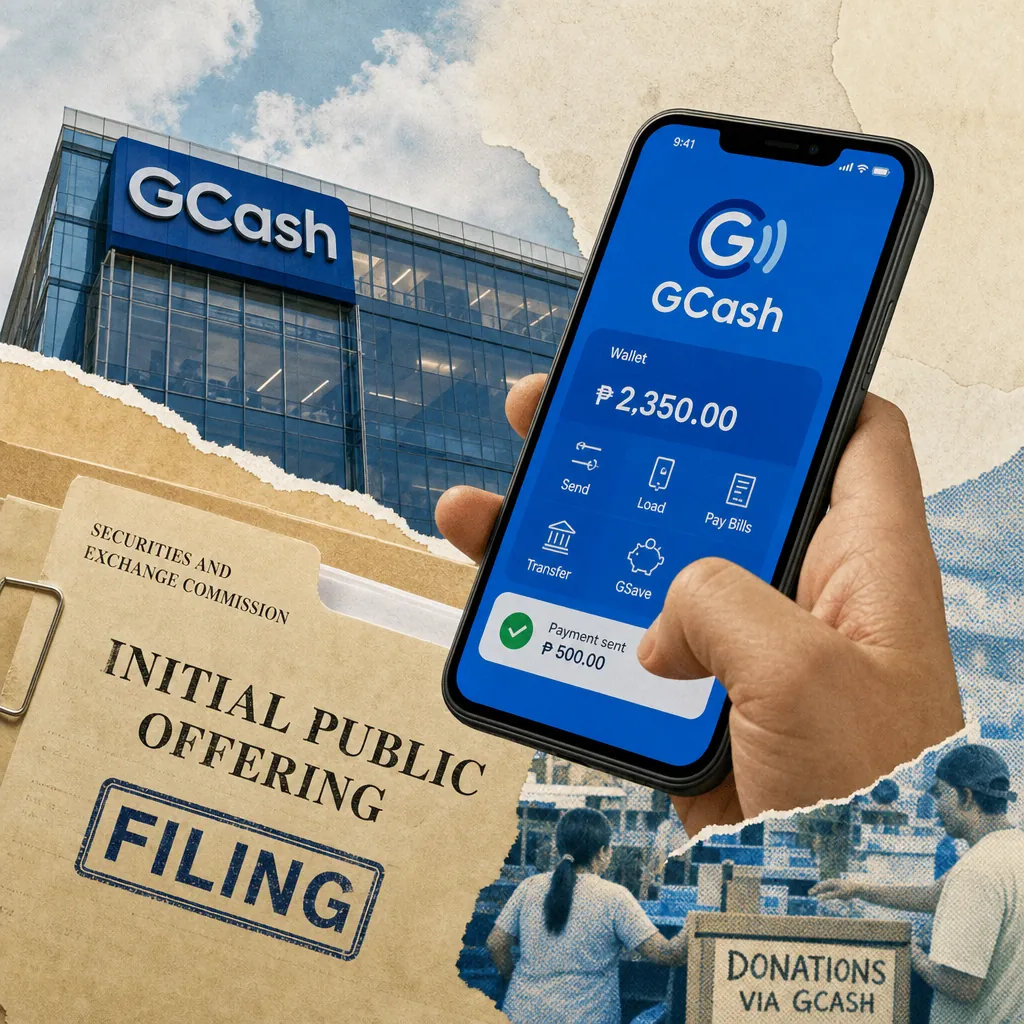
Mynt, the parent company of GCash, reported record second-quarter revenue of P22.41 billion, up 6% year-on-year, and first-half net income of P10.82 billion. The company has filed for an initial public offering (IPO) with Philippine regulators, signaling confidence in its growth prospects. GCash is the Philippines' leading e-wallet, with millions of users relying on it for payments, transfers, and loans. The IPO would be a major milestone for the fintech sector, providing liquidity for investors and raising the profile of digital finance.
This narrative stream highlights the rapid growth of digital financial services in the Philippines. GCash's success is driven by high mobile penetration, a young population, and a large unbanked segment that is leapfrogging traditional banking. The company's investments in customer engagement, merchant acquisition, and technology are paying off, as evidenced by its financial performance.
For the sector, GCash's IPO is a positive signal that digital finance is a viable and profitable business. It could encourage more investment in fintech and spur competition, leading to better services for consumers. However, it also raises questions about regulation and market concentration, as GCash dominates the e-wallet space. The BSP will need to ensure that the market remains competitive and that consumer interests are protected.
Grassroots Digital Donations: E-Wallets as Crisis Infrastructure
A Facebook post on August 9 appealed for donations for Edcel Vicente, a landslide victim in Romblon, using a GCash number as the sole donation channel. The post, which was shared twice, received 18 likes, 9 shares, and 38 sad reactions on each, indicating strong community empathy. The appeal highlighted the structural damage to Vicente's home and the need for rebuilding. This grassroots fundraising effort demonstrates how e-wallets have become the default infrastructure for micro-donations in disaster-affected areas, bypassing traditional banking channels.
This narrative is significant because it shows the real-world impact of digital financial inclusion. In times of crisis, e-wallets enable rapid, person-to-person transfers that can save lives and support recovery. However, it also exposes vulnerabilities: there is no verification mechanism for such appeals, and donors may be at risk of fraud. The lack of alternative payment methods suggests that e-wallets are trusted, but also that they are the only option for many.
For financial institutions, this trend presents both opportunities and risks. On one hand, they can position themselves as enablers of community resilience. On the other, they must address the potential for fraudulent appeals and ensure that their platforms are secure and reliable during high-demand periods. The BSP and other regulators may need to consider guidelines for digital donations to protect consumers while not stifling legitimate grassroots efforts.
Fraud and Security: A Persistent Threat
A US case involving a man who used stolen checks and fake bank texts to defraud customers was reported, highlighting the global nature of financial fraud. In the Philippines, the BSP's anti-scam efforts, including the implementation of AFASA, are aimed at combating similar schemes. The rise in consumer complaints is partly attributed to fraud, and the BSP is working to strengthen safeguards.
This narrative stream underscores the importance of security in maintaining trust in digital finance. As more transactions move online, the risk of fraud increases. Financial institutions must invest in advanced security measures, such as biometric authentication and real-time fraud detection, to protect their customers. They also need to educate consumers about common scams and how to avoid them.
For the sector, fraud is a reputational risk that can undermine the benefits of digital inclusion. A single high-profile scam can erode public confidence in e-wallets and digital banks. Therefore, proactive communication about security features and collaboration with regulators are essential.
Banks Adapting to New Realities
BPI celebrated its 175th anniversary, a testament to its longevity and adaptability. The bank's chairman, Jaime Augusto Zobel de Ayala, emphasized stewardship and continuity, while BSP Governor Eli Remolona noted BPI's historic role as the country's de facto central bank. Meanwhile, GoTyme Bank launched Apple Pay for its debit card customers, making contactless payments more accessible. These developments illustrate how traditional and digital banks are evolving to meet changing customer expectations.
This narrative stream highlights the resilience of the banking sector. Despite economic challenges, banks are investing in innovation and customer experience. BPI's anniversary is a reminder of the sector's deep roots, while GoTyme's Apple Pay launch shows how new entrants are leveraging technology to compete. For the sector, this means that adaptation is key to survival. Banks that embrace digital transformation and customer-centric approaches are likely to thrive, while those that resist change may struggle.
Fiscal Pressures and Consumer Spending
The government's debt service bill rose 18.5% in June, reaching P77.22 billion, driven by higher interest payments. This adds to fiscal pressures, and proposed excise tax hikes on sugary drinks, e-cigarettes, and alcohol could further dampen consumer spending. Analysts warn that while these taxes could improve fiscal sustainability, they may also reduce household consumption in the short run.
This narrative is important because it affects the broader economic environment in which financial institutions operate. Higher taxes and debt payments can constrain government spending on infrastructure and social programs, potentially slowing growth. For the financial sector, this could mean lower demand for loans and other services. It also raises questions about the government's ability to manage its finances effectively.
Conversation trajectory
- Short-term (1-2 weeks): Expect continued discussion of the BSP's rate decision on August 27. Analysts will likely refine their forecasts based on any new data. The GCash IPO will also be a topic of interest, with updates on regulatory approvals and investor demand. Grassroots donation appeals may increase as the monsoon season continues, potentially drawing attention to the need for verification mechanisms.
- Medium-term (1-3 months): The impact of the economic slowdown on the financial sector will become clearer. If the BSP pauses rate hikes, it could stimulate borrowing and investment. However, if inflation remains high, further hikes may be necessary. The GCash IPO, if successful, could boost the fintech sector and attract more investment. Consumer complaints are likely to continue rising, prompting the BSP to enhance its consumer protection framework.
- Long-term (6 months and beyond): The trajectory of digital finance will depend on how well the sector addresses the challenges of fraud, consumer protection, and financial literacy. The BSP's regulatory approach will be crucial in balancing innovation with stability. The success of GCash's IPO and other fintech initiatives could pave the way for more digital financial services, but also require robust oversight.
Trigger events to watch: The BSP's policy decision on August 27; any major fraud incident involving e-wallets; the outcome of the GCash IPO; new regulations on digital donations; and the release of Q3 GDP data.
Response guidance
For communicators in the financial sector, the key is to balance transparency with empathy. Given the rise in consumer complaints, it is essential to acknowledge issues and demonstrate concrete steps to address them. Avoid defensive or dismissive language. Instead, focus on how your organization is improving customer support, enhancing security, and complying with regulations.
When discussing economic conditions, frame your messaging around resilience and long-term value. Highlight how your products and services help customers navigate uncertainty, whether through flexible payment options, financial education, or reliable digital tools.
In the context of disaster relief, consider how your platform can support verified donation campaigns. Partner with reputable organizations to create official channels for aid, and communicate these clearly to the public. This not only helps those in need but also protects your brand from association with fraudulent appeals.
Finally, stay attuned to the emotional tone of conversations. The Romblon appeal showed that people are deeply moved by disaster stories. Your communications should reflect sensitivity and a genuine commitment to social good, rather than appearing opportunistic.
By proactively addressing these issues, financial institutions can build trust and position themselves as responsible partners in the nation's economic and social development.
See the full picture behind today's signals.
This report draws from Media Meter's MediaWatch, our real-time monitoring engine tracking 2,470+ Philippine sources across print, broadcast, digital, and social. Explore how the platform turns raw coverage into decision-grade intelligence, then see how it's configured for teams like yours — whether you're in PR agencies, corporate comms, government, or marketing.
Want more? Browse our Report Library for sector and crisis intelligence, or request a demo and we'll have your brand set up before the call.
Want this kind of intelligence on your brand?
This brief is built on the same MediaWatch methodology that runs continuously across every brand we monitor. See your competitive landscape, Impact Score, and narrative trajectory in a 30-minute demo.