Digital payments, fraud defense dominate PH banking news
The day's coverage centered on the Philippines' digital payments infrastructure, with central bank initiatives on fraud prevention, financial inclusion, and payment system consolidation, alongside private sector partnerships and new security features from banks.
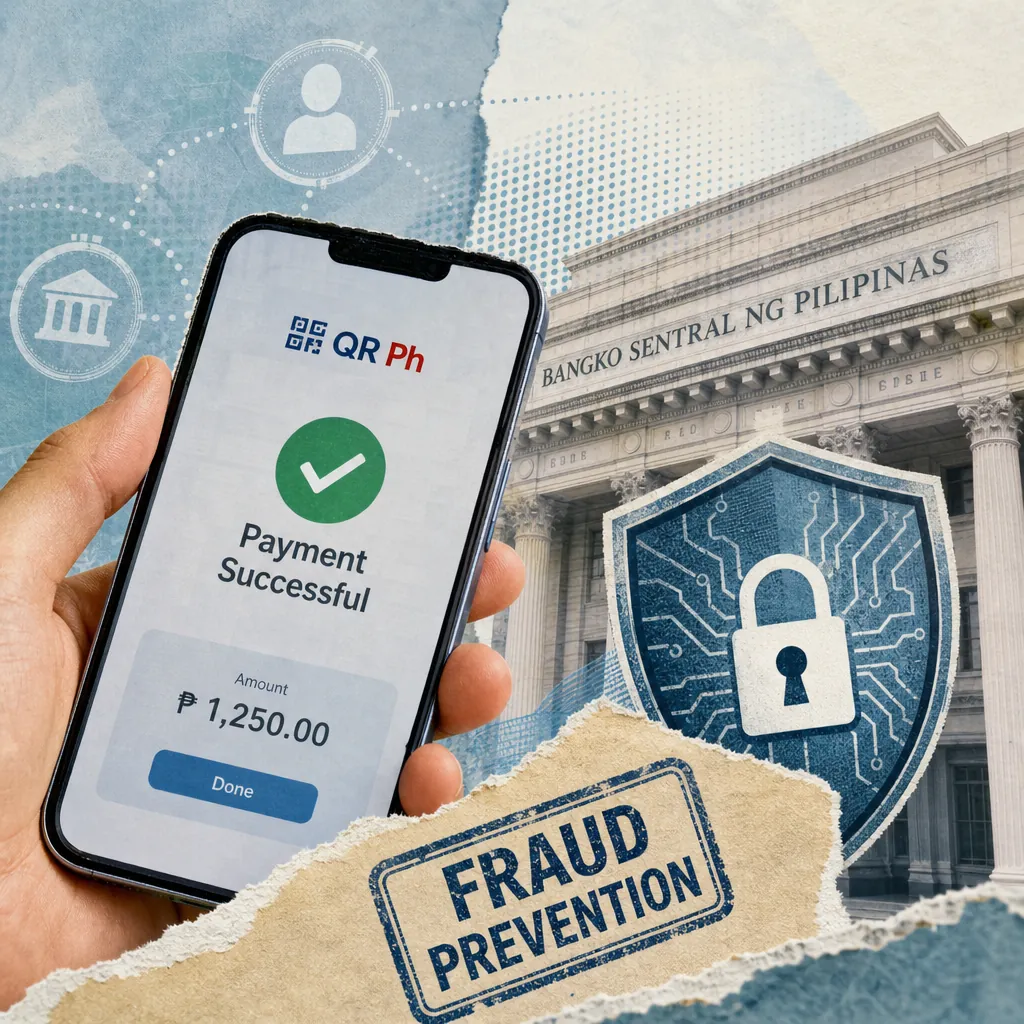
The day's financial news in the Philippines was dominated by the accelerating shift to digital payments and the parallel effort to secure it. The Bangko Sentral ng Pilipinas (BSP), the country's central bank, announced a regional task force against digital scams, pushed for lower transaction costs to deepen financial inclusion, and saw the formal consolidation of the nation's two major payment networks. Private banks responded with new anti-fraud features and partnerships, while the government signaled another retail bond sale. The common thread: as digital finance becomes critical infrastructure, the focus is moving from mere adoption to resilience, trust, and broader access.
Leading the coverage was the BSP's announcement that it and other Asia-Pacific central banks are forming a task force to strengthen information sharing against digital scams. This came alongside the central bank's statement that lower costs and easier access are crucial to bringing more Filipinos into the formal financial system, emphasizing that account ownership alone does not equal meaningful inclusion. The day also marked the formal election of officers for the Payments Network of the Philippines (PNPI), the entity created by merging BancNet and the Philippine Clearing House Corp., a move approved by the BSP, the Philippine Competition Commission, and the Securities and Exchange Commission.
On the private sector side, Metrobank rolled out four new anti-fraud features in its mobile app, including a 24-hour cooling-off period after critical security changes. BPI partnered with Gogolook, a Taiwanese anti-scam technology firm, to offer its customers a year of free access to the Whoscall app. Security Bank teamed up with Pays0, a licensed electronic money issuer, to help businesses accept payments and move money more efficiently. These moves come as the BSP reported that social engineering attacks accounted for 76% of cyber fraud losses in 2025.
The day's news also included the government's plan to return to the retail bond market in the second half of the year, offering small investors a low-risk savings instrument. Global payments firm Wise said it is in discussions with the BSP to strengthen transparency in remittance pricing, particularly on hidden foreign exchange markups. An analysis piece in Philstar noted that digital payments have become part of the country's critical economic infrastructure, raising the stakes for resilience and trust.
Key themes
- Central banks form regional task force against digital scams: The BSP and other Asia-Pacific central banks under the Executives Meeting of East Asia-Pacific Central Banks (EMEAP) approved initiatives to create a task force for information sharing on digital scams and to manage risks from artificial intelligence.
- BSP pushes lower costs for financial inclusion: The central bank stressed that affordability remains a major hurdle, and that true digital financial inclusion means services that are accessible, affordable, understandable, and useful for all Filipinos.
- Payment networks consolidate under new leadership: The Payments Network of the Philippines (PNPI), formed by merging BancNet and the Philippine Clearing House Corp., elected its board and officers, with BDO's Nestor Tan as chairman and Metrobank's Fabian Dee as president.
- Banks roll out new anti-fraud features: Metrobank introduced a 24-hour cooling-off period and other security enhancements, while BPI partnered with Gogolook to offer Whoscall Premium Basic to customers for free.
- Government plans retail bond offering in H2: The Bureau of the Treasury said it is still planning to return to the retail bond market within the second half of the year, giving small investors a chance to buy government securities with a minimum of P5,000.
- Wise pushes for transparent remittance pricing: The global payments firm is in discussions with the BSP to ensure local banks show transparent rates, particularly on foreign exchange markups that may not be immediately apparent.
- Digital payments become critical infrastructure: An analysis piece noted that digital payments have moved from convenience to critical economic infrastructure, forcing financial institutions to rethink system resilience and trust.
- Businesses get new tools for digital payments: Security Bank partnered with Pays0 to help businesses accept payments, send funds, and reconcile transactions more efficiently, reducing manual work.
How the narratives stack
Dominant: The dominant narrative is the BSP's active push to secure and deepen digital financial inclusion. This is evidenced by the regional task force against scams, the emphasis on lowering costs, and the consolidation of payment networks under PNPI. The central bank is positioning itself as a proactive regulator addressing both the risks (fraud) and the barriers (cost) to digital adoption. This narrative is supported by multiple articles across Philstar and other outlets, and it sets the agenda for the day's financial news.
Counter-narrative: A counter-narrative, present but less prominent, is the private sector's response to these regulatory and market pressures. Banks are not just waiting for regulation; they are actively rolling out their own security features and partnerships. Metrobank's new app features, BPI's partnership with Gogolook, and Security Bank's tie-up with Pays0 all show financial institutions taking initiative to protect customers and improve services. This narrative suggests that while the BSP sets the tone, the private sector is a key driver of innovation and security.
Emerging: An emerging narrative is the focus on transparency in remittance pricing. Wise's discussions with the BSP highlight a specific pain point for overseas Filipinos sending money home. This is a niche but important issue, as remittances are a significant part of the Philippine economy. The push for transparent foreign exchange rates could lead to new regulations or industry practices that benefit consumers.
Under-covered: A story that placed low in the captured set but carries significance is the government's plan for a retail bond offering. While it received coverage, it was not a lead story. This is a notable development for small investors, offering a low-risk savings instrument with quarterly interest. The timing of the offering, within the second half of the year, is a signal for those looking for safe investment options.
Platform insights
- Facebook: The conversation on Facebook likely centered on consumer-facing announcements, such as Metrobank's new security features and BPI's partnership with Gogolook. Posts about these topics would generate engagement from users concerned about scams. The BSP's statements on financial inclusion might also be shared, but with less emotional resonance than fraud-related news.
- X (formerly Twitter): X is the platform for real-time news and expert commentary. The BSP's announcements and the PNPI merger would be discussed here by financial journalists, analysts, and industry insiders. The Wise remittance story would also find an audience among overseas Filipino workers and fintech observers. The tone would be more analytical and policy-focused.
- YouTube: YouTube would likely feature news clips from broadcast outlets covering the BSP's announcements and the PNPI merger. Explainer videos on digital payments, fraud prevention, and the retail bond offering could also gain traction. The platform's strength is in longer-form content that provides context and analysis.
- Reddit: Reddit's Philippine finance communities (like r/phinvest) would engage with the retail bond offering and the BSP's push for lower costs. Discussions would focus on practical implications for individual investors and consumers. The anti-fraud features from Metrobank and BPI would also be discussed, with users sharing their experiences and tips.
Key voices and communities
- Bangko Sentral ng Pilipinas (BSP): The central bank is the primary voice, setting the regulatory agenda. Governor Eli Remolona Jr.'s participation in the EMEAP meeting and the BSP's statements on financial inclusion are central to the day's narrative. The BSP's credibility and authority make its announcements newsworthy and influential.
- Bank executives: Leaders like BDO's Nestor Tan, Metrobank's Fabian Dee, and HSBC's Sandeep Uppal provide the private sector perspective. Their comments on the PNPI merger, system resilience, and the future of payments add depth to the coverage. They are key voices because they represent the institutions that will implement these changes.
- Fintech companies: Wise and Gogolook represent the fintech sector's role in shaping the payments landscape. Wise's push for transparency and Gogolook's anti-scam technology highlight the innovative solutions being brought to the market. Their voices are important because they often challenge traditional banking practices.
- Financial journalists and analysts: Writers at Philstar, Inquirer, and other outlets interpret these developments for the public. Their analysis pieces, like the one on digital payments as critical infrastructure, help frame the narrative and provide context. They are the bridge between the institutions and the general public.
- Consumer advocates and MSMEs: While not directly quoted in the captured items, the interests of consumers and micro, small, and medium enterprises (MSMEs) are central to the BSP's financial inclusion push. Their needs for affordable, accessible, and secure financial services are the underlying driver of many of the day's stories.
Narrative streams
BSP forms regional task force to combat digital scams
The Bangko Sentral ng Pilipinas (BSP) and other central banks in the Asia-Pacific region are forming a task force to strengthen information sharing against digital scams. This initiative was approved during the Executives Meeting of East Asia-Pacific Central Banks (EMEAP), a cooperative forum of central banks in the region. The task force will facilitate information sharing among member central banks on emerging risks, particularly those related to artificial intelligence (AI). This is a significant step because digital scams often cross borders, and a coordinated regional response is seen as more effective than isolated national efforts. The BSP's Governor Eli Remolona Jr. participated in the meeting held in Singapore on July 23. The move reflects a growing recognition that financial stability now depends on cybersecurity and consumer protection. For the sector, this means banks and fintech firms can expect more regulatory attention on fraud prevention and cross-border cooperation. The read for the sector is that fraud is no longer just a customer service issue but a systemic risk that requires collective action.
BSP emphasizes affordability for true financial inclusion
The BSP stressed that lower transaction costs and easier access to financial services are crucial to bringing more Filipinos into the formal financial system. The central bank noted that higher account ownership and digital payment use alone do not necessarily translate into meaningful financial inclusion. Surveys cited by the BSP show that cost is among the key reasons for non-use of digital payments. "True digital financial inclusion means ensuring that financial services are accessible, affordable, understandable and useful for all Filipinos," the BSP said. This statement reframes the conversation from mere adoption to the quality and affordability of services. It suggests that the BSP may push for lower fees and more consumer-friendly practices from financial institutions. For the sector, this is a signal that the regulator is watching pricing and accessibility, not just transaction volumes. The read for the sector is that financial institutions need to focus on making their services genuinely affordable and useful, or they may face regulatory pressure to do so.
Payment networks consolidate under PNPI
The Payments Network of the Philippines Inc. (PNPI), the surviving corporation integrating the operations of BancNet Inc. and the Philippine Clearing House Corp. (PCHC), has elected its board of directors and officers for the 2026-2027 term. BDO president and CEO Nestor Tan was elected chairman, and Metrobank president Fabian Dee was elected president. This merger, approved by the BSP, the Philippine Competition Commission, and the Securities and Exchange Commission, consolidates the country's two major payment networks into a single entity. This is a historic move that simplifies the payments infrastructure, potentially making transactions more efficient and reducing costs. The new leadership brings together executives from two of the country's largest banks, signaling a collaborative approach. For the sector, this consolidation could lead to more streamlined payment processing and potentially lower costs for businesses and consumers. The read for the sector is that the payments landscape is becoming more integrated, which could accelerate innovation and improve efficiency.
Banks introduce new anti-fraud features
Metrobank rolled out four new security enhancements in its mobile app designed to give users more control over their accounts and make it harder for fraudsters to access their money. The features include a 24-hour Cooling-Off Period that automatically activates when critical security settings are changed, temporarily blocking all transactions. This is a direct response to the BSP's data showing that social engineering attacks accounted for 76% of reported cyber fraud losses in 2025. Meanwhile, BPI partnered with Gogolook, a leading anti-scam technology provider, to offer qualified clients complimentary access to Whoscall Premium Basic for 12 months. Whoscall helps users identify unknown callers, block spam and scam calls, and filter suspicious messages. These moves show banks taking proactive steps to protect their customers, going beyond regulatory requirements. For the sector, this is a competitive differentiator, as customers increasingly expect robust security features. The read for the sector is that fraud prevention is becoming a key battleground for customer trust, and banks that invest in strong security measures will gain a competitive edge.
Government plans retail bond offering in H2
The Bureau of the Treasury (BTr) said the government is still planning to return to the retail bond market within the second half of the year. National Treasurer Sharon Almanza said the offering is planned but did not specify a date. Retail Treasury Bonds (RTBs) are relatively low-risk investment savings instruments guaranteed by the Philippine government, offering quarterly interest payments. Small investors can buy RTBs for a minimum of P5,000. Finance Secretary Frederick Go said the government is closely monitoring market conditions to assess the right time for the offering. This is a significant opportunity for small investors to participate in government securities, which are typically seen as safe investments. For the sector, this could attract new investors to the bond market and provide the government with additional funding. The read for the sector is that the government is providing an accessible investment vehicle for ordinary Filipinos, which could boost financial literacy and participation.
Wise pushes for transparent remittance pricing
Global payments firm Wise is in discussions with the BSP to strengthen transparency in remittance pricing, particularly on foreign exchange markups that may not be immediately apparent to customers. Wise Philippines country manager Areson Cuevas said greater transparency remains one of the biggest challenges in lowering the cost of international money transfers, despite existing BSP rules requiring financial institutions to disclose remittance charges. The issue is that some banks and remittance providers may hide markups in the exchange rate, making it difficult for customers to compare costs. Wise, which is known for its transparent fee structure, is advocating for clearer disclosure. This is a significant issue for overseas Filipino workers who send money home regularly. For the sector, this could lead to new regulations or industry standards on pricing transparency. The read for the sector is that remittance providers may face pressure to be more transparent about their fees, which could benefit consumers and increase competition.
Digital payments become critical infrastructure
An analysis piece in Philstar noted that digital payments have moved from being a matter of convenience to becoming part of the Philippines' critical economic infrastructure. This raises the stakes for banks, fintech firms, and regulators to keep transactions running, protect users from fraud, and turn digital access into broader financial participation. HSBC Philippines president and CEO Sandeep Uppal said the biggest resilience topic has been payments, as businesses and consumers expect financial services to remain available around the clock. Unlike traditional banking, where a branch closure or delayed check clearing could be managed, a payments outage can have immediate and widespread consequences. This framing positions digital payments as essential services that require robust infrastructure and contingency planning. For the sector, this means investing in system resilience and reliability is not optional but a core requirement. The read for the sector is that the reliability of digital payments is now a matter of national importance, and institutions must prioritize uptime and security.
Conversation trajectory
- Over the next 1-3 months: Expect the BSP to follow through on its task force initiative, potentially issuing new guidelines on fraud prevention and information sharing. Banks will likely continue to roll out new security features and partnerships, as seen with Metrobank and BPI. The retail bond offering is expected within the second half of the year, so watch for an announcement from the BTr in the coming weeks.
- Over the next 6-12 months: The PNPI merger will begin to show its effects, potentially leading to more streamlined payment processing and new services. The BSP's push for lower costs may result in new regulations or industry agreements on fees. The Wise discussions on remittance transparency could lead to policy changes that benefit overseas Filipino workers.
- Trigger events to watch: The actual announcement of the retail bond offering date; any new BSP circular on fraud prevention or financial inclusion; the first major outage or security incident in the digital payments system, which would test the resilience narrative; and the next EMEAP meeting, which could produce more concrete initiatives on AI risk management.
Response guidance
- Emphasize security features: Banks and fintech firms should highlight their anti-fraud measures in communications. Metrobank's cooling-off period and BPI's Whoscall partnership are concrete examples that resonate with consumers worried about scams. Use these as proof points of commitment to customer protection.
- Align with BSP's financial inclusion goals: Frame products and services in terms of affordability and accessibility. The BSP's emphasis on true inclusion means communicators should avoid just touting transaction volumes and instead focus on how services are useful and affordable for all Filipinos.
- Address transparency proactively: Given the Wise discussions, financial institutions should be prepared to discuss their fee structures and exchange rates transparently. Proactive communication on this topic can build trust and preempt regulatory pressure.
- Highlight system resilience: With digital payments now critical infrastructure, communicators should emphasize investments in system reliability and uptime. This reassures both consumers and regulators that the institution is prepared for the demands of a digital economy.
- Use the PNPI merger as a positive story: The consolidation of payment networks is a historic development that can be framed as a step toward a more efficient and integrated payments system. Communicate the benefits to businesses and consumers, such as faster and cheaper transactions.
- Sensitive topics to handle with care: Avoid overpromising on security or making absolute claims about fraud prevention. Be honest about the evolving nature of scams and the need for vigilance. Also, be careful not to criticize the BSP or other regulators, as they are key partners in the financial ecosystem.
See the full picture behind today's signals.
This report draws from Media Meter's MediaWatch, our real-time monitoring engine tracking 2,470+ Philippine sources across print, broadcast, digital, and social. Explore how the platform turns raw coverage into decision-grade intelligence, then see how it's configured for teams like yours — whether you're in PR agencies, corporate comms, government, or marketing.
Want more? Browse our Report Library for sector and crisis intelligence, or request a demo and we'll have your brand set up before the call.
Want this kind of intelligence on your brand?
This brief is built on the same MediaWatch methodology that runs continuously across every brand we monitor. See your competitive landscape, Impact Score, and narrative trajectory in a 30-minute demo.