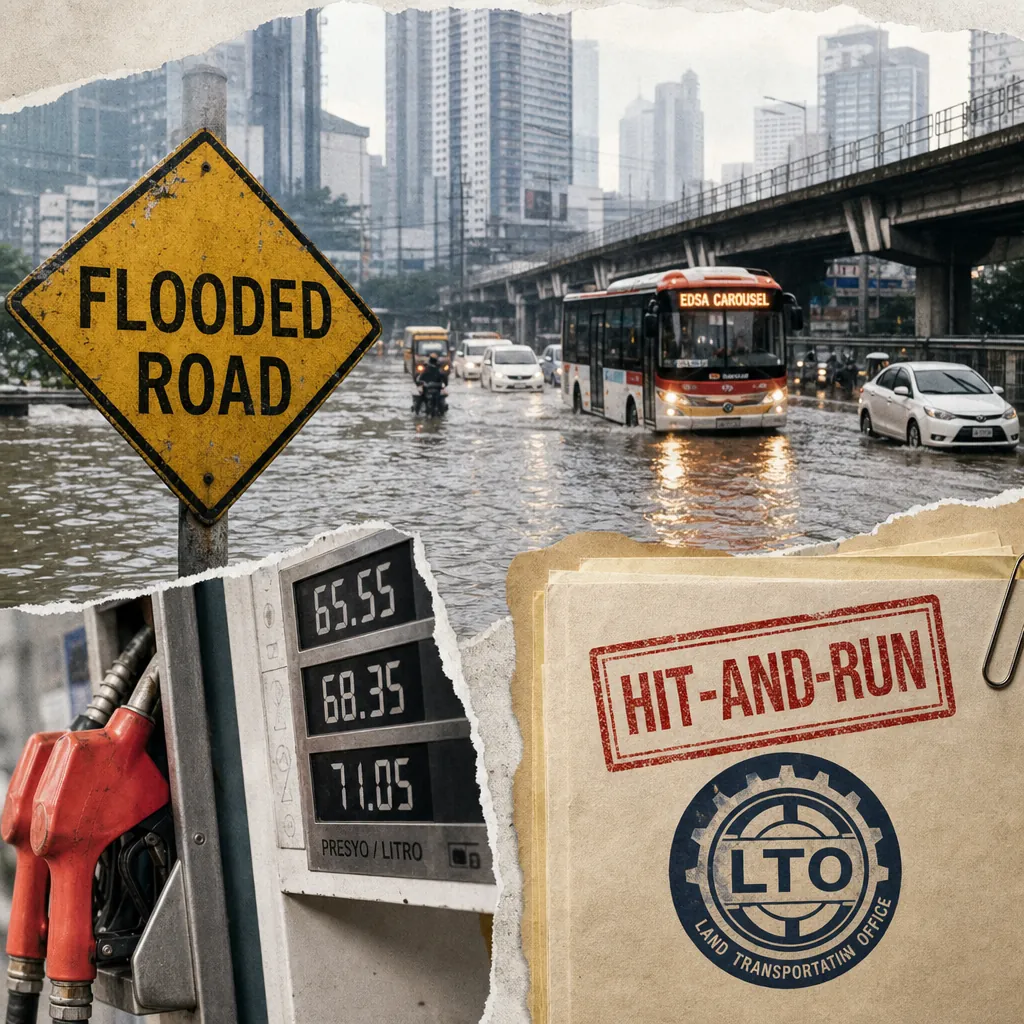
LTO's zero-tolerance crackdown dominates auto news
A weekend of LTO enforcement actions—from a celebrity fake-plate case to internal discipline—dominates automotive conversation, alongside new model launches and industry moves.
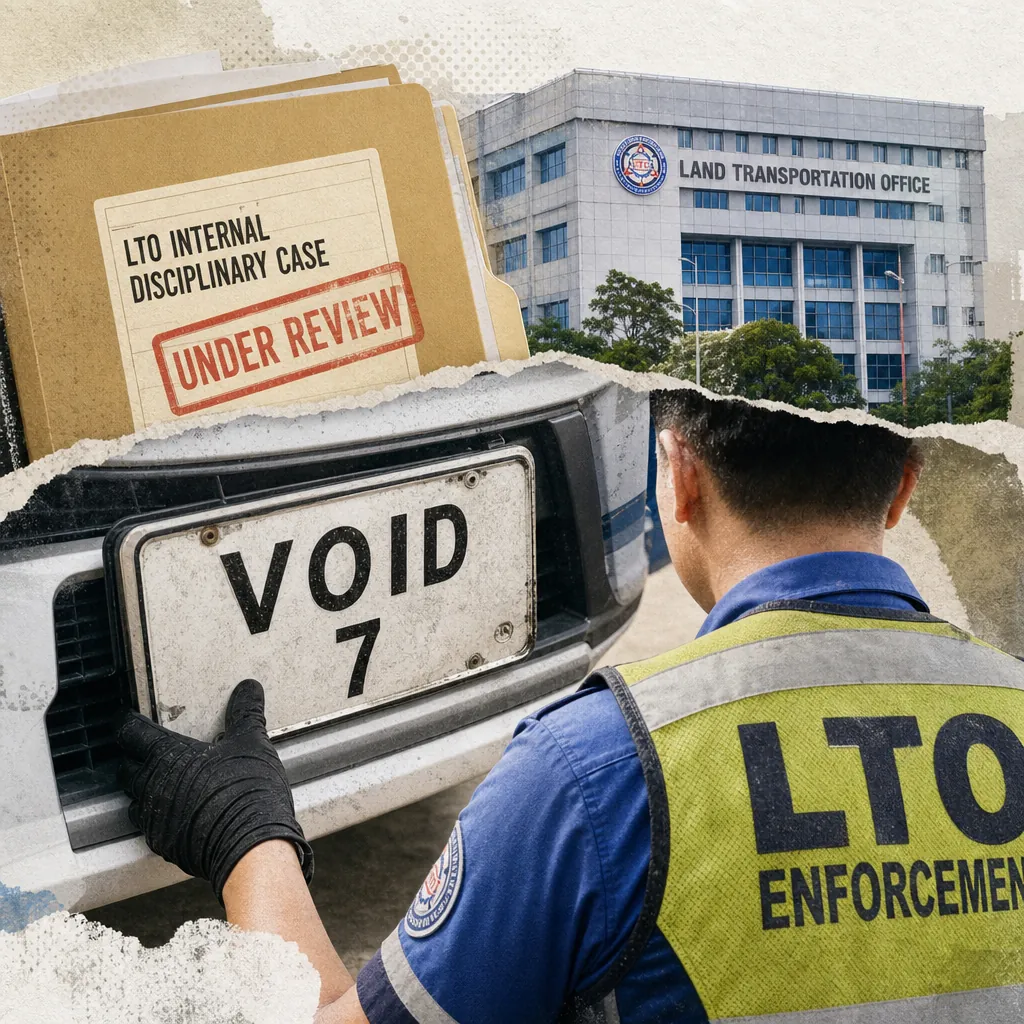
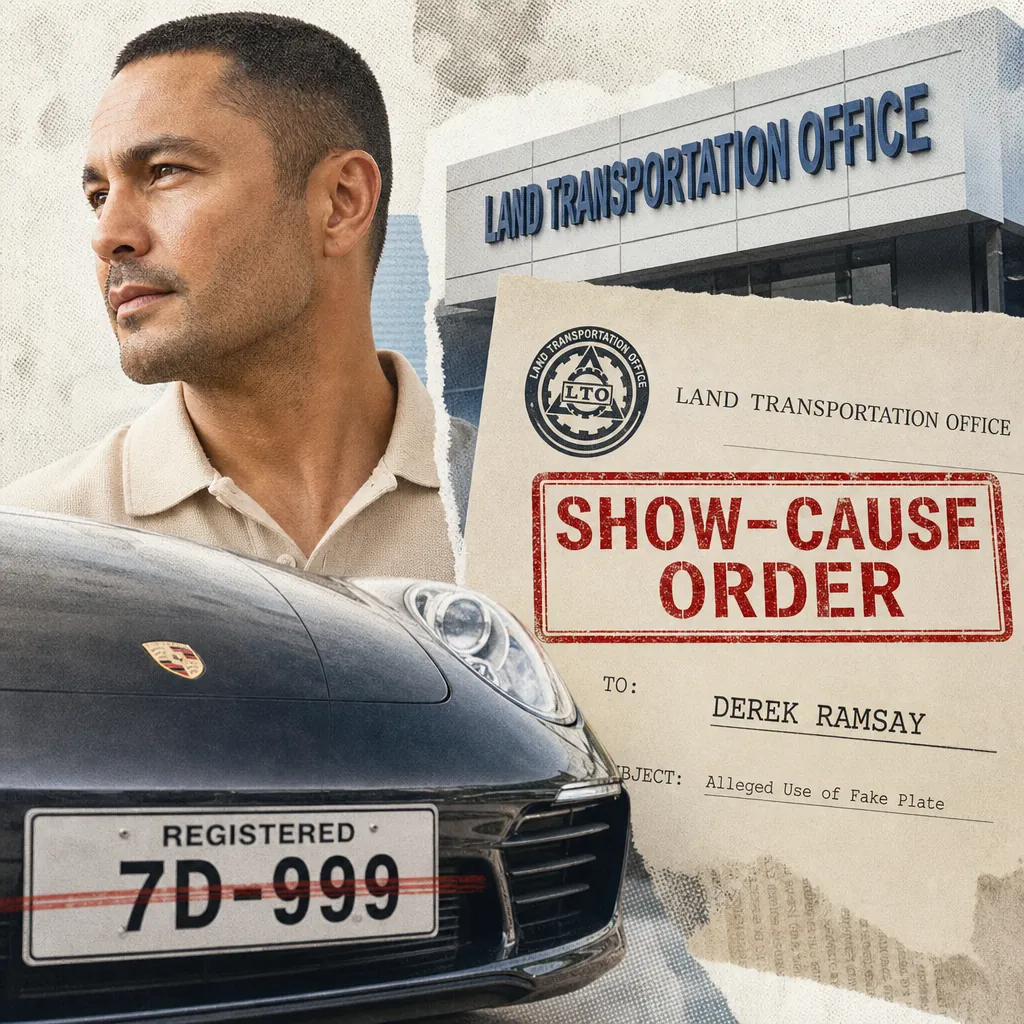
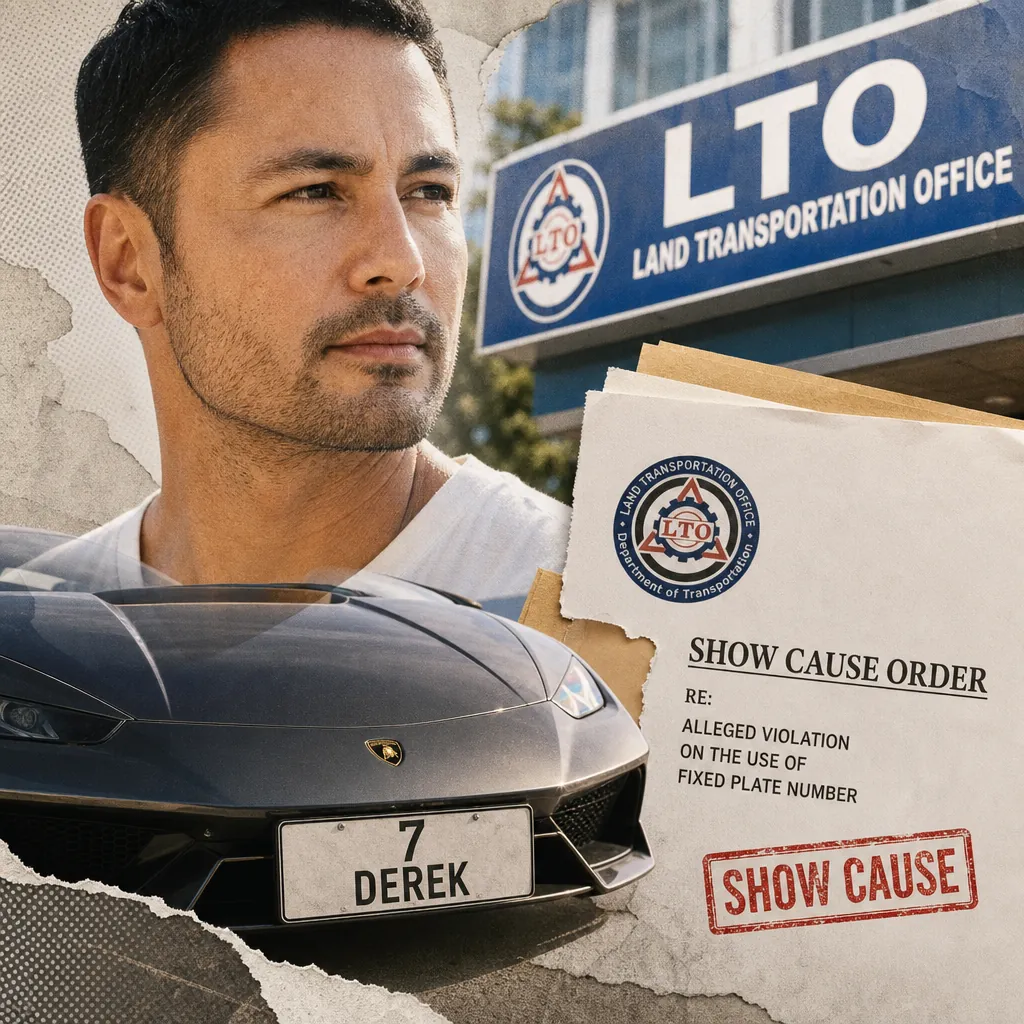
The weekend's automotive conversation was dominated by the Land Transportation Office (LTO), the government agency that regulates vehicle registration and driver licensing in the Philippines. Three separate enforcement stories—each involving the agency's aggressive posture under its chief, Assistant Secretary Markus V. Lacanilao—converged into a single narrative about accountability and the rule of law. The most visible was the case of actor Derek Ramsay, whose Porsche 918 Spyder was flagged for allegedly using a fake license plate. The second involved an LTO employee in Antipolo City who was arrested for a drunk hit-and-run. The third was an internal case: an LTO patrol vehicle driver caught on video counterflowing in Santiago City, Isabela. Together, these stories dominated social media and news coverage, drawing millions of views and reactions, and signaling a regulatory environment where enforcement is both aggressive and under intense public scrutiny.
Beyond the enforcement drama, the automotive industry itself was active. Several new vehicle models were launched or announced, including the Lexus ES sedan's first fully electric version, a new BYD hybrid SUV, and expanded commercial vehicle lineups from Suzuki and GAC. There were also corporate moves, such as Geely integrating its premium brand Lynk & Co into its local operations, and Mitsubishi receiving environmental awards. These developments, while less sensational, point to a market that is rapidly evolving toward electrification and new mobility services.
Key themes
- LTO's zero-tolerance enforcement blitz: The agency's swift and public punishment of its own personnel and a celebrity sent a clear message: no one is above the law. This theme dominated both news and social media, with the agency's statements drawing massive engagement.
- Celebrity accountability and the fake plate controversy: Derek Ramsay's case became a mainstream entertainment story, blending regulatory news with celebrity gossip. The public debate centered on the mechanics of vehicle transfer and registration compliance, not just the actor's conduct.
- Public skepticism and mockery of institutions: Despite the LTO's decisive actions, a significant portion of the public responded with laughter and ridicule, as evidenced by the high number of "haha" reactions on official posts. This suggests deep-seated distrust in government institutions.
- Electrification and new model launches: The industry continued its push toward electric and hybrid vehicles, with the Lexus ES electric sedan, BYD Sealion 5 hybrid SUV, and GAC's hybrid MPVs highlighting the trend. These launches signal a competitive and rapidly modernizing market.
- Corporate restructuring and market expansion: Geely's integration of Lynk & Co into its Philippine operations and the launch of an electric airport transfer service by Xpress ConneX reflect ongoing investment and consolidation in the mobility sector.
- Environmental and sustainability initiatives: Mitsubishi's GREEN awards and the promotion of green investments in the Visayas by the Board of Investments underscore a growing emphasis on sustainability within the automotive and transport sectors.
- Fuel discount program monitoring: The LTFRB's surprise inspections of the P12-per-liter fuel discount for public utility vehicles highlight the government's focus on easing the burden of fuel costs for operators, a topic relevant to the broader transport industry.
How the narratives stack
Dominant: The LTO's enforcement crackdown, particularly the Ramsay case and the internal disciplinary actions, is the dominant narrative. It drew the most coverage and engagement, with one social media post reaching over 260,000 views. The story's blend of celebrity, corruption, and institutional reform captured public attention across all platforms.
Counter-narrative: Amid the enforcement stories, a counter-narrative of public skepticism emerged. The high volume of "haha" reactions on LTO posts suggests that many Filipinos view the agency's actions as performative or reactive, rather than genuine reform. This sentiment is a quiet but persistent undercurrent that could undermine the LTO's credibility gains.
Emerging: The electrification of the automotive market is an emerging narrative, driven by new model launches and government incentives. While not as loud as the enforcement stories, the steady stream of EV and hybrid announcements points to a structural shift in the industry that will shape future conversations.
Suppressed: The story of the LTO employee's drunk hit-and-run, while covered, was quickly overshadowed by the Ramsay case and the internal counterflow incident. The victims' welfare and the broader issue of road safety for pedestrians received less attention than the institutional drama, a gap that could resurface as the legal case progresses.
Platform insights
- Facebook: The primary battleground for public sentiment. The LTO's official posts and news outlet shares drew thousands of reactions, with a notable skew toward "haha" reactions. Regional pages in Ilocano, Hiligaynon, and Cebuano amplified the stories, creating a geographically dispersed but unified conversation. Engagement was highest on posts about the internal counterflow incident and the NBI confrontation, with the latter drawing over 2,400 reactions.
- X (formerly Twitter): Served as the breaking-news channel, especially for the Ramsay story. Entertainment accounts drove massive viewership, with one post reaching over 260,000 views. The platform also saw rapid dissemination of news links and official statements, but with less deep discussion than Facebook.
- YouTube: Video coverage was significant for the hit-and-run and NBI stories, with GMA's 24 Oras Weekend segment on the hit-and-run amassing over 31,000 views. The platform's comment sections became forums for anti-corruption rhetoric, but overall engagement was lower than on Facebook.
Key voices and communities
- Mainstream news media: Outlets like ABS-CBN, GMA News, Philstar, and Daily Tribune served as primary amplifiers, framing the stories with headlines that emphasized the "drunk" and "hit-and-run" elements. Their coverage set the agenda for public discussion.
- Entertainment and celebrity news accounts: These accounts, particularly on Twitter and Facebook, drove the Ramsay story's virality. They blended gossip with legal reporting, shaping public perception of the actor's involvement and the LTO's handling of the case.
- Government and regulatory voices: The LTO's own communications team, led by Chief Lacanilao, was a central voice. Their statements, emphasizing zero tolerance and no special treatment, were widely quoted and shared, positioning the agency as self-correcting.
- Regional and community news aggregators: Provincial radio and news pages in Iloilo, Davao, and other areas localized the national stories, using regional languages and emphasizing the "authority challenge" angle. Their reach into underserved communities is crucial for nationwide sentiment.
- General public and motorist communities: Everyday Filipinos, through comments and reactions, expressed a mix of amusement, anger, and skepticism. Their collective sentiment serves as a barometer for public trust in enforcement agencies.
Narrative streams
The Derek Ramsay fake plate saga: celebrity, regulation, and the transfer gap
The story began on Saturday, August 15, when the LTO issued a show-cause order over a Porsche 918 Spyder registered under actor Derek Ramsay's name, allegedly using a fake license plate. The agency noted that the vehicle had reportedly been sold to another individual but remained under Ramsay's registration—a detail that became the fulcrum of public debate. By Sunday, the controversy had exploded across social media, with one entertainment account's post drawing 260,717 views. Ramsay responded on Instagram, denying any use of fake plates: "I do not drive any cars with fake plates. All my vehicles have proper plates." He also apologized to the LTO and said he had not yet received the show-cause order.
The case highlighted a common gap in Philippine vehicle regulation: the failure to transfer registration upon sale. This leaves the registered owner liable for violations committed by the new owner. The public conversation increasingly focused on the importance of proper title transfers, a concern directly relevant to dealers and buyers of pre-owned vehicles. The LTO's handling of the case—issuing a show-cause order and requiring Ramsay to appear on August 24—demonstrated its willingness to pursue high-profile figures, but also raised questions about enforcement consistency.
For the automotive industry, this case is a cautionary tale. Brands associated with luxury vehicles, like Porsche, may face reputational risk if their models are linked to regulatory violations. Dealers and financial institutions should monitor this narrative closely, as any legislative or administrative response—such as stricter penalties for improper registration—would directly impact sales processes and customer education.
Internal accountability: the LTO polices its own
Parallel to the Ramsay case, the LTO faced its own internal scandal. On August 14, an LTO employee assigned to the Quezon City district office was arrested in Antipolo City after allegedly striking two pedestrians while driving under the influence and fleeing the scene. The arrest was made by an off-duty police officer, Police Executive Master Sergeant Andy Evangelista, who chased the suspect for 10 minutes. The LTO's response was swift: Chief Lacanilao ordered the employee's dismissal, the revocation of his driver's license, and a lifetime driving disqualification. The official statement emphasized "no special treatment" and "no cover-ups," using hashtags like #LTOZeroCorruption.
The public reaction was intense and polarized. A 24 Oras Weekend Facebook post about the incident amassed 4,149 likes, 801 comments, and a mix of 1,431 "haha" and 964 "angry" reactions. The mockery reflected public glee over the regulator's downfall, but also deep skepticism about the agency's integrity. Commenters noted the irony of an LTO employee violating traffic laws, and many questioned whether an ordinary citizen would face the same swift punishment.
This internal case, along with the counterflow incident in Santiago City, positioned the LTO as an agency willing to discipline its own. However, the high volume of "haha" reactions suggests that the public remains unconvinced of genuine reform. For the automotive sector, this narrative underscores the heightened scrutiny on driver conduct and regulatory compliance. Brands and dealers must ensure their own practices are beyond reproach, as any publicized incident could be amplified and compared to this accountability narrative.
The NBI confrontation: authority vs. accountability
A third enforcement story emerged on Sunday, August 16, involving an NBI (National Bureau of Investigation) personnel who allegedly challenged LTO enforcers to a shootout in Lipa City, Batangas, after his son was cited for road obstruction. The LTO's official post on the incident, which included a 90-day preventive suspension and a show-cause order, drew 2,493 likes and 1,930 "haha" reactions—a clear signal of public ridicule toward the NBI employee. The agency's chief, Lacanilao, stated, "Hindi dapat ginagamit ang anumang posisyon o pagkakakilanlan upang kuwestiyunin o hadlangan ang lehitimong pagpapatupad ng batas" (No position or identity should be used to question or obstruct the legitimate enforcement of the law).
The story was amplified by regional news pages and mainstream outlets, with a News5 video report amassing over 36,000 views. The public's overwhelmingly amused reaction—versus only 74 "angry" reactions—suggested that Filipinos viewed the incident as a farcical display of entitlement rather than a serious security threat. This case reinforced the LTO's "no one is above the law" positioning, but also highlighted the potential for inter-agency tension, as both the LTO and NBI operate under the Department of Justice.
For communicators, this case demonstrates the efficacy of swift, transparent, and uncompromising responses in the face of potential abuse of power. The LTO's proactive disclosure of enforcement actions, including video evidence, helped quell doubts about due process and earned public approval.
Electrification and new model launches: the industry moves forward
Amid the enforcement drama, the automotive industry continued its march toward electrification. Lexus Philippines launched the eighth-generation ES sedan, which for the first time includes a fully electric variant, the ES 350e. The launch, covered by BusinessWorld, highlighted the brand's commitment to electrification and the enduring appeal of the executive sedan. BYD, meanwhile, began accepting reservations for the Sealion 5 DM-i, a plug-in hybrid SUV expected to be priced around 800 million Vietnamese dong (approximately ₱1.8 million) in Vietnam, with a competitive price point that could shake up the midsize SUV segment. In the Philippines, BYD's managing director Bob Palanca emphasized his "salesman at heart" approach, focusing on accountability and customer satisfaction.
Other launches included Suzuki's two new Carry variants for public transport, GAC's three MPVs for families, and Toyota's August Drive Deals offering discounts of up to ₱100,000 on selected hybrids. These developments signal a market that is diversifying and becoming more competitive, with a clear shift toward hybrid and electric powertrains.
For industry stakeholders, the electrification trend presents both opportunities and challenges. The LTO's enforcement crackdown, particularly around plate authenticity and registration, could affect the adoption of new vehicles if processes are not streamlined. However, the government's promotion of green investments and the growing availability of EV models suggest a supportive policy environment.
Corporate moves and sustainability: Geely, Mitsubishi, and the green economy
Geely Motor Philippines announced the integration of Lynk & Co, its premium brand, into its direct local operations, ending a two-year partnership with United Asia Automotive Group Inc. The move is part of Geely's "One Geely" strategy, aimed at consolidating its Philippine operations and investing further in the market. This restructuring reflects the growing importance of the Philippine market for Chinese automakers.
Mitsubishi Motors Philippines received four GREEN awards from Santa Rosa City for its environmental programs, including renewable energy and energy efficiency initiatives. The awards highlight the industry's increasing focus on sustainability, which is also being promoted by the Board of Investments through its Strategic Investment Priority Plan, offering incentives for renewable energy and green manufacturing projects in the Visayas.
These corporate and sustainability stories, while less prominent than the enforcement narratives, are crucial for understanding the long-term trajectory of the automotive industry. They indicate a sector that is not only adapting to regulatory pressures but also proactively investing in cleaner technologies and more efficient operations.
Conversation trajectory
Over the next 3-5 days, the LTO enforcement stories are likely to remain dominant, particularly as the Ramsay case progresses toward the August 24 hearing. The public will be watching for any signs of leniency or inconsistency, which could either bolster or undermine the LTO's credibility. The agency's handling of the internal hit-and-run case, including the legal proceedings against the employee, will also be closely monitored.
In the medium term (1-2 weeks), the conversation may shift from individual cases to broader questions about vehicle registration compliance and the effectiveness of the LTO's zero-tolerance policy. The emergence of additional celebrity or high-profile enforcement cases could sustain the narrative, while any perceived misstep by the LTO could trigger a backlash.
For the automotive industry, the key trigger events to watch include the resolution of the Ramsay case, any legislative or administrative responses to the transfer gap, and the rollout of new EV models. The public's heightened scrutiny of enforcement could also lead to increased consumer diligence regarding vehicle documentation, which may affect dealer sales processes.
Response guidance
For automotive brands and dealers, the current environment demands proactive compliance messaging. Emphasize the importance of proper vehicle registration and title transfers in all customer communications, positioning your brand as a responsible steward of regulatory compliance. Prepare holding statements that affirm your commitment to lawful practices, should any similar issues arise.
Monitor sentiment around LTO enforcement stories closely. The public's mixed reactions—amusement at the internal cases, interest in the celebrity case—reveal shifting expectations about accountability. Engage with audiences on Facebook and Twitter with factual, transparent responses that reinforce your alignment with regulatory standards.
For government and regulatory clients, the internal accountability narrative offers a short-term credibility boost. Leverage this by consistently communicating enforcement impartiality and procedural transparency. However, be prepared for potential backlash if the Ramsay case resolution appears lenient or procedurally flawed. Pair enforcement announcements with concrete measures to demonstrate genuine reform.
Finally, consider the electrification trend as an opportunity to align with sustainability goals. Highlight your brand's environmental initiatives and compliance with green standards, which can resonate positively with a public that is increasingly concerned about road safety and institutional integrity.
See the full picture behind today's signals.
This report draws from Media Meter's MediaWatch, our real-time monitoring engine tracking 2,470+ Philippine sources across print, broadcast, digital, and social. Explore how the platform turns raw coverage into decision-grade intelligence, then see how it's configured for teams like yours — whether you're in PR agencies, corporate comms, government, or marketing.
Want more? Browse our Report Library for sector and crisis intelligence, or request a demo and we'll have your brand set up before the call.
Want this kind of intelligence on your brand?
This brief is built on the same MediaWatch methodology that runs continuously across every brand we monitor. See your competitive landscape, Impact Score, and narrative trajectory in a 30-minute demo.