Fuel hikes, food costs, and impeachment: Filipinos juggle economic anxiety and political spectacle
A daily snapshot of the Philippine conversation on July 6, 2026, covering rising fuel and food prices, grassroots price-tracking tools, government food programs, and the opening of Vice President Sara Duterte's impeachment trial.
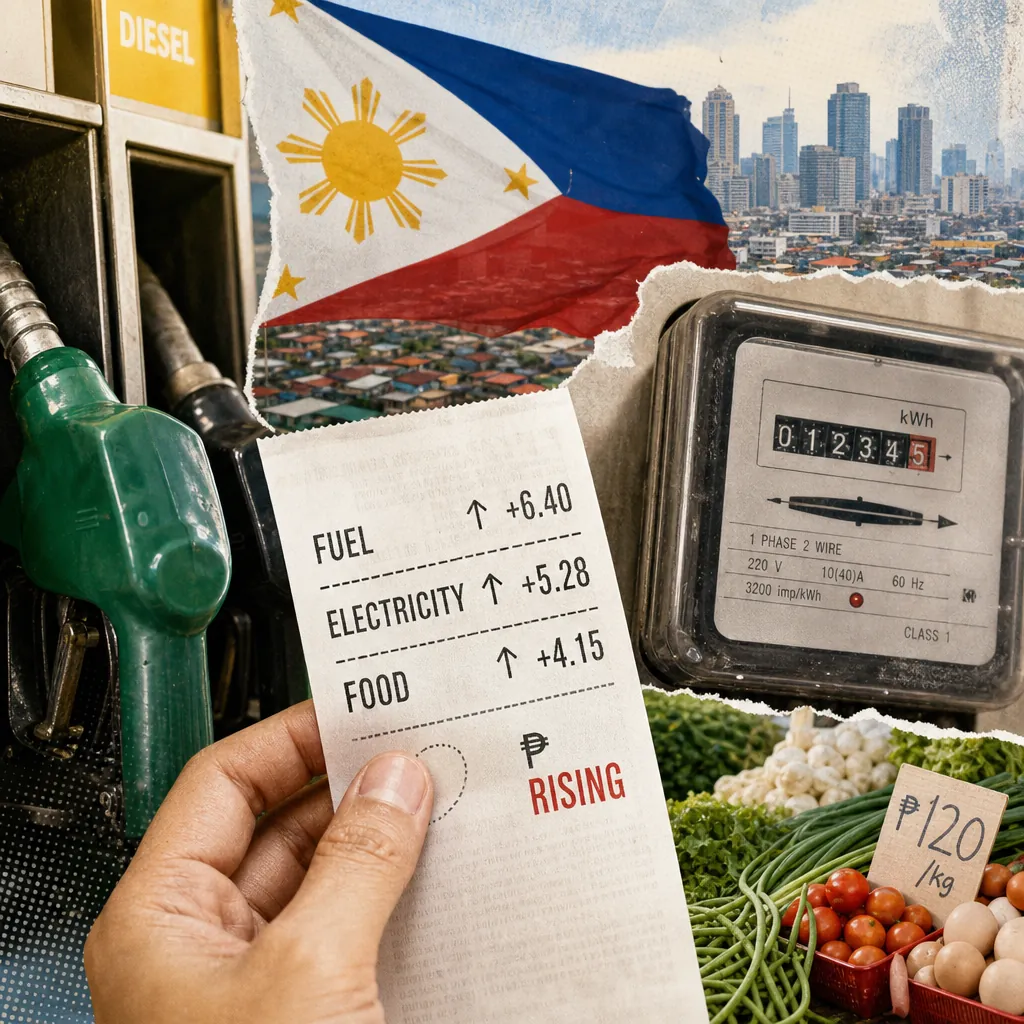
The conversation on July 6, 2026, was shaped by two powerful currents: the daily grind of rising costs and the political drama of an impeachment trial. A senator’s Facebook post about inflation drew over 18,600 reactions—most of them laughing emojis—signaling deep public skepticism toward official promises. Meanwhile, a grassroots website that scrapes government price data to suggest affordable meals went viral, and a lechon vendor’s price list quietly illustrated the margin pressure on small food sellers. The day’s news coverage added fuel to the fire: a fuel price hike took effect July 7, the Department of Energy proposed amendments to the Oil Deregulation Law, and the impeachment trial of Vice President Sara Duterte opened, dominating headlines. The conversation split between those seeking practical ways to cope with inflation and those watching the political spectacle, with the two threads occasionally intersecting—as when the Senate president linked the trial to the need to address rising prices.
Key themes
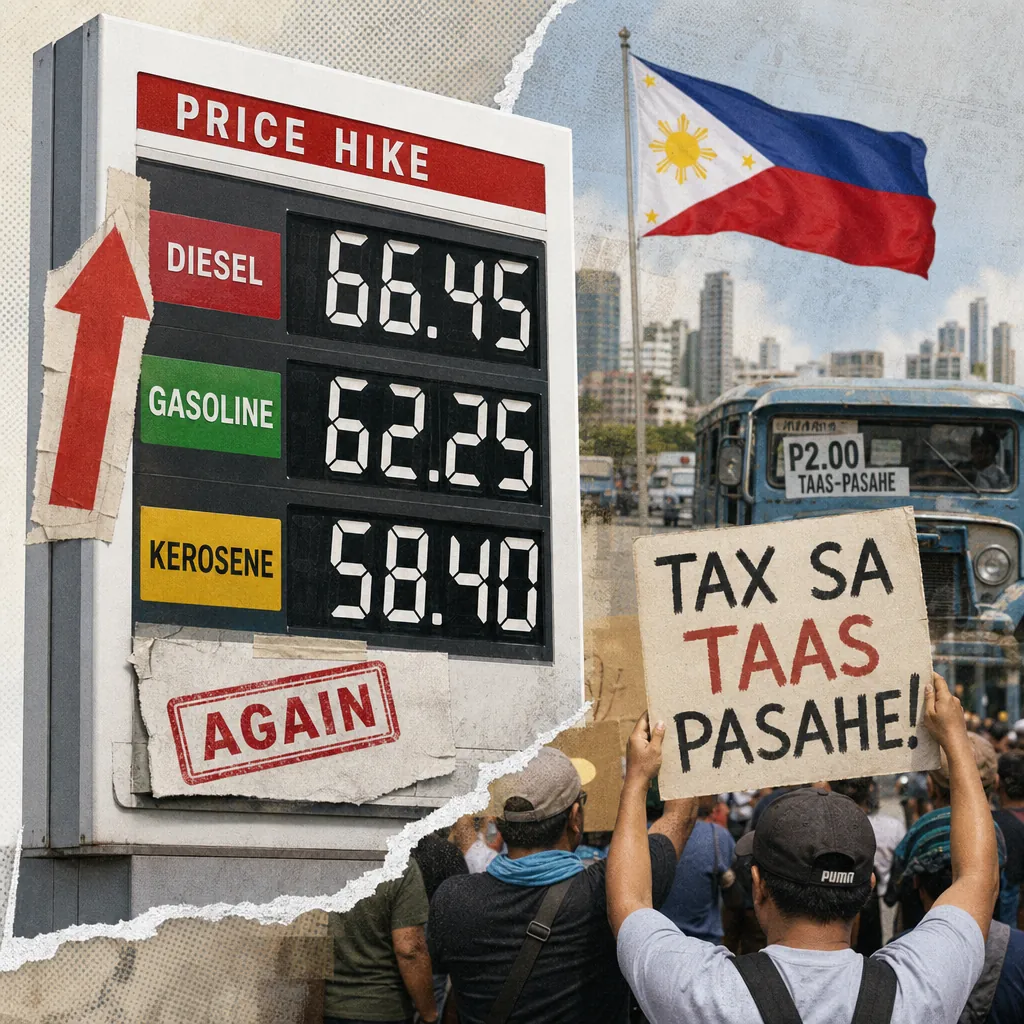
- Fuel price hike and energy security – A diesel and gasoline price increase took effect July 7, as reported by TV Patrol and Bombo Radyo. The Department of Energy proposed amendments to the Oil Deregulation Law, including a national fuel reserve of 60 days and higher inventory requirements for oil companies. The move stops short of price controls but signals government concern over energy security.
- Grassroots price-tracking tools go viral – A Facebook user’s website “ma, Ano Ulam?” that scrapes government price data to suggest affordable meals garnered over 4,600 love reactions and 1,800 shares. A Reddit user later posted an enhanced version with macro tracking and a meal planner, receiving 261 upvotes. These tools reflect strong public demand for transparent, real-time price information.
- Food delivery voucher culture persists – Monthly GrabFood voucher cheat sheets from pages like @greatdealsonlinephilippines continue to attract hundreds of shares, though engagement has declined from May to July. The upcoming 7.7 promo (up to 50% off) may reignite sharing.
- Government food programs struggle for attention – Posts about the Kadiwa ng Pangulo program and direct farm-buying directives from President Marcos Jr. received modest engagement (19–28 likes). In contrast, citizen-built tools and brand promotions generated orders-of-magnitude higher interaction.
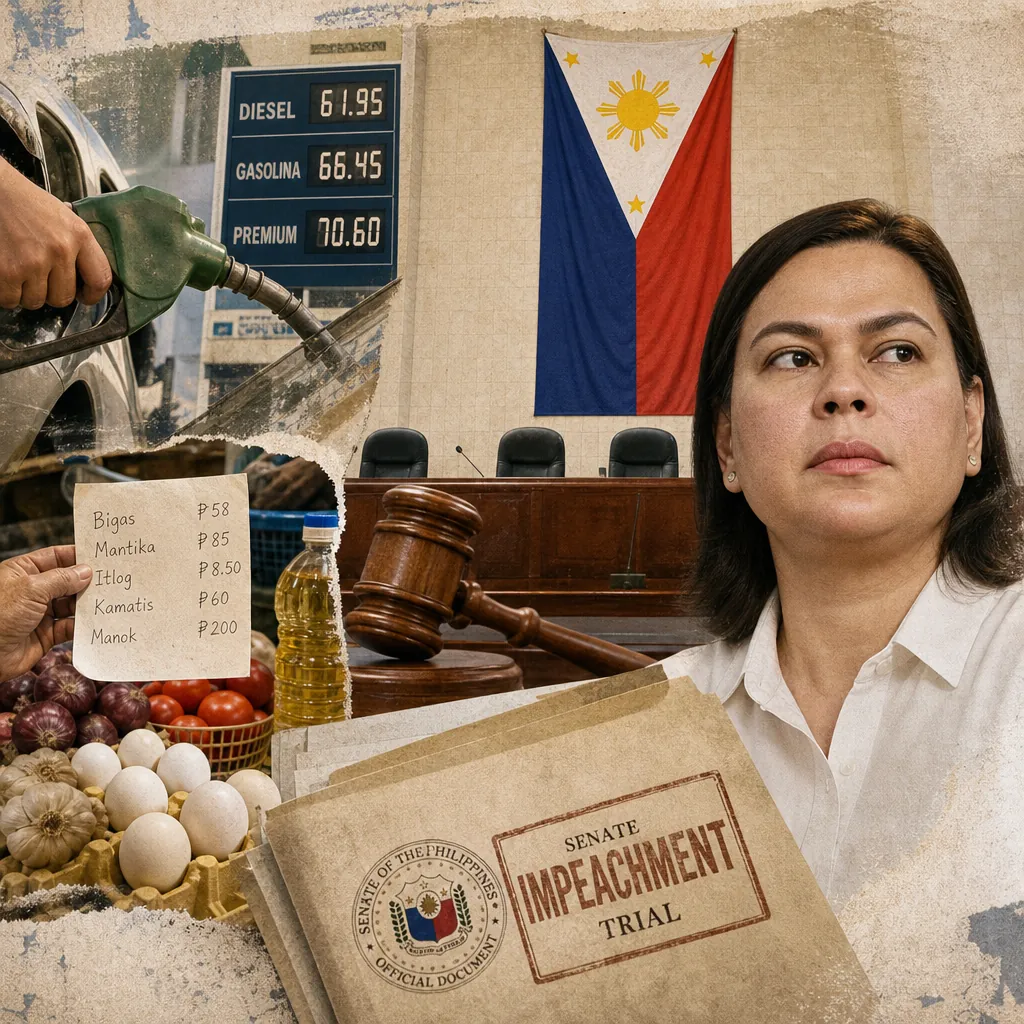
- Impeachment trial opens, drawing massive coverage – Vice President Sara Duterte’s impeachment trial began July 6, with Senator Francis Escudero elected presiding officer. The trial generated heavy news coverage worth an estimated ₱870,800 in advertising-equivalent value from the Manila Times alone. Duterte did not appear in person, appearing through counsel.
- Food safety incident in Antipolo – A customer and a tindera were hospitalized after drinking contaminated bottled mineral water from a sari-sari store in Antipolo City. The incident, though low in engagement, highlights vulnerabilities in informal retail channels.
- BPO and tech investments announced – Canadian firms TELUS and NQX confirmed expansion plans in the Philippines, with NQX evaluating a ₱632-million investment that could create 725 jobs. The DTI credited the Marcos administration’s trade policies for the country’s upper-middle-income status.
- Premium dining and culinary innovation – A feature on chef Jorge Mendez’s wine bar “Pinoy Accent” in Quezon City offered a counter-narrative of high-end Filipino cuisine, but drew only modest engagement (23 likes).
How the narratives stack
Dominant – Within the captured set, the dominant narrative is the **cost-of-living squeeze**, driven by fuel price hikes, food inflation, and the viral spread of price-tracking tools. This narrative appears across social media (the senator’s post, the “Ano Ulam?” tools) and news media (fuel price reports, DOE amendments). The impeachment trial, while generating the highest single-article AVE (₱870,800), is a separate political story that does not directly address food or fuel prices, though the Senate president’s post explicitly linked the two.
Counter-narrative – Government messaging around the Kadiwa ng Pangulo program and direct farm purchases offers a solution-oriented frame, but its low engagement suggests it is not breaking through to the public. The DOE’s proposed amendments to the Oil Deregulation Law also present a policy response, but the public reaction—especially the 15,998 haha reactions on the senator’s post—indicates deep skepticism.
Emerging – The citizen-led price transparency movement is an emerging force. The “ma, Ano Ulam?” website and its Reddit successor show that consumers are building their own tools to cope with inflation, bypassing official channels. This trend could grow as more developers release similar solutions.
Suppressed – The **food safety incident in Antipolo** received almost no engagement (0 likes) despite its serious nature. This under-reporting may reflect the difficulty of local contamination stories gaining traction without official amplification. The story is a potential reputational risk for brands distributed through sari-sari stores.
Platform insights
- Facebook – The dominant platform for both political framing and grassroots commerce. Senator Escudero’s post generated the highest engagement (over 18,600 reactions), with the haha reaction predominating, signaling public mockery of inflation promises. The lechon vendor’s price list and the “ma, Ano Ulam?” website also found their audience here. Government pages saw low engagement.
- Reddit – Became the space for deeper technical development and critical oversight. The “AnoUlam.app” post received 261 upvotes and 31 comments, with users discussing features like pantry input and price history. A resurfaced 2023 post about the unfulfilled P20/kilo rice promise drew 104 upvotes and 66 comments, showing historical memory.
- Twitter – Discussions were more fragmented. A tweet about removing InstaPay fees connected financial policy to sari-sari store owners, while news outlets like @bworldph highlighted DTI’s wedding fair. International food safety news (blueberry recall) received only 494 views.
- YouTube – A video from @marketone-ph argued that fuel price stabilization does not guarantee lower inflation, while PTV’s segment offered a more optimistic outlook. Both had low viewership (under 200 views).
Key voices and communities
- Filipino home cooks and budget-conscious consumers – The most engaged group, centered on the “ma, Ano Ulam?” website and its Reddit counterpart. They seek practical, data-driven solutions to the daily “Ano ulam?” dilemma. Their primary narrative is frustration with fluctuating prices and a desire for transparency.
- Food deal aggregators and voucher communities – Pages like @greatdealsonlinephilippines and @awesamrecosph curate GrabFood voucher cheat sheets, attracting hundreds of shares. Their audience is highly engaged in discount-hunting behavior.
- Government and institutional promoters – State agencies, provincial governments, and state media push the Kadiwa ng Pangulo program and direct farm-buying initiatives. Their engagement is low, but they represent the official policy response to food inflation.
- Major QSR brands and delivery platforms – Jollibee’s National Fries Week post generated over 1,000 likes and 1,600 love reactions, demonstrating that brand promotions can still cut through inflationary noise. GrabFood’s 7.7 promo signals ongoing platform-driven discount events.
- Political observers and impeachment trial followers – A separate audience focused on the VP Sara Duterte impeachment trial, generating heavy news coverage but limited direct engagement with food or fuel issues.
Narrative streams
Fuel price hike and energy policy response
On July 6, TV Patrol reported a diesel and gasoline price increase effective July 7, while Bombo Radyo confirmed the hike. The Department of Energy (DOE) formally proposed amendments to the Downstream Oil Industry Deregulation Act of 1998, including a national fuel reserve of at least 60 days and an increase in the minimum inventory requirement for oil companies from 15 to 30 days. Energy Secretary Sharon Garin stated, “These are not seeking to control prices, but to ensure that we have enough supply during emergencies.” The proposal stops short of re-regulating prices, but signals a shift toward stronger safeguards. The context: the Oil Deregulation Law was enacted in 1998 to liberalize the downstream oil industry, but critics argue it has left consumers vulnerable to global price shocks. The DOE’s move comes amid public anger over repeated fuel price increases, which directly affect food production and distribution costs. The captured set includes two news articles on this topic, with a combined AVE of ₱376,576.8.
Grassroots price-tracking tools: “ma, Ano Ulam?” and “AnoUlam.app”
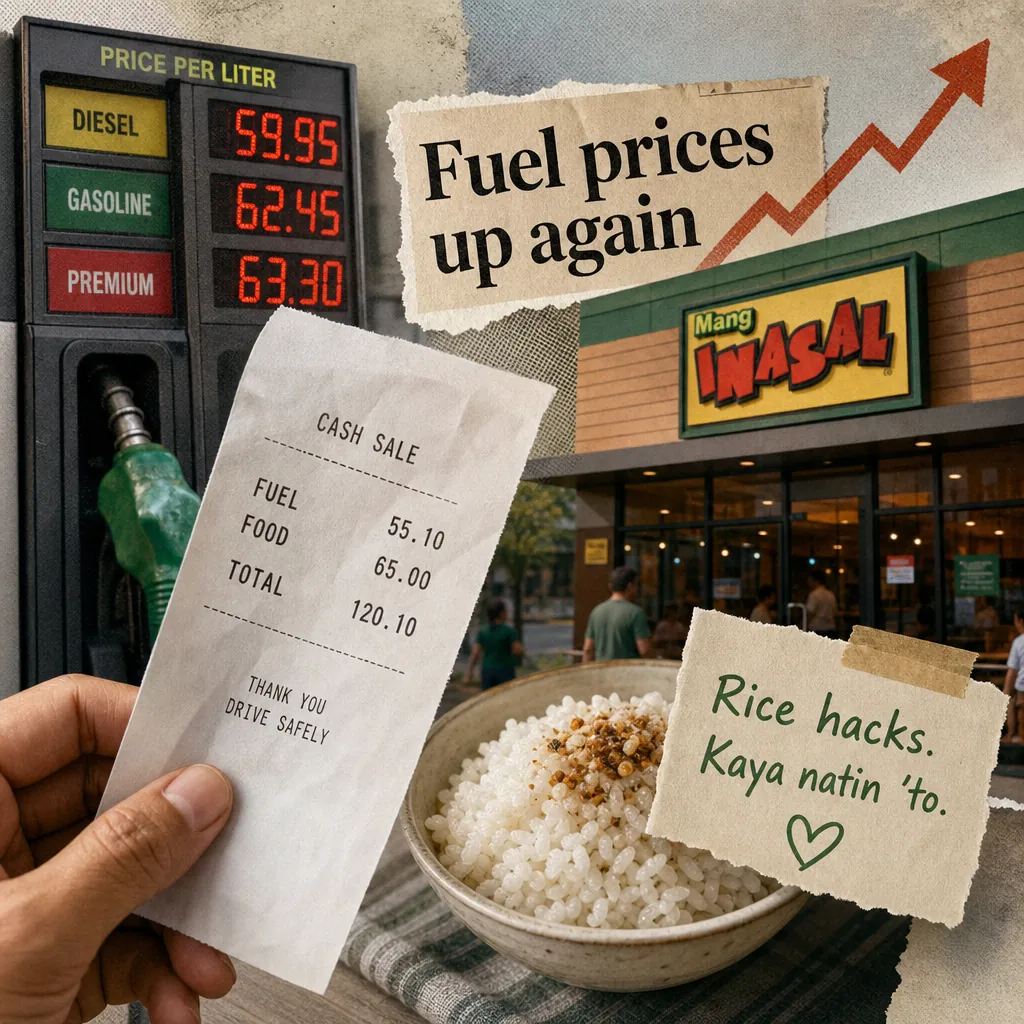
A Facebook user’s website “ma, Ano Ulam?” went viral on June 4, scraping daily government Bantay Presyo data to suggest affordable meals based on real palengke prices. The post garnered 2,192 likes, 4,667 love reactions, and 1,811 shares, indicating deep public frustration with price volatility. The creator wrote, “Minsan halos 1 hour na nagiisip... ending, bibili na sa labas kasi tinamad na” (Sometimes I think for almost an hour... ending up buying outside because I got lazy). On July 6, Reddit user u/RelevantConcert3277 posted an enhanced version called “AnoUlam.app” that adds macro tracking and a 5-day meal planner, receiving 261 upvotes and 31 comments. The developer described it as “a simple website for anyone who never knows what to cook (+ macros).” These tools represent a citizen-led response to inflation, using publicly available data that many consumers find inaccessible. The high share-to-like ratio on the Facebook post suggests content is actively circulated among family and community groups.
Government food programs: Kadiwa ng Pangulo and direct farm buying
On July 6, the official page of Antique Province promoted a Kadiwa ng Pangulo (KNP) event featuring 31 local producers, earning 19 likes and 28 love reactions. State media accounts Radyo Pilipinas and IBC TV 13 amplified President Marcos Jr.’s directive to the DSWD and DA to buy directly from farmers, framing it as a way to bypass middlemen and lower prices. The messaging is consistently positive: “Direktang tabang sa mga mag-uuma, kahupayan alang sa katawhan” (Direct help to farmers, relief for the people). However, a Reddit post from July 2023 resurfaced, quoting the President admitting the P20/kilo rice promise remains unfulfilled. This historical commitment continues to provide a benchmark against which current KNP successes are measured. The engagement gap between government posts and citizen tools is stark: the KNP posts receive dozens of reactions, while the “ma, Ano Ulam?” post received thousands. This suggests that technical policy communications are failing to resonate with the cost-conscious public.
Food safety incident in Antipolo
On July 6, the Facebook page “saksingayon” reported that a customer and a tindera were hospitalized after drinking contaminated bottled mineral water purchased from a sari-sari store in Antipolo City. The post received 0 likes and 1 share, indicating very low engagement. However, the incident is significant for its direct link to the sari-sari store economy—a critical channel for everyday Filipino consumers. The story echoes an international recall of frozen organic blueberries for potential E. coli contamination, reported by the Courier Journal. The Antipolo incident, though obscure, represents a potential reputational risk for brands distributed through informal retail. If a major brand’s product were involved, the story could escalate quickly. The lack of official amplification (e.g., from the FDA or DTI) may explain its low visibility.
Impeachment trial opens
The impeachment trial of Vice President Sara Duterte formally opened on July 6, with the Senate convening as an impeachment court and electing Senator Francis “Chiz” Escudero as presiding officer. Duterte did not appear in person, with her lawyer stating she would “appear through counsel rather than testify personally.” The trial generated the highest single-article AVE in the captured set: ₱870,800 from the Manila Times. The Philstar article alone had an AVE of ₱815,211.2. While the trial is a political story, it intersects with the food and fuel conversation because Senator Escudero’s Facebook post explicitly linked the trial to the need to address “tumataas na presyo ng petrolyo, sa mataas na inflation”. The post’s 15,998 haha reactions suggest public cynicism about whether the Senate can address both issues simultaneously.
BPO and tech investments
Two Canadian firms announced expansion plans in the Philippines. TELUS Corporation, which has invested over $175.6 million in the country since 2018, is deepening operations in AI, healthcare support, and software engineering. NQX (operating locally as Quantrics Enterprises Inc.) is evaluating a ₱632-million investment in either Laoag, Dagupan, or Legazpi, expected to create 725 jobs. The DTI credited the Marcos administration’s trade policies for the country’s recent upgrade to upper-middle-income status, which it says will boost investor confidence. These stories provide a positive economic counterpoint to the inflation narrative, though they received less engagement than cost-of-living posts.
Conversation trajectory
- Citizen-led price transparency tools are gaining viral traction: Two independently developed websites solving the “Ano ulam?” dilemma have collectively generated over 2,400 reactions and nearly 2,000 shares across Facebook and Reddit. Expect this grassroots innovation trend to multiply as more developers release similar solutions—likely within 60–90 days—creating both reputational risk (if government data is perceived as insufficient) and partnership opportunities for brands that can integrate real-time pricing into their value messaging.
- Food delivery voucher communities show engagement decay but high utility stickiness: Monthly voucher cheat sheets from the same community page have seen likes drop from 266 in May to 151 in June and only 60 in July, while shares also declined from 301 to 75 over the same period. However, the July cheat sheet from a different page still garnered strong comment activity, and the official GrabFood 7.7 promo post signals ongoing platform-driven discount events. This suggests that while organic voucher sharing is fatiguing, the underlying consumer behavior—seeking maximum discount before ordering—remains entrenched.
- Government direct-procurement narratives remain low-engagement despite strategic importance: Posts from official accounts about the Kadiwa ng Pangulo and direct farm-to-consumer programs receive minimal reactions (0–19 likes) and almost no shares, despite containing policy details that directly address food affordability concerns. In contrast, citizen-built tools and Jollibee promotions generate orders-of-magnitude higher engagement. This engagement gap indicates that technical policy communications are failing to resonate with the cost-conscious public.
- Brand promotion moments still drive outsized positive sentiment: Jollibee’s National Fries Week post achieved over 1,000 reactions and nearly 1,700 love reactions, with minimal negative engagement. This demonstrates that experiential, limited-time promotions continue to generate strong emotional resonance even amidst persistent inflation concerns.
Key trigger events: The GrabFood 7.7 mega-promo (July 6–12) will temporarily spike food delivery cost conversations. The ongoing Kadiwa ng Pangulo events in provinces provide regular earned media opportunities if local success stories are properly amplified. The potential resurfacing of the P20 rice price promise after the President’s admission that it remains unfulfilled could reignite criticism if rice prices do not meaningfully decline in the coming months.
Response guidance
Platform-specific approaches:
- Facebook: Engage directly with the viral “ma, Ano Ulam?” conversation by having the Department of Agriculture or a government-affiliated page acknowledge the tool in a supportive way. Amplify Kadiwa success stories with visual content—short videos or photo carousels—rather than text-heavy announcements. Leverage the high-engagement Jollibee National Fries Week post as a positive brand association opportunity for government food security messaging.
- Reddit: Respond to the critical post about the unfulfilled rice price promise with a factual, non-defensive comment that acknowledges the challenge and outlines specific progress. Engage with the developer of the AnoUlam app by thanking them for using DA price data and offering to share additional datasets or API access.
- Community & influencer partnerships: Partner with food vloggers and budget-meal creators to feature Kadiwa products or government-backed affordable recipes. Collaborate with the admin of popular voucher-sharing pages to include a “Kadiwa sa Barangay” section in their monthly deal posts.
Key messages:
- “We are working directly with farmers to cut out middlemen, so more of your food budget stays in your pocket and more income reaches farming families.”
- “Technology like the ‘Ano Ulam?’ apps shows how government price data can help you save—we encourage more innovation like this and are making our data easier to use.”
- “Kadiwa ng Pangulo is expanding—look for one near you to buy fresh produce, rice, and local products at prices below market rate.”
- “We hear your frustration about rice prices. Progress is real but slower than we want—our direct-buy program already benefits farmers and consumers in pilot areas, and we are scaling it nationwide.”
Sensitive topics to navigate:
- The unfulfilled P20/kilo rice promise: Avoid defending the missed target or blaming external factors. Instead, pivot to measurable actions and share concrete price reductions achieved so far.
- Role of middlemen: Frame the message as supporting farmers and consumers, not attacking intermediaries, to avoid alienating small business owners.
- Credibility of government price data: Respond by praising citizen initiatives and offering to improve data interfaces, not by defending current formats.
Response priorities:
- Engage the “ma, Ano Ulam?” and AnoUlam developers within 48 hours. A simple thank-you or an offer to collaborate on data sharing could turn them into informal advocates.
- Issue a short, data-backed statement on rice price progress before the week ends. Cite actual price drops in Kadiwa pilot areas and number of farmers reached.
- Boost the most engaging Kadiwa posts with targeted Facebook ads to NCR households. A small ad spend (₱500–1,000) focused on budget-conscious demographics aged 25–45 can drive awareness and foot traffic.
See the full picture behind today's signals.
This report draws from Media Meter's MediaWatch, our real-time monitoring engine tracking 2,470+ Philippine sources across print, broadcast, digital, and social. Explore how the platform turns raw coverage into decision-grade intelligence, then see how it's configured for teams like yours — whether you're in PR agencies, corporate comms, government, or marketing.
Want more? Browse our Report Library for sector and crisis intelligence, or request a demo and we'll have your brand set up before the call.
Want this kind of intelligence on your brand?
This brief is built on the same MediaWatch methodology that runs continuously across every brand we monitor. See your competitive landscape, Impact Score, and narrative trajectory in a 30-minute demo.