Jollibee diplomacy meets cost-of-living squeeze: July 3 conversation snapshot
A daily intelligence brief covering the July 3, 2026 conversation in the Philippines, where a diplomatic Jollibee visit by President Marcos and Canadian PM Carney collides with mounting public anxiety over fuel, food, and wage adequacy.
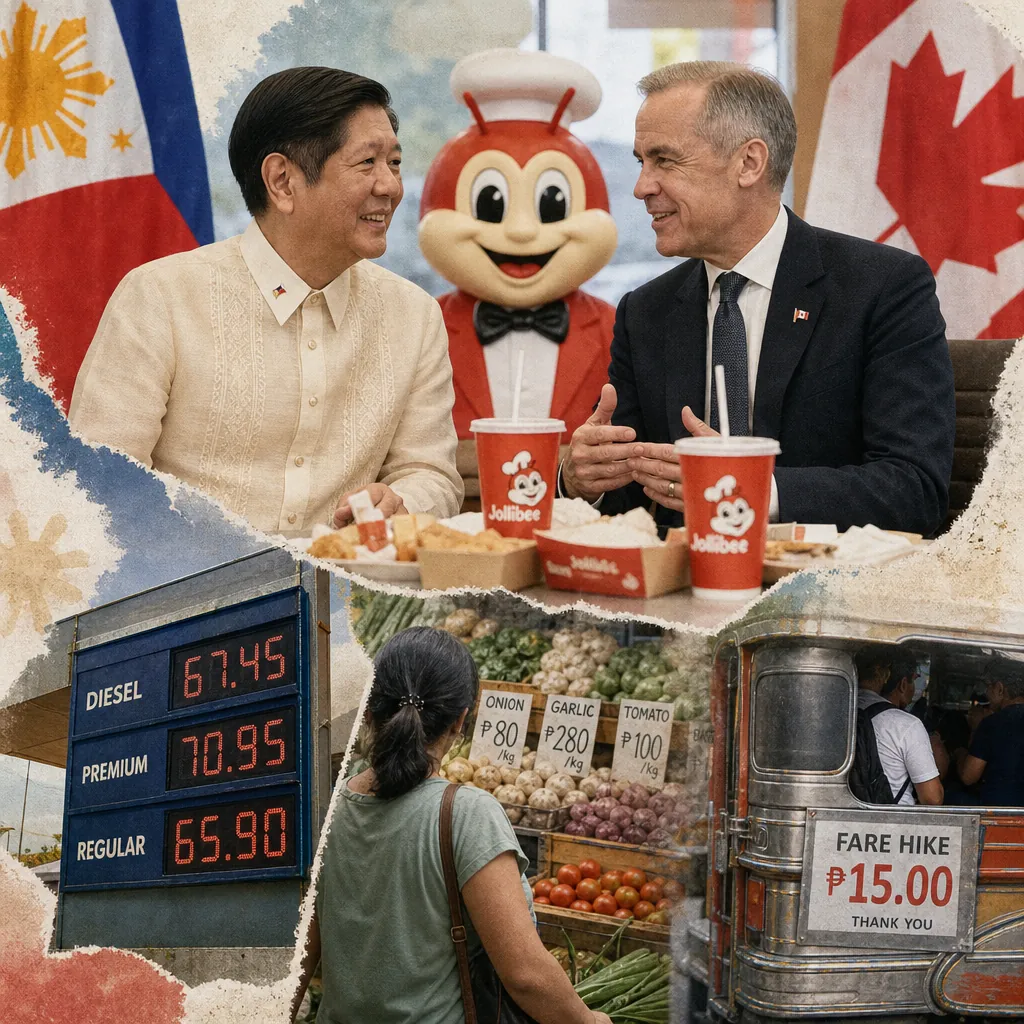
The conversation on July 3 ran on two tracks that rarely touched. One was a carefully staged diplomatic moment: President Ferdinand Marcos Jr. and Canadian Prime Minister Mark Carney visiting a Jollibee branch in Vancouver after signing trade agreements, a scene that played across news outlets and social platforms as a symbol of Filipino global reach. The other was a steady drumbeat of consumer pain — posts about diesel and kerosene price hikes, egg prices rising by up to P2 per piece, vegetable shortages pushing up costs at public markets, and a newly approved P85 minimum wage increase in Metro Manila that many commenters already judged insufficient for a family of five. The two narratives coexisted without directly colliding, but the emotional gap between them was wide: the Jollibee visit drew a mix of amusement and skepticism, while the price-hike posts generated hundreds of comments and shares, reflecting genuine public concern.
The Jollibee visit itself was covered by multiple outlets. The Manila Times posted a video that drew 2,585 views and a reaction mix of 50 "haha" and 5 "angry" on Facebook, suggesting some viewers saw the photo-op as tone-deaf amid economic hardship. The Canadian Press video on YouTube received 70 likes, reflecting a more favorable international reception. On Twitter, user @imtheatan wrote, "He ordered palabok and they shared a bucket of chicken joy! Those are my favorites, too!" — reinforcing a positive, patriotic narrative. The visit was framed by Malacañang as a celebration of Jollibee's 10th anniversary in Canada and its 23rd outlet there, with plans to expand to over 85 locations.
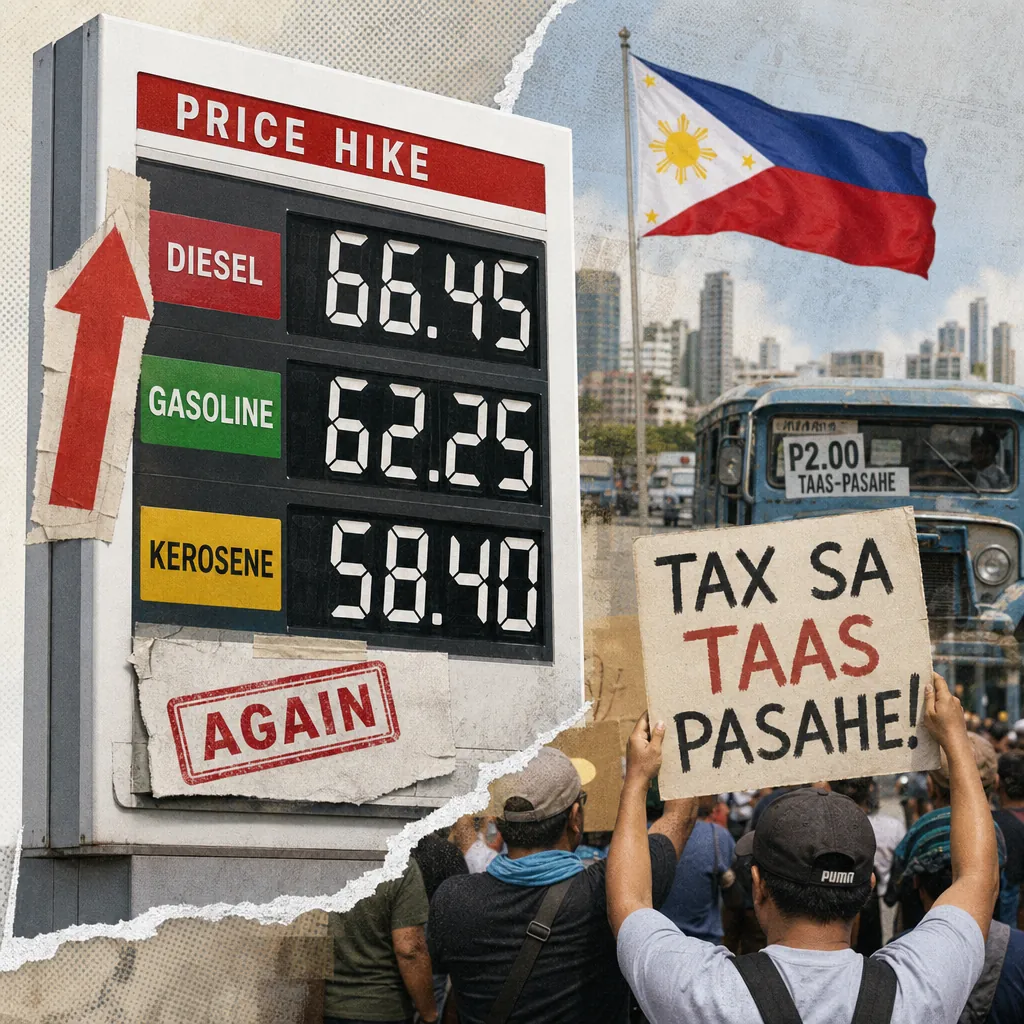
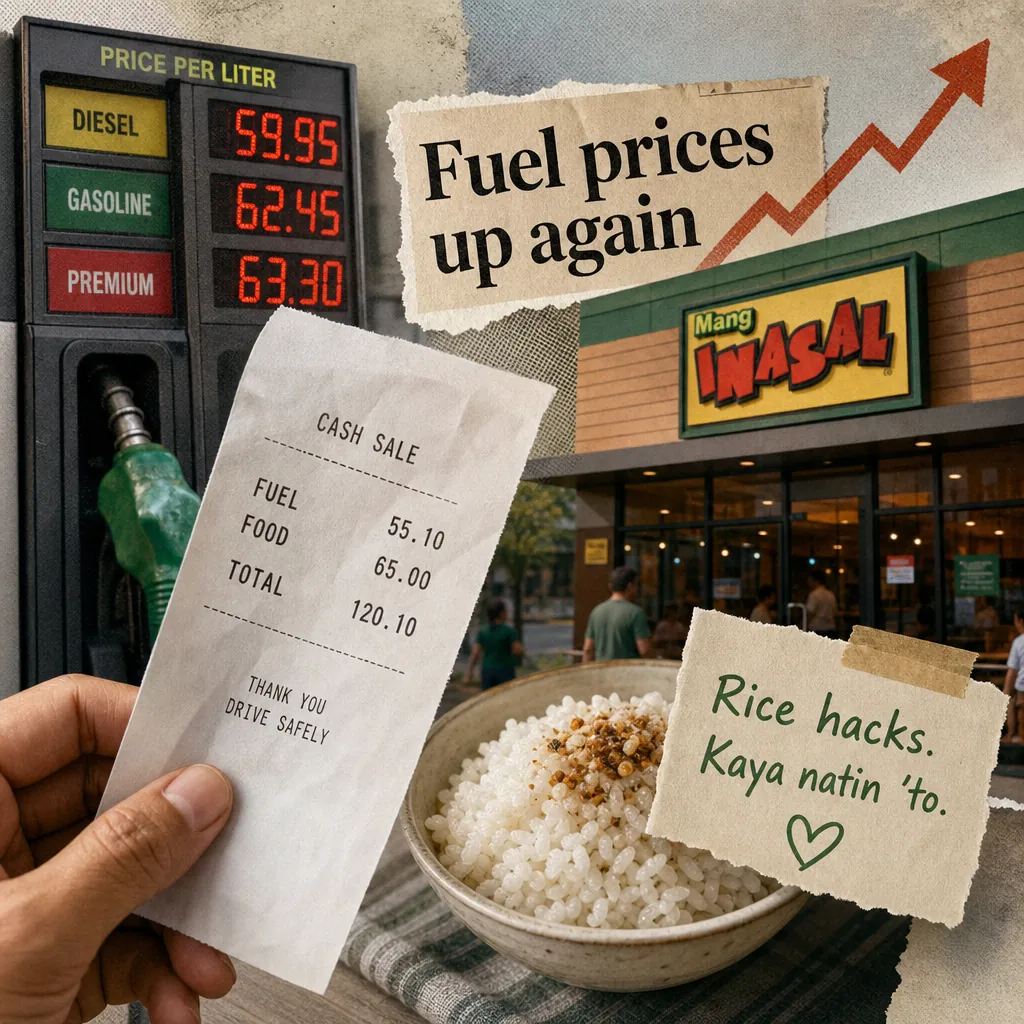
But the dominant conversation by engagement was about rising costs. On July 2, TV Patrol reported an impending diesel and kerosene increase, and by July 3, GMA News posted that egg prices rose by up to P2 per piece due to high demand, generating 25 likes and 12 shares. A post from @gmanews about vegetable price increases at Trabajo Market due to supply shortages drew 173 likes and 53 comments — indicating high public concern. The oil price thread intensified as @news5everywhere posted a video warning of a possible hike, which was shared 14 times and garnered 227 likes and 51 comments. LPG price monitoring from Butuan City also drew 16 likes and 4 comments, showing localized anxiety.
The wage hike debate added another layer. On July 3, @gmanews posted a report questioning whether the historic P85 wage hike in NCR is enough for a family of five, accumulating 186 likes and 58 comments within hours. This post directly linked food and fuel price increases to purchasing power, resonating with the broader sentiment of financial strain. Meanwhile, the DTI Philippines page shared an episode with Tita Winnie Cordero explaining consumer rights, aiming to educate while acknowledging rising prices. The wage hike conversation evolved into a broader critique of inflation, effectively tying the food-price concerns to government policy.
Key themes
- Jollibee as a soft-power symbol — The Marcos-Carney visit to Jollibee Vancouver was covered by major outlets and framed as a celebration of Filipino entrepreneurship and global brand success. The visit coincided with the announcement of a strategic partnership between the Philippines and Canada, and a push to conclude free-trade agreement negotiations by year-end. Engagement was positive overall but included a notable share of "haha" and "angry" reactions, suggesting some audiences viewed the spectacle as disconnected from domestic economic realities.
- Fuel price hikes dominate consumer alerts — Multiple news outlets reported an expected diesel price increase of P1 to P3 per liter on July 7, citing renewed US-Iran tensions. Gasoline prices could move either way by up to P1. The posts generated high engagement, with one video from News5 drawing 227 likes and 51 comments. The framing consistently emphasized the burden on consumers and the link to global instability.
- Egg and vegetable price increases strain household budgets — Egg prices rose by up to P2 per piece due to high demand, while vegetable prices at Trabajo Market increased due to supply shortages. These posts drew significant engagement, with the vegetable price post receiving 173 likes and 53 comments. The conversation highlighted the vulnerability of food supply chains and the direct impact on everyday meals.
- Wage hike adequacy questioned — The P85 minimum wage increase for Metro Manila, the largest single adjustment in history, was met with skepticism. A GMA News post questioning whether it is enough for a family of five garnered 186 likes and 58 comments. The debate tied together food and fuel costs, with many commenters arguing the increase would be quickly eroded by inflation.
- Consumer rights and digital governance emerge as counter-narratives — The DTI promoted consumer education through a video on the 8 Consumer Rights, while the E-Commerce Bureau announced digital systems for business registration and complaint tracking. These posts positioned the government as proactive, but engagement was modest compared to price-hike posts.
- El Niño vulnerability raises food security concerns — ANZ Research identified the Philippines as the most vulnerable Asian economy to a severe El Niño, due to heavy reliance on imported rice and weak domestic agricultural production. This story, covered by Inquirer and Business Mirror, added a longer-term dimension to the food price conversation.
- African swine fever re-emerges in Visayas — Negros Oriental and Iloilo reported new ASF cases, with local governments ramping up containment measures. The stories were covered by regional outlets and the Manila Times, signaling a potential threat to pork supply and prices.
- Brand promotions and lifestyle content provide contrast — McDonald's Philippines launched new McSavers snack items, and S Maison held its 7th Chocolate Fair in partnership with Auro Chocolate. These posts offered a lighter counterpoint but drew far less engagement than the cost-of-living stories.
How the narratives stack
Dominant — Within the captured set, the cost-of-living narrative (fuel, food, wage adequacy) dominated by engagement. Posts about price hikes and wage sufficiency consistently drew the highest comment counts (50–58) and shares, indicating deep public concern. The Jollibee diplomatic story, while widely covered, generated more passive consumption (views, likes) than active discussion.
Counter-narrative — The Jollibee visit and the Philippines-Canada strategic partnership provided a positive, forward-looking frame focused on trade, investment, and national pride. This narrative was amplified by official government channels and major news outlets, offering a counterweight to the gloom of rising prices.
Emerging — The El Niño vulnerability story, while only appearing in two articles, signals a potential long-term food security issue that could intensify if weather disruptions materialize. The DTI's digital governance initiatives also represent an emerging theme of consumer empowerment through technology.
Suppressed — The African swine fever outbreaks in Negros Oriental and Iloilo received limited coverage relative to their potential impact on pork supply and prices. The stories were confined to regional and niche outlets, with no major national broadcaster picking them up. This under-reporting could leave consumers and hog raisers unprepared for a wider outbreak.
Platform insights
- Facebook — The platform hosted the most diverse and engaged conversation. Price-hike posts from major news pages (GMA News, News5) drew the highest comment counts (51–58), while the Jollibee visit post from The Manila Times saw a mix of reactions (50 haha, 5 angry). Facebook was the primary space for public debate on wage adequacy and cost-of-living pressures.
- YouTube — Official government and news channels drove the Jollibee narrative, with RTVM's video receiving 165 likes and 1,563 views, and ANC's Market Edge segment (1,932 views) integrating the visit into a broader economic context. Price-hike videos had lower engagement (e.g., GMA Regional TV's oil hike video had 28 views), suggesting YouTube functioned more as a broadcast channel than a discussion forum.
- Twitter/X — Conversations were terse and news-driven. The TV Patrol tweet about oil price adjustments was viewed 1,624 times but only got 1 like, indicating passive consumption. The Jollibee visit generated slightly more interaction, with @imtheatan's post receiving 58 likes and 5 retweets. Twitter acted as a headline aggregator rather than a debate platform.
Key voices and communities
- National news media and broadcasters — Major outlets (GMA News, News5, TV Patrol, Philstar, Manila Times) are the primary agenda-setters, driving both the Jollibee diplomatic narrative and the cost-of-living coverage. Their posts account for the majority of engagement on price hikes and wage debates. Their framing consistently emphasizes the burden on ordinary Filipinos.
- Government and regulatory agencies — Official accounts from DTI, RTVM, and local government units provide authoritative consumer protection information and diplomatic imagery. The DTI's consumer rights video and the Butuan City LPG price monitoring post model localized, actionable transparency. Their content carries high credibility but moderate engagement.
- Consumer advocates and engaged public — Individual commenters and high-engagement audiences constitute a powerful stakeholder group. Their sentiment is visible through reaction patterns and comment volume on price-hike and wage-related posts. They consistently express frustration with cost-of-living pressures and skepticism toward political photo-ops.
- Corporate and business voices (Jollibee) — Jollibee appears as both a subject of news and an implicit brand ambassador. The diplomatic visit positions the chain as a symbol of Philippine global economic reach. The brand's expansion plans (over 85 Canadian locations) are highlighted, offering a positive corporate narrative that can offset negative inflation news.
- Oil and energy sector (implied) — While no corporate oil accounts appear directly, multiple posts about imminent fuel price hikes point to the industry's influence on public discourse. The sector is implicitly portrayed as a cost driver that impacts food logistics and household budgets.
Narrative streams
The Jollibee diplomatic moment
The visit of President Marcos and Canadian PM Carney to a Jollibee branch in Vancouver on July 2 was the day's most visually shareable story. Coverage from The Manila Times, Philstar, and Daily Tribune emphasized the brand's 10th anniversary in Canada and its role as a Filipino cultural export. The RTVM video on YouTube received 165 likes and 1,563 views, while ANC's Market Edge segment (1,932 views) contextualized the visit within broader trade discussions. The visit was paired with the announcement of a strategic partnership between the Philippines and Canada, and a commitment to conclude free-trade agreement negotiations by year-end.
However, the reaction on Facebook was mixed. The Manila Times post garnered 50 "haha" reactions and 5 "angry" reactions alongside 19 likes, suggesting that some viewers saw the visit as a photo-op rather than a substantive trade achievement. This subtle backlash is worth monitoring, as it indicates a segment of the public views such spectacles as tone-deaf amid economic hardship. For communicators, the key is to frame the visit as a testament to Filipino enterprise rather than a political endorsement, and to pair it with concrete messaging on how trade deals will eventually ease cost pressures.
Fuel price hikes and the cost-of-living cascade
The most engaged narrative of the day was the expected diesel price increase of P1 to P3 per liter on July 7, driven by renewed US-Iran tensions. Posts from News5, TV Patrol, and Philstar generated hundreds of likes and dozens of comments. The framing consistently emphasized the burden on consumers, with one post noting that the Philippines relies on the region for about 98 percent of its crude oil requirements. Energy Secretary Sharon Garin renewed her call for energy conservation, but the public response was largely one of frustration.
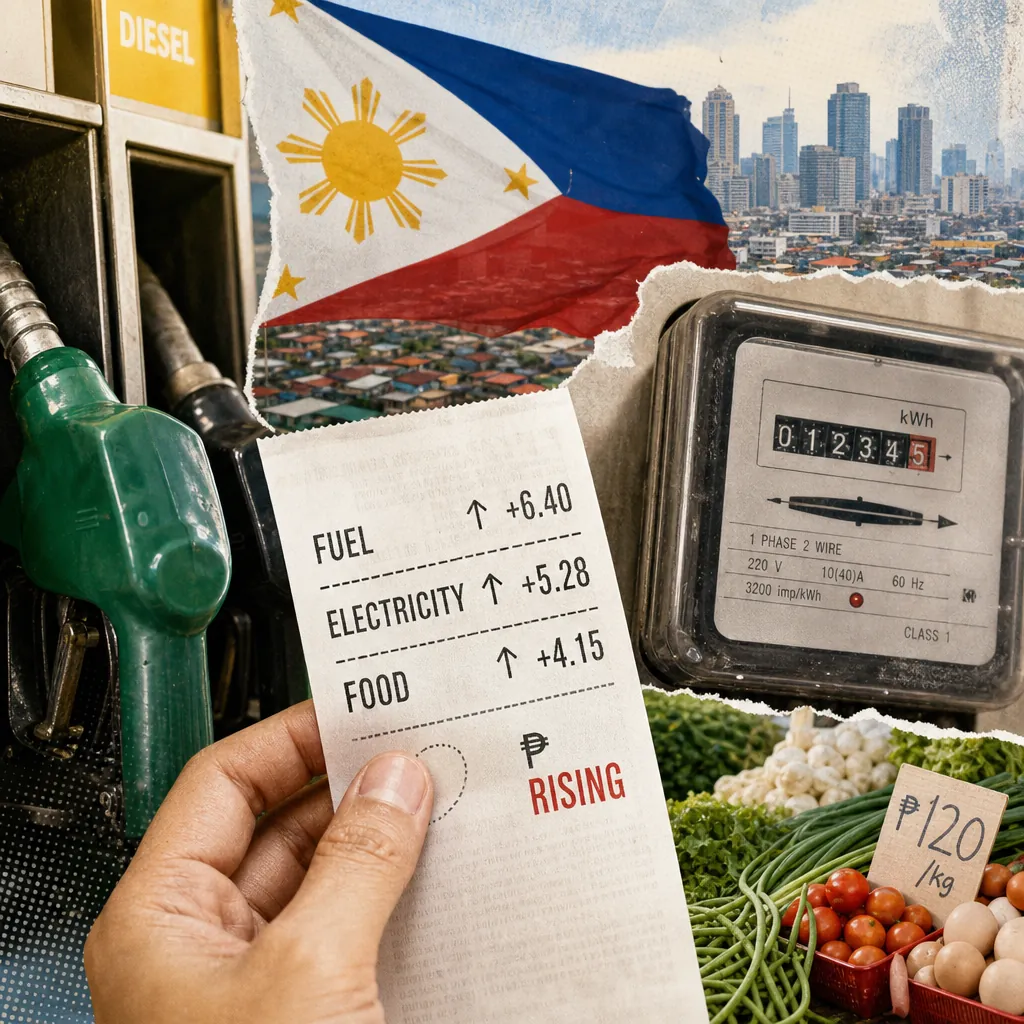
This narrative cascaded into food prices. Egg prices rose by up to P2 per piece due to high demand, and vegetable prices increased at Trabajo Market due to supply shortages. The vegetable price post from GMA News drew 173 likes and 53 comments, indicating that consumers are acutely feeling the pinch. The convergence of fuel and food cost increases creates a unified "cost-of-living crisis" framing that is likely to intensify in the coming weeks.
The wage hike debate
The Department of Labor and Employment approved an P85 increase for minimum wage workers in Metro Manila, the largest single adjustment in history. The increase will be given in two tranches: P60 on July 19, 2026, and P25 on January 20, 2027. Non-agricultural workers earning P695 per day will see their wages rise to P780, while agricultural workers will go from P685 to P743.
Despite the historic size of the increase, public reaction was skeptical. A GMA News post questioning whether P85 is enough for a family of five accumulated 186 likes and 58 comments within hours. Commenters likely argued that the increase would be quickly eroded by rising fuel, food, and electricity costs. The wage hike debate directly linked the price-hike narratives to government policy, creating a potent political issue. For brands and government agencies, the key message is to acknowledge the hardship while focusing on consumer empowerment and transparency tools.
El Niño vulnerability and food security
ANZ Research identified the Philippines as the most vulnerable Asian economy to a severe El Niño, due to heavy reliance on imported rice and weak domestic agricultural production. The report noted that while rice inventories are somewhat higher than a year ago, the improvement has been modest, leaving the country exposed to weaker domestic production, higher food import costs, and tighter regional rice supply. This story, covered by Inquirer and Business Mirror, adds a longer-term dimension to the food price conversation and could become a major narrative if weather disruptions materialize.
African swine fever re-emerges
Negros Oriental and Iloilo reported new ASF cases, with local governments ramping up containment measures. In Negros Oriental, Governor Manuel Sagarbarria assured hog raisers that the province is ready to contain the spread, drawing on past outbreak experience. In Iloilo, the case was considered isolated, with no additional sick or dead pigs detected in nearby communities. These stories received limited coverage relative to their potential impact on pork supply and prices, suggesting a gap in national media attention.
Consumer rights and digital governance
The DTI's E-Commerce Bureau announced digital systems aimed at improving transparency and making government services more accessible, including an Online Business Database, a One DTI Portal, and an Online Consumer Complaint Tracking System. The DTI also promoted a consumer rights video featuring Tita Winnie Cordero, emphasizing the 8 Consumer Rights and 5 Consumer Responsibilities. These initiatives position the government as proactive, but engagement was modest compared to price-hike posts. For brands, aligning with these consumer protection messages can build trust and demonstrate corporate responsibility.
Conversation trajectory
Over the next 7–14 days, the cost-of-living narrative is likely to intensify. The July 7 oil price adjustment announcement is a key trigger event, with posts already generating hundreds of engagements. The wage hike implementation on July 19 will provide another focal point for debate. The El Niño vulnerability story may gain traction if weather forecasts worsen, while the ASF outbreaks could escalate if more cases are detected. The Jollibee diplomatic moment will likely fade from the conversation unless it is actively leveraged in domestic communications.
Key trigger events to watch:
- July 7: Oil price adjustment announcement (diesel expected up P1–P3/L)
- July 6: Impeachment trial of VP Sara Duterte begins (may crowd out economic news)
- Mid-July: Release of June inflation data, especially food price index
- July 19: First tranche of P85 wage hike takes effect
- Ongoing: ASF monitoring in Negros Oriental and Iloilo
Response guidance
For communicators in the food and consumer goods sector, the immediate priority is to acknowledge cost pressures with empathy while reinforcing value and quality. The Jollibee diplomatic moment offers a template for brand diplomacy that can be extended to other sectors, but it should be paired with concrete messaging on how trade deals will eventually ease cost pressures. Avoid high-profile photo opportunities with luxury or discretionary spending symbols in the near term, as the emotional backlash risk is elevated.
For government agencies, the wage hike and price-hike narratives require a dual-track approach: celebrate the historic wage increase while acknowledging that inflation continues to challenge household budgets. The DTI's consumer rights campaign provides a trusted channel for collaboration, and brands can amplify this messaging to position themselves as consumer allies.
For banking and telecom clients, the macroeconomic narrative of inflation and wage adequacy directly affects disposable income and thus transaction volumes, mobile data spending, and loan demand. Framing services as helping Filipinos "stretch the budget" or "get more value" can resonate with the current sentiment.
See the full picture behind today's signals.
This report draws from Media Meter's MediaWatch, our real-time monitoring engine tracking 2,470+ Philippine sources across print, broadcast, digital, and social. Explore how the platform turns raw coverage into decision-grade intelligence, then see how it's configured for teams like yours — whether you're in PR agencies, corporate comms, government, or marketing.
Want more? Browse our Report Library for sector and crisis intelligence, or request a demo and we'll have your brand set up before the call.
Want this kind of intelligence on your brand?
This brief is built on the same MediaWatch methodology that runs continuously across every brand we monitor. See your competitive landscape, Impact Score, and narrative trajectory in a 30-minute demo.