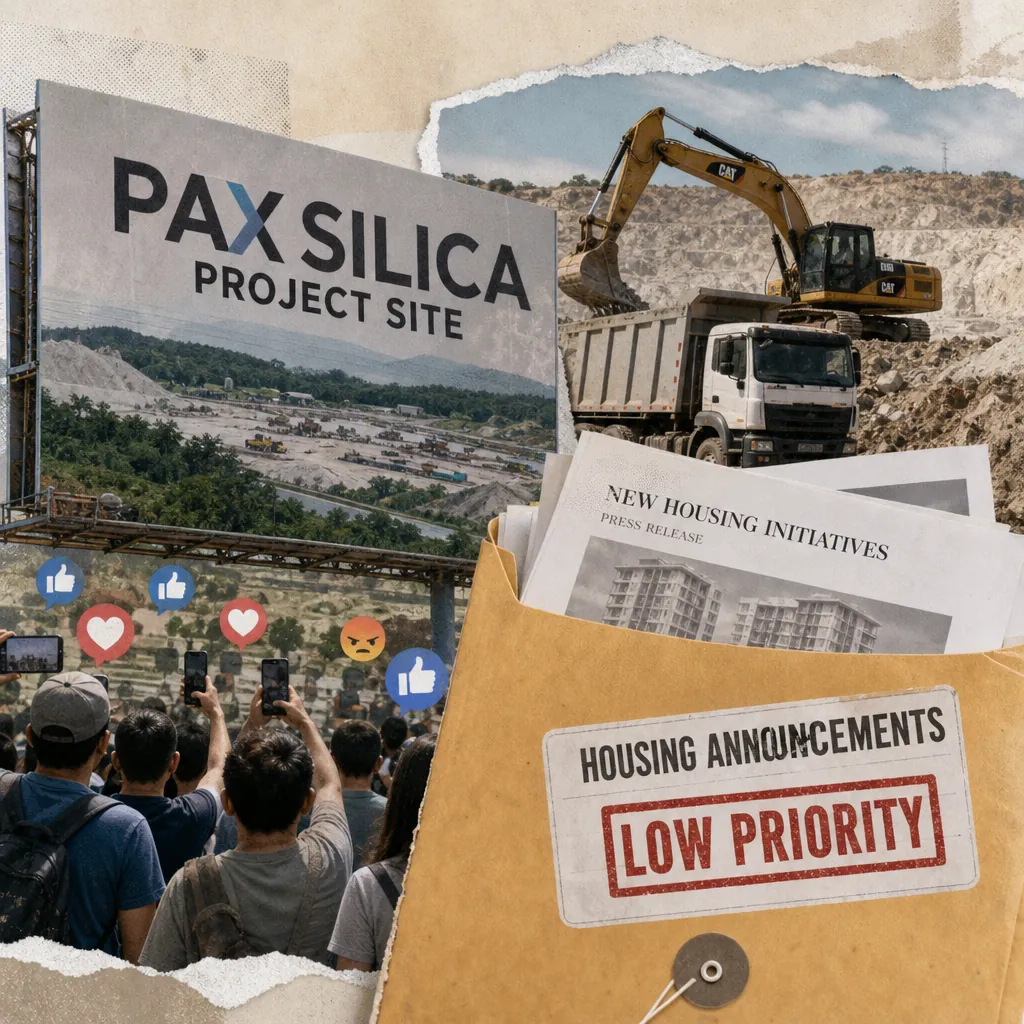
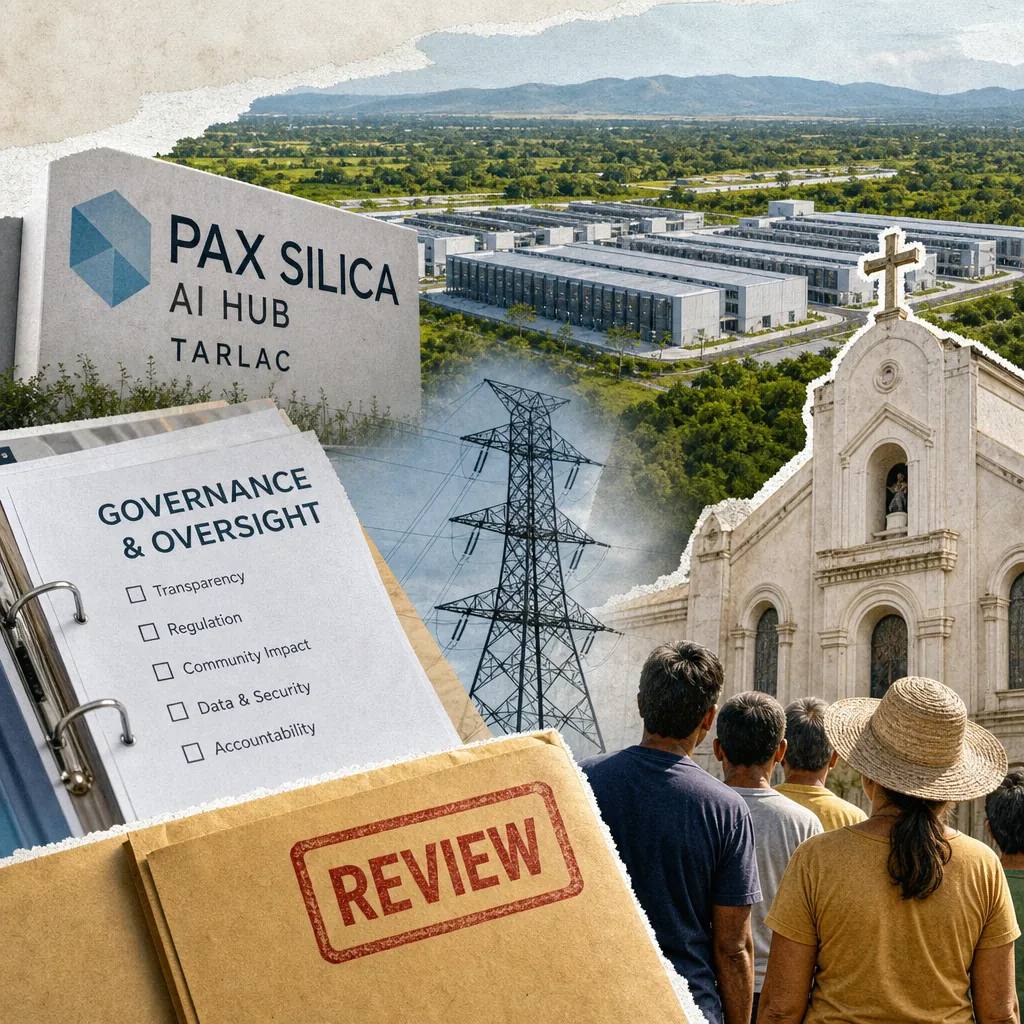
Philippine real estate: Provincial expansion vs. infrastructure protests
A snapshot of the Philippine real estate conversation from June 21-23, 2026, covering major developer expansions, a massive water utility protest in Bulacan, socialized housing milestones, and shifting buyer sentiment across platforms.
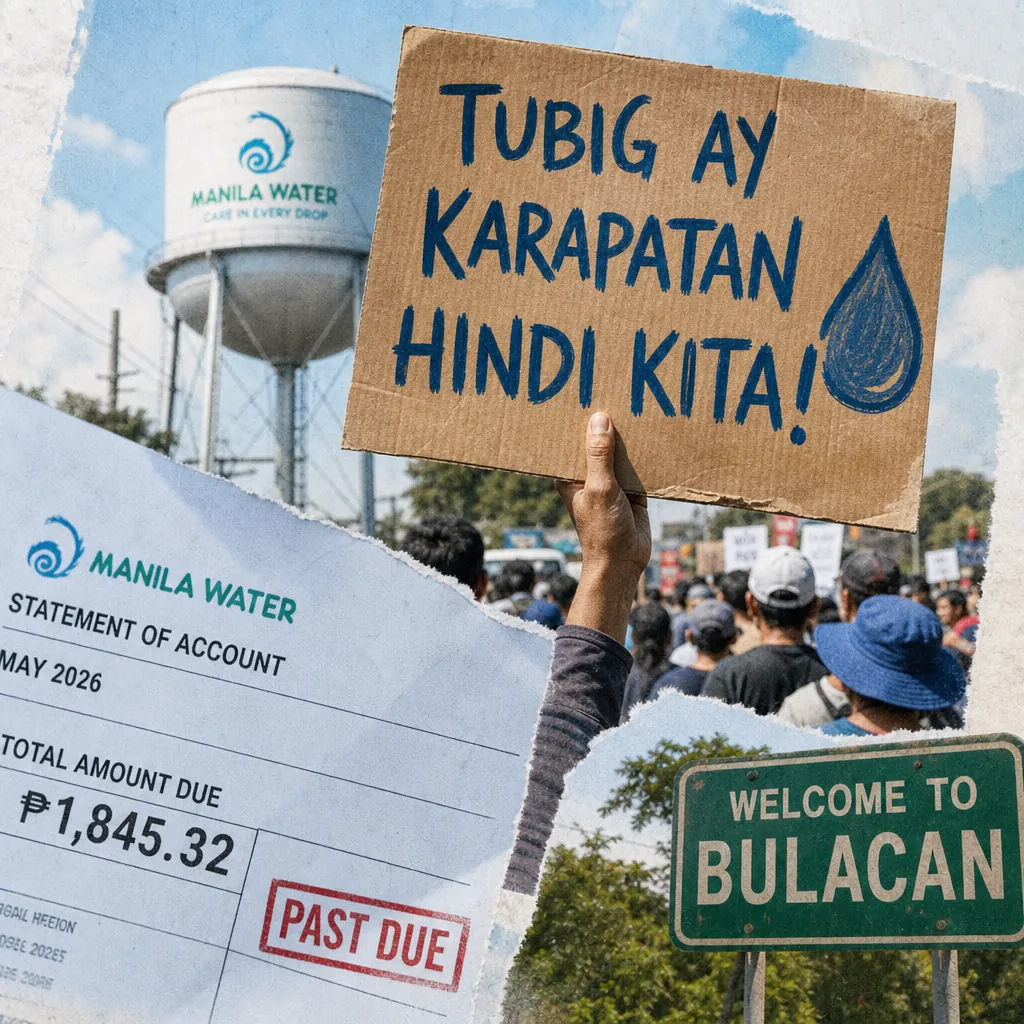
The conversation around Philippine real estate from June 21–23, 2026, unfolded as a multi-faceted dialogue driven by government housing programs, developer expansions, and a major water utility protest that underscored infrastructure risks. On June 21, a video tour of Bridgetowne and Eastwood City by @manilain4kph highlighted the aspirational side of urban development, gaining 1,027 views and 30 likes. The same day, Megaworld promoted its shophouse district near Iloilo Airport with a ₱15,000 monthly payment plan, aiming to capture investor interest before a July 1 price increase. By June 22, the official Pag-IBIG page posted about the Home Improvement Short Term Loan—up to ₱300,000 with flexible terms—garnering 1,243 likes and 272 comments, reflecting strong demand for affordable financing. However, the most explosive narrative emerged from San Jose del Monte, Bulacan, where thousands of residents protested against PrimeWater Infrastructure Corp. The coverage by news5everywhere accumulated over 12,550 reactions and 1,450 comments, signaling deep community frustration that quickly spilled into broader discussions about developer responsibility and government oversight. As June 22 turned to June 23, new developments added further layers—DoubleDragon announced the July 30 opening of Hotel101-Davao as Mindanao’s largest hotel, while the Iloilo City government signed contracts to sell with over 500 households for a socialized housing project in San Juan, Molo, where lots are priced at just PHP 200 per square meter. This juxtaposition of large-scale hospitality expansion and ultra-affordable government land distribution sharpened the contrast between aspirational and basic housing needs in the same week.
On June 23, Megaworld Corp. announced plans to launch P50 billion worth of residential projects in 2026, focusing on integrated township developments and high-growth provincial markets—a post by bworldph that garnered 277 views. The same day, Robinsons Land Corp. injected six malls into its REIT in a P10.6-billion deal, reported by insiderphdotcom with 850 views, while Asia Brewery revealed a P1-billion yogurt plant in Cabuyao, Laguna, signaling industrial land demand. Meanwhile, SHFC promoted the Crystal Peak Estates open house in Pampanga—a ready-for-occupancy socialized housing project with no down payment, equity, or reservation fee—posting 11 likes and 28 shares on Facebook, indicating moderate grassroots interest. Additionally, BDO posted a list of foreclosed properties on Reddit, accepting offers via cash or bank financing until June 29, offering another channel for secondary market buyers. These announcements broadened the conversation from protest-driven angst to institutional confidence and affordability options.
Conversation snapshot. The PrimeWater protest post on Facebook by news5everywhere dominated with over 12,550 reactions and 1,450 comments, making it the highest-engagement item of the window. The Pag-IBIG loan post on Facebook drew 1,243 likes and 272 comments, showing strong demand for financing information. On Twitter, the Robinsons Land REIT deal attracted 850 views, while the Megaworld P50B plan got 277 views and the Asia Brewery plant post reached 1,139 views. The Hotel101-Davao announcement on Twitter had 235 views, and the Iloilo socialized housing story only 35 views. On Reddit, a pasalo post for an Avida Towers studio received 15 comments, while most individual listings (Marikina penthouse, Pampanga luxury home, Bulacan lot) got only 1–2 likes and 1 comment each, indicating low organic engagement for straight sales posts. The SHFC Crystal Peak Estates open house on Facebook got 11 likes and 28 shares, outperforming typical government housing posts. The BDO foreclosed properties post on Reddit had 2 likes and 1 comment.
Key themes
- Infrastructure crisis and developer reputation — The PrimeWater protest in Bulacan dominated the timeline, with thousands of residents taking to Quirino Highway over water service failures. The post by news5everywhere accumulated over 12,550 reactions and 1,450 comments, with 863 haha reactions and 113 sad, indicating public skepticism about corporate accountability in housing-adjacent utilities. A separate corruption allegation involving a former DPWH district engineer and ₱90 million in kickbacks linked to a flood control project in Bulacan further eroded trust in infrastructure integrity.
- Market activity and buyer sentiment — Secondary market transactions proliferated across platforms, including a pasalo rent for an Avida Towers studio at ₱12,000/month due to unexpected pregnancy (15 comments on Reddit), and a direct owner listing for a 48-sqm penthouse condo in Marikina at ₱4.5M net. A Reddit user inquired about Pag-IBIG socialized housing, expressing fears of “low budget neighbors” and substandard quality, reflecting lingering stigma. The Pag-IBIG home improvement loan post (1,243 likes, 272 comments) showed strong demand for financing guidance.
- Developer expansion and institutional confidence — Despite local strife, major developers signaled growth. Megaworld announced a P50 billion residential pipeline for 2026, Robinsons Land injected six malls into its REIT in a P10.6-billion deal, and DoubleDragon announced the July 30 opening of Hotel101-Davao as Mindanao’s largest hotel. DMCI Homes targeted February 2027 for the opening of Solmera Beach Park Resort in Batangas. Ayala Land’s Click Space signed global digital healthcare provider Eucalyptus, reinforcing the Philippines’ appeal as a tech-enabled outsourcing hub.
- Socialized housing and government programs — The Iloilo City government signed contracts to sell for a socialized housing project in San Juan, Molo, offering lots at PHP 200 per square meter to over 500 households. The SHFC promoted Crystal Peak Estates in Pampanga—a ready-for-occupancy project with zero down payment, zero equity, and no reservation fee—attracting 11 likes and 28 shares on Facebook. The Pag-IBIG home improvement loan post (up to ₱300,000) drew 1,243 likes and 272 comments, indicating strong public interest in affordable financing.
- Provincial growth corridors — Multiple announcements highlighted expansion outside Metro Manila: Robinsons Land launched work.able Iloilo, the first and largest flexible workspace in Western Visayas with over 420 workstations; DoubleDragon’s Hotel101-Davao will be Mindanao’s largest hotel; and Megaworld’s P50 billion pipeline targets high-growth provincial markets. Suntrust Properties promoted Washington Heights in Dasmariñas, Cavite, a mid-rise condo project with studio to 2-bedroom units, garnering 11 likes and 21 shares on Facebook.
- Weather and climate adaptation concerns — Flooding posts and PAGASA thunderstorm advisories covering Metro Manila, Bulacan, and Cavite generated high community engagement, with real estate discussions starting to incorporate flood-risk queries as standard due diligence. SM Prime highlighted disaster-resilient mall designs, including rainwater catchment basins, as part of its sustainability efforts.
- Corruption and governance — A witness in court revealed an alleged ₱90 million kickback scheme involving former senator Bong Revilla Jr. tied to a flood control project in Bulacan, reinforcing public cynicism about infrastructure spending. The post by bomboradyophilippines drew 22 likes, 4 shares, and 14 haha reactions, indicating a dismissive tone toward government promises.
- REIT activity and capital recycling — Robinsons Land’s P10.6-billion property-for-share swap with RL Commercial REIT (RCR) added six mall assets to the trust, signaling a maturing REIT market that could increase investor interest in real estate securities. PLDT also filed for a data center REIT (Vitro REIT) to raise up to P24.2 billion, which CreditSights described as “net credit positive” for debt reduction.
How the narratives stack
Dominant narrative — The story most readers would recognize is that Philippine real estate is experiencing a strong provincial growth momentum, with major developers like Megaworld, Robinsons Land, DoubleDragon, and DMCI Homes announcing large-scale expansions outside Metro Manila. This narrative is reinforced by business news coverage of the P50 billion pipeline, the P10.6 billion REIT deal, and the Hotel101-Davao opening, which signal institutional confidence in provincial markets. At the same time, the PrimeWater protest in Bulacan serves as a cautionary tale about infrastructure risks that can undermine developer reputation in high-growth corridors.
Counter-narrative — The protest and corruption allegations push back against the optimistic growth story. The massive engagement on the PrimeWater post (over 12,550 reactions) shows that infrastructure failures can quickly erode public trust, especially in areas where developers have active projects. The corruption testimony in Bulacan adds a layer of skepticism about government-led development. Meanwhile, the low engagement on individual resale listings (1–2 likes) suggests that the secondary market may be thin, and buyers are cautious.
Emerging narrative — Socialized housing and government affordability programs are gaining traction as a counterbalance to luxury developments. The Iloilo City project (PHP 200/sqm lots) and the SHFC Crystal Peak Estates open house (zero down payment) provide concrete examples of public-sector efforts to address housing needs. The Pag-IBIG loan post’s high engagement (1,243 likes) indicates strong demand for financing options. This narrative is building momentum as the 2028 election cycle approaches and first-time buyers become more vocal.
Suppressed narrative — The link between water utility disputes and property value risk is under-covered relative to its significance. While the PrimeWater protest generated massive engagement, few posts explicitly connected the water service failure to developer due diligence or township planning. Developers have not proactively addressed how they ensure infrastructure reliability in their projects, leaving a gap that could be exploited by critics. Similarly, the corruption allegations in Bulacan have not been tied to specific real estate projects, but they could amplify distrust in the region’s development prospects.
Platform insights
Facebook served as the primary battleground for sentiment, especially around the PrimeWater protest. The rapid accumulation of 12,550 reactions on news5everywhere’s post within hours demonstrates how emotional infrastructure failures can escalate and potentially erode trust in developers reliant on government-affiliated utilities. Smaller listings for preselling and RFO units struggled to gain traction (often 0–2 likes), suggesting that organic buyer engagement on Facebook is low unless an issue is controversial or community-driven. The corruption allegation post on bomboradyophilippines generated mostly haha reactions (14 out of 22), indicating a dismissive or cynical tone toward government infrastructure promises. The Suntrust Washington Heights post performed moderately (11 likes, 21 shares), indicating that developer-branded content can still generate some distribution when tied to accessible provincial pricing. The SHFC Crystal Peak Estates open house—with explicit “WALANG Down payment” bullets—received 11 likes and 28 shares, outperforming typical government housing posts and suggesting that clear, barrier-free offers resonate better on this platform.
Reddit functioned as the space for nuanced, personal narratives. Users shared detailed experiences about developer job fairs and socialized housing fears, receiving far more comments than likes (e.g., the job fair post: 5 upvotes but 2 comments, yet the narrative depth was high). The platform allowed for peer-to-peer advice on topics like “pasalo” contracts and Pag-IBIG loans, with users asking direct questions about clean titles and subdivision safety. New entries on June 22–23 added variety: a direct owner listing for a Marikina penthouse received only 2 likes and 1 comment, while the Pampanga luxury home also saw 2 likes and 1 comment, showing that even detailed listings struggle for engagement without a compelling backstory. The Bulacan lot ad had 1 like and 1 comment, mirroring the same low engagement pattern for straight sales posts. The BDO foreclosed properties post on June 23 followed this trend with only 2 likes and 1 comment, confirming that institutional bank listings do not generate organic discussion on Reddit.
Twitter saw varied engagement: the Hotel101-Davao announcement got 235 views, while the Iloilo socialized housing story only 35 views and the Pag-IBIG loan article 129 views. On June 23, the Megaworld P50B plan reached 277 views and the RLC REIT deal 850 views, indicating that corporate transactions and expansion news attract the highest interest on Twitter. The Asia Brewery plant post had 1,139 views—the highest of the day—suggesting industrial investments also draw attention, though likes remained low (10).
YouTube remained a visual showcase for developer branding. The Bridgetowne-Eastwood walking tour by @manilain4kph attracted 1,027 views but only 2 comments, indicating passive consumption rather than active debate. News outlets posted protest coverage but saw minimal views (152 and 1), likely because Facebook had already saturated the audience. No new YouTube content appeared in the June 23 sample.
Key voices and communities
- Government housing institutions (Pag-IBIG, SHFC, DHSUD) — Official sources like Pag-IBIG Fund and SHFC dominate conversations on affordable homeownership. The Pag-IBIG Home Improvement Short Term Loan post garnered 1,243 likes and 272 comments, while the SHFC Crystal Peak Estates open house post got 11 likes and 28 shares. Their content consistently emphasizes accessible financing, low monthly payments, and streamlined application processes for first-time buyers and low-income earners. The Iloilo City socialized housing project (PHP 200/sqm) provides a replicable model for local government-developer partnerships.
- Real estate developers and marketing channels — Developer accounts from Megaworld, Robinsons Land, DoubleDragon, DMCI Homes, and Suntrust drive targeted advertising on Facebook and Twitter, announcing new projects and expansions. These posts typically have low organic engagement (2–6 likes) but high reach through paid promotion and property groups. Notable exceptions include the Megaworld P50B announcement (277 views) and the RLC REIT deal (850 views) on Twitter, which attracted business news audiences. The Hotel101-Davao opening (235 views) and Suntrust Washington Heights (11 likes, 21 shares) show moderate engagement for provincial projects.
- Homebuyer and investor communities on Reddit — Reddit users discussing property purchases, pasalo arrangements, and socialized housing represent a highly engaged but numerically smaller audience. A pasalo post for an Avida Towers studio received 15 comments, indicating active subletting markets. Another user asked about Pag-IBIG socialized housing, expressing fears of “low budget neighbors” and substandard quality, receiving only one reply but highlighting lingering stigma. Resale listings such as the Marikina penthouse and Pampanga luxury home offer insight into secondary-market pricing signals but attract minimal engagement (1–2 likes).
- Infrastructure and governance critics — A massive protest in San Jose del Monte, Bulacan against PrimeWater Infrastructure Corp. generated over 12,500 reactions and 1,450 comments on a single news post. Multiple news outlets covered the event, with residents demanding service improvements and legal action against the water operator. This group also includes policy skeptics: a Facebook post analyzing housing data under Marcos vs Duterte administrations received 81 haha reactions, indicating public disbelief toward government claims. A separate corruption testimony in Bulacan—alleging ₱90 million in kickbacks linked to a flood control project—reinforced concerns about infrastructure integrity in a key growth corridor.
- Business news outlets — Publications like BusinessWorld, InsiderPH, Manila Bulletin, and Inquirer provided coverage of developer expansions, REIT deals, and socialized housing milestones. Their posts on Twitter and Facebook lend credibility and positive framing to developers’ growth narratives. The Robinsons Land REIT injection and Megaworld pipeline were covered by multiple outlets, amplifying the provincial growth story.
Narrative streams
PrimeWater protest and infrastructure trust crisis
The most explosive narrative of the window was the protest in San Jose del Monte, Bulacan against PrimeWater Infrastructure Corp. On June 22, thousands of residents took to Quirino Highway to demand better water service, with the hashtag #PrimeWater trending on Facebook. The coverage by news5everywhere accumulated over 12,550 reactions and 1,450 comments, with 863 haha reactions and 113 sad, indicating public skepticism about corporate accountability. The protest was triggered by a court injunction halting the local government’s attempt to replace the water operator, leaving residents frustrated with “palpak na serbisyo” (failed service). Commenters connected the dispute to Enrique Razon’s newly reported ₱1.26 trillion net worth, given Razon’s leadership of Prime Infrastructure. The protest’s timing and massive engagement should prompt developers to proactively assess water and power reliability in their township plans, as negative sentiment can quickly spill over to their brands. A separate corruption allegation involving a former DPWH district engineer and ₱90 million in kickbacks linked to a flood control project in Bulacan further eroded trust in infrastructure integrity. The post by bomboradyophilippines drew 22 likes, 4 shares, and 14 haha reactions, reinforcing public cynicism about infrastructure spending in Bulacan.
Provincial expansion and institutional confidence
Despite local strife, major developers signaled strong growth outside Metro Manila. Megaworld Corp. announced plans to launch P50 billion worth of residential projects in 2026, focusing on integrated township developments and high-growth provincial markets. Robinsons Land Corp. injected six malls into its REIT in a P10.6-billion deal, adding Robinsons Dumaguete, Tagaytay, Iligan, Galleria South, La Union, and Naga to the trust. The same developer launched work.able Iloilo, the first and largest flexible workspace in Western Visayas with over 420 seating options, located on the 10th floor of Cybergate Iloilo Tower 3. DoubleDragon Corp. announced that Hotel101-Davao will open on July 30 as Mindanao’s largest hotel, with 519 rooms, sitting on a 5,384-square-meter prime property along Eco West Drive in Davao City. DMCI Homes targeted February 2027 for the opening of Solmera Beach Park Resort in San Juan, Batangas, a 75,367-square-meter leisure-oriented development within its 7.5-hectare Solmera Coast estate. Ayala Land Offices’ Click Space signed global digital healthcare provider Eucalyptus, highlighting growing demand for tech-enabled flexible workspaces and the Philippines’ evolution as a hub for higher-value outsourcing. These announcements underscore institutional confidence in long-term growth, particularly in provincial corridors like Iloilo, Davao, Cavite, and Batangas.
Socialized housing and affordability initiatives
Government-led socialized housing programs gained visibility alongside developer expansions. The Iloilo City government signed contracts to sell for a socialized housing project in San Juan, Molo, offering lots at PHP 200 per square meter to over 500 households, with repayment terms of up to 10 years. The Social Housing Finance Corporation (SHFC) invited participants to a June 26 open house for Crystal Peak Estates in Pampanga—a ready-for-occupancy project under the 4PH program with zero down payment, zero equity, and no reservation fee, targeting both formal and informal income earners. The Pag-IBIG Fund promoted its Home Improvement Short Term Loan (up to ₱300,000) on Facebook, garnering 1,243 likes and 272 comments, reflecting strong demand for affordable financing. A separate Pag-IBIG tweet about the loan on June 23 garnered 129 views. The National Housing Authority also participated in the Lab for All Caravan in Makati, setting up an information booth to introduce its programs and answer public housing inquiries. These initiatives demonstrate active public-sector efforts to address housing needs, though social media engagement remains modest except for the Pag-IBIG loan post.
Secondary market and buyer sentiment
Secondary market transactions quietly proliferated across platforms, revealing price-sensitive buyer behavior. A Reddit user on June 22 offered a “pasalo” rent for an Avida Towers Vireo studio at ₱12,000/month due to an unexpected pregnancy, drawing 15 comments. Another Reddit post from u/crlw asked about Pag-IBIG socialized housing, expressing fears of “low budget neighbors” and substandard quality, receiving only one reply but highlighting lingering stigma. Several Facebook listings promoted ready-for-occupancy units near Alabang and Filinvest City with monthly amortizations as low as ₱15k, while u/halcon_properties advertised a duplex in San Fernando, Pampanga for ₱3.9M, indicating that price-sensitive buyers still find opportunities outside Metro Manila. A direct owner listed a 48-sqm penthouse condo in Marikina City at ₱4.5M net, clean title, cash preferred, while a separate listing offered a 643-sqm flat corner lot in Colinas Verdes, Bulacan at ₱13,500/sqm. Both attracted minimal engagement (1–2 likes), suggesting that individual sellers are having difficulty finding qualified buyers through social media alone. The BDO foreclosed properties listing on Reddit, offering cash or bank financing until June 29, added another secondary market option but drew only 2 likes and 1 comment.
REIT activity and capital recycling
The real estate investment trust (REIT) market saw significant activity. Robinsons Land’s P10.6-billion property-for-share swap with RL Commercial REIT (RCR) added six mall assets to the trust, signaling a maturing REIT market that could increase investor interest in real estate securities. The transaction covers Robinsons Dumaguete, Tagaytay, Iligan, Galleria South, La Union, and Naga, with a combined gross leasable area of 160,269 square meters. Under the agreement, RLC will subscribe to 1.29 billion new common shares of RCR at P8.25 apiece. Separately, PLDT filed for a data center REIT (Vitro REIT) to raise up to P24.2 billion, which CreditSights described as “net credit positive” for debt reduction. These developments indicate that REITs are becoming a key vehicle for capital recycling and debt management, potentially attracting more institutional investors to the Philippine real estate sector.
Conversation trajectory
The conversation is headed toward increased polarization between luxury and affordable housing narratives, with infrastructure trust emerging as a critical factor. Over the next 4–6 weeks, the PrimeWater court case and any new local government actions in San Jose del Monte will likely keep the protest narrative alive, potentially affecting resale and rental listings in Bulacan. The July 1 price increase deadline for Megaworld’s Sta. Barbara Heights commercial lots in Iloilo may drive a short-term spike in investor interest. The July 30 opening of Hotel101-Davao will spotlight Davao’s real estate potential, while the June 26 SHFC Crystal Peak Estates Open House in Pampanga may draw attention to socialized housing options. The release of Q3 2026 housing backlog data from DHSUD could reignite debates about government delivery targets. Over the next 6–9 months, the provincial growth momentum (Iloilo, Davao, Cebu, Clark) is expected to accelerate as more BPO, healthcare, and hospitality firms establish hubs outside Metro Manila. The REIT and Megaworld expansion announcements provide a credibility anchor for capital market-focused communications. Trigger events that would reshape the conversation include: a court ruling on the PrimeWater injunction, a major flooding event in a key development area, a significant policy change on the age of criminal liability (which could affect school safety discussions), or a new corruption scandal tied to a major developer.
Response guidance
For communicators tracking the Philippine real estate sector, the following approaches are recommended:
- Amplify provincial growth news as a reputation anchor. Use the Megaworld P50-billion launch, DoubleDragon Hotel101-Davao opening, and Robinsons Land REIT injection as third-party validation in all marketing collateral for provincial townships. Create short case-study videos or infographics that directly tie these announcements to property value appreciation and job creation in areas like Cavite, Laguna, Bulacan, and Iloilo.
- Develop a socialized housing success-story toolkit. Package the Crystal Peak Estates open house and Iloilo Contracts-to-Sell signing into downloadable guides or shareable posts that address common misconceptions about affordable housing quality and financing. Partner with SHFC and local government units to co-create content that can be pushed through Pag-IBIG loan promotion channels.
- Boost organic listing visibility through community engagement. Given the low engagement on individual for-sale posts, shift to hyper-local content strategies: sponsor local events, collaborate with micro-influencers in provincial cities, and run paid targeted ads for specific listings. Use the BDO foreclosed spreadsheet as a prompt to create a curated “bank-owned bargains” series that drives repeat traffic.
- Proactively address infrastructure and utility concerns. The PrimeWater protest shows that water service failures can quickly erode trust in developers. Prepare talking points about developer-led quality assurance protocols, multiple water redundancy options in master-planned townships, and coordination with LGUs and regulators. Avoid directly defending utilities or government agencies; instead, emphasize that developers work with independent auditors to ensure infrastructure quality.
- Leverage Pag-IBIG loan education. The high engagement on the Pag-IBIG home improvement loan post indicates strong public interest in financing options. Create a coordinated content series across channels that explains loan mechanics, eligibility, and how different developer projects qualify—both for purchase and renovation. This directly addresses affordability and upgrade concerns seen in Reddit discussions.
- Navigate sensitive topics carefully. On socialized housing stigma, acknowledge concerns about neighbor quality and community safety without reinforcing stereotypes; pivot to data on selection criteria, HOA rules, and successful mixed-income developments. On title verification for resale units, provide clear guidance on checking with the Registry of Deeds, avoiding unlicensed brokers, and the legal protections under the Condominium Act. On foreclosed properties, prepare a checklist of due diligence steps and emphasize the importance of a licensed broker.
See the full picture behind today's signals.
This report draws from Media Meter's MediaWatch, our real-time monitoring engine tracking 2,470+ Philippine sources across print, broadcast, digital, and social. Explore how the platform turns raw coverage into decision-grade intelligence, then see how it's configured for teams like yours — whether you're in PR agencies, corporate comms, government, or marketing.
Want more? Browse our Report Library for sector and crisis intelligence, or request a demo and we'll have your brand set up before the call.
Want this kind of intelligence on your brand?
This brief is built on the same MediaWatch methodology that runs continuously across every brand we monitor. See your competitive landscape, Impact Score, and narrative trajectory in a 30-minute demo.