Flood crisis grips PH as Marcos unveils P351B plan
The Philippines reels from severe monsoon flooding that paralyzed Metro Manila and the North Luzon Expressway, prompting President Marcos to announce a P351 billion flood control master plan. The LTFRB orders expressway operators to improve coordination, while a former public works chief pleads not guilty in a flood control graft case.
The Philippines is in the grip of a flood crisis that has paralyzed the capital and exposed deep fault lines in infrastructure, governance, and public trust. On September 5, 2026, the conversation was dominated by the aftermath of torrential southwest monsoon rains that brought Metro Manila to a standstill and stranded motorists on the North Luzon Expressway (NLEx) for hours. President Ferdinand Marcos Jr. responded by announcing a P351 billion Flood Management Master Plan, while the Land Transportation Franchising and Regulatory Board (LTFRB) ordered expressway operators to map out alternative routes and improve information dissemination. The day's news also saw former Public Works Secretary Manuel Bonoan plead not guilty to graft charges linked to flood control projects, adding a layer of accountability to a crisis that has become a recurring national ordeal.
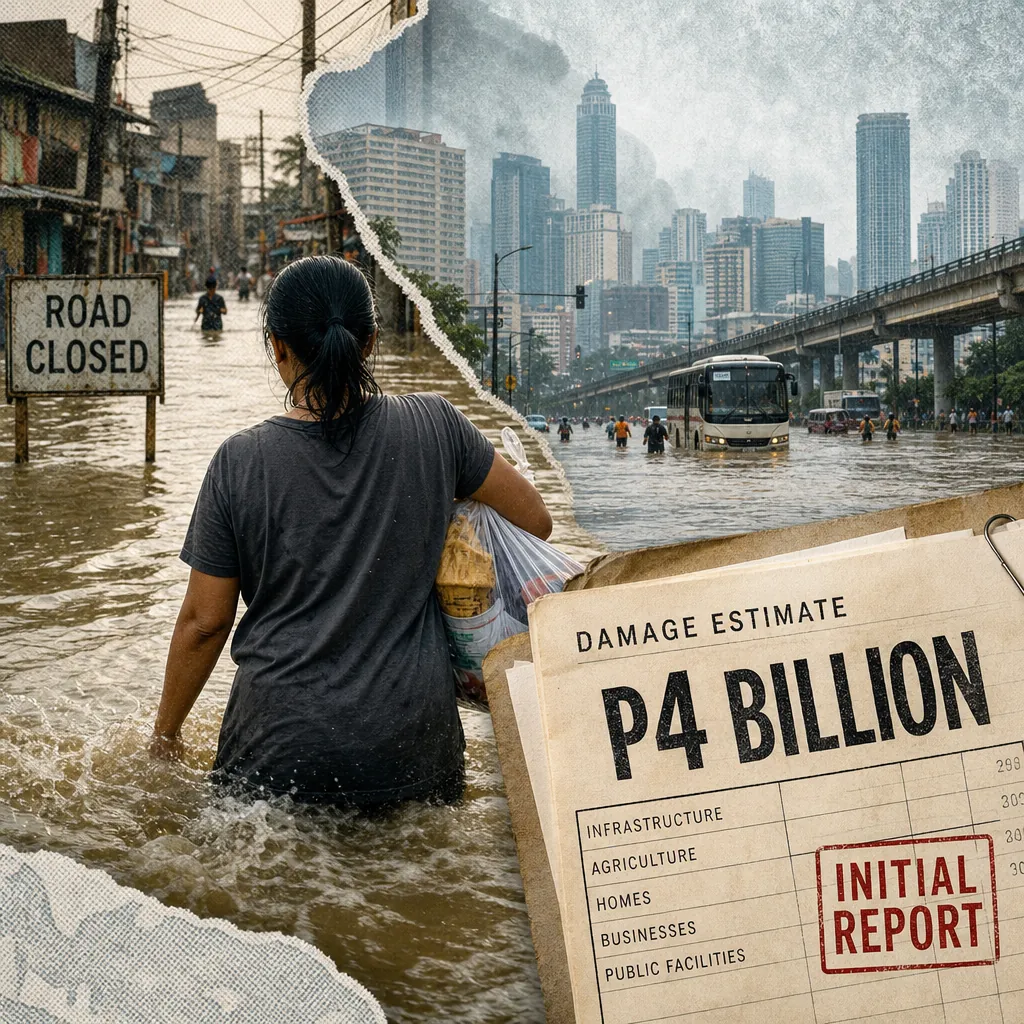
The flooding is not a new phenomenon but a chronic failure that has now reached a boiling point. The immediate trigger was the enhanced southwest monsoon, locally known as "habagat," which dumped heavy rain on September 3, turning major thoroughfares into parking lots. The NLEx, a vital artery connecting Metro Manila to the northern provinces, became a particular flashpoint, with some motorists trapped for nearly eight hours. The human toll was captured in a viral social media post about a child who turned nine while stuck in the gridlock, a detail that underscored the sheer scale of the misery. The government's response, both in terms of immediate relief and long-term planning, is now under intense public scrutiny.
This snapshot examines the day's developments, the narratives that emerged, and the implications for a nation repeatedly battered by floods. It draws on a range of sources, including official statements, news reports, opinion columns, and social media reactions, to provide a comprehensive picture of a country struggling to cope with a disaster that is both natural and man-made.
Key themes
- Marcos announces P351 billion flood control master plan: President Ferdinand Marcos Jr. said the government will finally execute a long-dormant Flood Management Master Plan, a comprehensive scheme to address the country's chronic flooding. He noted that the plan, approved in 2012, was never implemented by previous administrations, a statement that frames his administration as the one to take decisive action.17
- NLEx gridlock prompts regulatory action: The LTFRB directed its regional offices to coordinate with expressway operators and local governments to map out alternative routes and ensure timely dissemination of traffic information. This follows the massive traffic jam on the NLEx from August 28 to 31, where motorists were stranded for hours due to flooding.214
- Accountability sought in flood control corruption: Former Public Works Secretary Manuel Bonoan pleaded not guilty to a graft charge related to alleged kickbacks from flood control projects in Bulacan. The case, which also implicates Senator Jinggoy Estrada, highlights the corruption that has plagued flood control spending.3647
- Public anger and demands for transparency: The flooding has ignited public fury, with citizens and opinion writers calling for accountability and questioning the use of public funds. A social media post by JB Jacinto, who experienced the flooding in Bulacan firsthand, went viral, sparking a conversation about government response and the need for citizens to stay informed.16
- Weather forecast offers little relief: The state weather bureau, PAGASA, said that while rains may ease on Sunday, September 6, they are expected to intensify again from Monday, particularly in Northern and Central Luzon. This suggests the crisis is far from over.1
- Infrastructure resilience questioned: Opinion pieces and news reports have highlighted the vulnerability of key infrastructure, such as the NLEx, to flooding. Investigations revealed that breached river dikes and debris blocking waterways prevented floodwaters from receding, pointing to systemic maintenance failures.1426
- Economic impact of floods and slow growth: The Makati Business Club (MBC) said that Philippine economic growth may fall below the government's target for 2026, with the second quarter seeing the slowest growth in five years. The floods are likely to further dampen economic activity.42
- Calls for long-term solutions over short-term fixes: While the government announced a toll rebate for affected motorists, opinion writers cautioned against mistaking relief for a solution. The focus, they argue, must be on comprehensive flood control and infrastructure development.40
How the narratives stack
Dominant: The dominant narrative is the government's response to the flood crisis, centered on President Marcos's announcement of the P351 billion master plan. This is a story of executive action and long-term planning, aimed at reassuring a public that has grown weary of recurring floods. The plan's existence since 2012, and its lack of implementation, is a key part of the story, with Marcos positioning himself as the leader who will finally get it done. This narrative is reinforced by the LTFRB's directive to expressway operators, which is a more immediate, operational response to the crisis. The sheer scale of the flooding and the presidential attention it has drawn make this the day's most significant development.172
Counter-narrative: Running against the official narrative is a strong current of public anger and skepticism. Opinion columns and social media posts question the government's competence and point to corruption as a root cause of the flooding. The arraignment of former Public Works Secretary Bonoan on graft charges related to flood control projects feeds this narrative, suggesting that funds meant for infrastructure have been siphoned off. This counter-narrative is not just about the current crisis but about a systemic failure that has been allowed to persist for decades.4636
Emerging: An emerging narrative focuses on the need for innovative, long-term solutions to living with water, rather than simply trying to fight it. An opinion piece in the Inquirer draws on the example of Japan's Kansai International Airport, which was built on an artificial island and has had to adapt to significant subsidence. This narrative suggests a shift in thinking is needed, from reactive flood control to proactive, resilient design.38
Under-covered: A story that received relatively little attention is the expansion of National ID registration by the Philippine Statistics Authority (PSA) and GCash to promote digital financial inclusion. While not directly related to the flooding, it is a significant development for the country's digital economy, helping underserved Filipinos access financial services. This story was covered by a blog, BENTEUNO, but did not feature prominently in the major news outlets' flood coverage.3
Platform insights
- Facebook: Facebook is likely the primary platform for sharing news articles and opinion pieces about the flooding. The viral post by JB Jacinto, which detailed his firsthand experience of the flooding in Bulacan, likely gained significant traction here, as Facebook is the dominant social media platform in the Philippines. The platform's visual nature also makes it suitable for sharing photos and videos of the floods and traffic jams, amplifying the sense of crisis.16
- X (formerly Twitter): X is likely a hub for real-time updates and public commentary on the flooding. The platform's fast-paced nature makes it ideal for sharing traffic reports, weather updates, and government announcements. Hashtags related to the floods and the NLEx traffic jam probably trended, providing a space for motorists to share their experiences and for the public to express their frustration. The platform is also a key venue for journalists and opinion leaders to share their analysis.26
- YouTube: YouTube is likely hosting video content related to the flooding, including news reports, footage of the traffic jam, and vlogs from affected areas. The platform's long-form format allows for more in-depth coverage and personal stories, which can humanize the crisis and generate empathy. Videos of the NLEx gridlock, showing miles of stationary vehicles, would be particularly impactful.2
- Reddit: Reddit, particularly the r/Philippines subreddit, is likely a space for more detailed discussion and analysis of the flooding. Users may share news articles, engage in debates about government policy, and offer their own perspectives on the root causes of the problem. The platform's upvote/downvote system can surface particularly insightful or popular comments, providing a sense of community sentiment.46
Key voices and communities
- Government Officials: President Ferdinand Marcos Jr. and LTFRB Acting Chairman Greg Pua Jr. are central figures, shaping the official response. Marcos's announcement of the master plan is a key message, while Pua's directive to expressway operators is a more immediate action. Their statements are widely covered and set the tone for the government's narrative.172
- Affected Citizens and Motorists: The people who experienced the flooding and traffic jams firsthand are a powerful voice. Their stories, shared on social media, humanize the crisis and generate public sympathy. JB Jacinto, whose post went viral, is a notable example of a citizen using his platform to demand accountability.16
- Opinion Columnists and Commentators: Writers for major publications like the Manila Times, Philstar, and the Inquirer provide analysis and commentary. They frame the flooding as a systemic failure and call for long-term solutions. Their columns shape public opinion and put pressure on the government to act.264046
- Regulators and Infrastructure Operators: The LTFRB and expressway operators like NLEX Corp. are key players in the immediate response. The LTFRB's directive to improve coordination and information dissemination is a direct response to the crisis. The announcement of a toll rebate for affected motorists is another example of their role.240
- Legal and Anti-Corruption Advocates: The arraignment of former Public Works Secretary Bonoan brings legal and anti-corruption voices to the fore. This community focuses on holding officials accountable for the misuse of public funds, particularly in projects meant to protect the public from floods.36
Narrative streams
Marcos announces P351 billion flood control master plan
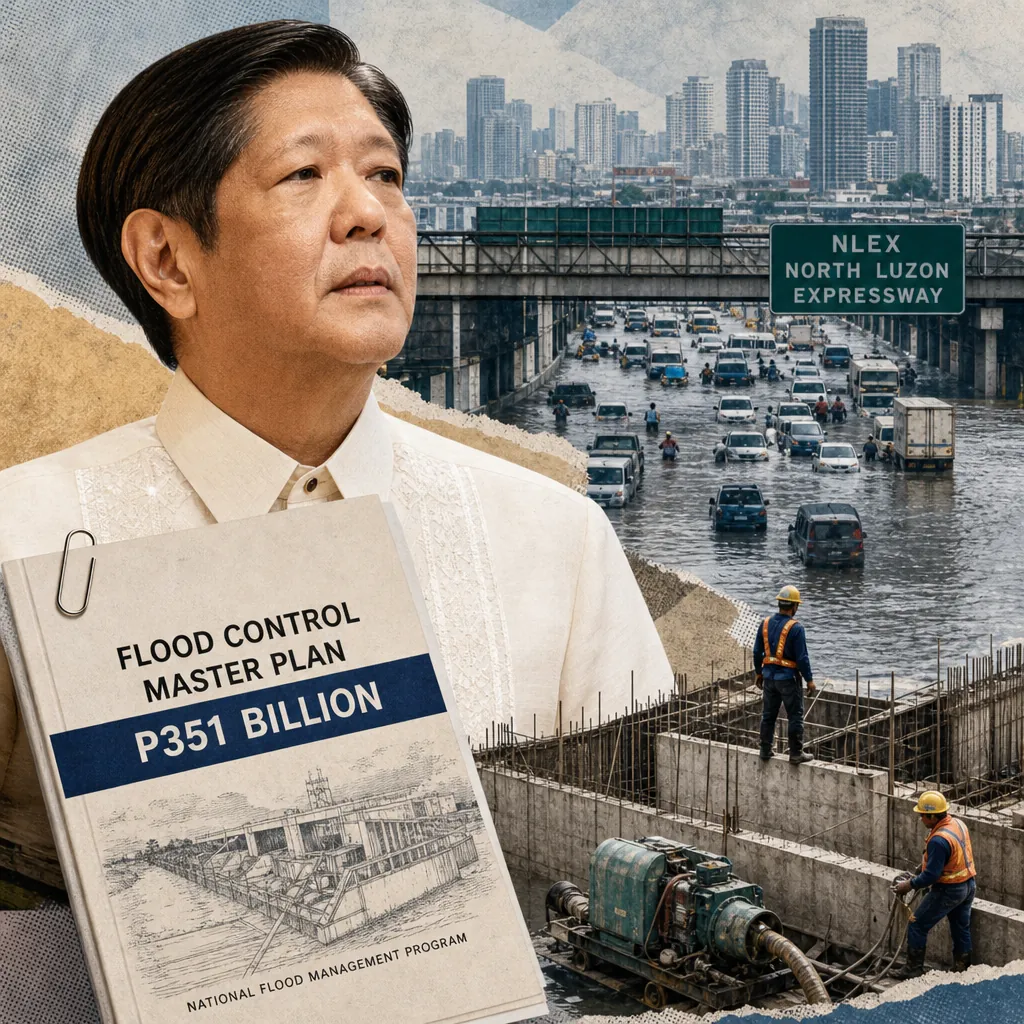
President Ferdinand Marcos Jr. announced on Saturday that the government will carry out a P351 billion Flood Management Master Plan, a comprehensive strategy to address the country's severe flooding. During an inspection of flood-hit towns in Central Luzon, Marcos confirmed the plan's existence and his administration's commitment to executing it. "We already have a master plan. It's just never been executed. We're only executing it now," he said, noting that previous administrations had failed to implement it.17
The plan, known as the Aquino-Singson Master Plan, was approved in 2012 by then-President Benigno Aquino III and then-Public Works Secretary Rogelio Singson. It is a comprehensive, long-term approach to flood management, involving infrastructure projects such as dams, dikes, and drainage systems. The fact that it has remained unimplemented for over a decade is a stark illustration of the governance failures that have contributed to the current crisis. Marcos's announcement is an attempt to position his administration as the one that will finally take decisive action, but it also raises questions about why it took so long and whether the funds will be properly managed this time.17
The announcement comes as the country reels from the effects of the southwest monsoon, which has caused widespread flooding in Luzon, including Metro Manila. The immediate crisis has highlighted the urgent need for long-term solutions, and the master plan is presented as the answer. However, the plan's success will depend on effective implementation, sustained funding, and a commitment to transparency and accountability. The read for the sector is that the government is now under immense pressure to deliver on its promises, and the public will be watching closely to see if the plan translates into tangible improvements in flood management.17
NLEx gridlock prompts LTFRB to order proactive measures
The Land Transportation Franchising and Regulatory Board (LTFRB) has directed its regional offices to coordinate with expressway operators and local government units to map out alternative routes and ensure the timely dissemination of traffic information. This directive, issued by Acting Chairman Greg Pua Jr., is a direct response to the massive traffic congestion on the North Luzon Expressway (NLEx) caused by severe flooding from August 28 to 31.214
The NLEx, a major toll road connecting Metro Manila to the northern provinces, became a symbol of the crisis when motorists were stranded for nearly eight hours. Investigations revealed that the flooding was exacerbated by breached river dikes and debris blocking local waterways, preventing floodwaters from receding. The LTFRB's order covers expressways in several regions, including the NLEx, the Subic-Clark-Tarlac Expressway, and the South Luzon Expressway, among others.1429
The directive aims to prevent a repeat of the chaos by ensuring that motorists are informed of road conditions and have viable alternatives. It also calls for stronger coordination with transport and trucking companies to ensure the "widest dissemination of information to the public in cases of unexpected road emergencies." This is a recognition that the response to such crises requires a coordinated effort between regulators, operators, and local governments.29
While the directive is a positive step, it is essentially a reactive measure. It addresses the immediate problem of traffic management but does not tackle the root cause of the flooding, which is the inadequate drainage and flood control infrastructure along the expressway. The read for the sector is that expressway operators and regulators must now be more proactive in anticipating and mitigating the impacts of severe weather, rather than simply responding to crises as they occur.14
Bonoan pleads not guilty in flood control graft case
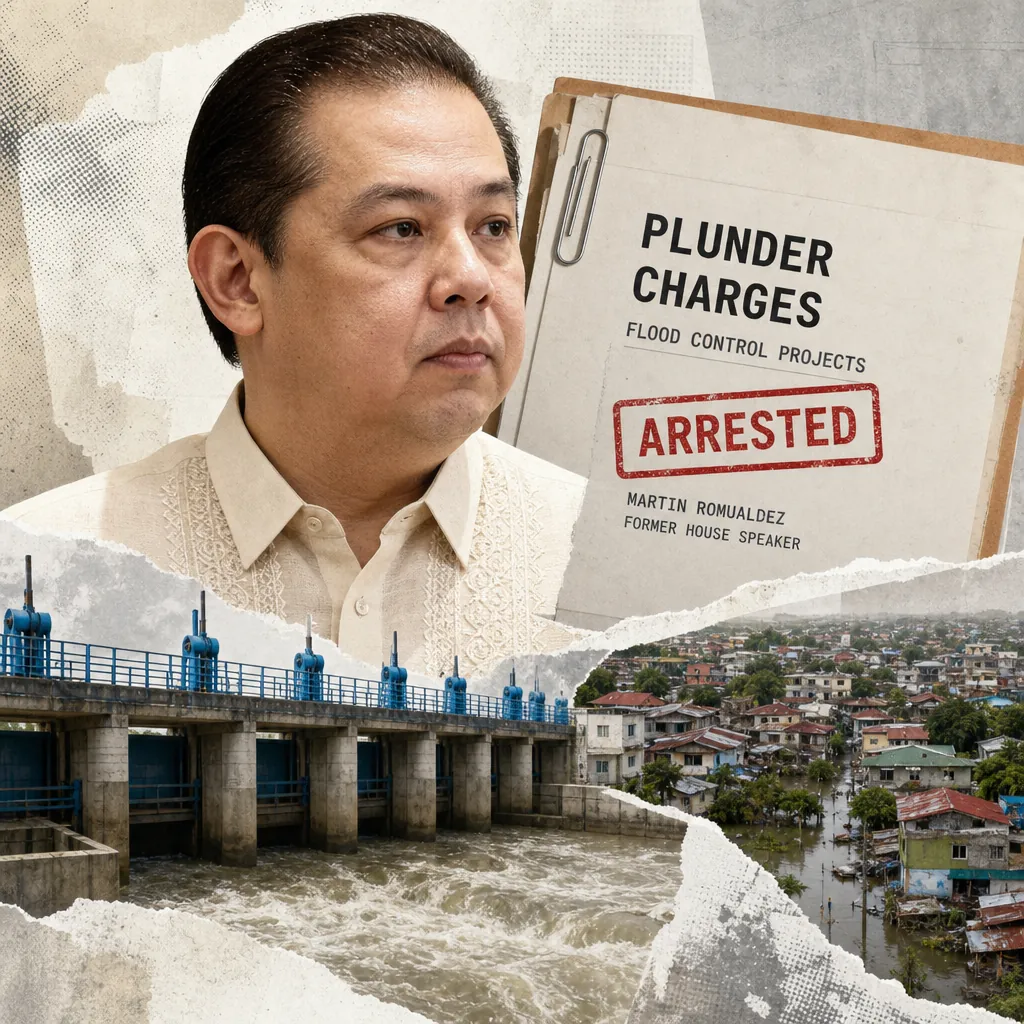
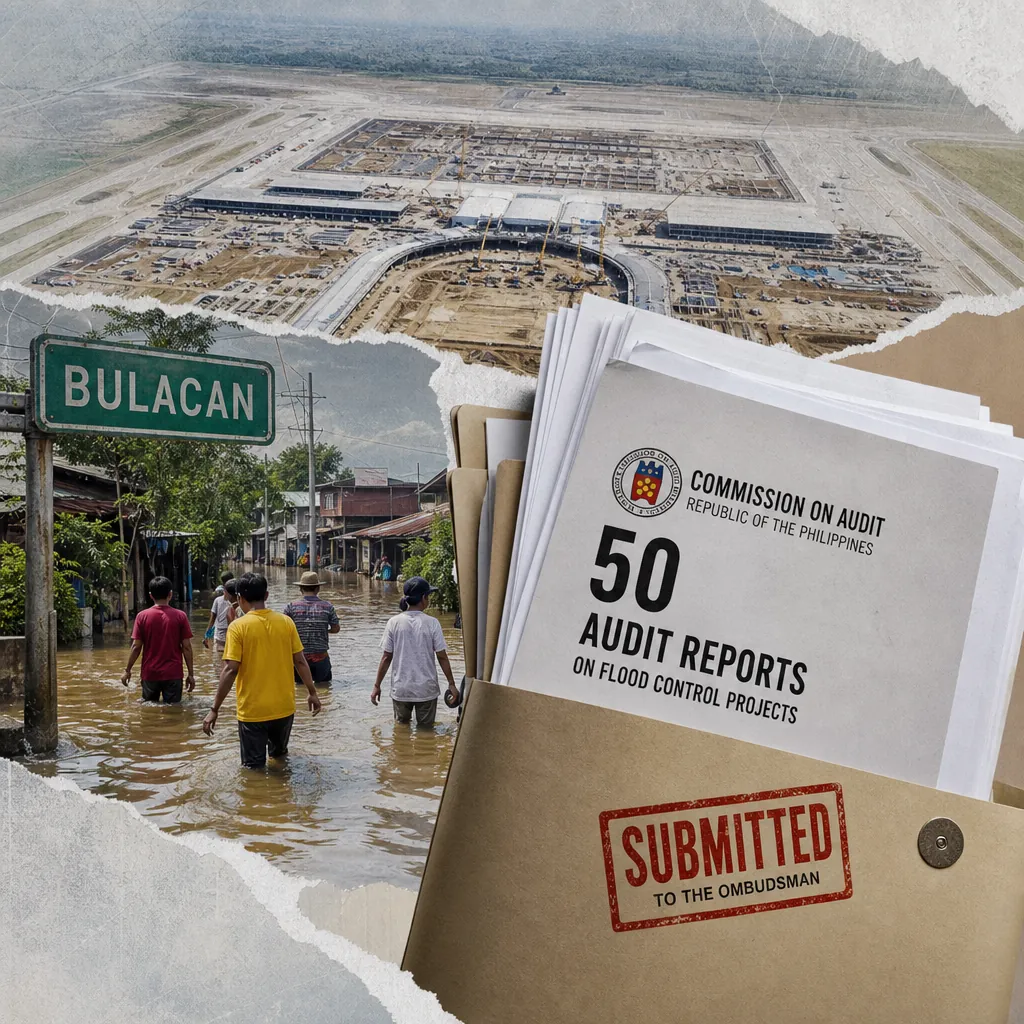
Former Public Works Secretary Manuel Bonoan has pleaded not guilty to a graft charge before the Sandiganbayan, the Philippines' anti-graft court. The charge stems from an alleged conspiracy to ensure the inclusion of flood control projects in Bulacan in the 2025 budget, where he and Senator Jinggoy Estrada allegedly received kickbacks.3647
Bonoan was arraigned on September 4, after being ordered released from police custody following his removal as a co-accused in separate plunder and graft charges. In this case, his co-accused is Senator Estrada, who attended the arraignment via teleconference. The charge is related to the alleged misuse of funds intended for flood control projects, a particularly sensitive issue given the country's vulnerability to flooding.36
The case highlights the deep-seated corruption that has plagued the Department of Public Works and Highways (DPWH), the agency responsible for flood control infrastructure. The public's frustration with flooding is often compounded by the knowledge that funds meant for protective projects have been siphoned off by unscrupulous officials and contractors. This case is a test of the government's commitment to accountability and its ability to prosecute high-level corruption.47
The read for the sector is that the flood control scandal is not just a legal matter but a public trust issue. The government must demonstrate that it can hold officials accountable for the misuse of funds, or it will struggle to convince the public that the new P351 billion master plan will be implemented effectively. The case also serves as a reminder that infrastructure projects are vulnerable to corruption, and that robust oversight is essential.36
Public anger and demands for accountability
The flooding has ignited a wave of public anger and demands for accountability, with citizens and opinion writers questioning the government's response and the use of public funds. A social media post by JB Jacinto, who experienced the flooding in Bulacan firsthand, went viral, turning his personal frustration into a larger conversation about transparency and the responsibility of citizens to stay informed.16
Jacinto, a former San Juan mayor and now a senator, said he was "deeply angry and frustrated" by what he witnessed. "I witnessed the struggles of our people. I saw how difficult and devastating the situation was, and I believe we have every right to speak up," he said. His post questioned the figures surrounding the relief efforts, highlighting the public's skepticism about government data and the need for greater transparency.16
Opinion columnists have echoed this sentiment, with some calling the flooding a "national tragedy" and others pointing to corruption as a root cause. One columnist wrote that the flooding has been "magnified by the corruption that diverted billions if not trillions of pesos into the pockets of unscrupulous politicians and contractors." This narrative frames the flooding not as a natural disaster but as a man-made one, the result of decades of neglect and malfeasance.46
The read for the sector is that public trust in the government's ability to manage crises is at a low point. The government must not only implement effective solutions but also communicate transparently and engage with the public's concerns. The viral nature of posts like Jacinto's shows that citizens are increasingly using social media to hold their leaders accountable, and the government must be prepared to respond to this scrutiny.16
Weather forecast offers little relief as monsoon rains persist
The Philippine Atmospheric, Geophysical and Astronomical Services Administration (PAGASA) said that while rains may ease on Sunday, September 6, they are expected to intensify again from Monday, particularly in Northern and Central Luzon. Weather specialist Daniel Villamil said that the enhanced monsoon rains might resume, affecting areas already reeling from the flooding.1
The forecast is a grim reminder that the crisis is far from over. The southwest monsoon, or "habagat," has been enhanced by a tropical storm, leading to prolonged and intense rainfall. The state weather bureau's advisory is crucial for local governments and disaster response agencies, which must prepare for further flooding and its impacts.1
The situation is further complicated by the possible re-entry of Tropical Storm Krovanh, formerly known as Pilandok, into the Philippine area of responsibility. The storm, which was located northeast of extreme northern Luzon, is expected to reenter the country's territory, potentially bringing more rain and wind.41
The read for the sector is that disaster preparedness and response must be sustained, even as the immediate crisis appears to ease. The government and the public must remain vigilant, as the weather forecast suggests that more flooding is likely in the coming days. This also underscores the need for long-term investments in flood control and climate resilience, as the country faces an increasingly unpredictable climate.1
Calls for long-term solutions over short-term fixes
While the government has announced a toll rebate for motorists affected by the NLEx gridlock, opinion writers have cautioned against mistaking relief for a solution. The rebate, agreed upon following talks between the Department of Transportation and NLEX Corp., is a welcome gesture for furious motorists, but it does not address the underlying problem of flooding.40
One columnist wrote that the toll rebate is "good optics for govt but floods remain," arguing that the focus must be on comprehensive flood control and infrastructure development. The column noted that the NLEx flooding was caused by a combination of factors, including breached river dikes and inadequate drainage, which require long-term engineering solutions, not just financial compensation.40
This narrative calls for a fundamental shift in how the country approaches flood management. Instead of reactive measures like toll rebates and emergency responses, the government must invest in proactive, resilient infrastructure that can withstand extreme weather events. The example of Japan's Kansai International Airport, which was built on an artificial island and has adapted to significant subsidence, is cited as a model of long-term planning.38
The read for the sector is that the public is demanding more than just band-aid solutions. They want to see a comprehensive, well-funded, and properly implemented plan to address the country's chronic flooding. The government's announcement of the P351 billion master plan is a step in the right direction, but it must be followed by concrete action and transparent reporting to regain public trust.40
Conversation trajectory
- Immediate (next 24-48 hours): The focus will be on the weather forecast and the potential for more flooding. PAGASA's prediction of intensified rains from Monday will keep disaster response agencies on high alert. The public will be watching for any signs of government preparedness and for updates on the NLEx and other affected areas. The toll rebate announcement may also generate discussion, with some questioning its adequacy.140
- Short-term (next 1-2 weeks): The government's implementation of the P351 billion master plan will be a key topic. The public and media will scrutinize the plan's details, including its timeline, funding sources, and specific projects. The Bonoan graft case will also continue to develop, with court proceedings and potential new revelations. The government's ability to manage the crisis and communicate effectively will be tested.1736
- Medium-term (next 1-3 months): The focus will shift to the government's broader economic agenda, particularly in light of the MBC's warning that growth may fall below target. The impact of the floods on economic activity will be assessed, and there may be calls for increased government spending on infrastructure to support growth. The success of the flood control master plan will be a key indicator of the government's ability to deliver on its promises.42
- Trigger events: Key events to watch include the next PAGASA weather advisory, which could signal more flooding; the first concrete steps in implementing the master plan, such as the awarding of contracts; and any developments in the Bonoan graft case. The public's response to these events, as measured by social media engagement and media coverage, will indicate the level of trust in the government's handling of the crisis.
Response guidance
- Government agencies: Prioritize transparent and timely communication. Provide regular updates on the weather forecast, road conditions, and relief efforts. Acknowledge the public's frustration and demonstrate a clear plan of action. Avoid defensive or dismissive language, and focus on concrete steps being taken to address the crisis.
- Infrastructure operators: Enhance coordination with regulators and local governments to improve information dissemination. Proactively communicate road conditions and alternative routes to motorists. Invest in long-term solutions to address the root causes of flooding, such as improving drainage and clearing waterways.
- Private sector: Support relief efforts and demonstrate corporate social responsibility. Consider how your business can contribute to long-term flood resilience, such as through sustainable infrastructure investments or community engagement. Communicate your actions clearly to stakeholders.
- Media and opinion leaders: Provide balanced and accurate coverage of the crisis. Highlight both the government's response and the public's concerns. Investigate the root causes of flooding, including infrastructure failures and corruption. Give a platform to affected communities and amplify their voices.
- General public: Stay informed and engaged. Hold the government and private sector accountable for their actions. Participate in community-based disaster preparedness efforts. Use social media responsibly to share information and support those in need.
See the full picture behind today's signals.
This report draws from Media Meter's MediaWatch, our real-time monitoring engine tracking 2,470+ Philippine sources across print, broadcast, digital, and social. Explore how the platform turns raw coverage into decision-grade intelligence, then see how it's configured for teams like yours — whether you're in PR agencies, corporate comms, government, or marketing.
Want more? Browse our Report Library for sector and crisis intelligence, or request a demo and we'll have your brand set up before the call.
Want this kind of intelligence on your brand?
This brief is built on the same MediaWatch methodology that runs continuously across every brand we monitor. See your competitive landscape, Impact Score, and narrative trajectory in a 30-minute demo.