NLEX Floods Prompt LTFRB Route Mapping, Toll Rebates
The LTFRB ordered regional offices to map alternative expressway routes after severe flooding stranded motorists on NLEX for hours. Toll rebates were announced, and the DPWH is updating flood master plans.
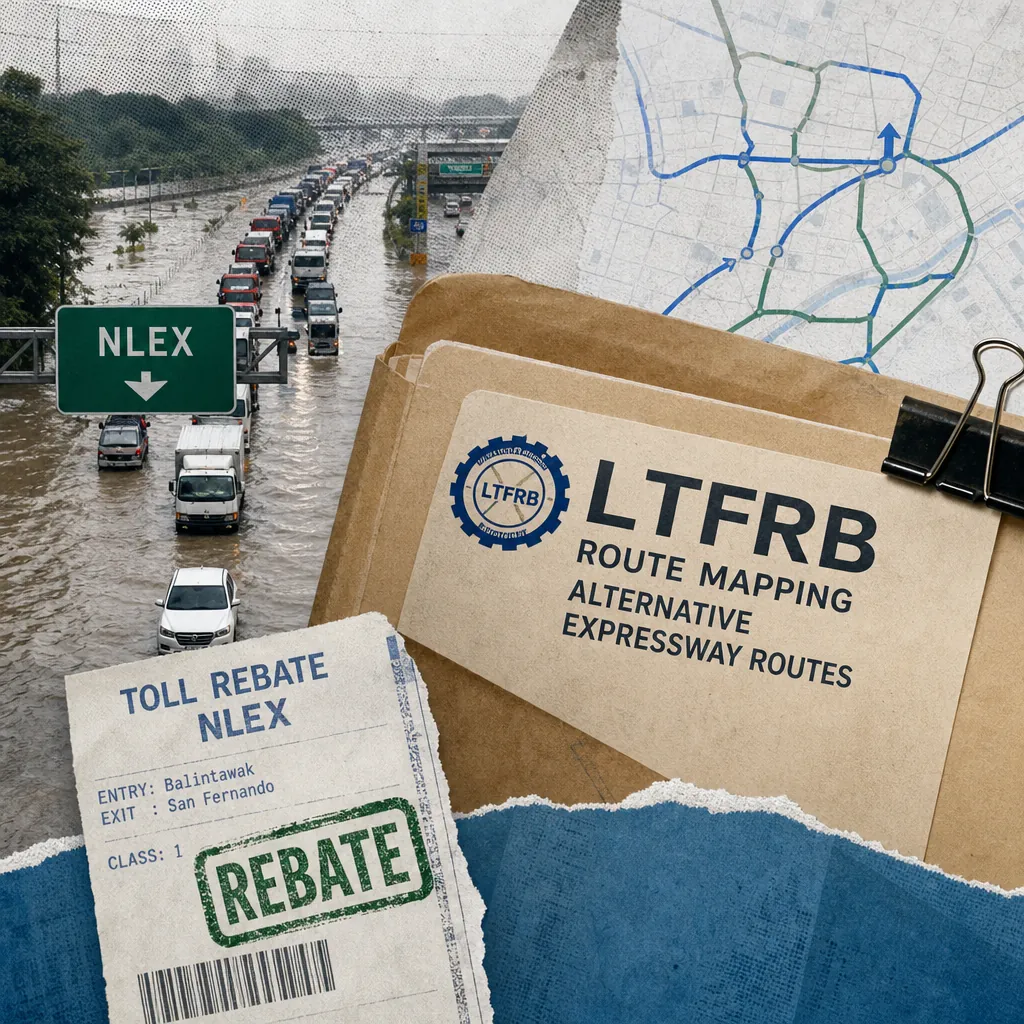
The North Luzon Expressway (NLEx) became a symbol of infrastructure failure this week when monsoon floods stranded motorists for more than 20 hours, turning a routine commute into an overnight ordeal. The gridlock, which stretched from August 28 to 31, prompted swift government action: the Land Transportation Franchising and Regulatory Board (LTFRB) ordered regional offices to map alternative routes and improve information dissemination, while the Department of Transportation brokered a toll rebate for affected motorists. The Department of Public Works and Highways (DPWH) separately announced it is updating all flood management master plans, signaling a broader reckoning with the country's vulnerability to extreme weather.
The LTFRB's directive, issued Saturday by Acting Chairman Greg Pua Jr., covers expressways across three regions: the Tarlac-Pangasinan-La Union Expressway in the Ilocos region, the Subic-Clark-Tarlac Expressway and NLEx in Central Luzon, and the South Luzon Expressway, Southern Tagalog Arterial Road, and Cavite-Laguna Expressway in Metro Manila and Calabarzon 21225. Regional offices are now tasked with coordinating with expressway operators and local governments to identify alternative routes for worst-case scenarios like floods, and to ensure the "widest dissemination of information to the public in cases of unexpected road emergencies" 25. The move follows investigations revealing that breached river dikes, combined with soil and construction debris blocking local waterways, prevented floodwaters from receding naturally near the Tulaoc Bridge in San Simon, Pampanga 12.
The flooding also triggered a political and public relations response. The Department of Transportation and NLEX Corp. agreed to provide toll relief for motorists traveling between Pulilan, Bulacan and San Fernando, Pampanga 40. A Philippine Star columnist called the rebate "good optics for govt but floods remain," arguing that relief is not a solution 40. The columnist noted that while the toll rebate is more sensible than calls for a blanket "toll holiday," the underlying drainage and infrastructure problems persist.
Meanwhile, the DPWH, led by Secretary Vince Dizon, is collaborating with the University of the Philippines' Project Nationwide Operational Assessment of Hazards (NOAH) and local governments to create a science-backed flood management infrastructure plan 2941. This is a long-term effort to strengthen disaster preparedness, but it does little for motorists stuck in traffic today.
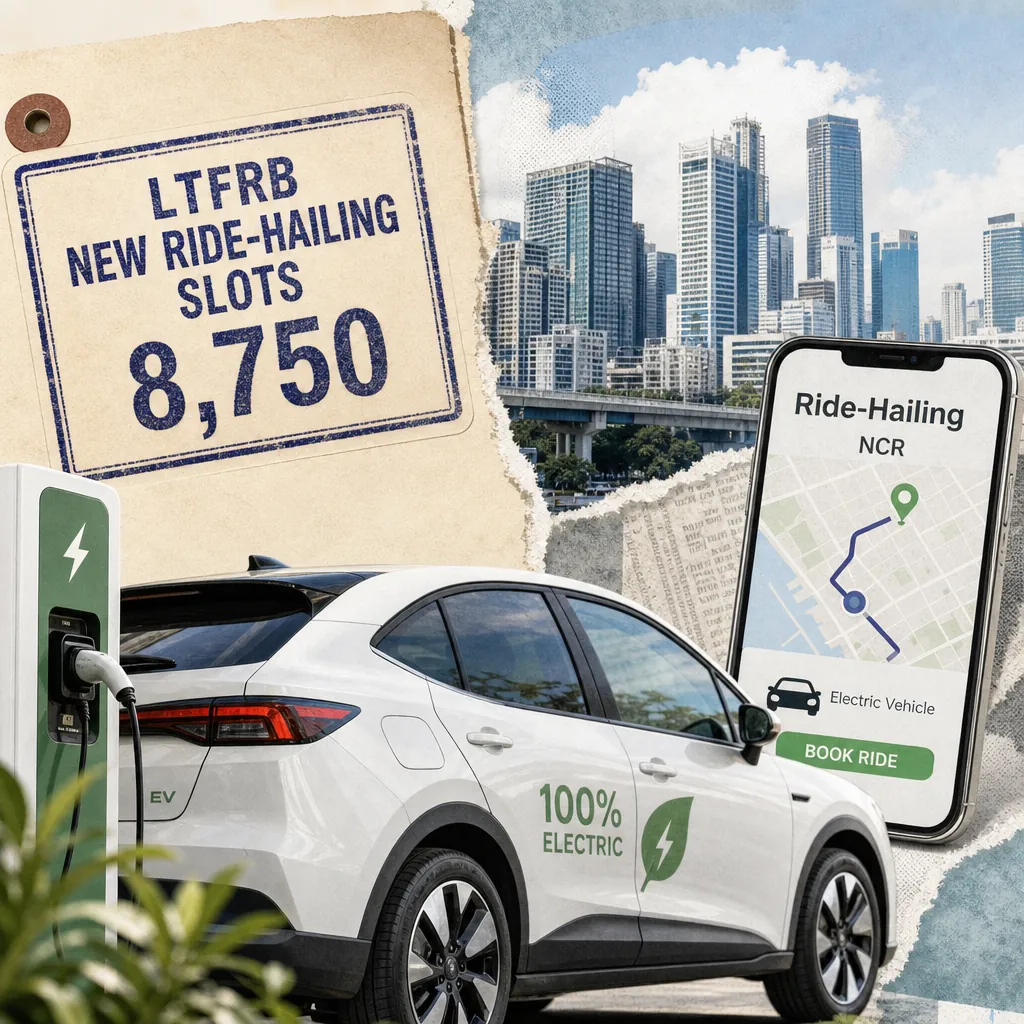
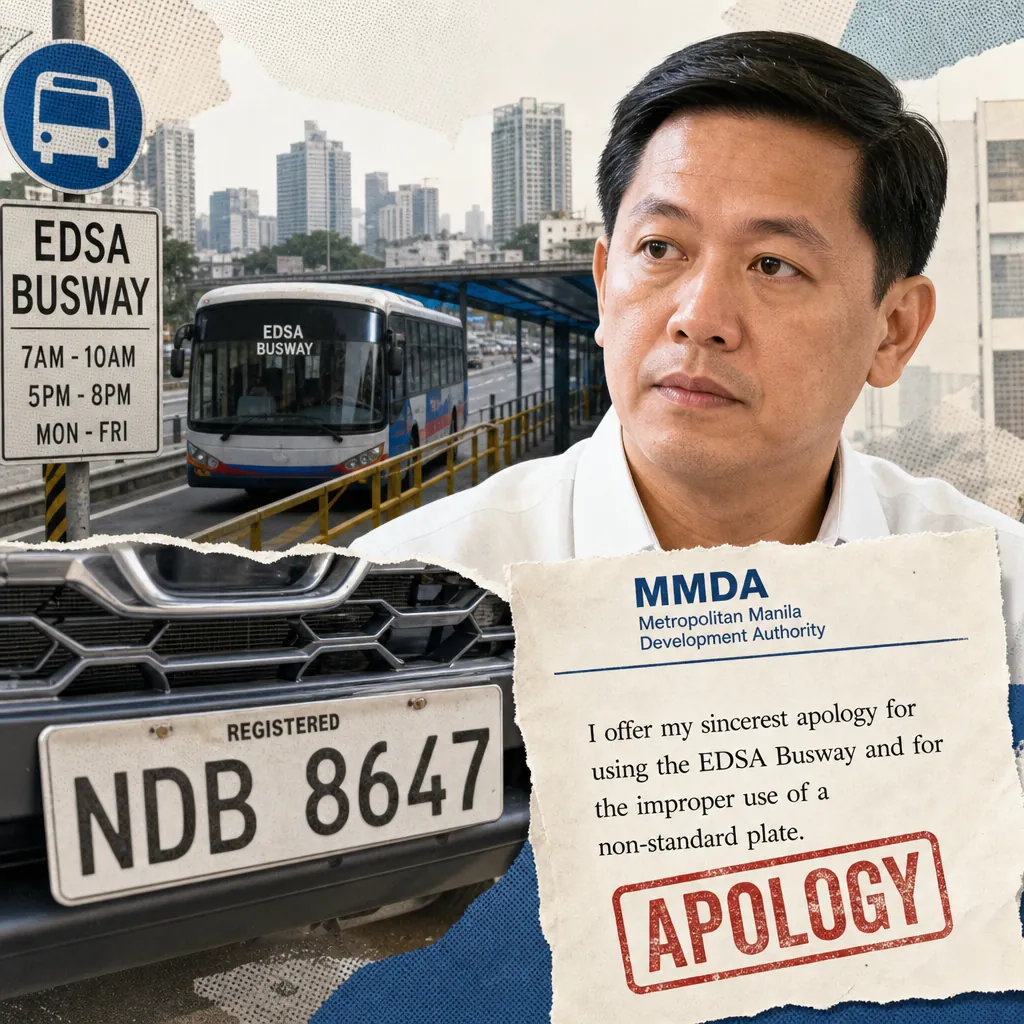
The NLEx crisis dominated the day's transportation news, but it was not the only story. In Cagayan de Oro, the largest taxi federation announced plans to introduce electric vehicles by January, partnering with ride-hailing app Hail PH 7. Nissan previewed an all-new electric sedan in the Philippines, the Primera EV, signaling intensifying competition in the EV market 34. And in a separate incident, the Metro Manila Development Authority (MMDA) general manager paid fines for traffic violations, including unauthorized use of the EDSA busway 42.
Key themes
- NLEx flooding strands motorists for over 20 hours, prompting government action — Severe monsoon rains caused the Pampanga River to overflow, submerging a section of NLEx near San Simon, Pampanga. Motorists were trapped for nearly eight hours initially, with some reports of over 20 hours. The LTFRB ordered regional offices to map alternative routes and improve information dissemination 21225.
- Toll rebate announced for affected motorists, but critics say it's not enough — The Department of Transportation and NLEX Corp. agreed to provide toll relief for motorists traveling between Pulilan, Bulacan and San Fernando, Pampanga. A columnist called it "good optics" but stressed that the underlying flood problem remains unsolved 40.
- DPWH to update flood master plans with science-based approach — Public Works Secretary Vince Dizon ordered the updating of all flood management master plans, collaborating with the University of the Philippines' Project NOAH and local governments. The goal is to base future flood control projects on science 2941.
- LTFRB directive covers major expressways across three regions — The order applies to the Tarlac-Pangasinan-La Union Expressway, Subic-Clark-Tarlac Expressway, NLEx, South Luzon Expressway, Southern Tagalog Arterial Road, and Cavite-Laguna Expressway. Regional offices must coordinate with expressway operators and local governments 1225.
- Cagayan de Oro taxi federation to launch electric vehicle fleet — The Cagayan First Taxi Drivers Alliance (CAFITADA), the largest taxi group in Region 10, will introduce 100 electric vehicles by January, partnering with ride-hailing app Hail PH. This follows their earlier opposition to a competitor's EV fleet 7.
- Nissan previews all-new Primera EV sedan in the Philippines — Nissan Philippines Inc. showcased the Primera EV, an electric sedan developed with Chinese partner Dongfeng, at an event in Quezon City. It boasts a drag coefficient of 0.208 and is expected to compete with BYD and other EV brands 34.
- MMDA chief pays fines for traffic violations, including EDSA busway use — Metro Manila Development Authority general manager Nicolas Torre III paid P14,000 in fines for violations such as unauthorized use of the EDSA busway, tampered plates, and reckless driving. The LTO chief reminded the public that these are serious matters 42.
- Flooding exposes systemic infrastructure weaknesses beyond NLEx — The NLEx incident is part of a broader pattern of flooding across Metro Manila and provinces, prompting the DPWH to act. The enhanced southwest monsoon and tropical cyclones have overwhelmed drainage systems, leading to calls for long-term solutions 2941.
How the narratives stack
Dominant — The NLEx flood crisis is the clear dominant narrative in this captured set. It generated multiple news articles across outlets like Inquirer, Manila Times, and Philstar, with high advertising-equivalent value. The story has immediate human impact (stranded motorists, a child's birthday spent in traffic), government response (LTFRB directive, toll rebate), and systemic implications (flood management). The coverage value of the LTFRB-related articles alone exceeds ₱1 million in estimated advertising-equivalent terms, indicating heavy newsroom attention 2122540.
Counter-narrative — A counter-narrative questions the effectiveness of the government's response. The Philippine Star columnist argues that the toll rebate is "good optics" but does not address the root cause: breached dikes and blocked waterways. This narrative suggests that while the government is quick to offer relief, it has not solved the drainage and infrastructure problems that caused the flooding 40.
Emerging — An emerging narrative is the shift toward electric vehicles in public transport. The CAFITADA announcement in Cagayan de Oro and Nissan's EV preview signal a growing momentum toward electrification, even as the NLEx crisis dominates headlines. This narrative could gain traction as more local governments and transport groups adopt EVs 734.
Under-covered — The DPWH's flood master plan update is a significant long-term development but received less attention than the immediate crisis response. While it was covered by OneNews and Philstar, the story's importance for future disaster preparedness is understated relative to the day's focus on the NLEx gridlock 2941.
Platform insights
- Facebook — Facebook was the primary platform for public outrage and information sharing during the NLEx crisis. Viral videos and photos of stranded motorists, including the story of a child turning nine in traffic, circulated widely. The LTFRB and DPWH used Facebook to disseminate updates, but the platform also amplified criticism of the government's response. The open letter from a self-identified PCG personnel to the Coast Guard commandant, mentioned in a Manila Times column, also gained traction on Facebook 24.
- X (formerly Twitter) — X saw real-time updates from motorists stuck on NLEx, with hashtags trending. News outlets like Inquirer and Philstar used X to push out headlines, but the platform's role was more about breaking news than deep discussion. The LTFRB's directive was announced on X, but engagement was lower than on Facebook.
- YouTube — YouTube hosted news clips and vlogs documenting the NLEx flood, but no specific engagement figures are available in the provided data. The platform served as a secondary channel for video evidence of the gridlock.
- Reddit — Reddit discussions on r/Philippines likely included threads about the NLEx flood, but no specific posts or engagement data were captured. The platform's role appears minimal in this set.
Key voices and communities
- Government agencies — The LTFRB, DPWH, and Department of Transportation are central voices, issuing directives and announcements. Acting LTFRB Chairman Greg Pua Jr. is a key figure, ordering regional offices to act. DPWH Secretary Vince Dizon is another, pushing for science-based flood management 229.
- Motorists and commuters — The public directly affected by the NLEx gridlock are a powerful voice, sharing harrowing experiences on social media. Their stories humanize the crisis and pressure the government to respond. The toll rebate is a direct concession to this group 40.
- Media commentators and columnists — Columnists like the one at Philippine Star provide analysis and critique, framing the toll rebate as insufficient. They shape public opinion and hold the government accountable 40.
- Transport groups — CAFITADA, the Cagayan de Oro taxi federation, represents transport operators. Their move to adopt EVs is a notable development, showing how transport groups are adapting to new technologies and regulations 7.
- Automotive industry — Nissan Philippines and other automakers are key voices in the EV narrative. Nissan's preview of the Primera EV signals competitive dynamics in the Philippine market 34.
Narrative streams
NLEx Flood Crisis: A System Under Strain
The NLEx flood crisis is the day's most significant story, with multiple articles detailing the gridlock and its aftermath. The flooding occurred when the Pampanga River overflowed into low-lying areas, overwhelming drainage capacities in the San Simon segment. Investigations revealed that breached river dikes and debris blocked waterways, preventing floodwaters from receding 12. Motorists were stranded for nearly eight hours initially, with some reports of over 20 hours 40. The LTFRB's directive to map alternative routes is a direct response, but it raises questions: why were no alternative routes identified before? The read for the sector is that expressway operators and regulators must adopt proactive, not reactive, measures to handle extreme weather events, which are becoming more frequent due to climate change.
Toll Rebate: Relief or Optics?
The Department of Transportation and NLEX Corp. agreed to provide toll rebates for motorists traveling between Pulilan, Bulacan and San Fernando, Pampanga. This was a response to public outrage, but a Philippine Star columnist argued that it is "good optics" that does not solve the underlying flood problem 40. The columnist noted that while the rebate is more sensible than a blanket "toll holiday," the real issue is the drainage and infrastructure failures. The read for the sector is that toll rebates are a short-term public relations tool; long-term investment in flood control and infrastructure resilience is needed to prevent such crises.
DPWH's Science-Based Flood Master Plan
The DPWH, led by Secretary Vince Dizon, is updating all flood management master plans in collaboration with the University of the Philippines' Project NOAH and local governments. The goal is to create a science-backed infrastructure plan that strengthens long-term disaster preparedness 2941. This is a significant shift from reactive to proactive planning. The read for the sector is that infrastructure projects will increasingly rely on data and scientific modeling, which could lead to more effective flood control but also requires sustained funding and political will.
Electric Vehicles Gain Traction in Public Transport
In Cagayan de Oro, the Cagayan First Taxi Drivers Alliance (CAFITADA) announced plans to introduce 100 electric vehicles by January, partnering with ride-hailing app Hail PH. This is notable because CAFITADA previously opposed another EV fleet, alleging it was not locally owned 7. The move signals that transport groups are embracing EVs, possibly due to government incentives and lower operating costs. The read for the sector is that EV adoption in public transport is accelerating, but challenges remain, including charging infrastructure and vehicle costs.
Nissan Primera EV: A New Competitor in the Philippine EV Market
Nissan Philippines previewed the all-new Primera EV sedan, developed with Chinese partner Dongfeng. The sedan boasts a drag coefficient of 0.208, which maximizes battery range at high speeds. It has been on sale in other markets as the Nissan N7 since May 2025 34. The preview signals Nissan's intent to compete with BYD and other EV brands in the Philippines. The read for the sector is that the EV market is becoming more crowded, with traditional automakers leveraging Chinese partnerships to offer competitive models.
MMDA Chief's Traffic Violations: Accountability in Government
Metro Manila Development Authority general manager Nicolas Torre III paid P14,000 in fines for traffic violations, including unauthorized use of the EDSA busway, tampered plates, and reckless driving. LTO chief Markus Lacanilao reminded the public that these are serious matters, especially for government officials 42. The incident highlights accountability and the rule of law, even for high-ranking officials. The read for the sector is that traffic enforcement is being applied uniformly, which could improve public trust in regulatory bodies.
Conversation trajectory
- Immediate (next 1-2 weeks): The LTFRB's alternative route mapping is expected to be completed quickly, with regional offices coordinating with expressway operators and local governments. Watch for announcements of specific alternative routes and any improvements in information dissemination during the next monsoon rains. The toll rebate implementation will also be monitored for its effectiveness.
- Short-term (next 1-3 months): The DPWH's flood master plan update will likely take months to complete, given the need for scientific studies and coordination with multiple agencies. Expect interim measures, such as clearing debris and repairing dikes, to be prioritized. The CAFITADA EV fleet is slated for January, so watch for progress on charging infrastructure and vehicle acquisition.
- Medium-term (next 6-12 months): The Nissan Primera EV is expected to launch in Philippine dealerships within the year, intensifying competition in the EV market. Government policies on EV adoption, such as incentives and charging infrastructure, will shape the pace of adoption. The NLEx flood crisis may lead to policy changes, such as stricter enforcement of drainage maintenance and better coordination between expressway operators and weather agencies.
- Trigger events: The next major monsoon or typhoon could trigger another NLEx flood, testing the effectiveness of the new measures. The release of the DPWH's updated flood master plan will be a key milestone. The launch of the CAFITADA EV fleet and the Nissan Primera EV will be significant events for the EV sector.
Response guidance
- For expressway operators: Proactively communicate with motorists during disruptions. Use social media and SMS alerts to provide real-time updates on road conditions and alternative routes. Coordinate with the LTFRB and local governments to ensure information reaches the widest audience.
- For government agencies: Emphasize long-term solutions over short-term relief. While toll rebates are appreciated, the public is demanding accountability and infrastructure improvements. Highlight the science-based approach of the DPWH's flood master plan to build trust.
- For transport groups: When announcing EV adoption, address potential concerns about cost, charging infrastructure, and impact on drivers. Show how EVs benefit both operators and passengers, such as lower fuel costs and reduced emissions.
- For automakers: When launching new EV models, focus on range, performance, and affordability. Use local events and test drives to build consumer confidence. Highlight partnerships with local dealers and after-sales support.
- Sensitive topics: Avoid downplaying the severity of the NLEx flood. Acknowledge the inconvenience and danger faced by motorists. Do not make promises about flood prevention that cannot be kept. Be transparent about the timeline for infrastructure projects.
See the full picture behind today's signals.
This report draws from Media Meter's MediaWatch, our real-time monitoring engine tracking 2,470+ Philippine sources across print, broadcast, digital, and social. Explore how the platform turns raw coverage into decision-grade intelligence, then see how it's configured for teams like yours — whether you're in PR agencies, corporate comms, government, or marketing.
Want more? Browse our Report Library for sector and crisis intelligence, or request a demo and we'll have your brand set up before the call.
Want this kind of intelligence on your brand?
This brief is built on the same MediaWatch methodology that runs continuously across every brand we monitor. See your competitive landscape, Impact Score, and narrative trajectory in a 30-minute demo.