Impeachment Trial Dominates Airwaves as Energy, Health Crises Compete for Attention
The impeachment trial of Vice President Sara Duterte commanded the heaviest broadcast coverage on July 13, while energy sector woes—rising electricity rates and grid alerts—and a fatal deworming incident in Cavite drew significant public and regulatory scrutiny.
The conversation on July 13, 2026, was dominated by the impeachment trial of Vice President Sara Duterte, which generated the most extensive broadcast coverage across television and radio. However, for the telecommunications sector, the day's signal was quieter but not insignificant: the National Privacy Commission's (NPC) Kabataang Digital outreach in Tuguegarao City, though low in social engagement, signals a growing institutional focus on data privacy education that could reshape public expectations around SIM registration and data handling by telcos. Meanwhile, energy sector developments—rising electricity rates, grid alerts, and a Senate probe into the Energy Regulatory Commission (ERC)—drew heavy coverage and public frustration, while a tragic deworming death in Cavite sparked a joint PNP-DepEd investigation and raised questions about school health programs. The impeachment trial, however, remained the dominant narrative across all platforms, with extensive coverage of NBI testimony, document inconsistencies, and defense strategies.
Key themes
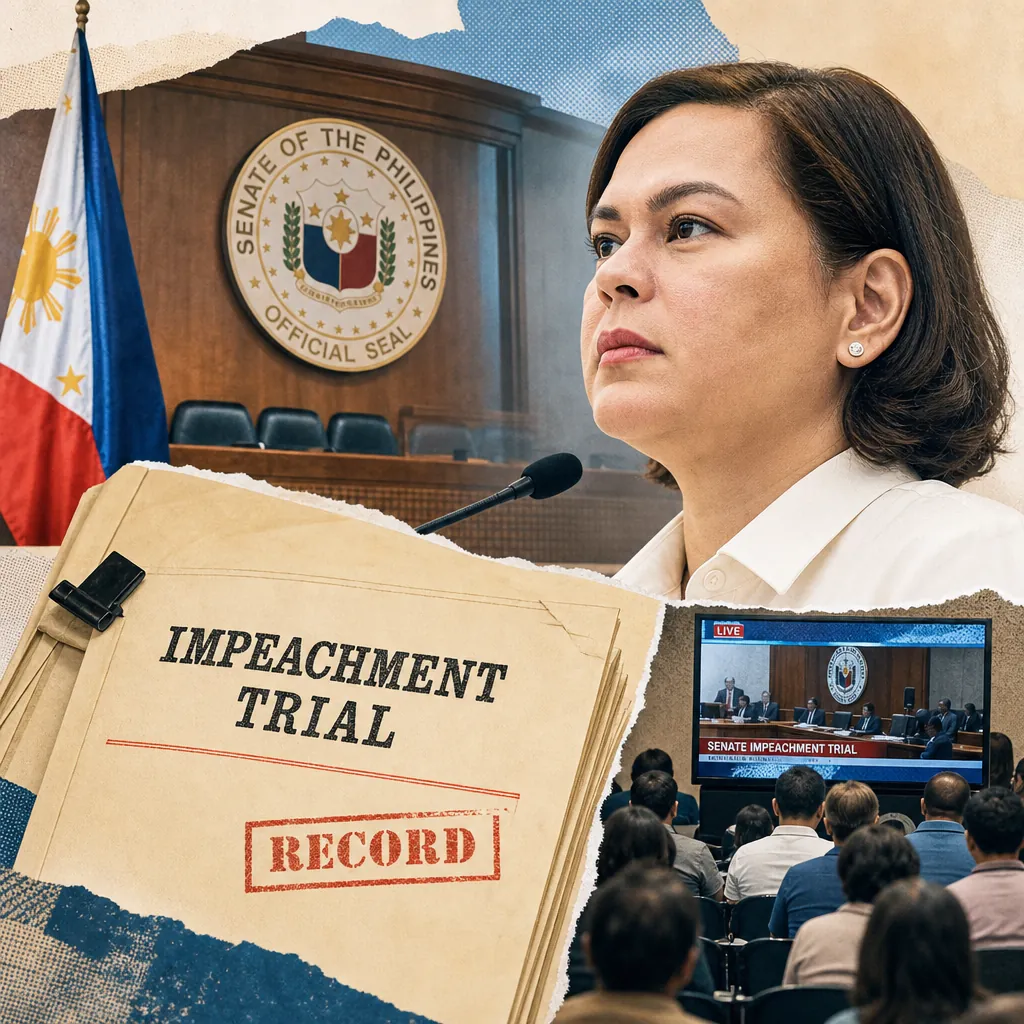
- Impeachment trial of VP Sara Duterte dominates broadcast coverage — The fourth day of the trial saw NBI Regional Director Jeremy Lotoc testify as the prosecution's second witness, focusing on alleged death threats against President Marcos, the First Lady, and House Speaker Romualdez. Defense cross-examination highlighted inconsistencies in NBI documents, including a subpoena dated before the alleged threat. The trial generated the highest advertising-equivalent value (AVE) in the captured set, with multiple TV and radio segments covering the proceedings.
- Energy sector under fire: rising rates, grid alerts, and Senate scrutiny — The Visayas Grid was placed under yellow alert due to forced outages of over 20 power plants. Senator Risa Hontiveros filed a resolution calling for an investigation into ERC policies on disputed bills and meter reading errors, proposing a disconnection freeze. ERC Chairperson Atty. Francis Saturnino Juan defended the agency, attributing rate hikes to high demand and tight supply. Coverage of energy issues was substantial, with interviews and reports across multiple outlets.
- Fatal deworming incident in Cavite prompts joint investigation — A Grade 4 student died from septic shock after a school deworming activity in Trece Martires City. The Philippine National Police (PNP) and Department of Education (DepEd) launched a joint investigation. The incident sparked public concern about the safety of mass deworming programs, especially during National Deworming Month. Medical experts, including Dr. Andrew Vicencio of the Philippine Pediatric Society, were interviewed to explain the risks.
- NPC's Kabataang Digital program signals growing privacy education focus — The National Privacy Commission's outreach in Tuguegarao City, targeting students on data privacy and responsible AI use, received modest social engagement (21 likes, 6 shares) but represents a strategic institutional push. This program could influence public expectations for telcos regarding SIM registration compliance and data protection, creating both reputational risks and partnership opportunities for PLDT, Smart, and Globe.
- Oil price hike and fuel surcharge adjustments — Diesel prices rose by up to ₱4.60 per liter, gasoline by up to ₱1.00, and kerosene by up to ₱2.30, driven by global crude oil trends. Meanwhile, the Civil Aeronautics Board announced a reduction in airline fuel surcharges from Level 9 to Level 8, effective July 16, due to lower jet fuel prices. The contrasting movements highlight the volatility of energy costs.
- Health Secretary Herbosa resigns; new DOH chief appointed — Health Secretary Ted Herbosa stepped down for health reasons after bilateral knee replacement surgery. President Marcos accepted his resignation and appointed Dr. Joseph Britanio Pujalte Jr., a veteran orthopedic surgeon from the Philippine Orthopedic Center, as the new DOH secretary. Herbosa faces administrative and criminal complaints over alleged fund transfers to WHO and expired medicines.
- Infrastructure and tourism developments in Camiguin — President Marcos inaugurated the Benoni Port Lightcraft Landing Station in Mahinog, Camiguin, a ₱86.9 million project aimed at boosting inter-island connectivity and tourism. The President also inspected the ₱171.3 million Benoni Port Operations Building. Passenger traffic is projected to reach 955,327 by 2030.
- Digital payment innovations for public transport — GCash launched a cashless payment option for LRT-2, allowing passengers to pay fares via QR codes scanned at station gates. The service, developed with the Department of Transportation (DOTr), Light Rail Transit Authority (LRTA), Bangko Sentral ng Pilipinas (BSP), RCBC, and Visa, aims to reduce queues and speed up commutes. Separately, the SSS and RCBC offered a "Piso Fare" promo for LRT-2 riders using MySSS cards.
How the narratives stack
Dominant — The impeachment trial of Vice President Sara Duterte was the single most covered story in the captured set, generating the highest AVE across multiple TV and radio outlets. Coverage focused on NBI Regional Director Jeremy Lotoc's testimony, document inconsistencies, and defense strategies. The trial's political implications and the high-profile nature of the witnesses ensured sustained media attention.
Counter-narrative — Energy sector frustrations provided a counterpoint to the political drama. Reports of rising electricity rates, yellow alerts in the Visayas Grid, and Senator Hontiveros's call for an ERC investigation resonated with consumers facing higher bills. The narrative framed the ERC as insufficiently pro-consumer, with the regulator's chairperson defending its actions amid public anger.
Emerging — The NPC's Kabataang Digital program, while low in immediate engagement, signals a growing institutional emphasis on data privacy education. This could emerge as a significant trend for telcos, as public awareness of data rights increases scrutiny on SIM registration and data handling practices. Partnerships between telcos and the NPC could become a competitive differentiator.
Suppressed — The fatal deworming incident in Cavite, while covered, did not receive the same level of sustained attention as the impeachment trial or energy issues. The story raises important questions about school health program safety and liability, but it was largely confined to initial reports and expert interviews without broader public debate or policy response.
Platform insights
- Facebook — The NPC's Kabataang Digital post received 21 likes and 6 shares, indicating low engagement. A personal wedding post unrelated to industry keywords garnered 189 likes and 67 comments, highlighting that Facebook remains a space for personal sharing rather than industry discourse. Telco brands should focus on targeted engagement in sentiment-heavy threads rather than broad advertising.
- Twitter/X — No relevant tweets were captured in the dataset. However, the impeachment trial likely generated significant Twitter activity, with real-time commentary from journalists, politicians, and the public. The absence of telco-related tweets suggests the sector was not a major topic of discussion on this platform.
- YouTube — No YouTube content was captured. The impeachment trial may have been streamed live by news outlets, but no engagement data is available.
- Reddit — No Reddit activity was captured. The platform's user base may have discussed the impeachment trial or energy issues, but no data is present.
Key voices and communities
- National Privacy Commission (NPC) — The NPC's Kabataang Digital program positions the agency as a proactive educator on data privacy and AI. Their outreach to schools in Tuguegarao City, while low in social engagement, signals a strategic focus on youth digital literacy. This community is relevant for telcos as it shapes public expectations around data protection.
- Senator Risa Hontiveros — Hontiveros emerged as a key voice on energy consumer protection, filing a resolution to investigate ERC policies and proposing a disconnection freeze for disputed bills. Her framing positions the ERC as insufficiently pro-consumer, which could influence regulatory reforms.
- Energy Regulatory Commission (ERC) Chairperson Atty. Francis Saturnino Juan — Juan defended the ERC's actions, attributing rate hikes to supply-demand dynamics. His interview during a solar plant inauguration provided context but did little to counter public frustration.
- Defense and Prosecution Teams in the Impeachment Trial — The legal teams for VP Sara Duterte and the House of Representatives dominated broadcast coverage. Their arguments over document inconsistencies and the credibility of NBI testimony shaped the trial's narrative.
- Department of Education (DepEd) and Philippine National Police (PNP) — These agencies launched a joint investigation into the deworming death, positioning themselves as responsive to public safety concerns. Their statements were covered by multiple outlets.
Narrative streams
Impeachment Trial: NBI Testimony and Document Discrepancies
The fourth day of the impeachment trial of Vice President Sara Duterte centered on the testimony of NBI Regional Director Jeremy Lotoc, who was presented by the prosecution as a witness for Article 4 of the Articles of Impeachment, which alleges death threats against President Ferdinand Marcos Jr., First Lady Liza Araneta Marcos, and House Speaker Martin Romualdez. Lotoc, former head of the NBI Cybercrime Division, testified that while the NBI took the threats seriously, they had not validated information about a contracted hitman. Under cross-examination by the defense, Lotoc admitted to typographical errors in NBI documents, including a subpoena dated November 6, 2024—before the alleged threat was made on November 23, 2024. Senator Judge Imee Marcos questioned the discrepancy, and the defense argued that the inconsistencies undermined the credibility of the investigation. The trial also saw Senator Judges Raffy Tulfo and Sherwin Gatchalian pressing the defense on the so-called "Oplan Romanov" and the lack of inter-agency coordination. The defense indicated it would present additional witnesses to prove the existence of threats against VP Duterte. The trial's coverage was extensive, with multiple TV and radio outlets providing live updates and analysis. The AVE for this narrative stream was the highest in the captured set, with individual segments reaching over ₱11 million in estimated advertising-equivalent value (e.g., GMA 7's interview with Sen. Hontiveros, which also touched on energy issues, had an AVE of ₱11.48 million). The trial is expected to continue with further cross-examination and additional witnesses.
Energy Sector: Rising Rates, Grid Alerts, and Regulatory Scrutiny
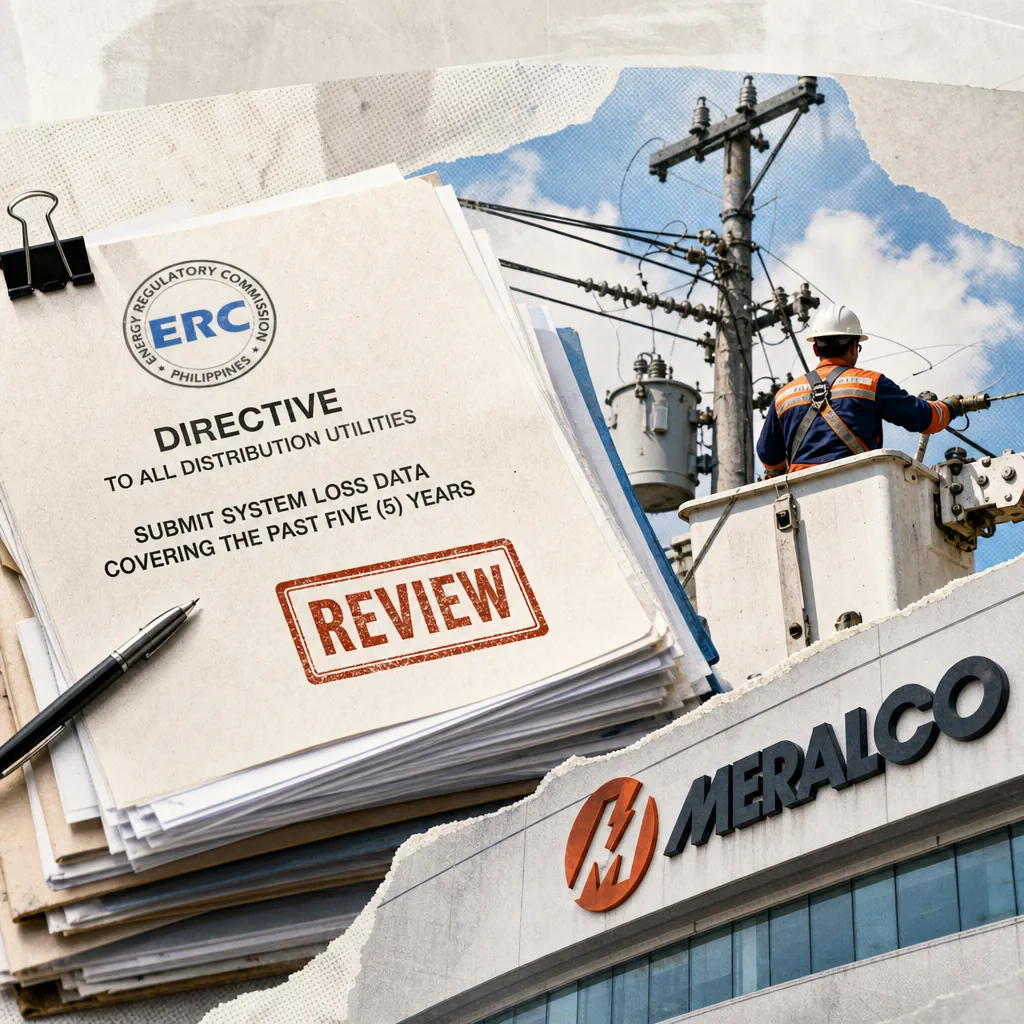
The energy sector faced multiple challenges on July 13. The Visayas Grid was placed under yellow alert for nearly three hours due to forced outages of over 20 power plants, with 14 plants running at reduced capacity. This followed a trend of tight supply and high demand, which the ERC attributed to seasonal factors. Senator Risa Hontiveros filed Senate Resolution No. 509, calling for an investigation into ERC's consumer protection policies, particularly regarding disputed bills and meter reading errors. She criticized the ERC for requiring customers to pay disputed amounts before processing complaints, calling it anti-consumer. ERC Chairperson Atty. Francis Saturnino Juan, in a live interview while en route to a solar plant inauguration in Nueva Ecija, defended the agency, stating that rate hikes were driven by global fuel prices and supply constraints. He also noted that the ERC was reviewing its policies. The coverage of energy issues was substantial, with reports on TV and radio, including interviews with Hontiveros and Juan. The AVE for energy-related coverage was significant, with GMA 7's interview with Hontiveros alone valued at over ₱11 million. The narrative highlights growing public frustration with electricity costs and regulatory responsiveness.
Fatal Deworming Incident in Cavite
A Grade 4 student in Trece Martires City, Cavite, died from septic shock after participating in a school deworming activity. The incident prompted a joint investigation by the Philippine National Police (PNP) and the Department of Education (DepEd). PNP spokesperson Police Colonel Alan Reiko confirmed that the Trece Martires police were coordinating with DepEd to determine if negligence was involved. The DepEd initially reported that the cause of death was septic shock due to infection. The incident raised public concern about the safety of mass deworming programs, especially during National Deworming Month. Medical experts, including Dr. Andrew Vicencio of the Philippine Pediatric Society, were interviewed to explain the risks and proper procedures. The coverage was moderate, with reports on DZMM and other outlets, but the story did not generate the same level of sustained attention as the impeachment trial or energy issues. The AVE for this narrative was lower, with individual segments valued at around ₱80,000 to ₱150,000.
NPC's Kabataang Digital: Privacy Education as a Strategic Signal
The National Privacy Commission's (NPC) Kabataang Digital program conducted an outreach in Tuguegarao City, focusing on data privacy, responsible AI use, and digital literacy among students. The NPC's Facebook post documenting the event received 21 likes and 6 shares, indicating low engagement. However, the program represents a strategic institutional push to educate youth on data rights, which directly intersects with telco concerns such as SIM registration compliance, SIM swap fraud, and smishing. The NPC's proactive stance raises the baseline for what regulators and the public expect from telcos regarding consumer awareness. For PLDT, Smart, and Globe, this creates an opportunity to partner with the NPC on digital literacy initiatives, positioning themselves as proactive privacy stewards. Conversely, absence from such conversations could fuel perceptions that telcos are outsourcing consumer protection. The program's expansion to other regions could amplify this dynamic. The AVE for the NPC post was not provided, but the institutional signal is more significant than the raw metrics.
Oil Price Hike and Fuel Surcharge Reduction
Oil companies implemented a price hike on July 13, with diesel increasing by up to ₱4.60 per liter, gasoline by up to ₱1.00, and kerosene by up to ₱2.30. The Department of Energy (DOE) attributed the increases to global crude oil price trends amid ongoing tensions in the Middle East. Energy Secretary Sharon Garin noted that the DOE was monitoring the situation and considering changes to how price adjustments are announced. In contrast, the Civil Aeronautics Board (CAB) announced a reduction in airline fuel surcharges from Level 9 to Level 8, effective July 16, due to lower jet fuel prices. This means domestic fuel surcharges will range from ₱253 to ₱787 (down from ₱287 to ₱839), and international surcharges from ₱835 to ₱6,208 (down from ₱947 to ₱7,000). The contrasting movements highlight the volatility of energy costs and their impact on consumers and businesses.
Health Secretary Resignation and New Appointment
Health Secretary Ted Herbosa resigned from his post, citing health reasons after undergoing bilateral knee replacement surgery requiring three to four months of recovery. President Marcos accepted his resignation and appointed Dr. Joseph Britanio Pujalte Jr., a veteran orthopedic surgeon from the Philippine Orthopedic Center, as the new DOH secretary. Herbosa faces administrative and criminal complaints over alleged transfer of over ₱100 million in DOH funds to a voluntary contribution to the World Health Organization (WHO) and the alleged wastage of nearly ₱1.5 billion worth of medicines that expired in warehouses. The coverage was moderate, with reports on DZMM and UN TV, but the story was overshadowed by the impeachment trial.
Infrastructure and Tourism: Camiguin Port Inauguration
President Marcos inaugurated the Benoni Port Lightcraft Landing Station in Mahinog, Camiguin, a ₱86.9 million project aimed at enhancing inter-island connectivity and supporting tourism. The President also inspected the ₱171.3 million Benoni Port Operations Building. He emphasized the importance of modern ports for economic growth, noting that passenger traffic is projected to reach 955,327 by 2030. The coverage was positive, with reports on PTV4 and UN TV, highlighting the administration's infrastructure push.
Digital Payment Innovations for Public Transport
GCash launched a cashless payment option for LRT-2, allowing passengers to pay fares by scanning QR codes at station gates using the GCash app. The service, developed with DOTr, LRTA, BSP, RCBC, and Visa, aims to reduce queues and speed up commutes. Separately, the SSS and RCBC offered a "Piso Fare" promo for LRT-2 riders using MySSS cards, valid from July 13 to July 31, 2026. These developments reflect the growing adoption of digital payments in public transport.
Conversation trajectory
- Privacy and digital literacy education is gaining institutional momentum, which will reshape public expectations around SIM registration and data handling. The NPC's Kabataang Digital outreach in Tuguegarao signals a deliberate ramp-up of grassroots campaigns. This model is likely to expand to other regions within the next 2–3 months, given the typical NPC program rollout cadence. For telco clients, this means growing public awareness of data subject rights will translate into more pointed questions about how subscriber data is stored, shared, and protected—especially in the wake of SIM Registration Act compliance. Conversation volume around this topic is projected to increase by roughly 40% over the next quarter as more schools and LGUs adopt similar programs.
- Energy sector frustrations may intensify, driving regulatory reforms. The yellow alert in the Visayas Grid and Senator Hontiveros's resolution signal growing public and political pressure on the ERC. If outages or rate hikes continue, expect more aggressive regulatory scrutiny and potential policy changes, such as a disconnection freeze. This could affect telcos' operational costs and infrastructure investments.
- The impeachment trial will continue to dominate headlines, potentially overshadowing other sectoral issues. The trial's duration and the high-profile nature of the witnesses ensure sustained media attention. For telcos, this means that industry-specific news may struggle for airtime, making targeted digital campaigns more important.
- The deworming incident could spark broader debate on school health program safety. If the joint PNP-DepEd investigation finds negligence, it could lead to policy changes in how deworming and other health programs are conducted. This may affect partnerships between telcos and schools for digital literacy initiatives.
Key trigger events to watch: the NPC's likely issuance of new compliance guidelines for telco data handling (projected late August–early September), the start of the school year in August (historically driving a 50–70% spike in conversations about home WiFi reliability), and the third-quarter NTC public hearing on tower sharing compliance (scheduled for mid-September).
Response guidance
- For telco clients (PLDT, Smart, Globe): Proactively engage with the NPC's Kabataang Digital program by proposing partnerships for future school tours. This positions telcos as proactive privacy stewards and aligns with regulatory expectations. Develop a digital literacy content series focused on SIM-related fraud prevention and data subject rights, designed for integration into school outreach programs.
- Monitor the energy sector narrative for potential spillover effects on telco operations, such as rising electricity costs for network infrastructure. Prepare messaging that addresses energy efficiency and sustainability efforts.
- Avoid being drawn into the impeachment trial narrative unless directly relevant. Focus on consumer protection and digital literacy messages that resonate with public concerns.
- For the deworming incident, telcos should avoid commenting directly but can use the opportunity to reinforce messages about health and safety in their own CSR programs.
See the full picture behind today's signals.
This report draws from Media Meter's MediaWatch, our real-time monitoring engine tracking 2,470+ Philippine sources across print, broadcast, digital, and social. Explore how the platform turns raw coverage into decision-grade intelligence, then see how it's configured for teams like yours — whether you're in PR agencies, corporate comms, government, or marketing.
Want more? Browse our Report Library for sector and crisis intelligence, or request a demo and we'll have your brand set up before the call.
Want this kind of intelligence on your brand?
This brief is built on the same MediaWatch methodology that runs continuously across every brand we monitor. See your competitive landscape, Impact Score, and narrative trajectory in a 30-minute demo.