Palay output falls 17.8% as October inflation nears 8%
Philippine palay production dropped 17.77% in the third quarter while the central bank projected October inflation of 7.1% to 8.1%, and Congress moved to strip undocumented projects from the 2027 budget.
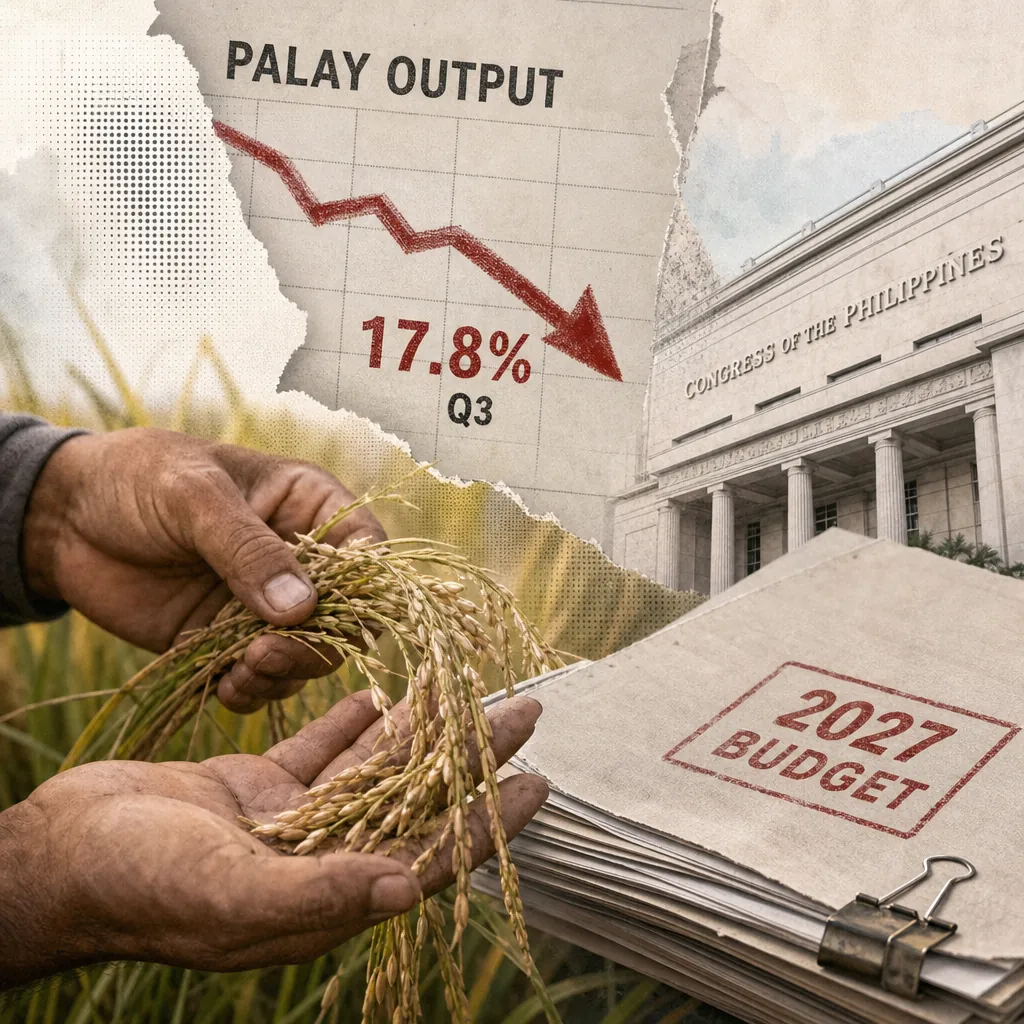
The Philippines' unmilled rice harvest fell sharply in the third quarter, and the central bank said the same day that consumer prices may have climbed past 8 percent in October. The Philippine Statistics Authority reported that palay output from July to September reached 3.082 million metric tons, down 17.77 percent from 3.748 million metric tons in the same quarter a year earlier40. Over the first nine months of 2026, production slipped 5.61 percent to 12.10 million metric tons from 12.82 million40. Agriculture Secretary Francisco Tiu Laurel Jr. told The Manila Times the decline was expected, citing high fertilizer prices, reduced planting intentions because of fuel and fertilizer costs, and the effects of the southwest monsoon, known locally as habagat40.
On the same day, the Bangko Sentral ng Pilipinas (BSP), the country's central bank, said inflation likely ranged between 7.1 percent and 8.1 percent in October, against 7.2 percent in September99. The upper end would be the fastest pace since February 2023, when inflation reached 8.6 percent99. The BSP attributed the pressure to higher domestic fuel, electricity and transport fares, partly offset by lower prices of rice, vegetables, meat and fish42. The Philippine Statistics Authority will publish the official October figure on Nov. 599.
A third thread ran through the day's business coverage: the fight over the 2027 national budget. Senate President Sherwin Gatchalian said the Senate finance committee will remove projects lacking supporting documents from the General Appropriations Bill, the budget measure the House of Representatives transmits to the Senate24. Senator JV Ejercito, who chairs that committee, set a Nov. 3 deadline for the Department of Public Works and Highways to justify 6,271 infrastructure projects newly introduced in the House version78. The Office of the Ombudsman separately ordered the preventive suspension of five DPWH engineers in Bulacan over three flood control projects worth P188.9 million917.
Key themes
- Third-quarter palay output fell 17.77 percent year on year to 3.082 million metric tons. The January-to-September total fell 5.61 percent to 12.10 million metric tons40. The drop is measured against the same months of 2025, and the agriculture secretary attributed it to fertilizer and fuel costs and monsoon damage rather than to a single event.
- The BSP put October inflation in a 7.1 to 8.1 percent range, with 8.1 percent the fastest since February 2023. The forecast compares with 7.2 percent in September, and the official number lands Nov. 599. The central bank expects energy and transport to drive the increase and food prices to soften it42.
- Senate leaders committed to stripping undocumented projects from the 2027 budget. Gatchalian said the finance committee will remove items lacking feasibility studies, programs of work and local government resolutions24, and Ejercito gave the public works department until Nov. 3 to justify 6,271 new projects78.
- The Ombudsman suspended five Bulacan DPWH engineers over P188.9 million in flood control projects. The five face grave misconduct, serious dishonesty and gross neglect of duty charges over 2024 projects in Baliuag, and were suspended without pay for up to six months91.
- More than 30 business and civil society groups asked Congress to block unjustified budget insertions, and Malacañang said it shares the goal. Palace Press Officer Claire Castro said the president supports a transparent and clean 2027 budget97.
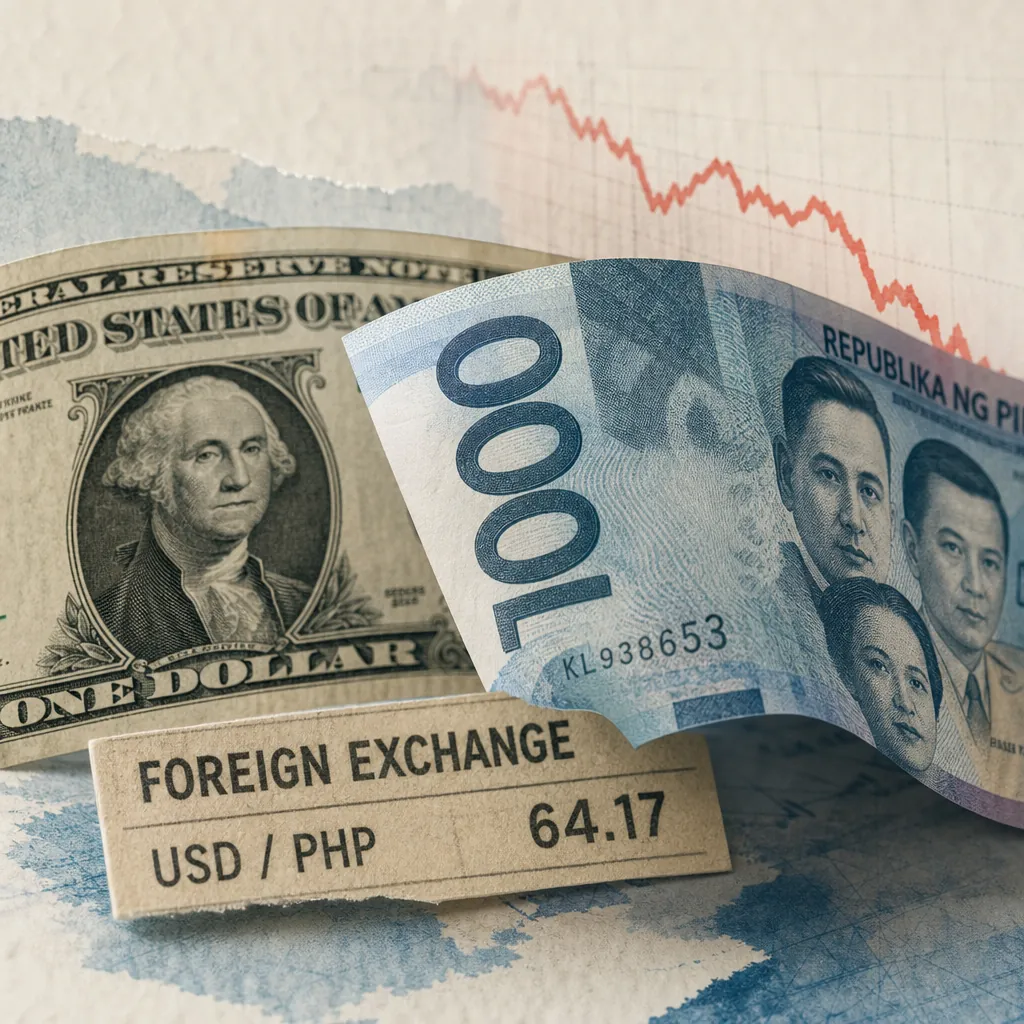
- The peso strengthened for a third straight day while the stock index slipped. The peso closed at P63.74 to the dollar from P63.85, its strongest close since Oct. 23, and the Philippine Stock Exchange index fell 0.44 percent to 5,680.3544.
- Moody's Ratings said the Philippines can absorb global shocks. The agency cited a stable banking system, ample foreign currency reserves and the central bank's room to adjust policy43.
- The House-approved budget allocates P33.9 million for walking and cycling infrastructure against a P1.13 billion request. The gap matters because transport costs rose 14.6 percent year on year, the largest increase among household spending components47.
How the narratives stack
Dominant. The rice harvest decline and the inflation forecast formed the day's central economic story across the items captured here. The palay figures came from the statistics authority and were reported by The Manila Times40; the inflation range came from the central bank and was carried by both The Manila Times and the Inquirer's business desk4299. The two stories reinforce each other: rice is the country's staple grain and a large weight in the consumer price basket, so a smaller harvest raises the question of whether the food-price relief the central bank expects will hold. The budget fight is the second strand of the dominant narrative, with the Senate, the Palace and the Ombudsman all acting on the same concern about projects that cannot be documented24789791.
Counter-narrative. Moody's assessment offers the day's main counterweight to the inflation and harvest news. The ratings agency said the country's monetary policy flexibility, resilient banking system and substantial foreign exchange reserves strengthen its ability to withstand domestic and global risks43. Central bank Governor Eli Remolona Jr. said the assessment affirms the country's resilience43. The peso's third consecutive day of gains, closing at P63.74 to the dollar, supports that view44. The peso remains weaker than its Oct. 23 close of P63.615 and well below the intraday record of P64.20 reached Oct. 27, so the recovery is partial44.
Emerging. The budget transparency campaign is moving from advocacy into procedure. Business groups have pushed for clean appropriations97, the Senate has set deadlines78, and the Ombudsman has begun suspending officials917. The active transport budget gap is a smaller but concrete signal: the House version allocates P33.9 million for sidewalks, bike lanes and bike-sharing against a Department of Transportation request of P1.13 billion47. With transport costs up 14.6 percent year on year, the case for cheaper travel options is being made in budget terms rather than in policy papers47.
Under-covered. The effect of the harvest decline on farm incomes received little attention in the items captured here. The production data measure volume, not the prices farmers receive or the incomes they earn, and no item in this set reported farmgate prices or the income effect of a smaller crop. The Eastern Samar aid distribution, in which 1,907 farmers and fishermen received P2,325 each under the Presidential Assistance for Farmers and Fisherfolk Program, shows the government already treating prolonged dry spells as a livelihood problem33, but the connection between the national harvest figures and household incomes was not drawn in the coverage reviewed.
Platform insights
The items captured for this window are online news articles from Philippine and international outlets, with no social media monitoring writeup supplied. No platform-level engagement data is available for this snapshot.
Key voices and communities
The central bank and the statistics authority. The BSP set the inflation expectation and the PSA produced the harvest numbers. Their statements carry the weight of official data, and both will be tested when the October inflation figure is released Nov. 599.
The Senate finance committee. Gatchalian and Ejercito are the day's most active legislators on the budget, setting documentation requirements and deadlines that determine which projects survive2478. Their decisions affect every district that submitted a project.
The Office of the Ombudsman. The anti-corruption body suspended five DPWH engineers and two Quezon City barangay officials in separate cases91722. Its actions give the budget debate an enforcement dimension.
Business and civil society groups. More than 30 organizations called for a budget free of unjustified insertions and for measures to prevent a repeat of ghost and substandard flood control projects97. Their pressure gives the Senate reforms outside support.
The Department of Agriculture. Secretary Tiu Laurel's explanation of the harvest decline, pointing to fertilizer and fuel costs and monsoon effects, frames the government's position on food supply40.
Narrative streams
Palay output falls 17.77 percent in the third quarter
The statistics authority's data show third-quarter palay production at 3.082 million metric tons, down from 3.748 million a year earlier40. Irrigated palay, which accounts for most of the crop, fell 15.82 percent to 2.348 million metric tons in the quarter40. The nine-month total of 12.10 million metric tons is 5.61 percent below the same period in 202540. Tiu Laurel said the decline was expected and listed high fertilizer prices, reduced planting intentions because of fuel and fertilizer costs, and habagat effects40. The read for the sector: rice millers, traders and importers should plan for a smaller domestic crop, and the government's food supply strategy will depend more on imports and on the price of rice in the market. The central bank's expectation that lower rice, vegetable, meat and fish prices will partly offset fuel and transport costs depends on that supply holding42. If the harvest shortfall tightens domestic rice supply, the food-price cushion the BSP is counting on becomes less reliable.
October inflation may reach 8.1 percent
The BSP's forecast range of 7.1 to 8.1 percent compares with 7.2 percent in September99. The upper end would be the fastest pace since February 2023, when inflation reached 8.6 percent99. The central bank cited higher domestic fuel, electricity and transport fares as the upward pressures42. Philippine National Bank economist Alvin Arogo forecast 7.4 percent42. The read for the sector: households and businesses that borrow will watch the Nov. 5 release for whether the central bank raises its policy rate again. Higher rates raise the cost of credit for farmers, traders and food processors, and they affect the peso, which strengthened to P63.74 to the dollar on Friday44. The peso's gain partly reflects President Ferdinand Marcos Jr.'s reassurances, according to Rizal Commercial Banking Corp. chief economist Michael Ricafort44.
The Senate moves to strip undocumented projects from the 2027 budget
Gatchalian said the finance committee will remove from the General Appropriations Bill all projects lacking feasibility studies, programs of work, local government resolutions and other required documents, and will upload relevant information to a Senate Transparency Portal24. Ejercito met with new Public Works Secretary Giovanni Lopez and his predecessor, now Transportation Secretary Vince Dizon, and set Nov. 3 as the deadline for documentation on 6,271 projects newly introduced in the House version78. The General Appropriations Bill is the annual budget law; the House passes its version first, and the Senate amends it before the two chambers reconcile their versions. The read for the sector: construction firms and local governments that expect funding for new projects face a documentation test, and projects that cannot produce feasibility studies and local resolutions by early November are at risk of removal. The Palace said the president supports the call for a clean budget after more than 30 business and civil society groups urged Congress to block insertions without technical justification97.
The Ombudsman suspends five DPWH engineers over Bulacan flood control projects
The five engineers from the DPWH Bulacan First District were suspended without pay for up to six months pending resolution of administrative cases7. They face grave misconduct, serious dishonesty and gross neglect of duty over three flood control projects undertaken in 2024 in Baliuag, involving reinforced concrete slope revetments in Barangays Piel, San Roque and Sulivan91. The Ombudsman said the engineers allegedly falsified documents covering implementation, inspection, acceptance, billing and payment to make it appear that contractual and legal requirements had been met91. In a separate case, the Ombudsman suspended a barangay captain and treasurer in Quezon City over transactions involving millions in public funds that lacked supporting documents, following a Commission on Audit report22. The read for the sector: contractors on public works projects face closer scrutiny of billing and inspection records, and the suspensions signal that the anti-corruption body is acting on audit findings rather than waiting for court cases.
The peso gains for a third day as stocks slip
The peso appreciated 11 centavos to P63.74 against the dollar from P63.85, its strongest close since Oct. 2344. The Philippine Stock Exchange index fell 25.23 points, or 0.44 percent, to 5,680.35 as investors took profits ahead of the long weekend44. The peso remains weaker than its Oct. 23 close of P63.615 and its intraday record of P64.20 on Oct. 2744. The read for the sector: importers of fertilizer, fuel and rice pay less in pesos when the currency strengthens, which eases the cost pressures behind the harvest decline and the inflation forecast. A sustained recovery would help, but three days of gains do not reverse the month's depreciation.
Moody's says the Philippines can absorb global shocks
Moody's Ratings said the country's monetary policy flexibility, resilient banking system and substantial foreign exchange reserves strengthen its ability to withstand domestic and global risks43. The agency cited the central bank's ability to ease when inflation is low and tighten when energy prices rise43. Remolona said the assessment affirms the country's resilience43. The read for the sector: borrowers and investors get a signal that the country can absorb the inflation spike without a financial crisis, which supports the case for the central bank to keep raising rates if needed without destabilizing the banking system.
The budget for walking and cycling falls far short of the request
The House-approved 2027 budget allocates P33.9 million for active transport infrastructure, the safe pathways for walking and cycling plus bike-sharing schemes, against a Department of Transportation request of P1.13 billion47. The opinion piece in The Manila Times noted that transportation expenditure rose 14.6 percent year on year, the largest increase among household spending components, with headline inflation at 7.2 percent in September47. The read for the sector: commuters who cannot afford rising transport fares have less access to cheaper alternatives if the budget stays at P33.9 million, and the gap between the request and the allocation shows how little priority the House gave the program.
Conversation trajectory
Nov. 3: Deadline for DPWH documentation on 6,271 projects. Ejercito set the date for the department to submit complete requirements and justifications78. Projects that miss it face removal from the Senate version of the budget. Watch for the department's response and for whether the Senate publishes the list.
Nov. 5: October inflation release. The statistics authority will publish the official figure, testing the central bank's 7.1 to 8.1 percent forecast99. A print above 8 percent would be the fastest since February 2023 and would raise expectations of another policy rate increase.
Early November: Ombudsman cases proceed. The five Bulacan engineers face administrative cases within their six-month suspension91, and the Quezon City barangay officials face similar proceedings22. Watch for whether charges are filed and whether other districts are drawn in.
Through the fourth quarter: harvest and import decisions. The third-quarter decline will show up in fourth-quarter supply, and the Department of Agriculture's import decisions will determine whether rice prices stay low enough to offset fuel and transport costs4042. Watch for the next PSA production report and for import approvals.
Trigger events. A higher-than-forecast October inflation print, a rice price increase in the weekly monitoring, or a Senate decision to cut a large batch of projects would each move the story. A peso reversal below P64 to the dollar would also change the cost outlook for importers.
Response guidance
Food and agriculture businesses: prepare for a smaller domestic crop. Rice traders, millers and food processors should plan procurement around the 17.77 percent third-quarter decline and the 5.61 percent nine-month drop40, and should watch import approvals and rice prices in the weekly monitoring rather than assume the central bank's food-price relief will hold.
Lenders and borrowers: treat the Nov. 5 inflation release as the next decision point. A print near 8 percent would raise the chance of another policy rate increase, which affects the cost of credit for farmers, traders and construction firms. Businesses with variable-rate loans should model the higher end of the central bank's range99.
Construction and local government units: assemble documentation now. The Nov. 3 deadline for 6,271 projects78 and the Senate's commitment to remove undocumented items24 mean feasibility studies, programs of work and local resolutions should be ready before the Senate finance committee takes up the budget.
Public works contractors: expect scrutiny of billing and inspection records. The Ombudsman's suspension of five engineers over falsified implementation, inspection, acceptance, billing and payment documents91 signals that records will be checked against physical progress. Contractors should keep complete documentation for every project milestone.
Business groups and civil society: keep the budget transparency campaign visible. The Palace has said it shares the goal of a clean budget97, and the Senate has committed to publishing information on a transparency portal24. Public statements that name specific projects and documentation gaps give the Senate reforms outside support.
Communicators covering the economy: connect the harvest and inflation stories. The two data points are usually reported separately, but the central bank's food-price relief depends on the rice supply4240. Explaining that link helps readers understand why a farm production figure matters to household budgets.
Transport and commuting advocates: make the budget case in cost terms. The gap between the P33.9 million allocation and the P1.13 billion request47 is best argued alongside the 14.6 percent rise in transport costs47, which gives the spending case a direct household impact.
See the full picture behind today's signals.
This report draws from Media Meter's MediaWatch, our real-time monitoring engine tracking 2,470+ Philippine sources across print, broadcast, digital, and social. Explore how the platform turns raw coverage into decision-grade intelligence, then see how it's configured for teams like yours — whether you're in PR agencies, corporate comms, government, or marketing.
Want more? Browse our Report Library for sector and crisis intelligence, or request a demo and we'll have your brand set up before the call.
Want this kind of intelligence on your brand?
This brief is built on the same MediaWatch methodology that runs continuously across every brand we monitor. See your competitive landscape, Impact Score, and narrative trajectory in a 30-minute demo.