Digital payment fees collapse as BSP rules take effect, GCash IPO looms
A cascade of bank and e-wallet fee cuts following new BSP pricing rules dominated the conversation, alongside the PSE's P204-billion capital-raising target powered by the GCash IPO. Inflation expectations and the impeachment trial of Vice President Sara Duterte also drew significant coverage.
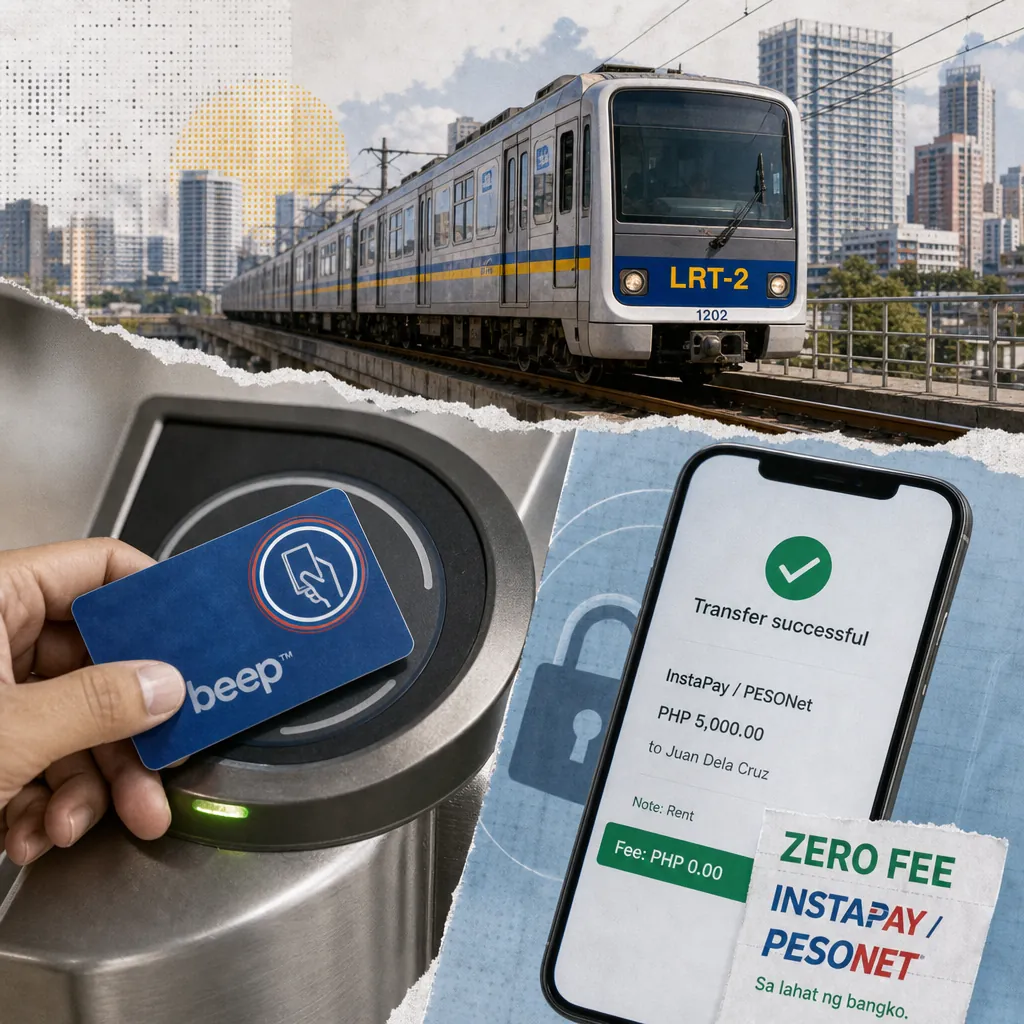
The conversation around digital payments in the Philippines accelerated sharply over the July 4–5 weekend, driven by a cascade of fee-reduction announcements from major banks and e-wallets following the Bangko Sentral ng Pilipinas' new pricing rules. The narrative began on July 4 when BPI implemented permanent free interbank transfers via InstaPay and PESONet, a move first flagged by user ian.borinaga who noted it was effective that same day. This triggered immediate discussion on social media, with multiple outlets and influencers picking up the story. On July 5, news platform newspressph reported that BPI had "permanently removed InstaPay and PESONet transfer charges," and that RCBC, GCash, and Maya were following suit with lower fees. The conversation then evolved into a competitive comparison, with Reddit user downtown_owl_2420 posting a pointed remark on July 4 that read "Nahiya pa gawing libre like BPI" in reference to Maya's PHP10 fee, sparking a thread that garnered 67 upvotes and 8 comments comparing the approaches. By July 5, the discussion had shifted to broader implications, including how BSP's pricing rules were pushing more banks to align fees with actual processing costs.
Running parallel to the fee discussion, a separate thread chronicled the rise of QR Ph as the dominant cashless method. On July 4, radarphmedia reported that QR Ph accounted for 55% of PayMongo's 10 million transactions in H1 2026, leaving e-wallets (21%) and cards (19%) behind. Simultaneously, Google Pay's arrival in the Philippines generated significant content, with influencer @jaxreyes_ publishing a comprehensive YouTube tutorial on November 30, 2025 that garnered 72,930 views and 1,451 likes, explaining the mechanics of tokenization and bank compatibility. RCBC heavily promoted its Google Pay integration throughout 2025-2026, with official and influencer channels. By July 5, excitement around Apple Pay's impending launch reached a peak when multiple Reddit users including yuman0id and subliminalapple reported that BPI, EastWest, and UnionBank were now showing Apple Wallet support, fueling speculation of a July 20 launch date.
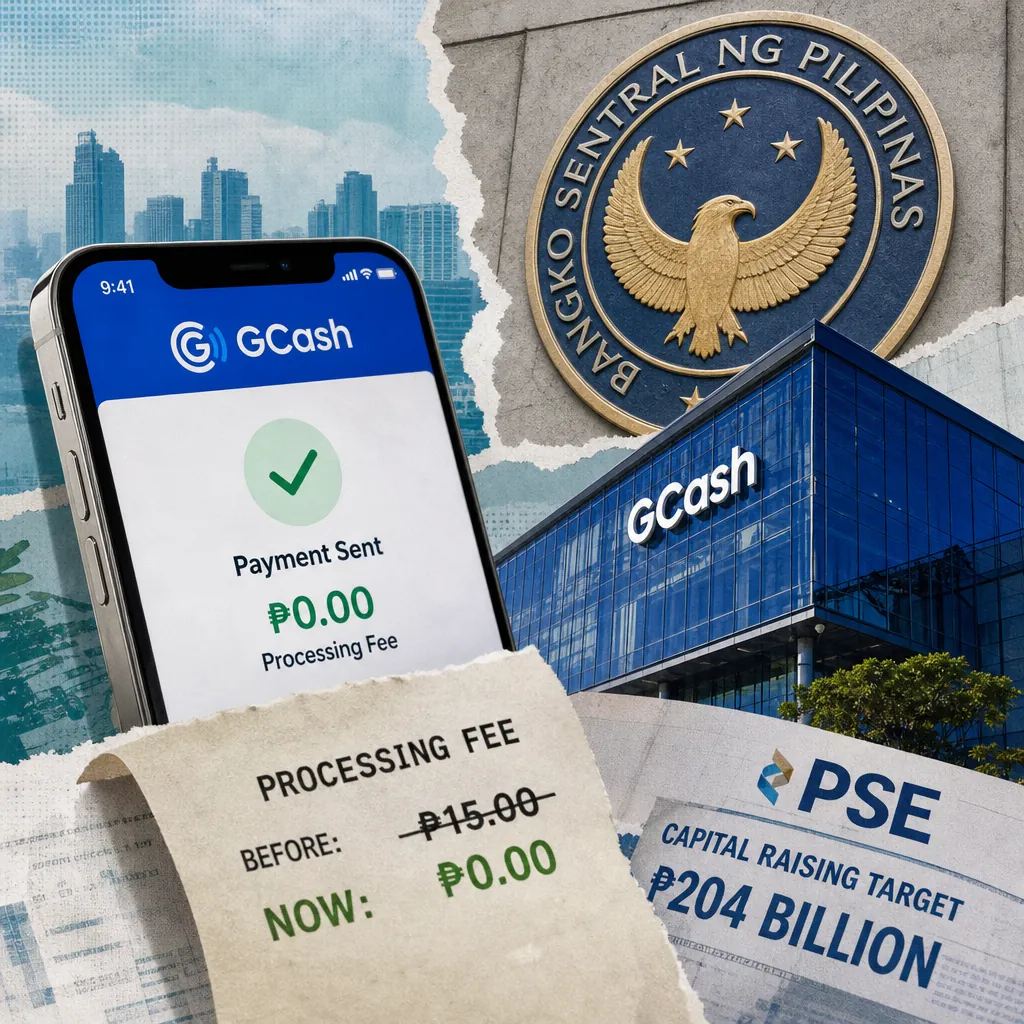
The Philippine Stock Exchange also made headlines over the weekend. PSE president and CEO Ramon Monzon announced that the exchange had exceeded its original capital-raising target of P170 billion for 2026, with the pipeline now reaching P204 billion based on applications received. The marquee transaction is the planned initial public offering of Mynt Inc., the parent company of GCash, which could raise up to P92.3 billion — the largest IPO in Philippine history. The PSE had raised about P39.4 billion in the first half alone from two private placements and several preferred share offerings. Analysts said the market appeared capable of absorbing the Mynt and VITRO offerings, though appropriately timing the transactions could help ease temporary funding pressures.
Meanwhile, inflation expectations remained a key theme. Multiple polls of economists published on July 5 projected that June inflation likely eased for a second straight month, with median estimates ranging from 6.5% to 6.7%, down from 6.8% in May. The Philippine Statistics Authority is set to release the official June inflation data on July 7. Despite the anticipated cooling, inflation would remain far above the BSP's 2% to 4% target, reinforcing expectations that policymakers will keep a tight grip on monetary policy. BSP Governor Eli Remolona Jr. signaled that the central bank is bracing for new shocks, including the impact of the recently approved P85 daily minimum wage hike in Metro Manila and the potential for a "Super El Niño" event later this year. Remolona downplayed the chances of a jumbo rate hike, calling the wage increase "unusual" but not warranting an outsized monetary response.
The BSP also launched a new book titled "Risk and Resilience in the Philippine Financial System" on July 5, with former central bank governors in attendance. The book argues that the Philippines has become more resilient to shocks over the past four decades but warns that fiscal space built before the pandemic has been eroded and needs to be rebuilt.
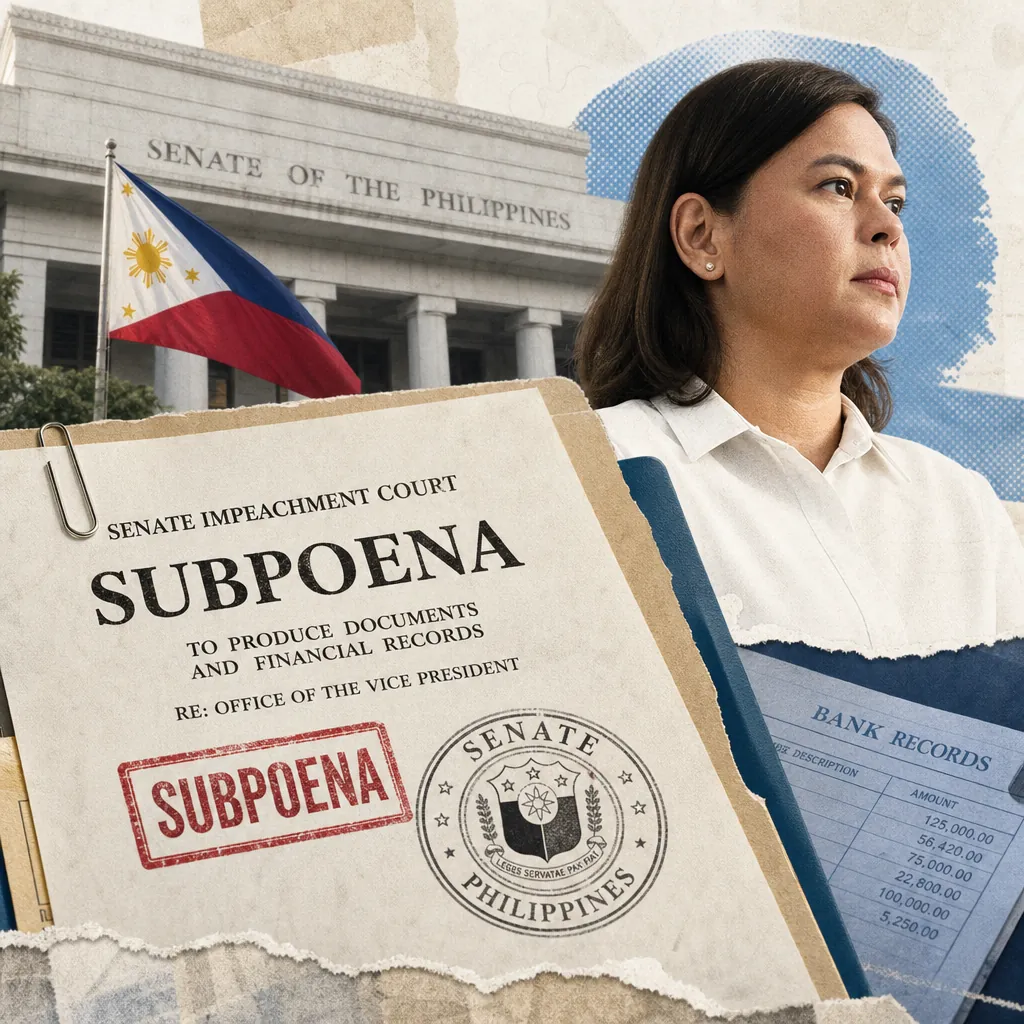
On the political front, Vice President Sara Duterte's impeachment trial was set to begin on July 6, with the Senate convening as an impeachment court. The trial could determine not only her fate in office but also whether she remains a viable contender for the presidency in 2028. President Ferdinand Marcos Jr. publicly called out his predecessor, former President Rodrigo Duterte, for failing to act on anomalous flood control projects during his term, leaving the current administration to clean up the massive corruption scandal. Former Finance Secretary Benjamin Diokno said Marcos cannot distance himself from the controversy because he had the constitutional authority to strike out questionable flood control appropriations but chose not to.
Key themes
- InstaPay fee reduction race and consumer response – The fee reduction theme emerged on July 4 with BPI's free transfer announcement and quickly gained traction as Maya announced its PHP10 InstaPay fee (effective July 6) on the same day, covered by both bilyonaryo_ph and gmanews on Twitter. By July 5, the conversation had expanded to include GCash's similar PHP10 fee reduction (effective July 4), reported by user 61578967771760 on Facebook, and LandBank's participation. Reddit became the platform for comparative sentiment, with u/artemisshiro experiencing a technical glitch trying to use Banko by BPI's free transfer feature on July 4, capturing the friction between policy and execution. The narrative evolved from celebration of savings to scrutiny over which institutions were truly offering zero fees versus merely reducing them.
- Digital wallet and contactless payment adoption (QR Ph, Google Pay, Apple Pay) – QR Ph now accounts for 55% of PayMongo's 10 million transactions in H1 2026, leaving e-wallets (21%) and cards (19%) behind. Google Pay's arrival in the Philippines generated significant content, with influencer @jaxreyes_ publishing a comprehensive YouTube tutorial that garnered 72,930 views and 1,451 likes. RCBC heavily promoted its Google Pay integration throughout 2025-2026. By July 5, excitement around Apple Pay's impending launch reached a peak when multiple Reddit users reported that BPI, EastWest, and UnionBank were now showing Apple Wallet support, fueling speculation of a July 20 launch date.
- PSE capital-raising target exceeded, driven by GCash IPO – The Philippine Stock Exchange projects it will raise more than P204 billion in funds this year, marking a 41% increase from 2025, with the planned IPO of GCash parent firm Mynt Inc. as the biggest contributor. Mynt's offering is estimated at P92.3 billion, followed by PLDT Inc.'s Vitro REIT at roughly P24.2 billion. The PSE had raised about P39.4 billion in the first half alone from two private placements and several preferred share offerings. Underwriters are pressing regulators to cut broker shares in the Mynt listing, with discussions underway to reduce or eliminate a mandatory 20% share allocation for local trading participants.
- Inflation likely eased in June but remains above target – Multiple polls of economists published on July 5 projected that June inflation likely eased for a second straight month, with median estimates ranging from 6.5% to 6.7%, down from 6.8% in May. If confirmed, inflation would remain far above the BSP's 2% to 4% target, underscoring the challenge facing policymakers as they weigh persistent price pressures against slowing economic growth. Economists warned that the downward trajectory faces significant domestic headwinds, including the looming minimum wage hikes and severe weather threats.
- BSP braces for new shocks: wage hike and El Niño – BSP Governor Eli Remolona Jr. signaled that the central bank is redirecting its focus to the impending El Niño shock and the impact of the record-high pay hike in Metro Manila. Remolona called the P85 daily minimum wage increase "unusual" but downplayed the chances of a jumbo rate hike, saying the BSP was still assessing the potential impact on inflation. The BSP also launched a new book titled "Risk and Resilience in the Philippine Financial System" on July 5, which argues that the Philippines has become more resilient to shocks over the past four decades but warns that fiscal space built before the pandemic has been eroded.
- Impeachment trial of Vice President Sara Duterte begins – The Senate convened as an impeachment court on July 6 to begin the trial of Vice President Sara Duterte over allegations of corruption, bribery, constitutional violations, betrayal of public trust and other high crimes. Conviction requires the votes of at least two-thirds of senators and could result in removal from office and possible perpetual disqualification from holding public office. President Ferdinand Marcos Jr. publicly called out his predecessor, former President Rodrigo Duterte, for failing to act on anomalous flood control projects during his term. Former Finance Secretary Benjamin Diokno said Marcos cannot distance himself from the controversy because he had the constitutional authority to strike out questionable flood control appropriations but chose not to.
- Philippines' upper-middle-income status questioned – The World Bank recently classified the Philippines among upper-middle-income economies, with President Ferdinand Marcos Jr. stating that "this milestone affirms that the economic policies that we have pursued over the past four years have been effective". However, Oxfam Pilipinas cautioned that the upgrade "means little if millions of Filipinos remain poor, vulnerable to climate disasters and other crises, and historically excluded from public services and opportunities". The Manila Times published a column arguing that the upgrade follows several years of average GDP growth of nearly 6% (not the current government's pace of less than 3%) and that foreign direct investment net inflows are plummeting.
- BSP holding up digital bank approvals on rules mismatch – The BSP is delaying the selection of four new digital banking players as it seeks to reconcile conflicting regulatory tracks for different types of applicants. BSP Governor Eli Remolona Jr. said the central bank has yet to decide which applicants will receive the coveted licenses, with applicants coming from varied operational backgrounds forcing regulators to align separate vetting processes before issuing final approvals.
How the narratives stack
Dominant – Within the captured set, the dominant narrative is the industry-wide reduction of InstaPay transfer fees, driven by BSP pricing rules. BPI has permanently eliminated InstaPay and PESONet charges, positioning itself as a first-mover in zero-fee interbank transfers. This move has been echoed by GCash and Maya, both lowering fees to P10 per transaction, and RCBC offering free transfers for eligible digital customers. The BSP expects more banks to follow, with Governor Remolona likening the payment system's value to network externalities — the more participants, the greater the value. This narrative dominated social media engagement, with Reddit users comparing fee structures and celebrating consumer wins.
Counter-narrative – A counter-narrative questions whether the fee reductions are truly benefiting consumers or merely shifting costs. Some Reddit users noted that while BPI offers free transfers, other banks like Maya still charge P10, and the friction between policy and execution was captured by u/artemisshiro's difficulty using Banko by BPI's free transfer feature. Additionally, the BSP's delay in approving new digital bank licenses suggests that regulatory hurdles remain, potentially limiting competition and consumer choice.
Emerging – The impending Apple Pay launch in the Philippines is an emerging narrative that could reshape the digital wallet landscape. Multiple banks including BPI, EastWest, and UnionBank are now showing Apple Wallet support, fueling speculation of a July 20 launch date. YouTube tutorials on adding BPI cards to Apple Wallet have accumulated over 70,000 views, indicating strong consumer interest. This development, combined with Google Pay's arrival and QR Ph's dominance, signals a shift toward NFC-based payments that could challenge existing e-wallet players.
Suppressed – The under-covered story within the captured set is the potential impact of the "Super El Niño" event on the Philippine economy. While the BSP has flagged this as a key risk, and MUFG warned that a severe El Niño could keep the peso at P60:$1 and offset the benefits of lower global oil prices, the broader conversation has focused more on fee reductions and the GCash IPO. The potential disruption to agricultural output and food prices from a severe weather event could have far-reaching consequences for inflation and economic growth, yet it received relatively less attention in the monitored sample.
Platform insights
- Facebook – The fee reduction narrative dominated with official announcements from banks and news pages like newspressph and technobaboy, alongside user-generated posts. Viral humor emerged from the "parking space" complaint at BPI Bauan, Batangas, which garnered 121 "haha" reactions and 21 comments, showing a lighter side of consumer frustration. Lifestyle and financial literacy pages shared bite-sized tips on how to maximize free transfers, subtly associating BPI with cost-saving innovation.
- Reddit – Became the primary platform for comparative analysis and troubleshooting, such as u/artemisshiro's difficulty with Banko by BPI's free transfers and u/cleancar23's positive experience with PNB card delivery in six days. The forum also hosted deeper discussions on Apple Pay rollout and career insights at the big three banks (BDO, Metrobank, BPI). A Reddit post comparing BPI's free InstaPay to Maya's P10 fee received 67 upvotes and 8 comments with the user comment "Nahiya pa gawing libre like BPI". Another post announcing BPI and EastWest Apple Wallet support earned 24 upvotes.
- YouTube – Educational content dominated, particularly tutorials on using Google Pay, Apple Wallet, and how to avoid InstaPay fees. Creator @kmwlzstudios posted a short guide on June 7, 2026 highlighting digital banks with free transfers, accumulating 138 views. Influencer @jaxreyes_ led the Google Pay conversation with high engagement, with a tutorial on Google Pay set-up garnering over 72,000 views and 1,451 likes. A detailed guide titled "How to Pay BPI Rewards Credit Card Using BPI Mobile App (Full Tutorial 2025)" received 46,876 views.
- X (formerly Twitter) – News outlets and aggregators including gmanews, bilyonaryo_ph, and radarphmedia used the platform to break news on fee reductions and digital payment milestones. For example, gmanews tweeted that Maya's InstaPay fee cut to P10 would take effect July 6, while radarphmedia reported that QR Ph now accounts for 55% of PayMongo's transactions. The platform served as a real-time news feed for industry developments.
Key voices and communities
- Digital financial literacy creators and fintech influencers – This group produces high-engagement tutorial content on YouTube and Facebook, focusing on how to navigate banking apps, avoid fees, and use new payment features like Google Pay and Apple Wallet. A tutorial on Google Pay set-up by a creator garnered over 72,000 views and 1,451 likes, while a shorter "STOP PAYING TRANSFER FEES!" clip accumulated 138 views and a BPI-to-Maya walkthrough reached 32 views. Their influence lies in breaking down complex financial steps into accessible, action-oriented content. Primary narrative: Empowering users to save money by using free transfer routes, leveraging digital bank features, and staying informed about fee changes. Their messaging is consistently pro-consumer and solution-focused.
- Consumer advocates and discussion communities (Reddit and Facebook groups) – Active Reddit communities—such as r/PHCreditCards and r/phcareers—and Facebook groups like "Credit Card Holders PH" drive organic conversations about fee changes, service issues, and new features. A Reddit post comparing BPI's free InstaPay to Maya's P10 fee received 67 upvotes and 8 comments with the user comment "Nahiya pa gawing libre like BPI". Another post announcing BPI and EastWest Apple Wallet support earned 24 upvotes. A humorous Facebook complaint about parking at a BPI branch got 10 likes and 121 "haha" reactions. Primary narrative: Celebrating consumer wins (free transfers, new tech) while calling out friction points (app glitches, parking issues, slow customer service). They act as a real-time sentiment barometer.
- News outlets and aggregators – Established media accounts and news aggregators—including gmanews, bilyonaryo_ph, radarphmedia, technobaboy, and newspressph —cover BSP regulatory shifts, bank fee reductions, and digital payment milestones. For example, gmanews tweeted that Maya's InstaPay fee cut to P10 would take effect July 6, while radarphmedia reported that QR Ph now accounts for 55% of PayMongo's transactions. These outlets command broad reach across Facebook, Twitter, and their own websites. Primary narrative: Industry-wide movement toward lower digital transfer costs and faster adoption of unified payment schemes. Their coverage contextualises individual bank moves (like BPI's zero fees) as part of a BSP-driven trend.
- Bank employee and career communities (Reddit) – Reddit threads in r/phcareers and similar subreddits gather candid discussions about working conditions, pay, and culture at BDO, BPI, and Metrobank. A post titled "Current and former employees from the big 3 banks (BDO, Metrobank, BPI), how is/was it?" received 37 upvotes and 89 comments. Another thread "bank salary" asking which bank offers the best entry-level packages gathered 51 upvotes and 197 comments. Users often share detailed experiences about management styles and career growth. Primary narrative: Mixed sentiment—some praise the learning opportunities and stability, while others warn about bureaucracy and heavy workloads. A common refrain is that internships are pleasant but full-time roles may be more demanding.
- Promotional and affiliate marketing accounts – A network of affiliate marketers and comparison sites—such as Moneymax, CreditCardHoldersPH, and CCHPH—flood Facebook groups with credit card application links and promo offers. A post promoting the BPI Blue Rewards card with a free JBL speaker and "No Annual Fee For Life" appeared in multiple groups. Another post compiled RCBC card application links for various tiers. These accounts generate high volume but low engagement per post (often zero likes/shares) and are perceived as spam by some users. Primary narrative: Encouraging sign-ups through limited-time perks and bonuses. Their messaging is transactional and heavily branded.
Narrative streams
BPI's zero-fee move sets new industry benchmark
BPI's decision to permanently eliminate InstaPay and PESONet transfer fees effective July 1 has positioned the bank as a first-mover in zero-fee interbank transfers, drawing widespread consumer praise and competitive pressure on other institutions. The move was first flagged by user ian.borinaga on social media, who noted that BPI "already imposed... Free Interbank Transfer Fees permanently" on July 4. This triggered immediate discussion, with multiple outlets and influencers picking up the story. By July 5, news platform newspressph reported that BPI had "permanently removed InstaPay and PESONet transfer charges," and that RCBC, GCash, and Maya were following suit with lower fees.
The competitive dynamic was captured in a Reddit post by user downtown_owl_2420, who wrote "Nahiya pa gawing libre like BPI" in reference to Maya's P10 fee, a comment that garnered 67 upvotes and 8 comments. This sentiment reflects consumer expectations that zero fees should become the norm, not the exception. The BSP has explicitly endorsed this direction, with Governor Remolona stating that the central bank expects more banks to follow and likening the payment system's value to network externalities — the more participants, the greater the value.
However, operational friction persists. A Reddit user ok_historian5783 reported being unable to create an online account despite holding a BPI Gold Rewards card, receiving no response from the bank after four days. Additionally, a Facebook post from the account parkeserye satirizes a BPI branch in Bauan, Batangas for poor parking space utilization, generating 121 "haha" reactions and 21 comments — a minor but visible source of localized customer frustration. The overall sentiment remains positive, with the fee leadership overshadowing isolated service complaints.
For BPI's communications team, the zero-fee initiative is a flagship story that should be amplified through customer testimonials and digital literacy content. The simultaneous rollout of Apple Wallet support (now visible in BPI and EastWest apps) creates a timely opportunity to cross-promote both the transfer savings and contactless payment convenience. Conversely, the account creation issue highlighted on Reddit, if unresolved, could erode trust among new credit card holders who require seamless digital onboarding.
GCash IPO powers PSE past annual target
The Philippine Stock Exchange projects it will raise more than P204 billion in funds this year, marking a 41% increase from 2025, with the planned IPO of GCash parent firm Mynt Inc. as the biggest contributor. Mynt's offering is estimated at P92.3 billion, followed by PLDT Inc.'s Vitro REIT at roughly P24.2 billion. The PSE had raised about P39.4 billion in the first half alone from two private placements and several preferred share offerings.
PSE president and CEO Ramon Monzon said the revised forecast is backed by applications received to date for IPOs, preferred share offerings, and private placements. "Our projected capital raising for 2026, as of this date, based on the applications that we have received, is about P204 billion. So, we exceeded our optimistic target of P170 billion that we gave at the beginning of the year. And that's a very good sign for the exchange," Monzon said.
The success of GCash's stock market listing could hinge on two things: whether investors would bet on its P10-per-share offer, and how firm its fundamentals are in challenging conditions, analysts said. At an offer price of P10 a piece with 66.9 billion shares, Mynt's valuation would be about P670 billion — roughly $11 billion — above the initially reported equity of $8 billion. Unicapital Securities Inc. equity research analyst Peter Garnace said at this rate, Mynt would be valued with a price-to-earnings (P/E) ratio of 30 times, which he described as "quite high".
Underwriters managing the planned IPO are in discussions with regulators to reduce or eliminate a mandatory 20% share allocation for local trading participants, citing intense demand from global institutional investors. The Securities and Exchange Commission and the PSE are reviewing the request, which would alter long-standing listing requirements designed to protect domestic brokerages.
Inflation eases but risks remain
Multiple polls of economists published on July 5 projected that June inflation likely eased for a second straight month, with median estimates ranging from 6.5% to 6.7%, down from 6.8% in May. If confirmed, inflation would remain far above the BSP's 2% to 4% target, underscoring the challenge facing policymakers as they weigh persistent price pressures against slowing economic growth.
The easing was attributed to lower global oil prices and easing food prices, particularly rice. Domini Velasquez, chief economist at China Banking Corp., said easing tensions in the Middle East pushed fuel prices lower in June, while declines in several food items helped offset higher electricity costs. However, economists warned that the downward trajectory faces significant domestic headwinds, including the looming minimum wage hikes and severe weather threats.
BPI Lead Economist Emilio S. Neri Jr. said headline inflation likely eased further to 6.5% year-on-year in June with month-on-month print estimated at -0.1% as the bulk of the April-May fuel rollback continues to work through the transport component. However, he noted that "the pace of disinflation is decelerating sharply: May's outsized -19.6% MoM pump price decline narrows to an estimated -5.9% in June, as most of the rollback room may have already been realized".
The BSP is bracing for new shocks, including the impact of the recently approved P85 daily minimum wage hike in Metro Manila and the potential for a "Super El Niño" event later this year. BSP Governor Eli Remolona Jr. called the wage increase "unusual" but downplayed the chances of a jumbo rate hike, saying the BSP was still assessing the potential impact on inflation.
BSP launches book on financial system resilience
The Bangko Sentral ng Pilipinas formally launched a new book titled "Risk and Resilience in the Philippine Financial System" on July 5, with former central bank governors Jose Cuisia Jr., Amando Tetangco Jr., and Felipe Medalla in attendance, while Mrs. Tess Espenilla represented her late husband, former BSP governor Nestor Espenilla. Members of the Monetary Board present during the book launch were led by Romeo Bernardo, Walter Wassmer, and Jose Querubin.
The book argues that the Philippines has become more resilient to shocks over the past four decades, supported by stronger banks, higher foreign exchange buffers and better debt management. However, it warns that part of the fiscal space built before the pandemic has already been eroded and needs to be rebuilt. The book emphasizes the importance of building robust institutional frameworks beforehand to limit fiscal costs and make future crises more manageable.
In a column published in BusinessWorld, BSP-backed researchers noted that countries like the Philippines cannot assume that vast fiscal resources will be available when a crisis hits, and therefore must learn from crisis episodes and ensure that institutions do the hard work beforehand. The book launch coincided with the BSP's broader messaging on financial system stability, as the central bank navigates new challenges including the wage hike, El Niño risks, and the ongoing digital payment transformation.
Impeachment trial of Vice President Sara Duterte begins
The Senate convened as an impeachment court on July 6 to begin the trial of Vice President Sara Duterte over allegations of corruption, bribery, constitutional violations, betrayal of public trust and other high crimes. The proceedings are expected to be a months-long trial that could determine not only her fate in office but also whether she remains a viable contender for the presidency in 2028.
Conviction requires the votes of at least two-thirds of senators. If found guilty, Duterte would immediately lose the vice presidency, while senator-judges may also impose a lifetime ban from public office, effectively ending her widely anticipated presidential ambitions. Senate President Sherwin Gatchalian said the Senate is ready if Duterte attends the trial, though under the rules she can send a lawyer or representative.
President Ferdinand Marcos Jr. publicly called out his predecessor, former President Rodrigo Duterte, for failing to act on anomalous flood control projects during his term, leaving the current administration to clean up the massive corruption scandal. Marcos countered critics who accused him of snail-paced investigation and selective justice, saying that had he not exposed the issue in his fourth State of the Nation Address in July last year, the multibillion-peso scheme would not have been addressed.
Former Finance Secretary Benjamin Diokno said Marcos cannot distance himself from the controversy because he had the constitutional authority to strike out questionable flood control appropriations but chose not to. "That thing could not have happened without his participation," Diokno said. "On the budget, the President has what is called line-item veto power. That power is awesome. He allowed that. He didn't exercise his line-item veto power. So he's partly to blame for that mess".
Conversation trajectory
Based on engagement patterns and content evolution, the Philippine digital finance conversation shows clear signals of developing in ways that impact the sector:
- InstaPay fee normalization and zero-fee expectations becoming mainstream: The BSP's push for pricing alignment with actual costs has triggered a cascade of fee reductions — BPI permanently eliminated interbank transfer fees effective July 4. GCash lowered its InstaPay fee to P10 on July 4, while Maya followed with a P10 fee starting July 6, down from P15. This momentum will likely accelerate pressure on remaining fee-charging banks (BDO, Metrobank, Security Bank) to announce similar reductions within the next 4–6 weeks, as consumer discourse increasingly frames transfer fees as an anachronism. Early signals include Reddit users comparing fee structures, with one commenter noting that Maya's reduction fell short of BPI's full waiver.
- NFC mobile payment adoption entering a decisive inflection point: Google Pay launched in the Philippines with RCBC and BPI support, while Apple Wallet has begun displaying BPI, EastWest, and UnionBank card compatibility — strongly suggesting an imminent Apple Pay rollout. YouTube tutorials on adding BPI cards to Apple Wallet have accumulated over 70,000 views, while RCBC's Google Pay content is generating consistent engagement. The conversation is shifting from "when will it arrive?" to "how do I set it up?", indicating a wave of first-time adopters expected within 30–60 days. This creates a demand for clear setup guides and security reassurance content.
- QR Ph dominance reshaping the cashless narrative and creating merchant opportunity: Fresh mid-year data from PayMongo shows QR Ph accounted for 55% of 10 million transactions, far ahead of e-wallets (21%) and cards (19%). This shifts the public conversation from "which e-wallet is best" to "where can I use QR Ph?" and "how does it compare to NFC?" Consumer curiosity about unified payments will increase, especially as LRT-2 turnstiles upgraded by RCBC now support Google Pay taps, with public speculation about Apple Pay transit integration following. Expect growing comparisons between QR and NFC convenience in the next 3–6 months.
- Educational content demand signals a need for proactive brand guidance: YouTube tutorial views for basic transactions — paying BPI credit cards via the app, transferring from LandBank to GCash, avoiding transfer fees — are consistently high, with individual videos reaching tens of thousands of views. This indicates a persistent knowledge gap that consumers are filling with independent creators rather than official bank channels. Social media discussions also reveal confusion about account linking and promotional registration mechanics, as seen in questions about promo codes and Banko by BPI app issues.
Key trigger events that will reshape this conversation include: the official Apple Pay launch in the Philippines (rumored July 20, with multiple bank app updates already signaling readiness); any new BSP circular further tightening fee caps or mandating zero-fee thresholds; and the next major QR Ph adoption milestone from a government agency or large merchant chain. Each will amplify both consumer excitement and scrutiny around digital payment security, costs, and interoperability.
Response guidance
Platform-specific approaches:
- Facebook – Proactively highlight BPI's leadership in permanently removing InstaPay and PESONet fees, reinforcing the brand's commitment to affordable digital banking. Address the parking-related complaint at the BPI Bauan branch directly with a respectful, solution-oriented response that acknowledges the feedback and outlines corrective steps. Use lifestyle and financial literacy pages to share bite-sized tips (e.g., "How to maximize free transfers") that subtly associate BPI with cost-saving innovation. Monitor posts from pages like proudbisayabai and newspressph that compare fee reductions, ensuring BPI's first-mover advantage is accurately represented in comments.
- Reddit – Engage in threads about digital banking friction (e.g., "Banko by BPI, Am I doing something wrong?") by providing clear, step-by-step troubleshooting without naming specific users. Participate in the Apple Wallet / Google Pay discussions (e.g., "BPI and Eastwest now also show Apple Wallet support") by sharing official BPI guidance on setup and security features. Address the account creation difficulty (post "Trouble creating BPI Account") with a helpful note directing users to alternative support channels like the BPI chatbot or branch hotline.
- YouTube – Collaborate with personal finance creators (e.g., @jaxreyes_) to produce short "BPI fee-free transfer" explainer videos that also showcase the BPI Mobile App's ease of use. Respond to tutorial comments with precise, official answers about card linking or payment steps, reinforcing BPI's reliability as a digital banking partner. Use the "How to Pay BPI Credit Card" video spaces to insert pinned comments that highlight BPI's zero-fee InstaPay feature as a value-added tip.
Key messages:
- BPI is the first major Philippine bank to permanently eliminate InstaPay and PESONet transfer fees, making digital banking more affordable for all.
- Customer feedback drives BPI's continuous improvement — whether through permanent fee removal or enhanced branch services.
- BPI is at the forefront of the digital payment revolution, supporting QR Ph, Google Pay, Apple Wallet, and secure EMV chip technology.
- Simple, seamless banking experiences are BPI's goal — if issues arise, there are multiple channels (app, hotline, chatbot) to get fast help.
Sensitive topics to navigate:
- Fee comparisons with competitors: Avoid directly criticizing Maya or GCash for keeping fees; instead, frame BPI's move as a market-leading decision that benefits consumers, not as a competitive jab.
- Customer service delays in account setup: Acknowledge that wait times can occur, but do not make promises about specific resolution times. Emphasise that BPI is upgrading digital verification systems to reduce friction.
- Branch facility complaints (parking): Respond respectfully without dismissing the concern or engaging in blame. Focus on continuous improvement in branch experience.
Response priorities:
- Celebrate and amplify the zero-fee milestone – Prepare a coordinated post across BPI's owned channels (Facebook, LinkedIn, Twitter) and engage with media outlets like newspressph that already covered the news.
- Address the Bauan branch complaint – Assign a branch-level team to follow up with the complainant privately, and issue a public statement thanking the poster for the feedback and committing to review parking allocation.
- Proactively support digital wallet integration discussions – Join the Apple Wallet and Google Pay conversations on Reddit and Facebook with official setup guides and security reassurance, positioning BPI as the go-to bank for contactless payments.
Example language for common scenarios:
- When asked about free transfers: "BPI has permanently removed InstaPay and PESONet fees on all personal accounts — no minimum balance required. It's part of our commitment to make digital banking truly accessible for every Filipino."
- When responding to service friction: "We're sorry to hear about your experience. For account setup or card linking issues, our in-app support team is available 24/7. We're also continuously improving our digital channels to serve you better. Please send us a message for direct assistance."
- When engaging on Apple Wallet: "Great question! BPI supports Apple Wallet for both credit and debit cards. Simply add your card in the Wallet app and follow the verification prompts. It's a secure, convenient way to pay wherever Apple Pay is accepted."
See the full picture behind today's signals.
This report draws from Media Meter's MediaWatch, our real-time monitoring engine tracking 2,470+ Philippine sources across print, broadcast, digital, and social. Explore how the platform turns raw coverage into decision-grade intelligence, then see how it's configured for teams like yours — whether you're in PR agencies, corporate comms, government, or marketing.
Want more? Browse our Report Library for sector and crisis intelligence, or request a demo and we'll have your brand set up before the call.
Want this kind of intelligence on your brand?
This brief is built on the same MediaWatch methodology that runs continuously across every brand we monitor. See your competitive landscape, Impact Score, and narrative trajectory in a 30-minute demo.