Floods, Pax Silica scrutiny dominate PH property talk
A daily snapshot of Philippine real estate and infrastructure conversation, covering flood risks, the Pax Silica hub Senate hearings, corporate earnings, and governance issues.
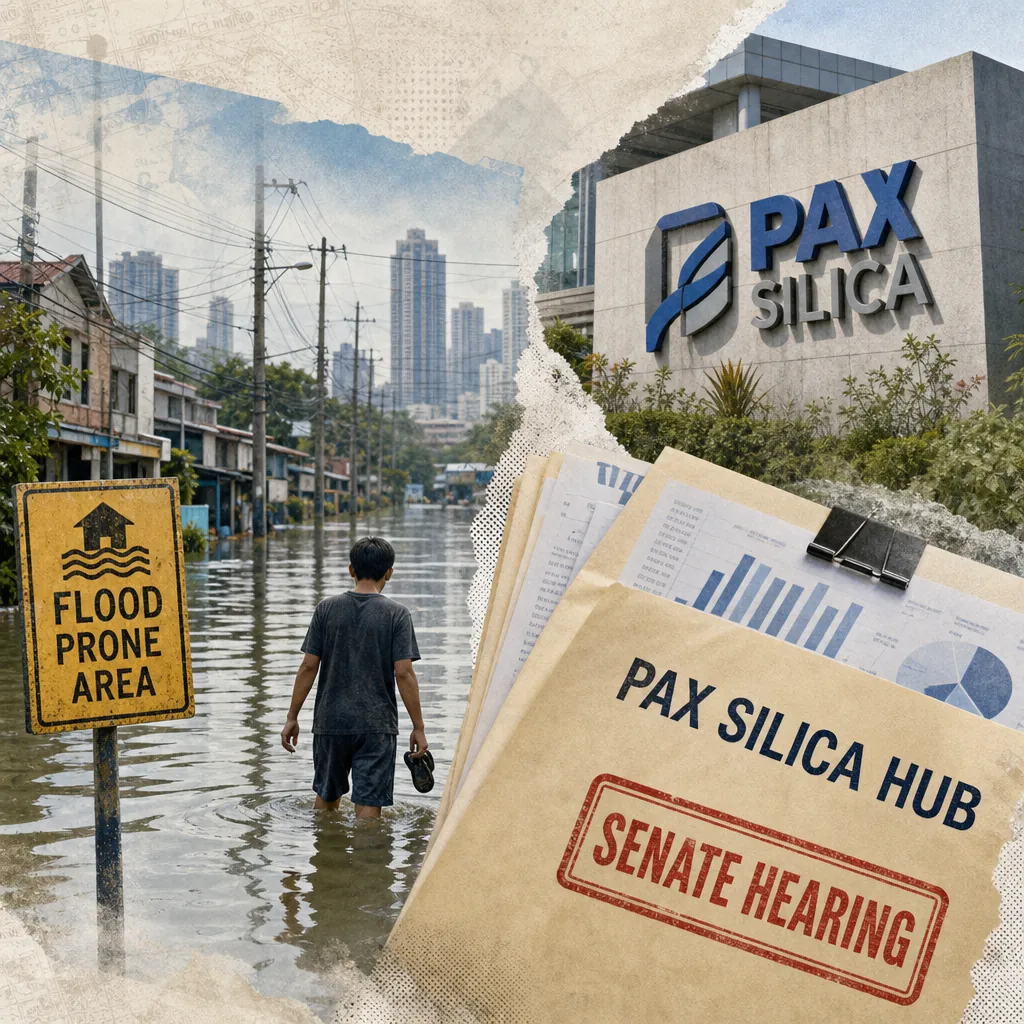
The day's conversation on August 14, 2026, was defined by two powerful currents: the relentless southwest monsoon flooding that has submerged parts of Luzon, and the intensifying Senate scrutiny of the proposed Pax Silica industrial hub in Tarlac. These twin narratives—one a climate-driven crisis unfolding in real time, the other a high-stakes economic gamble with environmental and social consequences—dominated both social media and news coverage, shaping the concerns of property developers, investors, and residents alike.
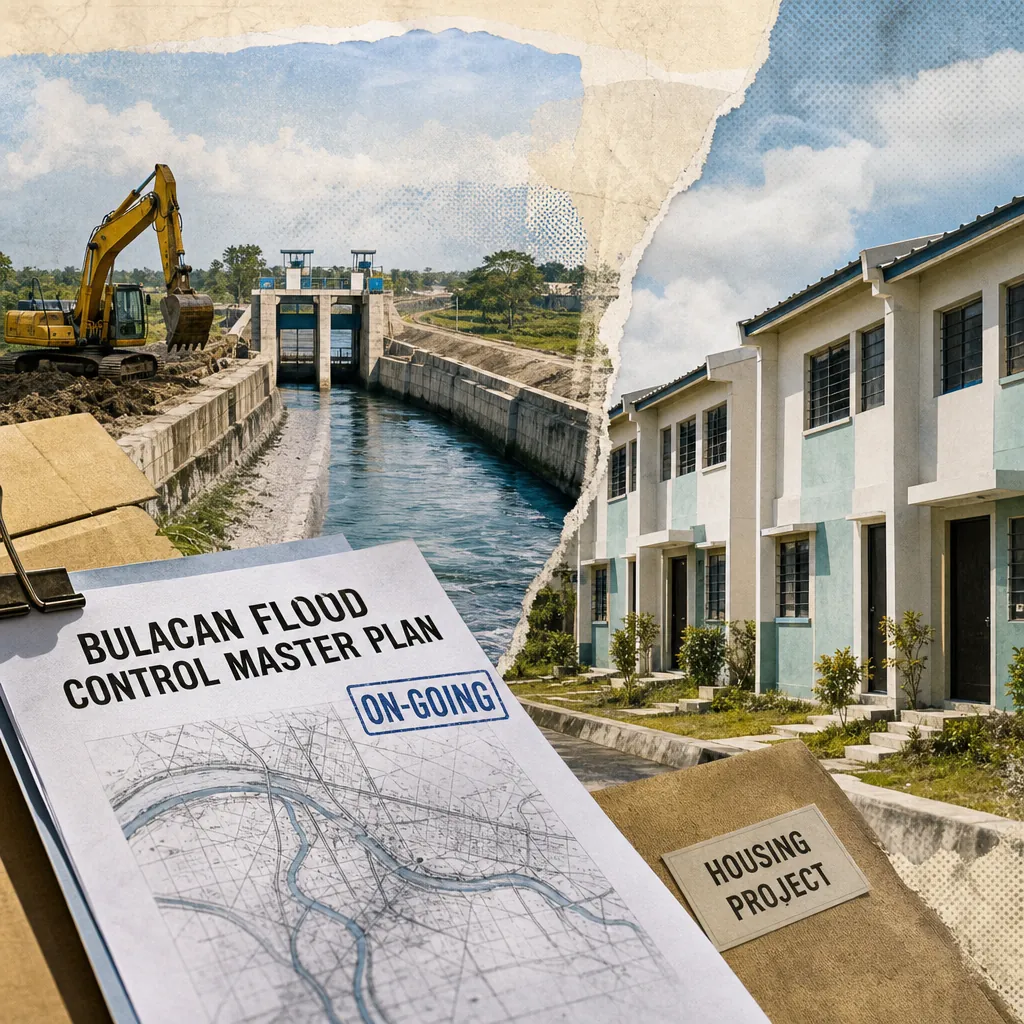
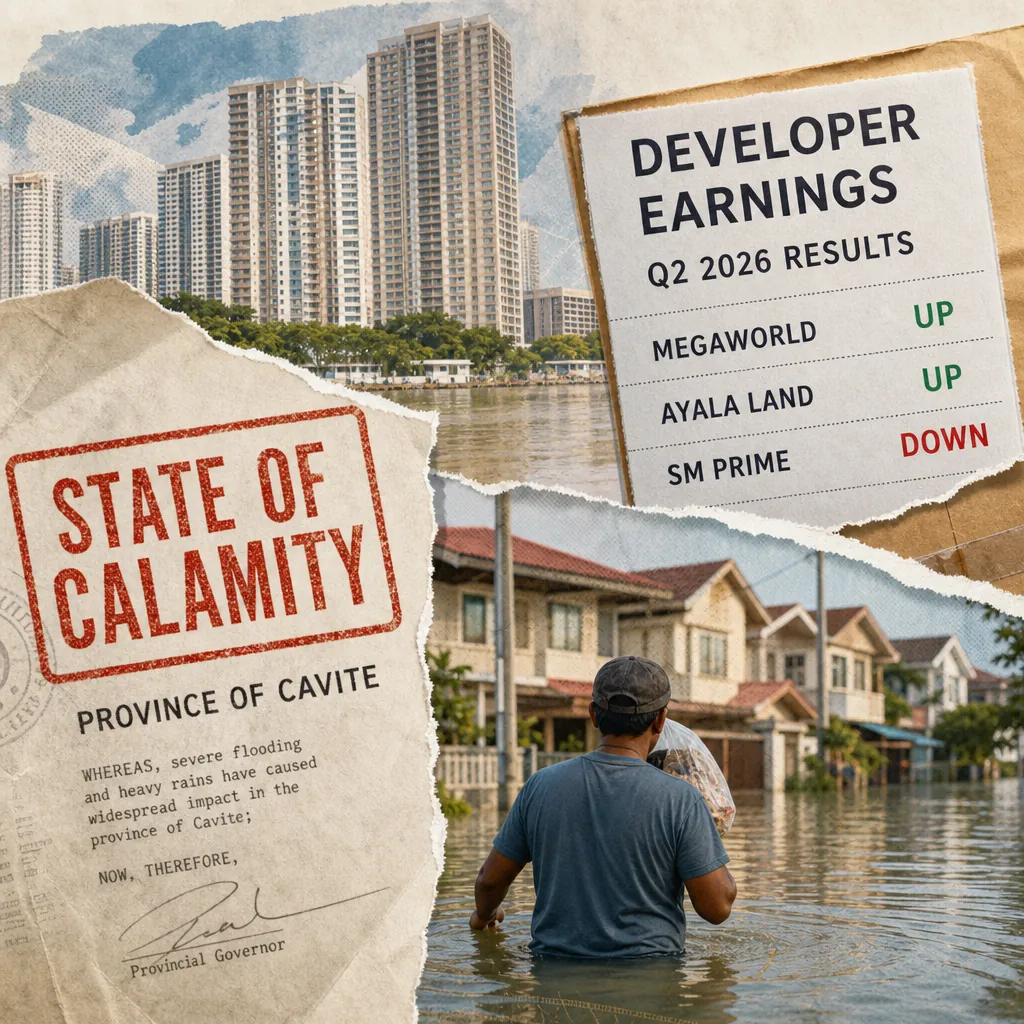
On social media, the flood narrative was the most emotionally charged. A post from the Laguna Lake Development Authority (LLDA) warning that Laguna de Bay's water level had risen to 12.23 meters—just 27 centimeters below the critical high-water mark of 12.50 meters—drew a mix of reactions on Facebook: 8 likes, 3 "wow" reactions, and 3 "sad" reactions, with 2 shares. The "sad" reactions signaled genuine anxiety among residents, many of whom live in lakeside developments in Cavite, Laguna, and Rizal. On Twitter, the same alert accumulated 1,340 views, making it one of the most visible items of the day. The flooding was not just a statistic; it was a lived reality. The National Disaster Risk Reduction and Management Council (NDRRMC) reported that over 4.1 million people had been affected by the combined effects of tropical cyclones Luis and Maymay and the southwest monsoon, with 21 deaths, 17 injuries, and 3 missing. In Calumpit, Bulacan, a town with over P2 billion in flood-control projects, an entire village went underwater, forcing a state of calamity declaration. The irony was not lost on commentators: a Manila Times editorial titled "Disasters expose corruption in government" pointed to the Calumpit flooding and the cratering of a freshly repaved EDSA as evidence that public money may not have been well spent.
Meanwhile, the Pax Silica hub—a US-led initiative to build a secure semiconductor and AI supply chain, with the Philippines as a signatory—was under the microscope. The Bases Conversion and Development Authority (BCDA) told a Senate hearing that the government would not need to provide financing for the 1,600-hectare hub in New Clark City, as its role was primarily to provide the land. However, the revelation that the hub could consume 65 to 90 million liters of water per day drew sharp questions from Senator Raffy Tulfo, who pressed BCDA President Joshua Bingcang on where the water would come from. Bingcang assured that sourcing would be from rainwater and rivers, not groundwater, but the clarification drew mixed reactions on social media, including one "angry" reaction, indicating lingering skepticism. Senate President Sherwin Gatchalian called Pax Silica a "once-in-a-lifetime" opportunity, warning that Vietnam, Thailand, and Indonesia could take the project if the Philippines hesitated, but he insisted on strict environmental compliance and protection for farmers and Indigenous communities.
These two narratives—flood risk and industrial water use—converged on the same geographic corridors where residential development is most active: Cavite, Laguna, Bulacan, and Tarlac. For property developers, the implications are direct: buyer confidence in flood-prone areas is fragile, and questions about water sustainability are becoming standard in sales conversations. The day's news also included a flurry of corporate earnings reports, with conglomerates like Alliance Global Group (AGI) and GT Capital posting mixed results, and infrastructure firms like Megawide showing resilience. These reports, while less emotionally charged, provided a backdrop of economic uncertainty that property stakeholders must navigate.
Key themes
- Flooding and Infrastructure Vulnerability: The southwest monsoon has caused widespread flooding across Luzon, with Laguna Lake nearing critical levels and multiple areas declaring states of calamity. This theme directly threatens property values and buyer confidence in affected regions.
- Pax Silica Hub Under Senate Scrutiny: The proposed 1,600-hectare industrial hub in New Clark City faces questions over water consumption, environmental impact, and displacement of Indigenous communities, even as officials tout its economic promise.
- Corporate Earnings Reflect Economic Slowdown: First-half 2026 results from major conglomerates show mixed performance, with some firms benefiting from diversified portfolios while others feel the pinch of slower GDP growth.
- Government Accountability and Corruption Concerns: The flooding has exposed alleged infrastructure failures, fueling public anger and calls for accountability, which could affect trust in government-led development projects.
- Corporate Social Responsibility During Crises: Companies like Bloomberry and GMA Kapuso Foundation are providing relief to flood victims, setting a benchmark for corporate response that developers may need to emulate.
- Water Resource Sustainability as a Key Issue: The Pax Silica water sourcing debate and the rising Laguna Lake levels highlight water as a critical factor in development planning and public perception.
- Infrastructure Investment and Economic Corridors: The Luzon Economic Corridor continues to attract international partners, signaling long-term growth potential for regions like Clark and Subic, but also raising questions about execution.
- Community Resilience and Evacuation Planning: Proposals for permanent evacuation centers and the visible displacement of families underscore the need for resilient community design in flood-prone areas.
How the narratives stack
Dominant: The flood narrative is the dominant story of the day, both in terms of human impact and its direct relevance to property stakeholders. The NDRRMC's report of over 4 million affected, the rising Laguna Lake levels, and the widespread road flooding in Metro Manila and provinces like Bulacan and Cavite dominate news coverage and social media engagement. This narrative is not just about weather; it is about the failure of infrastructure to protect communities, which raises uncomfortable questions for developers whose projects sit in these areas. The emotional reactions on social media—sadness, worry, and anger—indicate that this is a live, pressing concern that could easily escalate into a reputational crisis for developers if not addressed proactively.
Counter-narrative: The Pax Silica hub represents a counter-narrative of economic optimism against environmental caution. Officials like Finance Secretary Frederick Go and Senate President Gatchalian frame the project as a "generational" opportunity to secure the Philippines' place in the global tech supply chain, warning that hesitation could cost the country billions in investments and thousands of jobs. This narrative is powerful in a country eager for economic advancement, but it is tempered by legitimate concerns about water use, deforestation, and displacement. The counter-narrative is not anti-development; it is pro-responsible-development, and it is gaining traction as the Senate hearing unfolds.
Emerging: The intersection of flooding and governance is an emerging narrative that could have long-term implications. The Manila Times editorial linking flood damage to corruption, and the public's visible frustration with potholed roads and overwhelmed drainage, suggest a growing demand for accountability. This could translate into stricter scrutiny of development approvals and infrastructure projects, as well as a more skeptical public when it comes to government promises. For developers, this means that projects must be seen as transparent and compliant, or risk being tarred with the same brush.
Suppressed: The story of the 21 deaths and the ongoing displacement of families is, in some ways, suppressed by the focus on economic and political angles. While the NDRRMC numbers are reported, the human stories—like that of actor Aljon Mendoza's family in Pampanga, whose home is perpetually flooded—are less prominent in the coverage. This is a missed opportunity for developers to connect with communities on a human level, and it also highlights the need for more empathetic communication during crises.
Platform insights
- Facebook: Facebook was the primary platform for emotional engagement with the flood narrative. The Laguna Lake water level post drew a mix of reactions, including "sad" and "wow," indicating genuine concern. Government posts about the mayor's suspension and SARO turnover received minimal engagement, suggesting that political accountability stories are not resonating strongly with the property-conscious audience. However, the Abante front-page roundup, which included the Pax Silica story, drew 7 likes and 2 shares, showing that aggregated news summaries can generate more traction than individual political posts.
- Twitter: Twitter served as the channel for official announcements and technical clarifications. The DPWH inspection in Bulacan, the Bloomberry relief effort, and the Pax Silica water clarification all received moderate views, ranging from 72 to 1,340. The Laguna Lake water level alert was the most visible, with 1,340 views, indicating that real-time alerts are valued by users tracking environmental risks. Twitter is the go-to platform for developers and stakeholders seeking authoritative updates on regulatory and environmental matters.
- YouTube: A minor thread on YouTube featured a historical Kapuso Rewind episode about the revolution in Kawit, Cavite, which drew 342 views but only 3 likes and no comments. While seemingly unrelated to current property issues, this historical reference surfaces regional identity narratives that developers in Cavite might note, though the lack of engagement suggests it was not a significant conversational driver on August 14.
Key voices and communities
- Government and Regulatory Bodies: The BCDA, LLDA, NDRRMC, and DPWH are central voices, providing official data and project updates. Their authority shapes the narrative, but their social media engagement is modest, indicating that their influence comes from institutional credibility rather than online reach.
- Senators and Policymakers: Senators like Sherwin Gatchalian, Raffy Tulfo, and Bam Aquino are key figures in the Pax Silica debate, balancing economic promotion with environmental and social safeguards. Their statements are widely covered and can sway public opinion.
- Corporate Leaders and Conglomerates: Executives like Kevin Tan of AGI and Carmelo Maria Luza Bautista of GT Capital are voices of economic reality, discussing earnings and market conditions. Their comments on diversification and resilience are relevant to property investors.
- Environmental and Community Advocates: Groups and individuals concerned about water sustainability, displacement, and flood risks are a growing voice. Their skepticism of official assurances, as seen in the mixed reactions to the Pax Silica water clarification, indicates a need for transparent communication.
- Media and Opinion Writers: Publications like the Manila Times, Inquirer, and Philstar are shaping the narrative through editorials and analysis. The Manila Times' corruption editorial and Philstar's "Two locations are better than one" piece on Pax Silica are examples of how media frames these issues.
Narrative streams
Flooding and Its Impact on Property Markets
The flooding narrative is the most immediate and tangible for property stakeholders. The NDRRMC reported that over 4.1 million people have been affected by the enhanced southwest monsoon and recent cyclones, with 51,912 people staying in 523 evacuation centers. In Calumpit, Bulacan, a town with over P2 billion in flood-control projects, an entire village went underwater, forcing a state of calamity declaration. The LLDA's warning that Laguna Lake's water level had risen to 12.23 meters—just 27 centimeters below the critical high-water mark—has direct implications for lakeside developments in Cavite, Laguna, and Rizal. The emotional reactions on social media, including "sad" and "wow" reactions, indicate genuine anxiety among residents. For developers, this is a reputational risk: buyers may hesitate to invest in areas perceived as flood-prone. The DPWH's inspection of flood control projects in Calumpit, which drew about 100 views on Twitter, is a signal that the government is trying to address the issue, but the visible failure of existing infrastructure undermines confidence. Developers should proactively communicate their own flood mitigation measures, such as elevated designs and drainage systems, to reassure buyers.
Pax Silica: Economic Promise vs. Environmental Cost
The Pax Silica hub is a US-led initiative to build a secure supply chain for semiconductors, AI infrastructure, and critical minerals, with the Philippines joining as the 13th signatory in April 2026. The proposed 1,600-hectare hub in New Clark City, Tarlac, is seen as a "once-in-a-lifetime" opportunity by Senate President Gatchalian, who warned that Vietnam, Thailand, and Indonesia could take the project if the Philippines fails to move forward. However, the Senate hearing on August 14 revealed that the hub could consume 65 to 90 million liters of water per day, raising concerns about water sustainability. BCDA President Joshua Bingcang assured that water would come from rainwater and rivers, not groundwater, but the clarification drew mixed reactions, including one "angry" reaction on social media. Finance Secretary Frederick Go, speaking at a business summit in Cebu, urged businesses to "stop spreading fake news" and focus on the facts, calling the project a "generational project" that could build an industrial ecosystem spanning semiconductors, electronics, AI, and advanced manufacturing. The debate is not just about economics; it is about environmental stewardship and social responsibility. For developers in the New Clark City corridor, the outcome of this debate will shape the area's growth trajectory. If the hub proceeds with robust safeguards, it could attract investment and boost property values; if it falters due to environmental opposition, it could stall development. Developers should monitor the Senate hearings closely and prepare to address water sustainability in their own projects.
Corporate Earnings and Economic Signals
The first-half 2026 earnings reports from major conglomerates provide a mixed picture of the Philippine economy. Alliance Global Group (AGI) reported a 3% increase in net income to P16 billion, driven by stronger recurring property income, improved gaming earnings, and higher spirits sales. CEO Kevin Tan attributed the growth to the group's diversified portfolio, saying, "In a demanding global environment, the strength of this group is its mix." In contrast, GT Capital Holdings saw its net income decline by 11% to P16.41 billion, which the company linked to a broader economic slowdown, with GDP growth easing to 2.3% in the second quarter amid high inflation and weaker consumer confidence. Megawide Construction Corp. reported a 22% increase in first-half net income to P532 million, nearing its full-year target, while Alsons Consolidated Resources posted a 31% rise to P1.7 billion on higher energy deliveries. These results suggest that while some sectors are resilient, the overall economy is facing headwinds. For property developers, this means that buyer demand may be softer, but well-positioned projects with strong leasing income can still perform. The Philippine Stock Exchange Index (PSEi) inched up 0.14% to 6,297.30, reflecting cautious optimism.
Governance and Corruption in Infrastructure
The flooding has exposed alleged failures in infrastructure projects, fueling public anger and calls for accountability. The Manila Times editorial titled "Disasters expose corruption in government" highlighted the irony of Calumpit, a town with over P2 billion in flood-control projects, being submerged, and the EDSA rehabilitation project developing potholes after a few days of rain. Public Works Secretary Vince Dizon's reaction to the potholes, caught on video, was described as "unfiltered fury." This narrative is dangerous for developers because it erodes trust in government-led projects and could lead to stricter scrutiny of private developments as well. The preventive suspension of Luisiana, Laguna Mayor Jomapher Alvarez over an Anti-Graft and Corrupt Practices Act violation adds to the perception of governance issues. For developers, this means that transparency and compliance are more important than ever. Projects must be seen as above board, and any association with corrupt practices could be damaging.
Corporate Social Responsibility and Crisis Response
In the midst of the flooding, several corporations have stepped up to provide relief. Bloomberry Cultural Foundation delivered aid to 800 families in Ternate, Cavite, while GMA Kapuso Foundation assisted 400 families in Kawit, Cavite, and 958 families in San Mateo, Rizal. These efforts received modest engagement on social media, with "care" reactions indicating public appreciation. For developers, this is a model for crisis communication: visible, sustained commitment to community welfare can enhance brand reputation. However, the response must be authentic; audiences are increasingly skeptical of performative CSR. Developers with projects in flood-affected areas should consider similar initiatives, but they must be prepared to follow through with long-term support, not just one-time relief.
Conversation trajectory
Over the next 7-10 days, the flood narrative is likely to intensify as the southwest monsoon is expected to continue, with Pagasa warning of heavier rains over the weekend. If Laguna Lake's water level exceeds the 12.50-meter critical mark, the conversation will shift from concern to alarm, amplifying questions about the safety of nearby residential projects. Developers in Cavite, Laguna, and Bulacan should prepare flood-preparedness messaging and be ready to provide factual updates on their projects' mitigation measures. The Pax Silica debate will also continue, with the Senate expected to hold more hearings. The outcome will depend on how well the government addresses environmental and social concerns. If the project is approved with strict safeguards, it could boost confidence in the New Clark City corridor; if it is delayed or rejected, it could cast a shadow over the region's development prospects. The corporate earnings season will also continue, with more companies reporting their first-half results. These reports will provide further signals about the health of the economy and the property market. Trigger events to watch include: continued heavy rainfall pushing Laguna Lake past 12.50 meters; the Senate's formal recommendation on Pax Silica; and any major infrastructure failure that could fuel the corruption narrative.
Response guidance
For communicators in the property sector, the following guidance is essential:
- Flood Preparedness Messaging: Develop pre-approved statements that acknowledge the reality of flooding while highlighting specific mitigation measures, such as elevated designs, drainage systems, and compliance with environmental regulations. Avoid absolute claims about flood safety that could become liabilities during extreme weather events. Issue proactive updates before negative sentiment consolidates.
- Water Sustainability Transparency: For projects in areas like New Clark City or near water bodies, proactively publish environmental impact assessments and water usage plans. Address skepticism directly and avoid defensiveness. Position your project as a responsible steward of resources.
- CSR with Substance: If engaging in disaster relief, emphasize sustained commitment over one-time activities. Avoid quantifying assistance in ways that invite comparison or criticism. Focus on the human impact and long-term community support.
- Monitor Governance and Regulatory Developments: Keep a close watch on Senate hearings and local government actions that could affect project approvals. Be prepared to respond to questions about your project's compliance and environmental footprint.
- Leverage Positive Earnings Stories: If your company has strong financial results, use them to reinforce confidence in your projects. Highlight diversification and resilience in your messaging.
- Engage with Local Communities: Use relatable, human-interest content to build goodwill, but ensure it is authentic and not just a marketing ploy. Community engagement can help mitigate negative narratives.
- Sensitive Topics to Navigate: Flood risk and water management are highly sensitive. Acknowledge legitimate concerns and provide factual, site-specific information. Avoid dismissive or defensive language. Water sourcing for new developments is also sensitive; be prepared to explain your resource management plans clearly and welcome dialogue with stakeholders.
See the full picture behind today's signals.
This report draws from Media Meter's MediaWatch, our real-time monitoring engine tracking 2,470+ Philippine sources across print, broadcast, digital, and social. Explore how the platform turns raw coverage into decision-grade intelligence, then see how it's configured for teams like yours — whether you're in PR agencies, corporate comms, government, or marketing.
Want more? Browse our Report Library for sector and crisis intelligence, or request a demo and we'll have your brand set up before the call.
Want this kind of intelligence on your brand?
This brief is built on the same MediaWatch methodology that runs continuously across every brand we monitor. See your competitive landscape, Impact Score, and narrative trajectory in a 30-minute demo.