PH Insurance Penetration Rises to 1.96% in Q2
The Philippines' insurance penetration rose to 1.96% in Q2 2026, driven by higher premium collections, though it remains below the central bank's 2% target. Meanwhile, the BSP is expected to hike rates despite weak growth, and digital banking initiatives expand financial inclusion.
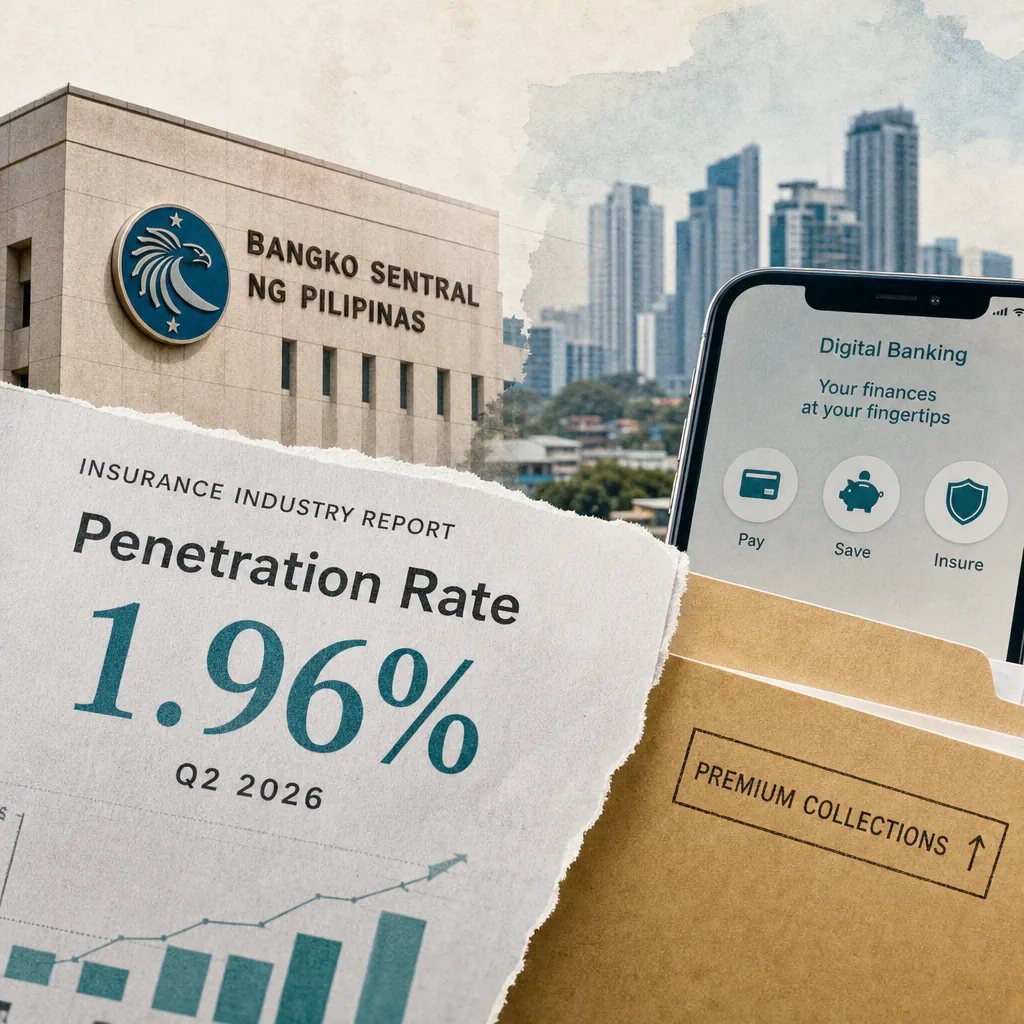
Insurance penetration in the Philippines inched up to 1.96 percent in the second quarter of 2026, from 1.79 percent a year earlier, as premium collections grew on robust demand for life insurance products. The Insurance Commission (IC), the government agency that regulates the industry, reported the figure on Friday, noting that the ratio of premiums to the country's gross domestic product (GDP) — a standard measure of how much of the economy is spent on insurance — remains slightly below its 2 percent target. The increase reflects "rising public awareness of financial protection, greater insurance adoption and growing confidence in the insurance industry," the IC said in a statement.
The modest gain comes amid a broader push to deepen financial inclusion in the Philippines, where insurance uptake has historically lagged regional peers. The IC's data also showed that insurance density — the average amount each Filipino spends on insurance — rose 15.2 percent to P2,468.63 in the second quarter, from P2,142.19 in the same period last year. While the penetration rate is still below the 2 percent goal, the upward trend signals that more Filipinos are turning to insurance as a financial safety net, a development that could support long-term economic resilience.
Separately, the Bangko Sentral ng Pilipinas (BSP), the country's central bank, is expected to raise its key policy rate by a quarter-point to 5.0 percent at its meeting on August 27, according to ANZ Research. The move, driven by persistent inflation concerns, comes despite slower-than-expected economic growth in the second quarter and uncertainty over the US Federal Reserve's next steps. The BSP's decision would mark a continued tightening stance aimed at stabilizing prices, even as the domestic economy shows signs of weakness.
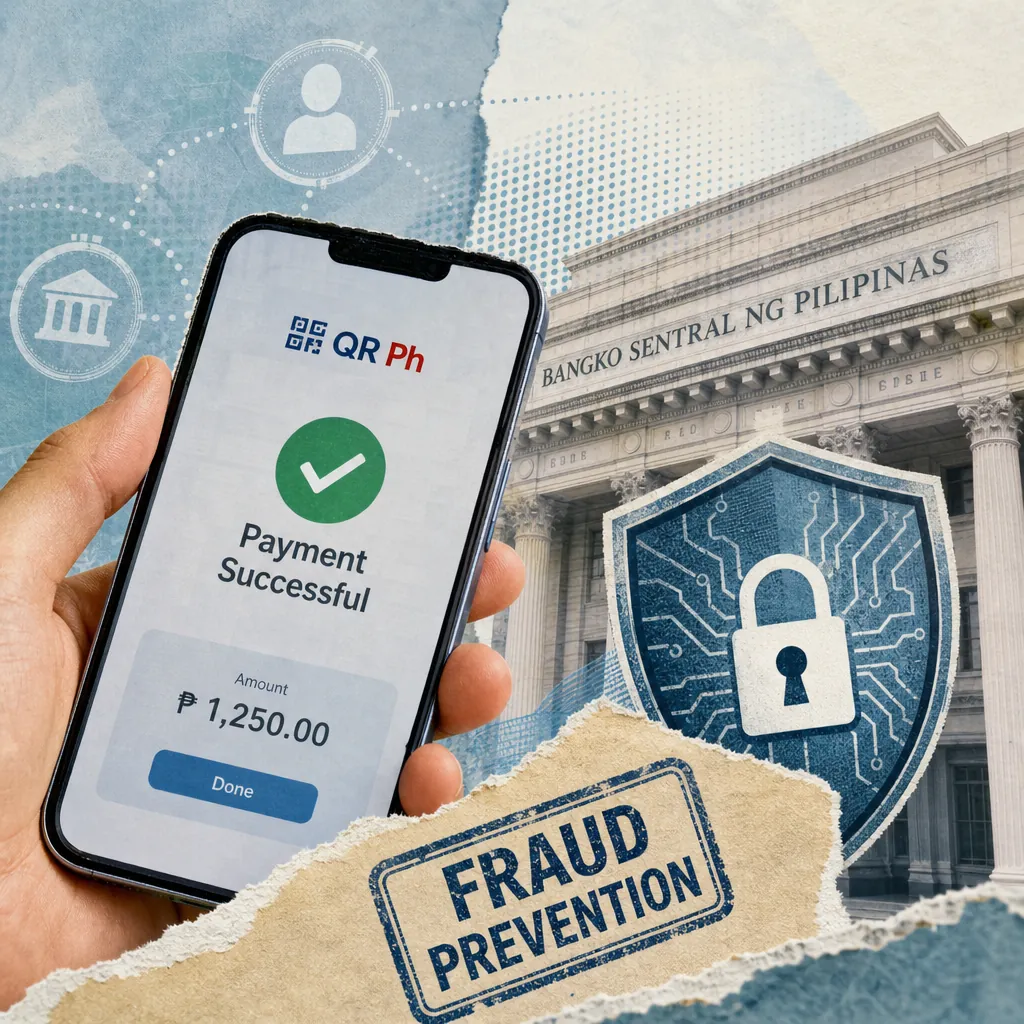
In the digital banking space, LANDBANK and OFBank reported that over 211,000 Filipinos opened accounts without a physical ID in just one month, following the rollout of a National ID-enabled service in July. The milestone, highlighted during a ceremonial signing of the National ID Authentication Services (NIDAS) Subscription Contract, underscores strong demand for accessible financial services. Meanwhile, Wise expanded its Philippine services with QR Ph payments and peso account details, allowing users to receive and spend pesos without a traditional bank account.
These developments paint a picture of a financial sector that is both tightening monetary policy to fight inflation and expanding access to financial products through digital innovation. For ordinary Filipinos, the combination of higher interest rates and easier access to banking and insurance could mean more options for saving and protecting their finances, even as borrowing costs rise.
Key themes
- Insurance penetration rises to 1.96% in Q2, still below 2% target — The ratio of insurance premiums to GDP increased from 1.79% a year earlier, driven by higher premium collections, but remains shy of the IC's goal.
- BSP expected to hike rates to 5.0% despite weak growth — ANZ Research forecasts a quarter-point increase at the August 27 meeting, citing persistent inflation, even as the economy slows and the Fed's path is uncertain.
- Digital banking expands financial inclusion — LANDBANK and OFBank's ID-free account opening reached 211,000 Filipinos in a month, and Wise introduced peso account details and QR Ph payments, making banking more accessible.
- Credit perception among Filipinos hits record high — TransUnion's Credit Perception Index rose to 75 out of 100 in 2026, the highest since the study began in 2023, driven by gains in favorability, trust, and knowledge.
- R&I affirms Philippines' A- credit rating — Japan-based Rating and Investment Information Inc. maintained the investment-grade rating with a stable outlook, citing a diversified economy and stable banking system, but warned of weaker growth due to infrastructure delays and energy prices.
- Metrobank enhances digital wealth app — The bank expanded its mobile app to offer Unit Investment Trust Funds (UITFs), government bonds, and portfolio management, lowering the minimum investment to P1,000.
- Regional central banks boost AI cooperation — The BSP and East Asia-Pacific central banks agreed to create a task force on scam prevention and responsible AI use, aiming to strengthen financial stability and consumer protection.
- SME financing gap persists despite digital transactions — An opinion piece in the Manila Times highlights that while digital payments create records, lenders still demand audited statements and collateral, leaving many small businesses unable to access credit.
How the narratives stack
Dominant — Within the captured set, the dominant narrative is the steady but incomplete progress of financial inclusion in the Philippines. The insurance penetration figure, the LANDBANK ID-free account milestone, and the TransUnion credit perception index all point to a sector that is expanding access to financial products. However, the BSP's expected rate hike and the SME financing gap temper the optimism, suggesting that inclusion is advancing unevenly. This dominance reflects the monitoring sample, which included multiple items on these topics, rather than a definitive measure of the day's overall coverage.
Counter-narrative — The counter-narrative is the cautionary one: despite gains in access, affordability and trust remain challenges. The BSP's rate hike, driven by inflation, could make borrowing more expensive for consumers and businesses, potentially offsetting some benefits of inclusion. The SME financing gap, highlighted in the Manila Times piece, shows that digital records alone do not unlock credit. This narrative argues that inclusion is not just about opening accounts but about making financial products usable and affordable.
Emerging — An emerging narrative is the role of artificial intelligence in financial services. The BSP's agreement with regional central banks to create a task force on AI and scam prevention signals a proactive approach to managing technology risks. This could evolve into a broader discussion about how AI can both enhance and threaten financial stability, with implications for regulation and consumer protection.
Under-covered — A story that placed low in the captured set but deserves attention is the freezing of six bank accounts of Khee San Food Industries, a Malaysian candy maker, under an anti-money laundering investigation. While not directly about the Philippines, it highlights the regulatory risks that companies face in the region, and the potential operational disruption from such actions. The limited coverage in this set may reflect the monitoring scope rather than the story's actual importance.
Platform insights
- Facebook — Facebook likely served as the primary platform for sharing news articles and official announcements, given its widespread use in the Philippines. Posts from news outlets like Inquirer and Philstar would have driven engagement through shares and comments, particularly on stories about insurance penetration and the BSP rate hike. The emotional resonance of financial inclusion stories, such as the LANDBANK ID-free account milestone, may have spurred positive reactions and shares among users.
- X (formerly Twitter) — X is a hub for real-time commentary and expert opinions, especially on monetary policy. The BSP rate hike expectation likely generated discussion among economists, financial analysts, and journalists, with hashtags like #BSP and #inflation trending. The R&I credit rating affirmation may have also sparked debate on the country's economic outlook, with users sharing the news and adding their own analysis.
- Reddit — Reddit communities focused on personal finance and investing may have discussed the insurance penetration data and the implications for consumers. Threads on r/Philippines or r/phinvest could have featured user experiences with insurance products and digital banking, providing grassroots perspectives that complement mainstream coverage. The TransUnion credit perception index might have prompted discussions on credit scores and borrowing behavior.
- YouTube — YouTube is less likely to have been a major platform for these specific stories, but financial literacy channels may have created videos explaining the BSP rate hike and its impact on loans and savings. The LANDBANK ID-free account opening could have been featured in vlogs about digital banking, reaching audiences who prefer video content.
Key voices and communities
- Insurance Commission (IC) — The regulator's statement on insurance penetration is a key voice, framing the data as encouraging and highlighting growing public awareness. The IC's perspective shapes how the industry and media interpret the numbers.
- Bangko Sentral ng Pilipinas (BSP) — As the central bank, the BSP's policy decisions and statements are closely watched. Governor Eli Remolona's participation in regional meetings on AI cooperation signals the bank's forward-looking approach to financial stability.
- ANZ Research — The bank's forecast of a rate hike provides an independent, expert view that influences market expectations. Their commentary is often cited by media as a credible source on monetary policy.
- TransUnion Philippines — The credit bureau's annual Credit Perception Index offers insights into consumer attitudes toward credit, making it a valuable voice for understanding financial behavior and inclusion.
- LANDBANK and OFBank — These state-owned banks are at the forefront of digital inclusion efforts, and their announcements about ID-free account opening resonate with the public, especially overseas Filipino workers and unbanked individuals.
Narrative streams
Insurance penetration inches up, but target remains elusive
The Insurance Commission reported that insurance penetration — the ratio of premiums to GDP — rose to 1.96 percent in the second quarter of 2026, up from 1.79 percent in the same period last year. This increase was driven by a "substantial" rise in premium collections, particularly in life insurance, which has been a key growth area. The IC's statement emphasized that the data "underscores rising public awareness of financial protection, greater insurance adoption and growing confidence in the insurance industry."
However, the rate remains below the IC's 2 percent target, and it actually dipped from 2.04 percent in the previous quarter. This suggests that while the trend is positive, the industry still faces challenges in reaching the broader population. Insurance density — the average spending per person on insurance — rose 15.2 percent to P2,468.63, indicating that those who do buy insurance are spending more.
The read for the sector: Insurers have a growing market, but they need to continue innovating to attract first-time buyers, particularly in lower-income segments. The gap between the current penetration rate and the 2 percent target represents a significant opportunity for growth, but it also highlights the need for products that are affordable and accessible.
BSP expected to hike rates to 5.0% despite weak growth
ANZ Research expects the Bangko Sentral ng Pilipinas to raise its target reverse repurchase (RRP) rate by a quarter-point to 5.0 percent at its monetary policy meeting on August 27. The RRP rate is the rate at which the central bank lends to commercial banks, and it influences borrowing costs throughout the economy. ANZ's forecast is based on persistent inflation concerns, which remain above the central bank's target range, even as economic growth slowed in the second quarter.
The decision is expected to be driven by domestic conditions rather than the US Federal Reserve's actions, despite the upcoming Jackson Hole symposium. ANZ noted that "whether Fed Chair Kevin Warsh offers near-term guidance on US interest rate at Jackson Hole is unlikely to alter our Asia rate profile." This suggests that the BSP is prioritizing price stability over growth support, a stance that could weigh on economic activity in the short term.
The read for the sector: A rate hike will increase borrowing costs for businesses and consumers, potentially dampening investment and consumption. Banks may pass on the higher rates to borrowers, making loans more expensive. However, the move is aimed at controlling inflation, which, if left unchecked, could erode purchasing power and undermine long-term economic stability.
Digital banking breaks down barriers to financial access
LANDBANK and OFBank reported that over 211,000 Filipinos opened accounts without a physical ID in just one month, following the rollout of a National ID-enabled service in July. This service uses the Philippine National ID system to verify identities digitally, eliminating the need for physical documents. The milestone was celebrated during a ceremonial signing of the National ID Authentication Services (NIDAS) Subscription Contract, which formalizes a whole-of-government initiative to expand financial inclusion.
This development is significant because many Filipinos, particularly those in rural areas and overseas workers, lack traditional IDs, which has been a major barrier to opening bank accounts. By leveraging the National ID, LANDBANK and OFBank are making it easier for these individuals to access formal financial services.
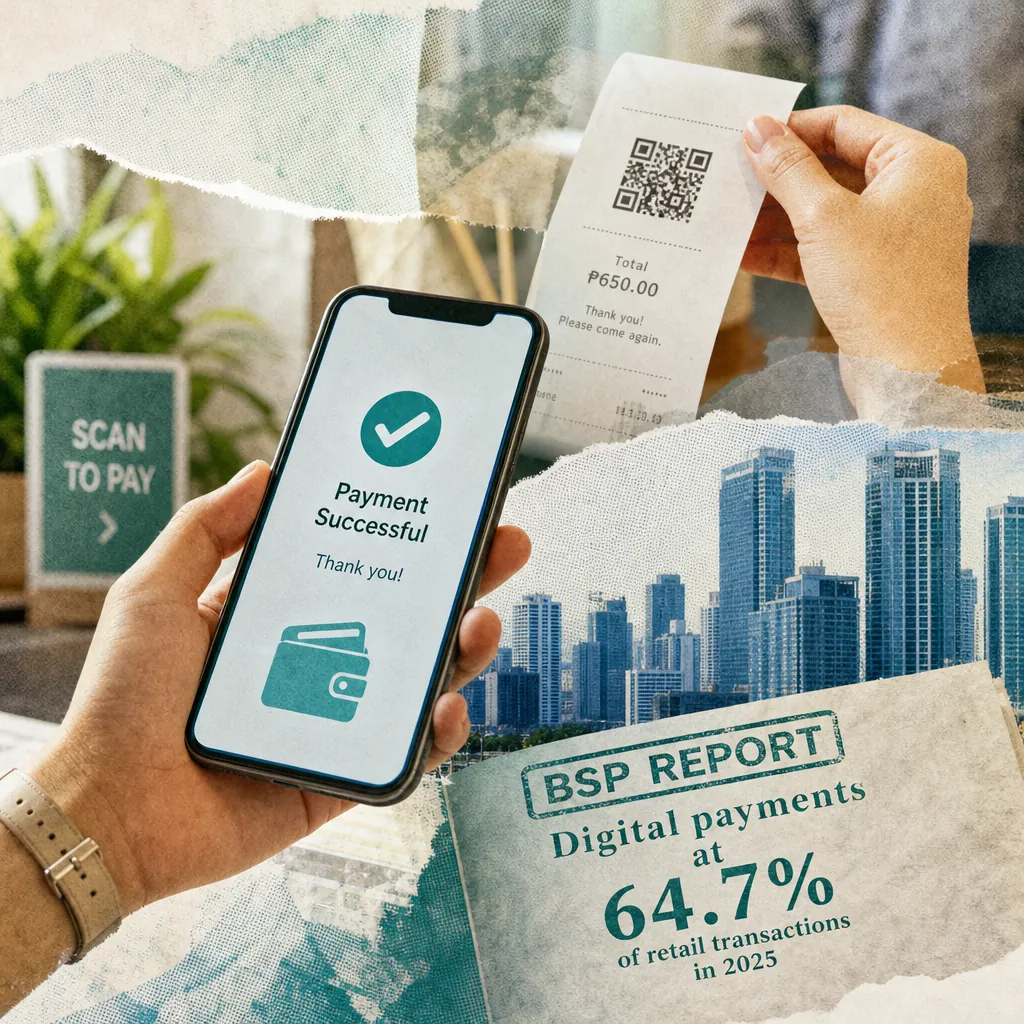
In a related move, Wise expanded its Philippine services with QR Ph payments and peso account details. QR Ph is a national standard for QR code payments, allowing users to scan and pay at merchants that accept it. Wise users can now receive peso-denominated payments through InstaPay and PESONet, the country's real-time payment systems, without opening a local bank account. This is particularly useful for freelancers and overseas Filipinos who receive international payments.
The read for the sector: Digital banking is rapidly lowering the barriers to financial inclusion, but the challenge now is to ensure that these new account holders actually use their accounts and have access to a full range of financial products, including credit and insurance. The success of these initiatives will depend on continued investment in digital infrastructure and financial literacy.
Credit perception among Filipinos hits record high
TransUnion Philippines reported that its Credit Perception Index (CPI) rose to 75 out of 100 in 2026, the highest since the study began in 2023. The CPI is an annual survey of 1,000 consumers that measures their attitudes toward credit, including knowledge, trust, and favorability. The increase was driven by gains in favorability, product trust, and knowledge, indicating that Filipinos are becoming more comfortable with using credit.
This is a positive sign for the financial sector, as it suggests that consumers are more open to borrowing, which can drive demand for loans, credit cards, and other credit products. However, it also raises concerns about over-indebtedness, especially if consumers take on more debt than they can afford.
The read for the sector: Lenders have an opportunity to expand their customer base, but they must also practice responsible lending to avoid a buildup of bad debt. Financial education will be key to ensuring that consumers use credit wisely.
R&I affirms Philippines' A- credit rating, warns of weaker growth
Japan-based Rating and Investment Information Inc. (R&I) affirmed the Philippines' A- investment-grade credit rating with a stable outlook. The rating reflects the country's diversified industrial base, improving fiscal position, manageable external debt, and stable banking system. However, R&I warned that economic growth could weaken further this year due to delays in infrastructure spending and elevated energy prices.
The affirmation is a vote of confidence in the Philippine economy, but the warning highlights the risks that could undermine growth. The A- rating is the fourth-highest investment-grade rating, indicating a low risk of default. This is important for the country's ability to borrow from international markets at favorable rates.
The read for the sector: The stable rating supports investor confidence, but the government needs to address infrastructure bottlenecks and energy costs to sustain growth. For businesses, this means continued access to capital, but also the need to manage costs in an environment of high energy prices.
Metrobank enhances digital wealth app
Metrobank expanded its digital wealth management services through an enhanced mobile app that allows customers to invest in Unit Investment Trust Funds (UITFs), peso government bonds, and other wealth management tools. UITFs are pooled investment funds managed by banks, similar to mutual funds. The app also allows customers to trade government securities online and view a consolidated picture of their investment portfolio.
The minimum investment starts at P1,000, making it accessible to a wider range of investors. Metrobank currently offers more than 25 UITFs across various asset classes and currencies, catering to different investment objectives and risk profiles.
The read for the sector: Digital wealth management is becoming a key battleground for banks, as they compete to attract retail investors. By lowering the minimum investment and offering a user-friendly platform, Metrobank is positioning itself to capture a share of the growing demand for investment products among Filipinos.
Regional central banks boost AI cooperation
The BSP and its regional counterparts in the Executives' Meeting of East Asia-Pacific Central Banks (EMEAP) agreed to strengthen cooperation on financial stability, consumer protection, and the responsible use of artificial intelligence (AI). The agreement includes the creation of a task force to facilitate information-sharing among central banks to improve scam prevention and detection. The group will also focus on helping financial institutions harness AI while managing associated risks.
This is a proactive step to address the challenges and opportunities posed by AI in the financial sector. Scams, particularly those involving digital payments, have been on the rise in the region, and central banks are recognizing the need for coordinated action.
The read for the sector: Financial institutions should expect increased regulatory scrutiny on AI use, but also more support in the form of shared intelligence on scams. Banks and fintechs will need to invest in AI governance to ensure compliance and protect consumers.
SME financing gap persists despite digital transactions
An opinion piece in the Manila Times highlighted that while digital transactions have made payments faster and more convenient, they have not necessarily made it easier for small and medium enterprises (SMEs) to obtain financing. Lenders still require audited financial statements, tax documents, collateral, and an established credit history, which many SMEs lack. The problem, the author argues, is that a business's financial story is difficult to see, even with digital records.
This is a significant gap in the financial inclusion narrative. While digital banking has opened accounts for millions, access to credit remains a major hurdle for small businesses, which are the backbone of the Philippine economy.
The read for the sector: There is a clear opportunity for fintechs and banks to develop alternative credit scoring models that use digital transaction data to assess the creditworthiness of SMEs. This could unlock much-needed capital for small businesses and drive economic growth.
Conversation trajectory
- BSP rate hike (next 1-2 weeks) — The BSP's monetary policy meeting on August 27 is the immediate event to watch. If the rate hike materializes, expect commentary on its impact on loan rates, consumer spending, and the peso. The market will also look for signals on future moves, with inflation data due in the coming weeks.
- Insurance penetration trend (next quarter) — The IC will release Q3 data in late October. Watch whether the penetration rate continues to climb toward the 2% target, and whether life insurance remains the main driver. Any acceleration could signal that the industry's efforts to boost awareness are paying off.
- Digital banking adoption (next 3-6 months) — The LANDBANK ID-free account opening milestone suggests strong demand, but the key question is whether these accounts become active. Monitor usage rates and the rollout of similar services by other banks. The National ID system's expansion will be critical.
- AI regulation in finance (next 6-12 months) — The EMEAP task force on AI and scam prevention is likely to produce guidelines or best practices that could influence national regulations. Financial institutions should prepare for increased compliance requirements around AI use.
- SME financing innovation (next 6-12 months) — The persistent gap in SME financing may prompt more fintechs to enter the space with alternative credit scoring. Watch for partnerships between banks and fintechs, and any regulatory changes that facilitate data sharing.
Trigger events: BSP policy decision on August 27; release of Q3 insurance penetration data (late October); any announcements from the EMEAP task force; new fintech products targeting SMEs.
Response guidance
- For insurers — Emphasize the positive trend in penetration while acknowledging the gap to the 2% target. Use the data to highlight the growing demand for life insurance, and tailor products to first-time buyers with lower premiums and simpler terms. Leverage digital channels to reach underserved segments.
- For banks and fintechs — Prepare for the BSP rate hike by communicating clearly with customers about its impact on loans and deposits. Highlight the benefits of digital banking, such as ID-free account opening and low minimum investments, to attract new customers. Invest in AI governance to stay ahead of regulatory expectations.
- For communicators in the financial sector — Frame the rate hike as a necessary step to control inflation, which ultimately protects consumers' purchasing power. Use the insurance penetration and credit perception data to tell a story of progress, but be transparent about the challenges that remain. Avoid overpromising on inclusion; instead, focus on concrete steps being taken.
- For policymakers — Use the SME financing gap as a call to action for alternative credit scoring and data-sharing initiatives. Highlight the success of ID-free account opening as a model for other financial services. Continue to support regional cooperation on AI and scam prevention.
See the full picture behind today's signals.
This report draws from Media Meter's MediaWatch, our real-time monitoring engine tracking 2,470+ Philippine sources across print, broadcast, digital, and social. Explore how the platform turns raw coverage into decision-grade intelligence, then see how it's configured for teams like yours — whether you're in PR agencies, corporate comms, government, or marketing.
Want more? Browse our Report Library for sector and crisis intelligence, or request a demo and we'll have your brand set up before the call.
Want this kind of intelligence on your brand?
This brief is built on the same MediaWatch methodology that runs continuously across every brand we monitor. See your competitive landscape, Impact Score, and narrative trajectory in a 30-minute demo.