All 121 Banking reports from the Media Meter Report Library, newest first.
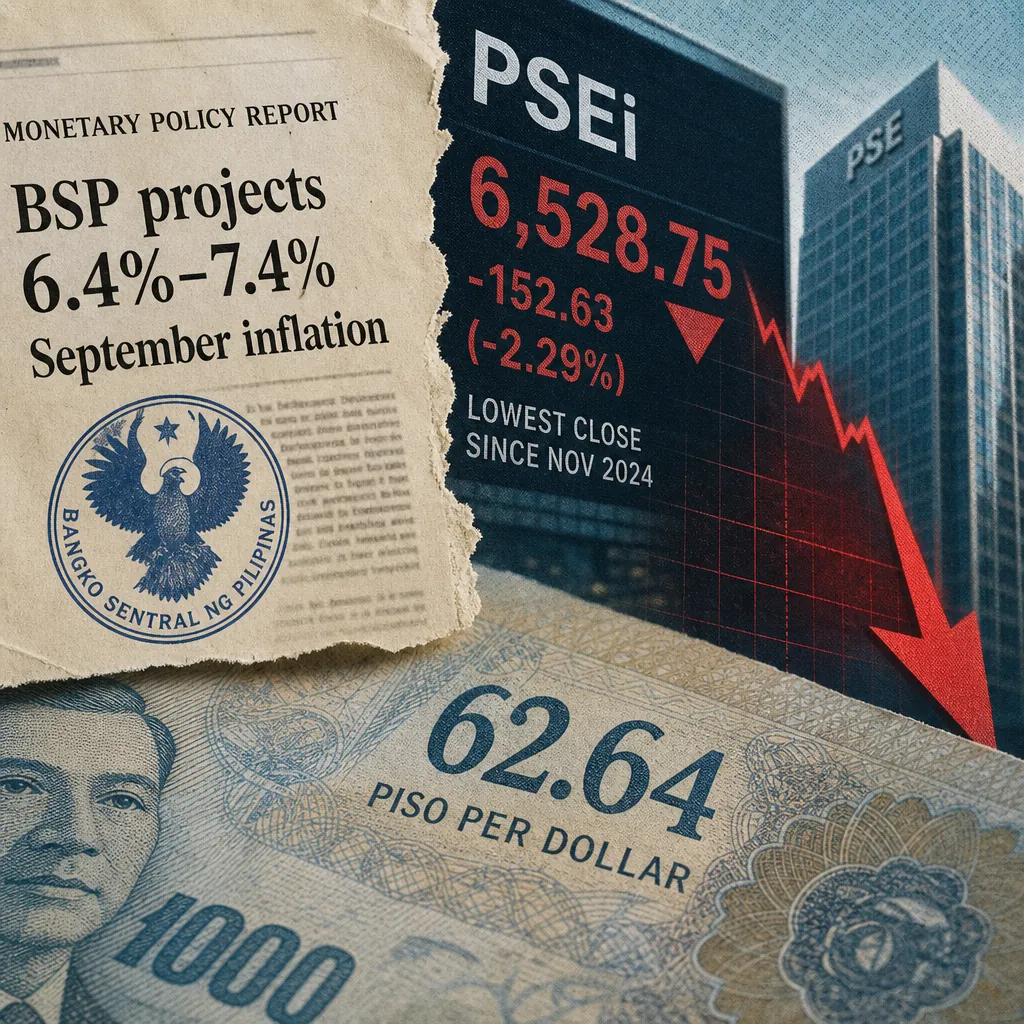
The Bangko Sentral ng Pilipinas projected September inflation at 6.4% to 7.4%, sending the Philippine Stock Exchange Index to its lowest close since November 2025 and the peso to 62.64 per dollar. Coverage also tracked a transport strike's end, a record P19.61-trillion national debt, and a pickup in initial public offerings.
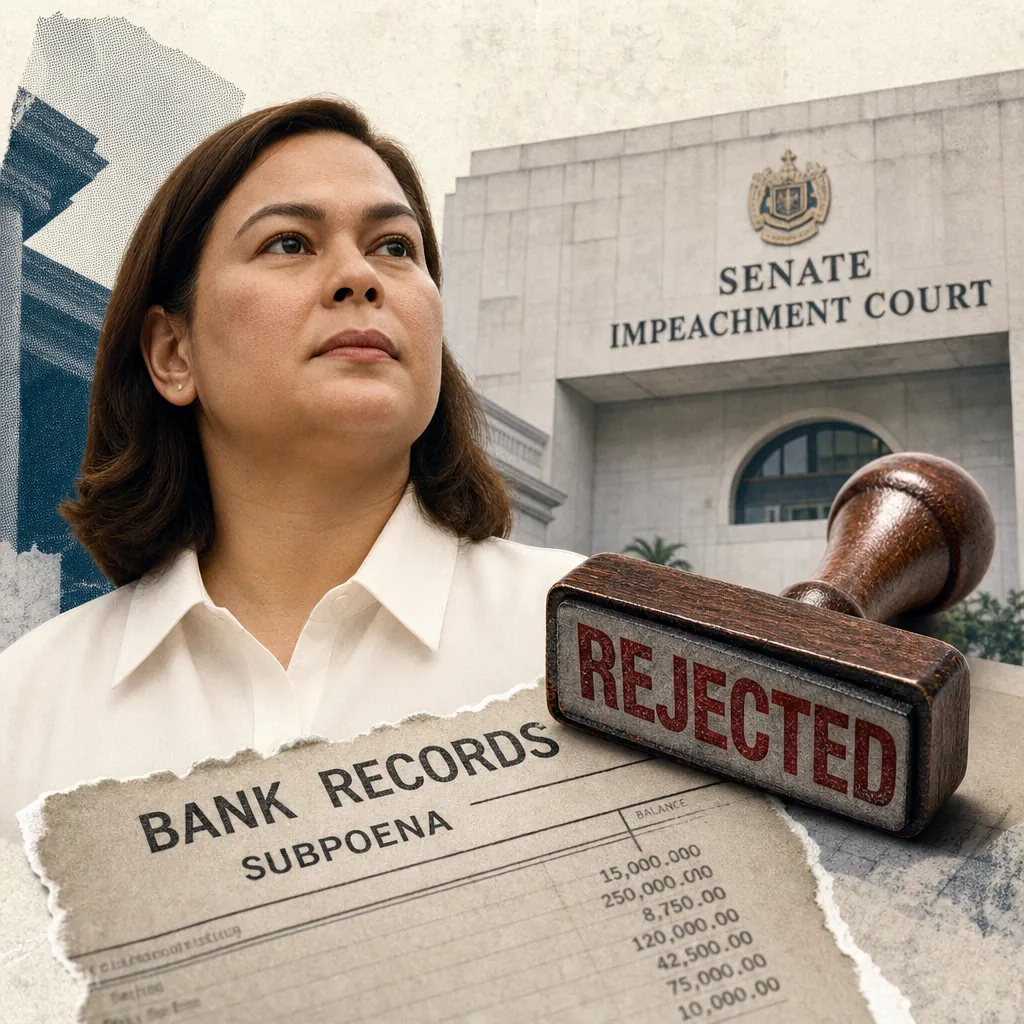
The Senate impeachment court refused to compel Vice President Sara Duterte to answer questions on her bank records, while the government raised ₱84.9 billion from retail Treasury bonds and the peso and inflation stayed under pressure.
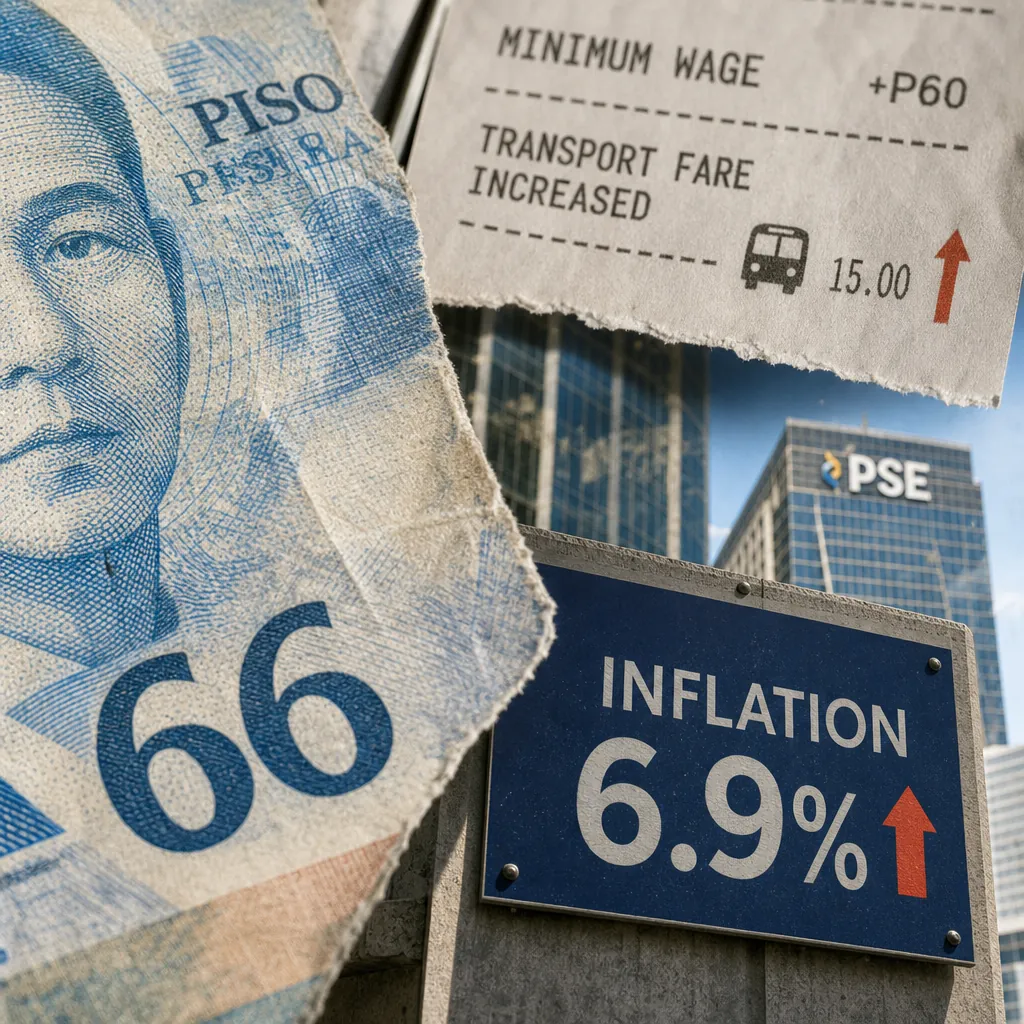
Economists forecast the peso sliding to 66 per dollar and September inflation climbing to 6.9 percent, days after a P60 minimum wage increase and higher transport fares took effect nationwide. The Philippine Stock Exchange index fell 0.64 percent as oil supply concerns persisted.
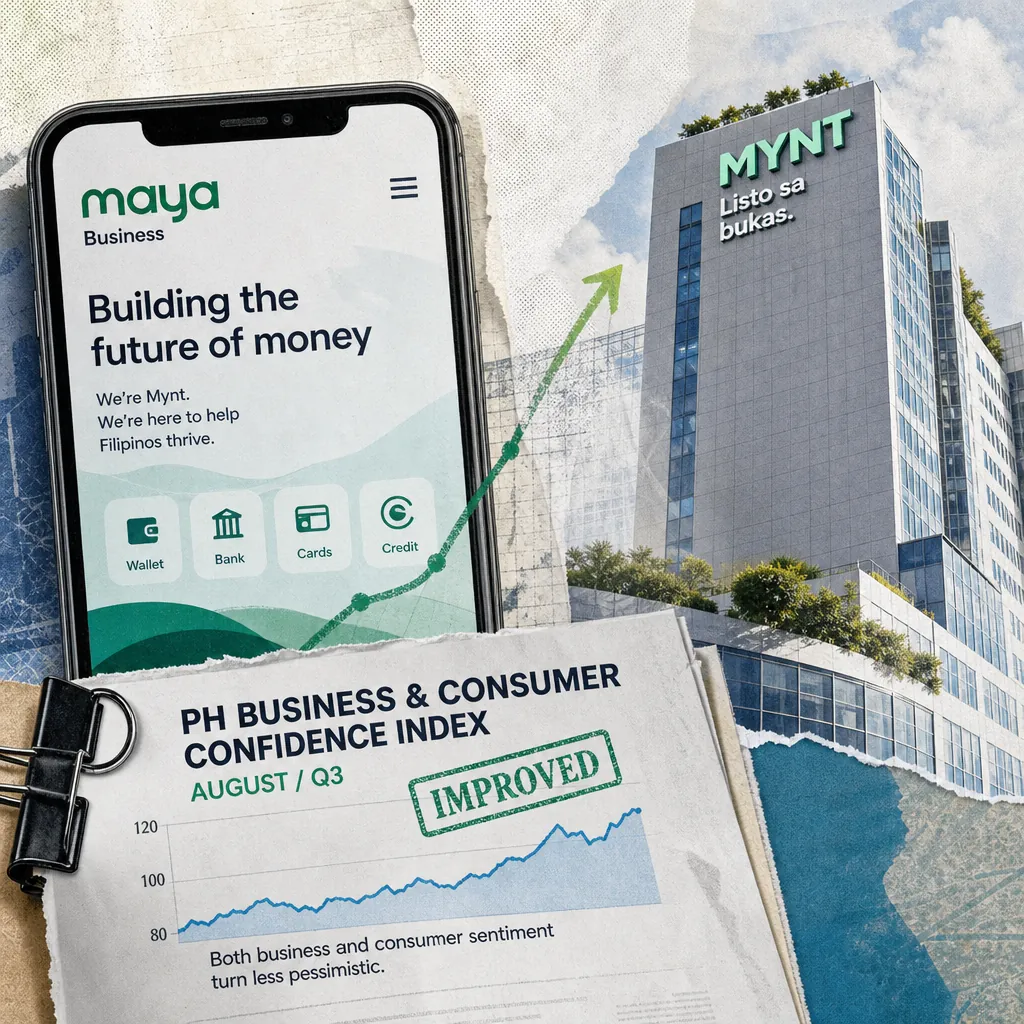
Philippine business and consumer confidence improved in August and the third quarter as both groups turned less pessimistic, while Mynt's planned P92.32-billion initial public offering drew more than 20 institutional investors.
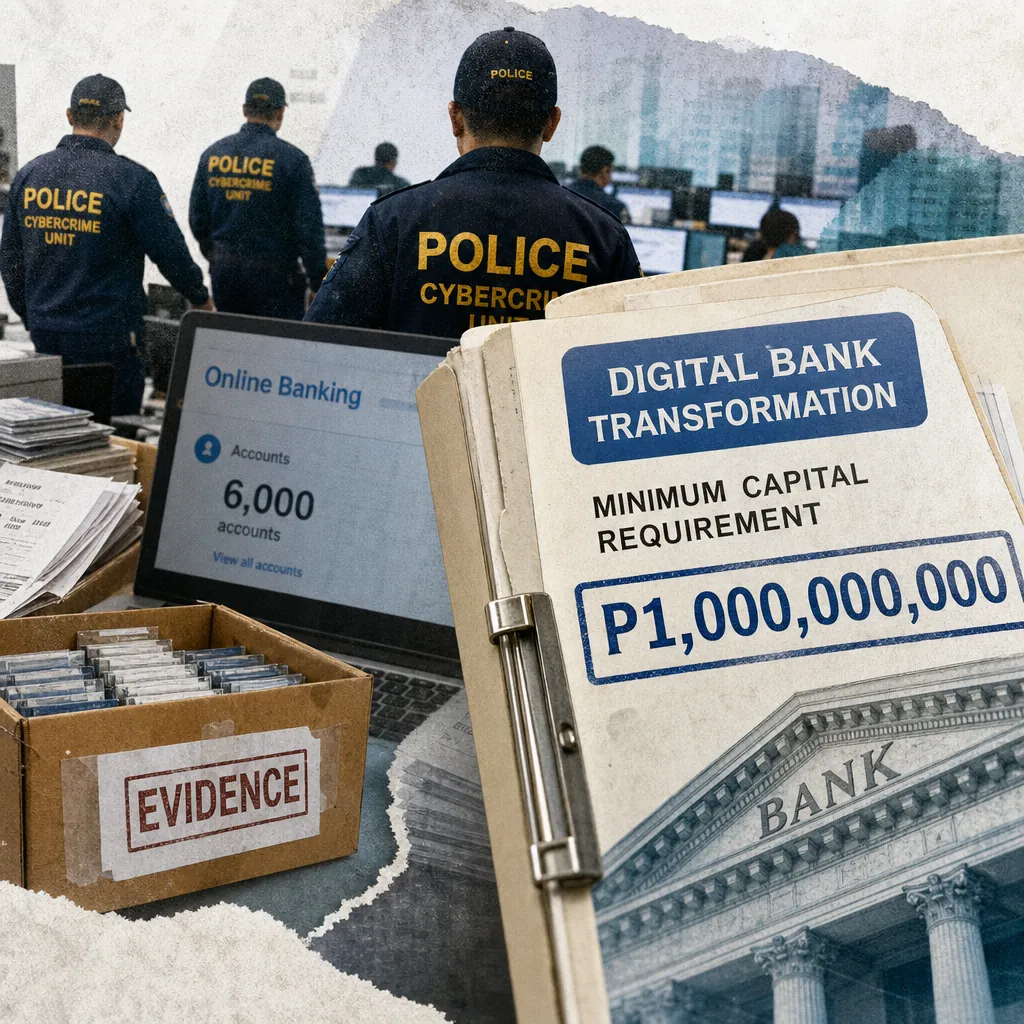
Vietnam's police pursue a 6,000-account bank fraud ring while the Philippines sets a P1-billion capital floor for banks shifting to digital models and new device-security rules take effect. Consumer sentiment improves but stays negative.

Mynt's record GCash listing secured more than 20 cornerstone investors and a P60.92-billion target, while Reddit users reported blocked accounts, credit card rejections and limit cuts at BDO, LandBank, Maribank and Atome. Home prices posted their slowest growth on record and the IMF cut its 2026 Philippine outlook to 3.4 percent.
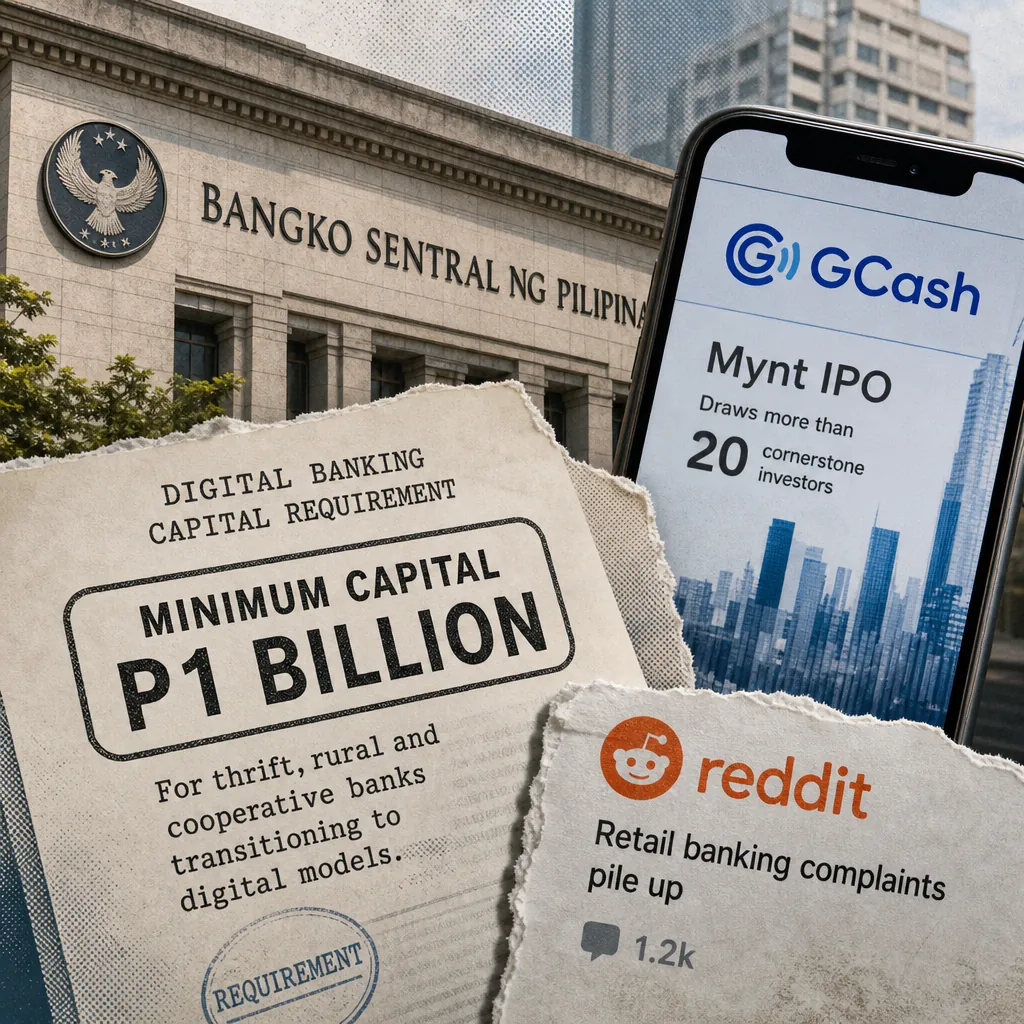
The Bangko Sentral ng Pilipinas required thrift, rural and cooperative banks moving to digital models to hold at least P1 billion in capital, while Mynt's GCash IPO drew more than 20 cornerstone investors and retail banking complaints piled up on Reddit.

Mynt won Philippine Stock Exchange approval for an offering of up to 8.03 billion shares at a maximum price of P10 each, with the International Finance Corp. disclosing a planned P4.4-billion cornerstone stake. The central bank separately required thrift, rural and cooperative banks moving to digital models to hold P1 billion in capital.
The Bangko Sentral ng Pilipinas may close its tightening cycle with one last quarter-point increase, ANZ Research said, as the peso stays weak and inflation runs above target. The same day, ICTSI locked in a $1-billion loan from BDO Unibank and the Treasury shelved a five-year bond sale.
The peso is testing a record low against the dollar while UnionBank and ANZ expect the Bangko Sentral ng Pilipinas to raise its policy rate to 5.25 percent by year-end. Mitsubishi's P44.5-billion investment in Ayala and Mynt's record P92.32-billion IPO approval also drew heavy coverage.
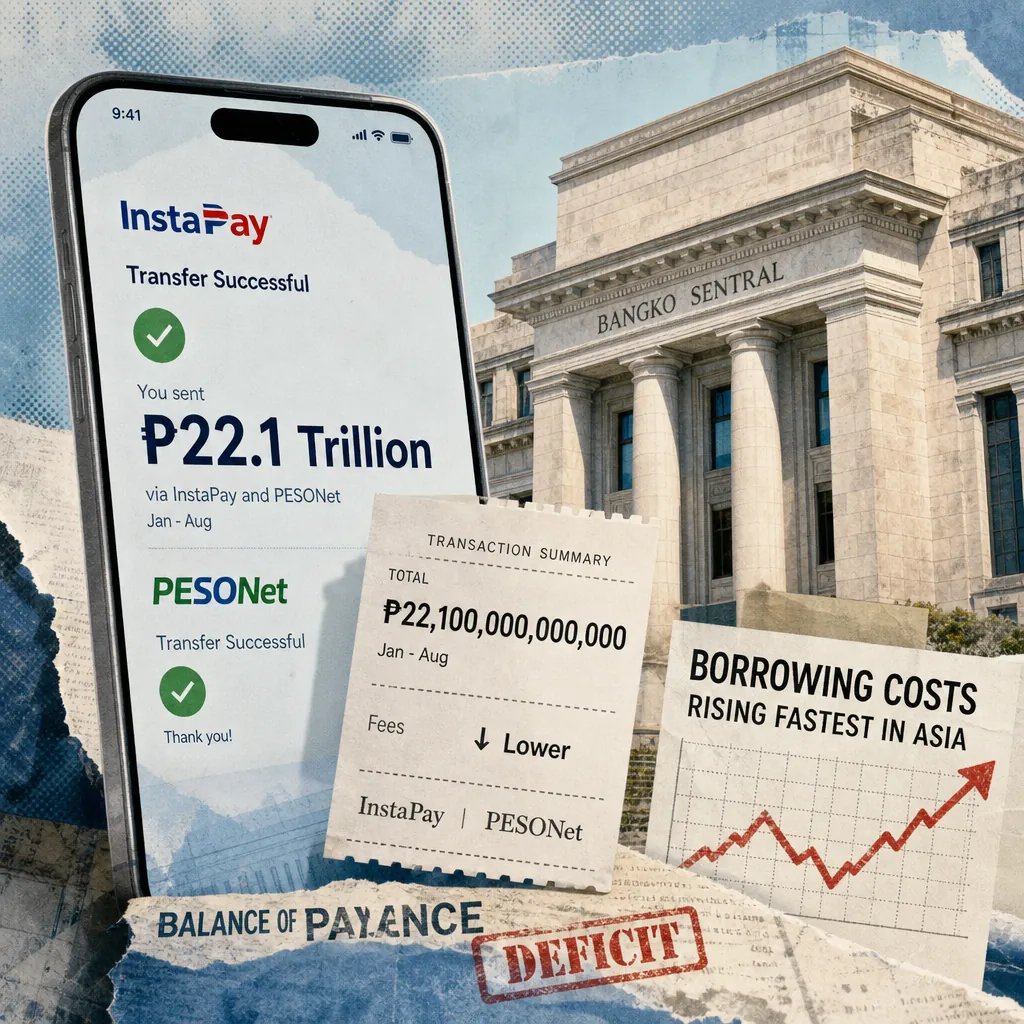
Filipinos moved a record P22.1 trillion through InstaPay and PESONet in eight months as fees fell, while the country's balance-of-payments deficit for January to August exceeded the whole of 2025 and borrowing costs rose faster than anywhere else in Asia.

The peso closed the week at 62.749 to the dollar after touching a record low of 62.86, while Philippine banks' total assets grew 10.7 percent year-on-year to P30.72 trillion in July. Coverage also tracked a wider current account deficit, a proposed central bank penalty schedule for erring bank officials, and a P25.8-billion block sale of First Gen shares.
