All 102 Banking reports from the Media Meter Report Library, newest first.
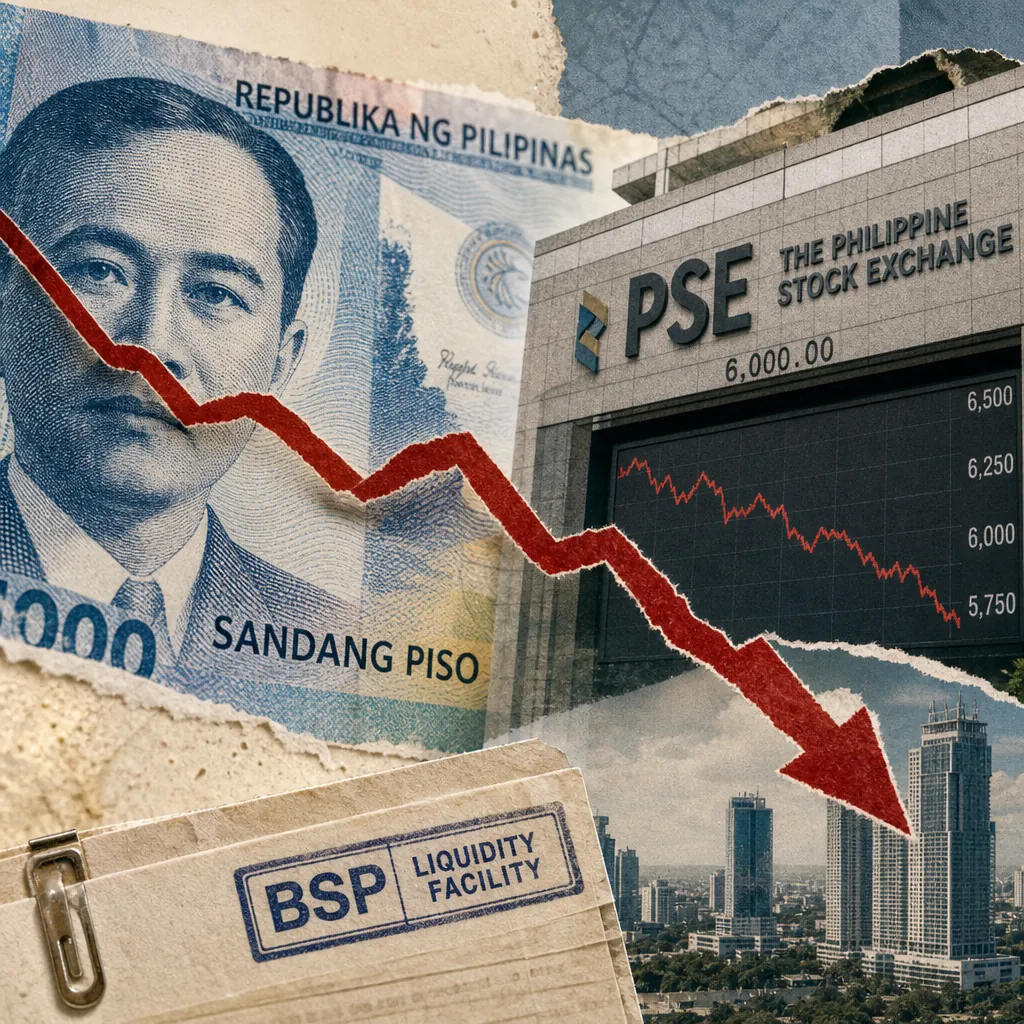
The Philippine peso fell to a record low past P62 per dollar and the stock market dropped below 6,000 as inflation concerns and global risks weighed. Analysts expect August inflation to ease slightly but remain above target, while the central bank moves to ease bank liquidity access.
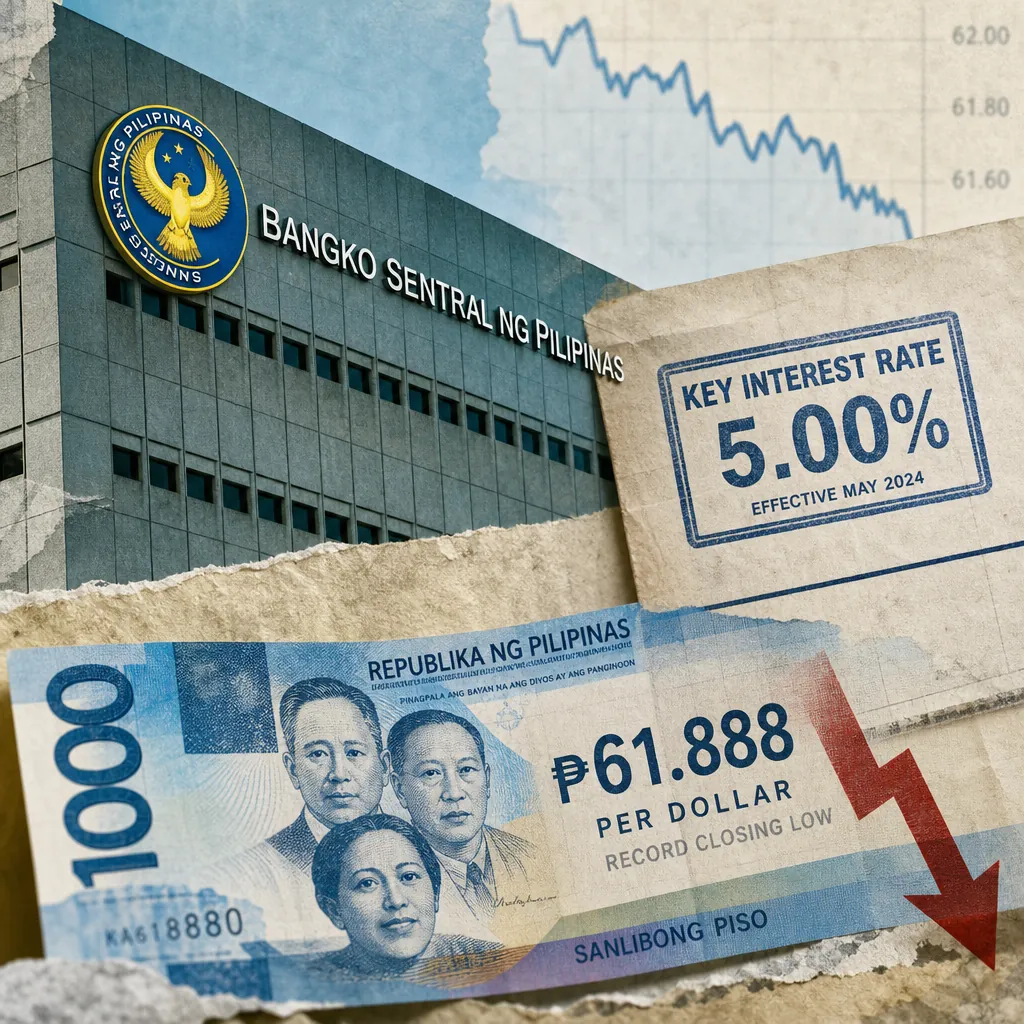
The Bangko Sentral ng Pilipinas raised its key interest rate by 25 basis points to 5%, its third straight hike, citing inflation risks from El Niño and wage hikes. The peso fell to a record closing low of 61.888 per dollar, and AMRO cut its Philippine growth forecasts for 2026 and 2027.
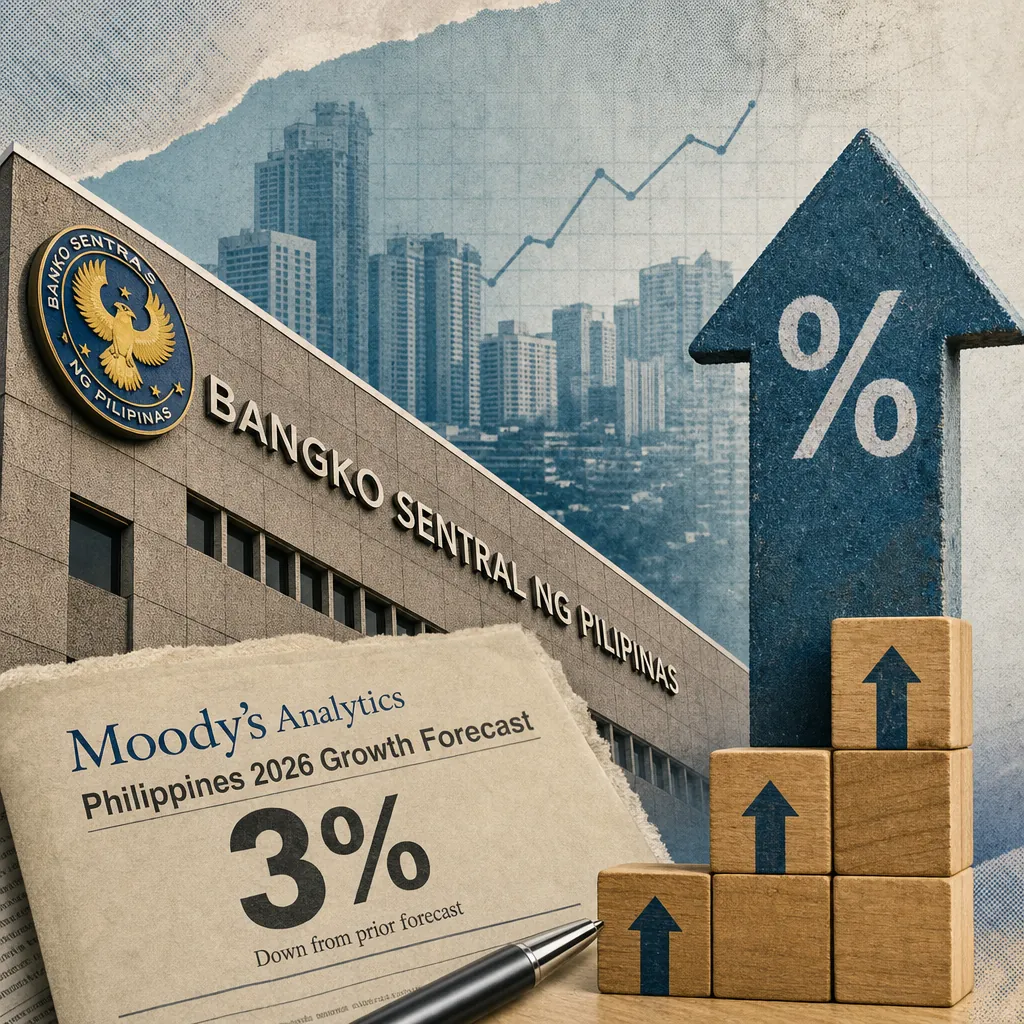
The Bangko Sentral ng Pilipinas is expected to raise interest rates for a third straight time, even as Moody's Analytics slashes the Philippines' 2026 growth forecast to 3%. The day's coverage also highlighted record non-life insurance premiums, a major GCash IPO timetable shift, and a push to reform digital payment fees.
The Bangko Sentral ng Pilipinas expanded PERA retirement savings to include time deposits, while Moodys affirmed the Philippines' investment-grade rating and OCBC cut its GDP forecast, signaling mixed economic signals.
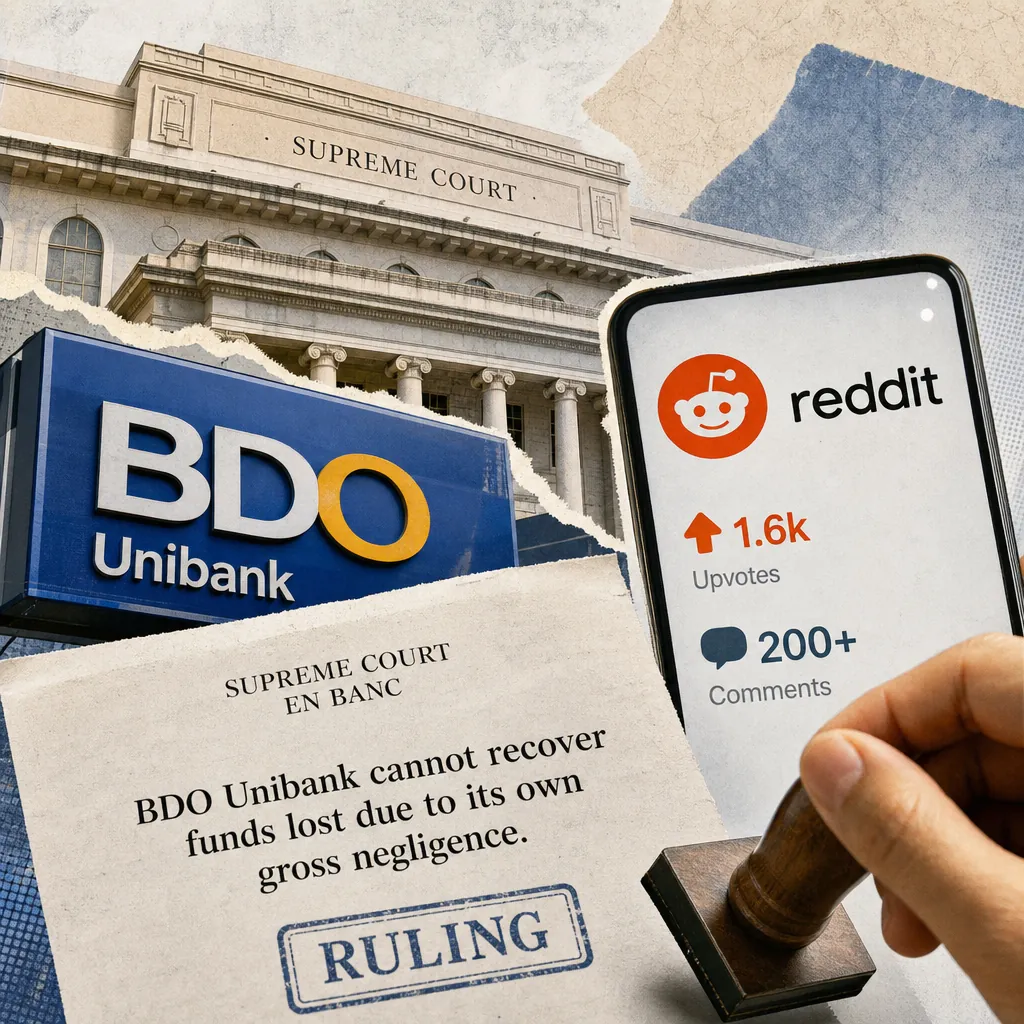
The Supreme Court ruled that BDO Unibank cannot recover funds lost due to its own gross negligence, a decision that drew roughly 1,600 upvotes and over 200 comments on Reddit. The ruling has sparked broader conversations about bank accountability, consumer protection, and the legal standards for financial institutions in the Philippines.
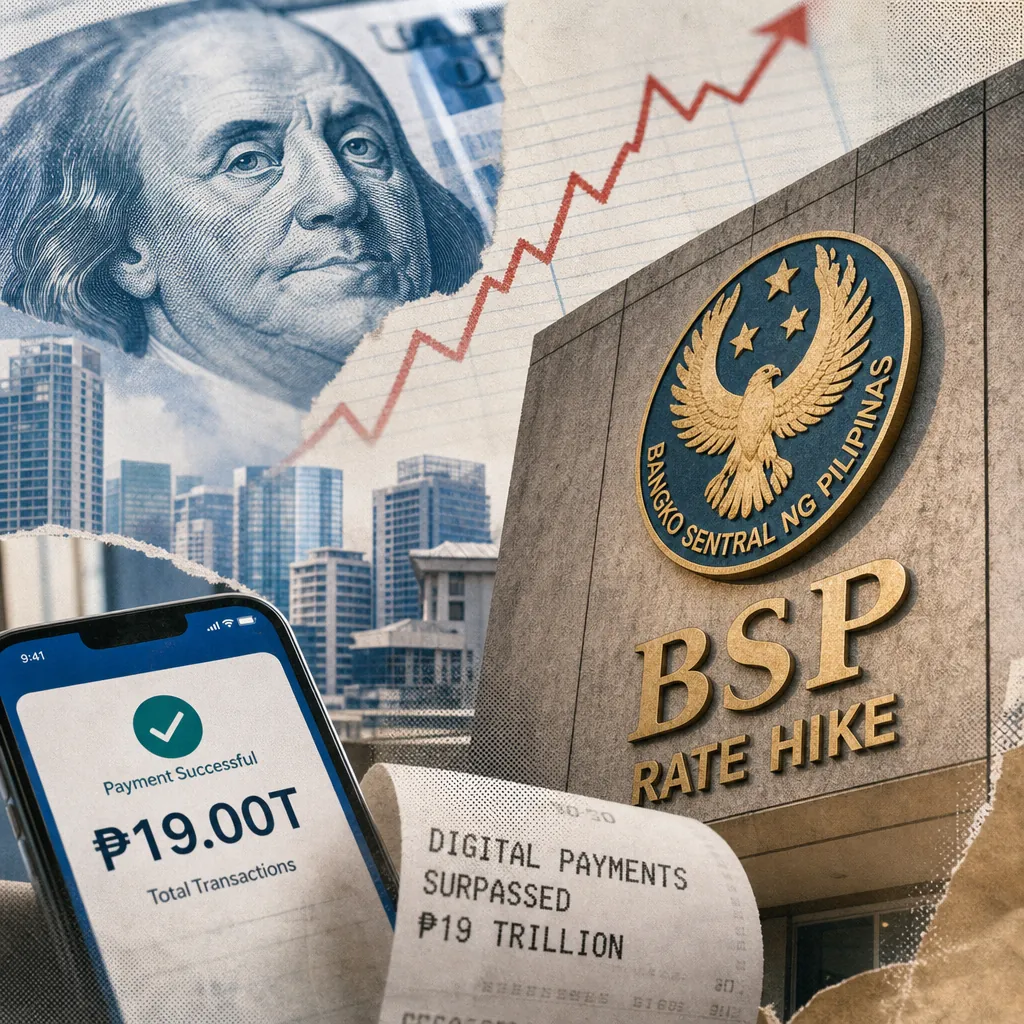
The Bangko Sentral ng Pilipinas is widely expected to raise interest rates for a third straight meeting on August 27, with inflation and peso weakness outweighing growth concerns. Digital payments surged past P19 trillion, while financial education and renewable energy deals also drew attention.

The day's coverage centered on the Philippines' digital payments infrastructure, with central bank initiatives on fraud prevention, financial inclusion, and payment system consolidation, alongside private sector partnerships and new security features from banks.
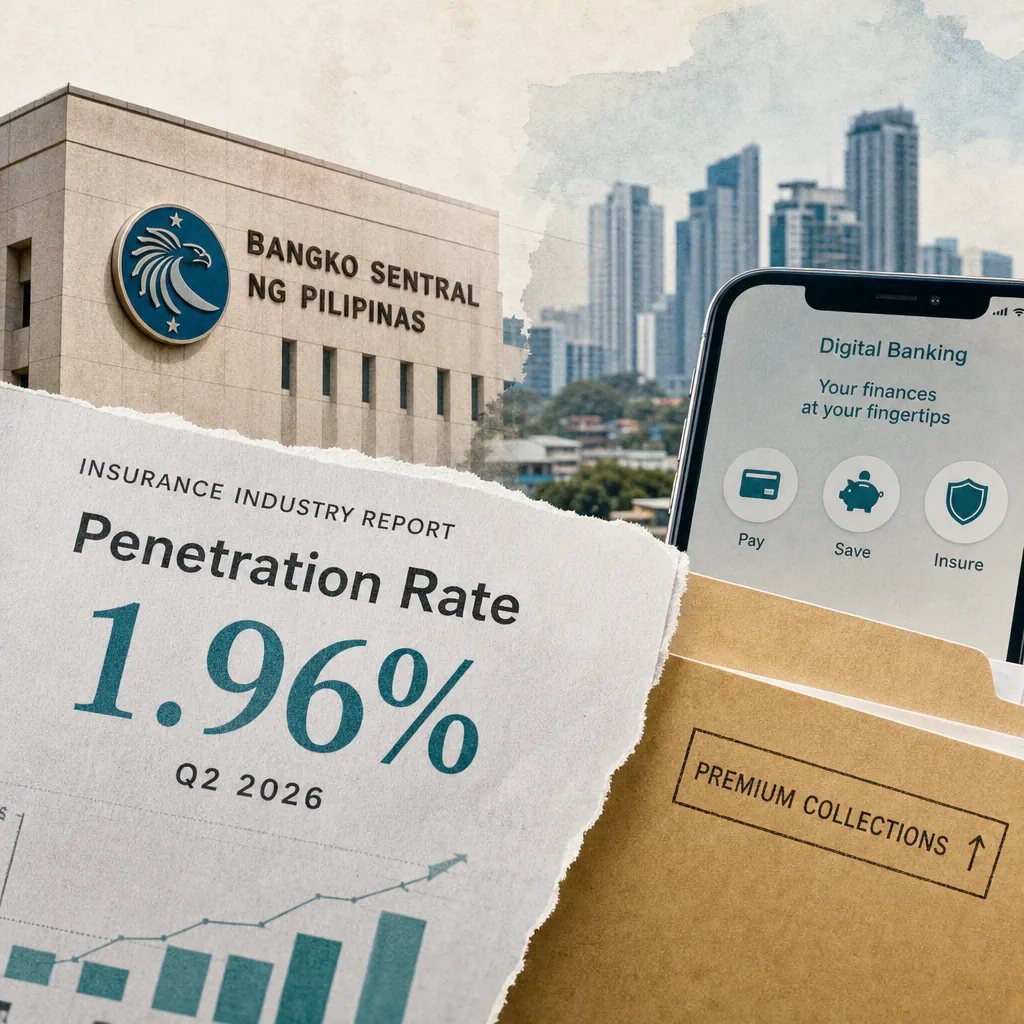
The Philippines' insurance penetration rose to 1.96% in Q2 2026, driven by higher premium collections, though it remains below the central bank's 2% target. Meanwhile, the BSP is expected to hike rates despite weak growth, and digital banking initiatives expand financial inclusion.
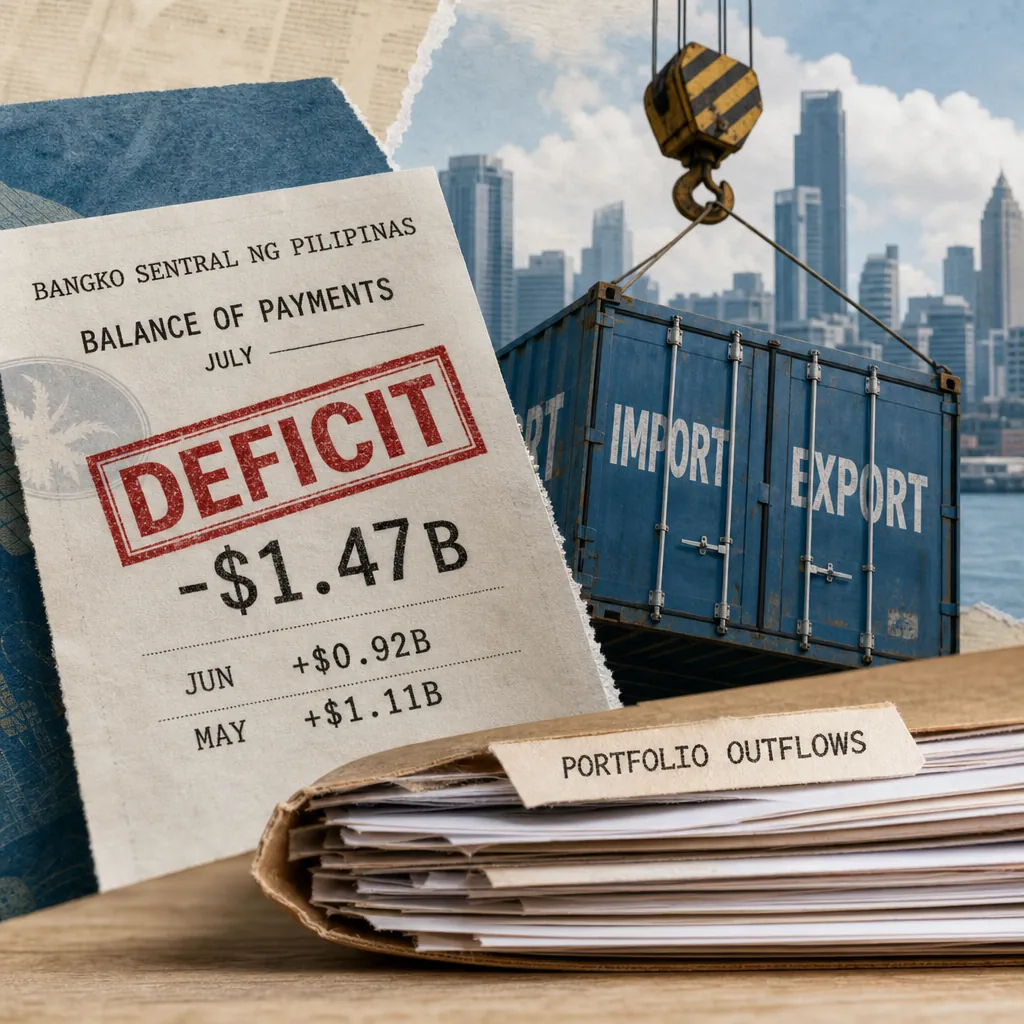
The Philippines' balance of payments swung to a $1.47-billion deficit in July, reversing two months of surpluses, as trade gaps and portfolio outflows weighed on the external position. The data drew heavy coverage across business media, alongside other developments including a major mining merger and a push for US investment.
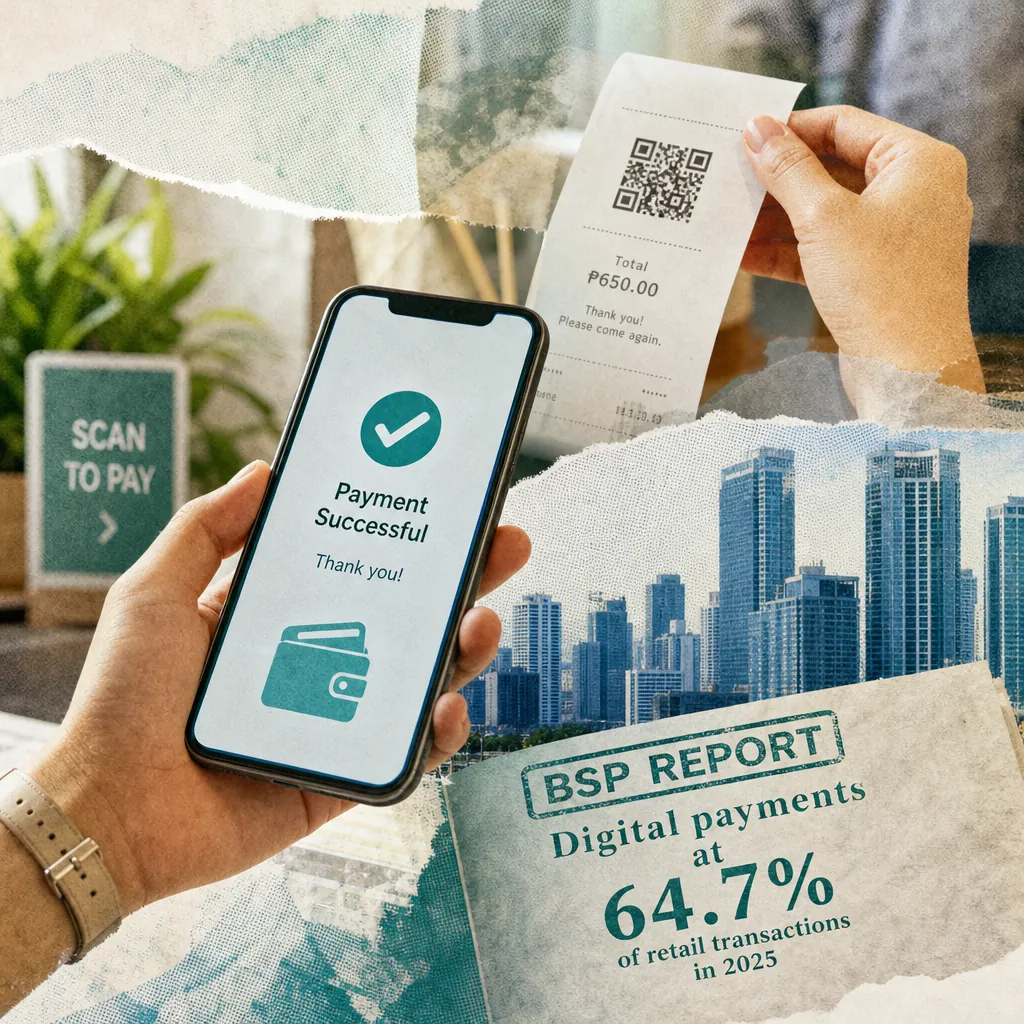
The BSP reports digital payments reached 64.7% of retail transactions in 2025, up from 57.4% in 2024. Meanwhile, the peso hit a record low near 62 per dollar, and TransUnion's credit perception index rose to 75, reflecting growing but cautious consumer sentiment.
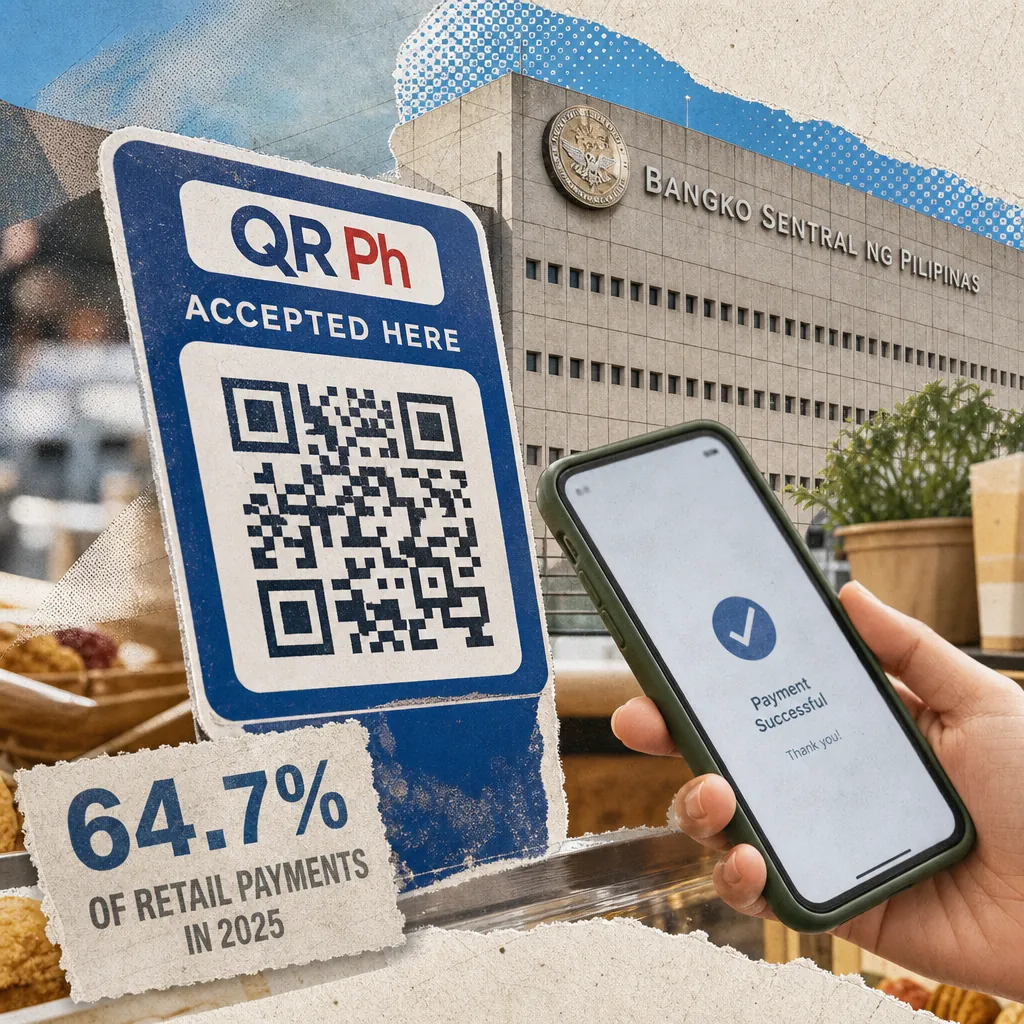
The Bangko Sentral ng Pilipinas reported that digital payments reached 64.7% of retail transactions in 2025, surpassing the national target. Merchant payments drove growth, with QR Ph transactions exceeding card volumes for the first time. The day's coverage also included inflation forecasts, remittance slowdowns, and banking sector developments.

The Philippines hits its digital payments target ahead of schedule, while the central bank signals prolonged inflation and slower remittance growth. The impeachment trial of Vice President Sara Duterte also dominates coverage.
